CHIHÖO’s Herencia Trazada begins with a reference to the decorated body rather than to an existing category of clothing. In its September 2026 preview of Panama Fashion Week, Panorama identifies traditional Wounaan body painting and the symbolism of the X serpent as inspirations for the collection. That makes the announced proposal more specific than a general appeal to heritage: it names a visual practice from which the design is intended to develop. The reference also establishes the central question. When a practice associated with the body becomes a starting point for clothing, what is retained, what is changed and who determines the relationship? A collection’s announcement can explain its intention. The finished garments must show the decisions through which that intention becomes fashion.
Panorama presents Herencia Trazada as an upcoming collection, not as a completed runway assessment. Its account therefore establishes what CHIHÖO intended to present, rather than proving how the collection ultimately looked or performed. That distinction matters: a proposal deserves an accurate introduction without a premature critical verdict.
CHIHÖO’s Herencia Trazada collection draws on Wounaan body painting—a closer look at its stated references and the importance of authorship.
A Reference More Specific Than “Heritage”
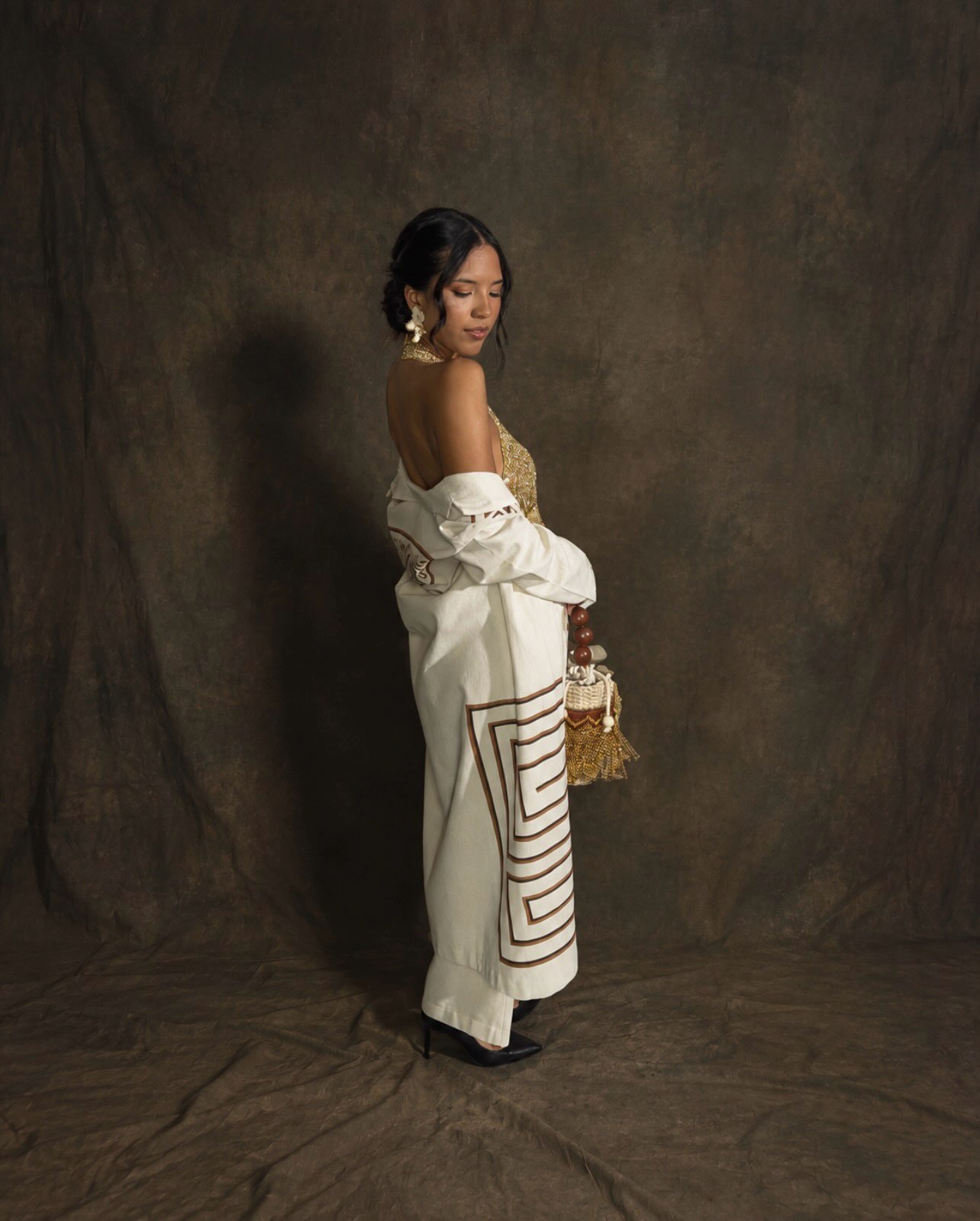
“Heritage” can become an imprecise word in fashion coverage. It may identify a cultural relationship, but it does not necessarily tell the reader what a designer has selected from that relationship. In the announcement of Herencia Trazada, the reference to Wounaan body painting supplies a more particular starting point. The accompanying reference to the X serpent adds a symbolic dimension to the published explanation. Neither reference should be expanded beyond what the source establishes. The announcement does not give a writer permission to assign meanings to every line, colour or embellishment appearing in a photograph. Nor should an isolated statement about symbolism be presented as an exhaustive account of Wounaan knowledge. The precise attribution is that these are the references identified for this collection.
That precision protects the design from a familiar editorial shortcut: describing something as culturally significant without explaining what makes it particular. Here, the useful subject is not “tradition meets modernity” in the abstract. It is a named label’s stated attempt to develop contemporary clothing from a named visual source.
The Body Is the Starting Point

Body painting creates an especially demanding proposition for fashion because its relationship with the wearer is already direct. Clothing introduces another surface, another set of boundaries and another relationship with movement. The critical question, then, is not simply whether a garment includes a recognisable mark. It is how a designer reworks the source through the organisation of clothing. For Herencia Trazada, that remains a question rather than an established achievement. The published announcement identifies inspiration, but it does not provide enough securely identified collection imagery to determine how motifs interact with seams, edges, volume or the spaces between garments. Those relationships would distinguish a specific design interpretation from a general visual association.
The distinction is consequential. Recognising a source is not the same as assessing what has been made from it. A collection can be clearly explained and still require close examination; an evocative concept does not settle questions of proportion, coherence or the contribution of individual looks.
CHIHÖO’s Stated Position
CHIHÖO’s own website places Wounaan heritage at the centre of its brand identity. It describes handmade pieces produced in Panama and names beadwork, embroidery and ancestral techniques among its practices. These statements establish how the label presents its work and the craft vocabulary through which it wants that work understood. They do not specify Herencia Trazada. A general description of beadwork cannot prove that a particular collection look uses beads. A reference to embroidery cannot identify the maker, technique or production sequence of an individual piece. The distinction between brand practice and garment evidence is essential to accurate coverage.
What the website does contribute is continuity of intention. The collection announcement does not sit apart from the label’s public identity: both foreground Wounaan heritage and contemporary clothing. The remaining task is to connect that stated position to particular objects, rather than letting a broad brand description stand in for their examination.
Authorship Needs More Than a Brand Name
The collection’s cultural references make accurate attribution especially important. Yet the available background sources require reconciliation. Panama’s cultural directory identifies Eliciana Membache Gimgimia as a Wounaan artisan and fashion designer associated with Chi Höo, while Panorama uses the name Eliciano Membache. Those accounts should not be silently merged or treated as interchangeable spellings. This is not a reason to erase the designer from the discussion. It is a reason to establish the correct identification before building a personal narrative around the collection. A label name alone cannot answer every question about creative direction, design responsibility or the making of individual garments.
The same discipline applies to craft attribution. Naming a technique does not name its practitioner, and describing a piece as handmade does not supply a production account. A fuller article should distinguish the label, the designer and any other credited contributors wherever the evidence permits. Cultural specificity should be matched by specificity about the people responsible for the work.
Photographs Need Their Own Evidence
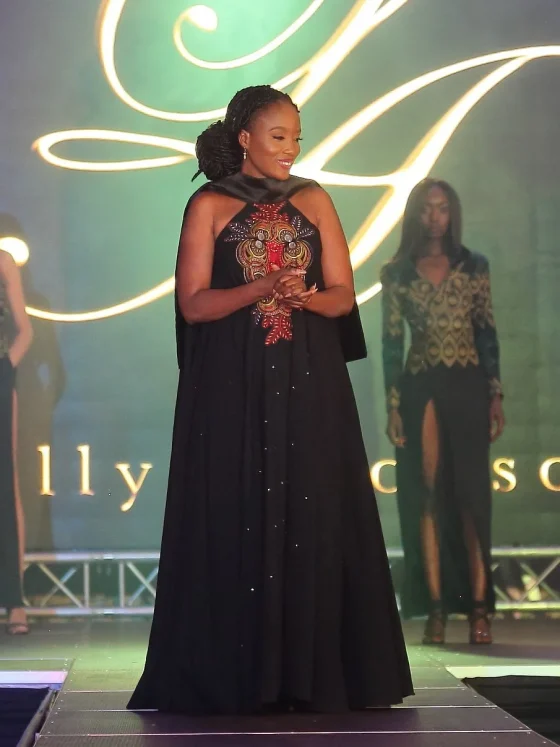
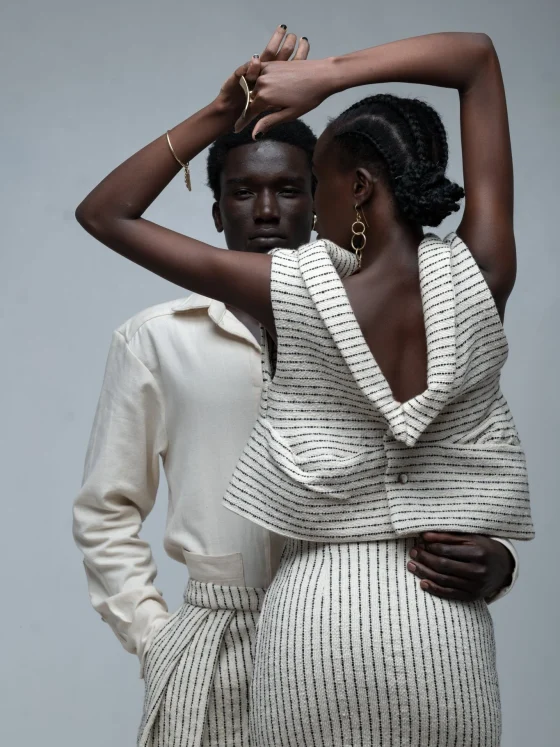
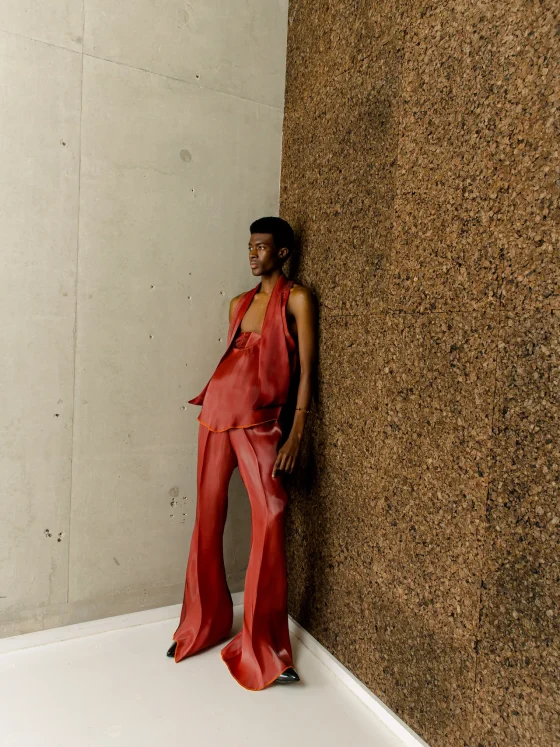
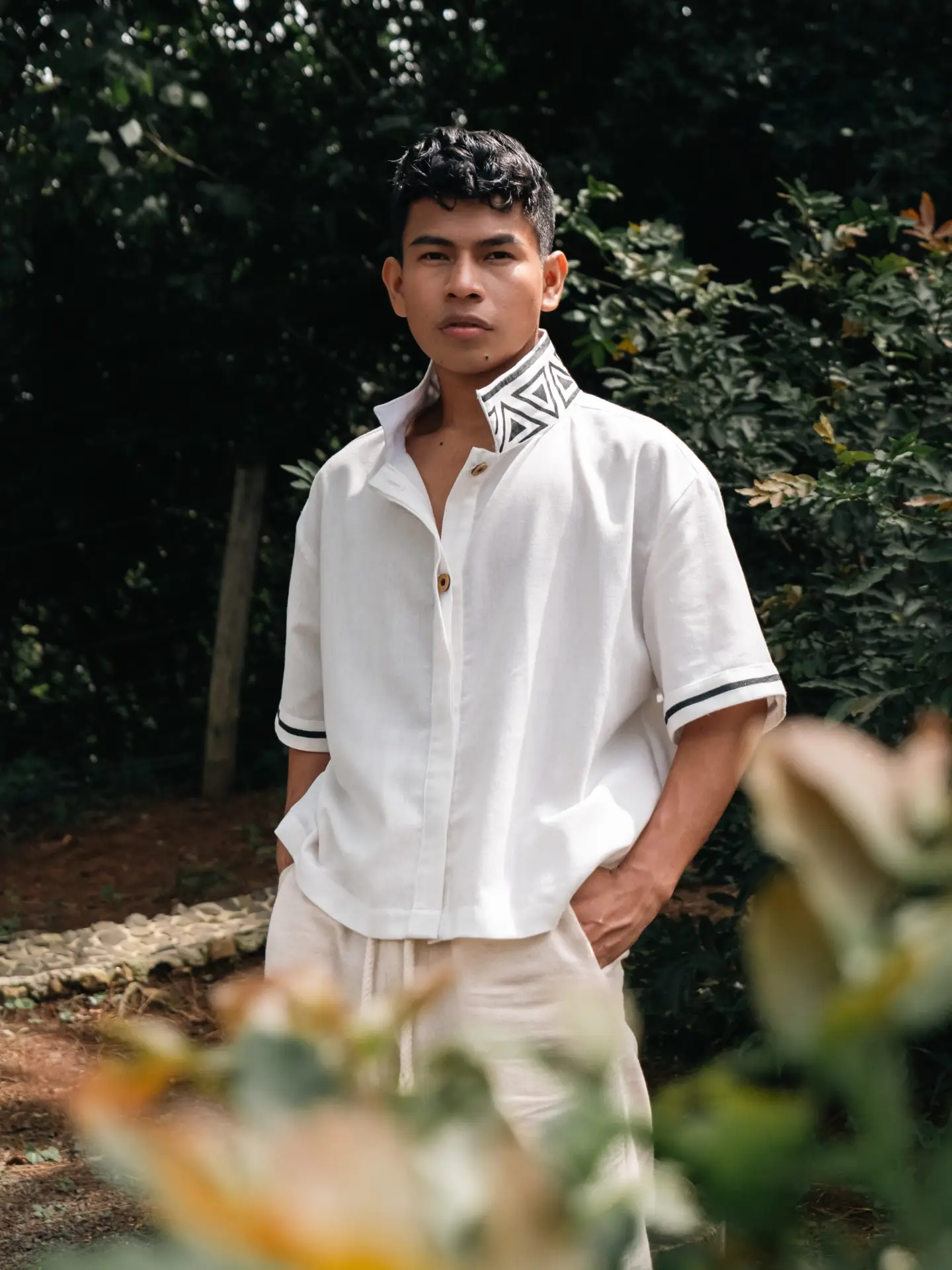
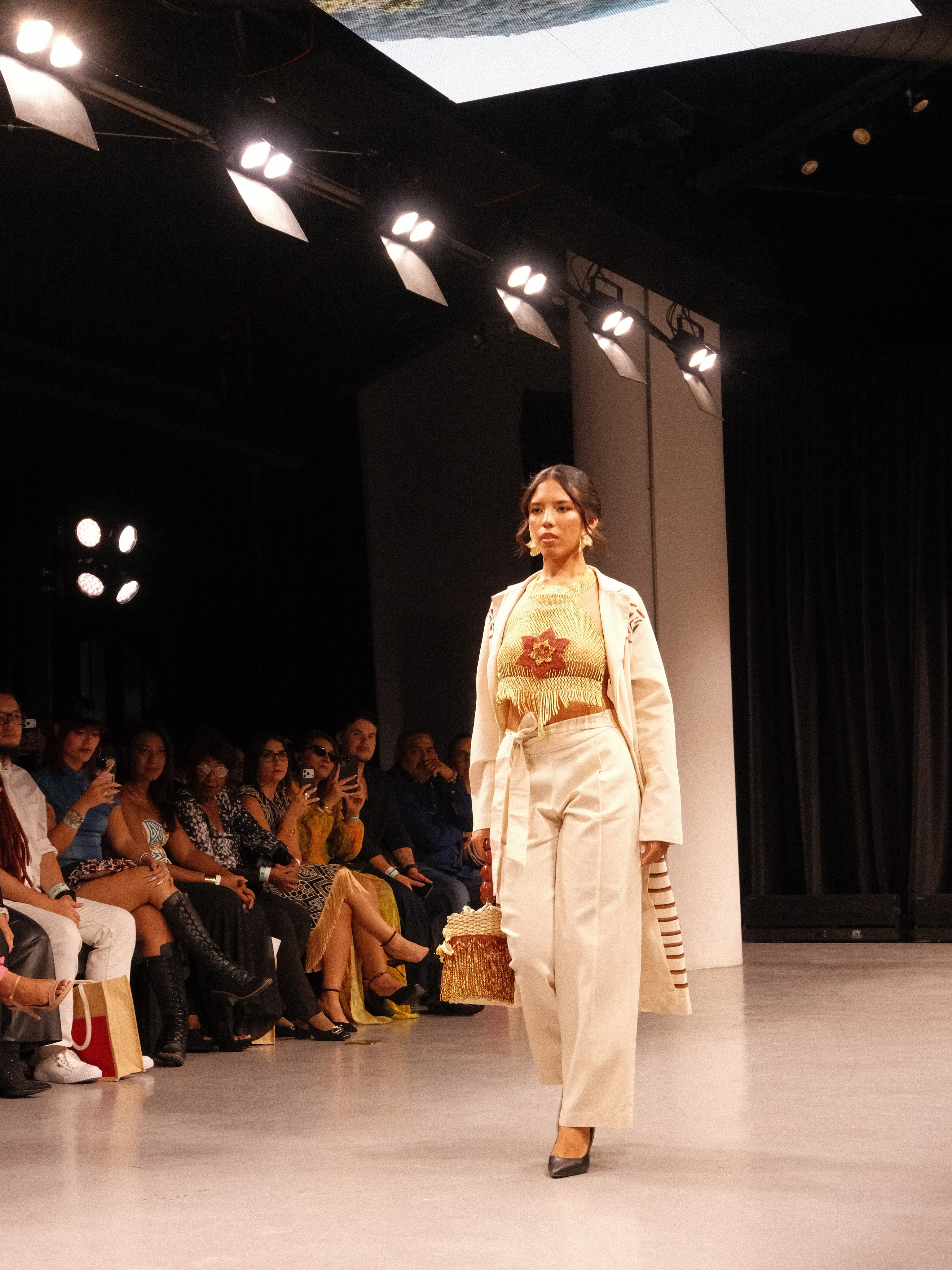
The photographs accompanying Panorama’s feature cannot automatically be treated as a Herencia Trazada lookbook. The captions include mixed-brand styling: a CHIHÖO top appears with a suit credited to Verónica Ángel, while another outfit includes a CHIHÖO dark top. Those credits identify contributions within editorial styling, not complete collection looks attributed wholly to CHIHÖO. That difference changes what we can responsibly say. An outfit’s total silhouette may depend on garments from more than one label. Its apparent balance, contrast or volume cannot simply be credited to the maker of one component. Without an explicit collection connection, the image also cannot establish that the credited piece belongs to Herencia Trazada.
For the reader, accurate captions are therefore part of the argument, not an administrative detail beneath it. They determine which object is being discussed, who made it and whether it supports the collection claim. Visual criticism begins with identification.
What the Announcement Contributes
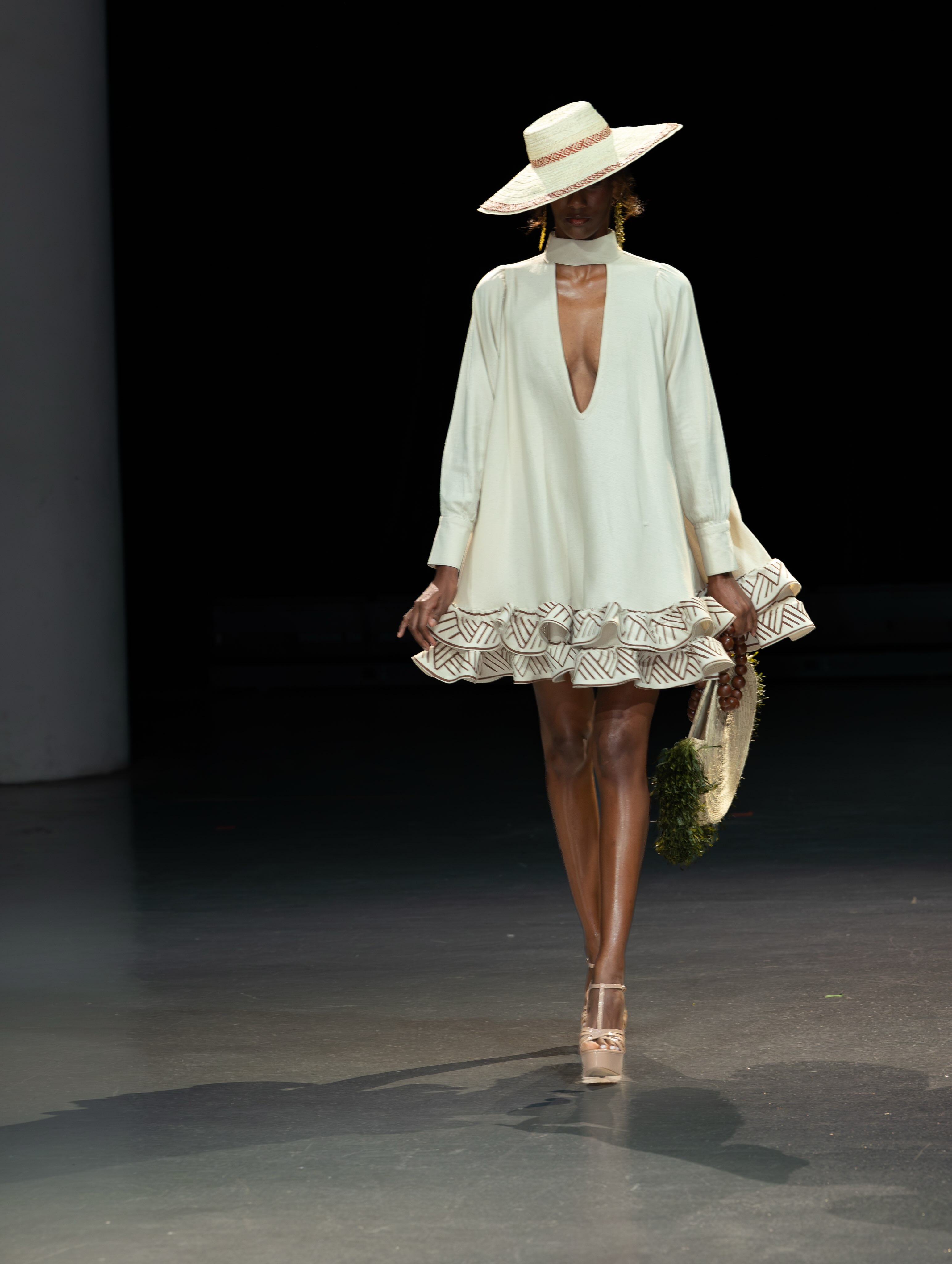
The published introduction’s strongest contribution is the clarity of its starting reference. Herencia Trazada is presented through Wounaan body painting and a stated symbolic source, giving the proposed collection a more defined basis than an unspecified celebration of culture. Its limits should remain equally clear. The announcement cannot establish the completed collection’s quality, the effectiveness of its proportions or the relationship among its looks. It introduces the design enquiry; it does not answer every question that enquiry raises. CHIHÖO’s proposal is worth following because it makes a particular relationship available for examination: the movement from a cultural practice associated with the body to contemporary garments. The next meaningful assessment must follow that relationship into identifiable clothing. It should neither dismiss the stated reference nor let the reference substitute for the work.
The Omiren Argument
The principle is authorship. A culturally specific reference deserves equally specific treatment of the designer, the garment and the people responsible for making it.
Herencia Trazada has an identifiable published premise. The critical task is to connect that premise to attributable design decisions, not to praise the finished collection before its objects have been securely identified.
Also Read:
Uli: Igbo Women’s Ephemeral Art of Body, Wall and Line traces Igbo women’s Uli, a practice of painting on the body and on walls, and how its motifs are composed.
Panama’s Congo Men’s Costume Tradition: Inside-Out Clothing and the Fashion of Resistance documents Portobelo’s Congo costume tradition, where inside-out clothing is an act of resistance.
Oaxacan Weaving Is Not a Trend. It Is a Textile System. argues that Indigenous weaving is a living design system and asks brands to name communities, techniques and makers.
Who Should Define Cultural Authority in Fashion? Start With the Makers asks who should define cultural authority in fashion, starting with the makers of a tradition.
Frequently Asked Questions
What is Herencia Trazada?
Herencia Trazada is a CHIHÖO collection named in Panorama’s September 2026 preview of Panama Fashion Week. The feature describes a planned presentation rather than providing a completed runway review, so it establishes what CHIHÖO intended to present, not how the collection ultimately looked or performed.
What inspired the collection?
The published announcement identifies traditional Wounaan body painting and the symbolism of the X serpent as references. These are attributed collection inspirations, not a comprehensive explanation of Wounaan cultural practices, and they should not be used to assign meanings to every line, colour or embellishment in a photograph.
Are the feature’s photographs a collection lookbook?
Not on the evidence established here. The captions include mixed-brand outfits, such as a CHIHÖO top shown with a suit credited to Verónica Ángel, and do not securely identify complete Herencia Trazada looks. Accurate captions identify what’s being discussed and who made it.
Who designed Herencia Trazada?
Panama’s cultural directory identifies Eliciana Membache Gimgimia as a Wounaan artisan and fashion designer associated with Chi Höo, while Panorama uses the name Eliciano Membache. The accounts should not be silently merged, and the designer should be identified before a personal narrative is built around the collection.