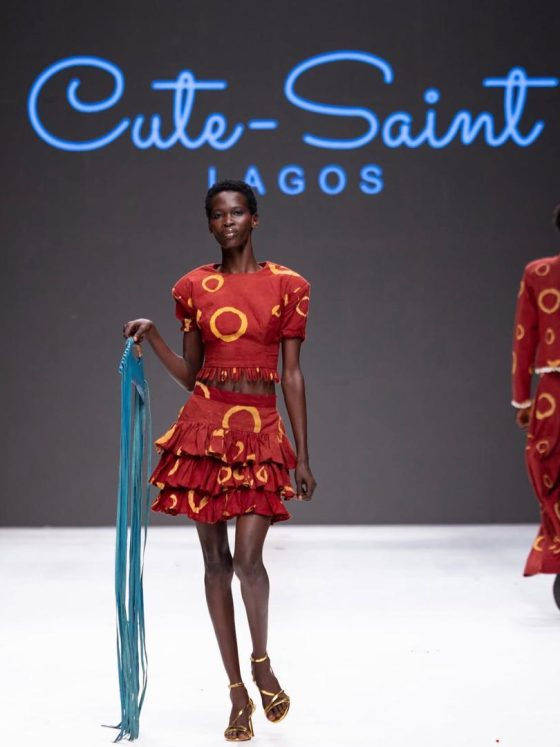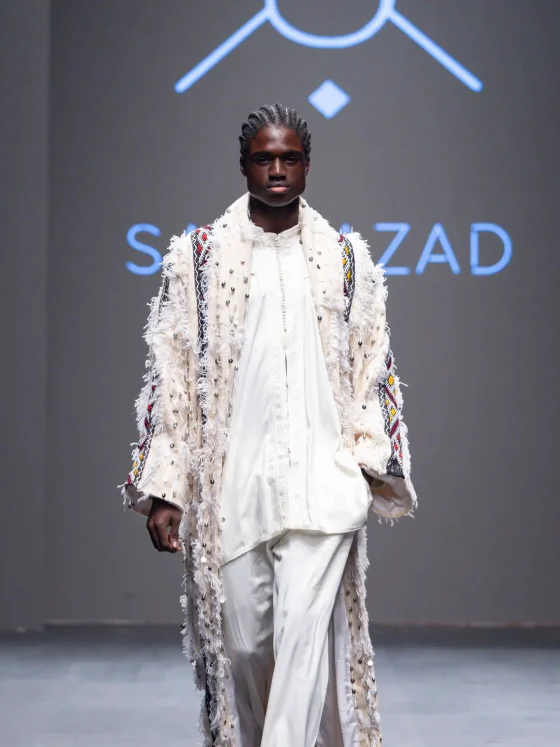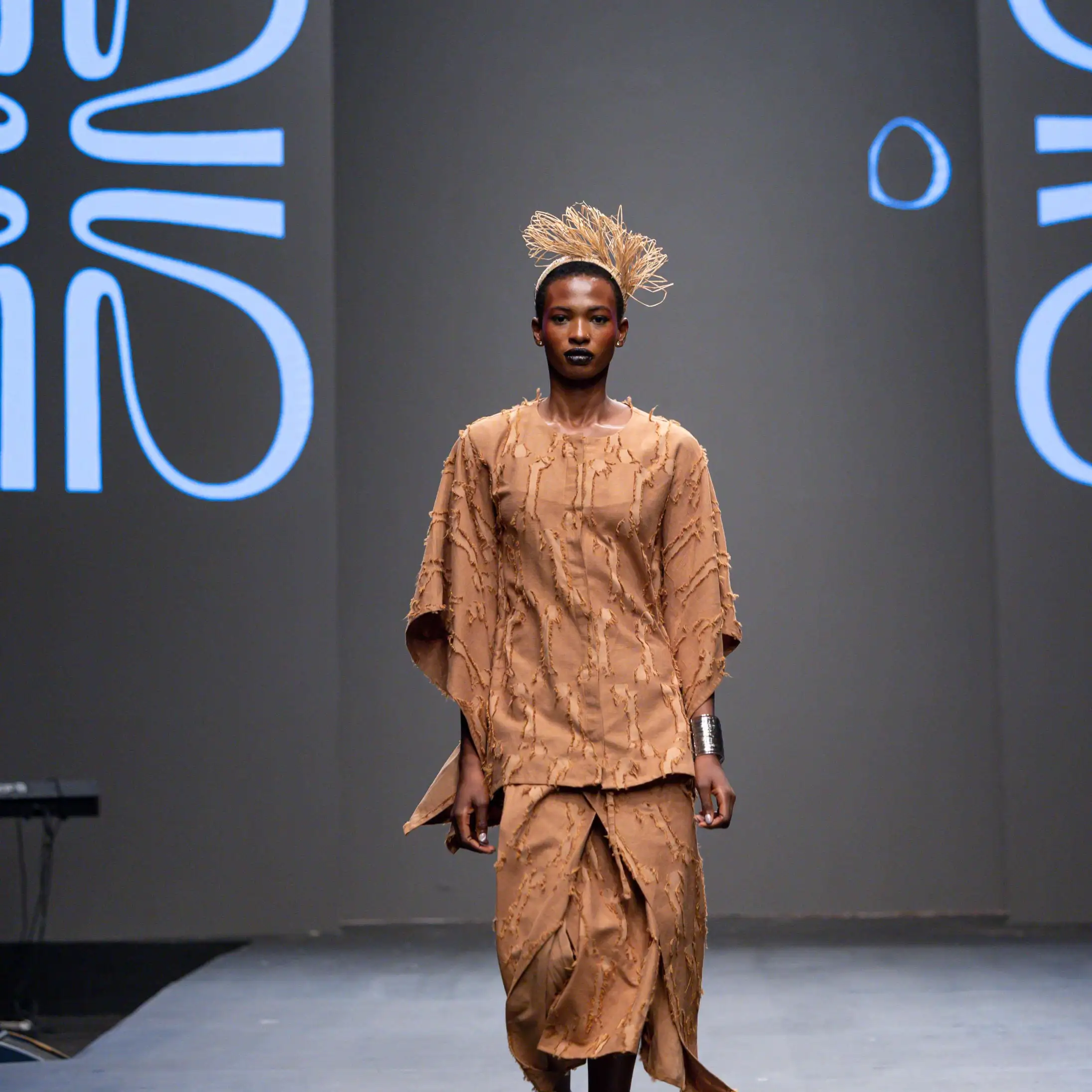
At ALÁRA, the approaching holiday period helped frame the opportunity. At Viva Accra, the emphasis was on finding designers who could strengthen an existing retail offer.
In interviews published by Vogue after Lagos Fashion Week 2026, buyers from the Lagos and Accra concept stores described how they evaluated the collections. Their accounts highlighted an interest in distinctive, wearable design while foregrounding different aspects of the purchasing decision: availability, customer expectations, and the place a new label might occupy within the store.
These are individual perspectives, not an event-wide survey or a record of confirmed sales. They nevertheless offer a more precise way to understand the commercial encounter than simply counting buyers in the audience.
A retailer’s presence signals an opportunity for contact. Its purchasing priorities explain more about what that contact might become.
Buyer accounts from Lagos Fashion Week 2026 reveal how customer needs, holiday demand, and retail budgets shape opportunities for designers.
What the Retailers Were Buying For
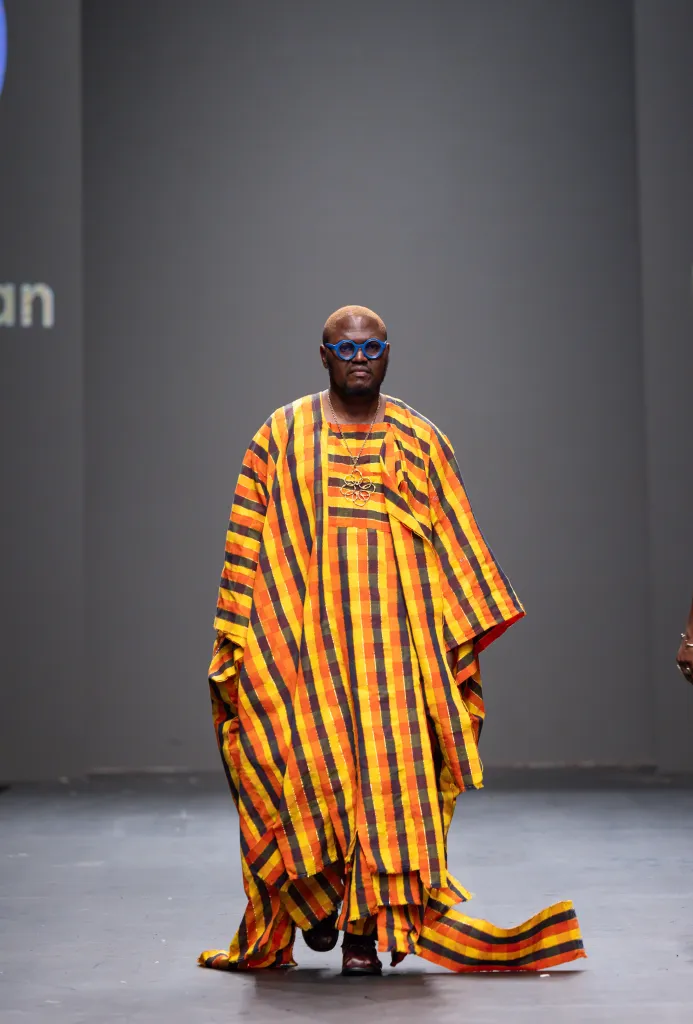
For ALÁRA buyer Arinola Fagbemi, the collections were entering a particular moment of demand.
Speaking to Vogue, she connected the relatively quick turnaround of many African brands with the possibility of products becoming available for the holidays, including Detty December (the festive period associated with parties and live music events). She also described a buying approach that did not simply follow the international calendar or require orders every season.
Her account placed availability alongside design. A collection could offer pieces relevant to the store’s customers and to an approaching period when those customers would be shopping.
This was not a claim that every designer could deliver immediately. It was a buyer’s assessment of an advantage she saw among many of the brands under consideration.
Sacha Okoh, creative director and buyer at Viva Accra, foregrounded another part of the decision. The Ghanaian concept store allocated funds to African designers within its overall buying budget, rather than maintaining a completely separate Lagos budget. Okoh described looking for the right brands and making considered selections.
Her ambition was to grow the store’s offering of African designers. The relevant question was how prospective labels would fit alongside the Nigerian, Ghanaian and international brands already represented.
These priorities are complementary rather than opposing. A retailer can care about holiday availability and the coherence of its wider offer. What differs is the emphasis each buyer placed on the opportunity.
That distinction matters for designers. “A buyer is interested” is incomplete information until the label understands what the retailer needs.
The Customer Behind the Selection
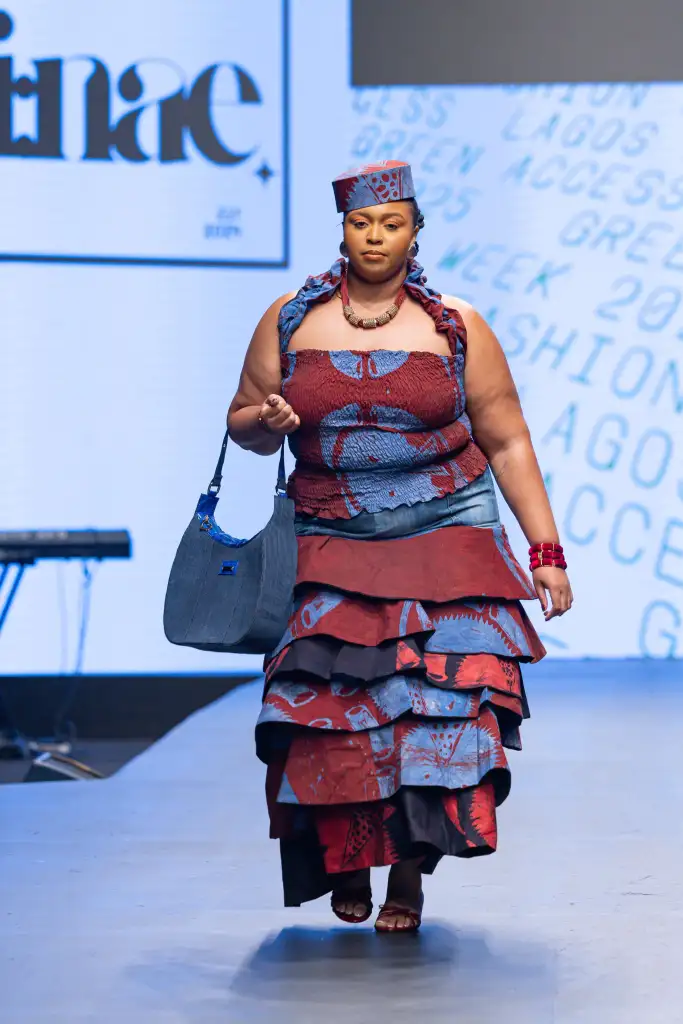
Okoh’s criteria combined creativity, quality, wearability and commercial appeal. Christie Brown, Jermaine Bleu and Boyedoe were among her standout collections. Her assessment concerned how pieces would translate from runway presentations into customers’ wardrobes.
This is a judgement about products in context.
A buyer considers whether a garment’s design, price position, and intended use make sense within the store. A strong collection does not automatically answer all those questions, nor does a decision not to stock it necessarily mean rejecting its creative quality.
Fagbemi similarly connected her selections to ALÁRA’s customers. She emphasised finishing and detailed construction, naming Orange Culture, Dukun and Orire among her standouts. The showroom partnership between ALÁRA and Lagos Fashion Week helped buyers examine garments more closely after their presentations.
The implication is not that designers should make interchangeable clothes to satisfy retail expectations. Rather, commercial interest becomes meaningful through a particular customer relationship.
A collection’s strongest proposition for one store may be different from its strongest proposition for another. Understanding that difference helps turn a broad introduction into a focused discussion about selected pieces.
Availability Shapes the Opportunity
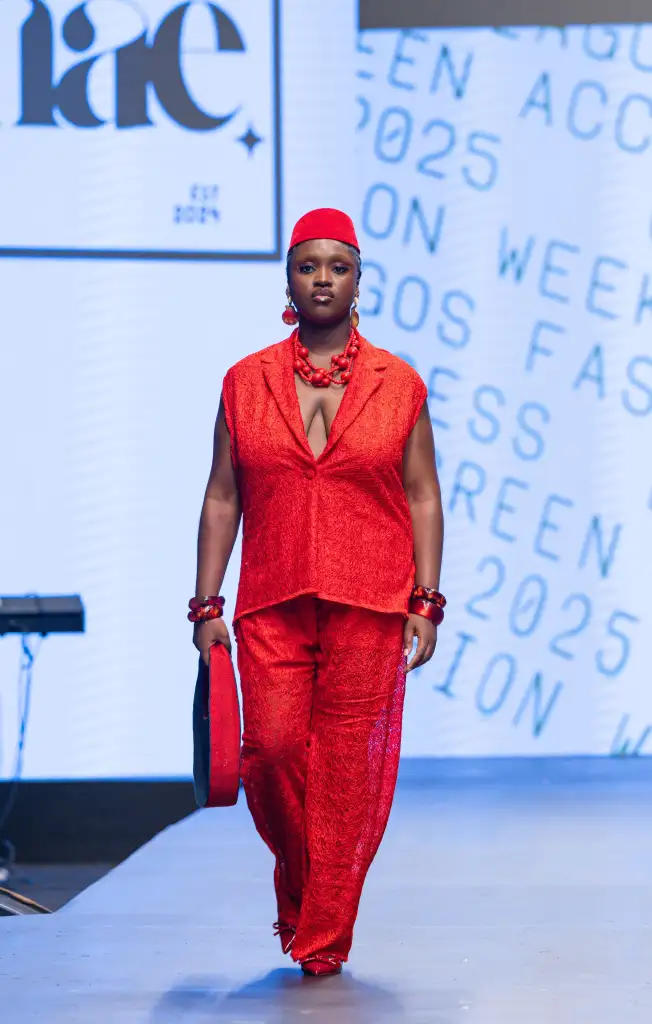
The holiday connection in Fagbemi’s account adds another consideration: when the product can reach the customer.
For a retailer anticipating a peak selling period, a proposed arrival date is part of the offer. The same garment may present a different commercial opportunity depending on whether it is available before, during or after that period.
Fagbemi’s comments establish that turnaround influenced her assessment. They do not establish the production capacity or delivery performance of every participating brand.
The next conversation therefore needs specifics. Which pieces are available? Are they existing stock or still to be produced? What quantities can the label supply, and within which delivery window?
Don’t treat those questions as a formality after creative selection. They help determine whether the opportunity is workable.
The published accounts also show why a season label cannot explain the whole purchasing context. Fagbemi and Okoh both attend major international fashion weeks, but their descriptions of Lagos buying were rooted in their stores’ needs and arrangements.
Their engagement with international fashion did not erase those particular priorities.
From Interest to a Specific Proposal
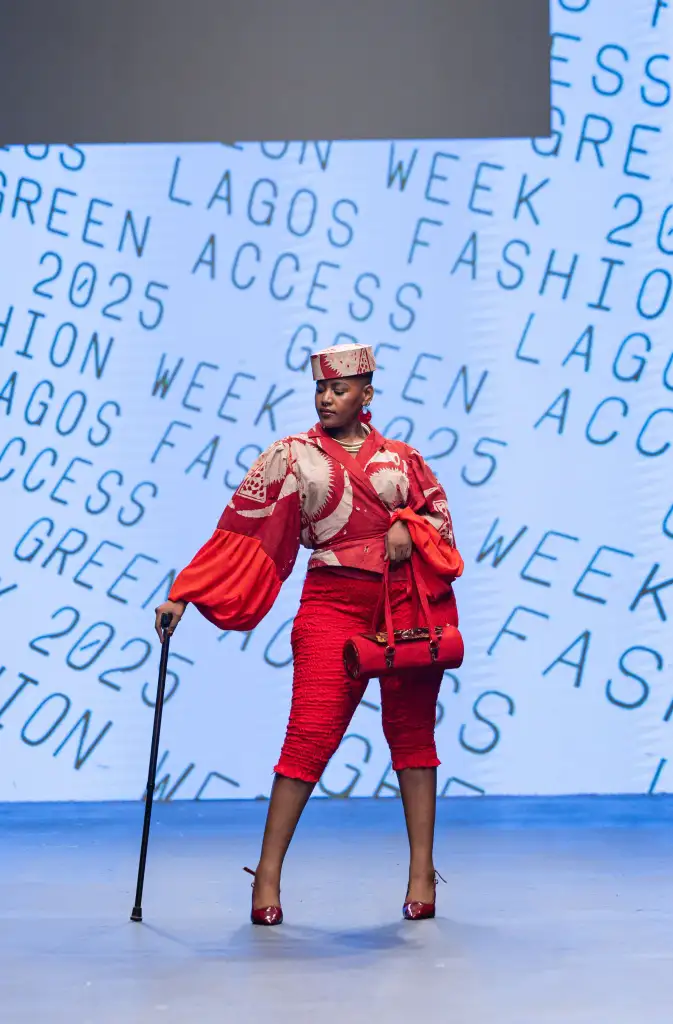
Once a buyer identifies suitable pieces, both parties need to clarify the proposed relationship.
The designer needs to understand what the retailer wants to select and when it expects the products. The retailer needs a clear account of what the label can offer. Price, quantity, availability and timing belong in that exchange.
This is where the broad language of exposure becomes insufficient. An introduction may be valuable, but it cannot tell us whether the proposed order suits the designer’s production schedule or the retailer’s intended selling period.
Nor can the published buyer accounts tell us what happened in every subsequent negotiation. They document assessments and purchasing intentions, not an event-wide total of orders or fulfilled deliveries.
The appropriate follow-up is therefore specific: which expressions of interest became agreements, which products arrived as planned and which relationships continued?
Those questions concern outcomes. The present evidence concerns how buyers were framing their decisions.
The Omiren Argument
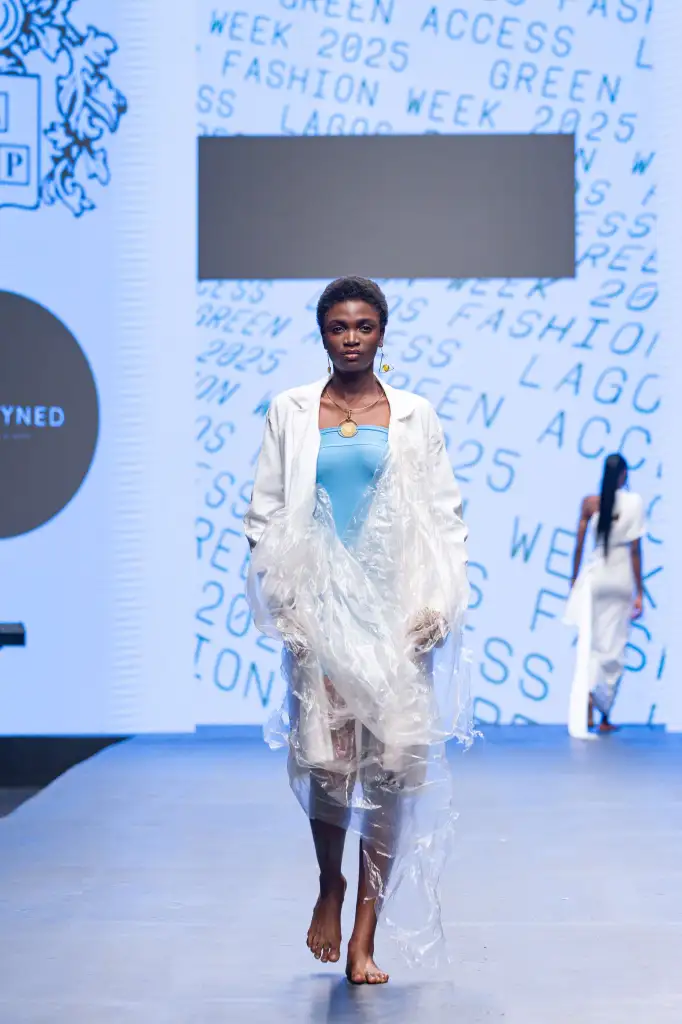
Demand is not uniform simply because buyers attend the same event.
The accounts from ALÁRA and Viva Accra reveal different emphases within a shared interest in African design: an approaching holiday opportunity, the fit of new labels within an existing offer, and expectations about quality and wearability. They do not represent the entire market, but they show why buyer attendance alone is an incomplete measure of commercial opportunity.
For designers, the useful opportunity is specific: a customer the collection can serve, an availability window the business can support, and a retail relationship worth pursuing.
For those assessing Lagos Fashion Week, the distinction matters just as much. The presence of buyers tells us who came. Their purchasing priorities tell us more about what the event could offer particular labels.
Whether those possibilities became successful businesses remains a question for follow-up reporting.
Also Read:
- Lagos Fashion Week 2026: The Business Behind the Craft
- The Lagos Fashion Week Effect: What a Decade of Runway Has Actually Done for Nigerian Designer Revenue
- African Designers Buyers Should Act On in 2026: A Three-Tier Shortlist
- African Fashion Events in 2026: International Trade Visitors, Buyers and Data Gaps
Frequently Asked Questions
What were buyers looking for at Lagos Fashion Week 2026?
In Vogue’s published interviews, ALÁRA’s Arinola Fagbemi emphasised customer awareness, finishing and availability for the approaching holiday period. Viva Accra’s Sacha Okoh described balancing creativity, quality, wearability and commercial appeal while selecting labels suited to the store’s wider offer. These are individual perspectives, not an event-wide survey.
Did the retailers describe the same buying approach?
No. Fagbemi described a Lagos buying approach that did not simply follow the international seasonal calendar. Okoh said Viva Accra allocated money to African designers within its overall budget rather than maintaining a separate Lagos fund. Those comments describe different arrangements, not mutually exclusive priorities.
Did buyer interest establish that designers secured orders?
No. The reporting reviewed documents, buyer assessments, and interest but does not provide an event-wide record of confirmed orders, delivery, or repeat business. Those outcomes require separate evidence, such as which expressions of interest became agreements, which products arrived as planned and which relationships continued.
Why does availability matter to a retailer?
For a retailer anticipating a peak selling period, a proposed arrival date is part of the offer. Fagbemi linked quick turnaround to products reaching customers for the holidays, including Detty December. Her comments show that turnaround influenced her assessment, but they do not establish every brand’s production capacity or delivery performance.