Lena Richard’s cooking school and cookbook were developed together. In 1937, she opened classes for Black students in New Orleans and began working on a book with her daughter, Marie. Teaching helped her refine the instructions; writing gave those instructions a life beyond the classroom. When she self-published Lena Richard’s Cook Book in 1939, it made her accumulated professional knowledge available under her own name.
Her purpose for the school was explicit. She wanted students to learn preparation and service so that they could work across occasions and “be in a position to demand higher wages.” Training was not simply a way to make better food. It was a way for workers to establish their competence and advocate for its value.
That connection gives Richard’s career its strongest through-line. She learned, tested, taught, published and operated businesses before bringing her expertise to television. Broadcasting expanded an established practice; it did not create her authority.
The Smithsonian identifies her 1939 volume as the first published cookbook by an African American author featuring New Orleans Creole cuisine. The claim is specific, and its significance lies in authorship: Richard was defining a cuisine in print rather than appearing as an unnamed source of someone else’s expertise.
Explore how Lena Richard linked culinary training, cookbook authorship, business and early television, from a 1937 New Orleans school to a 1949 show.
A Trained Cook Who Knew What She Already Knew
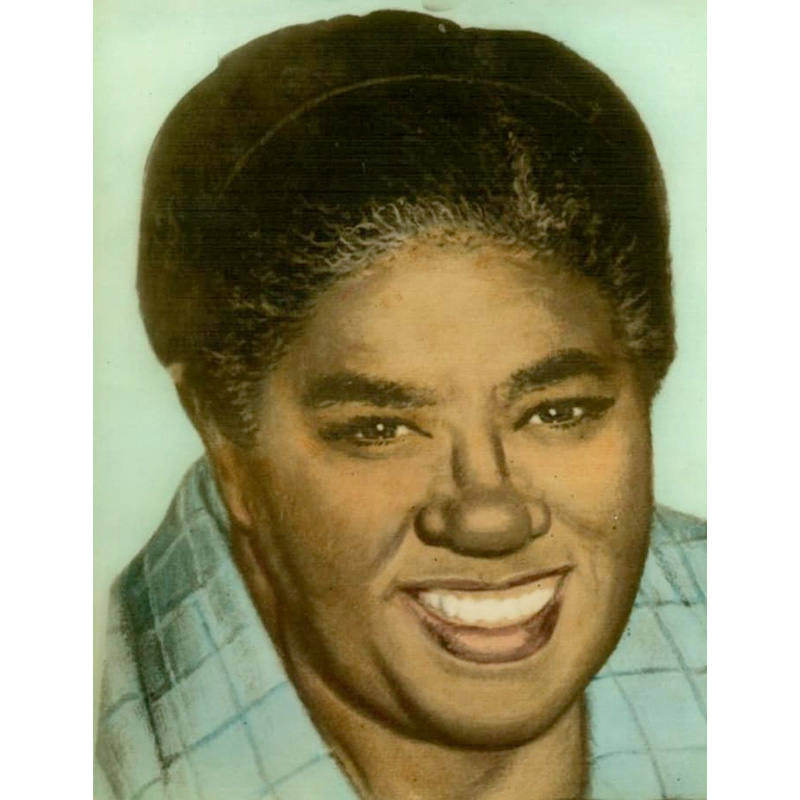
Richard’s early employment was in domestic service for the Vairin family in New Orleans, where her mother and aunt also worked. She helped in the household kitchen before being employed there herself. She subsequently attended cooking schools in New Orleans and Boston, graduating from the Boston institution in 1918. The Smithsonian identifies it as Miss Farmer’s School of Cookery.
Her account of that education is neither dismissive nor deferential. In an autobiographical essay quoted in the Smithsonian’s Sidedoor programme, Richard said she learned about new desserts and salads. On meats, stews, soups and sauces, however, she considered Southern cooks more than capable of matching their Northern counterparts.
The distinction preserves her judgement as a practitioner. Formal instruction added to her knowledge, but she did not regard herself as arriving without any. She could identify what was useful while remaining confident in skills developed through experience.
The same essay connects that period with an emerging desire to write. Richard recalled preparing Creole dishes that prompted others to copy down what she said. She began to consider recording the knowledge herself. In the Smithsonian account, historian Ashley Rose Young treats this as an early indication of the cookbook that would follow years later.
Richard’s later authorship therefore had more than one foundation: professional training, practical experience and an awareness that other people wanted access to what she knew.
The School Made Professional Skill Explicit
Richard opened her New Orleans school in 1937 and taught three nights a week with Marie’s help. Its curriculum, as described in her own statement of purpose, joined food preparation with service. She wanted students to be able to prepare and serve food for different occasions, not merely reproduce an isolated dish.
The wage objective gives that training a professional meaning. Richard presented competence as something workers could develop and use in negotiating their position. The surviving statement documents her intention; it does not, by itself, establish every student’s employment or earnings outcomes.
Smithsonian historians connect the school with her commitment to Black professional advancement. Young also describes it as a place where Richard developed the precise measurements and repeatable steps needed for publication. The classroom helped her test whether instructions could work beyond her own hands.
That is a demanding part of culinary authorship. An experienced cook can make decisions that remain partly unspoken. A student or reader needs enough explanation to act without possessing the teacher’s full history of practice. Richard’s work involved turning that judgement into something another person could follow.
The school and the book were consequently connected projects. One allowed direct instruction and feedback; the other extended access to the methods being developed.
Publishing New Orleans Cuisine Under Her Own Name
Richard and Marie began collecting and transcribing material in 1937. The resulting book brought together around 300 recipes, including gumbo and court bouillon alongside dishes popular more widely in the United States, such as Brunswick stew and Baked Alaska. Young’s research describes Richard as creating recipes and adapting community favourites to her own cooking style.
That range matters. Richard should not be reduced to a single dish or treated merely as a symbolic representative of regional food. The book records a practitioner organising a substantial repertoire for readers.
It also entered a publishing history in which Black expertise had often been represented through white authors’ interpretations. Young gives a pointed example from Natalie V. Scott’s 200 Years of New Orleans Cooking of 1931, which described Black cooks through a “sixth culinary sense” and seemingly mysterious knowledge. Young argues that such language obscured training, labour and creative judgement.
Richard’s emphasis was different. She presented recipes as the result of experimentation and teaching. In the preface quoted by the Smithsonian, she referred to work undertaken in her kitchen and cooking school. The authority was not an unexplained instinct: it was experience subjected to method.
The contrast is more revealing than a general assertion that she broke barriers. It identifies what she changed in the representation of culinary work. A named Black woman explained how she had developed knowledge and made that knowledge available through a book carrying her name.
Collaboration and Circulation
Marie has been part of this publishing story from the beginning. She helped collect and transcribe recipes and travelled with Richard to promote the book. Her participation shows some of the family labour involved in turning professional knowledge into a publication and bringing it to readers.
The early response extended beyond New Orleans. Young reports that Richard received almost 200 letters of enquiry and orders within a week of publication, including correspondence from Philadelphia, New York and Boston. Richard and Marie then travelled to the Northeast to promote the work.
During that trip, Richard connected with representatives of Houghton Mifflin. The company published a national edition in 1940 titled New Orleans Cook Book. The Smithsonian holds a signed copy of the 1939 self-published edition, later donated by Richard’s granddaughter.
The sequence preserves Richard’s initiative. National publication followed her work in developing, publishing and promoting the book; it did not mark the first moment the material acquired value.
Tulane’s archive description adds a practical trace of that circulation: a notebook tracking cookbook sales, alongside an original book jacket. Those records situate publishing within sustained administrative and commercial work, not only the moment a finished volume appeared.
Businesses Put Her Expertise Into Practice
Richard’s career included catering, eateries, restaurant work and teaching. Tulane’s biography records an early catering business, the Sweet Shop and employment at the Orleans Club. It also identifies Lena’s Eatery, which served Black and white customers during segregation.
These activities gave her cooking several settings and audiences. The cookbook made methods available to readers; catering and restaurants placed her judgment into repeated professional service. Neither needs to be treated as secondary to the other.
From 1943 to 1945, Richard worked at the Travis House in Colonial Williamsburg. Tulane’s collection includes recipe notebooks and notes from that period, together with correspondence and a report concerning a 1943 British High Command visit. The finding aid records a message crediting her contribution to the occasion.
In 1949, she opened the Gumbo House in New Orleans. The Smithsonian describes it as one of the city’s few Black-owned fine-dining restaurants, attracting both Black and white customers during segregation.
The evidence establishes the breadth of her professional work, not a complete financial history. Its importance lies in the number of ways she exercised her expertise: producing food for customers, training workers, managing enterprises, and publishing instructions.
Television Extended the Teaching
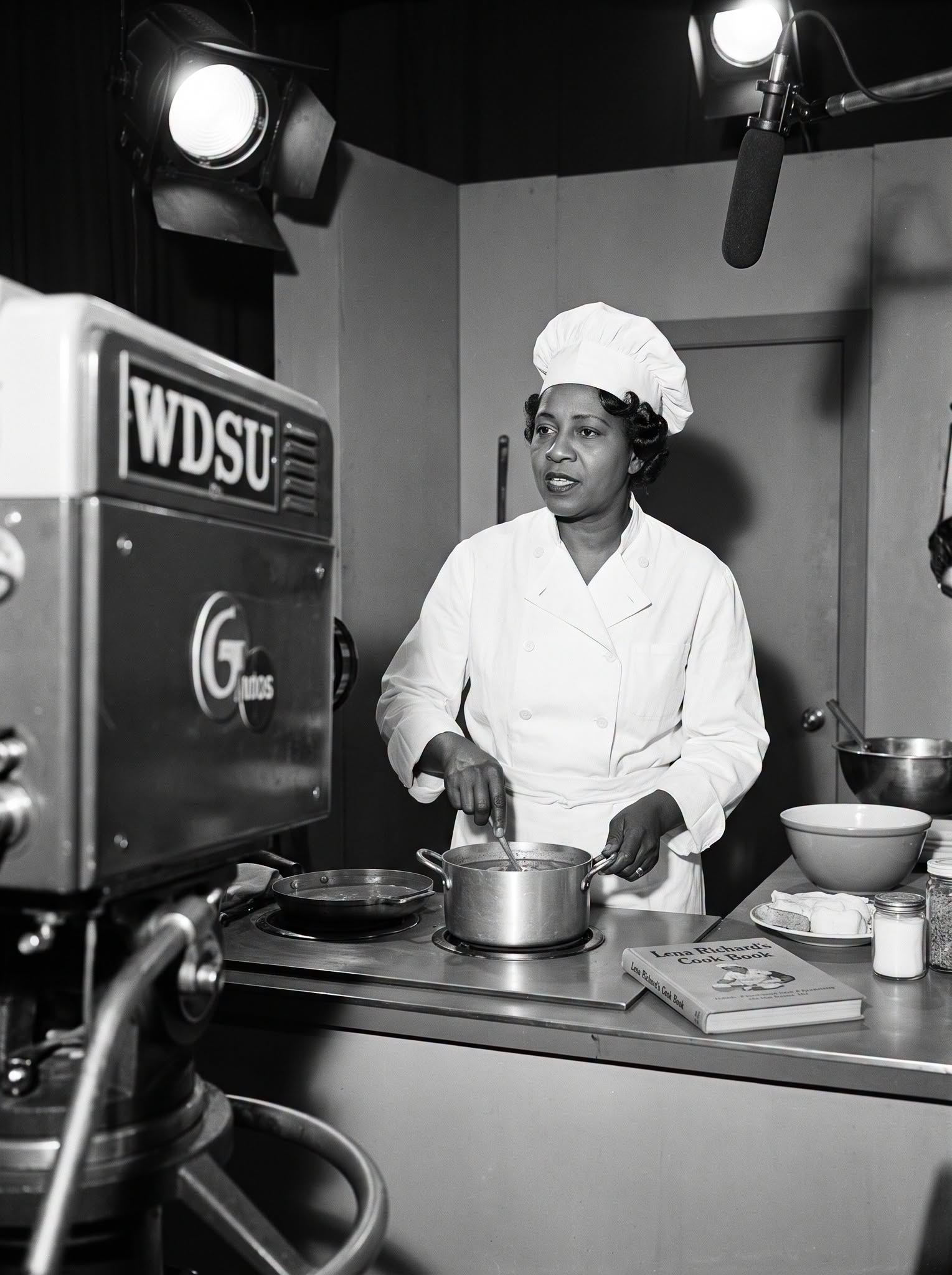
Richard began her WDSU-TV cooking programme in October 1949. Tulane records broadcasts on Tuesdays and Thursdays, and the Smithsonian describes Lena Richard’s New Orleans Cook Book as a twice-weekly programme in which she guided viewers through recipes.
She was an early television chef whose programme placed a Black woman in the position of instructor. The broader “first” claim needs its original qualification: Young describes it as WDSU’s first culinary programme and “most likely” the first programme in the country starring an African American chef. That is a historian’s assessment, not an unqualified national ranking.
The teaching relationship matters more than the ranking. Viewers encountered a professional with an established book, school, and commercial career. Television carried that expertise into another setting.
In a 2011 interview cited by the Smithsonian, viewer Ruth Zatairan remembered keeping paper and pencil nearby in case she learned something new. She recalled familiar New Orleans foods, including stews, red beans and gumbo. Her account is retrospective testimony, not a transcript of an episode.
Young reported in the Smithsonian programme that she had located neither recordings nor scripts despite extensive research. That limits what can responsibly be said about Richard’s on-screen manner, words and demonstrations. Surviving photographs and recollections establish a television presence but do not provide a complete programme record.
Richard died in 1950. Her broadcasting career was brief, but it followed a substantial body of work already in circulation.
What the Surviving Record Makes Visible
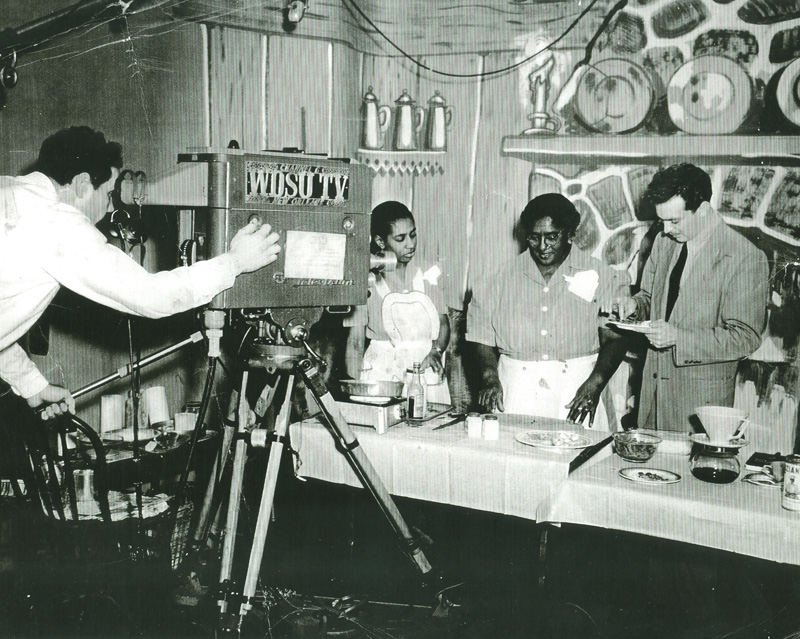
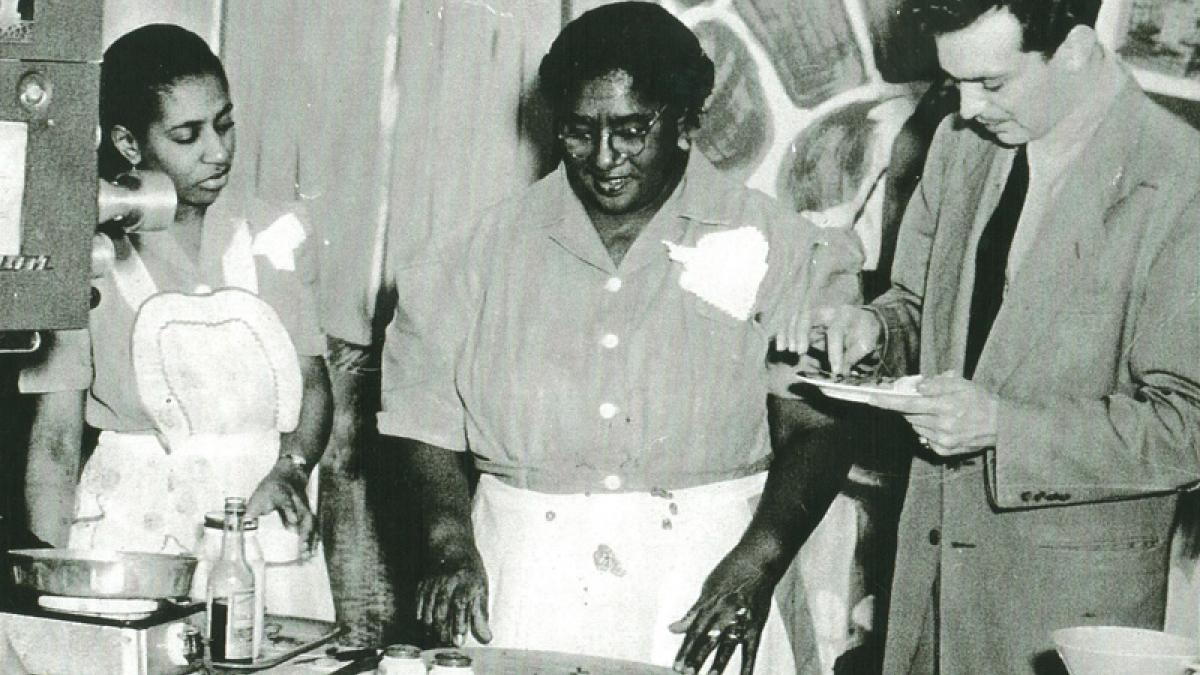
Tulane’s Lena Richard papers contain photographs, correspondence, notebooks and ephemera relating to her career. Their published description connects restaurant locations, family members, television publicity, kitchen notes and cookbook sales. These materials provide different kinds of evidence rather than one seamless account.
Together with the cookbook and historical research, they make Richard’s work more specific than the category of forgotten pioneer. They document what she produced and the relationships through which she produced it.
They also encourage a profile proportionate to the record. Richard does not need invented kitchen scenes, reconstructed thoughts or speculation about the career she might have had. The school, publication history, businesses and broadcast are already substantial subjects.
The Omiren Argument
The central issue is authorship.
Richard developed knowledge through practice, made it teachable, put it into print and carried it into business and broadcasting. Those activities formed a professional body of work. Television increased her visibility, but it was not the source of her competence.
Her historical significance is therefore larger than a place in a list of firsts. She made the labour behind culinary expertise explicit: experimenting, measuring, explaining, serving and teaching others to recognise the value of their skills.
To read Richard on those terms is to give her more than symbolic recognition. It means engaging with what she actually made.
Also Read:
- How Diaspora Cuisine Became a Tool of Cultural Diplomacy
- Food Spotlight: Siba Mtongana and the Practical Work Behind an Inviting Recipe
- Uji: From Kenyan Heritage to a Global Super Breakfast
- Northern Nigerian Textiles & Utensils: How Culture Meets the Dining Table
Frequently Asked Questions
When did Richard publish her cookbook?
She self-published Lena Richard’s Cook Book in 1939, after opening her New Orleans cooking school in 1937 and beginning the book with her daughter, Marie. Houghton Mifflin issued a national edition in 1940 titled New Orleans Cook Book after Richard and Marie travelled to the Northeast to promote the work.
What was the purpose of her cooking school?
Opened in 1937, the school taught food preparation and service so that students could work across occasions. Richard explicitly connected those skills with students’ ability to “demand higher wages”. The surviving statement documents her intention; it does not by itself establish the employment or earnings outcomes of every student.
Can her television programme be watched today?
In the Smithsonian research account discussed here, historian Ashley Rose Young reported finding neither recordings nor scripts despite extensive research. That describes the results of that research, not every possible future discovery. Surviving photographs and recollections establish a television presence without supplying a complete programme record.
Was Richard the first Black television chef?
Ashley Rose Young describes Richard’s WDSU programme as the station’s first culinary programme and “most likely” the first in the country starring an African American chef. That is a historian’s assessment, not an unqualified national ranking. The programme began in October 1949, with broadcasts on Tuesdays and Thursdays recorded by Tulane.