Heat beneath the pot, burning coals on its cover and pudding between them: a Jamaican expression describes a cooking arrangement while making the result sound worth waiting for.
“Hell a top, hell a bottom and hallelujah in the middle” is a riddle with a practical explanation. The answer is Jamaican sweet potato pudding, traditionally cooked in a Dutch pot with burning coals beneath it and on its cover. The two “hells” describe the heat; the “hallelujah” is the pudding between them. Both the Jamaica Information Service and The Gleaner document this cooking arrangement, each treating it as the practical foundation behind one of the island’s most recognisable food expressions.
“Hell a top, hell a bottom and hallelujah in the middle” — the two “hells” describe the heat above and below the pot; the “hallelujah” is the pudding between them.
The expression is memorable because it links the cooking process to praise for the result. It tells the listener where the heat is placed and what makes enduring it worthwhile. Understanding the saying means looking beyond the ingredients. The pot, its cover and the placement of the coals are all part of the explanation. So is a detail The Gleaner singles out: the softer upper layer called “soft pon top”.
Discover what “hell a top, hell a bottom” means, how Dutch-pot cooking works and where “sof pon top” fits into Jamaican sweet potato pudding.
The Cooking Arrangement Behind the Saying
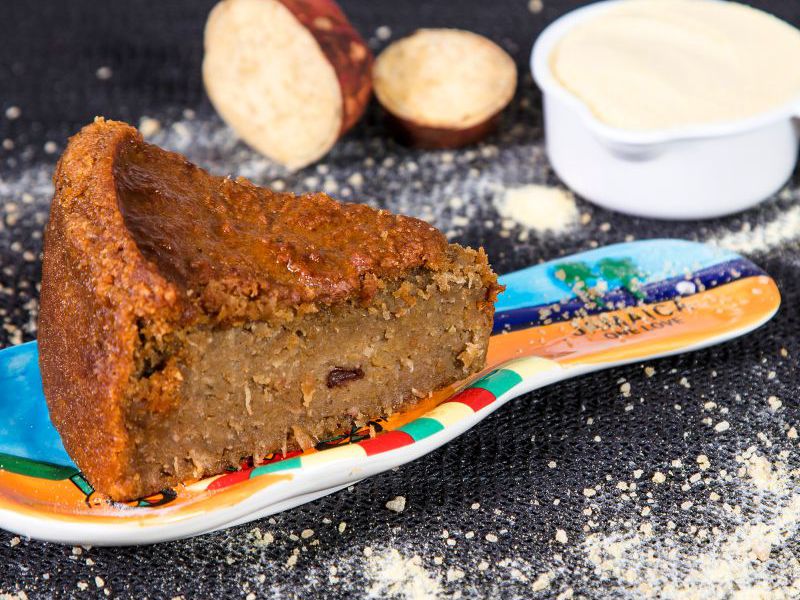
The Jamaica Information Service describes the sweet potato mixture going into a Dutch pot on a coal stove, with additional burning coals placed on the pot’s cover. The Gleaner similarly describes an iron Dutch pot, with live coals in the stove below and on the lid above.
In this method, the lid is more than a cover. It supports heat from above, so the pudding cooks from two sources rather than only from the pot’s base. That arrangement reflects the expression’s literal structure. “Top” and “bottom” are real directions. The middle holds the mixture and becomes pudding.
The saying is not a complete set of instructions. It supplies no measurements, cooking time or test for doneness. Its value is different: it compresses a recognisable method into a short, vivid description that has stayed in the language because it works as both a riddle and an explanation.
Neither source establishes when the expression originated or who first used it. Its practical meaning is well documented; a precise origin story is not.
What “Sof Pon Top” Adds
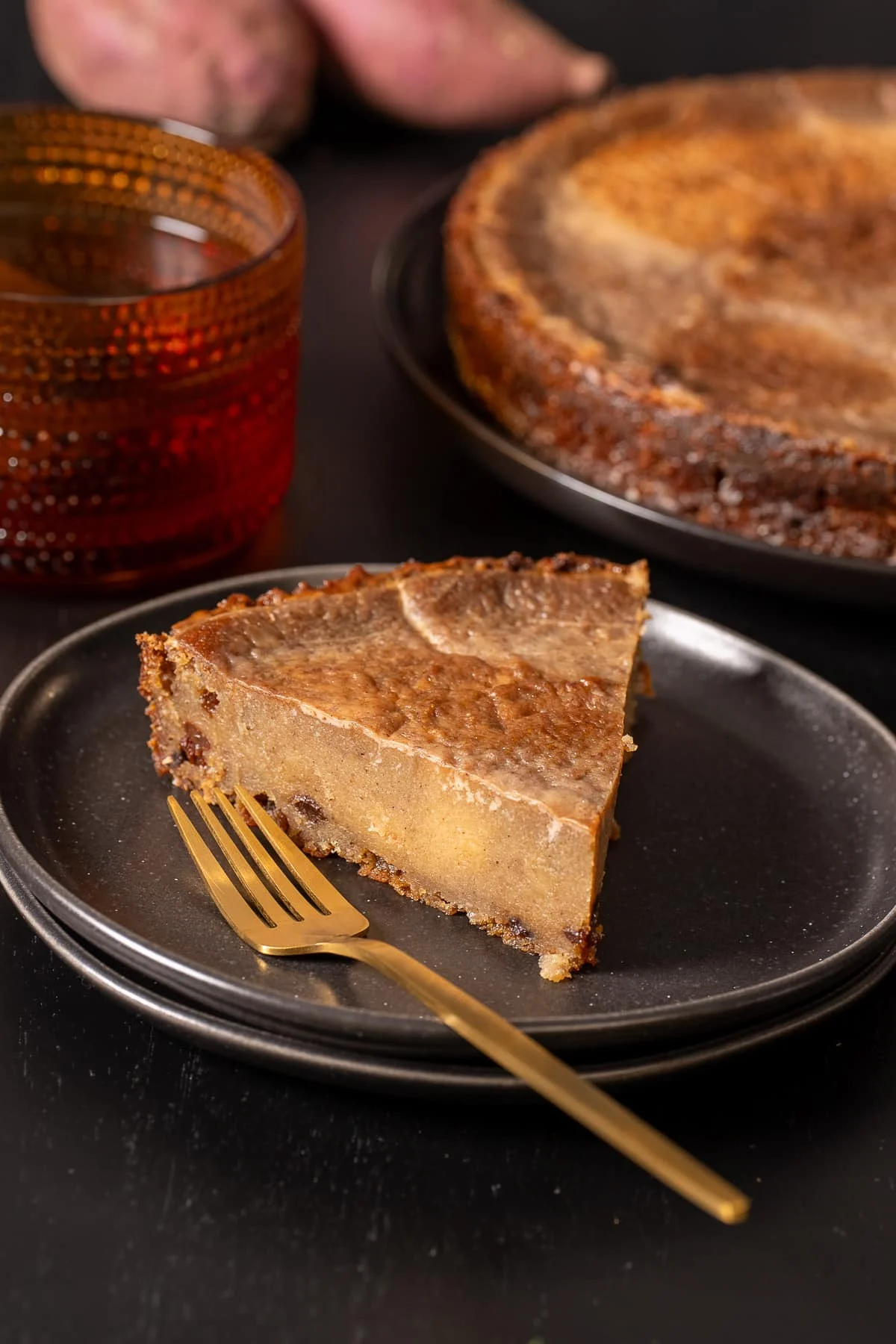
The Gleaner’s account introduces a second phrase alongside the riddle. It describes the pudding’s top layer, called “sof pon top,” as softer than the rest and presents that contrast as a particularly desirable feature of the finished dish.
This shifts the explanation from heat to the eating experience. The pudding is not described as a uniform mass that has simply cooked through. It gives its upper layer separate attention, and the distinction between that layer and the firmer pudding beneath it becomes part of what the source asks readers to appreciate.
That does not mean every Jamaican household seeks precisely the same texture. It means this published account identifies a particular contrast and names it, which is its own form of documentation.
Together, the two expressions preserve different kinds of information. “Hell a top, hell a bottom” describes the pudding’s arrangement. “Sof pon top” describes a feature of the pudding itself. One explains the fire; the other explains what the fire produces.
More Than Sweet Potato Alone
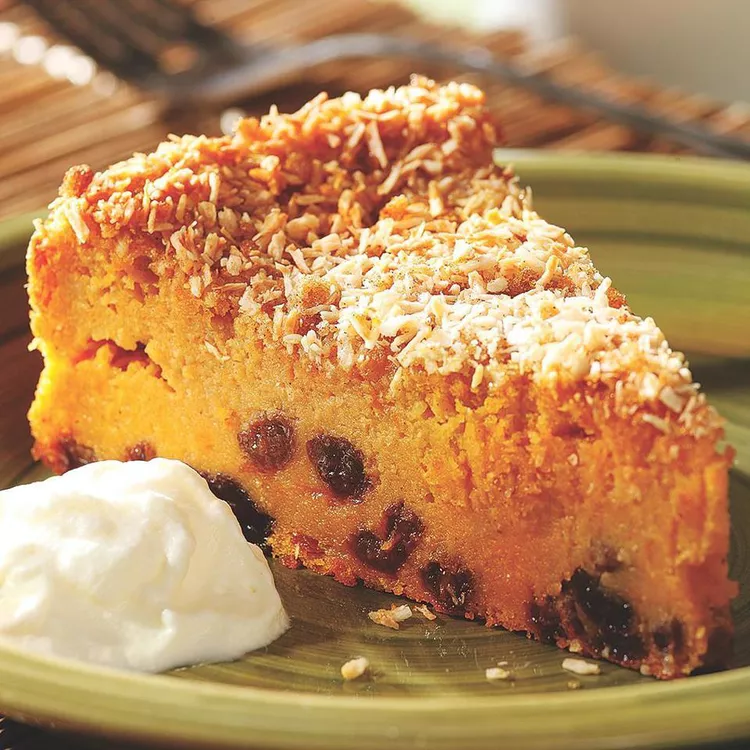
The dish’s name identifies its principal ingredient, but it does not provide a complete formula. The Gleaner publishes a version attributed to food writer Enid Donaldson-Mignotte that combines grated sweet potato with grated yam, flour, raisins, coconut milk, evaporated milk, brown sugar and flavourings including vanilla and nutmeg. That version also includes rum and sherry.
These details belong to one documented preparation, not a checklist by which every other version must be judged. Sweet potato pudding has been made across Jamaica in many kitchens, and the proportions and additions have always varied by household, occasion and what was available.
The central point here is the relationship between the mixture, the cooking arrangement and the texture described by the source. Readers who want to cook the pudding need a complete recipe with tested instructions, not quantities assembled from different accounts written at different times.
From the Coal Stove to the Oven
The Gleaner places an oven recipe directly after it explains the coal-fired method. Its instructions describe combining the grated ingredients and milk mixture, transferring it to a greased pan, and baking until the centre is set.
This matters because the source does not treat a Dutch-pot explanation and an oven preparation as mutually exclusive. It documents both within its presentation of Jamaican sweet potato pudding, treating them as part of the same food tradition rather than as competing claims.
The equipment changes. The coal arrangement described in the riddle is no longer the cooking setup specified by the recipe. A recipe page can’t establish what that means for flavour, texture, and appearance; that would require a comparative cooking trial, a different kind of document altogether.
The published record does establish that an oven method belongs in the dish’s documented history. The expression can explain an important cooking tradition without becoming a rule that every subsequent preparation must reproduce literally.
A Jeffrey Town Adaptation
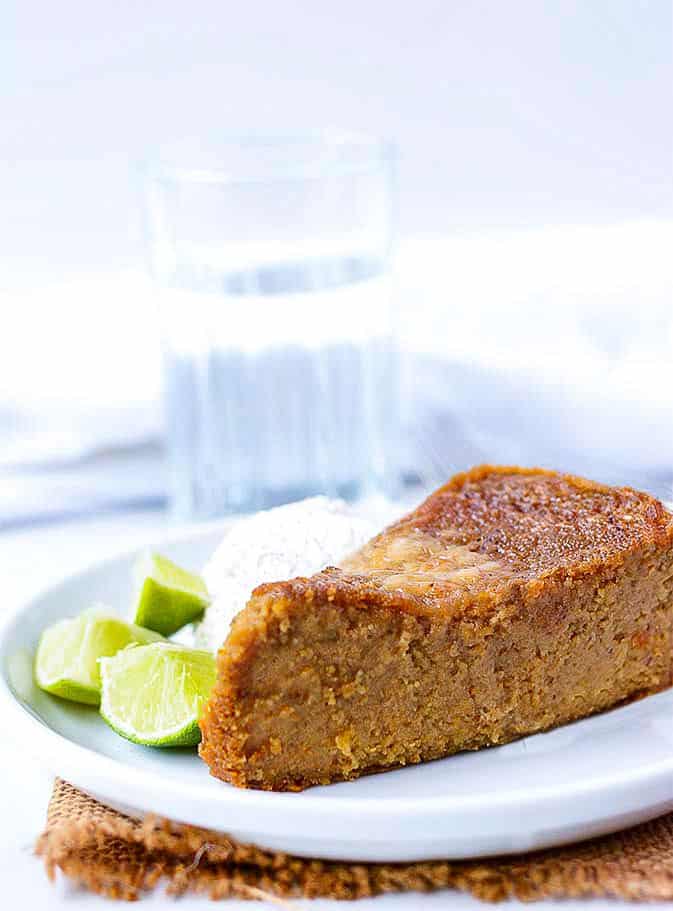
A further example appears in a Jamaica Information Service feature published on 30 July 2019. The report described women in Jeffrey Town, St Mary, developing the Jet Town Products Sweet Potato Pudding Mix. According to the JIS, consumers had to add water and bake the mix in an oven.
Group member Ivy Gordon traced the development to work drying breadfruit for flour earlier. The group then experimented with drying sweet potato, and Gordon tried making pudding from the milled ingredient. The account describes a process of development rather than an instant invention. Gordon said the group spent months refining and taste-testing the product, bringing it to parent-teacher meetings, church and farmers’ meetings for feedback. Packaging and labelling formed part of that work too.
The example adds another dimension to adaptation. The change here concerned not only the heat source but also preparing the ingredients before they reached the customer, turning a dish that began in a Dutch pot over coals into something that could be prepared from a packet.
It remains a dated example. The 2019 JIS feature does not establish the mix’s availability in 2026, its current distribution or the business’s present performance. Its relevance lies in the documented attempt to offer a convenient way to prepare a familiar dish, and the community effort that went into making it.
What the Expression Preserves
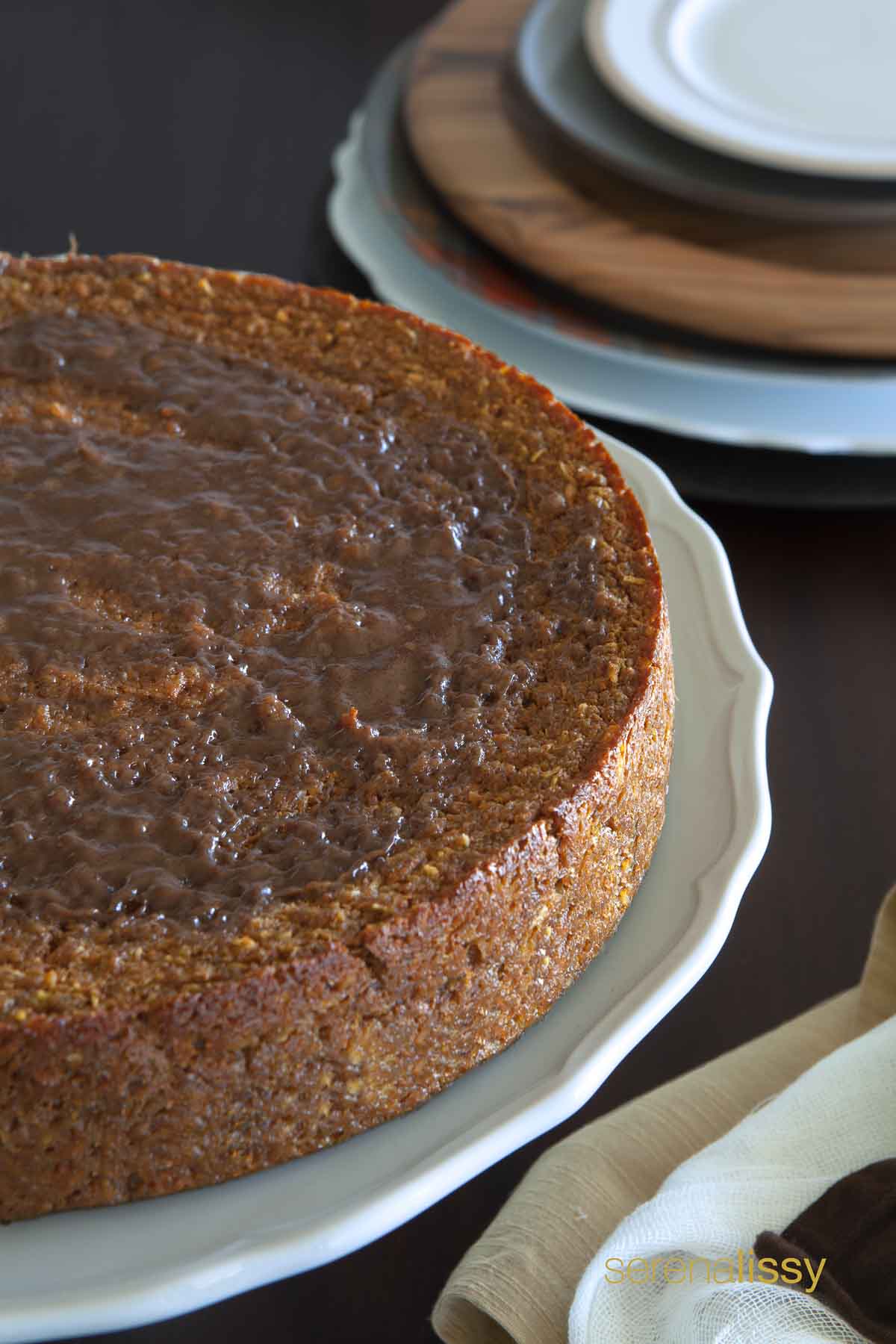
“Hell a top, hell a bottom” remains an effective explanation because it makes the cooking arrangement easy to picture. The coals are above and below; the pudding occupies the space between them. “Sof pon top” adds a separate point of attention: the contrast between the upper layer and the rest of the pudding. Together, the two expressions do what good food language always does. They compress experience into something memorable and pass it on.
The oven recipe and the Jeffrey Town mix show documented changes in preparation across time. They do not require a verdict on which version alone deserves the name. The dish has always been made in more than one way, and the published record reflects that honestly.
Read together, these accounts make the pudding easier to understand. The riddle supplies the arrangement. The texture phrase supplies something to notice when the pudding arrives. The adaptations show how preparation can shift across generations without the dish itself disappearing.
The “hallelujah” is more than a colourful ending. It turns a description of heat into an expression of anticipation. That is the kind of thing that keeps a dish in the language long after the coal stove it was cooked on has gone.
Also Read:
- The Gleaner: “Sweet Sweet Jamaica” — places sweet potato pudding alongside other Jamaican desserts and publishes an oven preparation attributed to Enid Donaldson-Mignotte.
- Jamaica Information Service: Jeffrey Town pudding mix feature (30 July 2019) — the group’s account of product development and taste-testing in St Mary.
- “What a Museum Record Can and Cannot Tell Us About Dress” — a related discussion of what historical documentation establishes and where it stops.
Frequently Asked Questions
What does “hell a top, hell a bottom” mean?
It describes sweet potato pudding cooked in a Dutch pot, with heat beneath and burning coals on top. “Hallelujah in the middle” refers to the pudding between the two heat sources. Both the Jamaica Information Service and The Gleaner document this arrangement as the practical explanation behind the expression.
What is “sof pon top”?
The phrase comes from The Gleaner’s account of Jamaican sweet potato pudding. It describes the pudding’s softer upper layer and presents the contrast between that layer and the firmer pudding beneath it as a desirable feature of the finished dish.
Can Jamaican sweet potato pudding be prepared in an oven?
Yes. The Gleaner publishes an oven recipe alongside its Dutch-pot explanation, and the 2019 Jamaica Information Service feature describes a pudding mix intended for oven preparation. Neither source establishes that every method produces identical flavour or texture. Both sources show that oven preparation is part of the dish’s documented history.
What ingredients go into Jamaican sweet potato pudding?
The Gleaner’s version, attributed to Enid Donaldson-Mignotte, combines grated sweet potato and grated yam with flour, raisins, coconut milk, evaporated milk, brown sugar, vanilla, nutmeg, rum and sherry. That is one documented preparation. Household versions have always varied by proportion, occasion and available ingredients. Readers seeking to cook the pudding should use a fully tested recipe with precise instructions.