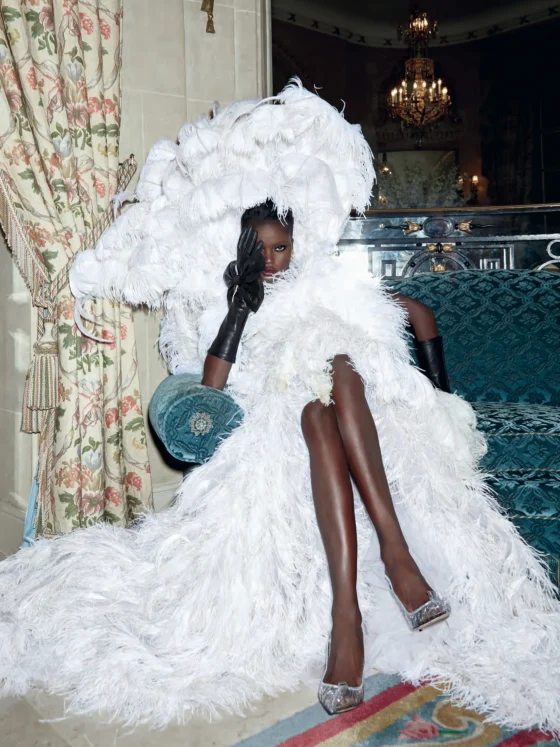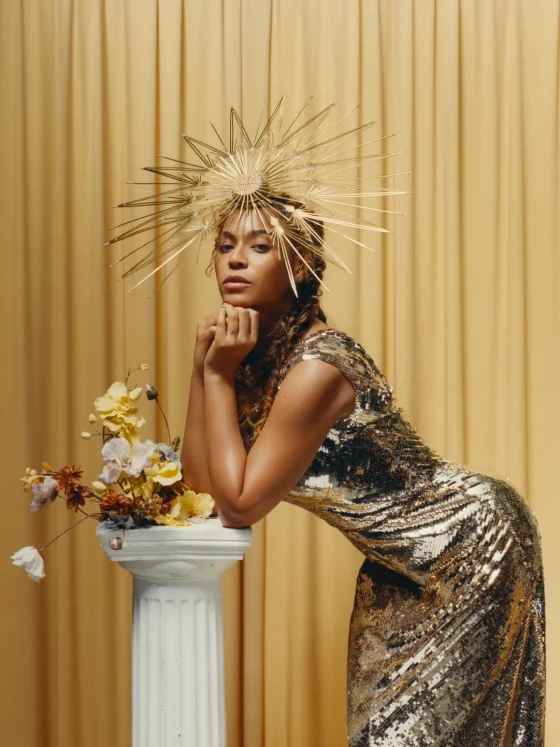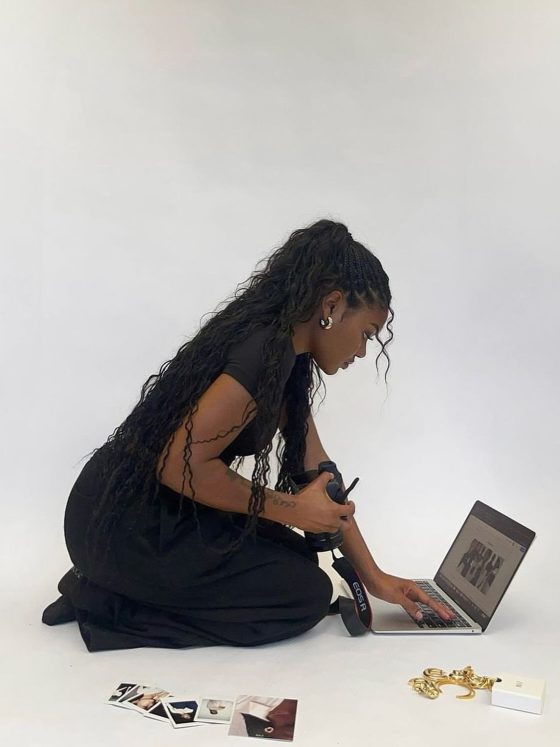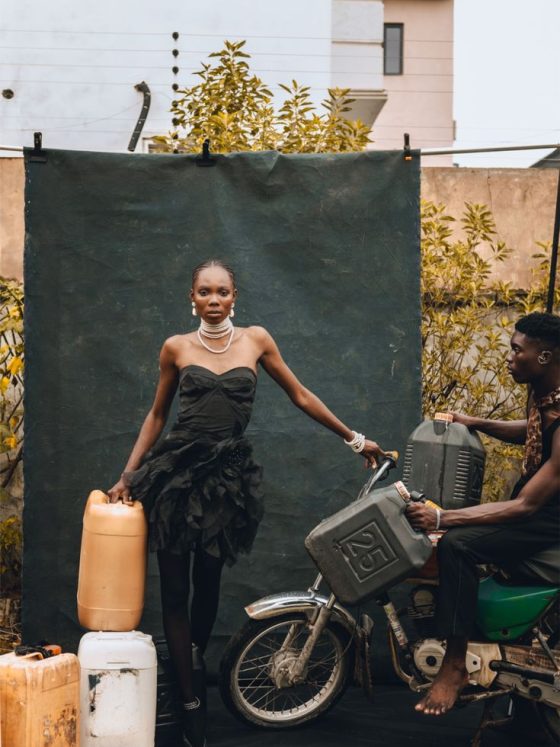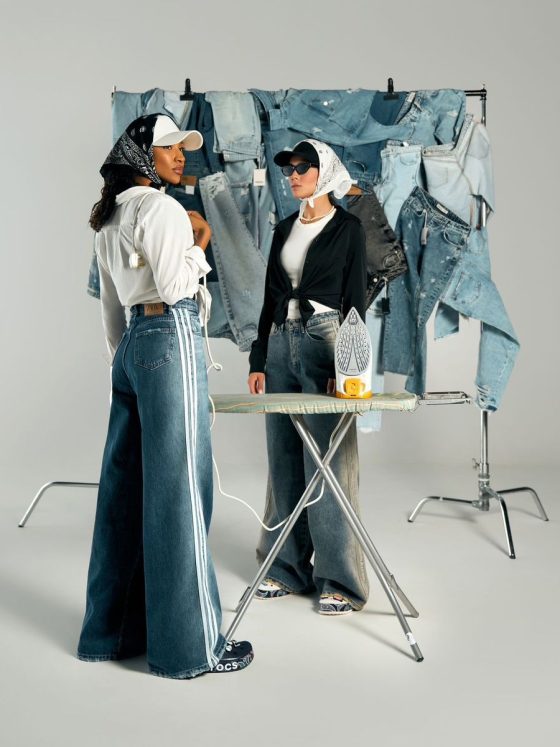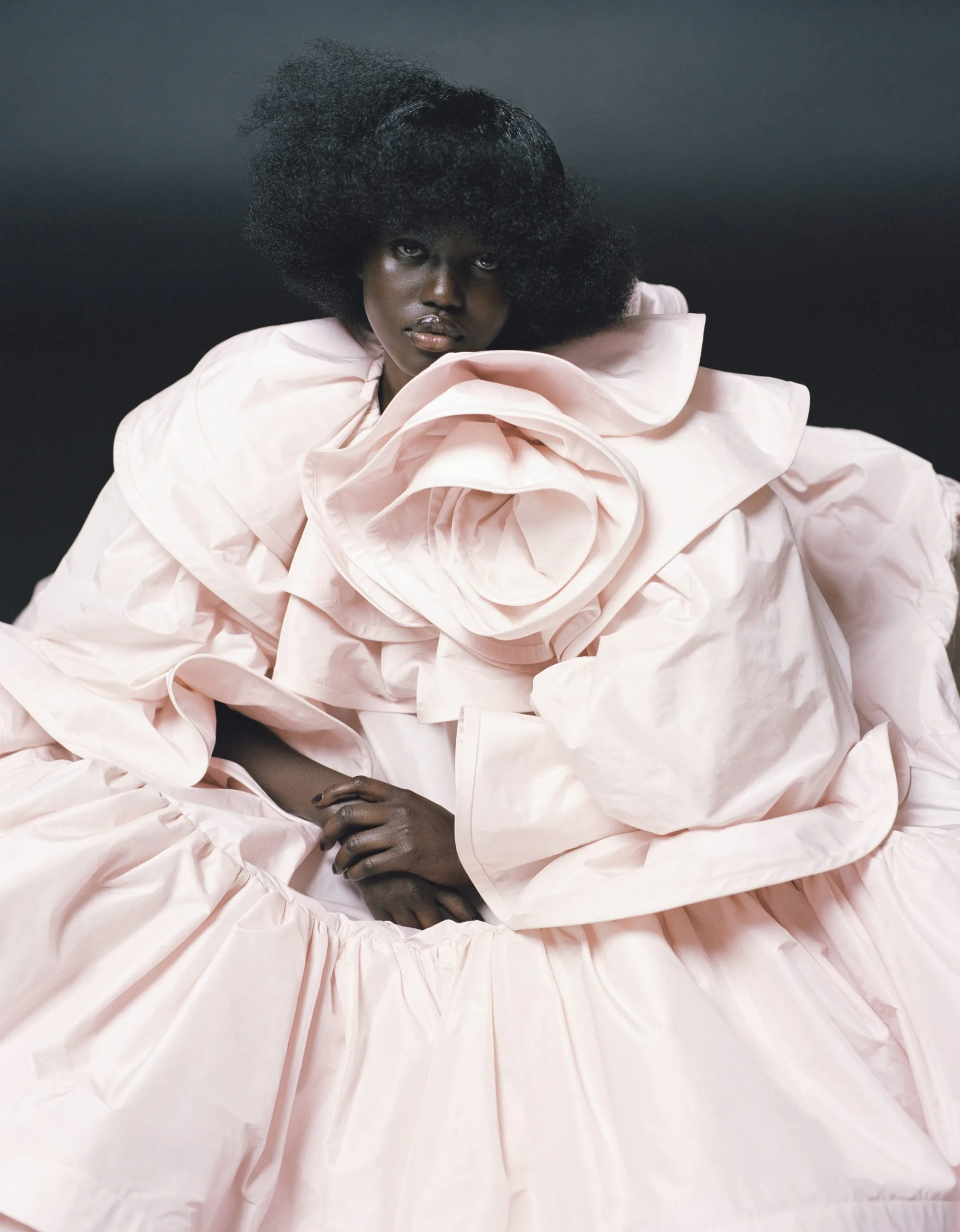
There is a difference between being seen and feeling seen. Campbell Addy named a monograph after it. The title of his first book was originally ‘Feeling Seen?’ with a question mark, as though the state it was describing was still uncertain. He changed it to a statement. That shift, from a question about whether it was possible to feel seen to an assertion that it was, is the argument the book makes across 200 pages and 150 colour illustrations.
‘Growing up as a Black, queer ex-Jehovah’s Witness, I was always very obviously seen,’ Addy has said. ‘But I never felt truly seen.’ The distinction is between visibility and recognition. Visibility is external: the camera points at you, the image is published, and the audience sees your face. Recognition is something else: the sense that the image reflects something real about who you are, made by someone who understands what you understand, for an audience that knows what it’s looking at.
Feeling Seen: The Photographs of Campbell Addy was published by Prestel in the UK in April 2022 and in the US in June 2022. It covers a decade of Addy’s practice. It includes commissioned fashion and magazine work alongside personal projects, published covers, unpublished outtakes, and unseen photography. It is a collaborative and diaristic account of the photographer and his work, not a career retrospective. Addy described it as ‘a symbol of a decade of exploration’ and as ‘a little horcrux’ of himself: a record that holds something of the person rather than simply cataloguing the work.
Campbell Addy’s first monograph, Feeling Seen, published by Prestel in 2022, is a decade of work that asks what it means for Black and queer creatives to be visible in photography. This article summarises what the book documents and why Addy’s argument about recognition goes beyond representation.
The Archive Behind the Practice
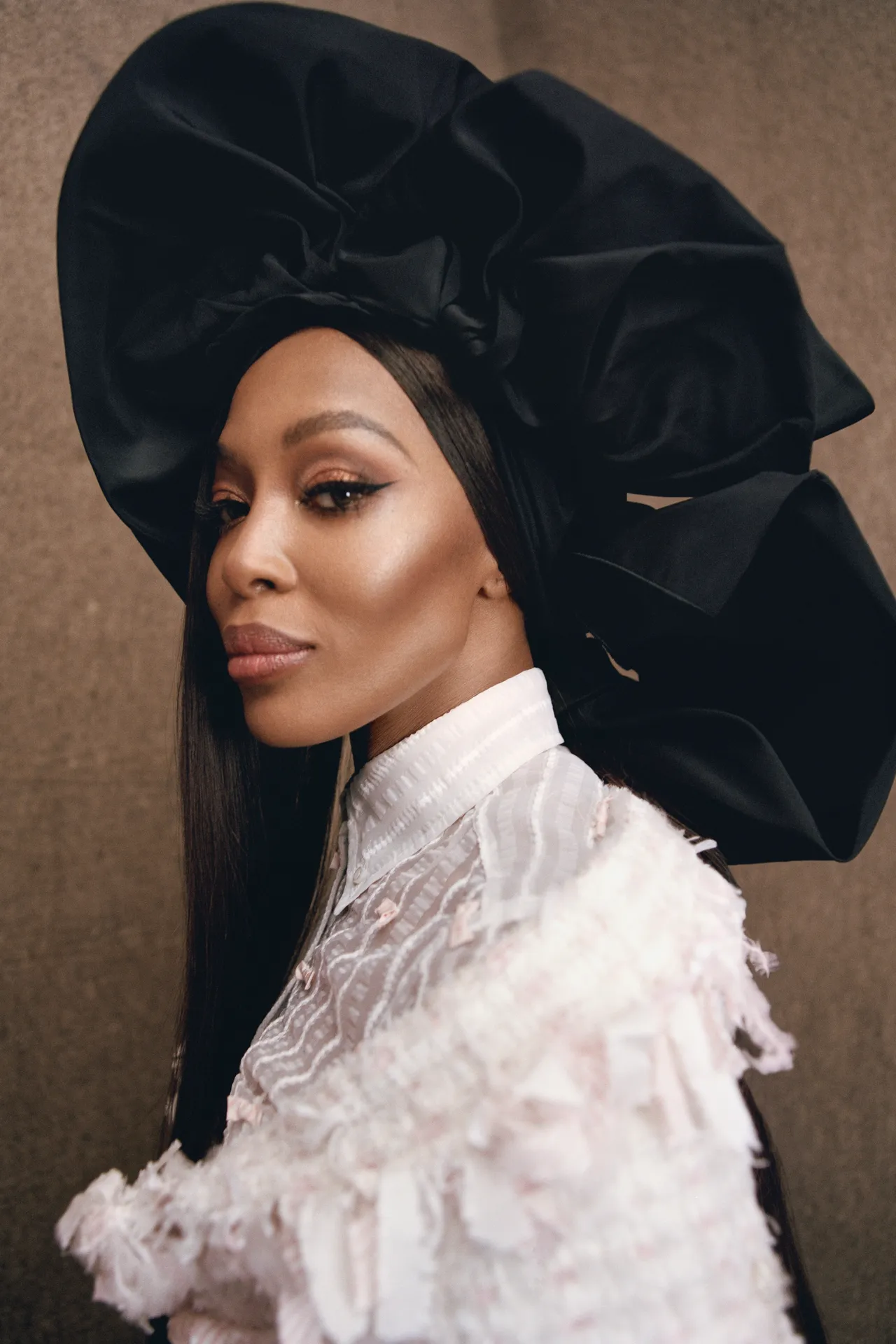
Campbell Addy is a British-Ghanaian photographer, filmmaker and publisher, born and raised in South London. He grew up in a Jehovah’s Witness family and left home at sixteen. He discovered photography as a teenager, finding the work of Nick Knight, Norman Parkinson and Irving Penn while stacking books in his school library during a detention. He didn’t study photography formally at first: he painted, then moved to photography and didn’t consider it a serious career until he studied fashion communications at Central Saint Martins, graduating in 2016.
Before the monograph, Addy founded Niijournal, an independent magazine, and published it in four volumes (2016, 2017, 2018 and 2024). Niijournal was built around the same proposition that Feeling Seen would later formalise: documenting Black and queer creativity without institutional permission or external validation. The magazine predates the recognition. It existed because Addy decided it should, not because a publisher or institution commissioned it.
That history matters for reading Feeling Seen correctly. The monograph is not a document of someone who was handed a platform and used it well. It documents someone who built a platform, received recognition for it, and then used the monograph to situate that recognition in the context of the work that preceded it and the people who made that work possible.
What the Book Pays Tribute To
Feeling Seen contains two ‘love letters’, as the 1854 Photography interview describes them. The first is to Ajamu X, a Queer British photographer, thanking him for paving the way for Black queer photographers. The second is to James Barnor – the Ghanaian icon Addy calls ‘Grandad James’ – whom Addy describes as a close personal friend. The book closes with a deeper exploration of Addy’s more personal imagery and influences, paying tribute to Black photographers’ heritage through the work of Ajamu and Barnor. Both built bodies of work at the margin of the industry’s mainstream, and their influence on subsequent photographers has often outlasted their institutional recognition.
This is what Addy means when he says, ‘We often don’t get to see Black history within the photography art space as being so linear.’ The linear history of photography that students encounter in formal education – the canonical timeline of practitioners and movements – does not run through Ajamu X or James Barnor in the way it runs through practitioners whose work was more immediately legible to the institutions that write those histories. Addy’s monograph argues, in part, that history is linear: a continuous tradition of Black and queer photography runs from Barnor to Ajamu to Addy himself, and that feeling seen requires knowing that tradition exists.
The book includes quotes from leading Black figures in fashion and photography, including Naomi Campbell, Nadine Ijewere, and Adut Akech, reflecting on the first time they felt seen in their industry. These quotes are not testimonials to Addy’s work. They are accounts of an experience: the specific moment when the industry that had been looking at you for professional purposes produced an image that also recognised you. That those accounts are placed within a monograph whose title is Feeling Seen makes the structural argument clear: the feeling is not universal, the industry has not always produced it, and naming its absence is part of what the book is doing.
The Foreword and the Conversation
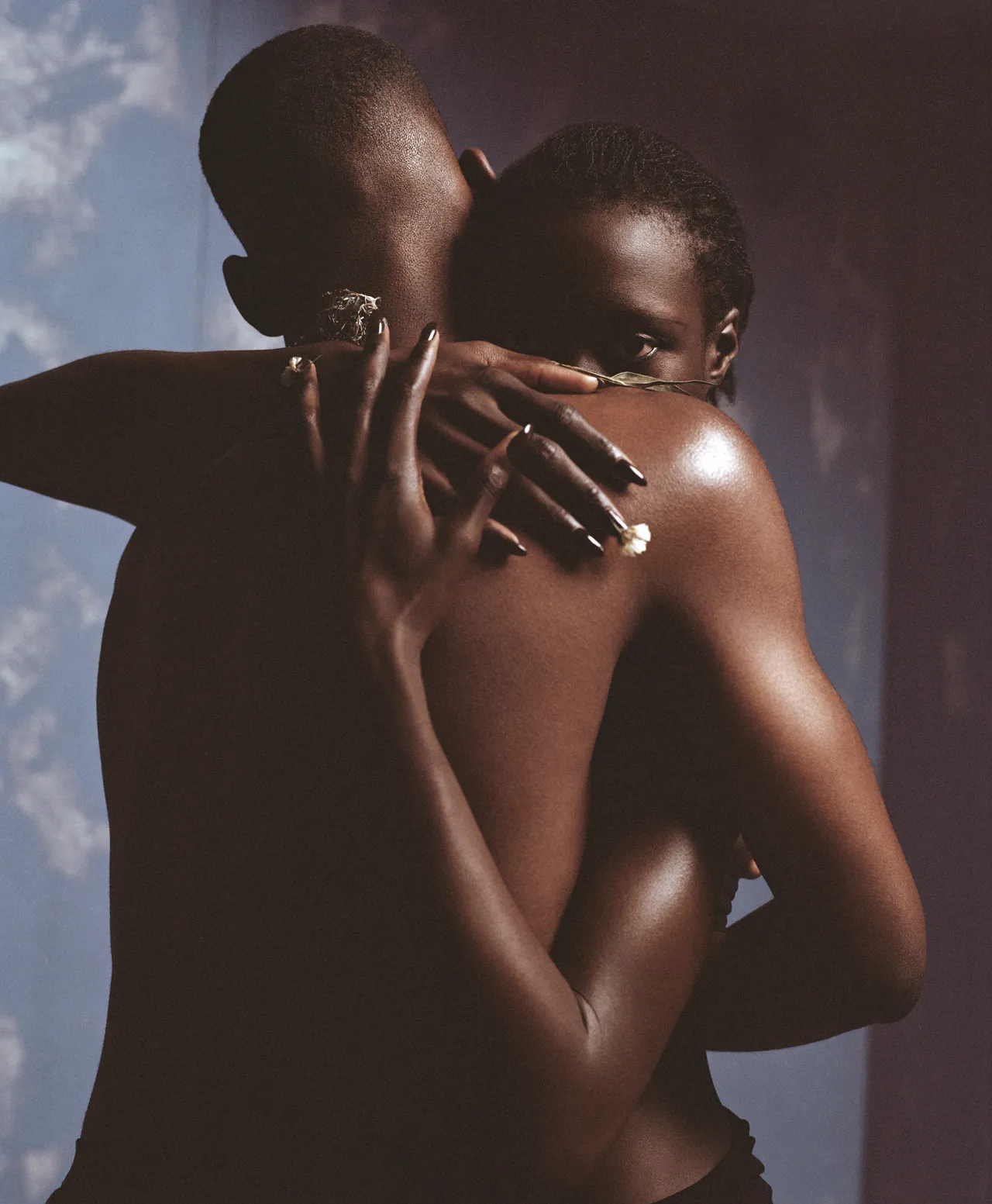
The book opens with a foreword by Edward Enninful, who was editor-in-chief of British Vogue at the time of the monograph’s publication. Enninful writes, ‘In allowing ourselves to be photographed through Campbell’s lens, we allow ourselves to feel seen truly.’ That sentence makes a claim about the specific quality of Addy’s work: that it produces, in its subjects, the experience the title names. It positions the photographer’s practice as the mechanism that makes the feeling possible.
The book closes with a conversation between Addy and Ekow Eshun, curator and writer. Eshun’s presence is not incidental: he is one of the most rigorous thinkers on Black visual culture working in the UK, and his conversation with Addy places the monograph’s argument in its intellectual context. The conversation addresses questions about identity, intimacy, and art, and about what it means to be a queer, Black photographer who left his family home at sixteen. These questions give the commissioned work its depth. The same person who traces the biography in the conversation also made the fashion covers and the personal portraiture.
‘Feeling Seen is the book I wish I could have found in that school library when I was 16.’ – Campbell Addy, 1854 Photography, 2022
That statement is the book’s own account of its purpose. It is not a portfolio designed to demonstrate professional achievement to potential clients. It is an object designed to reach the person who needs it: someone who is sixteen, Black and queer, and looking for evidence that people like them exist, make work, and are recognised for it. The school library is the specific origin point – the place where Addy found the photographers who changed his sense of what was possible. The book is designed to be what he didn’t find there.
Recognition and What Comes After
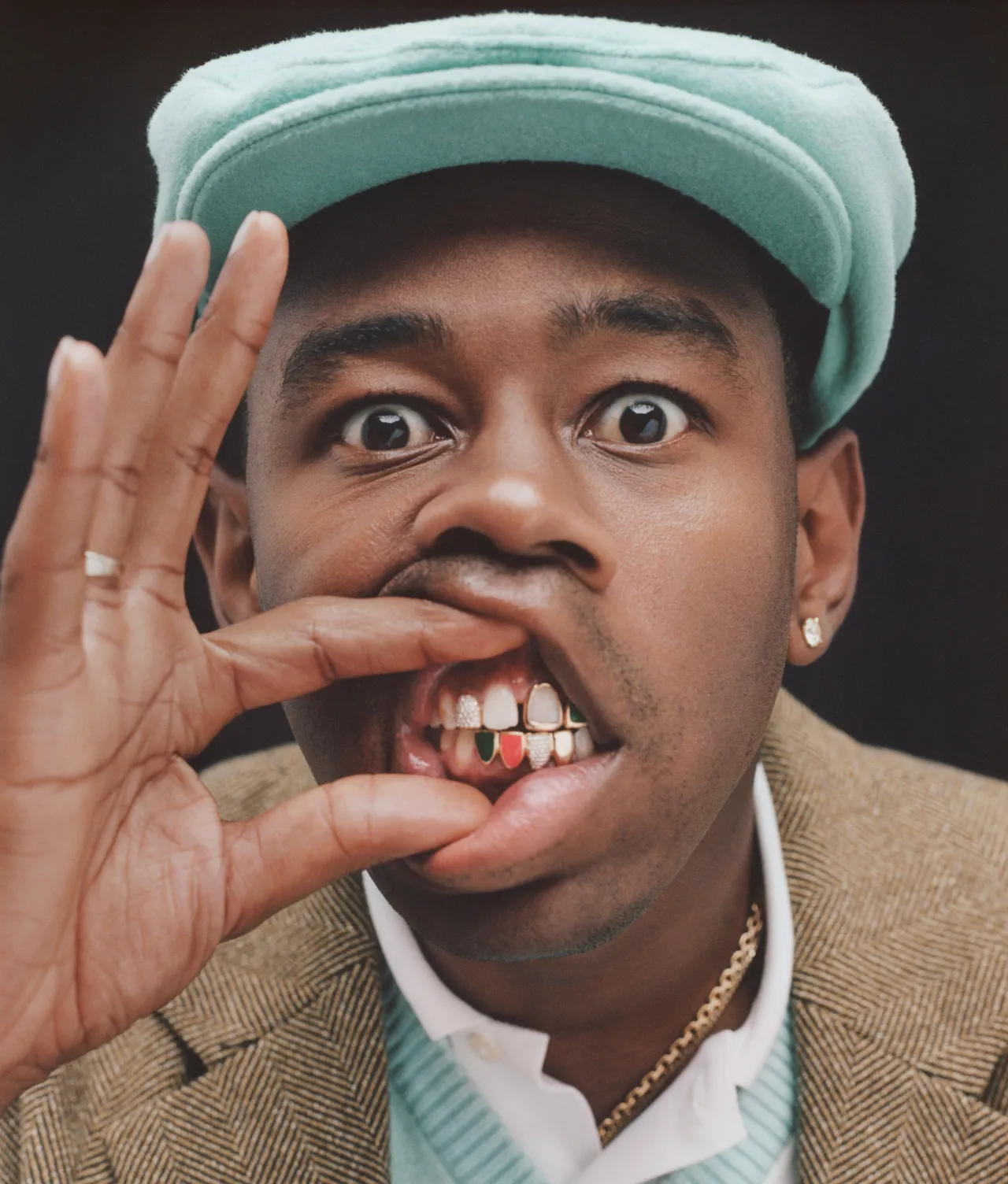
By 2022, Addy had received the British Fashion Awards’ New Wave award in 2018 and 2019. By 2023, he had received the Isabella Blow Award for Fashion Creator. In 2024, the Royal Photographic Society Award for Fashion, Advertising and Commercial Photography. His work has appeared in British Vogue, i-D, Dazed and across major commercial commissions. His subjects include Naomi Campbell, Beyoncé, FKA twigs, Tyler, the Creator and Adut Akech. The monograph was published when recognition had accumulated enough to be surveyed.
The title of this article, Recognition Is Only the Beginning, is the claim Feeling Seen makes about its own moment. The monograph is not a conclusion. It documents a decade and a dedication to what comes next. Addy described wanting the book to be ‘a stepping stone for future (and past) generations of Black artists to find inspiration, find solace, find empowerment, and find discussions – to feel seen and to be heard.’ The past generations are there because Barnor and Ajamu are there. Future generations are why the book needed to be made at all.
In November 2025, Addy photographed and interviewed Adut Akech for the Vogue Australia November cover, the ninth time Adut had appeared on the magazine’s cover. The same person who photographed the cover also conducted the interview; the image and the conversation came from the same encounter, by the same person, a practice that flows directly from the argument Feeling Seen makes. The photographer and the subject are in the same room for a reason that goes beyond the session’s commercial function. The relationship the practice builds makes the feeling the monograph names possible.
The Object and Its Exhibition
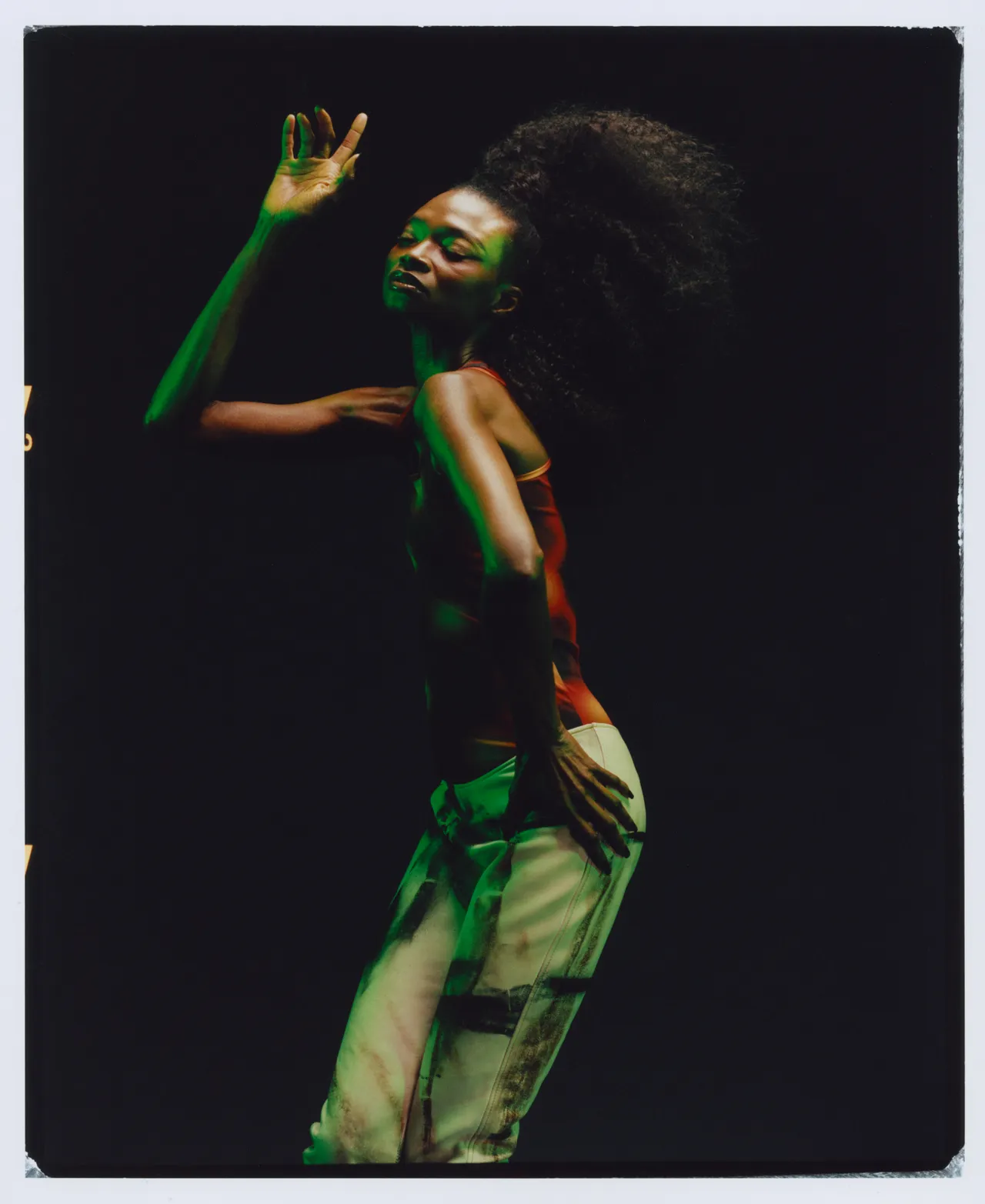
Feeling Seen is 200 pages, 240 by 300 millimetres, with 150 colour illustrations, published as a hardcover by Prestel. These physical details matter because the monograph is more than a book. It was also an exhibition at Protein Studios in London in 2022, the same year as Aperture’s New Black Vanguard exhibition at the Saatchi Gallery. By 2025, Addy had shown work in ‘True to Form’ at Tate Britain, had a solo exhibition ‘The Stillness of Elegance’ at SCAD FASH Museum, and appeared in ‘Schiaparelli: Fashion Becomes Art’ at the V&A in 2026. The trajectory from the school library detention to the V&A is the linear history the monograph argued for, now confirmed by that trajectory.
What Feeling Seen records is not only the photographs. It records a decision about what to document and why, and a decision about who the document is for. Those decisions are as much a part of the practice as the technical execution of the images. The monograph shows that Addy made those decisions consistently over a decade, before recognition arrived and after.
The argument over who gets credited for image-making, and whose practice carries cultural weight, runs through Omiren Styles’ editorial work across fashion, heritage, and photography. Feeling Seen is a specific instance of a photographer making that argument from inside the industry, rewarding and limiting the practitioners it recognises. The recognition was real. The work that preceded it was also real. Addy’s monograph insists on both.
ALSO READ
- Who Made This Fashion Image? Reading Adut Akech’s Vogue Australia Cover Credits
- What a Museum Record Can – and Cannot – Tell Us About Dress
- The Global South Made Fashion. It Just Never Got Credit.
- The Back of the Look: What a Front-Facing Runway Photograph Leaves Out
Frequently Asked Questions
What is Feeling Seen: The Photographs of Campbell Addy?
Feeling Seen is Campbell Addy’s first monograph, published by Prestel in April 2022 (UK) and June 2022 (US). It is a 200-page, 150-colour-illustration hardcover covering a decade of Addy’s commissioned and personal photographic practice. The book includes a foreword by Edward Enninful (then editor-in-chief of British Vogue), an in-depth conversation with curator and writer Ekow Eshun, quotes from leading Black figures in fashion and photography reflecting on their first experiences of feeling seen in their industries, and closing sections dedicated to the heritage of Black photographers through the work of Ajamu X and James Barnor.
Who is Campbell Addy?
Campbell Addy is a British-Ghanaian photographer, filmmaker and publisher born and raised in South London. He grew up in a Jehovah’s Witness family and left home at sixteen. He studied fashion communications at Central Saint Martins and graduated in 2016. He founded Niijournal, an independent magazine published in four volumes (2016, 2017, 2018 and 2024). He has received the British Fashion Awards’ New Wave award (2018 and 2019), the Isabella Blow Award for Fashion Creator (2023) and the Royal Photographic Society Award for Fashion, Advertising and Commercial Photography (2024). His work has appeared in British Vogue, i-D and Dazed.
What is the significance of the title Feeling Seen?
The title was originally ‘Feeling Seen?’ with a question mark, reflecting uncertainty about whether the state it described was achievable. Addy changed it to a statement. The title refers to the distinction between being visible (the camera is pointed at you, the image is published) and feeling recognised (the image reflects something real about who you are, made by someone who understands the same things). Addy describes growing up as someone who was always obviously seen but never truly seen, and the monograph is his account of what changed and what that change required.
Who are Ajamu X and James Barnor, and why are they in the book?
Ajamu X is a queer British photographer whom Addy credits with paving the way for Black queer photographers. James Barnor is a Ghanaian icon whom Addy calls ‘Grandad James’ and describes as a close personal friend. Both built bodies of work at the margin of the photography industry’s mainstream. Addy includes two ‘love letters’ in Feeling Seen, one to each. The book closes with sections that pay tribute to their heritage, arguing that Black photographic history is linear and continuous and that Addy’s own practice belongs to that lineage.
What is Niijournal?
Niijournal is an independent magazine founded by Campbell Addy, published in four volumes: 2016, 2017, 2018 and 2024. It predates the recognition Addy received from the British Fashion Awards and major publishing commissions and was built around the same proposition that Feeling Seen would later formalise: documenting Black and queer creativity without institutional permission or external validation. The magazine is a record of the practice that the monograph surveys.
Where has Campbell Addy’s work been exhibited?
Exhibitions include Feeling Seen at Protein Studios, London (2022); The New Black Vanguard with Aperture at the Saatchi Gallery, London (2022-23); The British Fashion Council x British Embassy exhibition, Paris (2022); A New Paradise at the Saatchi Gallery (2022-23); True to Form at Tate Britain with J.G. Basdew (2025); Campbell Addy: The Stillness of Elegance at SCAD FASH Museum (2025); Naomi In Fashion at the V&A South Kensington (2024-25); and Schiaparelli: Fashion Becomes Art at the V&A South Kensington (2026).