Clothing is only one part of a portrait’s style. In Mama Casset’s photographs, it takes shape through the arrangement of bodies, the direction of a gaze, and the boundaries of the frame.
The Metropolitan Museum of Art identifies Mama Casset’s Two Reclining Women as a gelatin silver print made in Dakar during the 1950s to 1960s. Measuring just 12.7 by 17.5 centimetres, the photograph offers a compact starting point for a larger question: how does a portrait turn dress and posture into a composed image? Its title names an arrangement rather than identifying the women or explaining their relationship. The museum record does not establish their occupations, the occasion for the sitting, or why they chose what they wore. Those gaps need not be filled to recognise that reclining, dressing, and being photographed come together in a deliberately constructed picture.
“Tightly organised compositions, restrained decor, bodily expression, hand placement and the prominence of clothing” — Revue Noire, on Mama Casset’s studio aesthetic
In Aperture, Brendan Embser emphasises Casset’s diagonal poses and close framing, describing an approach that gives portraits energy while removing surrounding worldly references. Revue Noire similarly identifies tightly organised compositions, restrained decor, bodily expression, hand placement and the prominence of clothing as features of his practice. Together, these observations suggest a way to look at Casset’s work: not as a catalogue of garments, but as an encounter between dress and photographic form.
Explore how Mama Casset’s Dakar portraits use framing, pose, light and restrained backdrops to give clothing and personal presentation their visual force.
A Studio in Dakar
Born in Saint-Louis in 1908, Casset developed a photographic career that extended well beyond studio portraiture. Revue Noire records his early training with French photographers and subsequent work making aerial photographs for the French air force. He later established African Photo in Dakar’s Medina neighbourhood, where he built the portrait practice that would bring him lasting recognition.
Accounts differ on the studio’s precise opening date. Art historian Giulia Paoletti dates it to 1942 in her essay for MoMA’s post, while Revue Noire places its opening at the end of the Second World War. Both sources locate the development of his independent studio practice in 1940s Dakar. For this article, the studio’s significance lies less in its exact founding year than in the visual language it developed.
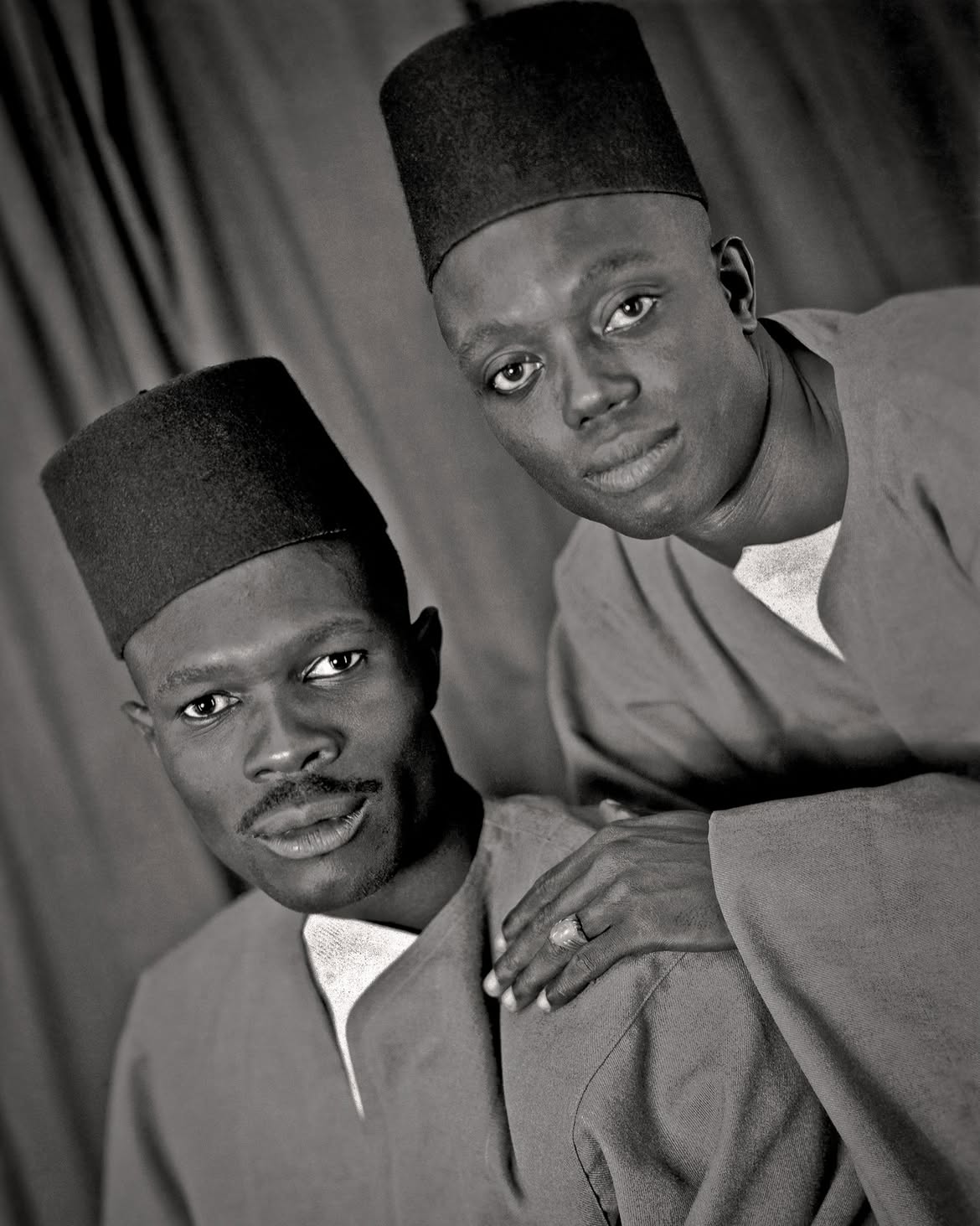
Casset did not simply place a sitter before a camera and preserve an outfit. His portraits organised how the sitter would be seen. Revue Noire describes a personal aesthetic built on close framing, diagonal arrangements, and careful attention to the relationship between clothing, hands, gaze, and bodily expression. The dress belongs within that arrangement. It is neither an incidental detail nor a complete explanation of the photograph.
What the Frame Gives and Withholds
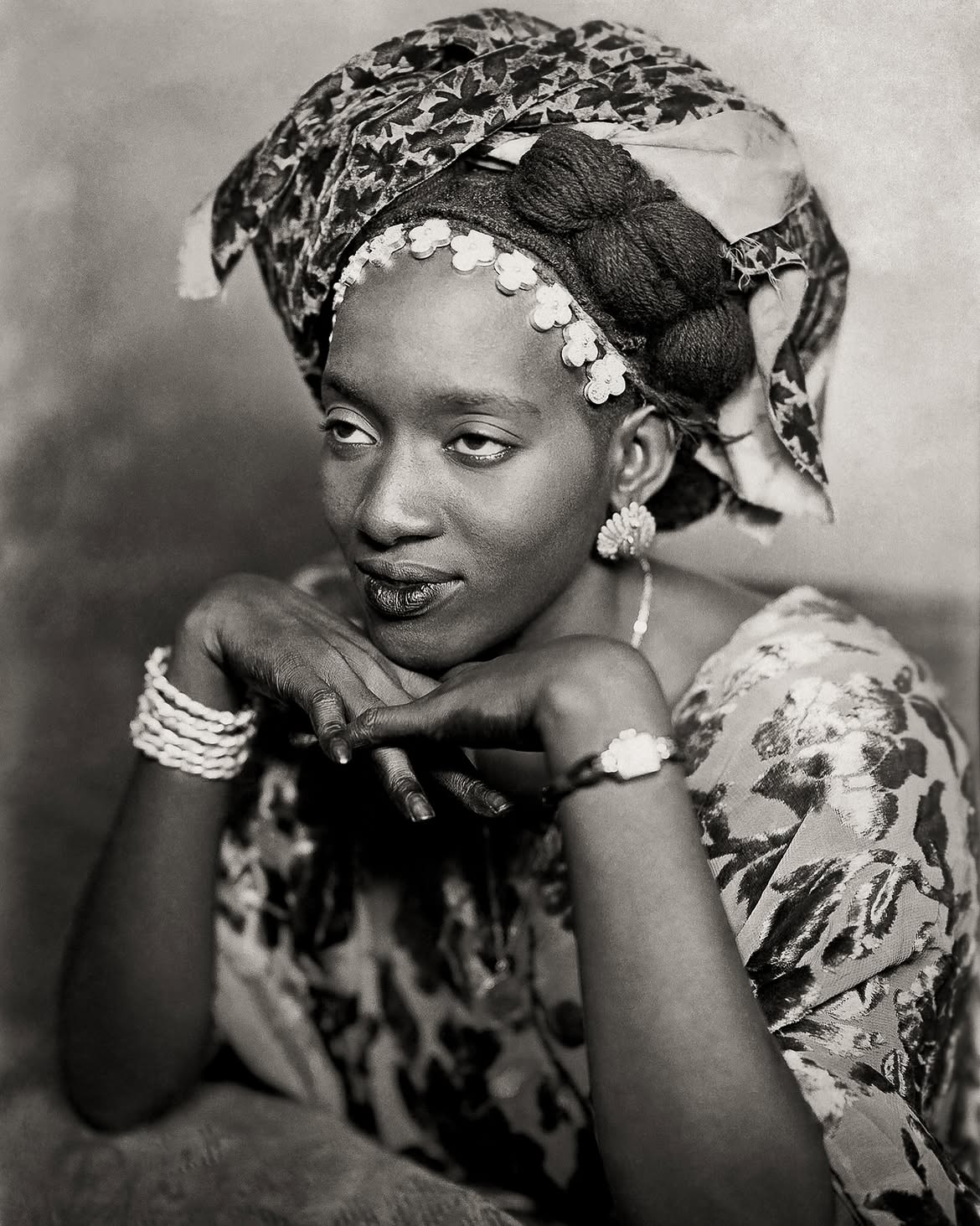
A full-length portrait can offer one kind of information: the garment’s extent, its relationship to the standing body, and its placement within a setting. A closer portrait emphasises something else entirely. Embser’s account of Casset describes close focus that removes references beyond the backdrop. Paoletti examines a related effect in Woman in the Studio, dated to the 1950s to 1960s: a tight frame, elbows resting on a table and a background rendered less distinct than the sitter’s face.
These choices establish a hierarchy of attention. A face, neckline, hand, or piece of jewellery can gain visual weight because the photographer excludes or softens other information. That is what composition contributes to the fashion reading. The photograph does not merely show clothing that already exists; it determines the conditions under which that clothing becomes visible, and it decides what the viewer’s eye reaches first.
Returning to Two Reclining Women, the title’s emphasis on posture offers useful instruction. Before asking what the women’s clothes might reveal about their lives, consider how the artist has arranged their bodies within the picture. You can examine a portrait’s visual force without turning appearance into an unsupported biography. The frame gives us the image; it does not give us the story behind it.
Dress Takes Shape Through Pose
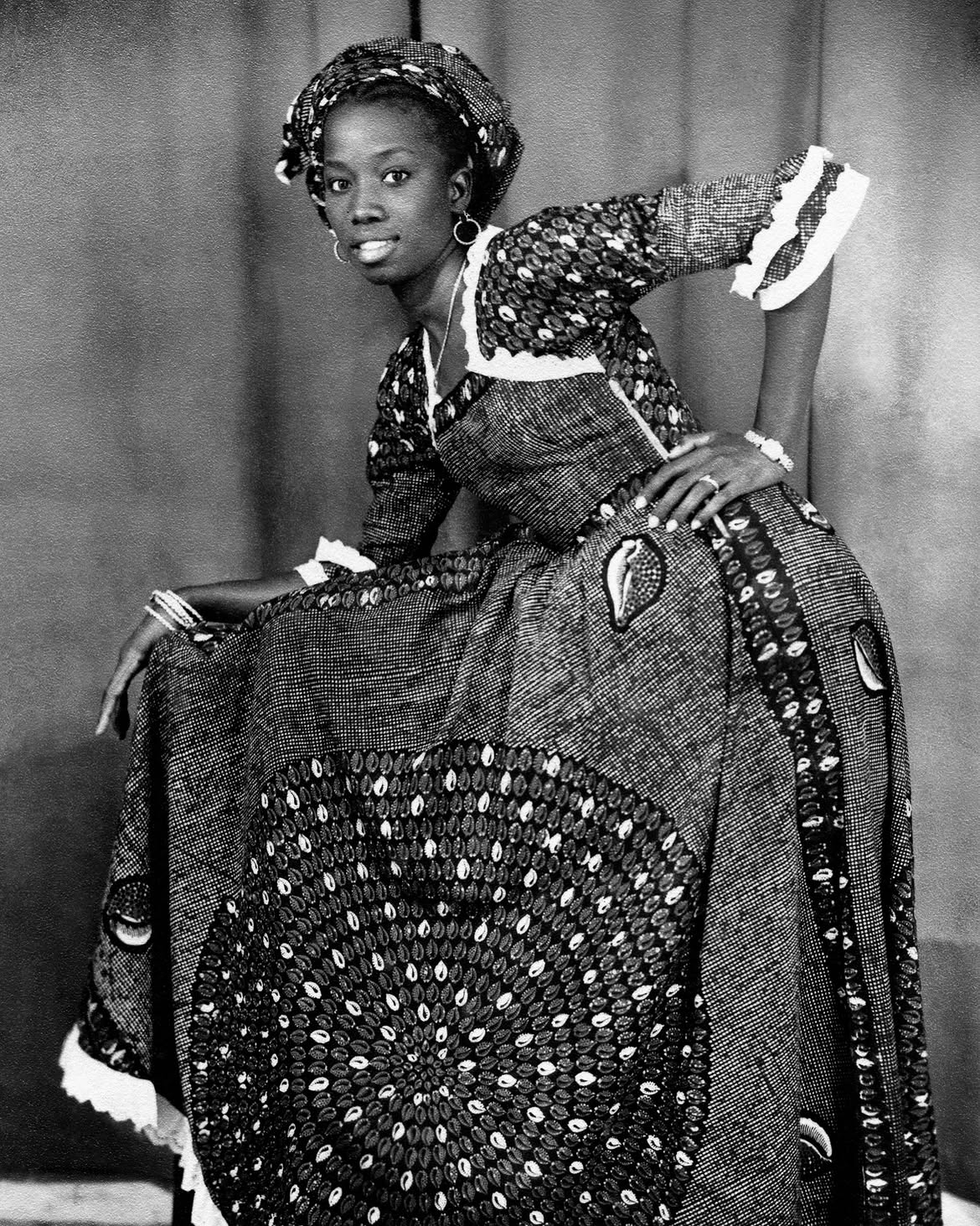
Revue Noire places clothing alongside hand position, gaze and bodily expression in its account of Casset’s aesthetic. That grouping matters: style is not treated as a property of garments alone. A hand can interrupt a line of fabric or bring an accessory into prominence. Changing the body’s orientation changes how clothing occupies the frame. These are relationships to examine, not evidence that a particular gesture carries a fixed or universal meaning.
Paoletti’s analysis offers a well-documented example. In the portrait she discusses at the beginning of her essay, the woman’s elbows rest on a table, and her face turns in three-quarter view. Paoletti connects the tight framing and selective focus to the prominence of the sitter’s eyes. Read as a fashion image, the portrait therefore asks for more than identifying garments. It asks how dress participates in a presentation built from posture, expression and proximity.
That does not establish who proposed each element of the pose during the sitting. The finished photograph records their combination, not a transcript of the conversation between photographer and sitter. What it does record, and what is more reliable and useful for analysis, is the visual relationships the image actually contains.
Why the Diagonal Matters
Both Embser and Revue Noire identify the diagonal as a recurring feature of Casset’s work. Paoletti examines it more closely, describing portraits in which the camera’s orientation produces a dramatic slant, sometimes approaching 45 degrees. She argues that these arrangements disrupt an ordinary, stable view of the subject. A still photograph can acquire a sense of movement through the relationship between the body and the edges of the print.
For clothing, the effect is consequential. The body is not necessarily presented as an upright support on which an outfit can be inspected and catalogued. Instead, fabric, face and gesture participate in a larger directional pattern that pulls the eye through the picture. This is why portraiture differs from garment documentation: a photograph can reveal style precisely because it does not offer a neutral inventory of everything worn.
The diagonal does not tell us that a sitter felt a particular way, or that she was making a statement about anything beyond the photograph itself. It tells us something more securely observable about the image’s construction, and it invites an interpretation of its visual effect that stays grounded in what the picture actually shows rather than what we might imagine about the sitting.
Light Makes Material Visible
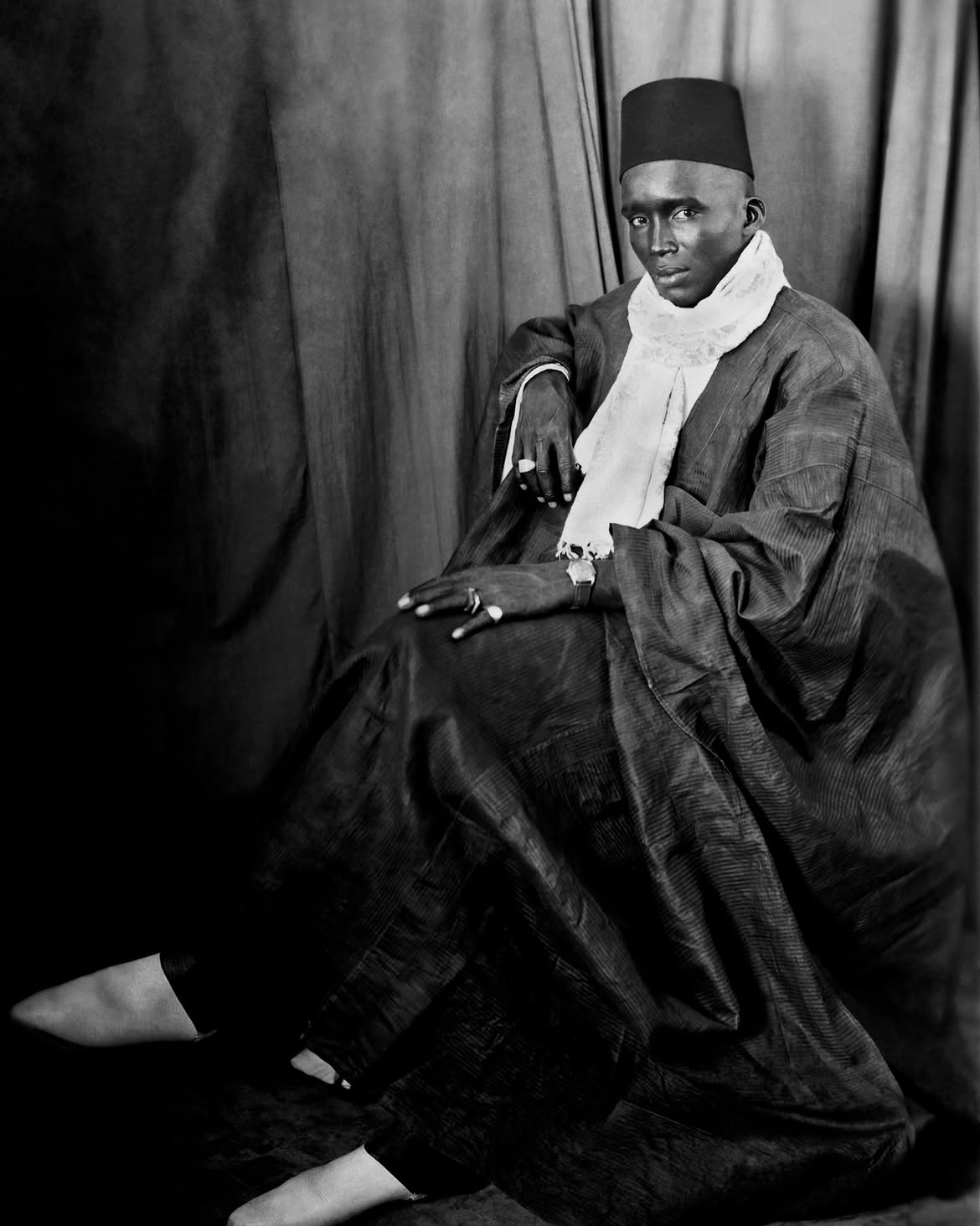
Clothing also enters Casset’s portraits through its response to light. Paoletti describes the bright reflections of jewellery and dress in selected photographs, examining how flash brings metal surfaces and other details into prominence. She treats that shine as part of the image’s organisation, not simply an incidental consequence of illumination. That distinction is worth holding: light in a thoughtfully made portrait is as much a compositional decision as framing or pose.
This gives a fashion reading another point of entry: the difference between an object’s presence and its photographic emphasis. An accessory may occupy little space but attract attention through reflected light. A surface can become conspicuous without colour, since Casset worked in black and white. In a black-and-white print, brightness, shadow and contrast help structure how material is perceived. A fabric’s sheen and a matte weave read differently even without colour information.
These observations cannot establish the price, provenance or social meaning of an unidentified item in a historical photograph. They can explain how it becomes visually significant within the specific image in front of us. That is a more careful, more honest starting point for analysis than importing context the image does not provide.
The Sitters Were Not Just Background to the Photographer
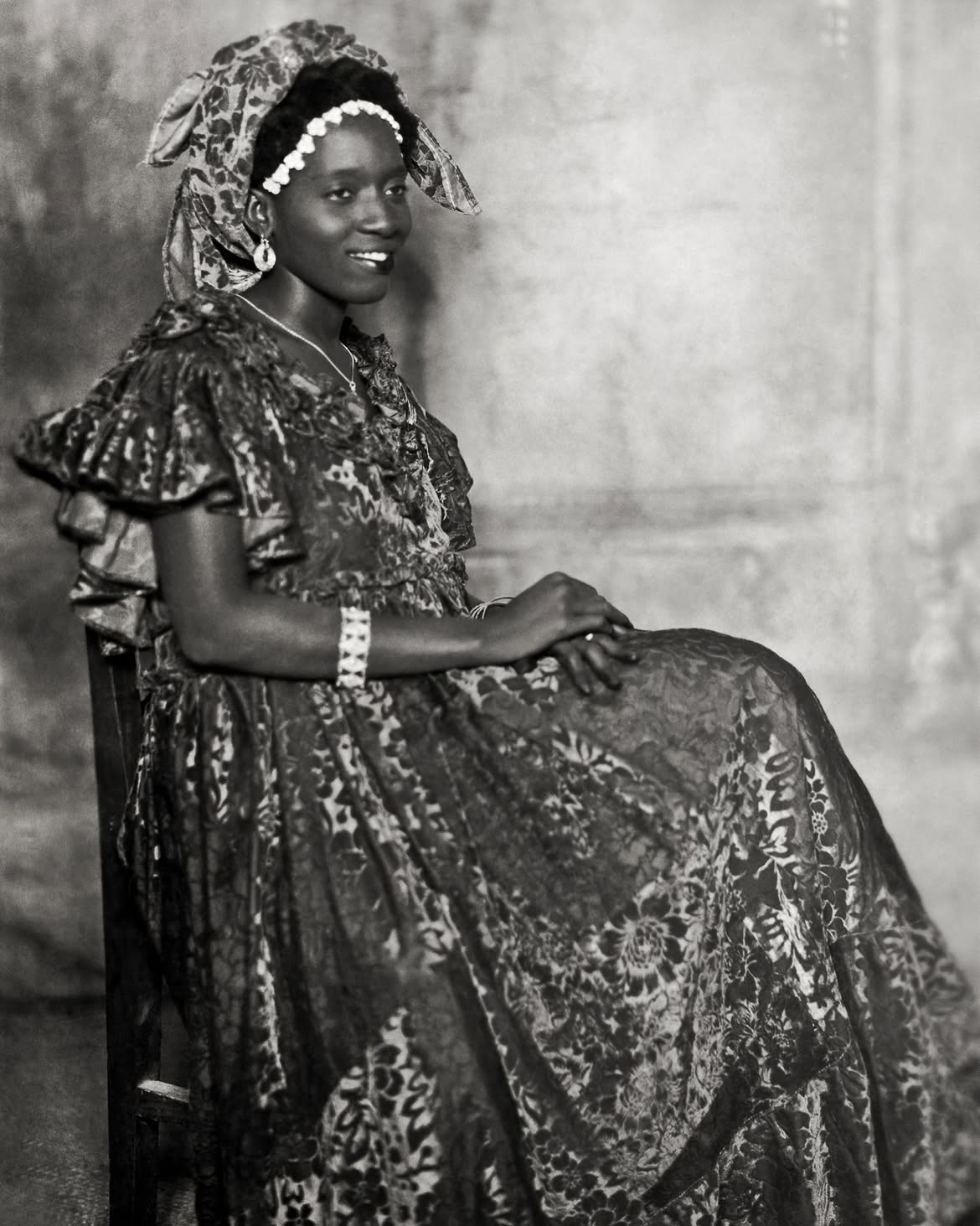
An account centred entirely on Casset’s technique would risk reducing the people he photographed to material for his compositions. Paoletti argues for a different approach. Her research identifies women as central patrons of his studio practice and reads their gazes and self-presentation as active contributions to the portraits. Her interpretation draws on extended research and interviews conducted in Senegal.
That argument complicates the idea that the photographer alone produced every meaning in the image. A sitter who chose her clothing, her pose, and her expression brought decisions to the sitting that belong in any complete account of what the photograph contains. It also requires careful attribution: Paoletti’s reading of the sitters’ agency should not become an invented account of what a particular unidentified woman thought or intended.
The useful balance is to recognise both the photographer’s formal decisions and the sitter’s active presence, without pretending to recover every negotiation between them. For Omiren’s related discussion of what historical records can and cannot establish about the people they document, see “What a Museum Record Can and Cannot Tell Us About Dress”. For context on how West African visual culture and dress history intersect, see “Five Photographers Who Changed How West Africa Sees Itself”.
Looking Beyond the Outfit
Two Reclining Women remains a productive anchor because its museum record is precise about the object while leaving the sitters’ stories unresolved. It identifies a photographer, a place, a date range, a medium and a scale. It does not supply a complete social history of the people in the frame.
Casset’s wider practice supplies a vocabulary for looking: close framing, diagonals, controlled backdrops, expressive hands and the photographic treatment of dress. The fashion interest lies in those relationships. Clothing becomes part of a portrait through what surrounds it, how the body carries it and how the camera directs attention towards or away from it.
Looking closely at these photographs resists two shortcuts that often appear in fashion writing about historical images: treating the photograph merely as evidence of what people wore, or treating appearance as proof of who they were. Casset’s portraits reward a more attentive reading of how style becomes an image. That reading begins with what the photograph actually contains and stays honest about what it leaves out.
Also Read:
- Brendan Embser’s ‘In and Out of the Studio’ (Aperture) — a critical account of Casset within an exhibition of West African portrait photography.
- Giulia Paoletti’s ‘On Looking and Longing’ (MoMA post) — an extended analysis of women’s gazes, light and framing in his work.
- “What a Museum Record Can and Cannot Tell Us About Dress” — a companion discussion of what historical documentation establishes and where it stops.
- “Five Photographers Who Changed How West Africa Sees Itself” — broader context for Casset’s place within West African visual culture.
Frequently Asked Questions
When was Two Reclining Women made?
The Metropolitan Museum of Art dates the photograph to the 1950s to 1960s and identifies its geography as Dakar, Senegal. It does not assign a single year. The date range reflects standard curatorial practice for photographs whose exact year of production cannot be precisely confirmed from available documentation.
What makes Casset’s portraits relevant to fashion?
Specialist accounts identify clothing, bodily expression, hand placement and framing as interrelated features of his work rather than separate elements. That supports examining how a portrait actively presents style rather than passively recording garments. His compositional choices determined which details became visually prominent, making his photographs genuinely useful for thinking about how dress and photography work together rather than independently.
Is there a difference between studio portraiture and garment documentation?
Yes, and it matters. Garment documentation aims to record an item as completely and neutrally as possible. Studio portraiture organises how a sitter is seen through framing, light, pose, and backdrop choices that emphasise some elements while reducing others. Casset’s portraits are the second kind: images in which clothing appears as part of a larger composition rather than the sole subject. Both forms are informative, but they answer different questions.