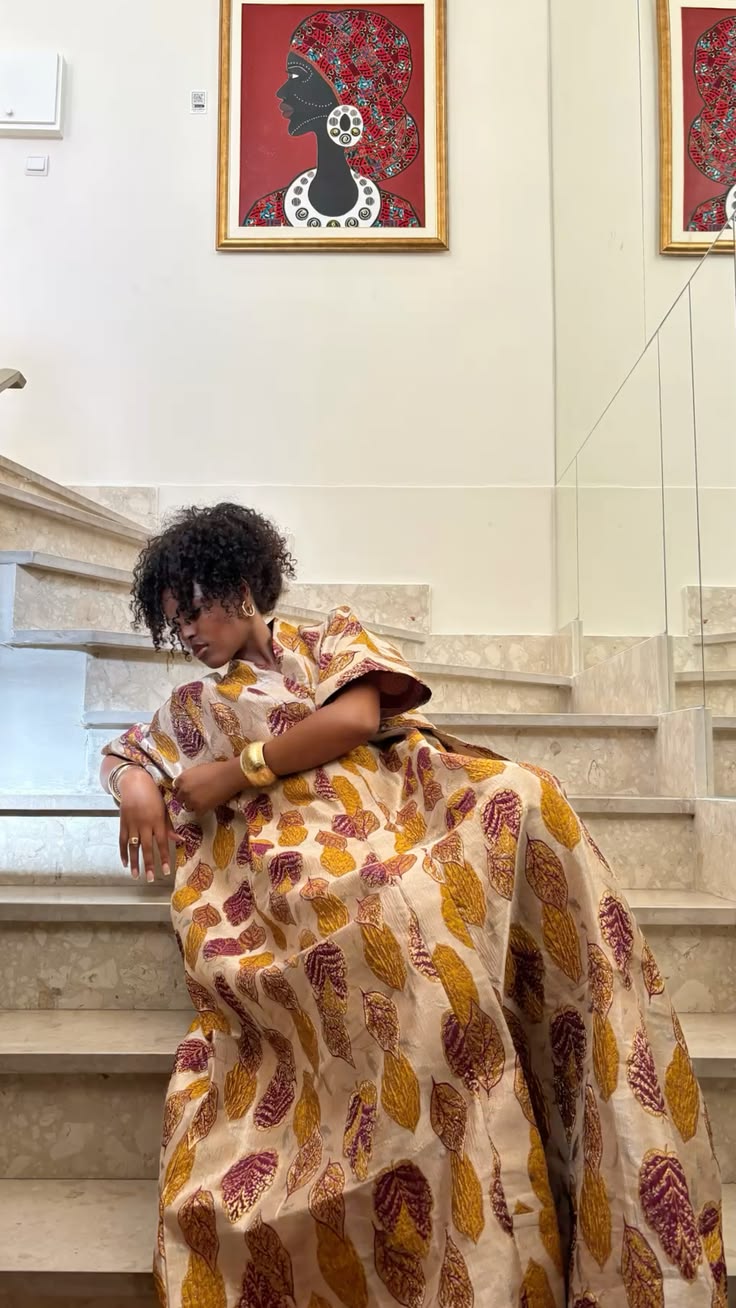
Here is a scenario that plays out at fashion weeks across Africa, London and Paris more often than anyone in the industry talks about. A buyer attends a show. They see a collection they want to stock. They take photographs, note the brand name, and maybe grab a business card. They email a week later asking for more information. The designer sends back a PDF of their lookbook.
The buyer needed a line sheet, not a lookbook. The lookbook is what got them interested. The line sheet is what they need to place the order. Without it, the buyer cannot answer the questions their own procurement team will ask them before approving the spend. So they move on to the next brand, the one that sent the right document. The collection that generated the interest did not generate the revenue because the commercial conversation was not ready to happen.
This isn’t a story about a difficult buyer or an inexperienced designer. It is a story about two people who both wanted the same transaction but couldn’t complete it because the information infrastructure was missing. Understanding what a buyer actually needs before they can place an order is what changes that outcome. So let’s go through it.
A buyer liked your collection at the show. That is the beginning, not the deal. Before they can place an order, they need specific information about pricing, minimums, compliance and logistics. Here is exactly what that is.
The Line Sheet Is Not Optional

The line sheet converts a buyer’s interest into an order. It is not the lookbook, the press kit, the Instagram feed or the collection video. All of those things generate interest. The line sheet generates the order. A buyer without a line sheet cannot build a purchase order from what they saw at the show.
As Repspark’s 2026 guide to apparel wholesale MOQ policies confirms, buyers who see the minimum order quantity and other key information before they start building their order avoid the frustration of assembling an order they cannot submit. Brands that surface this information late, in a follow-up email after the buyer has already selected their styles, create rework that slows the order cycle. For most buyers, slowing the order cycle means dropping the brand and moving on.
A line sheet for a fashion collection contains, at minimum: the brand’s legal name and wholesale contact details, a flat lay or ghost mannequin image of each style, a unique product reference code for each style, the wholesale price, the recommended retail price, the available colourways and size range for each style, the fibre composition, the country of manufacture, the minimum order quantity per style, the lead time from order to delivery, the payment terms and the order deadline for the relevant season.
That sounds like a lot. It is not, once you have built the document. What takes time is not writing the line sheet. What takes time is confirming and verifying all the information the line sheet requires before you write it. The fabric supplier must provide the fibre composition. The manufacturer must confirm the lead time. The wholesale price has to be calculated from the production cost. If any of those pieces are missing, the line sheet cannot be accurate, and an inaccurate line sheet creates problems at every subsequent stage of the buyer relationship.
The MOQ Conversation
The minimum order quantity determines which buyers can work with you. Set it at 24 units per style, and you have closed out most independent boutiques, whose stock plans do not accommodate 24 units of a single style. Set it at 6 units per style, and you have opened the conversation with a much larger range of retail accounts, at the cost of a smaller average order value per transaction.
As linesheet.io’s wholesale MOQ guide notes, a $30 wholesale T-shirt and a $400 wholesale coat should not both carry the same MOQ of 6 units. The MOQ should reflect each style’s production reality, not a blanket number applied across the range. A buyer who is interested in your statement piece will have a different conversation about minimums than a buyer who is building an accessories capsule. Knowing your production minimum per style before you quote an MOQ is the thing that makes the conversation honest.
The MOQ also needs to be stated at the right level of specificity. Is it a minimum per style? Per colourway within a style? Per total order? A buyer who reads ‘minimum order: 12 units’ on your line sheet does not know whether that means 12 units of one style in one colourway, 12 units of one style across all colourways, or 12 units total across all styles in their order. Buyers don’t resolve that ambiguity with a follow-up email. They make an assumption, place what they think is a valid order, and then have to renegotiate when the confirmation comes back wrong. That friction costs the relationship.
Lead Time: The Number Buyers Actually Need

Lead time is how long it takes from when a buyer places an order to when the goods arrive at their facility. This is not the same as production time. Production time is how long it takes to make the garments. Lead time includes production time plus fabric sourcing if the fabric is not already in stock, plus finishing and quality control, plus packaging, plus shipping, plus customs clearance. A factory that tells you production takes four weeks may be quoting from when cutting begins, which may be three weeks after the purchase order is confirmed.
Buyers build their floor plans around lead times. A department store buyer planning their spring intake window works with a calendar set six months ago. An independent boutique buyer ordering for a specific season has a deadline by which the goods must arrive to be commercially relevant. If your lead time puts delivery after their intake window, the order does not work, regardless of the collection’s quality. A buyer who cannot receive the goods in time isn’t a buyer for this season.
This is why an honest lead time, stated in writing before the order is placed, is one of the most important pieces of commercial communication a brand can produce. A lead time that turns out to be longer than quoted, because the fabric was delayed or the factory was overbooked, creates a problem the buyer has to manage with their own teams and customers. That problem costs the relationship, even if the goods eventually arrive and are excellent. Quote the realistic lead time, not the optimistic one.
Compliance: The Questions Buyers Ask That Brands Often Cannot Answer
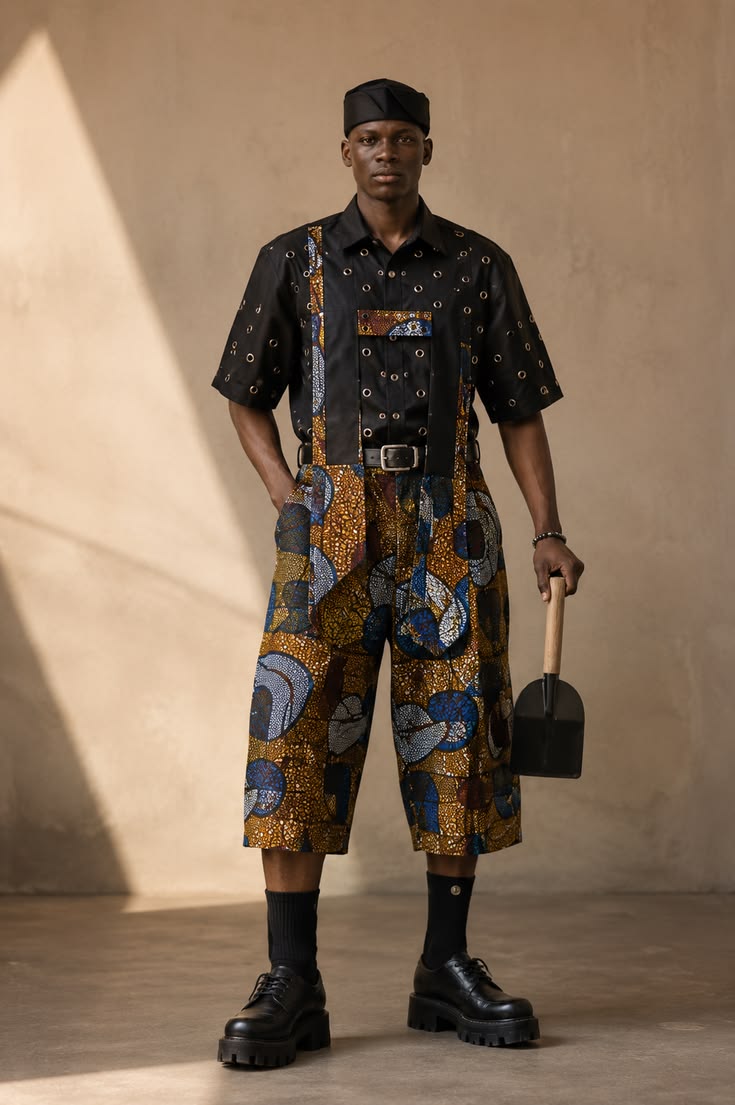
A buyer stocking in a retail environment needs to know the garments they are buying are legally compliant in their market. This means different things in different markets, but the core questions are consistent. What is the fibre composition, stated as a percentage breakdown by fibre type? Where was the garment manufactured? Are the care instructions printed on the label? Does the garment meet the chemical safety standards required for retail in the destination market?
These are not unusual questions. They are the questions a buyer’s compliance team will ask before approving any new supplier. A brand that cannot answer them, or answers them with an approximation rather than a documented fact, cannot be added to the approved supplier list. The collection stays off the floor.
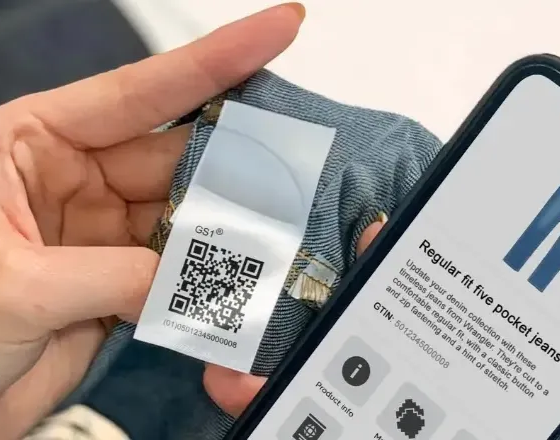
As Omiren Styles has established through its maker-credit series, the information required for compliance exists at the production stage. The fibre composition is in the fabric specification. The country of manufacture is on the factory’s documentation. The chemical compliance status is part of the fabric certification. The challenge isn’t that the information doesn’t exist. The challenge is that it hasn’t been organised into a format that travels with the garment from production to the buyer’s desk. Building that organisational system before the buyer asks for it is what separates brands that can complete the order from brands that cannot.
Payment Terms: The Piece Brands Often Forget to State
Payment terms tell the buyer when they pay and under what conditions. Net 30 is the standard for established wholesale accounts: the buyer has thirty calendar days from the invoice date to settle the balance. New supplier relationships typically start with a deposit on order, with the balance due before shipping. Some brands require full payment upfront for first orders, which is commercially understandable but makes some buyers uncomfortable, particularly when the brand is not yet established in their market.
The point is not which payment terms you offer. The point is that they need to be stated on the line sheet before the order is placed. A buyer whose accounts department needs to know the payment terms before approving a new supplier will not chase you for the information. They will assume Net 30, process the order on that basis, and create a reconciliation problem later. Or they will wait for the information, and while they are waiting, the ordering window closes.
The Document That Ties It Together
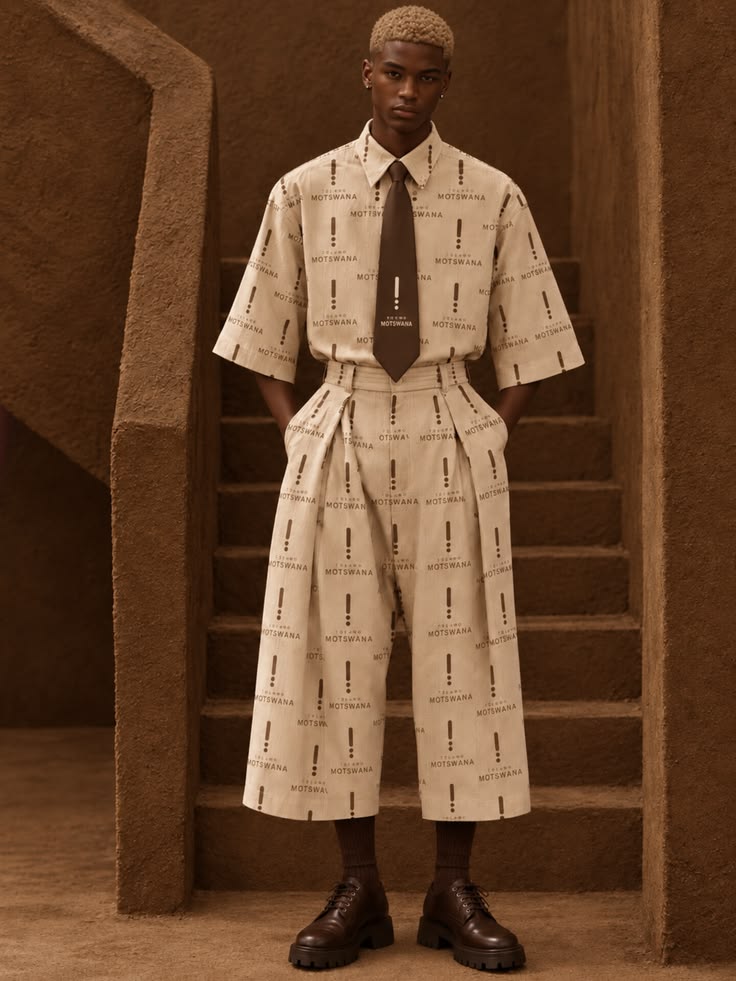
Omiren Styles’ buyer order test applied a fictional buyer order form to a realistic emerging collection and found that zero of fifteen required fields could be populated from the brand’s public-facing materials. The brand had a lookbook, a press release, an Instagram account and a show review. It did not have a legal entity name, a wholesale price, a fibre composition, a country of manufacture, a lead time, an MOQ, or payment terms. The buyer who attended the show and liked the collection couldn’t place the order because none of the required information was available.
The runway is the beginning of a commercial conversation, not the conclusion. A collection that walks the runway without a buyer-ready line sheet has spent its show budget on an audience it cannot convert into customers.
The good news is that the document that ties this together isn’t complicated to produce once you understand what it needs to include. A line sheet with accurate information across all the fields described above, sent to a buyer who attended your show within five business days of the show, is the thing that closes the gap between the interest the show generated and the order that interest should produce.
The follow-up matters as much as the document. A buyer who attended your show is a warm lead with a limited attention span. They saw fifty other collections at the same event. The brand that sends the right document quickly, that makes it easy for the buyer to build an order without sending three clarifying emails, is the brand that captures the sale the show generated. The brand that sends the lookbook a week later and waits for the buyer to ask for more information is the brand that watches the opportunity expire.
ALSO READ:
- African Fashion Has Visibility – But Where Are the Buyers?
- A Line Sheet a Buyer Can Act On: The Information That Belongs Beside the Image
- Could a Buyer Order This Collection? A Transparently Fictional Document Test
- The Post-Show Evidence Log: What a Brand Should Record Before Calling an Event a Success
- The Global South Made Fashion. It Just Never Got Credit.
What This Looks Like in Practice
A designer who has shown at a fashion week and wants to convert that visibility into orders needs to have five things ready before the show ends. The line sheet with all fields completed and accurate. A contact email address for wholesale enquiries that is monitored and responded to within 48 hours. A sample policy: whether buyers can request samples before placing an order, what the sample cost is, and whether that cost is credited against a first order. A clear ordering deadline for the current season. And a production partner who can confirm the lead time before you quote it.
As Omiren Styles has documented in its post-show evidence log guide, the forty-eight hours after a show are the window when buyer contacts are warm, conversations are fresh, and the follow-up has the highest probability of producing a response. A brand that doesn’t have its commercial documentation ready at the start of that window spends those forty-eight hours preparing what it should have prepared before the show began.
None of this is about complicating the process. It is about making it complete. A buyer who has everything they need to place an order will place it. A buyer who has to ask for the information that should have been in the first email will, with significant probability, not ask. They will move to the next brand. The collection will have walked the runway. The sale will not have happened. And the gap between African fashion’s visibility and its revenue will have grown by one more transaction that nearly closed and did not.
African fashion has the creative quality, the cultural authority and the international attention. What converts those three things into revenue is a line sheet with accurate information, a clear MOQ, an honest lead time, stated payment terms, and follow-up that arrives before the buyer’s interest cools. That is it. The commercial conversation is not complicated. It just has to be ready to happen.