In Seychelles, beauty rituals grow from the materials of island life. Coconut oil has long been used for hair care and skincare, while fragrant plants such as vetiver belong to a wider tradition of tropical herbalism, scent, and body care.
But these practices need to be read carefully. Coconut’s place in Seychellois domestic life is well documented, while the idea of a single, standardised “coconut and vetiver ritual” is often shaped by modern spa language. The most accurate way to understand the tradition is as a meeting point between home-based care, local botanical knowledge, and contemporary wellness.
Explore the Omiren Selection: Some links in this article are affiliate links. Omiren Styles may earn a small commission at no extra cost to you.
Discover Seychellois coconut and vetiver beauty rituals, from coconut-oil hair care and skincare to island herbalism, scent, and contemporary wellness practices.
Why Coconut Matters in Seychelles

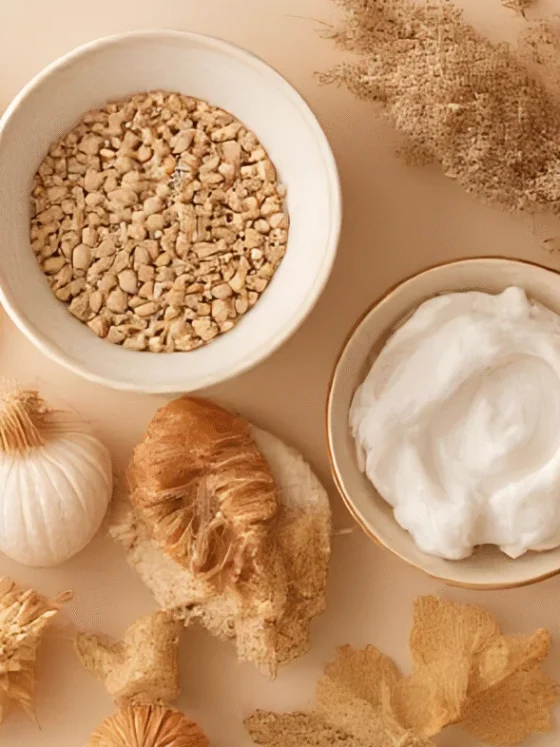
Coconut is deeply embedded in Seychellois life. The fruit, shell, husk, milk, cream, and oil have all served practical purposes, from cooking and household use to hair and skin care.
Coconut oil is used in some Seychellois homes for hair care, including soothing dry scalps and reducing dandruff. It is also applied to dry skin as a moisturiser and protective oil.
This makes coconut more than a fashionable natural ingredient. It is part of the island’s domestic knowledge: a material used because it is available, versatile, and familiar.
Coconut Oil for Hair Care
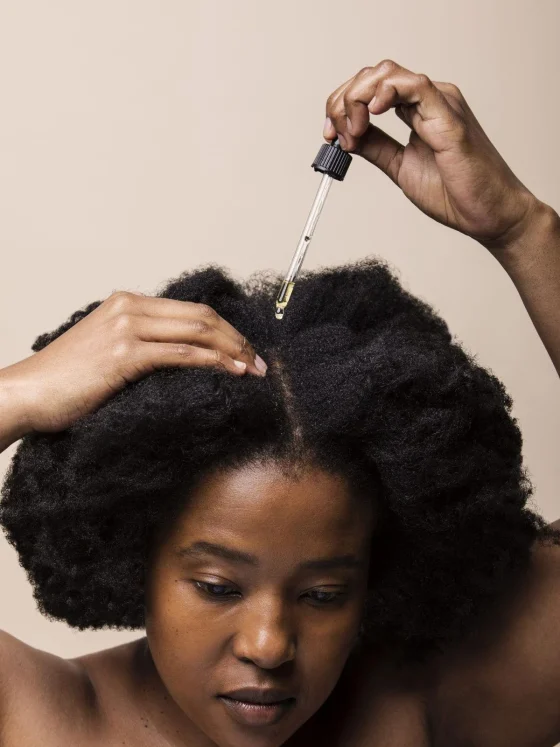
The simplest Seychellois coconut beauty practice is the oil treatment. Warm coconut oil is massaged into the scalp and worked through the hair, where it helps soften dry strands and reduce the feeling of a tight or dry scalp. For readers interested in incorporating coconut oil as simple hair care routine can explore coconut oil hair care products on Amazon.
A home treatment may be used before washing or left on briefly as a conditioning mask. The application itself is important. It turns hair care into a slow, tactile practice rather than a quick cosmetic step.
Contemporary Seychelles spas have developed this into hot-oil scalp treatments and coconut massages, placing an established island ingredient inside a more formal wellness setting.
Coconut for the Skin
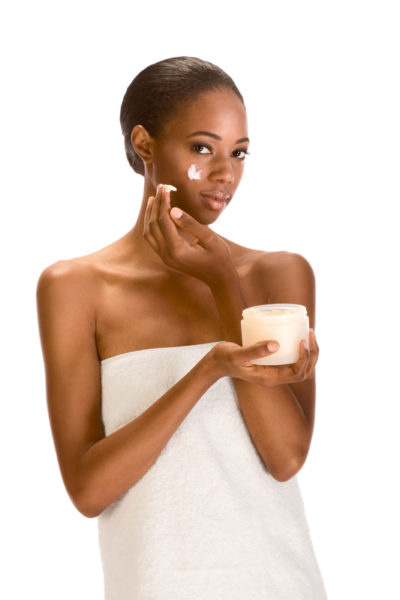
Coconut oil is also used on the body to soften dry skin. In a tropical climate, it can function as an accessible household moisturiser, particularly after bathing or exposure to sun and wind.
Modern spa menus expand this practice through coconut scrubs, body masks, body butters, massages, and coconut-milk baths. For readers interested in exploring coconut body scrubs and natural body-care products can view Amazon
These treatments should not all be presented as ancient Seychellois rituals. Many are contemporary spa experiences inspired by island ingredients. The connection to local practice is strongest when the treatment uses coconut in a way that reflects its established role in household care.
Readers interested in exploring coconut-based body care can browse a selection of coconut oil skincare products on Amazon.
The Role of Vetiver
Vetiver is a fragrant grass whose roots are traditionally valued for their earthy scent. In island wellness settings, vetiver may be used as an aromatic ingredient in oils, baths, soaps, or botanical treatments. For readers curious about the aromatic side of botanical beauty, explore vetiver and botanical oils on Etsy
However, available documentation is stronger for coconut than for a distinct, widely recorded Seychellois vetiver beauty ritual. It is therefore more accurate to describe vetiver as part of the broader botanical and aromatic landscape of Indian Ocean wellness rather than claim that every coconut-and-vetiver treatment is a traditional Seychellois practice.
This distinction matters. Contemporary spas often combine ingredients to create a sense of place, but a spa menu is not automatically proof of an inherited community ritual.
Beauty and Island Herbalism

Seychellois wellness practices draw on the plants available across the islands. Contemporary treatments mention ingredients such as cinnamon leaves, lemongrass, aloe vera, coconut oil, papaya, and sea sand as part of island-inspired body care.
Those interested in bringing some of these tropical-inspired ingredients into their own routine can explore coconut-based body-care products on Etsy.
Vetiver fits naturally into this world because of its scent and grounding quality. Its presence can add an earthy, woody note to oils and body treatments, complementing the richer, softer scent of coconut.
The result is a sensory language of the islands: warm oil, green leaves, tropical fruit, salt air, and fragrant roots.
The Ritual Structure
A coconut-based beauty ritual often follows a simple sequence:
- Preparation. Coconut oil is warmed gently until it becomes fluid.
- Application. The oil is massaged into the scalp, hair, or body.
- Rest. The oil is left to absorb, allowing the treatment to become a moment of pause.
- Rinse or massage. Hair may be washed afterwards, while body treatments may continue through massage.
- Scent and finishing. Vetiver or other botanical notes may be added through oil, bath, or fragrance.
Spas often formalise this process with exfoliation, body masks, baths, and longer massages.
At home, the ritual is usually simpler and less theatrical. Its meaning comes from repetition and familiarity rather than luxury presentation.
From Household Care to Spa Culture
Seychelles’ tourism economy has helped transform coconut into a premium wellness ingredient. Resort spas now offer coconut scrubs, coconut-oil massages, coconut-milk baths, scalp treatments, and coco de mer experiences.
Coco de mer is especially important to the islands’ visual identity. The palm is native to the Seychelles and produces the largest seed in the plant kingdom, giving it a symbolic connection to place and rarity.
Yet there is a difference between coconut as a household ingredient and coconut as a luxury product. At home, it is practical and accessible. In a resort, it becomes part of a carefully designed experience sold to visitors.
Both are valid, but they should not be confused.
What the Rituals Mean
Seychellois coconut beauty practices express several ideas at once:
- Care: Oil application is a practical way to maintain hair and skin.
- Resourcefulness: Coconut is used across food, household, and beauty practices.
- Sensory memory: Its scent connects body care with island life.
- Wellness: Slow massage and warm oil create relaxation as well as grooming.
- Place: Coconut and botanical ingredients make the landscape part of the beauty experience.
Vetiver adds another layer through scent. Its earthy aroma can suggest grounding, calm, and connection to the land, although those meanings often belong to modern aromatherapy language rather than a single fixed Seychellois belief system.
How to Approach These Traditions Respectfully

A respectful account should avoid presenting all tropical spa treatments as ancient local customs. Instead, it should separate three categories:
- Documented household practice: Coconut oil used for hair and skin care in Seychellois homes.
- Island botanical knowledge: The use of locally available plants and natural ingredients in care and wellness.
- Contemporary spa adaptation: Coconut scrubs, body masks, massages, and aromatic treatments designed for the tourism market.
This distinction makes the story stronger. It shows how tradition evolves without inventing a single ritual where the evidence does not support one.
OMIREN Argument
Seychellois coconut and vetiver beauty rituals should be understood through their layers: domestic care, botanical knowledge, scent, and modern wellness. Coconut has a clearly documented place in hair and skin care, while vetiver belongs more cautiously to the wider aromatic landscape surrounding contemporary island rituals. OMIREN’s position is that accuracy makes the story richer: Seychelles does not need invented tradition when its real beauty knowledge already grows from the materials of island life.
Read Also:
- The 60-Second Reset: Micro-Ritual for Sovereign Wellness at Work
- The Real Glow: Wellness as Self-Preservation
Frequently Asked Questions
- How is coconut oil used in Seychelles?
It is used for hair care, scalp care, and moisturising dry skin. Contemporary spas also use it in massages, scrubs, masks, and baths.
- Is vetiver traditionally used in Seychellois beauty rituals?
Vetiver belongs to the wider world of botanical and aromatic wellness, but public documentation is stronger for coconut than for a single, standardised Seychellois vetiver ritual.
- What is a coconut-oil hair treatment?
It involves warming coconut oil and massaging it into the scalp and hair before washing or conditioning the hair.
- What is coco de mer?
Coco de mer is a rare native Seychelles palm whose seed is the largest in the plant kingdom. It is used in contemporary luxury spa experiences as an ingredient and place-based symbol.
- Are Seychelles spa rituals traditional?
Some are inspired by local ingredients and household practices, but many are contemporary wellness treatments designed for modern resort settings.
Explore the Omiren Selection: Some links in this article are affiliate links. Omiren Styles may earn a small commission at no extra cost to you.