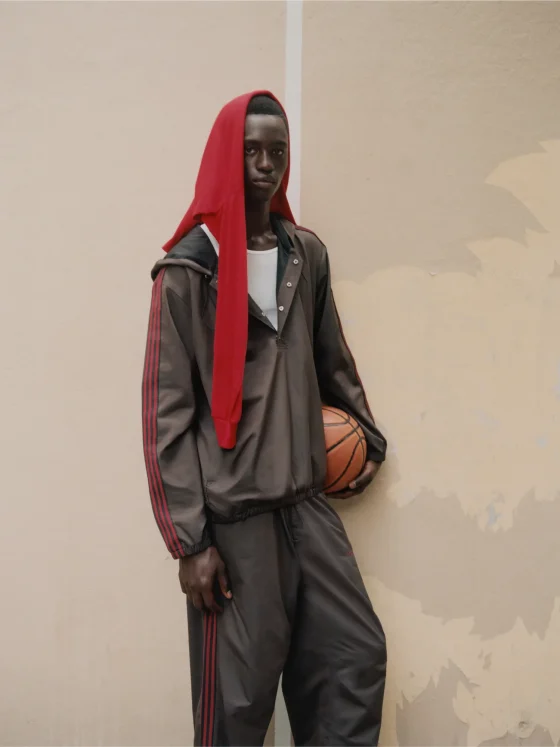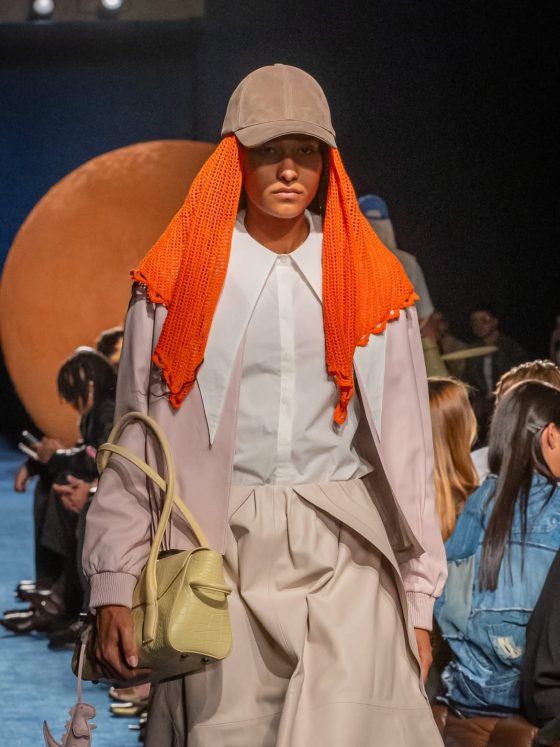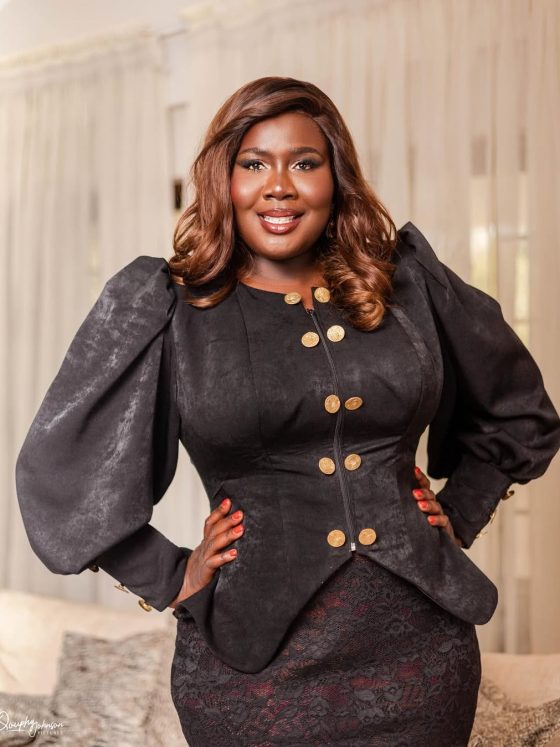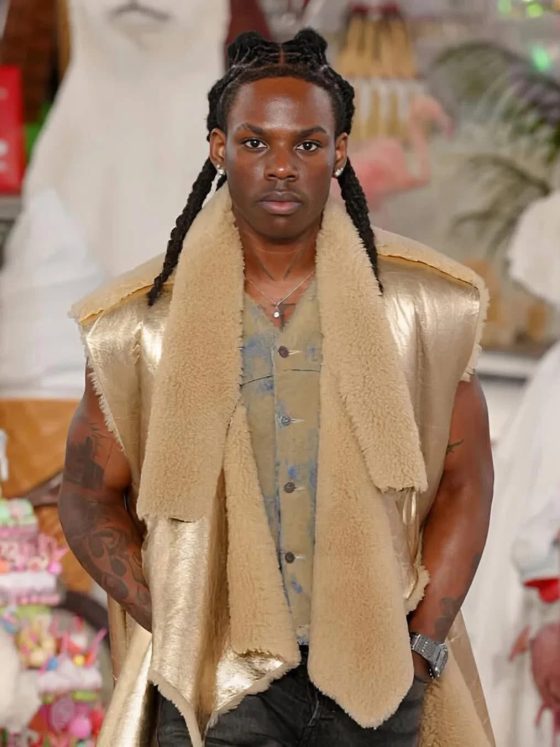
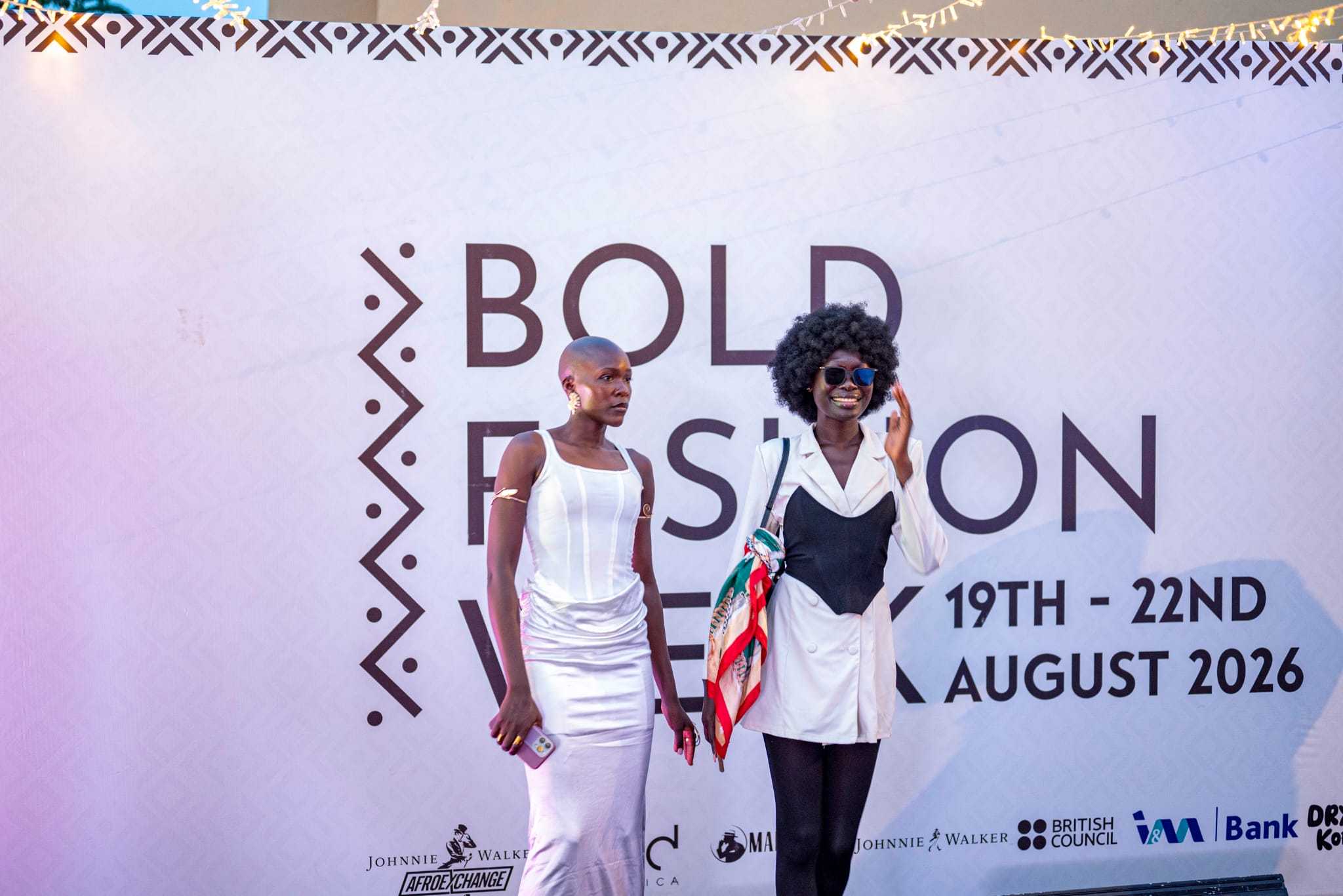
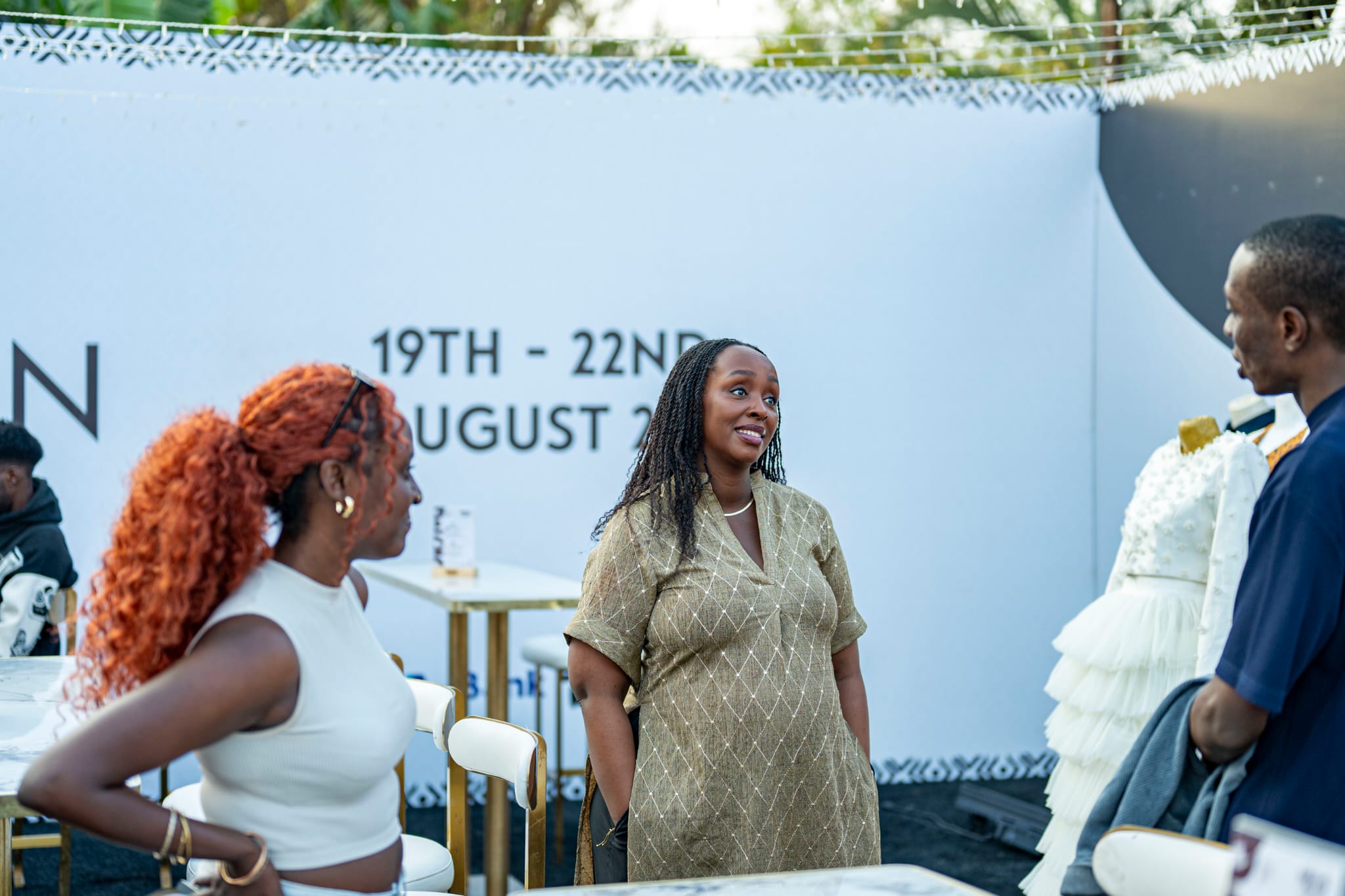
On 19 August 2026, Bold Fashion Week opened in Kampala. Not with a promise, but with a programme. Three events across four days: an industry launch on the 19th, a runway showcase at MoTIV Marketplace in Bugolobi on the 21st, and a public Market Day on the 22nd where attendees could meet designers and purchase directly. The structure is deliberate. A fashion week that ends at the runway is a visibility platform. A fashion week that continues into a retail market is beginning to build something more durable.
The African fashion market is worth 31 billion dollars. Kampala is not a city waiting to discover fashion. It has designers, customers, cultural energy, and creative ambition that international fashion coverage has consistently underestimated. As the trade show timeline tracking African fashion’s global market development since 1997 confirms, the continent’s fashion infrastructure has been built event by event, city by city, by founders who decided that the platform they needed did not yet exist and built it themselves. Bold Fashion Week is that decision made in Kampala in 2026.
Bold Fashion Week opened in Kampala on 19 August 2026. Here is what the platform is trying to build, which designers are on the runway, and what comes next.
Bold in Africa: The Foundation Behind the Event
Bold Fashion Week is not a standalone event produced by a new promoter. It is the next institutional step taken by Bold in Africa, a platform founded in Kampala in 2012 by Nunu Mugyenyi, Angel Kalisa Nkwaya, and Janet Mugume. Bold in Africa’s fourteen-year history spans retail, design curation, and the practical work of making African design accessible to customers seeking it. The platform has worked with more than 40 designers, artisans, and creators from more than ten African countries. That is not a promotional biography. It is the evidence base for why Bold Fashion Week deserves to be taken seriously: it was built by people who already know how to select, present, and sell design.
Founder Nunu Mugyenyi has described the fashion week as a strategic step toward a more professionalised fashion ecosystem in Uganda. That is an ambition rather than a completed outcome, but it is the correct standard against which to measure the event’s development. Fashion ecosystems are not assembled in a single edition. They are built across multiple seasons of consistent programming, honest feedback, and institutional memory. Bold in Africa’s fourteen years of retail and curation experience is the deepest institutional foundation currently behind any Kampala fashion week platform.
A fashion week that sequences networking, runway, and direct retail proposes a specific commercial logic: visibility and commerce should happen in the same week, not in separate conversations six months apart. That is a serious proposition. The results of Market Day on 22 August will be the first measure of whether Kampala’s audience is ready to act on it.
The Programme: Three Days, Three Functions
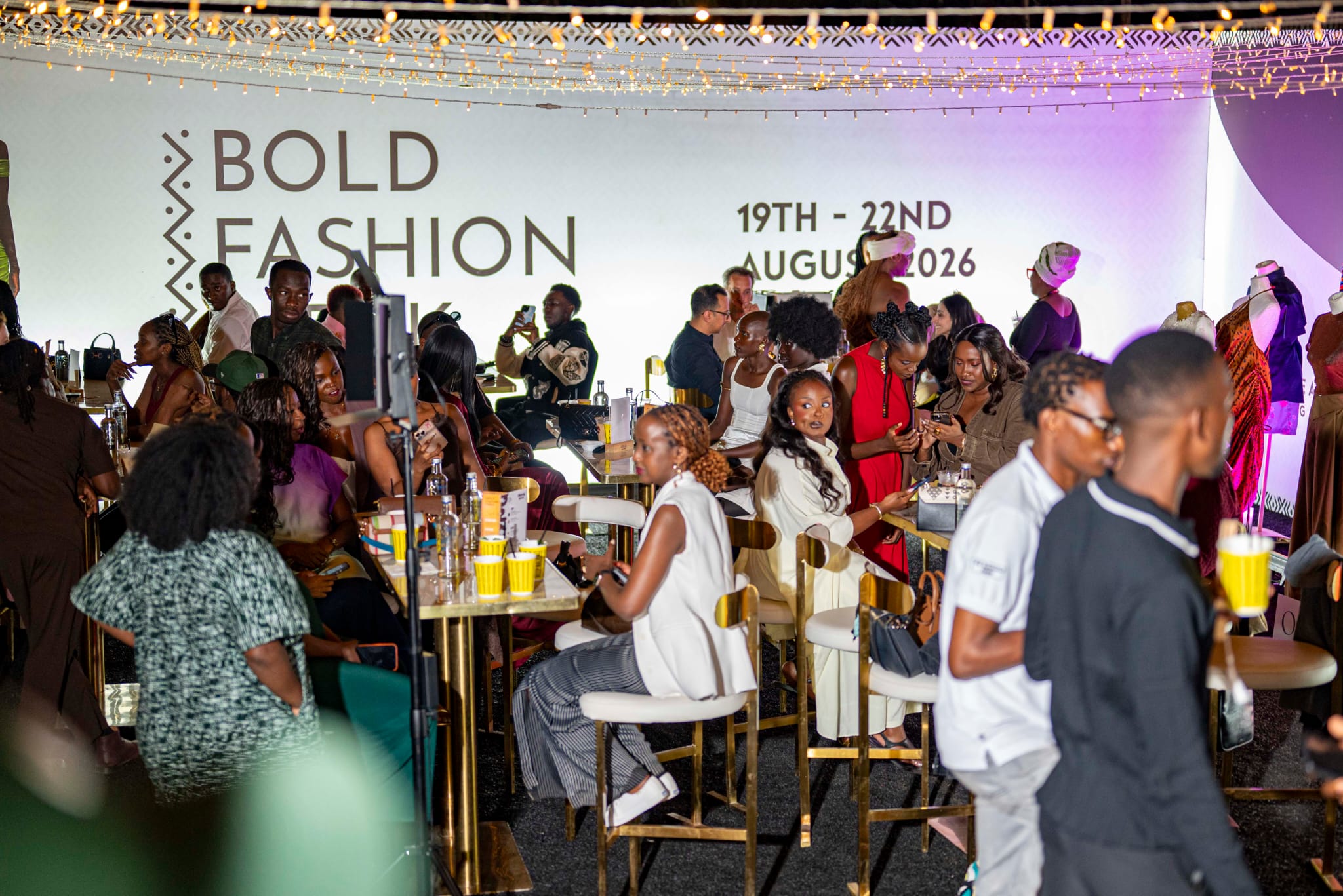
The 19 August launch event brought designers, media, partners, and fashion-industry guests together before the runway. The commercial logic of this sequencing is sound: relationships established before a collection is shown can generate more considered attention when the clothes appear. An editor who has met a designer understands the context of what they are seeing. A potential stockist who has had a conversation before the runway has already begun to assess whether the brand is a fit for their customers.
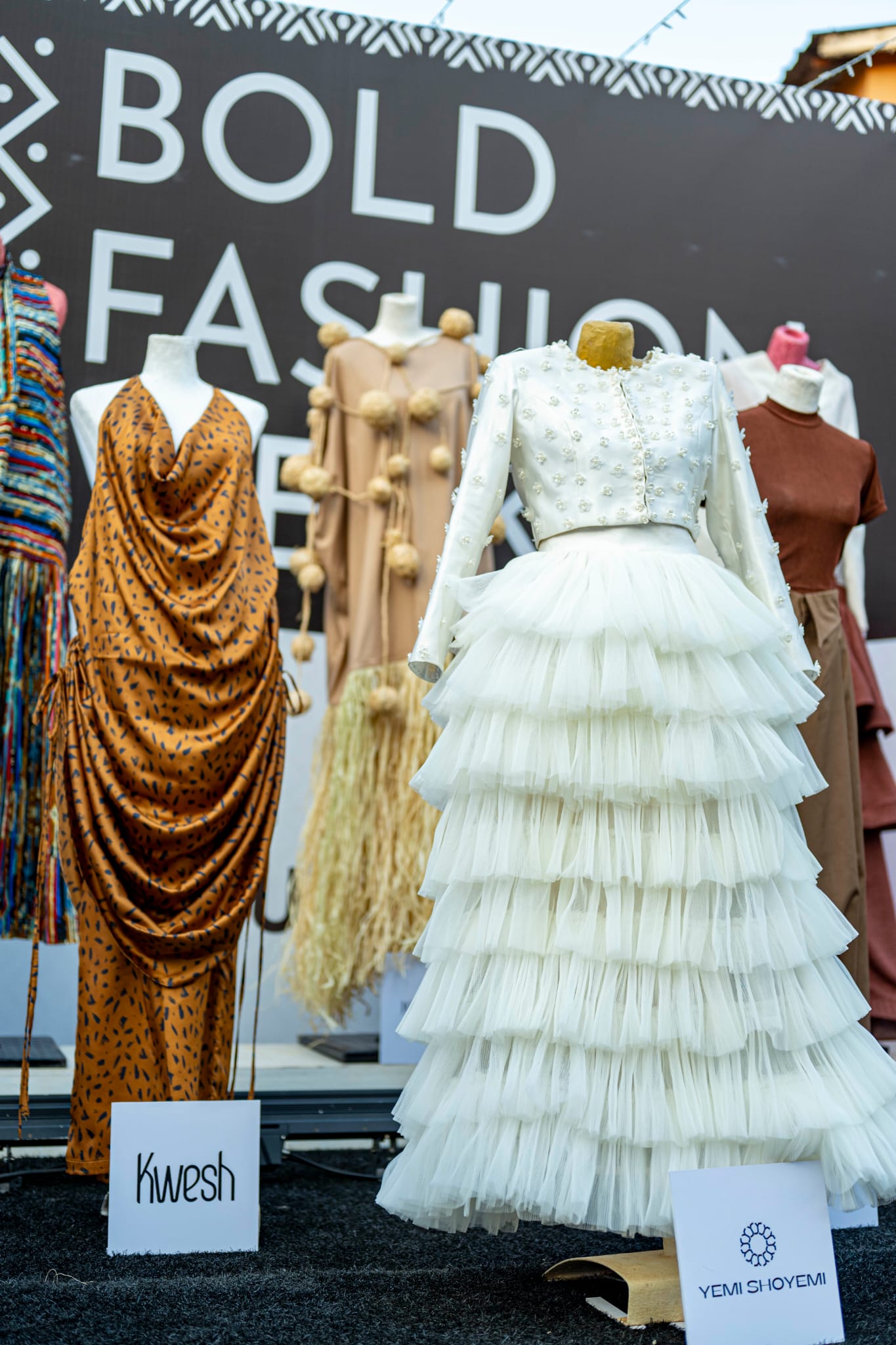
The 21 August runway showcase is scheduled to present ten designers. Nine of the ten are Ugandan: Axarya, Discreet Street x Local, Good Fibre, Joan Jade, Kifahari, Kwesh, Lamara, Ofumbi, and Shurea Yasmin. Yemi Shoyemi participates from Nigeria, connecting the Kampala showcase to the wider West African fashion network. The selection of MoTIV Marketplace in Bugolobi as venue is a deliberate aesthetic choice. MoTIV is associated with makers, training, machinery, and creative entrepreneurship rather than the hotel ballroom circuit. Staging fashion at a makers’ space is a statement about what kind of fashion this platform is building around.
The 22 August Market Day is public. Attendees can meet designers and purchase directly from participating brands. This is the element of Bold Fashion Week’s programme that most directly addresses the commercial gap that most African fashion weeks leave open: the gap between a show that generates excitement and a customer who can act on that excitement the same week. Direct retail can turn runway attention into immediate revenue, real-time customer feedback, and the beginnings of a customer list that has value beyond the event itself.
The Wider Kampala Context
Bold Fashion Week arrives in an active month for Uganda’s fashion sector. Uganda International Fashion Week is scheduled for 31 August to 5 September 2026, with a Fashion and Business Expo running from the 31st through the 2nd and a Grand Finale Gala at Kampala Serena Hotel on the 5th. The event’s Fashion for Impact programme, linked to the Mastercard Foundation, carries a stated goal of supporting nearly 10,000 young people and strengthening more than 500 tailoring businesses over three years. It was postponed earlier in the year because of the Ebola outbreak.
These are not duplicate events. Bold Fashion Week and Uganda International Fashion Week serve different functions. Bold is a retail and curation platform extending into fashion week territory. Uganda International Fashion Week is a returning event with a training and entrepreneurship programme at its core. Their coexistence in the same August-September window is not a problem for Kampala’s fashion sector. It is a test of whether the city’s fashion audience, industry, and commercial infrastructure can sustain more than one serious annual event. That test is worth passing.
What Bold Fashion Week Must Build Toward
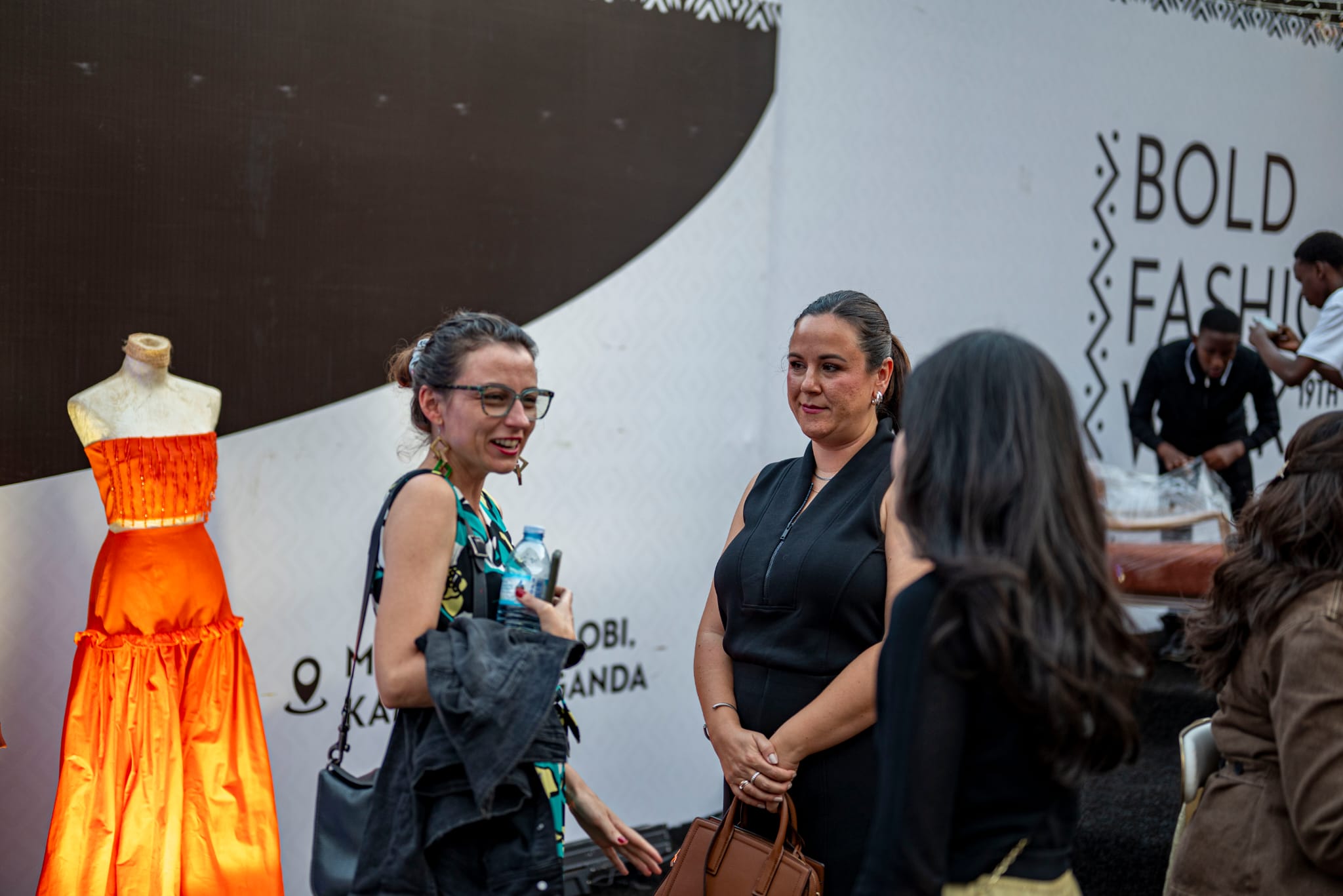
The meaningful measure of Bold Fashion Week’s success will not be drawn from its opening-night photographs. It will be drawn from what happened for participating designers in the weeks after the runway closed. Did Market Day generate revenue? Did the ten designers who showed on the 21st receive media coverage that introduced their work to new customers? Did the industry launch create introductions that led to follow-up stockist conversations, production partnerships, or retail commissions? As Omiren Styles’ buyer data report confirms, the distinction between fashion-week visibility and genuine buyer conversion is the most consistently underreported gap in African fashion’s commercial self-assessment. Bold Fashion Week’s Market Day structure is one direct attempt to close that gap within the event itself. The degree to which it succeeds will inform whether future editions need more retail programming, more buyer-facing components, or more production support for participating brands.
The Omiren Argument
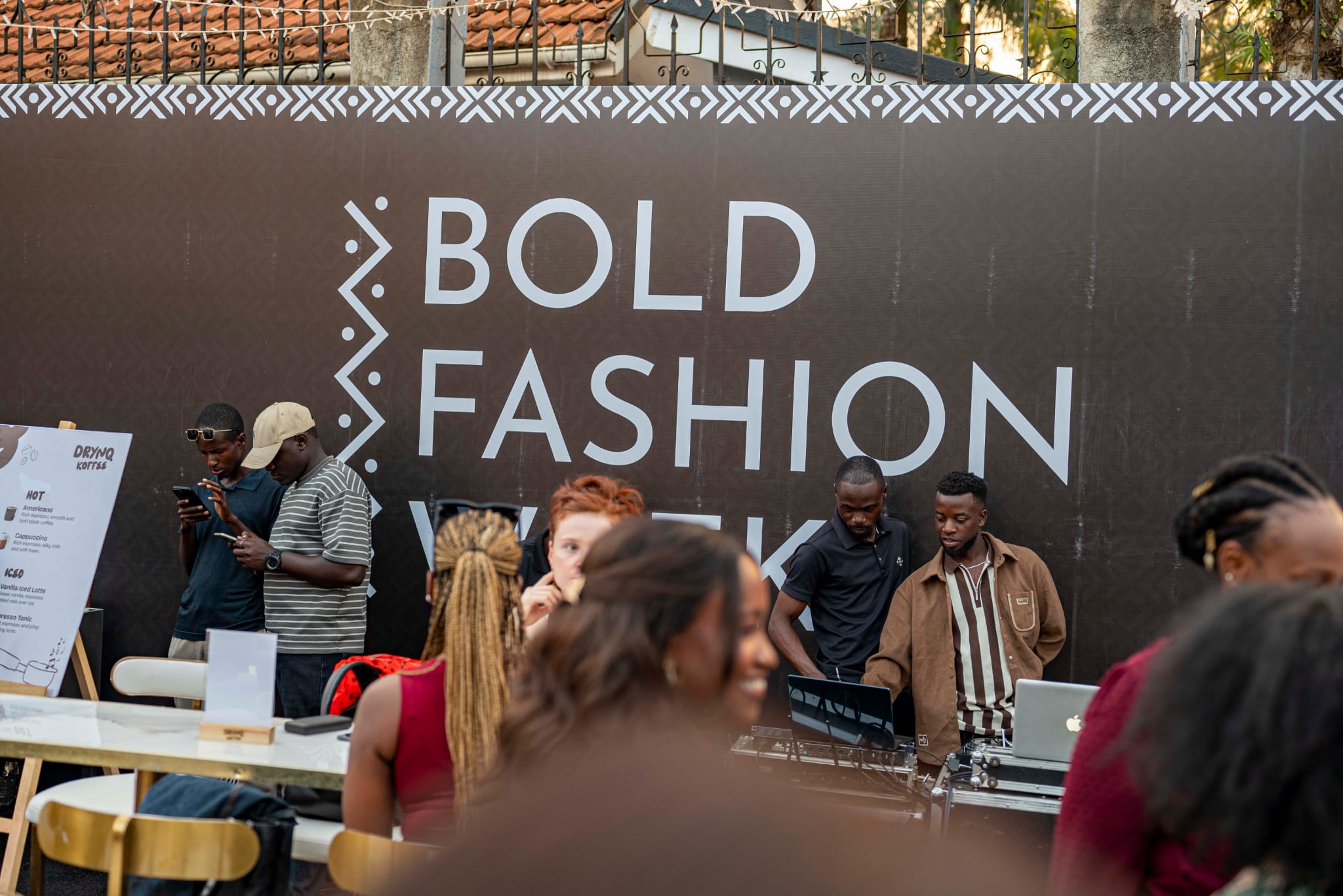
Kampala has designers who can fill a runway. Bold in Africa has spent fourteen years proving that the demand to buy and wear African design is real. Bold Fashion Week is the institutional structure that connects those two facts within a single commercial event. The African fashion market is worth 31 billion dollars. Uganda is among the East African markets whose fashion infrastructure is least represented in international fashion trade data, despite a consistent record of creative output. Bold Fashion Week’s most important contribution in its first edition is not the aesthetic quality of any individual collection. It is the proposition itself: that a Kampala-based platform with retail and curation at its core can build the three-part sequence of industry networking, runway presentation, and direct consumer commerce into a repeatable annual event. If that proposition holds across multiple editions, Kampala gains an institution. If the Market Day generates revenue for designers who showed on the 21st, Kampala’s fashion sector gains evidence that its domestic audience supports the industry. Those are the outcomes worth watching. The runway is where they begin.
Also Read:
- The Omiren Index 2026: 10 African Ready-to-Wear Labels Building International Fashion Infrastructure
- Week of Fashion South Africa AW26: How Cape Town’s Menswear Platform Is Expanding
- African Fashion Events in 2026: International Trade Visitors, Buyers and Data Gaps
- Dakar Is Building Its Own Luxury Fashion System
Frequently Asked Questions
What is Bold Fashion Week Kampala?
Bold Fashion Week is a new Kampala-based fashion week platform organised by Bold in Africa, a retail, curation, and designer-support organisation founded in 2012. Its inaugural edition ran 19-22from August 2026 with a three-part programme: an industry launch on 19 August, a runway showcase at MoTIV Marketplace in Bugolobi on 21 August featuring designers, and a public Market Day on 22 August where attendees could purchase directly from participating brands.
Who founded Bold in Africa?
Bold in Africa was founded in Kampala in 2012 by Nunu Mugyenyi, Angel Kalisa Nkwaya, and Janet Mugume. The organisation began as a retail platform addressing the gap in accessible discovery for African design. It expanded over four years to include curation, brand visibility, and designer support for more than 40 designers and artisans from more than 10 African countries.
Which designers showed at Bold Fashion Week 2026?
Ten designers appeared on the Bold Fashion Week AW26 runway at MoTIV Marketplace, Bugolobi, on 21 August 2026: Axarya, Discreet Street x Local, Good Fibre, Joan Jade, Kifahari, Kwesh, Lamara, Ofumbi, and Shurea Yasmin (all Uganda); and Yemi Shoyemi (Nigeria). Nine of the ten labels are Ugandan.
What is Uganda International Fashion Week 2026?
Uganda International Fashion Week is a returning event scheduled 31 August to 5 September 2026. Its programme includes a Fashion and Business Expo from 31 August to 2 September and a Grand Finale Gala at Kampala Serena Hotel on 5 September. Its Fashion for Impact programme, linked to the Mastercard Foundation, carries a stated goal of supporting nearly 10,000 young people and strengthening more than 500 tailoring businesses over three years. The event was postponed earlier in 2026 following the Ebola outbreak.
Explore More
Read the full Fashion > Industry section for Omiren Styles’ documentation of African fashion platform development, designer infrastructure, and the commercial signals that matter for buyers and investors engaging with African fashion.
Discover travel and heritage intelligence across East Africa, including Uganda, at Rex Clarke Adventures.