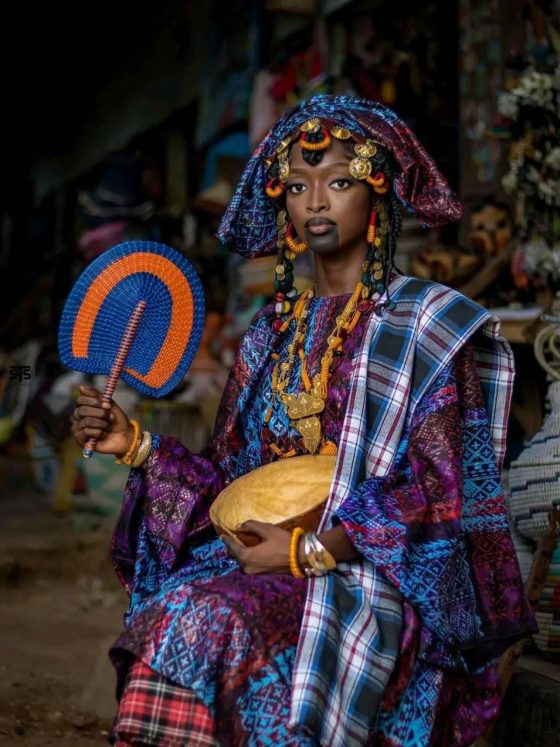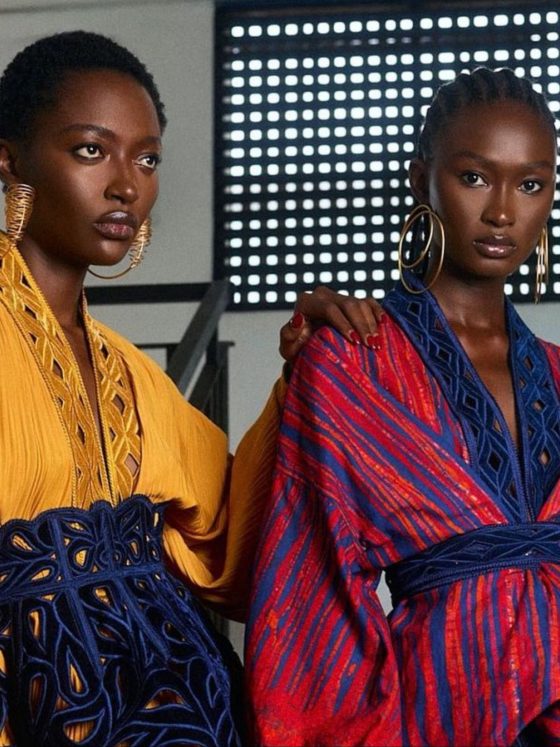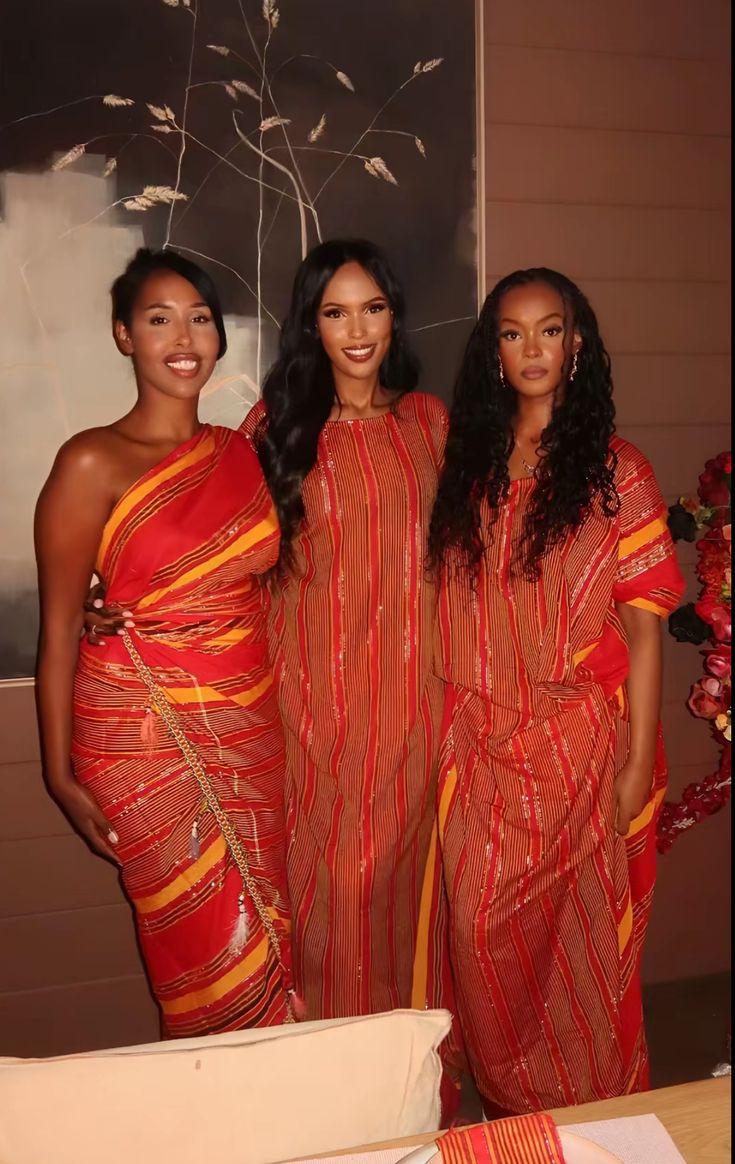
In Somali diaspora weddings, the Guntiino has become a deliberate bridal and ceremonial choice, not simply a guest garment or a casual wrap. Brides are now styling the Guntiino for Nikkah ceremonies, receptions, and post-wedding events with the same intention once reserved for the Dirac: coordinated fabrics, structured draping, and accessories selected to create looks that are heritage-rooted, modest in line with religious and family expectations, and fully suited to photography and multi-event celebrations.
This is Somali Guntiino bridal styling as a distinct creative practice, shaped by diaspora context. It reflects how Somali communities abroad are reading their own traditions on their own terms, not importing a Western bridal logic, but adapting a Somali garment into a complete bridal system capable of carrying the weight of ceremony, faith, identity, and fashion simultaneously.
How Somali brides in diaspora weddings are styling the Guntiino with structured draping, Alindi fabric, and modern accessories while honouring tradition and modesty.
What the Guntiino Is
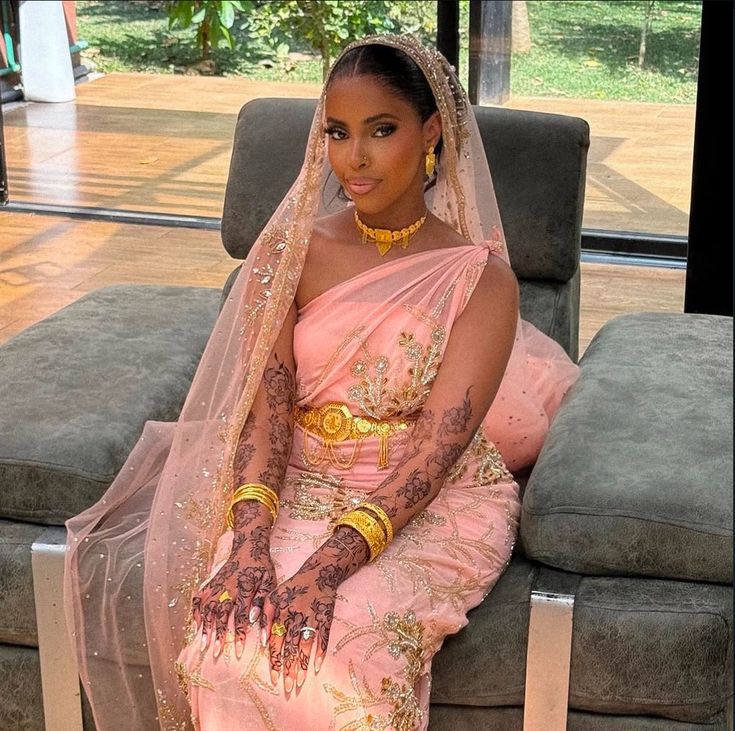
The Guntiino is the oldest documented traditional garment for Somali women. As Outfiten’s documentation of Somali traditional clothing confirms, it is a single piece of fabric, typically measuring about four metres, wrapped around the waist and draped over one shoulder. Its loose draping allows airflow and its adjustability makes it functional across climates. The defining fabric of the Guntiino is Alindi, also written as Aliindi or Alandi: a lightweight, striped or geometric cotton traditionally handwoven by Somali women, now available in printed cotton and polyester blends. In coastal towns, Alindi was the distinguishing mark of the Guntiino; in pastoralist communities, handwoven plain cotton with embroidered borders was also common.
The Guntiino is not a ceremonial garment by original design. As Somalista’s history of Somali fashion documents, it was the standard everyday dress of rural and pastoralist Somali women, worn with an embroidered ribbon enhancing its borders. It was also the garment that Somali women maintained through the colonial period, when men adopted European tailored dress, making it the most continuous thread in Somali women’s dress history. In diaspora weddings, that continuity is the argument the Guntiino is making when a bride chooses it as her primary bridal look.
Guntiino vs Dirac: What Brides Are Choosing Between
Understanding Somali Guntiino bridal styling requires a clear distinction between the two main Somali ceremonial garments. The Dirac is a sheer, floor-length dress worn with an ankle-length underskirt called a gorgorad and a garbasaar, a wrap or shawl draped over the head or one shoulder. As Regal Fabric Gallery’s documentation of the Somali bridal Dirac confirms, it is typically complemented by the hido necklace and kabah traditional shoes, forming a complete bridal ensemble with its own accessory system. The Dirac is made from chiffon, silk, satin, or velvet, and is the established bridal garment across most Somali regions and generations.
The Guntiino comes from a different position in the Somali dress tradition. Where the Dirac is constructed in parts and worn layered, the Guntiino is a single fabric wrapped and pinned. Where the Dirac is sheer by design, the Guntiino is more opaque, which makes it easier to adapt for full coverage without an additional underskirt. In diaspora weddings, some brides choose the Guntiino over the Dirac precisely because of this: it can be wrapped to cover both shoulders, styled over an underdress for modesty, and shaped into a figure-defining silhouette rather than a flowing one. Others wear both across the events of a multi-day celebration, with the Dirac for one ceremony and the Guntiino for another.
The Guntiino allows brides to signal cultural identity, negotiate modesty expectations, and engage with global bridal aesthetics simultaneously. That range of functions is why it is being treated as a complete bridal system, not a secondary choice.
How Diaspora Brides Are Styling the Guntiino

The styling adaptations being applied to the Guntiino in diaspora weddings fall into several consistent patterns. Structured draping is the most significant departure from traditional styling: brides are moving beyond the single-shoulder tie to both-shoulder coverage, with controlled folds, front-panel shaping, and back draping that creates a more formal silhouette. Waist-defining belts and sashes cinch the wrap at the waist, creating an hourglass shape that the traditionally looser Guntiino does not produce. As Dirac Fashion’s documentation of Guntiino bridal styling confirms, the xirsi, a beaded rope accessory, is also used alongside sash belts to complete ceremonial Guntiino looks for weddings and Nikkah occasions.
Fabric choice has shifted equally. Alindi, the traditional striped cotton, is now sourced in bridal versions: heavily embroidered, beaded, or threaded with metallic yarn in white, ivory, gold, and pastel shades. Some brides commission custom Alindi with embroidery coordinated to match the bridal party’s fabrics. Others use Shaash-patterned cloth or regional prints that reference family heritage within the bridal palette. Layering is standard diaspora practice: the Guntiino worn over a long-sleeved fitted underdress maintains full coverage for the Nikkah ceremony while preserving the drape and elegance of the wrap for photographs.
Modesty and Ceremony
Modesty is a primary design consideration for many Somali brides in diaspora settings, and the Guntiino’s structure accommodates this more flexibly than some other bridal garments. Many brides adapt the traditional one-shoulder style to cover both shoulders for the Nikkah or family-facing events, while styling it more openly for reception or photography settings. Layering with a long-sleeved underdress is common practice for brides navigating both religious expectations and bridal aesthetics.
Modesty in Somali dress has been shaped by centuries of Islamic practice and regional textile culture simultaneously, and the Guntiino’s bridal evolution sits within that history. The garments of the Horn of Africa reflect centuries of exchange between Islamic dress logic and East African textile tradition. The Guntiino’s contemporary bridal adaptations, covering the shoulders, layering for full coverage, and selecting opaque fabrics, are not compromises. They are the continuation of that same exchange, made by brides who know exactly what they are balancing.
Bridal Party and Coordinated Looks
In Somali diaspora weddings, coordinated styling extends across the bridal party. Bridesmaids and female guests often wear matching or complementary Guntiino and Dirac sets, creating a unified visual theme that reads clearly in photographs and across the multi-event structure of a Somali wedding celebration. The bridal party Guntiino is typically made from the same Alindi print or a coordinated palette, with similar draping styles and accessories.
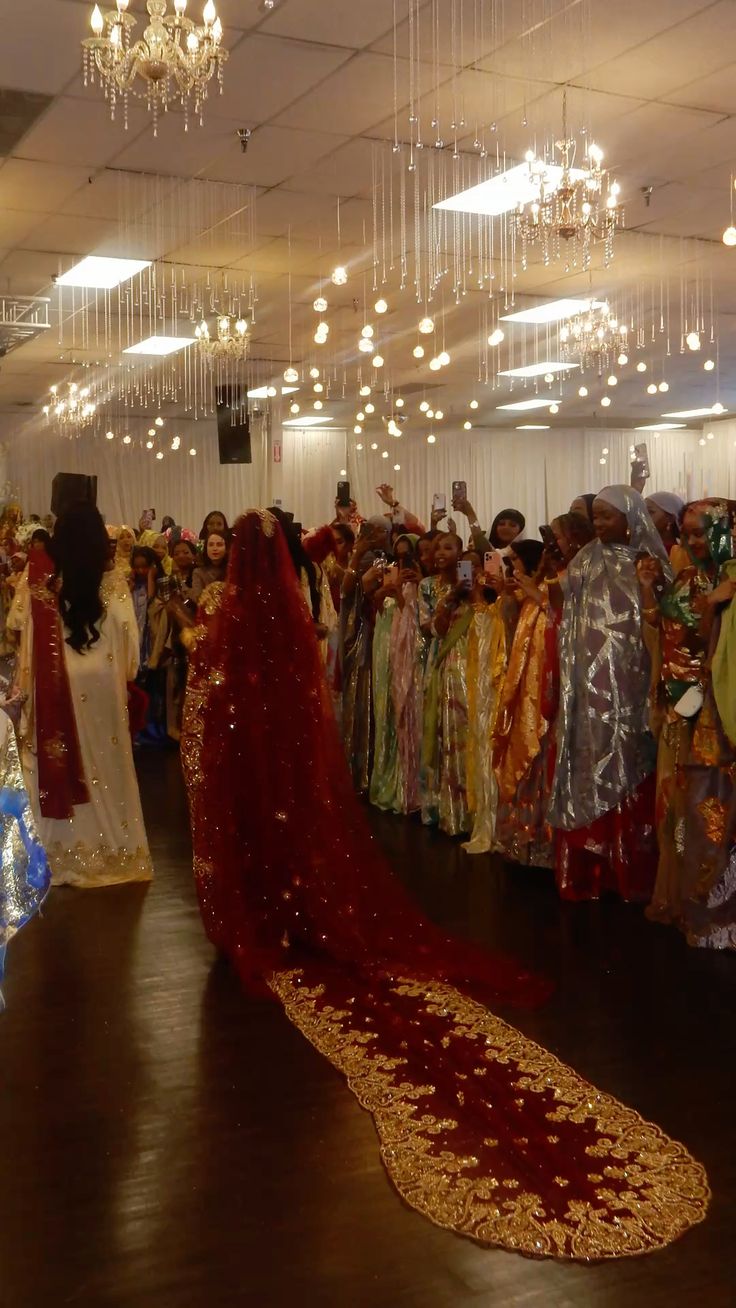
At women-only post-wedding parties, the Guntiino often reappears on the bride. These events, where female guests circle the bride singing and lay scarves on her head as a sign of respect for her new status, give the Guntiino a communal ceremonial role beyond the main wedding. The garment worn at this stage is performed for the women present, who understand its meaning within Somali tradition without needing it explained.
Accessories and Finishing Details
Accessories are central to bridal Guntiino styling. Traditional gold necklaces, bracelets, and earrings are the most consistent additions, chosen to complement the Alindi fabric’s colours and embroidery. Belts and sashes define the waist and hold the drape. The garbasaar headscarf, the hido necklace, and kabah shoes complete the ceremonial Somali bridal look, and these same accessory principles apply when the Guntiino replaces the Dirac as the primary garment.
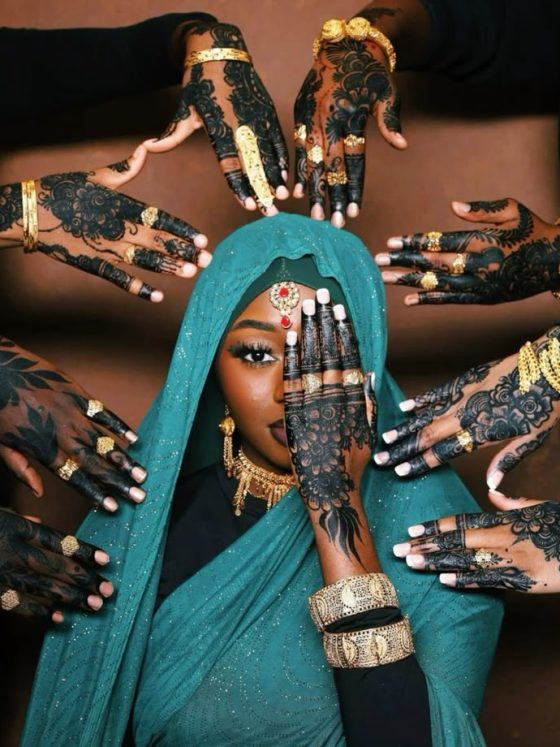
Henna is an integral part of Somali bridal preparation and pairs directly with the Guntiino’s styling. The intricate designs applied to hands and feet before the wedding are visible precisely because the Guntiino’s draping at the hands and wrists leaves them exposed. The henna is part of the bridal Guntiino look, not a separate preparation, and its placement is shaped by how the Guntiino is draped on the day.
The Omiren Argument
The common assumption in bridal fashion editorial is that the Dirac is the Somali bridal garment, with the Guntiino as a regional or secondary option. In diaspora weddings, this is being reversed in practice. Somali brides are choosing the Guntiino as a primary bridal garment, styling it with the full range of intention that bridal editorial applies to the Dirac: custom Alindi fabric, structured draping, coordinated bridal party looks, traditional gold jewellery, garbasaar headscarves, and modesty adaptations for each event in a multi-ceremony wedding. The African fashion market is worth 31 billion dollars. The Somali diaspora wedding is part of that market, and the Guntiino bridal aesthetic it is producing has not yet received the editorial coverage it deserves. That is what Omiren Styles is here to document.
Also Read
- Somali Khidaab Traditions in Diaspora Celebrations
- How the Somali Guntiino Survived a Minneapolis Winter
- The Cultural Clothing of Somali Women
- How Arabian Beauty Traditions Elevate African Weddings
Frequently Asked Questions
What is the Guntiino and how is it different from the Dirac in Somali weddings?
The Guntiino is a single piece of fabric, typically four metres long, wrapped around the body and pinned at one shoulder. It is the oldest documented traditional Somali women’s garment, with roots in everyday pastoral and rural dress. The Dirac is a sheer floor-length dress worn with an underskirt, garbasaar shawl, and accessories, and has long been established as the main Somali bridal garment. In diaspora weddings, the Guntiino is increasingly styled as a primary bridal choice due to its flexibility, opacity, and coverage options.
How do Somali diaspora brides style the Guntiino for weddings?
Diaspora brides style the Guntiino with both-shoulder structured draping, waist-defining belts or xirsi beaded ropes, embellished Alindi fabric in bridal colours, and layering over a long-sleeved underdress for full coverage at the Nikkah. Bridal party coordination, traditional gold jewellery, garbasaar headscarves, and henna complete the look across multi-event celebrations.
What fabrics and colours are used for bridal Guntiino styling?
Alindi, the traditional striped Somali cotton, is the primary fabric, now available in embroidered, beaded, and metallic-threaded bridal versions. White, ivory, gold, and pastels are popular bridal colour choices. Some brides incorporate Shaash patterns or regional prints to reference family heritage. The fabric and embellishment level are what distinguish a bridal Guntiino from everyday wear.
How does modesty factor into Guntiino bridal styling?
Many brides adapt the traditional one-shoulder Guntiino to cover both shoulders for the Nikkah and family events, and layer it over a long-sleeved underdress. For receptions and photography, the styling may be more open. This range of coverage is one reason diaspora brides choose the Guntiino: it adapts to different levels of modesty without losing its identity as a Somali bridal garment.
What is the role of the Guntiino in post-wedding events?
The Guntiino is often worn by the bride at women-only post-wedding gatherings, where female guests circle her, singing and laying scarves on her head to mark her new marital status. These events give the Guntiino a communal ceremonial function beyond the main wedding, performed for the women present who understand its cultural meaning.
Explore More
Read the full bridal and women’s fashion coverage at omirenstyles.com for Omiren Styles’ documentation of African and diaspora bridal traditions, styling systems, and the cultural arguments that dress carries across ceremonies and communities.