In 2004, Nike signed Hiroshi Fujiwara to a creative partnership that would help define the brand’s streetwear credibility for the next two decades, as documented by Nike’s own launch record of the collaboration. In 2011, New Balance began building the subcultural relationships in the United Kingdom that would eventually transform it from a functional running brand into one of the most culturally coveted names in global streetwear. These brands know how to read a cultural moment. They know how to find where the creative energy is genuine and position themselves inside it. Which makes their consistent failure to do the same in Africa not a case of oversight. It is a case of a very old assumption still running in the background.
The assumption: Africa is where you sell things, not where things come from. It is a market to enter, not a culture to learn from. That assumption is wrong. It has always been wrong. And as documented in the companion pillar piece, Africa Is Not a Market. It’s the New Centre of Streetwear., African streetwear has spent the last decade building the evidence to prove it, largely without the involvement of the global brands that have made cultural credibility the cornerstone of their strategy everywhere else on earth.
Nike built credibility in Japan. New Balance built it in the UK. Neither has done the equivalent in Africa. Here is why that is a strategic mistake and what genuine engagement actually requires.
The Logic That Is Still Running the Room
Walk into the Africa strategy meeting of almost any major global footwear or streetwear brand, and you will find a version of the same document: population figures, projected middle-class growth rates, mobile commerce penetration data, and a market entry plan built around getting existing product lines into African retail channels more efficiently. What you will not find, or will find only as a footnote, is a genuine creative strategy. A plan for who the brand will work with, what it will learn, and how it intends to contribute something meaningful to the cultural ecosystem rather than simply extracting commercial value from it. As African Business Magazine’s pan-African catwalk analysis documents, the brands that have entered African fashion markets have predominantly done so as sellers, not as learners.
This is the colonial-era market logic, and it runs as a structural default, not a conscious choice. The brands deploying it are not malicious. They are running an outdated operating system. But the consequences of running that system are increasingly visible, and increasingly costly. Puma has maintained a strong presence in African football for years. That presence has not translated into genuine streetwear cultural engagement. Asics, currently enjoying one of the most significant global streetwear moments in its history, has treated Africa almost entirely as a secondary distribution market. Salomon, whose positioning has made it one of the most talked-about brands in global street culture, has no meaningful creative footprint on a continent with extraordinary outdoor culture and an emerging community of young consumers who have discovered exactly the aesthetic the brand is selling through their own cultural channels, not through anything Salomon has done to reach them.
These brands are missing not just a market opportunity. They are missing a creative conversation that is happening at the highest level — and happening without them.
What Has Been Built Without Them
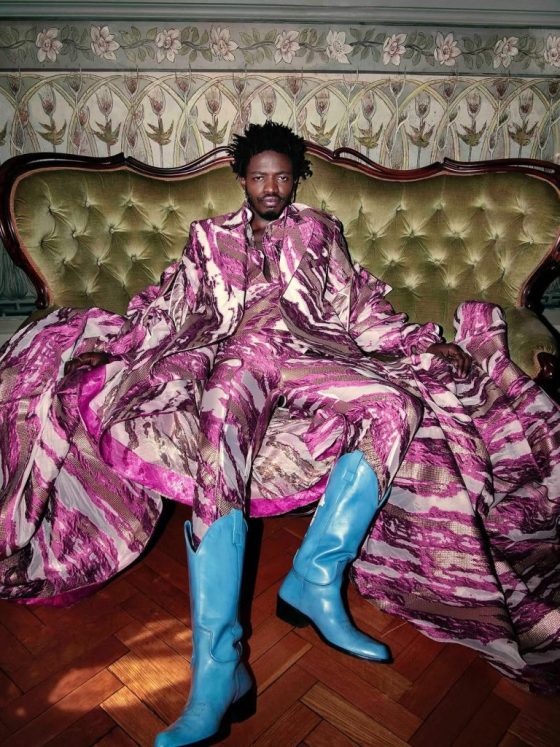
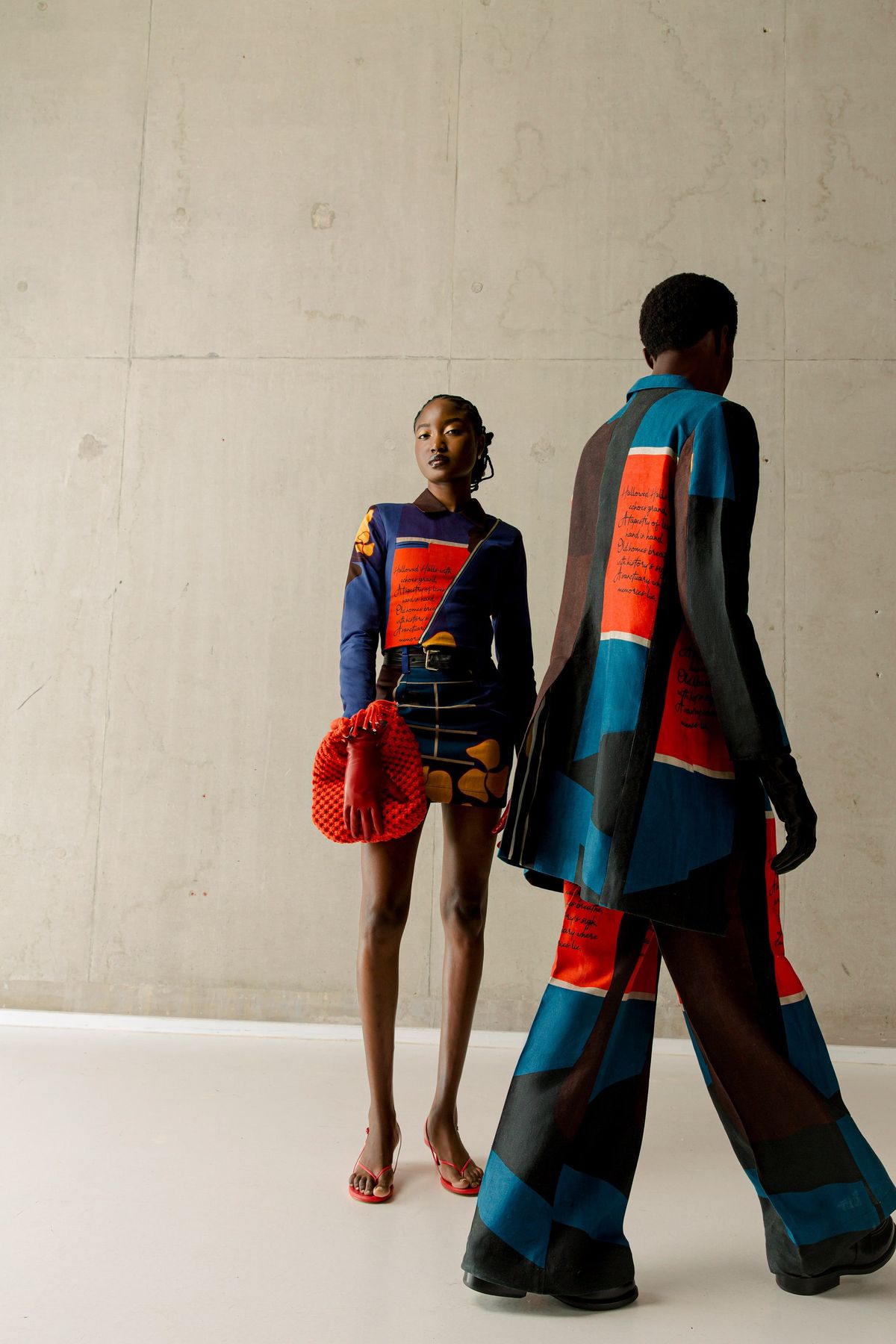
In Lagos, a city of over 20 million people with one of the most dynamic youth cultures on earth, brands like Maxivive and Orange Culture have built internationally recognised creative businesses from the ground up. Maxivive’s founder Prince Lauder has shown collections that operate at the conceptual level of the most serious fashion houses in Paris or New York, without the backing of a global sportswear brand and without waiting for anyone’s permission. Orange Culture has been interrogating masculinity and Nigerian cultural identity through fashion for over a decade, earning press coverage and industry recognition that most Western brands would spend millions in PR to achieve. As Omiren Styles has documented in its analysis of African designers with verified commercial traction, these are the designers with the strongest institutional validation: awards, museum placements, major stockists.
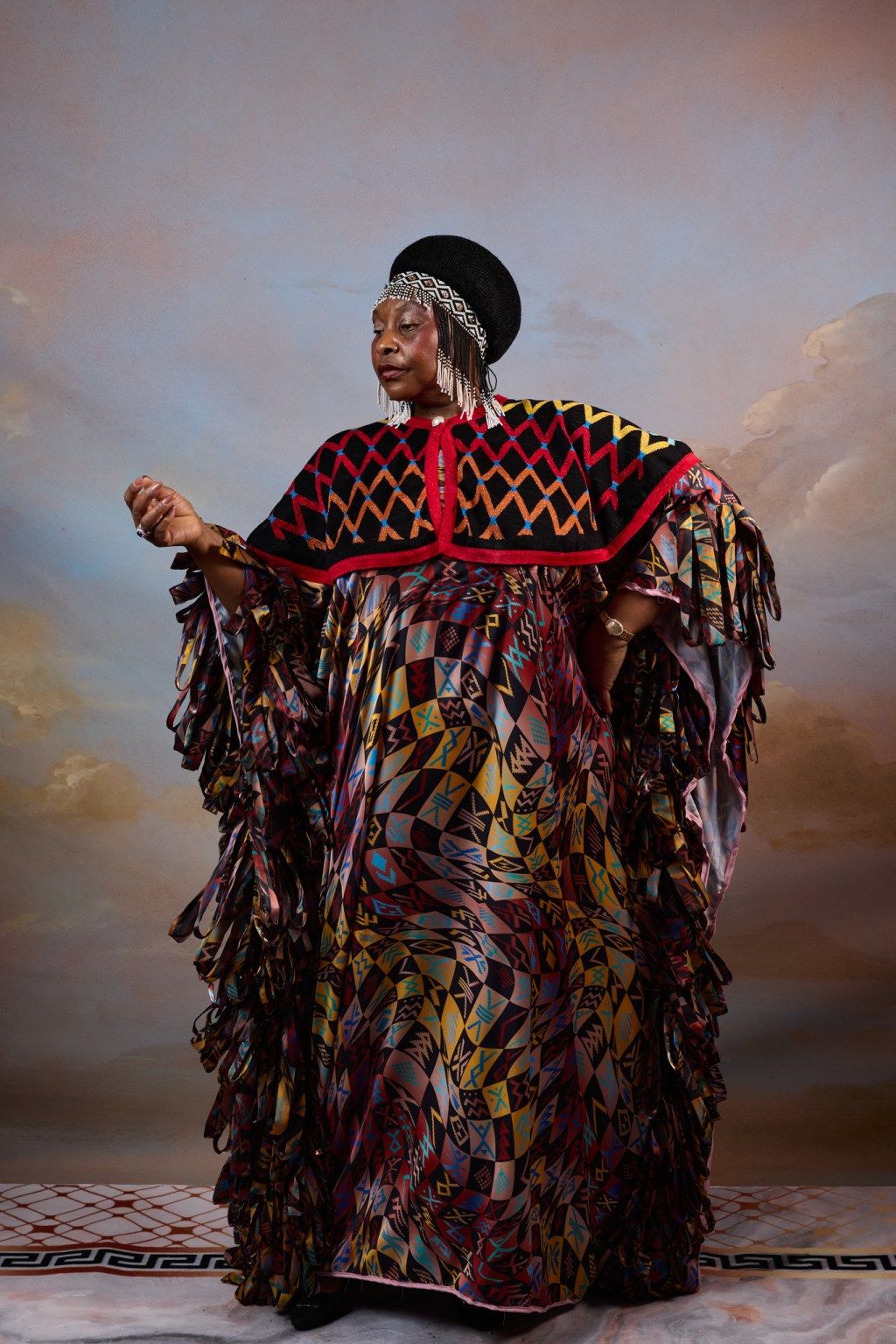
In South Africa, Rich Mnisi has built a brand with genuine cultural depth rooted in his Tsonga heritage. Tshepo The Jean Maker has made denim craftsmanship a vehicle for Black excellence and South African pride. In Dakar, Selly Raby Kane constructs entire worlds through her collections, garments that, as Nataal’s profile documents, function as speculative architecture for an African future that is not waiting to be imagined by anyone outside it. Beyond individual brands, there are scenes: the Lagos creative network, the Nairobi skate community, the Accra creative economy centred around Jamestown. These are not pre-scenes. They are fully realised creative communities with their own internal logic, their own taste hierarchies, and their own cultural references.
The Comparison That Should Keep Brand Strategists Awake
Consider what Nike has built in Japan through sustained, genuine creative partnership with Fujiwara and fragment design, and through a deep investment in understanding Japanese sneaker and street culture on its own terms, as Nike’s own collaboration record confirms. That investment, made over decades, has produced not just commercial returns but the kind of brand legitimacy that advertising cannot buy. Consider what New Balance has built in the UK through its alignment with British working-class youth culture and its understanding of why a particular colourway matters in a particular city. These are not marketing campaigns. They are cultural relationships, and they compound over time.
Now consider what the same brands have built in Africa through equivalent creative investment. The comparison is close to zero. There have been isolated moments, Adidas has made some regional moves, Nike has worked with African athletes, but nothing that approaches the depth, consistency, or genuine creative equity of what these brands have built in their most valued cultural markets. As African Leadership Magazine’s analysis of the rise of African streetwear documents, the gap between what has been done in Tokyo or London and what has been done in Lagos or Nairobi is not a gap in opportunity. It is a gap in intention.
That gap is increasingly legible to the consumers who matter most. African Gen Z consumers are among the most globally connected and culturally literate in the world. As Woven Insights’ data on African fashion markets confirms, they know what a genuine creative collaboration looks like. They know what a tokenistic campaign looks like. They know when a brand has shown up because it sees them, and when a brand has shown up because it sees their purchasing power. The brands that have not figured out how to show up in the first way are being watched and judged, in real time, by the most discerning consumer generation the industry has ever faced.
The Cost of Waiting
Brand cultural credibility is not a tap you can turn on when it becomes commercially convenient. It is built through sustained presence, genuine investment, and relationships that develop over time. The brands that built cultural credibility in Japan in the 1990s are still drawing on that investment thirty years later. The same dynamic will apply in Africa. As Omiren Styles has documented in its analysis of African designers buyers should be watching, the window for being early in a cultural relationship is not unlimited. The consumer population that will define global streetwear over the next two decades is, disproportionately, African and African-diaspora. The aesthetic signals that will shape global street culture over the coming years are already being generated in Lagos, Accra, Nairobi, and Johannesburg.
The brands that position themselves as genuine creative partners now will be early. The brands that move when African streetwear is fully mainstream will be followers. And the brands that do not move at all will simply be absent from the most important creative conversation in global street culture for a generation. As Omiren Styles has argued in its Black American fashion dollar analysis, brand cultural credibility in African and African-diaspora communities will not be built retroactively. It is built now, or not at all.
The window for being early — for showing up before the culture requires you to — is not unlimited. It is narrowing. And African streetwear is not going to pause while the industry catches up.
A Direct Brief to the Industry
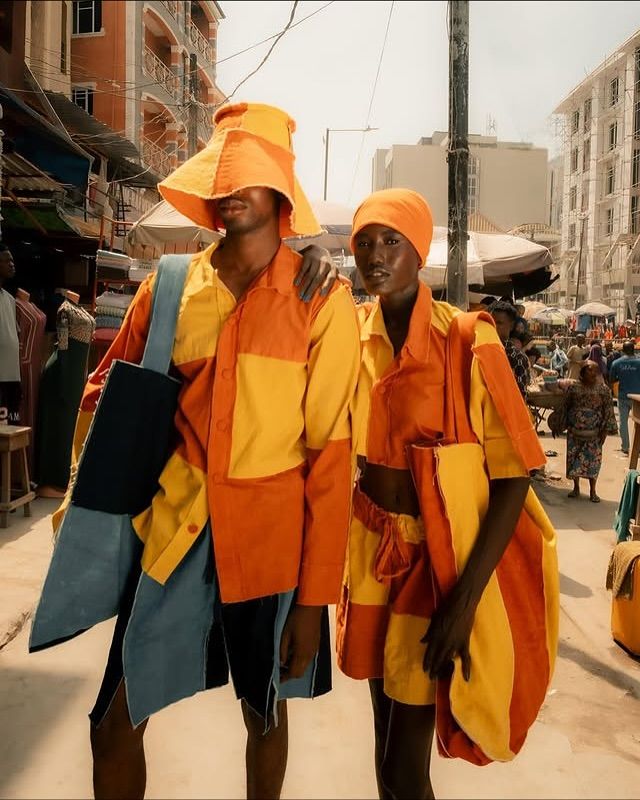
This is addressed to any brand creative director or strategy team that is paying attention.
First: stop treating Africa as a monolith. The continent contains 54 countries, hundreds of distinct cultural communities, and streetwear scenes with their own internal logic. Any strategy that does not begin with that specificity is already wrong. As Omiren Styles has documented in its analysis of African fashion cities, Lagos, Nairobi, Johannesburg, Dakar, and Accra each build a different kind of fashion influence. Engaging one correctly does not mean you have engaged the others.
Second: identify the African designers and creative communities operating at the highest level, not the ones most legible to a Western eye, but the ones most respected within their own cultural context, and approach them as creative authorities, not as brand ambassadors. Third: structure the partnership with genuine equity. Creative control, not just collaboration credit. Revenue arrangements that reflect the actual value the African partner brings. Commitments that extend beyond a single season. Fourth: invest in the ecosystem, not just the collaboration. Support local manufacturing. Contribute to design education. Build relationships with African fashion institutions. The brands that helped build the infrastructure of Japanese or Brazilian fashion culture did not just benefit from what was already there. They contributed to making it stronger, and their brand reputation reflected that contribution.
Fifth and finally: be willing to learn. The most valuable thing African streetwear has to offer global brands is not access to African consumers, though that access is significant. It is creative knowledge, a different way of thinking about silhouette, about community, about what clothes are for and what they can say. The brands that approach African creative partnerships as students as well as partners will get something from those relationships that no amount of trend forecasting can provide.
You are late. You are not too late. But the difference between those two positions is shrinking, and African streetwear is not going to wait.
ALSO READ
- The Black American Fashion Dollar Is Not Coming Home
- African Designers Buyers Should Be Watching in 2026
- Why Every Major Fashion Brand Is Trying to Understand Nigeria and Getting It Wrong
Frequently Asked Questions
Are brands like Nike and New Balance currently investing in African streetwear?
Sporadically and insufficiently. There have been isolated collaborations and regional campaigns, but no major global brand has made the kind of sustained, structurally equitable creative investment in African streetwear that they have made in Japanese, British, or Brazilian street culture. As African Leadership Magazine’s analysis confirms, the gap between what has been done in the most valued cultural markets and what has been done in Africa is a gap in intention, not in opportunity.
Why should Nike, Adidas, or New Balance collaborate with African streetwear brands?
Because African streetwear brands offer something global giants cannot manufacture internally: authentic aesthetic authority, deep community trust, and design rooted in textile and tailoring traditions with real cultural weight. As Woven Insights’ data confirms, the commercial case is also undeniable: Africa’s fashion market is worth billions and growing fast, led by the world’s youngest consumer population and amplified by a globally influential diaspora. The return on authentic cultural investment is always larger than the return on marketing spend alone.
Which African streetwear brands are ready for global collaborations?
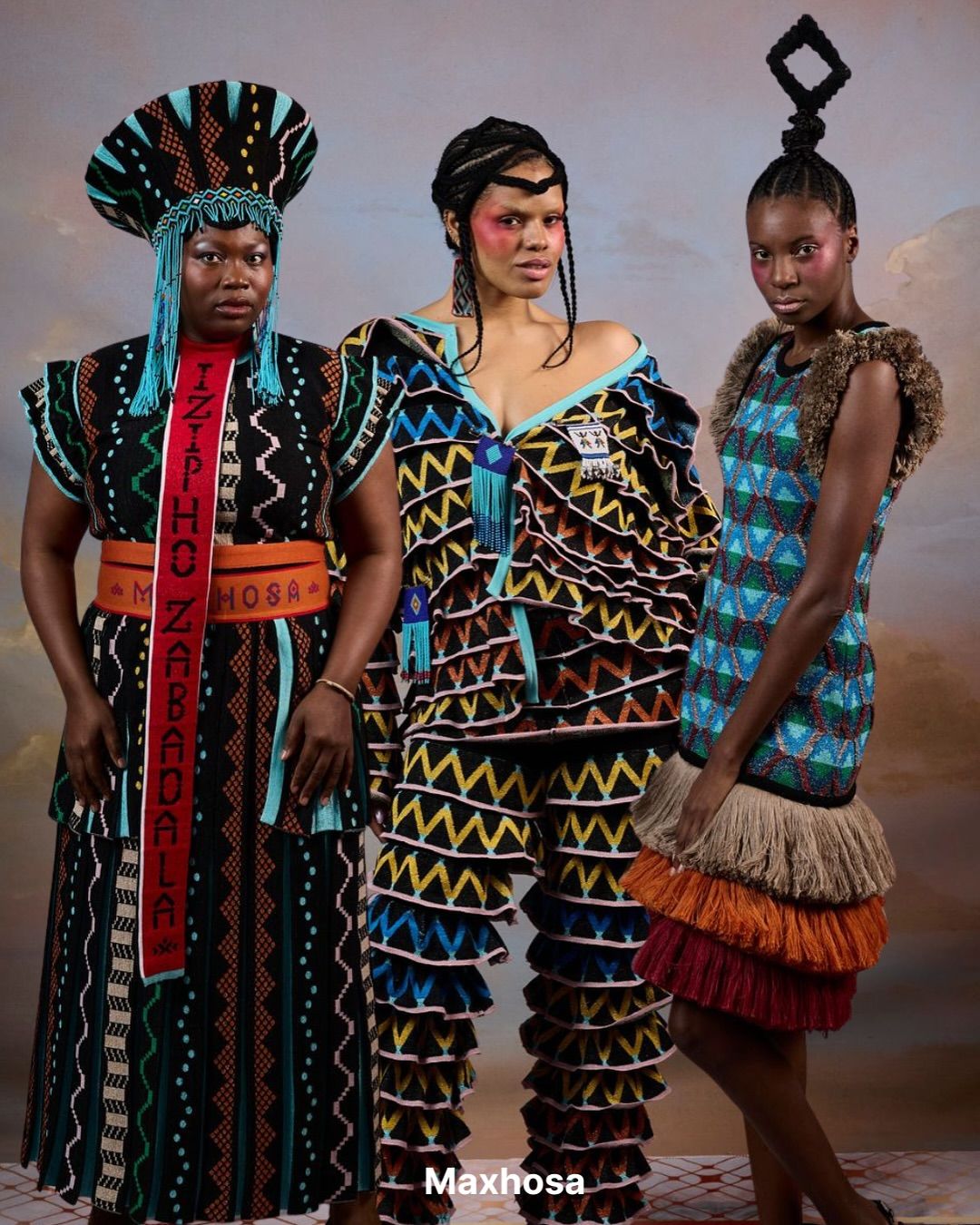
Several are already operating at a level that demands serious attention: Maxivive and Orange Culture from Lagos, Rich Mnisi and Tshepo The Jean Maker from South Africa, and Selly Raby Kane from Dakar. As Omiren Styles has documented in its buyer shortlist, these are not emerging names waiting for a platform. They are established creative businesses with distinct identities, loyal audiences, and the creative authority to hold their own in any global collaboration.
What does an extractive collaboration look like versus a genuine one?
An extractive collaboration borrows the African designer’s aesthetic for a seasonal capsule, gives them limited creative control, an inequitable revenue share, and no lasting platform uplift. A genuine collaboration means shared authorship, fair commercial terms, investment in the African partner’s long-term brand, and a creative process that flows both ways: the global brand actually learns from the African designer, not just markets alongside them. The difference is immediately legible to African consumers who are highly culturally literate and brand-aware.
Is it too late for global brands to enter the African streetwear space authentically?
Not yet, but the window is narrowing. The brands that move now with genuine intention and structural commitment will be positioned as partners in the culture’s global rise. The brands that wait until African streetwear is fully mainstream will arrive as followers. And the brands that never move will simply be absent from the most important creative shift in street culture in a generation. As Omiren Styles has argued, African fashion has always been making arguments that the mainstream fashion industry was not yet equipped to receive. The industry is running out of time to claim it was just late, not absent.