Colonial administrations across Africa did not simply disapprove of local dress on aesthetic grounds. They built specific legal and institutional systems to suppress it. Understanding colonial rule’s relationship to African dress requires looking past the general observation that missionaries “disapproved” of local clothing, toward the actual mechanisms: formal status classifications tied to adopting European dress in Belgian Congo, municipal ordinances restricting traditional garments in urban centres, mission-school discipline built explicitly around clothing as a marker of religious conversion, and in at least one documented case in Rwanda, legal frameworks introduced under colonial administration that have outlasted colonial rule as functioning law. These are not the same mechanism. Separating them produces a more precise and more useful account of how colonial power operated through dress.
From Belgian Congo’s évolué requirements to missionary modesty campaigns and colonial ordinances, this piece examines how colonial authorities used law and religion to police African dress, and how some of those rules still shape the present.
Status Classification: The Évolué System in Belgian Congo
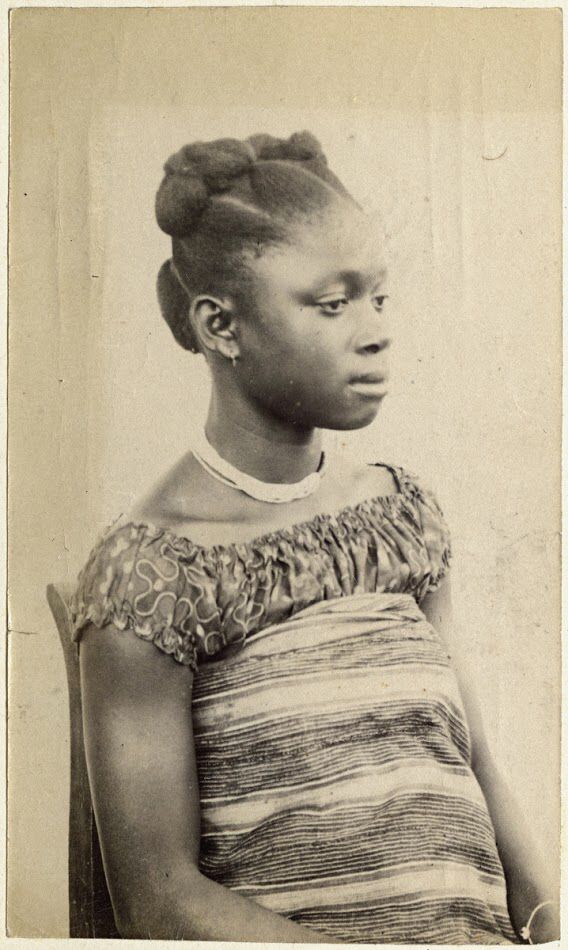
Belgian colonial rule in the Congo built one of the most explicit documented examples of dress functioning as formal legal classification rather than informal social pressure. The évolué status, a designation marking someone as sufficiently “civilised” for limited administrative advancement, relied on a specific set of assessed markers that included clothing by name. According to documented accounts of the classification system, eligibility required completion of six years of primary education, proficiency in spoken and written French, adherence to a monotheistic faith predominantly Catholicism, strict monogamy with renunciation of customary polygamous practice, and, stated explicitly as part of the same assessment, adoption of European-style dress and hygiene routines alongside urban residence. This was not a vague cultural preference administrators happened to hold. Dress was a named component of a formal legal classification that determined access to clerical and technical employment.
The mechanism matters. When dress is a component of a legal status classification, enforcing modesty expectations becomes a function of the administrative apparatus rather than of individual missionary or colonial officer preference. A Congolese person who wore traditional dress was not simply outside the aesthetic norms of the colonial administration; under the évolué framework, they were legally ineligible for the status that determined their available professional and civic roles. As the Warwick University research on clothing, race, and identity laws in colonial settings documents, the use of dress as a formal classificatory criterion in colonial status systems was not unique to the Belgian Congo. Still, the Congo case provides one of the most fully documented and most explicitly codified examples of the mechanism in operation.
Municipal Ordinance: Restricting Traditional Dress in Public Space
Beyond individual status classification, colonial administrations in specific territories passed municipal ordinances directly restricting traditional dress in public space. Research documented through fashion studies programmes, including sourcing compiled by Khensani de Klerk’s analysis of colonial dress policing, shows that in regions where wrapped fabric garments had a respected history spanning centuries, municipal laws were imposed that specifically denied women access to town centres if they were bare-breasted, a practice that had been standard in many of those communities before colonial rule. This is a specific, checkable claim about formal municipal law being used to enforce a foreign standard of modesty, not merely social disapproval expressed through sermons.
The geographical specificity matters here. The ordinances documented are not a pan-African legal system but rather specific measures passed in specific colonial municipalities, most commonly in territories where missionary influence on colonial administration was strongest. As research on Caribbean colonial sumptuary law published by Connecting Threads confirms, similar mechanisms operated across colonial jurisdictions globally: the specific colonial context determined which garments were targeted, how enforcement operated, and what penalties attached, but the underlying mechanism, using municipal law to regulate dress as a proxy for racial and religious order, was a documented cross-jurisdictional colonial governance tool.
Missionary Discipline: Clothing as Conversion Tactic
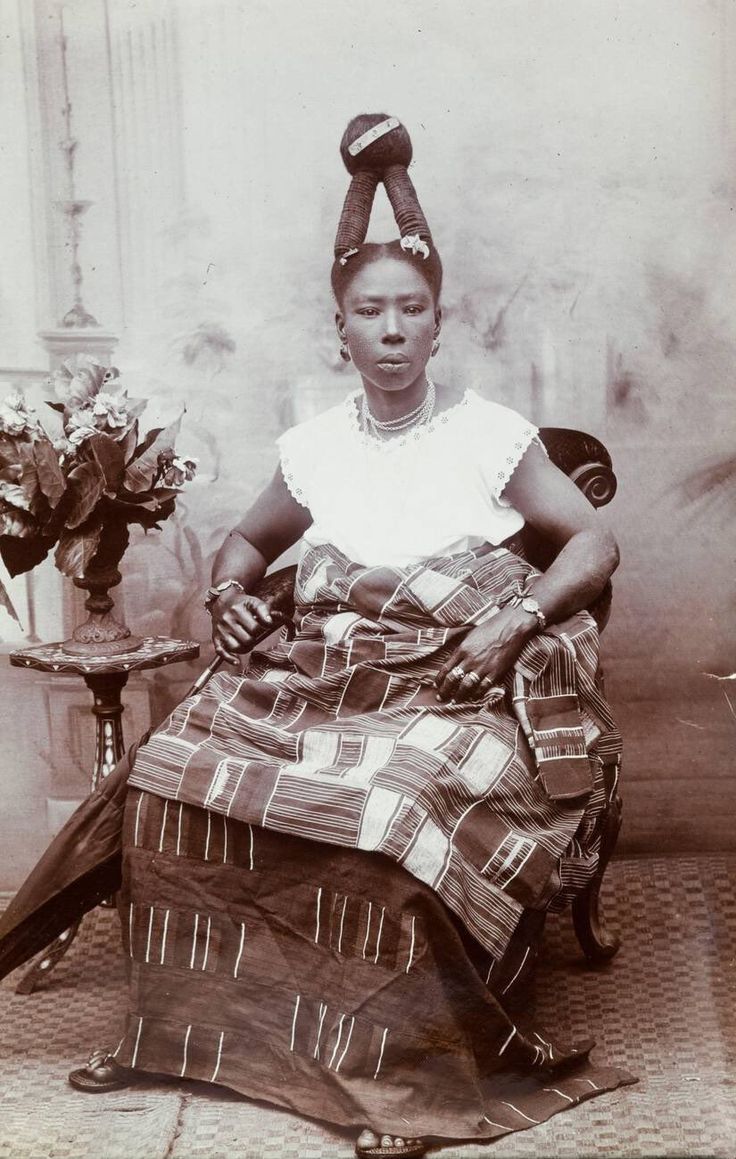
Missionary organisations documented their own use of clothing distribution and dress enforcement as a conscious tool of religious conversion, rather than this being an incidental side effect of evangelism. Missionaries in southern Africa specifically provide some of the most precisely documented cases. Mary Moffat and the London Missionary Society distributed used European clothing to Tswana communities specifically to cover women’s bodies, tied explicitly to a broader campaign to integrate Tswana women into a Western domestic-sphere ideology: women adopting aprons and skirts as a marker of their assigned new role within that imported social structure, not as an independent fashion choice.
The mechanism was recorded in missionary correspondence and reports as a deliberate strategy rather than an organic social change. Missionaries understood that dress change was not a consequence of conversion but a mechanism of it: changing what a woman wore changed how she moved through social space, what roles were available to her, and what cultural systems her daily life reproduced. The Tswana case is documented as one of the clearest examples of this logic in operation. Similar dynamics are documented, with varying degrees of precision, across missionary engagements in Melanesia, Samoa, and West Africa, where hybrid garments emerged precisely from the collision between missionary distribution and existing textile traditions. As TBSNews documents La Sape’s historical origins, the missionary clothing campaign in the Congo basin was substantial enough to create the conditions for its own unintended sartorial response.
Resistant Reappropriation: La Sape and the Colonial Paradox
The colonial dress imposition did not always produce straightforward suppression. One documented case shows the relationship running in a more complicated direction. TRT Afrika’s account of the origins of Congolese elaborate dressing traces the practice to the 1920s, when Congolese servants employed by Belgian and French colonial households in both Belgian Congo and neighbouring French Congo began deliberately dressing in the manner of their colonial employers. The framing offered in that reporting captures the ambiguity precisely: “yes, you are the boss, but I can dress up, and act like you.” That specific historical origin, colonial servants adopting the coloniser’s dress as an assertion of equality within an unequal relationship rather than simple obedience, sits underneath what later became the Société des Ambianceurs et des Personnes Élégantes (La Sape), one of the most documented and internationally recognised African dress cultures of the twentieth and twenty-first centuries.
The La Sape origin story illustrates that colonial dress imposition did not always produce its intended effect. By requiring or incentivising European dress through the évolué system and through employer-employee social pressure, Belgian colonial administration created the conditions under which Congolese people could use European dress as a performance of their own dignity and equality rather than as evidence of colonial assimilation. The garment remained European in origin. The meaning of wearing it had been entirely rewritten. As Omiren Styles has documented in its analysis of the Congo’s Sapeur tradition, this reappropriation has continued and deepened across subsequent generations, producing a dress culture that is now understood globally as specifically Congolese rather than as colonial imitation.
“Yes, you are the boss, but I can dress up, and act like you.” — Documented characterisation of the Congolese servant origin of elaborate dressing, TRT Afrika, La Sape history account.
Residual Colonial Law: What Is Still Legally Active
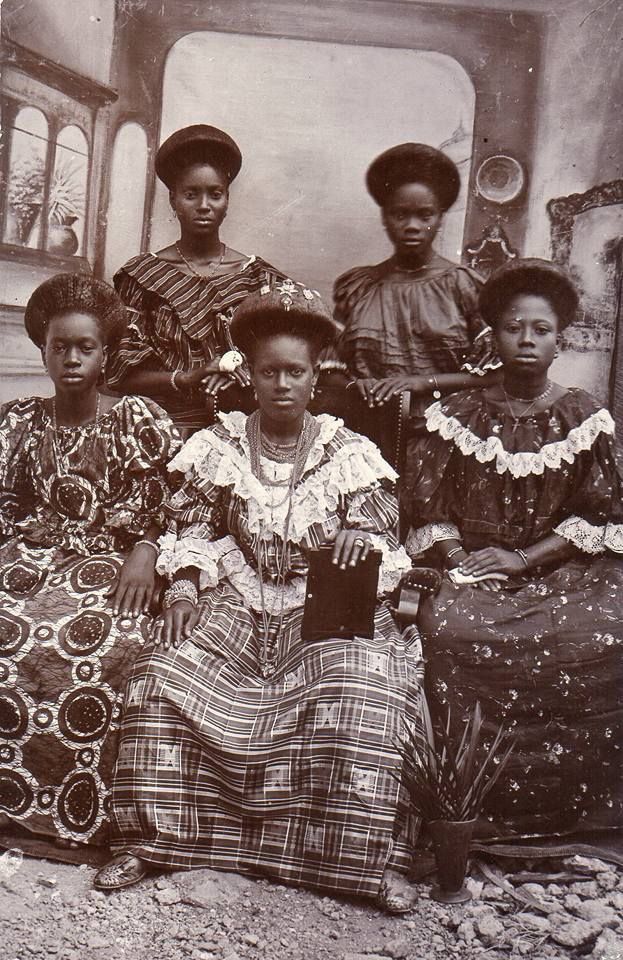
The most striking dimension of this history is that in at least one documented case, it is not only history. A 2022 analysis published by African Feminism documents a case in Rwanda, a country with a documented reputation as one of Africa’s leading advocates for gender equity in formal policy, where colonial-era “decency laws” governing women’s dress remain active enough to have been used to police an individual’s clothing choices in the present day. The analysis argues directly that this legal framework traces to the missionary-driven modesty campaigns documented above: “colonisers further imposed their conservative religions on us… they weaponised our newfound guilt to subjugate us.”
It is important to state this claim with the precision the QC for this piece requires. This is a documented case in a specific jurisdiction, Rwanda, rather than a pan-African claim about residual colonial law. The Khensani Substack analysis of colonial dress policing provides additional documentation of the same mechanism: that laws introduced under colonial administration to regulate dress as a proxy for racial and religious order have, in specific documented cases, outlived the colonial administrations that created them. Whether or not one accepts every argument in the analytical pieces cited here, the underlying legal fact that dress regulation introduced under colonial administration has in at least one documented case remained on the books as functioning law is a specific, checkable claim.
This is the point at which the history becomes present. The évolué system is not a functioning legal category in any contemporary African jurisdiction. Municipal ordinances that denied women access to town centres are not uniformly enforced. Missionary discipline is a historical practice. But the legal architecture those instruments created in some jurisdictions did not disappear automatically at independence. It persisted because legal systems inherit the statutes on their books unless those statutes are actively repealed. Colonial dress law, in the documented Rwandan case, is a statute that has not been repealed.
Why the Mechanism Matters More Than the General Observation
It is a common enough observation that colonialism disapproved of African dress. What the sourcing above adds is specificity about how that disapproval was operationalised across five distinct mechanisms in specific colonial jurisdictions: a formal status classification in Belgian Congo that made European dress a documented eligibility requirement; municipal ordinances in specific colonial towns enforced with the force of local law; missionary organisations that named clothing distribution as a deliberate conversion tactic in their own correspondence; a case of reappropriation in which colonial servants in the Congo basin used the imposed dress to make an argument of equality that the colonial system had not intended to enable; and, in at least one documented jurisdiction, a legal framework from the colonial era that has outlasted colonial rule as functioning law.
As Omiren Styles has argued in its analysis of Mau Mau dress as anti-colonial resistance, and in its analysis of the Windrush generation’s use of dress as a practical strategy for navigating racial scrutiny in Britain, the relationship between dress and power in colonial and post-colonial contexts is not metaphorical. It is institutional, legal, and in some documented cases still operational. The specific mechanisms documented in this piece are what make dress a site of ongoing historical consequence rather than a closed chapter.
The colonisers understood that dress was political before most fashion historians did. Their laws are the evidence. Some of those laws are still on the books.
ALSO READ
- Dedan Kimathi’s Mau Mau-Era Dress and Kenya’s Visual Memory of Anti-Colonial Resistance
- Windrush Dress: Arriving in Britain’s Sunday Best
- The Congo’s Sapeurs: What La Sape Tells the World About Elegance, Resistance, and African Identity
- When Dressing Becomes Declaration: Clothing as Cultural Identity
Frequently Asked Questions
What was the évolué system in Belgian Congo?
A colonial status classification granting limited administrative advancement to Congolese people assessed as culturally assimilated to European norms. Eligibility requirements included six years of education, French proficiency, monotheistic religious conformity, monogamy, and, explicitly stated as a component of the same assessment, adoption of European-style dress and hygiene routines. Dress was a formal legal criterion of the classification, not an informal expectation. As documented through Warwick University’s research on colonial dress and identity laws, the Belgian Congo case is one of the most fully documented examples of dress operating as a component of formal colonial legal classification.
Did colonial administrations pass actual laws restricting African dress?
Yes, in specific documented jurisdictions. Municipal ordinances in some colonial territories denied women dressed in traditional wrapped garments, or in ways that missionaries defined as immodest, access to town centres, enforced with the force of local law rather than social pressure alone. These were specific measures in specific territories, not a uniform pan-African colonial dress code. Research on Caribbean colonial sumptuary law confirms that similar mechanisms operated across multiple colonial jurisdictions, with the specific context determining which garments were targeted and how enforcement operated.
Are any colonial-era African dress laws still active today?
At least one documented case suggests yes. A 2022 analysis by African Feminism describes Rwanda’s colonial-era decency laws governing women’s dress as still functioning enough to have been used to police an individual’s clothing choices in the present day. This is a specific claim about a specific jurisdiction rather than a general statement about colonial-era law across African countries. Legal systems inherit the statutes on their books at independence unless those statutes are actively repealed. Colonial dress law, in this documented case, has not been repealed.
How did Congolese elaborate dressing culture originate?
Historical accounts trace the origin of what became La Sape to the 1920s, when Congolese servants working for Belgian and French colonial employers in both Belgian Congo and French Congo began deliberately dressing in the manner of their employers, as documented by TRT Afrika’s La Sape history. The practice has been characterised as an assertion of equality within an unequal relationship, not simple obedience to colonial dress norms. The colonial dress imposition created the conditions for its own unintended reappropriation: by requiring or incentivising European dress, the colonial administration enabled Congolese servants to use that dress to make an argument of dignity and equivalence that the system had not intended to license.
Why did missionaries use clothing as a conversion tool?
Missionary organisations, particularly in southern Africa and Central Africa, documented their use of clothing distribution as a deliberate strategy tied to religious conversion and the reorganisation of gender roles. Missionaries understood that changing what a woman wore changed how she moved through social space, what roles were available to her, and what cultural systems her daily life reproduced. In Tswana communities, missionaries including Mary Moffat distributed European aprons and skirts explicitly to integrate Tswana women into a Western domestic-sphere ideology. Dress change was recorded in missionary correspondence as a mechanism of conversion rather than a consequence of it.