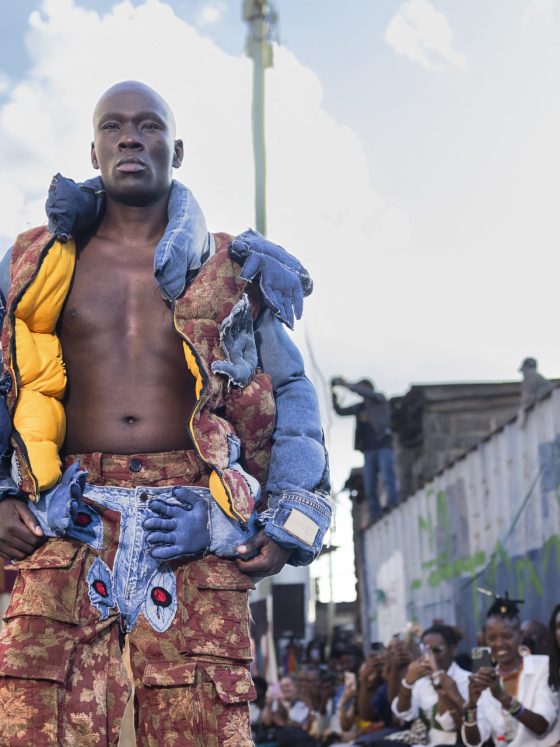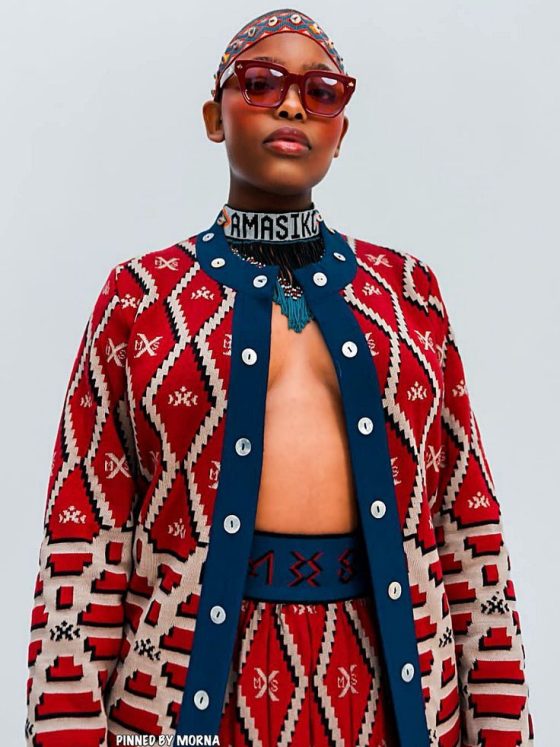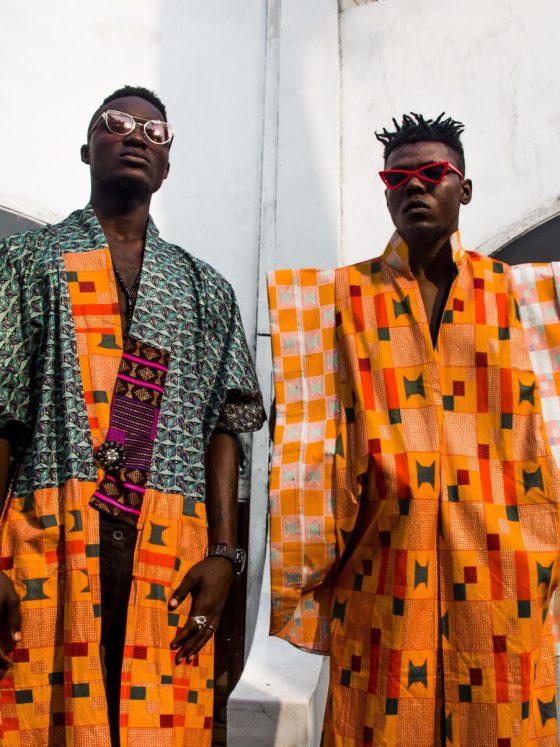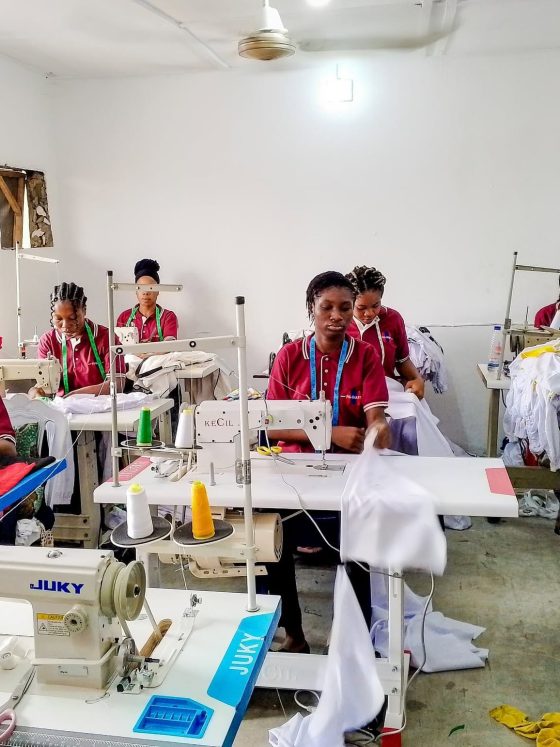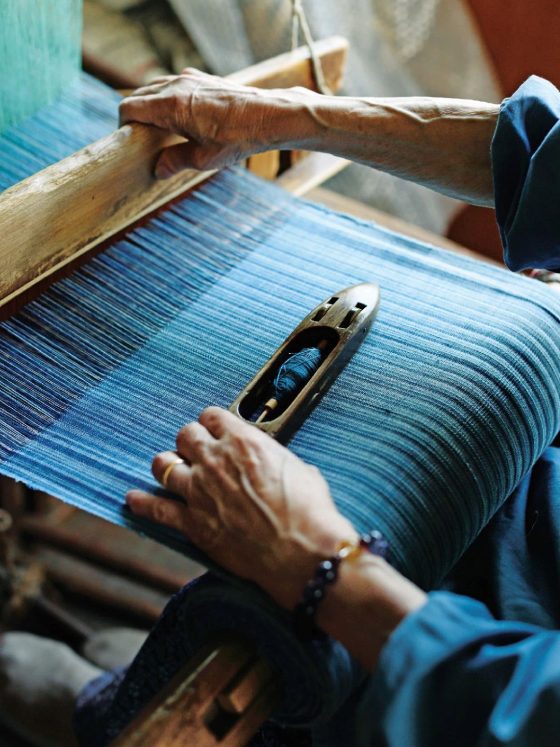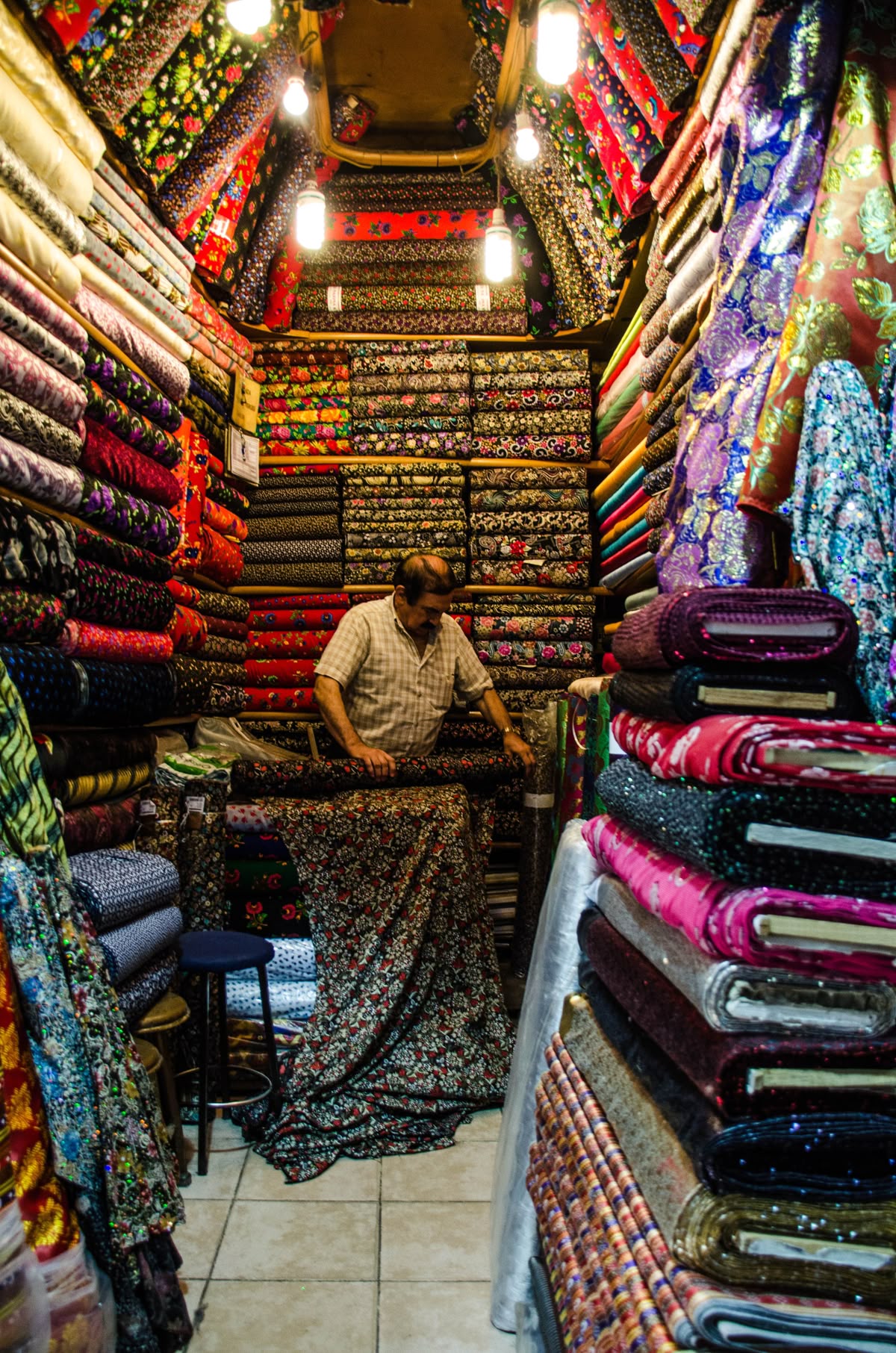
In 2024, Tunisia became the European Union’s leading supplier of professional clothing. According to data published by the Technical Centre for Textiles (CETTEX) and reported by the Foreign Investment Promotion Agency (FIPA) in March 2025, Tunisia captured a 17.44% market share of EU professional clothing imports, exporting approximately 9.7 million pieces valued at €317.7 million, with an average price of €32.66 per piece. That average unit price is the highest of any supplier to the EU in that category. In the same year, Tunisia was the EU’s fourth largest jeans supplier, exporting 16.84 million pieces valued at €357.6 million, again at the highest average unit price in the EU at €21.23 per piece. These are not aspirational figures. They are the documented commercial position of a textile industry that has been supplying European manufacturers for fifty years and is now navigating a structural transition whose outcome is not yet determined.
Tunisia employs 150,000+ in textiles and leads the EU in professional clothing exports, but Asian competition is forcing a shift to nearshoring.
The Scale of the Industry
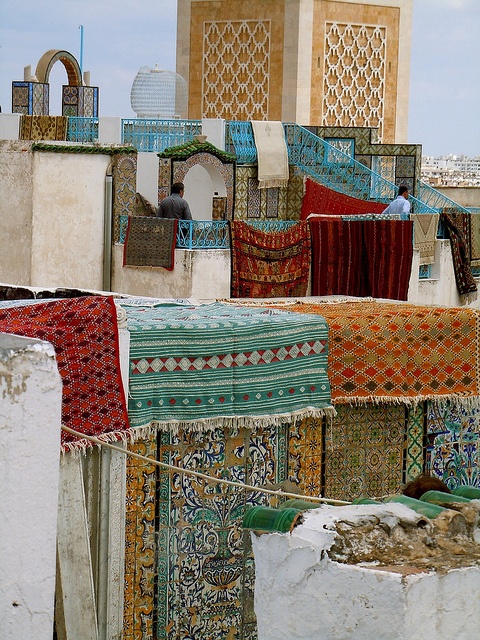
Tunisia’s textile, clothing, and footwear industry comprises approximately 1,900 companies employing approximately 176,000 people, according to data published by the Kohan Textile Journal at the end of 2025 and reported by Modaes Global’s May 2026 analysis of Tunisia’s fashion sector. Ninety per cent of those companies are export-oriented. Approximately 45% have European companies as shareholders or strategic partners, creating an ownership structure that integrates Tunisian production capacity directly into European supply chains rather than positioning Tunisia as an arm’s-length supplier. The sector accounts for approximately 26% of national manufacturing employment, making it one of the most significant industrial employers in the Tunisian economy.
The workforce is overwhelmingly female. As FEMNET’s factsheet on the Tunisian garment industry documents, approximately 80% of garment workers in Tunisia are women, working in factories concentrated in the coastal eastern region of the country. The same source notes that wages remain insufficient to live on, and that unemployment is particularly high among young people and women, creating structural dependency on the few available manufacturing jobs. The industry’s export performance and the conditions of its workforce are not separable facts. They are the same fact, stated from different perspectives.
“Ninety per cent of the companies are export-oriented and about 45% are associated with or have European companies as shareholders. Any alteration in their competitiveness could have a direct impact on the attraction of international orders and on the stability of the supply chain to Europe.” — Modaes Global, Tunisia Fashion Sector Analysis, May 2026
The EU Relationship: Strength and Structural Risk
Tunisia’s EU textile relationship is both its defining commercial fact and its defining structural risk. The country’s proximity to Europe, approximately 130 kilometres from the Italian coast, gives it a real, measurable logistics advantage over Asian competitors: shorter lead times, lower shipping costs, and easier physical oversight of production quality. The EU Association Agreement, which has governed trade between Tunisia and the EU since 1998, provides preferential market access that Asian competitors do not enjoy. Tunisia also benefits from the EU’s Generalised Scheme of Preferences in some categories, as confirmed by the Rawshot industry statistics report, further reducing the tariff differential between Tunisian and Asian-sourced goods in certain segments.
The risk of this relationship is concentration. Seventy-six per cent of Tunisia’s professional clothing exports go to three markets: France at 35.6%, Germany at 30.7%, and Italy at 9.7%, according to CETTEX data reported by African Manager in March 2025. A structural shift in purchasing behaviour in any one of these three markets, a move toward Asian sourcing, a domestic brand consolidation, or a regulatory change, would have a disproportionate effect on Tunisian export revenue. The 7% volume decline in professional clothing exports in 2024 compared to 2023, documented by the same CETTEX data, is not yet a structural reversal. Still, it is a signal that the relationship is not insulated from competitive pressure even in categories where Tunisia holds the EU market leadership position.
Premium Positioning: Tunisia’s Competitive Argument
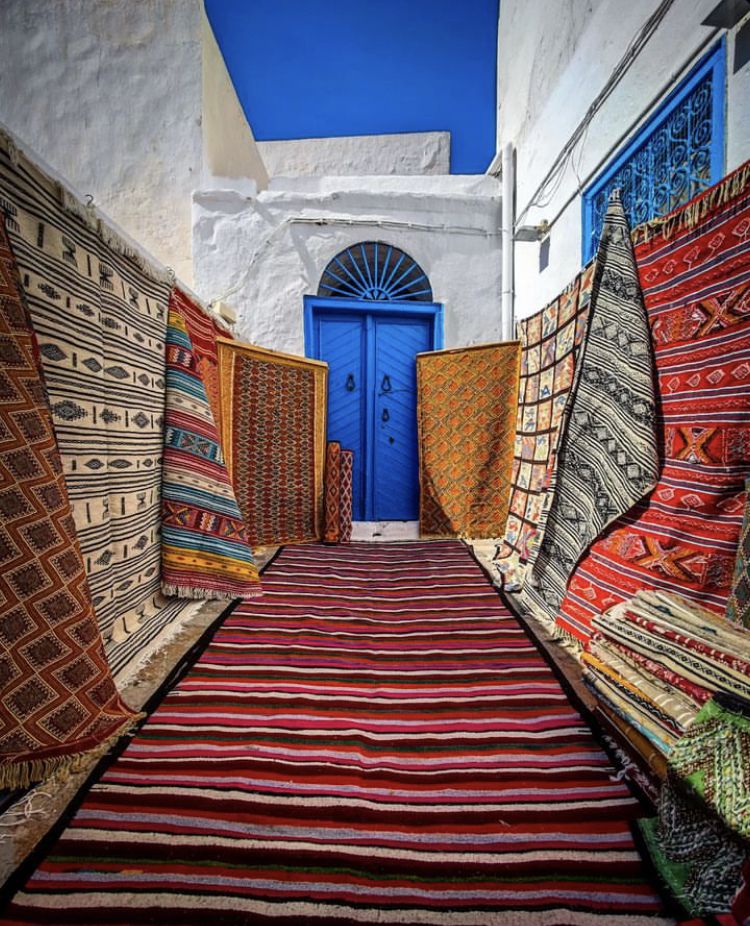
The single most strategically important fact in Tunisia’s textile export data is its consistent position as the EU’s highest-average-unit-price supplier in both professional clothing and jeans. At €32.66 per piece for professional clothing and €21.23 per piece for jeans in 2024, Tunisia is not competing on price in the way Asian manufacturers do. It is competing on quality and proximity. As INTERTEX Tunisia’s sourcing analysis documents, Tunisian manufacturers offer flexibility and agility that large-volume Asian operations cannot match at equivalent speed: smaller minimum order quantities, faster production turnaround, and the ability to accommodate mid-season adjustments that are increasingly important to European brands operating in shorter trend cycles.
The premium unit price positioning is both Tunisia’s competitive advantage and the explanation for why it cannot simply scale volume to compensate for price competition from Asian suppliers. A manufacturer competing on price can reduce costs through scale. A manufacturer competing on quality and agility competes through capability, and capability is harder to scale without compromising the qualities that made it competitive in the first place. CETTEX’s own analysis, as reported by Kohan Textile Journal, identifies the need for “increased technical and financial assistance to enable SMEs in the sector to undergo a sustainable and digital transformation, aligning with EU environmental and traceability regulations.” This is not a description of a sector that needs to scale up existing capabilities. It is a description of a sector that needs to upgrade to a different capability set entirely.
Nearshoring: The Opportunity and Its Conditions
The nearshoring conversation in European fashion sourcing has been running since the COVID-19 pandemic disrupted Asian supply chains in 2020 and the war in Ukraine added further instability to global logistics in 2022. As FEMNET’s factsheet documents, Tunisia, Morocco, and other North African countries have become “interesting for many companies” as a result, with nearshoring described as the “buzzword” governing European brands’ sourcing discussions. The structural case for nearshoring to Tunisia is real: geographic proximity, established manufacturing capacity, an experienced workforce, EU preferential trade access, and the quality-positioning that already gives it the highest average unit price in its EU categories.
The conditions that would convert nearshoring interest into nearshoring investment are also real and also documented. The Modaes Global analysis notes that Tunisia’s economy closed 2025 with inflation of 4.9% and unemployment above 15%, with political instability in recent years adding an investment risk premium to any long-term manufacturing commitment. The EU’s Corporate Sustainability Due Diligence Directive (CSDDD) and the Green Deal’s textile-specific requirements for traceability and environmental documentation will require Tunisian suppliers to invest in compliance infrastructure that many current SMEs cannot afford without technical and financial support. CETTEX has identified both the opportunity, €160 million in additional exports and 25,000 jobs, and the requirement, SME support for sustainable and digital transition, in the same analysis. The gap between the opportunity and the requirement is the investment case.
As Omiren Styles has documented in its analysis of the Algerian textile sector’s AfCFTA opportunity, the structural problem of North African textile sectors is not creative capacity or geographic position. It is the policy environment and the investment infrastructure that would allow existing assets to be upgraded to the standard that the next phase of EU sourcing requires. Tunisia’s situation is different from Algeria’s in important respects: Tunisia has an operating export track record, a premium market position, and an established EU buyer relationship base. What it shares with Algeria is the gap between what exists and what is required to sustain it at the level that external competitive pressure is now demanding.
The AfCFTA Dimension
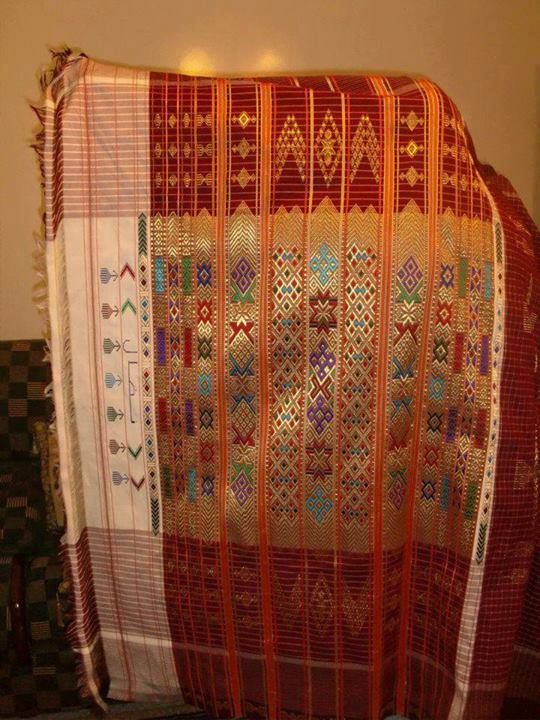
Tunisia ratified the African Continental Free Trade Area in 2020. Its membership in principle provides access to a continental market of over 1.3 billion people at harmonised tariff rates, creating a potential diversification of the export base that the current EU concentration makes strategically necessary. In practice, Tunisia’s textile sector has not yet developed the intra-African export relationships that would make AfCFTA membership commercially significant in the short term. The sector’s 90% export-oriented profile is oriented toward Europe, not toward Africa. As Omiren Styles has documented in its analysis of the Tanzania EAC fashion trade, the distinction between having trade access and using trade access is the key question for African manufacturing sectors with AfCFTA membership. Tunisia has the access. Building the market relationships and the product range that would allow it to sell to African markets at scale requires a different industrial policy commitment from the one that has sustained its EU export position.
The comparison with Morocco is instructive here. Morocco has not ratified AfCFTA, but has built a stronger diversified export manufacturing position than Tunisia by developing domestic cotton and synthetic fibre supply chains, investing in technical training, and positioning Moroccan-made garments within European retail supply chains as a nearshoring alternative. Morocco’s textile exports to the EU were approximately €3.67 billion in 2025, as documented in Omiren Styles’ analysis of the Lagos-Nairobi fashion city comparison. Tunisia’s full EU textile exports are not separately confirmed in a single comparable figure in the available sourcing. Still, the professional clothing and jeans segments alone account for €675.3 million of that total. The comparison suggests that Tunisia’s EU market position, while strong in specific premium categories, has not matched Morocco’s scale in overall EU textile market penetration.
The Omiren Argument
Tunisia’s textile industry is the EU’s leading supplier of professional clothing, commands the highest average unit price in the EU for both workwear and jeans, and employs 176,000 people in 1,900 companies. These are the facts that define its current position. The structural challenge is that this position was built on geographic proximity and manufacturing quality in an era when Asian competition was the price pressure and European supply chain reliability was the differentiating proposition. The post-COVID nearshoring conversation, the EU’s CSDDD compliance requirements, and the AfCFTA diversification opportunity are all pointing toward a next phase that the current industrial structure is not fully equipped to capture without investment in SME capability, sustainable production infrastructure, and new market relationships that the existing EU concentration has made it unnecessary to build.
As Omiren Styles has argued in its analysis of African fashion investment, the distinction between funded and unfunded projects in African manufacturing is rarely about underlying business quality. It is about institutional compounding: the accumulation of policy decisions, investment relationships, and documented commercial outcomes that makes a sector legible to international investors as an industrial asset rather than an aspiration. Tunisia’s textile sector has the documented commercial outcomes. The policy decisions and the investment relationships that would allow it to sustain and upgrade those outcomes in the face of the EU’s CSDDD requirements and Asian pricing competition are the work that remains.
Tunisia commands the highest average unit price in the EU for professional clothing. That is the proof of the quality argument. The investment infrastructure that protects that argument from Asian price competition and EU compliance pressure is what the next decade of Tunisian textile policy needs to build.
ALSO READ
- Algeria Textile Industry 2026: Africa’s Largest Textile Complex, 95% Import Dependency, and the AfCFTA Opportunity
- Tanzania EAC Fashion Trade: Manufacturing Capacity, Simplified Trade Regime, and the Expansion Gap
- Kenya Mitumba Trade, AGOA Exports, and the Domestic Textile Gap
- Why No Serious Investor Has a Pan-African Fashion Portfolio: The Cost of Institutional Blindness
Frequently Asked Questions
What is Tunisia’s position in EU textile exports?
In 2024, Tunisia became the EU’s leading supplier of professional clothing with a 17.44% market share, exporting 9.7 million pieces valued at €317.7 million at an average unit price of €32.66, the highest of any EU supplier in this category, according to CETTEX data published by FIPA in March 2025. Tunisia is also the EU’s fourth largest jeans supplier, with an 8.21% market share and exports of 16.84 million pieces valued at €357.6 million at an average unit price of €21.23, again the highest in the EU. Tunisia’s three main EU markets are France (35.6%), Germany (30.7%), and Italy (9.7%).
How many people does Tunisia’s textile industry employ?
According to data published by Kohan Textile Journal at end 2025 and reported by Modaes Global in May 2026, Tunisia’s textile, clothing, and footwear industry comprises approximately 1,900 companies employing approximately 176,000 people. The sector accounts for approximately 26% of national manufacturing employment. Approximately 80% of garment workers are women, as documented by FEMNET. Approximately 90% of companies are export-oriented, and approximately 45% have European companies as shareholders or strategic partners.
What is nearshoring and why is it relevant to Tunisia?
Nearshoring is the practice of relocating manufacturing operations closer to the end consumer market rather than sourcing from geographically distant low-cost producers. COVID-19 supply chain disruptions and the Ukraine war’s impact on global logistics created European brand interest in manufacturing closer to home, making North Africa, and Tunisia in particular, an attractive alternative to Asian sourcing. Tunisia’s geographic proximity (approximately 130 kilometres from the Italian coast), established manufacturing capacity, experienced workforce, and EU preferential trade access make it structurally well-positioned for nearshoring investment. The conditions that would convert interest into investment include SME capability upgrades to meet EU CSDDD compliance requirements and digital transformation investment that requires technical and financial support beyond the current sector’s capacity.
What is the CETTEX €160 million opportunity?
The Technical Centre for Textiles (CETTEX) has identified an opportunity for Tunisia to expand professional clothing and jeans exports, particularly to Germany and traditional European markets, that could generate approximately €160 million in additional exports and create over 25,000 new jobs, as confirmed by CETTEX data reported across multiple sources in March and April 2025. Realising this opportunity requires, in CETTEX’s assessment, greater technical and financial support to assist SMEs in sustainable and digital transition, enhanced diplomatic engagement to promote Tunisia as a sourcing destination, and market-specific promotional plans for Germany and Italy specifically.
How does Tunisia compare to Morocco in North African textile exports?
Morocco has built a stronger overall EU textile export position than Tunisia by developing domestic supply chains, investing in technical training, and positioning itself as a broader nearshoring alternative across multiple product categories. Morocco’s textile exports to the EU were approximately €3.67 billion in 2025. Tunisia’s confirmed EU exports across the documented professional clothing and jeans segments total €675.3 million, though total textile exports are larger. Tunisia holds stronger premium positioning in its specific categories, commanding the highest average unit price in the EU for both workwear and jeans. At the same time, Morocco has achieved greater total export volume. Tunisia has ratified AfCFTA; Morocco has not. The comparison suggests different strategic positions rather than straightforward superiority: Tunisia is better positioned in quality-premium EU segments, Morocco in overall EU market penetration and supply chain depth.