Menu
  • AFRICA
    • African Fashion
    • African Designers
    • Textiles & Craft
    • Heritage Clothing
    • Made in Africa
    • Regional Style
  • DIASPORA
    • Diaspora Voices
    • Diaspora Connects
    • UK Scene
    • US Scene
    • Caribbean Diaspora
    • Afro-Latino Identity
    • Migration & Identity
  • CULTURE
    • Style & Identity
    • Ceremony & Ritual
    • Art & Music
    • Cultural Inspirations
    • Black Culture
    • Heritage Stories
  • FASHION
    • Trends
    • Street Style
    • Runway
    • Sustainable Fashion
    • Tailoring
    • Luxury Fashion
  • INDUSTRY
    • Editorial Intelligence
    • Market Trends
    • Brand Strategy
    • Retail & Commerce
    • Partnerships
    • Reports
    • Insights
  • BEAUTY
    • Skincare
    • Makeup
    • Hair & Hairstyle
    • Fragrance
    • Beauty Traditions
    • Natural Beauty
  • MEN
    • Men’s Style
    • Grooming Traditions
    • Traditional & Heritage
    • The Modern African Man
    • Menswear Designers
  • WOMEN
    • Women’s Style
    • Evening Glam
    • Workwear & Professional
    • Streetwear for Women
    • Accessories & Bags
    • Bridal
  • NEWS
    • Cover Stories
    • Fashion Weeks
    • Opinion & Commentary
    • Style Icons
    • Rising Stars
  • DIRECTORY
    • Designers
    • Brands
    • Boutiques
    • Stylists
    • Models
    • Photographers
    • Creative Teams
    • Events
    • Production
    • Materials & Suppliers
Omiren Magazine Partner With Us Advertise Style Index
Subscribe
OMIREN STYLES OMIREN STYLES

Fashion · Culture · Identity

OMIREN STYLES OMIREN STYLES OMIREN STYLES OMIREN STYLES
  • AFRICA
    • African Fashion
    • African Designers
    • Textiles & Craft
    • Heritage Clothing
    • Made in Africa
    • Regional Style
  • DIASPORA
    • Diaspora Voices
    • Diaspora Connects
    • UK Scene
    • US Scene
    • Caribbean Diaspora
    • Afro-Latino Identity
    • Migration & Identity
  • CULTURE
    • Style & Identity
    • Ceremony & Ritual
    • Art & Music
    • Cultural Inspirations
    • Black Culture
    • Heritage Stories
  • FASHION
    • Trends
    • Street Style
    • Runway
    • Sustainable Fashion
    • Tailoring
    • Luxury Fashion
  • INDUSTRY
    • Editorial Intelligence
    • Market Trends
    • Brand Strategy
    • Retail & Commerce
    • Partnerships
    • Reports
    • Insights
  • BEAUTY
    • Skincare
    • Makeup
    • Hair & Hairstyle
    • Fragrance
    • Beauty Traditions
    • Natural Beauty
  • MEN
    • Men’s Style
    • Grooming Traditions
    • Traditional & Heritage
    • The Modern African Man
    • Menswear Designers
  • WOMEN
    • Women’s Style
    • Evening Glam
    • Workwear & Professional
    • Streetwear for Women
    • Accessories & Bags
    • Bridal
  • NEWS
    • Cover Stories
    • Fashion Weeks
    • Opinion & Commentary
    • Style Icons
    • Rising Stars
  • DIRECTORY
    • Designers
    • Brands
    • Boutiques
    • Stylists
    • Models
    • Photographers
    • Creative Teams
    • Events
    • Production
    • Materials & Suppliers
  • Textiles

What Kente Encodes

  • Tobi Arowosegbe
  • June 3, 2026
Total
0
Shares
0
0
0

Cloth as constitutional record

You are not simply looking at fabric.

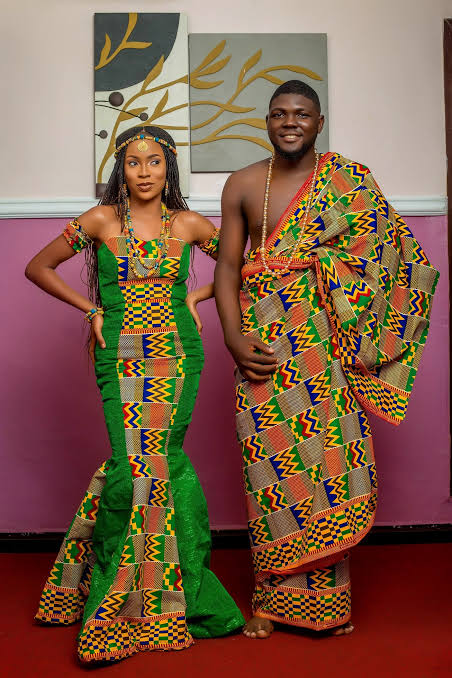
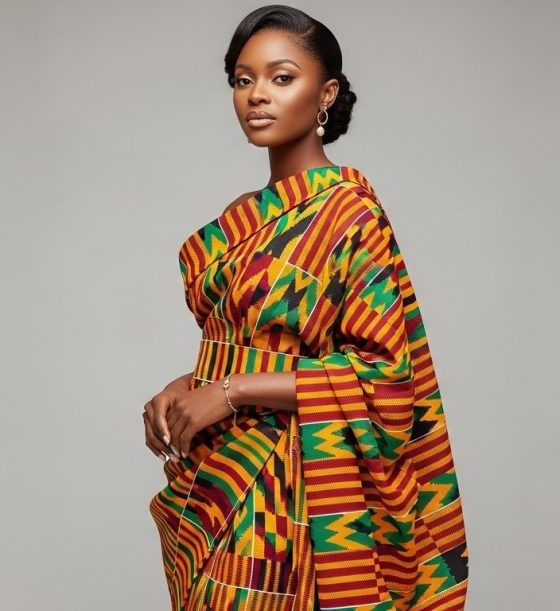
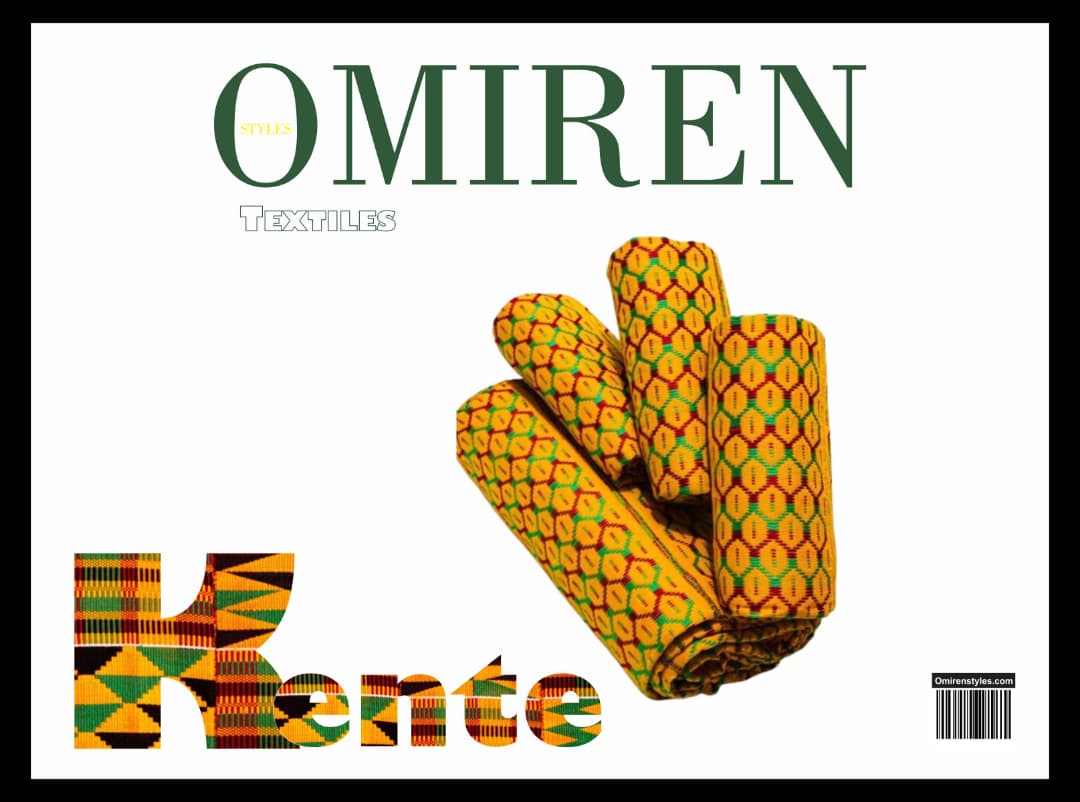
Every strip of Kente woven in Ghana carries a name, and every name carries a meaning that predates the weaving. The colours are not decorative choices. They are vocabulary. Gold for royalty and wealth. Green for growth and renewal. Red for political passion and the blood of ancestors. Black, most significantly of all, for maturation, the ancestors themselves, and the spiritual energy that connects the living to those who came before.

To wear Kente correctly is to make a statement so specific that it would take paragraphs to translate into English. To reduce it to a pattern, to print it onto polyester and sell it as “African-inspired”, is to erase the statement.

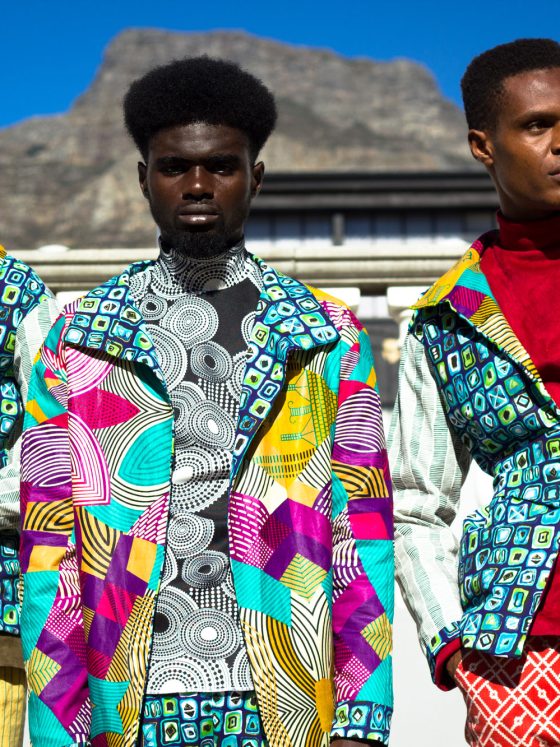
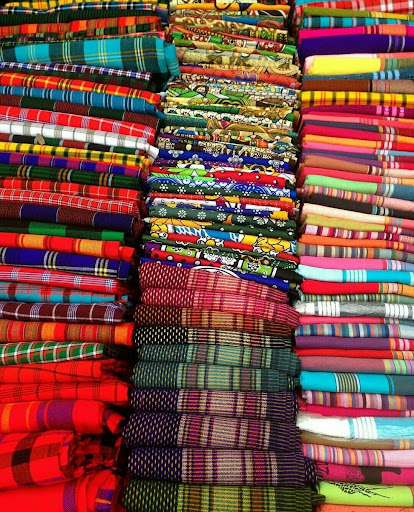
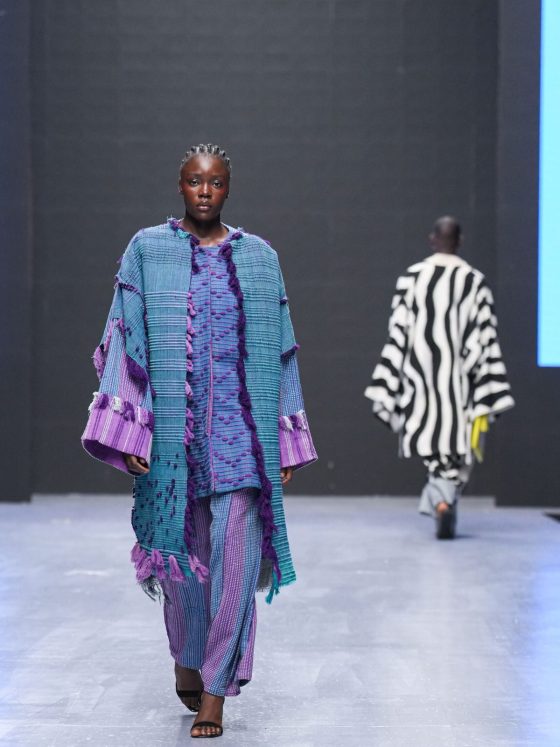
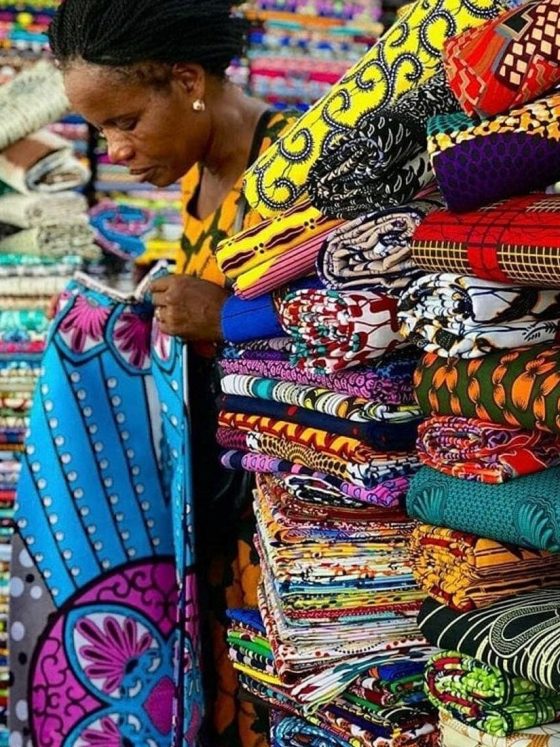
Kente is not the only textile on the continent carrying this weight: aso-oke from the Yoruba, woven in horizontal bands for ceremonies that mark birth, marriage and death. Kanga, from East Africa, is printed with proverbs that are too pointed to say aloud and worn as a kind of encrypted communication between women. Bogolanfini from Mali, whose geometric patterns record specific events and encode knowledge that is not meant to be passed to those outside the tradition. These are not crafts. They are archives.

What this feature asks, and what African fashion has always demanded that the global industry reckon with, is a simple question: what happens to a record when you strip away its meaning and sell only its surface? When a brand lifts a Kente pattern, licenses it through a trend agency, manufactures it in a country that has never heard the names those patterns carry, and markets the result as global, as inspired, as diverse? The answer is not simply cultural sensitivity. The answer is that something historically precise becomes historically illegible. The record is corrupted. The buyers, the editors and the stylists who circulate those pieces are participants in that corruption, whether they understand it or not.

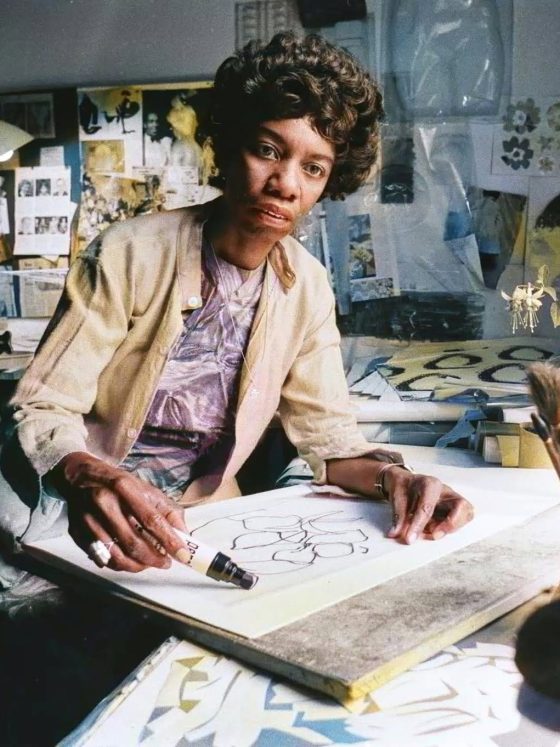
We are interested in what remains and in the designers, weavers and historians who are working right now to keep the full text intact.

Total
0
Shares
Share 0
Tweet 0
Pin it 0
Avatar photo
Tobi Arowosegbe

arowosegbetobi13@gmail.com

You May Also Like
Zambia's Textile Industry: Cotton Export Gap, Local Production Deficit, and What the Mulungushi Reopening Changes
View Post
  • Textiles

Zambia’s Textile Industry: Cotton Export Gap, Local Production Deficit, and What the Mulungushi Reopening Changes

  • Fathia Olasupo
  • July 23, 2026
Carrying the Runway: Gara, Kente, and Aso-Oke Making Their Mark at LFW
View Post
  • Textiles

Carrying the Runway: Gara, Kente, and Aso-Oke Making Their Mark at LFW

  • Rex Clarke
  • July 7, 2026
The African Textiles Guide: Kente, Kanga, and Adire Decoded
View Post
  • Textiles

The African Textiles Guide: Kente, Kanga, and Adire Decoded

  • Peace Vera
  • July 2, 2026
Grand Marché de Lomé: The Fashion Infrastructure at the Centre of West Africa’s Textile Trade
View Post
  • Textiles

Grand Marché de Lomé: The Fashion Infrastructure at the Centre of West Africa’s Textile Trade

  • Adams Moses
  • June 30, 2026
Ewe Kente vs Ashanti Kente: Two Traditions, One Name, and a History That Colonial Borders Obscured
View Post
  • Textiles

Ewe Kente vs Ashanti Kente: Two Traditions, One Name, and a History That Colonial Borders Obscured

  • Rex Clarke
  • June 29, 2026
The Nanettes: Togo’s Next Generation of Wax Print Traders
View Post
  • Textiles

The Nanettes: Togo’s Next Generation of Wax Print Traders

  • Adams Moses
  • June 26, 2026
The Nanettes: The Succession That Changed the Terms
View Post
  • Textiles

Nana Benz of Lomé: How Togolese Women Traders Built West Africa’s Wax Print Empire

  • Peace Vera
  • June 26, 2026
Cotton as Identity: How Benin’s “White Gold” Shaped Its Fashion Culture
View Post
  • Textiles

Cotton as Identity: How Benin’s “White Gold” Shaped Its Fashion Culture

  • Adams Moses
  • June 23, 2026

Leave a Reply Cancel reply

Your email address will not be published. Required fields are marked *

The Omiren Argument

African fashion and culture are not emerging. They are foundational. We document, interpret, and argue for the full cultural weight of African and diaspora dress. With precision. Without apology.

Omiren Styles Fashion · Culture · Identity

All 54 African Nations
Caribbean · Afro-Latin America
The Global Diaspora

Platform

  • About Omiren Styles
  • Our Vision
  • Our Mission
  • Editorial Pillars
  • Editorial Policy
  • The Omiren Collective
  • Campus Style Initiative
  • Sustainable Style
  • Social Impact & Advocacy
  • Investor Relations

Contribute

  • Write for Omiren Styles
  • Submit Creative Work
  • Join the Omiren Collective
  • Campus Initiative
Contact
contact@omirenstyles.com
Our Reach

Africa — All 54 Nations
Caribbean
Afro-Latin America
Global Diaspora

African fashion intelligence, in your inbox.

Editorial features, designer profiles, cultural commentary. No noise.

© 2026 Omiren Styles — Rex Clarke Global Ventures Limited. All rights reserved.
  • Privacy Policy
  • Editorial Policy
  • Terms of Use
  • Accessibility
Africa · Caribbean · Diaspora
The Omiren Argument

African fashion and culture are not emerging. They are foundational. We document, interpret, and argue for the full cultural weight of African and diaspora dress. With precision. Without apology.

Omiren Styles Fashion · Culture · Identity
  • About Omiren Styles
  • Our Vision
  • Our Mission
  • Editorial Pillars
  • Editorial Policy
  • The Omiren Collective
  • Campus Style Initiative
  • Sustainable Style
  • Social Impact & Advocacy
  • Investor Relations
  • Write for Omiren Styles
  • Submit Creative Work
  • Join the Omiren Collective
  • Campus Initiative
Contact contact@omirenstyles.com

All 54 African Nations · Caribbean
Afro-Latin America · Global Diaspora

African fashion intelligence, in your inbox.

Editorial features, designer profiles, cultural commentary. No noise.

© 2026 Omiren Styles
Rex Clarke Global Ventures Limited.
All rights reserved.

  • Privacy Policy
  • Editorial Policy
  • Terms of Use
  • Accessibility
Africa · Caribbean · Diaspora

Input your search keywords and press Enter.

Newsletter Subscribe

Join Our Community

Get exclusive access to new collections, special offers, and style inspiration.