Menu
  • AFRICA
    • African Fashion
    • African Designers
    • Textiles & Craft
    • Heritage Clothing
    • Made in Africa
    • Regional Style
  • DIASPORA
    • Diaspora Voices
    • Diaspora Connects
    • UK Scene
    • US Scene
    • Caribbean Diaspora
    • Afro-Latino Identity
    • Migration & Identity
  • CULTURE
    • Style & Identity
    • Ceremony & Ritual
    • Art & Music
    • Cultural Inspirations
    • Black Culture
    • Heritage Stories
  • FASHION
    • Trends
    • Street Style
    • Runway
    • Sustainable Fashion
    • Tailoring
    • Luxury Fashion
  • INDUSTRY
    • Editorial Intelligence
    • Market Trends
    • Brand Strategy
    • Retail & Commerce
    • Partnerships
    • Reports
    • Insights
    • Omiren Style Index
  • BEAUTY
    • Skincare
    • Makeup
    • Hair & Hairstyle
    • Fragrance
    • Beauty Traditions
    • Natural Beauty
  • MEN
    • Men’s Style
    • Grooming Traditions
    • Traditional & Heritage
    • The Modern African Man
    • Menswear Designers
  • WOMEN
    • Women’s Style
    • Evening Glam
    • Workwear & Professional
    • Streetwear for Women
    • Accessories & Bags
    • Bridal
  • NEWS
    • Cover Stories
    • Fashion Weeks
    • Opinion & Commentary
    • Style Icons
    • Rising Stars
  • DIRECTORY
    • Designers
    • Brands
    • Boutiques
    • Stylists
    • Models
    • Photographers
    • Creative Teams
    • Events
    • Production
    • Materials & Suppliers
Subscribe
OMIREN STYLES OMIREN STYLES

Fashion · Culture · Identity

OMIREN STYLES OMIREN STYLES OMIREN STYLES OMIREN STYLES
  • AFRICA
    • African Fashion
    • African Designers
    • Textiles & Craft
    • Heritage Clothing
    • Made in Africa
    • Regional Style
  • DIASPORA
    • Diaspora Voices
    • Diaspora Connects
    • UK Scene
    • US Scene
    • Caribbean Diaspora
    • Afro-Latino Identity
    • Migration & Identity
  • CULTURE
    • Style & Identity
    • Ceremony & Ritual
    • Art & Music
    • Cultural Inspirations
    • Black Culture
    • Heritage Stories
  • FASHION
    • Trends
    • Street Style
    • Runway
    • Sustainable Fashion
    • Tailoring
    • Luxury Fashion
  • INDUSTRY
    • Editorial Intelligence
    • Market Trends
    • Brand Strategy
    • Retail & Commerce
    • Partnerships
    • Reports
    • Insights
    • Omiren Style Index
  • BEAUTY
    • Skincare
    • Makeup
    • Hair & Hairstyle
    • Fragrance
    • Beauty Traditions
    • Natural Beauty
  • MEN
    • Men’s Style
    • Grooming Traditions
    • Traditional & Heritage
    • The Modern African Man
    • Menswear Designers
  • WOMEN
    • Women’s Style
    • Evening Glam
    • Workwear & Professional
    • Streetwear for Women
    • Accessories & Bags
    • Bridal
  • NEWS
    • Cover Stories
    • Fashion Weeks
    • Opinion & Commentary
    • Style Icons
    • Rising Stars
  • DIRECTORY
    • Designers
    • Brands
    • Boutiques
    • Stylists
    • Models
    • Photographers
    • Creative Teams
    • Events
    • Production
    • Materials & Suppliers
  • Caribbean Diaspora

Steelband, Calypso, and Cloth: How Trinidad’s Performance Arts Produce Dress Culture

  • Fathia Olasupo
  • June 1, 2026
Steelband, Calypso, and Cloth: How Trinidad’s Performance Arts Produce Dress Culture

In Trinidad and Tobago, steel bands and calypso exist not only as musical forms. They function as cultural systems that shape how people gather, move, and dress during performance seasons and beyond. Clothing worn in these spaces is shaped by sound, repetition, competition, and collective identity. When steelpan orchestras perform or when calypso tents open for the season, dress becomes part of the performance environment rather than something separate from it.

Trinidadian fashion culture is deeply tied to performance infrastructure. What people wear in steelband spaces, calypso events, and related cultural gatherings reflects a long relationship between music production and visual identity. Clothing becomes a way of signalling belonging, professionalism, artistry, and participation in a wider cultural system.

Trinidad’s steelband and calypso cultures shape fashion through uniforms, stagewear, and music-driven performance dress systems.

Steelpan Culture and Coordinated Visual Identity
Carnival Continuity and Everyday Influence

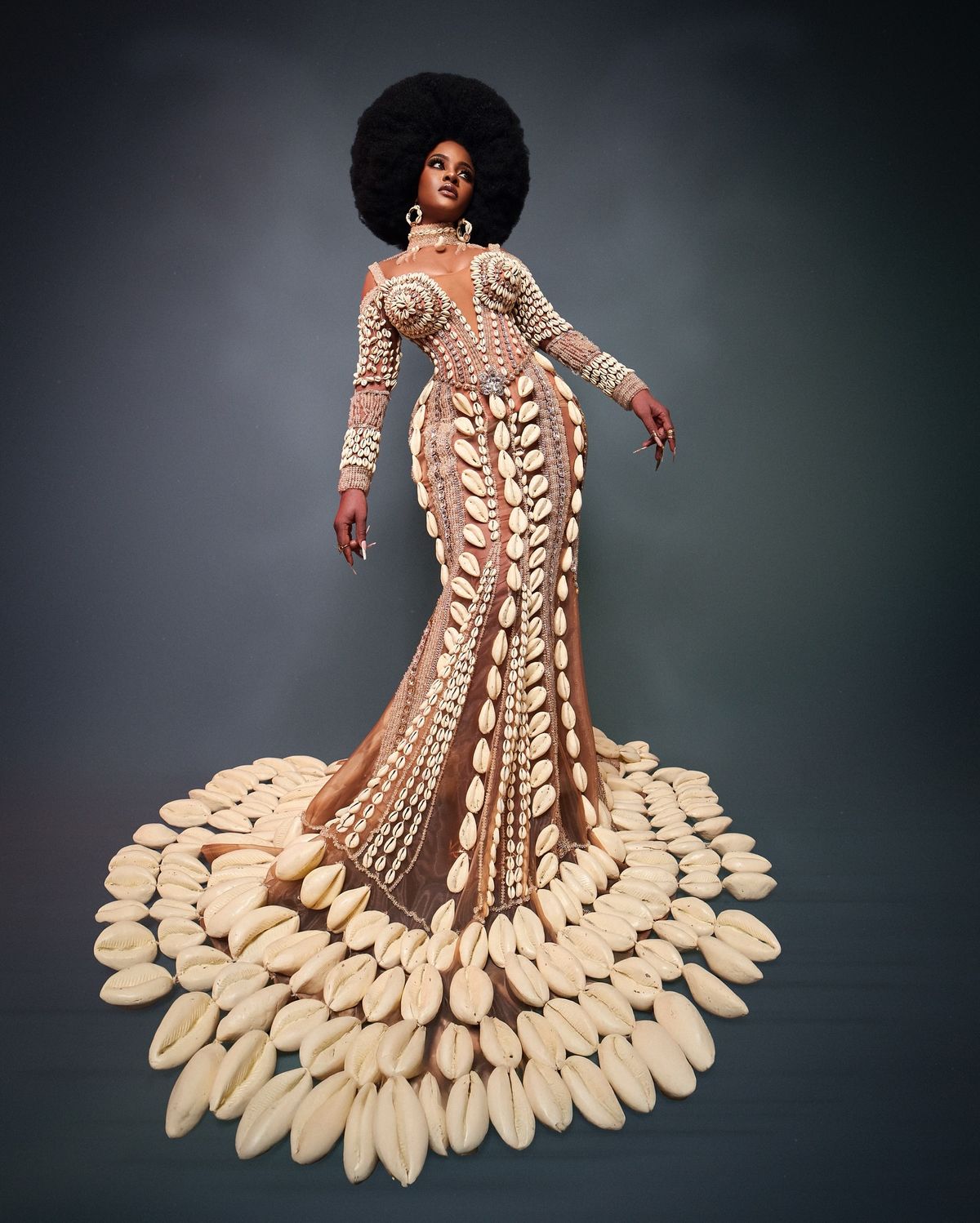
Steelbands operate as organised musical groups, and their visual presentation often reflects that structure. During Panorama competitions and public performances, many bands adopt coordinated colour schemes, uniforms, or branded outfits that help establish group identity.

These garments are not merely decorative. They function as visual organisation tools within large performance environments where multiple bands, supporters, and audiences gather in shared space. Matching colours, printed logos, and coordinated styling help reinforce unity and recognition.

Beyond formal performances, steelpan culture also influences everyday dress among musicians and supporters. Casual streetwear often reflects band affiliation through colours, accessories, or subtle references tied to specific steel orchestras.

The relationship between clothing and steelband culture is therefore both formal and informal, shifting between structured performance settings and everyday social expression.

Calypso Tents and Performance Dressing

Calypso culture introduces another layer of dress performance. Calypso tents are spaces where singers perform new material, often in competitive or evaluative settings. Clothing worn in these environments reflects stage presence, confidence, and artistic identity.

Performers often use styling to reinforce their lyrical persona. Outfits may include bold colours, tailored garments, statement accessories, and carefully chosen silhouettes that support stage visibility. Unlike steelband uniforms, calypso dressing is more individualised, shaped by personal identity and performance strategy.

Audience dress within calypso spaces also reflects cultural engagement. Attendees often dress with intention, understanding that calypso events are both social gatherings and cultural performances.

Fashion in these spaces is therefore shaped by the interaction between performer and audience, in which clothing contributes to the overall atmosphere of cultural expression.

READ ALSO:

  • Jonkonnu, Masquerade, and Dancehall: How Jamaican Performance Culture Drives Dress
  • Rara, Carnival, and Sacred Dress: The Intersection of Art, Ceremony, and Cloth in Haiti

Carnival Continuity and Everyday Influence
Steelpan Culture and Coordinated Visual Identity

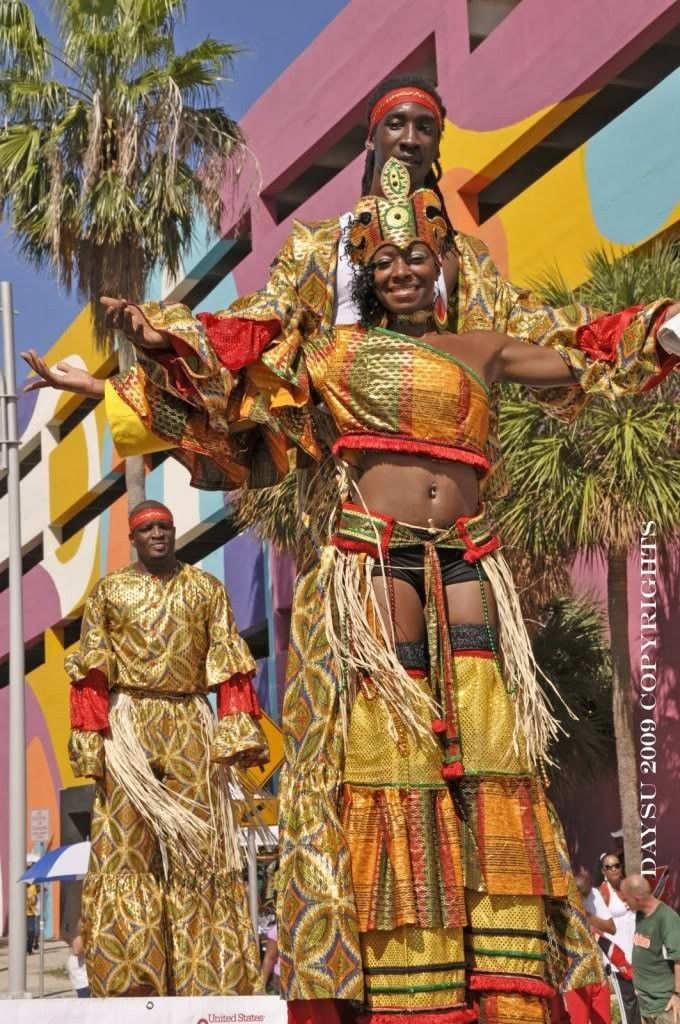
Although Carnival is a separate system, both steelband and calypso feed into its broader cultural logic. Clothing worn during Carnival often reflects colours, aesthetics, and identities shaped by year-round musical engagement.

Steelband and calypso influence how people approach costume design, colour coordination, and visual storytelling. Even outside Carnival season, elements of performance dress culture appear in everyday Trinidadian fashion through colour choices, grooming practices, and event-based styling.

This continuity shows how performance culture extends beyond scheduled events into everyday life, shaping broader fashion sensibilities across Trinidad and Tobago.

Music Institutions and Fashion Infrastructure
Carnival Continuity and Everyday Influence

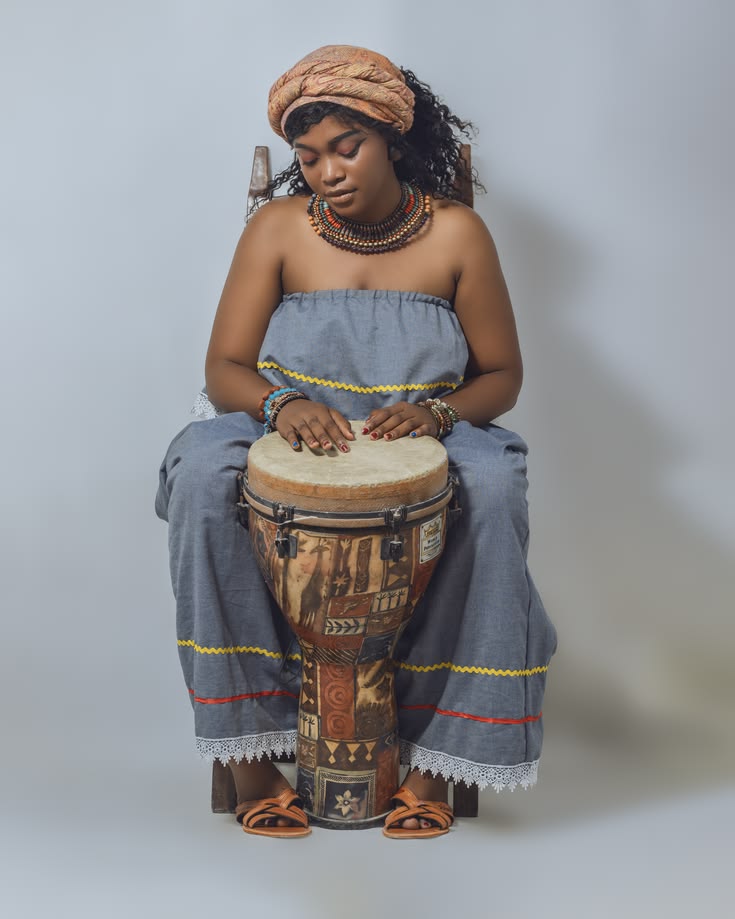
Steelbands and calypso organisations also function as informal fashion infrastructures. Bands often commission uniforms, collaborate with designers, and support local tailoring economies during preparation for major events.

Costume production, uniform design, and event styling create seasonal demand for local garment workers, tailors, and small fashion businesses. This creates a recurring economic cycle where music production directly supports fashion labour.

Fashion in this context is not independent of music institutions. It is embedded within them, shaped by their schedules, competitions, and organisational structures.

The Omiren Argument

Steelband and calypso culture in Trinidad and Tobago are often analysed purely as musical traditions, with fashion treated as secondary or decorative. This framing misses how deeply clothing is integrated into the organisation, visibility, and identity of these performance systems.

In reality, steelband and calypso actively shape dress culture through uniforms, stage wear, audience styling, and Carnival-linked aesthetics. Clothing functions as a structural component of performance life, shaping how cultural participation is recognised and expressed. Fashion in Trinidad and Tobago emerges not alongside music culture but directly through it.

FAQs

  1. How does steelband culture influence fashion in Trinidad?

Steelband culture influences coordinated dress, colour identity, uniforms, and everyday styling linked to band affiliation.

  1. What do calypso performers wear?

Calypso performers often wear expressive stage outfits that support visibility, identity, and performance presence.

  1. Is fashion important in Trinidadian music culture?

Yes. Clothing plays a key role in identity, recognition, and performance within both steelband and calypso spaces.

  1. Do steel bands have uniforms?

Many steel bands use coordinated uniforms or colour schemes during performances and competitions.

  1. How does music affect everyday dress in Trinidad?

Music culture influences colour choices, styling preferences, and event-based fashion decisions beyond formal performances.

Post Views: 39
Related Topics
  • Afro diaspora fashion
  • Caribbean cultural identity
  • music and fashion traditions
  • performance fashion culture
Fathia Olasupo

olasupofathia49@gmail.com

You May Also Like
The Afro Carib Fashion Show: Two Women, One Runway, and the Diaspora Platform Nobody Else Is Building
View Post
  • Caribbean Diaspora

The Afro Carib Fashion Show: Two Women, One Runway, and the Diaspora Platform Nobody Else Is Building

  • Ayomidoyin Olufemi
  • June 8, 2026
View Post
  • Caribbean Diaspora

Grace Wales Bonner: The Jamaican-British Designer Making History at Hermès

  • Adams Moses
  • June 8, 2026
Gaga, Palos, and Festival Dress: How Afro-Dominican Cultural Arts Build Identity Through Cloth
View Post
  • Caribbean Diaspora

Gaga, Palos, and Festival Dress: How Afro-Dominican Cultural Arts Build Identity Through Cloth

  • Fathia Olasupo
  • June 3, 2026
Rumba, Son, and Sacred Ceremony: How Afro-Cuban Performance Arts Produce Dress
View Post
  • Caribbean Diaspora

Rumba, Son, and Sacred Ceremony: How Afro-Cuban Performance Arts Produce Dress

  • Fathia Olasupo
  • June 2, 2026
The Future of Haitian Fashion: Craft Networks, Diaspora Investment, and Cultural Continuity
View Post
  • Caribbean Diaspora

The Future of Haitian Fashion: Craft Networks, Diaspora Investment, and Cultural Continuity

  • Fathia Olasupo
  • May 29, 2026
Jonkonnu, Masquerade, and Dancehall: How Jamaican Performance Culture Drives Dress
View Post
  • Caribbean Diaspora

Jonkonnu, Masquerade, and Dancehall: How Jamaican Performance Culture Drives Dress

  • Fathia Olasupo
  • May 27, 2026
Stella Jean: The First Black Italian Designer Who Forced Milan to Look
View Post
  • Caribbean Diaspora

Stella Jean: The First Black Italian Designer Who Forced Milan to Look

  • Adams Moses
  • May 27, 2026
View Post
  • Caribbean Diaspora

Rara, Carnival, and Sacred Dress: The Intersection of Art, Ceremony, and Cloth in Haiti

  • Fathia Olasupo
  • May 26, 2026

Leave a Reply Cancel reply

Your email address will not be published. Required fields are marked *

The Omiren Argument

African fashion and culture are not emerging. They are foundational. We document, interpret, and argue for the full cultural weight of African and diaspora dress. With precision. Without apology.

Omiren Styles Fashion · Culture · Identity

All 54 African Nations
Caribbean · Afro-Latin America
The Global Diaspora

Platform

  • About Omiren Styles
  • Our Vision
  • Our Mission
  • Editorial Pillars
  • Editorial Policy
  • The Omiren Collective
  • Campus Style Initiative
  • Sustainable Style
  • Social Impact & Advocacy
  • Investor Relations

Contribute

  • Write for Omiren Styles
  • Submit Creative Work
  • Join the Omiren Collective
  • Campus Initiative
Contact
contact@omirenstyles.com
Our Reach

Africa — All 54 Nations
Caribbean
Afro-Latin America
Global Diaspora

African fashion intelligence, in your inbox.

Editorial features, designer profiles, cultural commentary. No noise.

© 2026 Omiren Styles — Rex Clarke Global Ventures Limited. All rights reserved.
  • Privacy Policy
  • Editorial Policy
  • Terms of Use
  • Accessibility
Africa · Caribbean · Diaspora
The Omiren Argument

African fashion and culture are not emerging. They are foundational. We document, interpret, and argue for the full cultural weight of African and diaspora dress. With precision. Without apology.

Omiren Styles Fashion · Culture · Identity
  • About Omiren Styles
  • Our Vision
  • Our Mission
  • Editorial Pillars
  • Editorial Policy
  • The Omiren Collective
  • Campus Style Initiative
  • Sustainable Style
  • Social Impact & Advocacy
  • Investor Relations
  • Write for Omiren Styles
  • Submit Creative Work
  • Join the Omiren Collective
  • Campus Initiative
Contact contact@omirenstyles.com

All 54 African Nations · Caribbean
Afro-Latin America · Global Diaspora

African fashion intelligence, in your inbox.

Editorial features, designer profiles, cultural commentary. No noise.

© 2026 Omiren Styles
Rex Clarke Global Ventures Limited.
All rights reserved.

  • Privacy Policy
  • Editorial Policy
  • Terms of Use
  • Accessibility
Africa · Caribbean · Diaspora

Input your search keywords and press Enter.