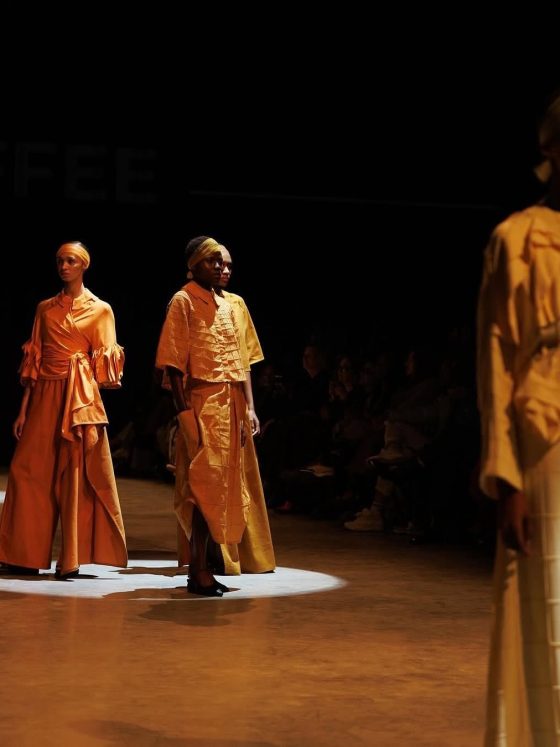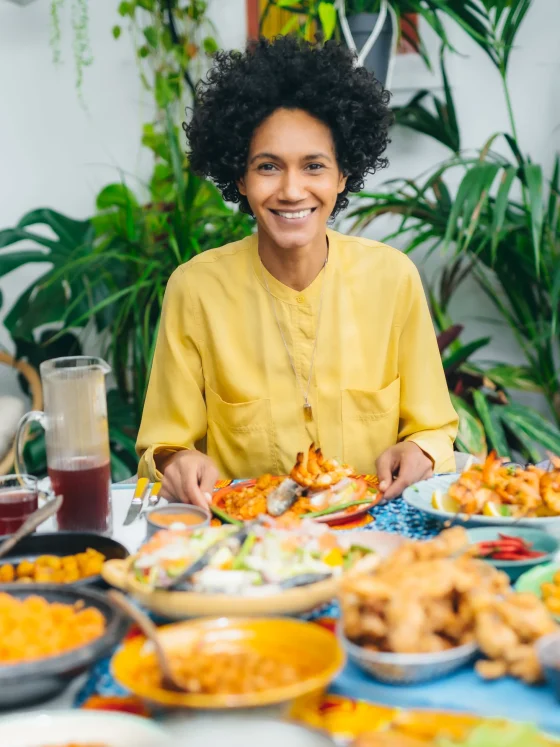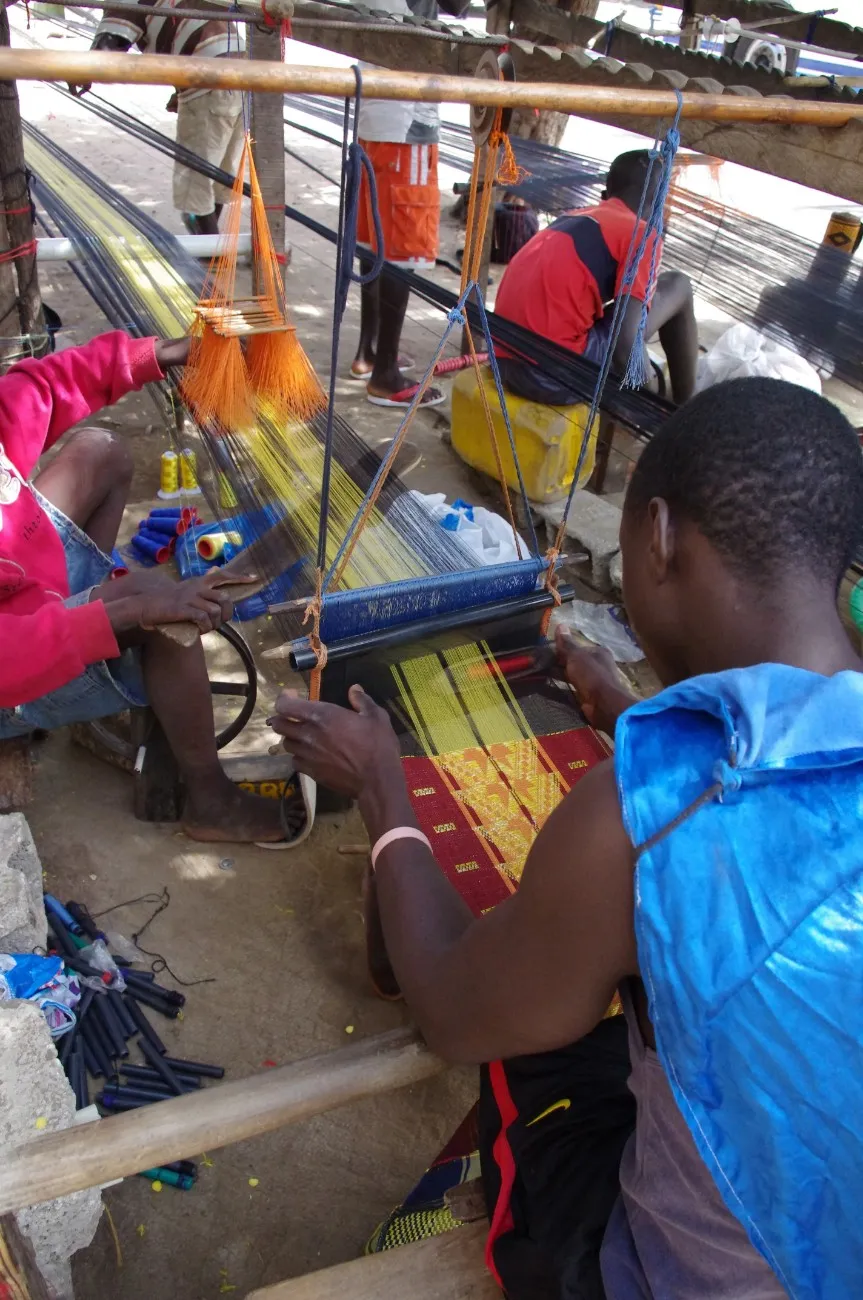
Senegalese textiles and craftsmanship form the backbone of much of West African fashion. Far from being mere suppliers, Senegalese artisans and textile networks actively shape regional tastes through material expertise and sophisticated trade systems.
Bazin fabric in Senegal is known for its prestige, while Wolof weaving traditions are valued for their precision. Together, these local crafts continue to shape cultural expression and create economic value.
Textile artisans and dyeing specialists in Dakar preserve knowledge systems passed down through generations. They also adapt their techniques to fit modern creative trends. This industry doesn’t simply follow trends. It helps set them across the region.
Senegalese textiles and craftsmanship drive West African fashion through bazin, weaving, and traditional dyeing expertise. Read this article to learn more.
The Foundation of Senegalese Textiles and Craftsmanship
Senegalese textiles and craftsmanship rest on a long-established base of cotton cultivation and weaving knowledge.
Communities across the country, particularly Wolof weavers, have developed narrow-strip weaving techniques. These techniques produce cloth of high durability and cultural significance.
These handwoven textiles in Senegal served both everyday needs and important social functions for generations.
Artisans organised production around local cotton varieties and natural resources. They created systems that connected farmers, spinners, weavers, and dyers in regional networks.
This structure allowed Senegalese textiles and craftsmanship to maintain consistent quality while responding to changing demands in colour, texture, and pattern.
The foundation remains visible today in the continued use of traditional looms and the transmission of skills from master weavers to apprentices.
Dakar textile artisans and those in smaller centres continue to draw from this base even as they adapt to new economic pressures and market opportunities.
This living foundation gives Senegalese textiles and craftsmanship a distinct position in West African fashion. It isn’t a relic of the past but an active technical and economic system that continues to support contemporary design and regional influence.
Handwoven Textiles and Artisan Knowledge Systems
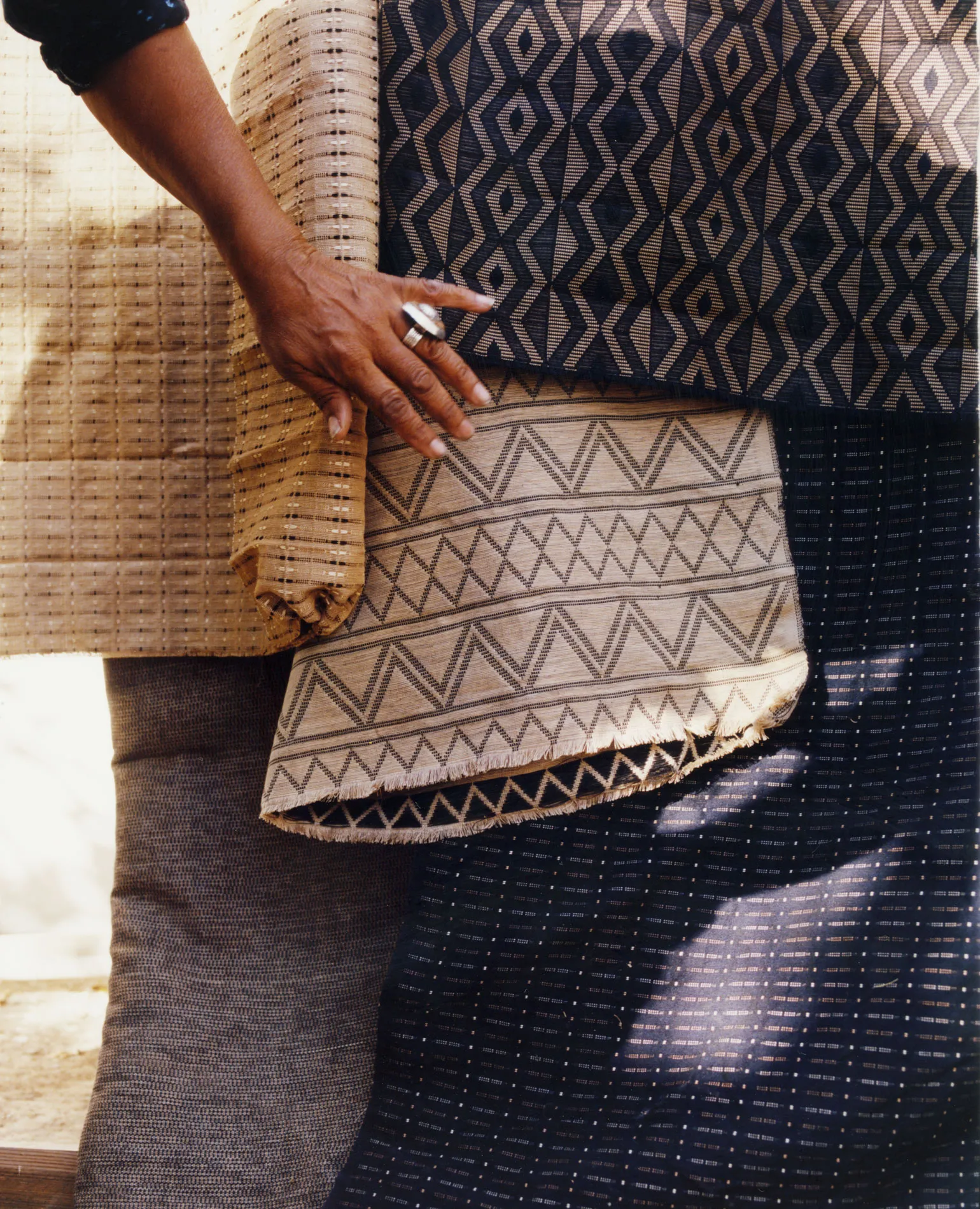
Wolof weavers and other communities maintain the tradition of narrow-strip weaving on upright looms as a core part of Senegalese textiles and craftsmanship.
This technique produces cloth valued for its durability, texture, and cultural importance. These woven strips are carefully joined to form larger fabrics used for important garments and ceremonial attire.
The craft requires an extended apprenticeship under master weavers. Knowledge of pattern creation, loom tension, and design variation is passed down through generations.
Traditional dyeing techniques in Senegal, especially indigo dyeing, further enhance these fabrics with symbolic meaning and distinctive visual depth.
This part of the Senegalese textile economy functions through direct relationships between weavers, dyers, and tailors. It forms resilient textile trade networks in Senegal that link rural production areas with major markets in Dakar and other cities.
These systems represent important cultural and economic capital that continues to influence broader West African fashion.
Also Read:
- Traditional Clothing in Senegal: The Elegance of Boubou and Cultural Identity
- Traditional Clothing in the Benin Republic: Culture, Royalty, and Identity
- Traditional Clothing in Ghana: Beyond Kente, Batakari, Fugu, and Cultural Identity
- Afar (Adal) Women’s Dress: Danakil Culture and Desert Adornment
Traditional Dyeing Techniques and Material Innovation
Traditional dyeing techniques in Senegal are among the most technically sophisticated aspects of Senegalese textiles and craftsmanship.
Artisans, particularly in regions around Dakar and the Petite Côte, master complex processes using indigo, vegetable extracts, and chemical dyes. They do this to achieve deep, lasting colours and intricate patterns.
These methods require precise control of fermentation, oxidation, and multiple dipping stages developed over generations. Dakar textile artisans continue to innovate within these traditions.
They experiment with new dye combinations and resist techniques while preserving core knowledge of colourfastness and fabric behaviour. This marriage of inherited skill and adaptation allows Senegalese fabrics to meet both local demand and the demand for prestige cloth.
Then, there are the evolving tastes of contemporary fashion designers. The economic importance of these dyeing skills extends beyond aesthetics. They create specialised livelihoods, support apprentice systems, and add significant value within the textile trade networks of Senegal.
Through ongoing innovation, Senegalese textiles and craftsmanship remain relevant in a highly competitive regional market.
Contemporary Realities and the Textile Value Chain
Senegalese textiles and craftsmanship now operate in a complex and highly competitive environment. Local producers face intense pressure from cheap imports while struggling with high energy costs.
They also struggle with inconsistent infrastructure and limited access to modern equipment. These conditions shape how the Senegalese textile economy functions today and determine which segments can survive and grow.
Many Dakar textile artisans have adapted by forming closer collaborations with fashion designers who seek authentic local materials for contemporary collections.
Some enterprises are investing in small-scale mechanisation while preserving hand-finishing techniques that command premium prices. However, the majority of the value chain remains fragmented. Weavers, dyers, and tailors often work in informal arrangements that limit their bargaining power and scalability.
Despite these challenges, the Senegalese textile economy continues to demonstrate resilience. It supports thousands of livelihoods and supplies a domestic market that still values locally produced prestige fabrics.
The ability of Senegalese textiles and craftsmanship to navigate these structural realities will play a major role in determining their influence on West African fashion in the coming decades.
The Omiren Argument
Senegalese textiles and craftsmanship are not mere suppliers or cultural relics supporting West African fashion. They form one of the most organised and influential textile economies in the region.
For decades, the dominant narrative has presented Senegal primarily as a consumer and finisher of imported fabrics, especially bazin.
In reality, Senegalese artisans, dyers, weavers and traders have built sophisticated systems of production, knowledge transmission, and value creation. This actively shapes regional tastes, prestige, and economic flows.
It disrupts the assumption that authentic textile power in West Africa lies only in countries with dominant handwoven traditions. Through mastery of industrial dyeing, strategic adaptation of imports, and resilient trade networks, Senegalese textiles and craftsmanship have created a hybrid model.
This model delivers both cultural relevance and commercial scale. The cultural insight is decisive. Senegal has transformed external materials into local prestige systems while maintaining living artisanal knowledge.
This positions Senegalese textiles and craftsmanship as active architects of West African fashion rather than passive participants.
Support Senegalese textiles and craftsmanship by choosing garments made with locally produced bazin and handwoven fabrics. By prioritising these textiles, you actively strengthen one of West Africa’s most significant textile economies and living craft traditions.
Frequently Asked Questions
- What Is Textile Craftsmanship?
Textile craftsmanship is the skilled, often handmade process of creating fabrics and textile products using techniques such as weaving, dyeing, embroidery, knitting, and spinning.
- What Is the Traditional Clothing of Senegal?
The traditional clothing of Senegal prominently features the boubou (or grand boubou), a wide, flowing robe made from lightweight fabrics like bazin, cotton, or wax, often adorned with intricate embroidery.
Worn by both men and women, it is typically paired with matching pieces such as trousers, tunics, or a pagne (wrapper) and headscarf for women.
- What Is Senegal Mostly Known For?
Senegal is widely recognised for its warm hospitality, known locally as teranga, which reflects a deep cultural value of welcoming guests and community spirit.
The country stands out for its vibrant arts scene, including mbalax music, dance, literature, and visual arts, alongside its stable democracy in West Africa.
- What Is Senegal’s Biggest Export?
Senegal’s largest exports are mineral fuels, including crude and refined petroleum, which account for a significant share of its export value.
Other major exports include gold, phosphoric acid, fish and seafood, and groundnuts (peanuts). These commodities drive the economy, with petroleum products often leading in recent trade data.
- How to Dress as a Woman in Senegal?
As a woman in Senegal, I prioritise modesty and comfort by choosing loose-fitting, breathable clothing that covers the shoulders, chest, and knees, such as long skirts, tunics, kaftans, or mid-length dresses.
Lightweight fabrics like cotton or traditional bazin work well in the heat, and carrying a scarf or wrap is useful for religious sites or more conservative areas.
While Dakar is relatively cosmopolitan and allows some flexibility, e.g., short sleeves are preferred over revealing outfits like short shorts or crop tops, especially outside tourist zones.