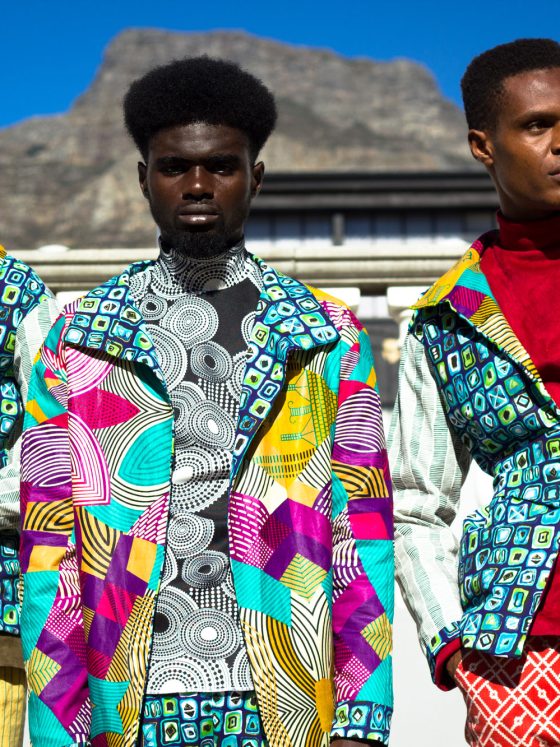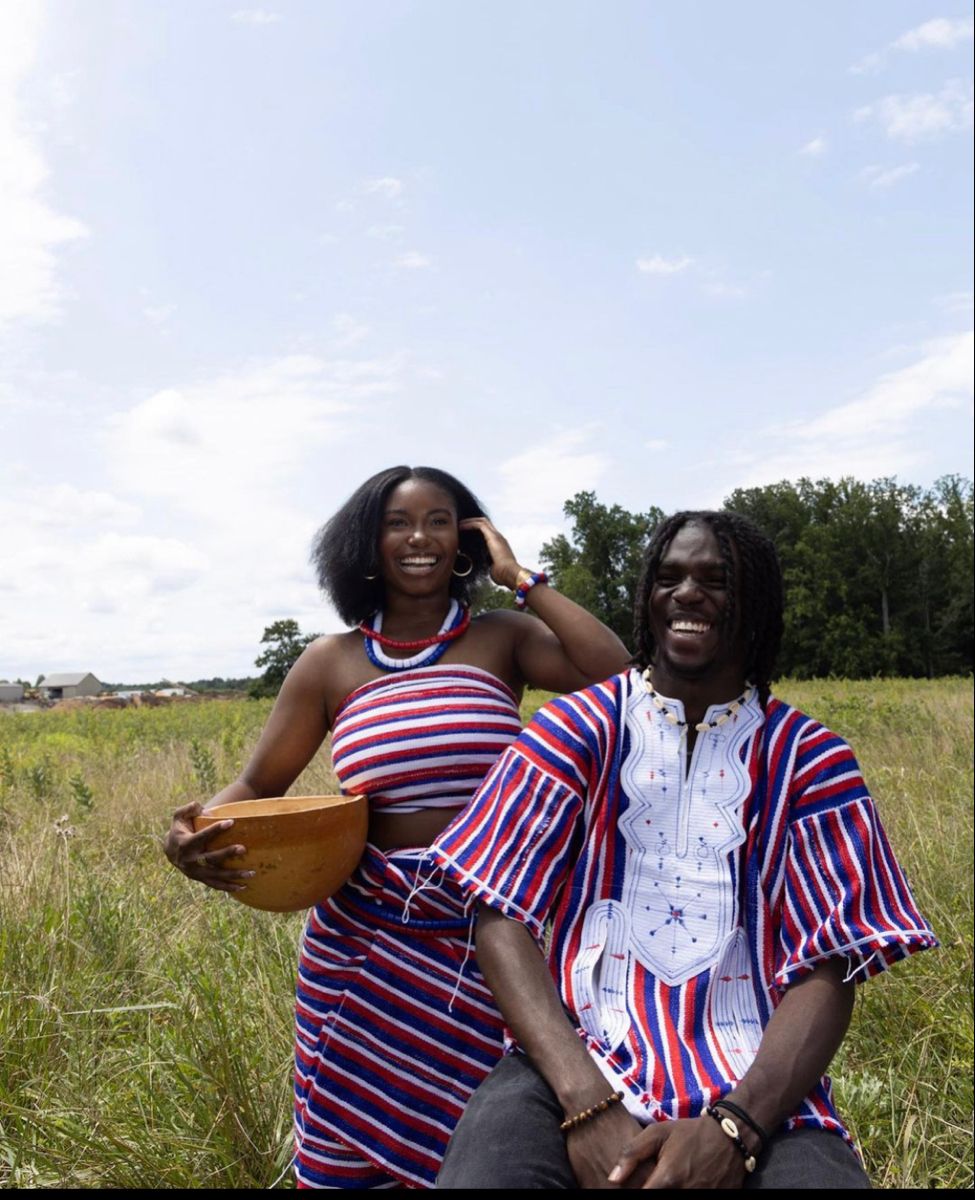
Throughout the centuries of West African history, Liberian fabrics and fashion heritage evolved via migration, commerce, survival, ritual, and cultural reinvention. Neither a single ethnic identity nor an unbroken fashion system has influenced Liberia’s textile traditions. Rather, the interplay of Indigenous communities, regional trade networks, settler influence, ceremonial practices, and local craftsmanship that turned fabric with social meaning gave rise to Liberian clothing culture.
When discussing African fashion internationally, that complexity frequently vanishes. Liberia’s textile traditions are understudied, but the country is often discussed in terms of politics, conflict, or diaspora history. However, throughout Liberia’s history, textiles have been used by various ethnic groups and regions to convey status, spirituality, community belonging, labour identity, and ceremonial significance. The body was not just covered by clothing. Social life was organised by it.
Communities such as the Kpelle, Bassa, Gio, Kru, Vai, Grebo, and Mano peoples developed unique dress systems shaped by geography, climate, access to trade, and cultural practices, all of which contributed to the evolution of traditional Liberian fabrics. Ceremonial clothing, indigo-dye customs, handwoven textiles, country cloth production, and wrapper culture shaped a fashion legacy rooted in adaptation rather than homogeneity.
Over time, Liberian textile culture was also altered by trade routes that linked the country to neighbouring Sierra Leone, Guinea, Côte d’Ivoire, and larger West African markets. Through trade, imported textiles entered local markets, but Liberian consumers continually transformed them through customs, ceremonial use, and cultural interpretation. Because Liberian communities have repeatedly reconstructed clothing culture in response to shifting historical realities, the country’s fashion heritage cannot be reduced to a static tradition. Through ceremonial attire, modern tailoring, textile revival movements, and designers reintroducing younger generations to Indigenous craftsmanship and historical identity, Liberian fabrics and fashion heritage continue to influence contemporary Afrocentric fashion.
Liberian fabrics and fashion heritage reflect trade, identity, craftsmanship, and cultural memory shaped across generations of Liberian history.
Country Cloth and Indigenous Textile Traditions Built Liberian Fashion Heritage
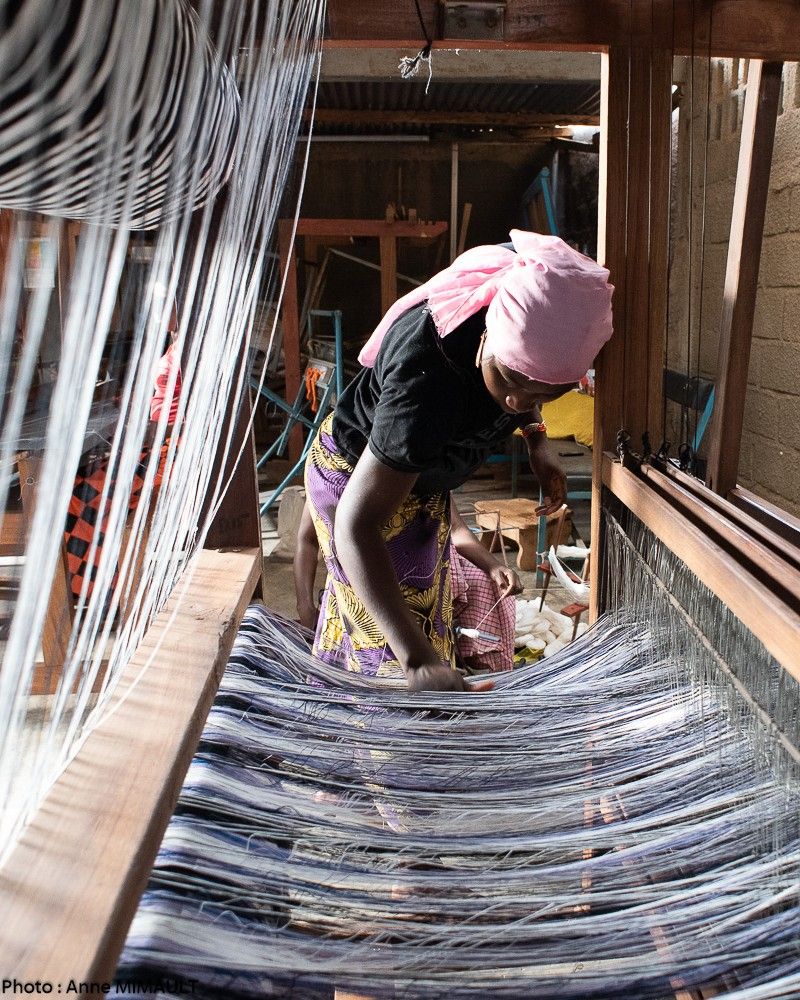
It is impossible to comprehend Liberian fabrics and fashion heritage without considering Indigenous textile systems and country cloth customs that have influenced ceremonial and everyday attire for many generations. Communities throughout the region had long upheld weaving customs linked to labour, identity, prestige, and spirituality long before large quantities of imported textiles entered Liberian markets.
One of the most identifiable textile traditions in Liberian cultural history is country cloth. These fabrics had social and ceremonial significance in several communities. They were handwoven on narrow-strip looms and sewn together into larger garments. Weaving techniques were frequently organised through family or community structures that safeguarded specialised craftsmanship, and production required technical knowledge passed down through the generations.
Geographical location and access to trade were also reflected in textiles. Because of their interactions with traders, missionaries, and maritime commerce, coastal communities developed distinct material cultures from inland groups. Thus, the flow of fabrics influenced both regional economic ties and fashion trends.
Some ceremonial clothing had symbolic meanings related to social responsibility, leadership, adulthood, or initiation societies, and during significant events, wrappers, robes, head ties, and layered clothing frequently denoted ceremonial rank or community membership. Textile presentation played a role in the social communication of dignity and public respectability in many communities.
Additionally, rather than being isolated, Liberian fashion heritage evolved through exchange. Through migration and trade, West African textile systems were constantly influencing one another. According to Traditional Clothing in Benin Republic: Culture, Royalty, and Identity, Liberian ceremonial life also exhibited a different relationship between clothing and political identity, with fabrics frequently reflecting communal identity more strongly than royal hierarchy.
Through modern tailoring and textile revival projects, Liberian designers continue to explore the aesthetics of country cloth. Liberian textile references have been incorporated into contemporary collections by brands like House of Paon and Korto Momolu, reconnecting heritage fabrics with younger audiences and global fashion visibility.
Therefore, the survival of Liberian textiles is not due to their immunity to modernity, but rather to communities’ repeated adaptation of textile traditions to new cultural and economic realities without losing their symbolic meaning.
Trade, Colonial Influence, and Urban Fashion Changed Liberian Textile Culture
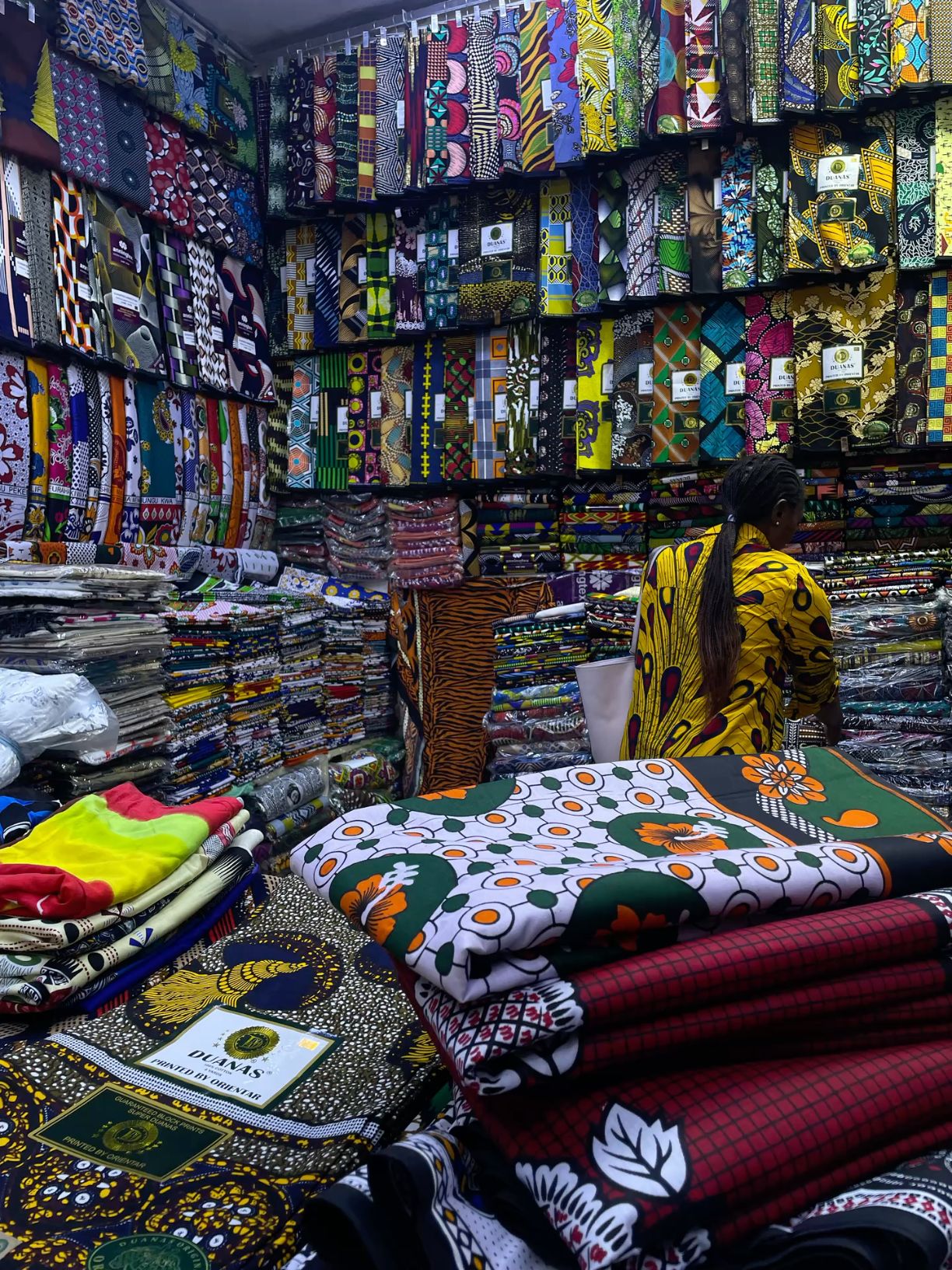
Trade growth, settler influence, imported textiles, and urbanisation all had a substantial impact on Liberia’s textile and fashion heritage. As communities came into contact with new fabrics, tailoring techniques, and international fashion economies that entered West Africa through colonial trade and Atlantic exchange, clothing customs continued to change.
Through regional trade networks and European trade routes, imported cotton fabrics, lace materials, and wax prints gradually entered Liberian markets. Local consumers, however, did not merely copy foreign fashion trends. Liberians used imported fabrics to create culturally distinctive garments that were influenced by social norms, local ceremonies, and the climate.
Aspects of formal dress culture in cities such as Monrovia were also influenced by Americo-Liberian culture. Victorian-inspired tailoring, structured dresses, church attire, suits, and Western formalwear aesthetics were brought to Indigenous textile traditions by settler communities from the United States. Liberia’s political and cultural history gave rise to hybrid fashion identities through that interaction.
In the twentieth century, urban tailoring culture gained significant traction. Instead of focusing solely on European fashion standards, tailors used imported fabrics to create clothing that reflected Liberian aesthetics and ceremonial expectations. Monrovia’s fashion markets have evolved into venues for the creative reinterpretation of international textiles.
Liberia’s textile economy was also greatly influenced by female traders. Market women oversaw the distribution of fabrics, shaped consumer preferences, and determined which imported goods gained popularity in local communities. Even during periods of political unrest and economic upheaval, their contributions supported Liberia’s broader fashion infrastructure.
Therefore, rather than being pure, Liberian fashion heritage reflects adaptation. This fact reflects larger Afrocentric textile histories throughout the Atlantic region. According to Colombian Traditional Fashion: What the Mola, the Pollera, and Cartagena’s Dress Culture Actually Are, clothing customs developed not only through permanent cultural isolation but also as a result of Indigenous identity, colonial contact, migration, and regional reinterpretation.
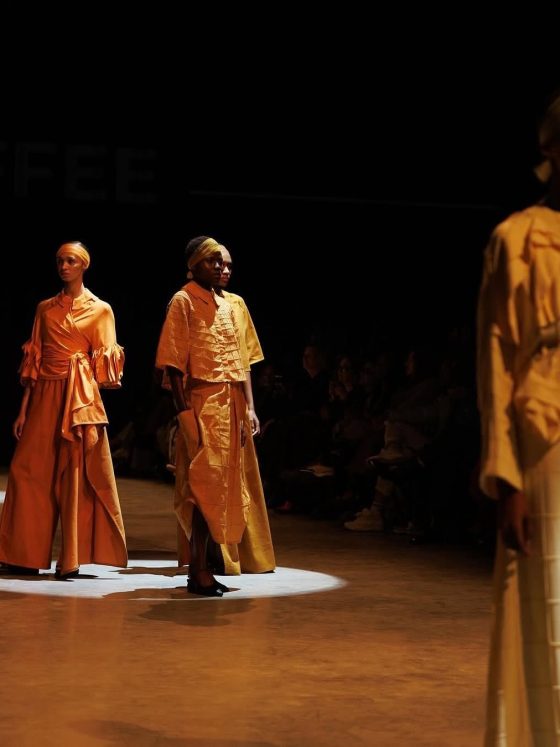
Contemporary Liberian artists are still expanding upon these multi-layered histories. In contemporary African design spaces, designers such as Boriah Atelier combine Afrocentric textile references with structured tailoring to reflect Liberia’s evolving fashion identity.
Trade, Colonial Influence, and Urban Fashion Changed Liberian Textile Culture
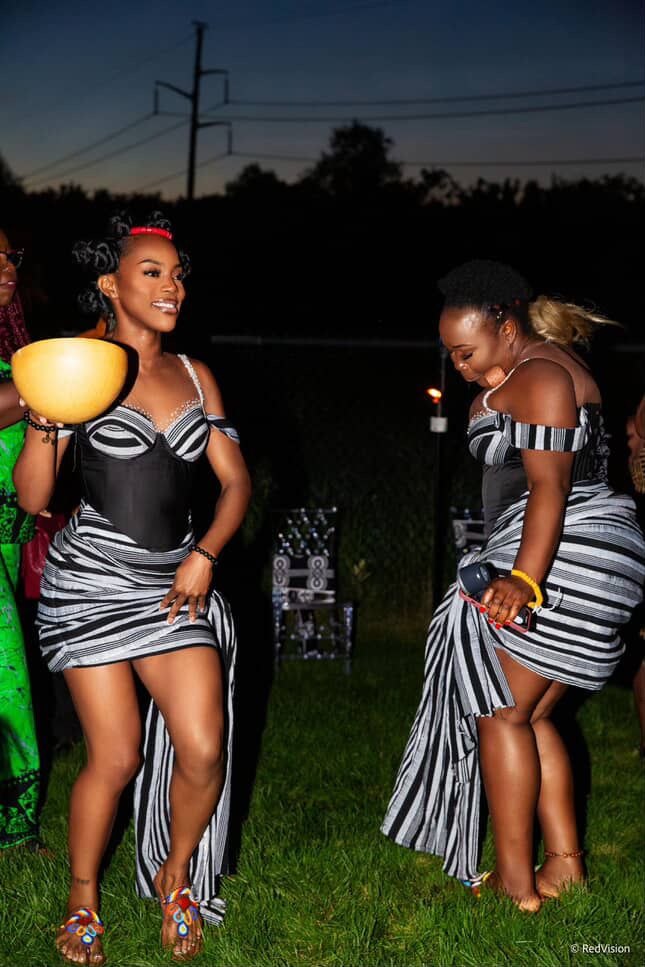
Because ceremonial clothing continues to influence how identity, respectability, and social belonging are expressed throughout Liberian society, Liberian fabrics and fashion heritage remain culturally significant. Traditional and semi-traditional clothing is still used extensively at weddings, funerals, graduation ceremonies, church events, and cultural festivals to maintain ties between modern life and historical memory.
Liberian women continue to place a high value on wrapper culture across many communities. Wearing matching fabrics at weddings and other events frequently conveys a sense of collective identity, cultural pride, or family unity. Head ties, layered clothing, embroidered clothing, and coordinated ceremonial dress are still used as social presentation techniques that are strongly associated with respectability and dignity in public.
Modern Liberian clothing customs are also heavily influenced by church culture. Formal church attire was incorporated into more general notions of grace and social standing, particularly in urban areas where religious organisations were essential to community organisation. Indigenous aesthetics gradually blended with structured dresses, suits, lace garments, and coordinated ceremonial attire to create distinctively Liberian occasion wear.
Through modern styling, diaspora influence, and digital fashion culture, younger Liberians are currently reshaping the country’s fashion heritage. Instead of being restricted to ceremonial settings, traditional fabrics are becoming more prevalent in modern silhouettes, contemporary tailoring, and Afrocentric streetwear aesthetics. Because of this shift, heritage textiles can continue to be used in regular cultural expression.
Additionally, contemporary Liberian designers are changing how fashion heritage is portrayed abroad. Many creatives now approach Indigenous textile culture as a basis for luxury fashion, conceptual design, and modern Afrocentric identity, rather than viewing Liberian aesthetics as folklore or costume. This change is significant because it situates Liberian fashion within the realm of active creative authorship rather than mere cultural preservation.
Fabric traditions, where weaving, ceremonial dressing, and tailoring continue to link contemporary Liberia to earlier systems of social identity and collective memory, further highlight the cultural continuity examined in Traditional Clothing in Liberia: Culture, History, and Identity.
As a result, Liberian textiles and fashion traditions endure because they keep changing in tandem with their surroundings. The preservation of the meanings that communities continue to attach to clothing is more important to the survival of textile culture than maintaining clothing in its original form.
The Omiren Argument
Liberian fabrics and fashion heritage should be viewed as proof of Liberia’s ongoing cultural adaptation through trade, migration, colonial disruption, and contemporary reinvention, rather than as enduring relics of tradition.
Without considering the economic systems, labour structures, and historical exchanges that shaped how fabrics circulated and gained meaning across communities, international discussions about Liberian fashion often reduce the nation’s clothing culture to generic West African aesthetics or ceremonial attire.
Cultural isolation was never a factor in the development of Liberian textile culture. Alongside local trade networks, country clothing customs developed. Through tailoring and ceremonial use, imported textiles became culturally Liberian. Without eliminating Indigenous aesthetics, urban fashion incorporated church culture, settler influence, and Atlantic trade. Therefore, what endures today is layered cultural negotiation preserved through clothing rather than unaltered tradition
This distinction alters the understanding of heritage itself. Because communities freeze culture in its most primitive form, fashion heritage does not survive. It endures because people consistently preserve the meanings associated with older symbols while reinterpreting them within new social realities.
Because Liberians continue to view clothing as cultural infrastructure rather than decorative nostalgia, Liberian fabrics and fashion heritage are still relevant today. The clothing survives through reinvention rooted in memory, ceremony, labour, and identity rather than mere preservation.
Frequently Asked Questions (FAQs):
- What are the most important traditional fabrics in Liberia?
Traditional Liberian fabrics include country cloth, woven ceremonial textiles, indigo-dyed materials, wrappers, and hand-stitched garments, all of which were historically used across different ethnic communities. Country cloth remains one of the most culturally significant textile traditions because it reflects Indigenous weaving systems, ceremonial identity, and historical craftsmanship passed through generations.
- What is country cloth in Liberia?
Country cloth is a traditional handwoven textile historically produced in Liberia and neighbouring parts of West Africa using narrow-strip weaving techniques. Artisans weave thin strips of fabric individually before stitching them together into larger garments or ceremonial cloths. The fabric carries cultural, social, and historical significance across several Liberian communities.
- How did trade influence Liberian fashion heritage?
Regional and Atlantic trade networks significantly shaped Liberian fashion heritage by introducing imported textiles, tailoring methods, and commercial textile economies into local markets. Liberian communities adapted these materials through local styling, ceremonial use, and tailoring traditions, creating clothing systems that blended external influence with Indigenous cultural identity.
- How is Liberian fashion heritage preserved today?
Liberian fashion heritage is preserved through ceremonies, weddings, cultural festivals, textile revival projects, contemporary Afrocentric fashion design, and intergenerational craftsmanship. Modern designers increasingly reinterpret traditional fabrics through contemporary tailoring, enabling younger audiences to engage with Liberian cultural aesthetics in new ways.
- Why is Liberian fashion heritage important in Afrocentric fashion history?
Liberian fashion heritage demonstrates how African textile cultures evolved through adaptation rather than cultural isolation. Liberia’s fabrics reflect Indigenous craftsmanship, Atlantic exchange, urban tailoring traditions, ceremonial identity, and regional trade systems that contributed to wider Afrocentric fashion history across West Africa and the diaspora.
Explore More
Read the full Africa and Culture section at https://omirenstyles.com/category/culture/ for Omiren Styles’ documentation of the textile traditions, dress cultures, and fashion systems that African communities have been building and maintaining across the continent for centuries, documented with the specificity and cultural depth they deserve.