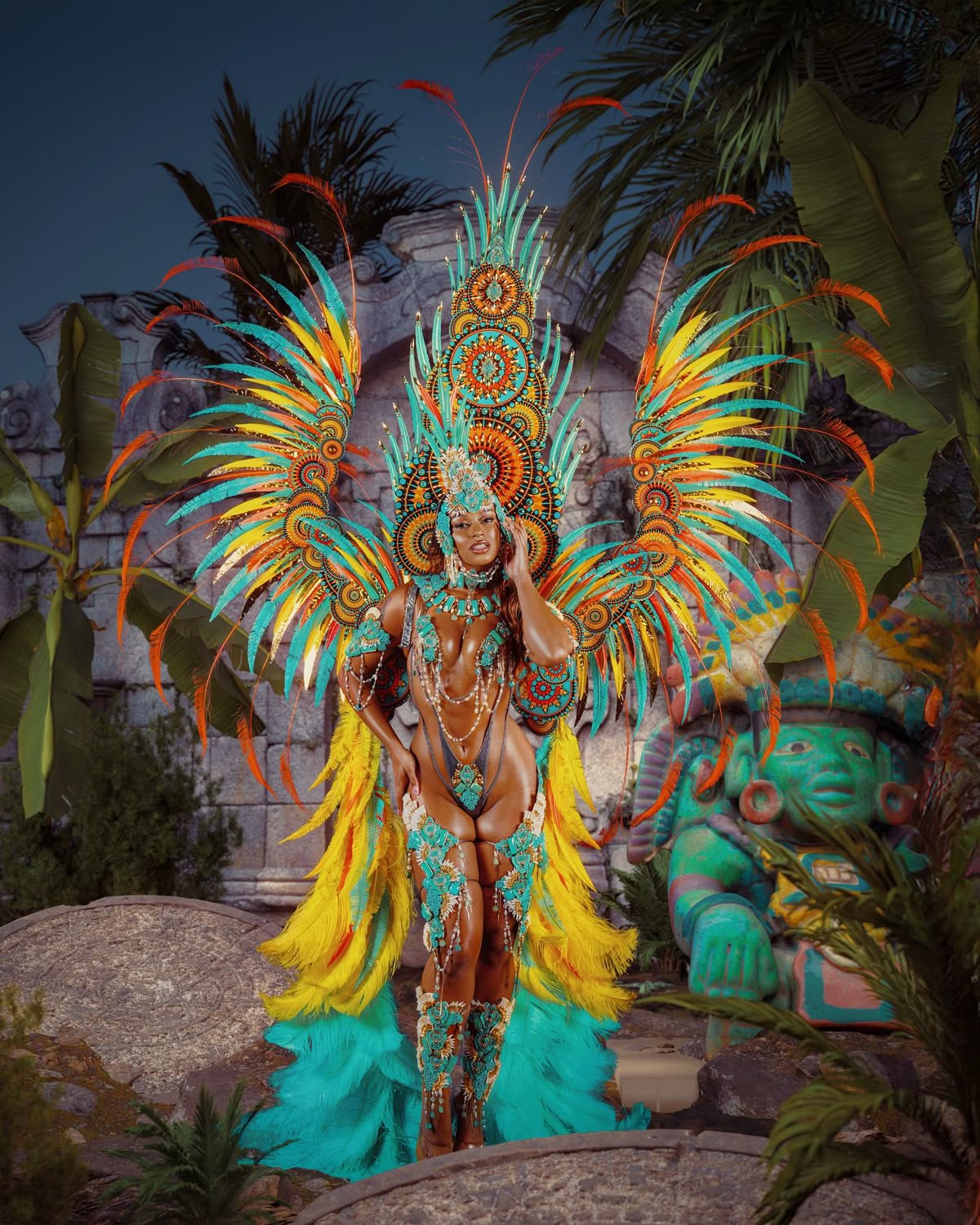
Before a Carnival costume reaches the road in Port of Spain, it has already passed through workshops crowded with wire frames, industrial glue, fabric rolls, rhinestones, feathers, mesh, and skilled labour that rarely appears in photographs of the final parade. Designers sketch sections months in advance. Wire benders shape structures by hand. Sewists cut and reinforce fabric so costumes can survive heat, movement, and long hours of performance. Carnival cloth in Trinidad and Tobago is not simply a decorative material. It is part of a production system that combines artistry, engineering, ritual memory, and economic survival.
The visibility of Carnival often hides the textile culture beneath it. Costumes appear briefly in public view, but the traditions behind them are built through year-round networks of makers, suppliers, and masquerade camps. Understanding Trinidad’s Carnival dress culture means understanding how cloth is selected, altered, assembled, and transformed into meaning.
Wire bending, textile labour, mas traditions, and community production systems shape Trinidad Carnival costume culture.
From Traditional Mas to Contemporary Costume Design
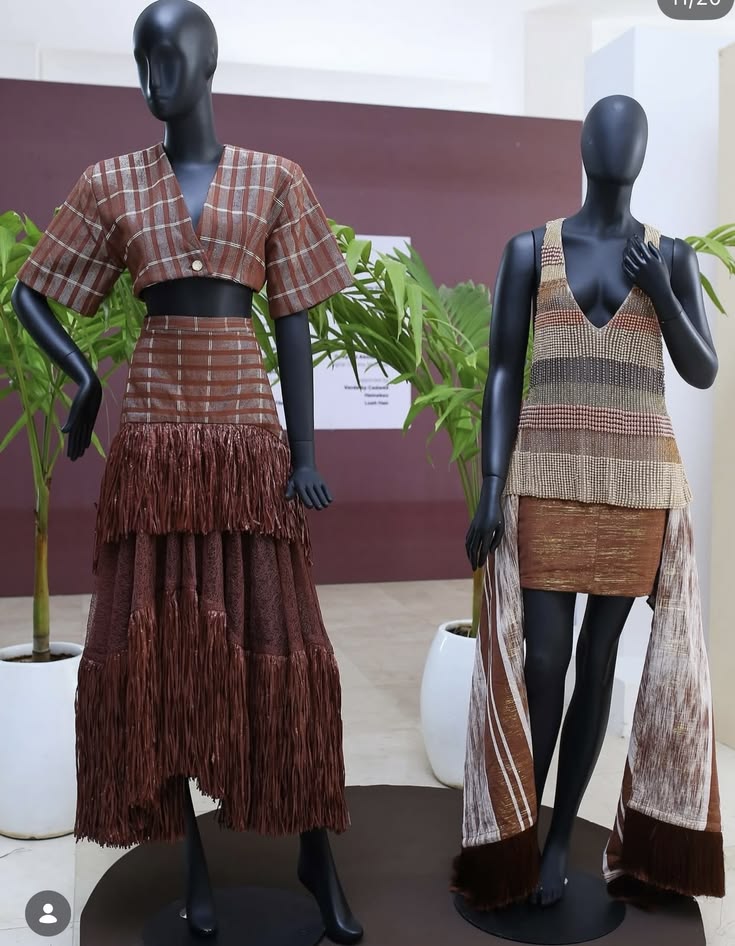
Textile traditions within Trinidad Carnival did not begin with the highly beaded bikini-and-feather aesthetic associated with many modern mas bands. Earlier forms of MAS relied on different material systems tied to satire, storytelling, and character performance.
Traditional masquerade characters such as the Midnight Robber, Pierrot Grenade, Jab Molassie, and Dame Lorraine used cloth to exaggerate social identity and theatrical presence. Long capes, oversized sleeves, padded garments, layered fabrics, and dramatic hats transformed the body into performance. The fabric itself carried a symbolic purpose because the costumes needed to communicate character immediately within crowded public spaces.
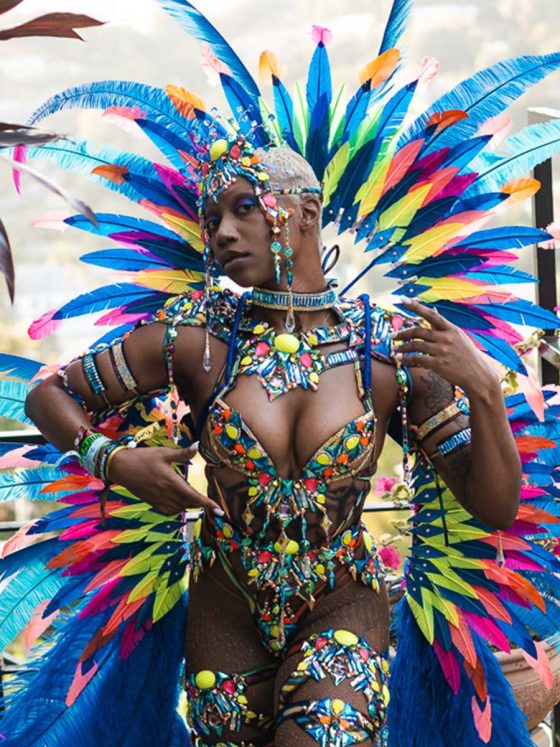
As Carnival evolved commercially and internationally, costume production shifted toward lighter materials designed for movement and visual spectacle on the road. Stretch fabrics, mesh, sequins, synthetic feathers, and rhinestone detailing became increasingly common because they allowed masqueraders to dance more freely while maintaining visual impact under sunlight and stage lighting.
This transition did not erase older traditions. Traditional mas continues to coexist with contemporary band production, creating multiple Carnival textile systems operating simultaneously.
Wire Bending, Fabric Engineering, and Costume Construction
One of the defining elements of Trinidadian Carnival costume culture is wire bending. Large costumes and frontline pieces depend on carefully shaped wire structures that support feathers, fabric, and sculptural attachments without collapsing during performance.
Wire bending functions as both an engineering and a craft practice. Makers must understand weight distribution, balance, movement, and durability. Costumes are designed not only to look dramatic but also to survive dancing, transport, and crowded parade conditions.
Fabric choice is equally functional. Mesh and stretch textiles dominate many modern costumes because they accommodate heat, body movement, and long wear. Materials are selected based on performance conditions rather than on formal tailoring traditions alone.
The assembly process is highly collaborative. Costume camps bring together designers, tailors, bead workers, glue specialists, feather assemblers, and section leaders working under intense production schedules before Carnival season. The final garment represents collective labour rather than individual craftsmanship alone.
Imported Materials and Local Creative Control
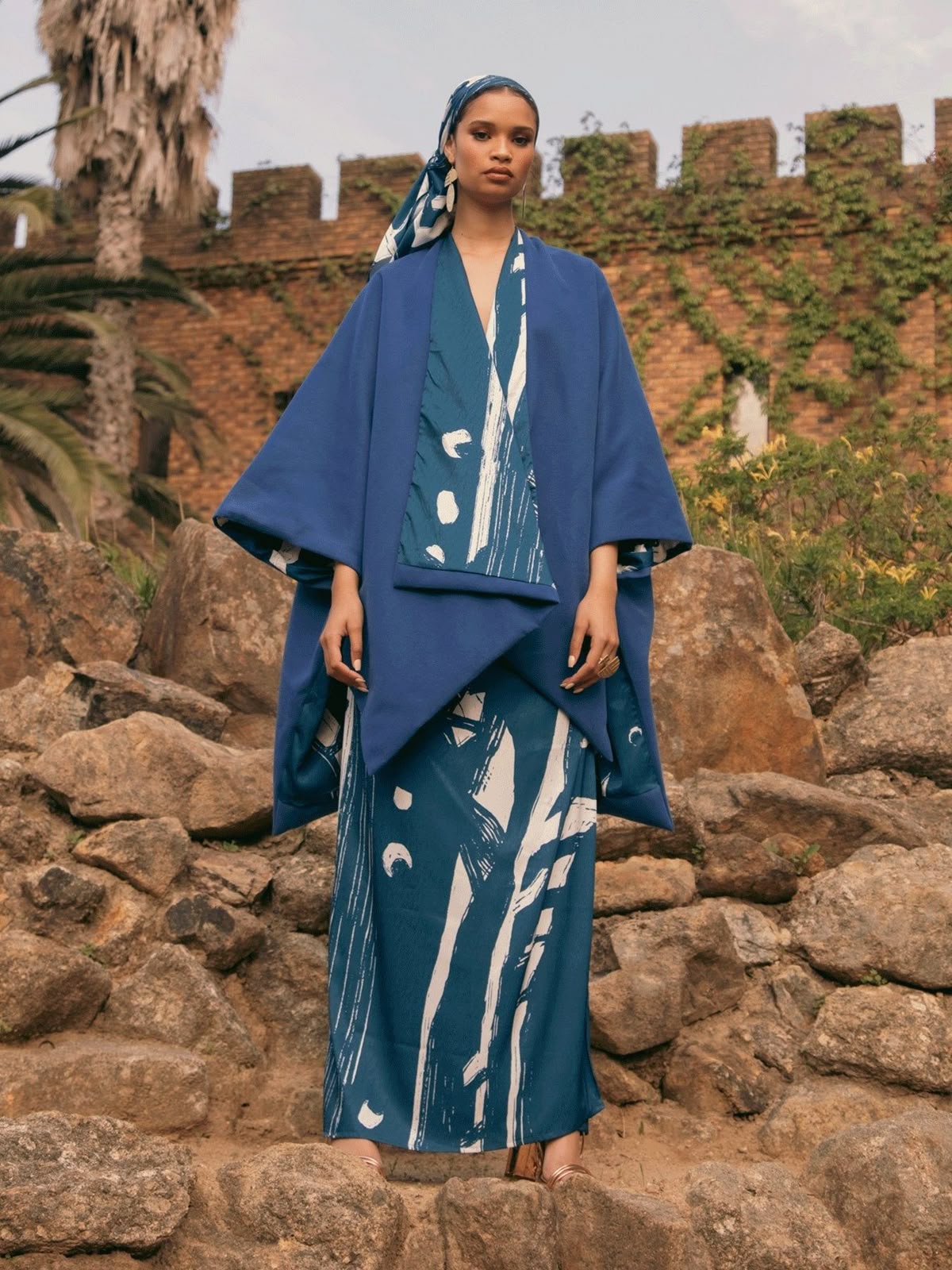
Despite Carnival’s strong cultural ownership in Trinidad and Tobago, much of the material infrastructure supporting costume production relies on imported supplies. Feathers, rhinestones, synthetic fabrics, and decorative materials are often sourced internationally due to cost and manufacturing limitations within the local economy.
This creates a layered relationship between local creativity and global supply chains. Trinidadian designers maintain creative control over costume aesthetics and production methods while relying heavily on imported materials to meet the scale and expectations of modern Carnival production.
At the same time, local textile and craft economies continue to shape aspects of Carnival production. Tailors, fabric vendors, wire benders, and independent costume makers sustain livelihoods through the carnival industry, particularly in the months leading up to the festival season.
The economic significance of these networks extends beyond tourism. Carnival costume production supports year-round creative labour tied directly to Trinidadian cultural infrastructure.
READ ALSO:
- Afro-Dominican Fashion: Visibility, Identity, and the Dress Culture of Dominican Communities
- Afro-Cuban Fashion: Abakuá Societies, Yoruba Heritage, and the Politics of Afrocentric Identity
Carnival Cloth as Social Meaning
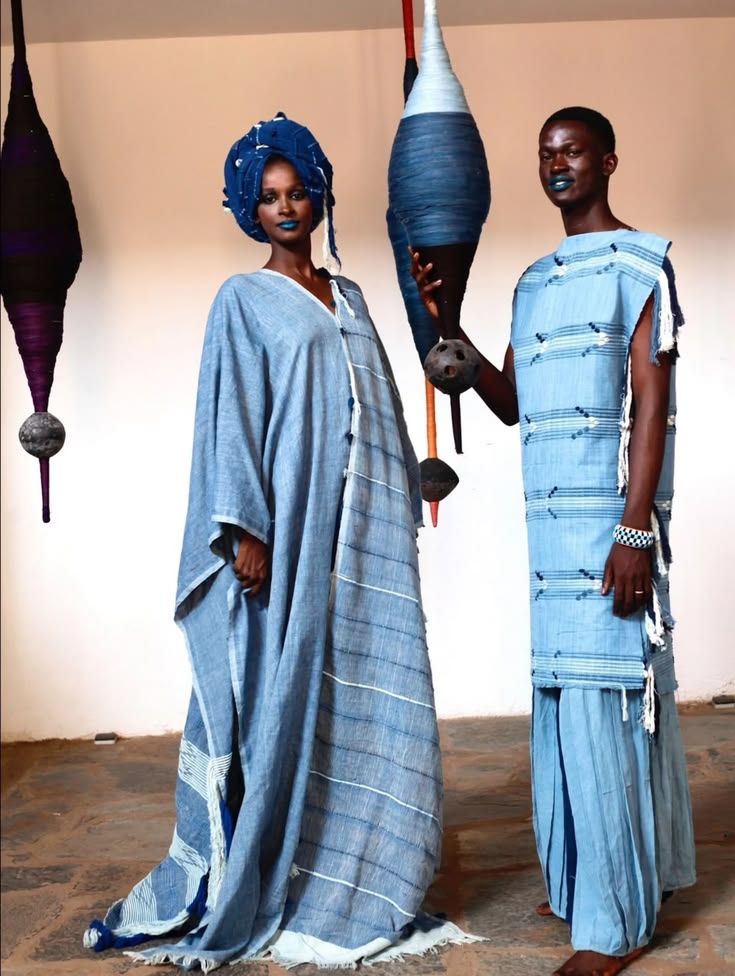
Carnival costumes in Trinidad do more than decorate the body. They organise participation, visibility, and affiliation. Joining a mas band means entering a temporary collective identity expressed through coordinated costume sections and shared visual language.
Certain fabrics and costume styles also communicate status within Carnival culture. Frontline costumes with heavier embellishment and larger feather structures often indicate higher financial access within premium bands. Simpler sections operate differently yet maintain strong visual coherence and a sense of group belonging.
Traditional mas costumes carry another form of meaning tied to cultural memory and performance lineage. Their continued presence keeps historical forms of storytelling active within the Carnival space, even as contemporary aesthetics dominate commercial imagery.
The Omiren Argument
Carnival costume culture in Trinidad and Tobago is often reduced to spectacle, with fabric and design treated as visual excess, disconnected from deeper cultural structure. This interpretation focuses on the final parade image while ignoring the systems of labour, material engineering, and performance tradition that make Carnival dress possible.
In reality, Trinidad’s Carnival textile culture operates through interconnected systems of wire bending, collaborative production, imported material networks, and historical masquerade traditions. Clothes in a carnival are not passive decorations. It functions as architecture, storytelling, affiliation, and economic infrastructure within one of the Caribbean’s most sustained creative industries.
FAQs
- What materials are commonly used in Trinidad Carnival costumes?
Modern Carnival costumes often use mesh, stretch fabric, rhinestones, feathers, wire structures, and synthetic decorative materials.
- What is wire bending in Carnival costume production?
Wire bending is the craft of shaping structural wire frameworks that support large costume pieces during Carnival performances.
- Are traditional mas costumes still used in Trinidad Carnival?
Yes. Traditional mas characters such as the Midnight Robber and Jab Molassie continue to appear during Carnival celebrations.
- Does Trinidad produce its own Carnival fabrics?
Many costume materials are imported, though local designers, tailors, and makers control costume construction and creative direction.
- Why is Carnival costume production important economically?
The industry supports designers, artisans, tailors, vendors, and creative workers connected to Trinidad’s Carnival infrastructure.