This article contains affiliate links. We may earn a small commission if you purchase through our links at no extra cost to you.
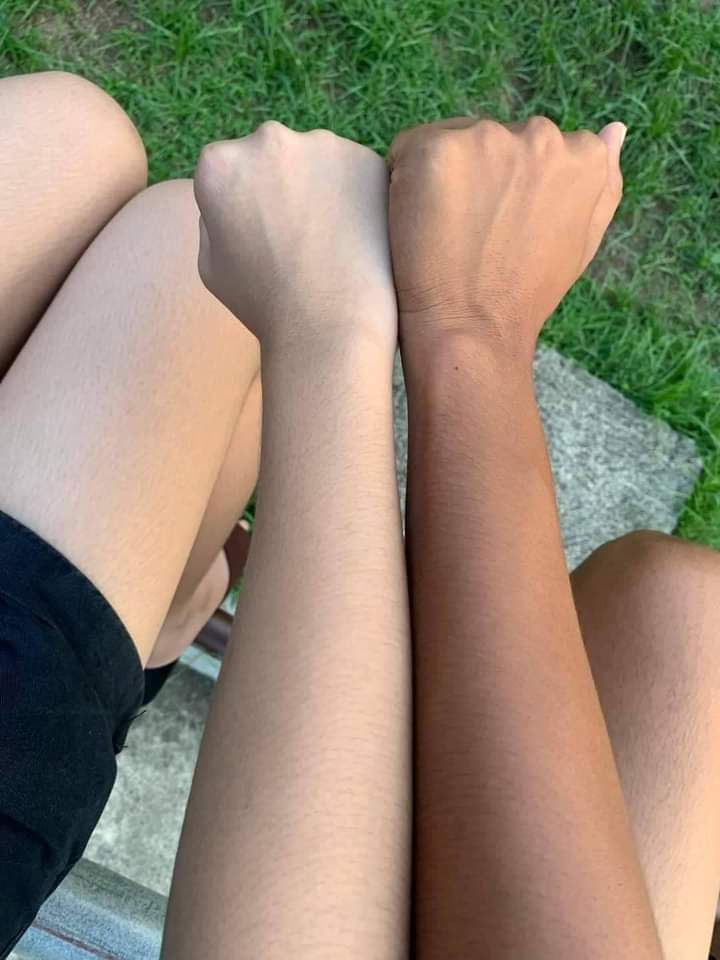
Skin bleaching might be seen as an individual choice, a cosmetic preference. However, it’s actually the result of a system. A system that, for decades, has produced lighter skin as more valuable, more capitalisable, and more acceptable on the international and local cosmopolitan stage.
Whitening creams are a part of this system. Sold to brighten, even out tone, or radiate, many of these creams have aggressive modes of action, blocking melanin production, thinning the skin or stimulating cell turnover to unsafe levels. The effects may be short-lived, but what are the long-term consequences?
The effects on melanin-rich skin go beyond cosmetics. Skin bleaching damages the skin barrier, causes sensitisation, and can result in worsening hyperpigmentation, pigmentation irregularities, and tissue damage. This apparently corrective practice often turns into a vicious cycle of addiction.
This piece does not consider skin bleaching an individual problem. It considers it a systemic issue because the question is not why people use these products, but why the system allows them to exist.
Skin bleaching is a growing crisis affecting African women’s skin health. Discover the risks, hidden damage, and why global beauty standards continue to drive harmful practices.
Skin Bleaching Works by Damaging the Skin Barrier
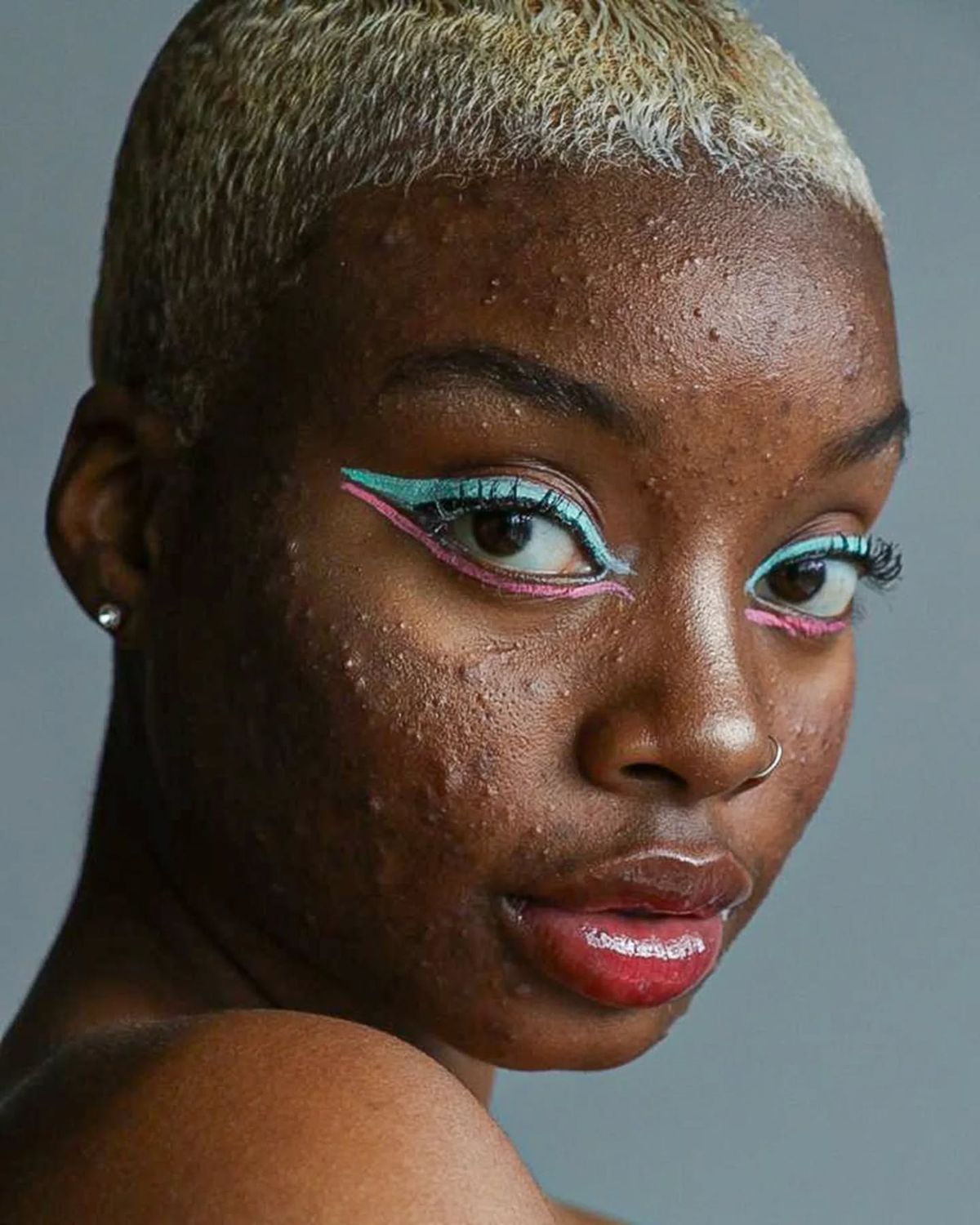
Skin whitening products are sold as cosmetics, but they’re not. These creams often contain active ingredients such as hydroquinone, corticosteroids, or mercury compounds, which suppress melanin production. This might lead to lighter skin, but it does so by interfering with the skin.
Melanin is not an imperfection. It is a protective system. It protects against sun damage, maintains skin structure and acts as a moderator of the skin’s response to stress. Products that bleach the skin suppress melanin, which weakens the skin.
This results in thinning of the skin barrier, increased sensitivity, and greater irritation and inflammation. In fact, this can lead to worse hyperpigmentation, as the skin overcompensates. The correction becomes an escalation.
For people trying to improve uneven skin tone without relying on aggressive lightening products, niacinamide and azelaic acid are usually considered two of the more dependable ingredients to start with. They’re generally better tolerated on melanin-rich skin and tend to support gradual improvement without pushing the skin too aggressively.
Here’s where we need to change tack. African brands are moving towards protection instead of correction. Arami Essentials emphasises skin barrier repair with oils and butters, while Skin Gourmet emphasises unprocessed ingredients that work with the melanin-rich skin.
The Real Driver Is Not Skincare: It Is Beauty Hierarchy

Skin bleaching is talked about in relation to skincare products, formulations, and therapies. But this approach is inadequate. This decouples practice from a practice. It is not skin care that is the culprit behind skin bleaching; it is a beauty hierarchy that has been built, promoted, and exported over the past decades.
This hierarchy is also both global and local. Globally, standards of beauty and media and advertising practice have perpetuated the idea of lighter skin as a desirable and marketable product. On a local level, these standards are adopted, absorbed, and recycled through social systems, cultural ideals and even employment opportunities. Skin becomes social currency.
Skin whitening creams are considered enablers within this system. They respond to an already existing need. But, in doing so, they also contribute to that demand, creating a cycle in which the products make the demand seem acceptable, and the demand sustains the products.
Words such as those employed in the marketing copy are key. Words such as brightening, glow, and even tone are neutral or seemingly health-concerned words, but they can be loaded in context. They open the space for lightening to be seen as caring, and changing skin tone to be seen as a cure for poor skin quality. This serves to require that problematic topics exist within the context of skincare culture, unquestioned.
What makes the system so resilient is that it does not impose itself as coercive. It is based on suggestion, not compulsion. Bleaching comes to be seen as voluntary, but what is voluntary is determined patronisingly by what is rewarded, what is seen and what is repeatedly defined as aspirational.
Healthy skin routines tend to work best when the focus is on protection and consistency rather than trying to completely transform your skin overnight. These products are suitable for melanin-rich skin and fit easily into a simple routine.
African skincare brands are now changing this balance, but not by directly challenging this paradigm with words and images. They are doing so by changing the paradigm of skincare. Brands such as 54 Thrones prioritise narratives and ingredients of African origin without dilution or substitution, presenting them as complete in and of themselves rather than as substitutes for global norms. Epara Skincare is a luxury brand without losing its melanin-rich focus on skin and signalling that quality skincare need not align with Eurocentric standards.
But more importantly, brands such as Arami Essentials and Skin Gourmet remove correction entirely. They do not attempt to change the skin’s appearance, merely maintain its ability to perform. This is a slight but important distinction with huge implications. It transforms the function of skincare from improvement to support, from change to fit.
This is more than semantics. When the role of skincare is no longer seen as identity transformation, the market for transforming skincare products becomes more fragile, not right away, of course, but in the long run.
The problem of skin bleaching cannot be solved via products. It’s a crisis born of an imbalanced value system, one that will not be overcome product by product.
ALSO READ:
- The Melanin Shade Gap: Why African Women Are Still Underserved By Global Beauty
- The Future of Skin Science
- The Skin Barrier and Why African Climates Demand a Completely Different Routine Logic
The Long-Term Damage Is Structural, Not Cosmetic

When we talk about skin bleaching, we usually focus on what we can see: discolouration, paper-thin skin, and itchiness. But these are symptoms of an underlying problem. The damage is structural. It relates to its function, integrity, and longevity.
Long-term use of bleaching products confounds the skin barrier. Active ingredients designed to diminish melanin or prevent its natural turnover destabilise the skin’s natural balance. This leads to not only sensitivity, but also reactiveness — a skin that will behave erratically with heat, sunlight and even regular skin care. Hyperpigmentation worsens, rather than lightens. Infections become more likely. Healing becomes slower.
And this is where the vicious cycle starts. Skin conditions worsen, and more interventions are introduced to address this issue: stronger products, more invasive formulations, and more frequent use. This places additional stress on a system that’s already failing. Cosmetic compensation turns to addiction.
It takes time to repair this damage. Fixing a damaged skin barrier is not an overnight process. It’s slow, persistent and approaches skincare from a place of complete abandonment. It’s all about repair, not correction, hydrating, reducing inflammation, and allowing the skin barrier to settle.
If your skin is recovering from bleaching cream damage, focusing on barrier repair first usually makes the biggest difference. Once your skin feels more stable and less irritated, it becomes easier to introduce other products gradually. You can begin with a simple barrier-support routine here.
A growing number of African skincare brands are aligning themselves as restorative. Arami Essentials selects barrier and skin-protecting oils and simplifies their formulations to minimise irritation. At the same time, Skin Gourmet creates raw, nutrient-rich products that assist the skin’s healing process without irritation. On a more organised front, Epara Skincare develops specialised formulas for melanin-dominant skin that have both efficacy and stability.
What’s common to these approaches is both ingredient selection and mindset. They are not forcibly imposing treatment on the skin; they are not antagonising it. And in doing so, they can help end the cycle of disruption.
For deeper, uncompromising analysis of African beauty, skincare systems, and the structures that shape their understanding, visit Omiren Styles, a publication that does not soften the conversation but sharpens it.
Omiren does not describe the industry. It dismantles its assumptions and rebuilds them with clarity, precision, and authority.
The Omiren Argument
Common responses to the skin-bleaching crisis are to regulate, educate or raise awareness. They are skin-deep readings. These are concerned with the by-products, rather than the system itself.
An unequal hierarchy perpetuates skin bleaching. It is an integral part of the definition, marketing and value of beauty. Skin-whitening creams are not aberrations; they are manifestations. Banning the products, but not removing the hierarchy, is not a solution. It just leaves the door open to new iterations.
Cosmetic companies are often aware of the issue and offer a safe solution or change the language. This, however, keeps the objective alive: that skin tone should be changed. It alters how, but not what.
The Omiren message is clear: it is not the product, it is the idea. African skin is not to be fixed. It’s a system to be understood, respected and nurtured. Until the industry stops playing into the framework of change to align with skin, the cycle will repeat itself, each time with a label switch and a market reframing.
The solution to skin bleaching is not a product-market fit. It lies in reframing value to eliminate the conditions that make bleaching appealing. Otherwise, it is merely a correction.
Frequently Asked Questions (FAQs):
- What are the risks of using skin bleaching creams?
Skin bleaching risks include skin thinning, increased sensitivity, severe hyperpigmentation, infections, and long-term damage to the skin barrier, especially with prolonged use. - Why do skin bleaching products damage melanin-rich skin more?
Melanin-rich skin relies on its pigment for protection. When bleaching products suppress melanin, they weaken this defence system, making the skin more vulnerable to damage and irritation. - Can damaged skin from bleaching be repaired?
In many cases, the skin can improve with consistent, gentle care focused on barrier repair, hydration, and protection. However, severe damage may take a long time to recover and may not fully reverse. - Why is skin bleaching still common in Africa?
Skin bleaching is driven by deeply rooted beauty standards that associate lighter skin with desirability and opportunity, reinforced by media, culture, and product availability. - What are safer alternatives to skin bleaching?
Safer approaches focus on skin health rather than altering tone, using gentle skincare routines, repairing the skin barrier, sun protection, and products that support an even tone without suppressing melanin.
Skincare That Celebrates Your Skin — Safe Alternatives for Melanin Rich Skin
These products address uneven skin tone and dark spots safely — without hydroquinone, mercury or any of the harmful ingredients found in bleaching creams.
| Product | What It Does | Why It Is Safe | Best For | Where to Buy |
|---|---|---|---|---|
| Niacinamide Serum 10% | Evens tone, reduces dark spots | No harmful chemicals | Dull/uneven skin types | View on Amazon → |
| Barrier Repair Moisturiser with Ceramides | Rebuilds damaged skin barrier | Fragrance free, ceramide based | Skin recovering from product damage | View on Amazon → |
| Gentle Brightening Cleanser with Sulphate-Free Formula | Removes buildup without stripping | Sulphate/phthalate free, pH balanced | Daily cleansing, sensitive skin | View on Amazon → |
This article contains affiliate links. We may earn a small commission if you purchase through our links at no extra cost to you.