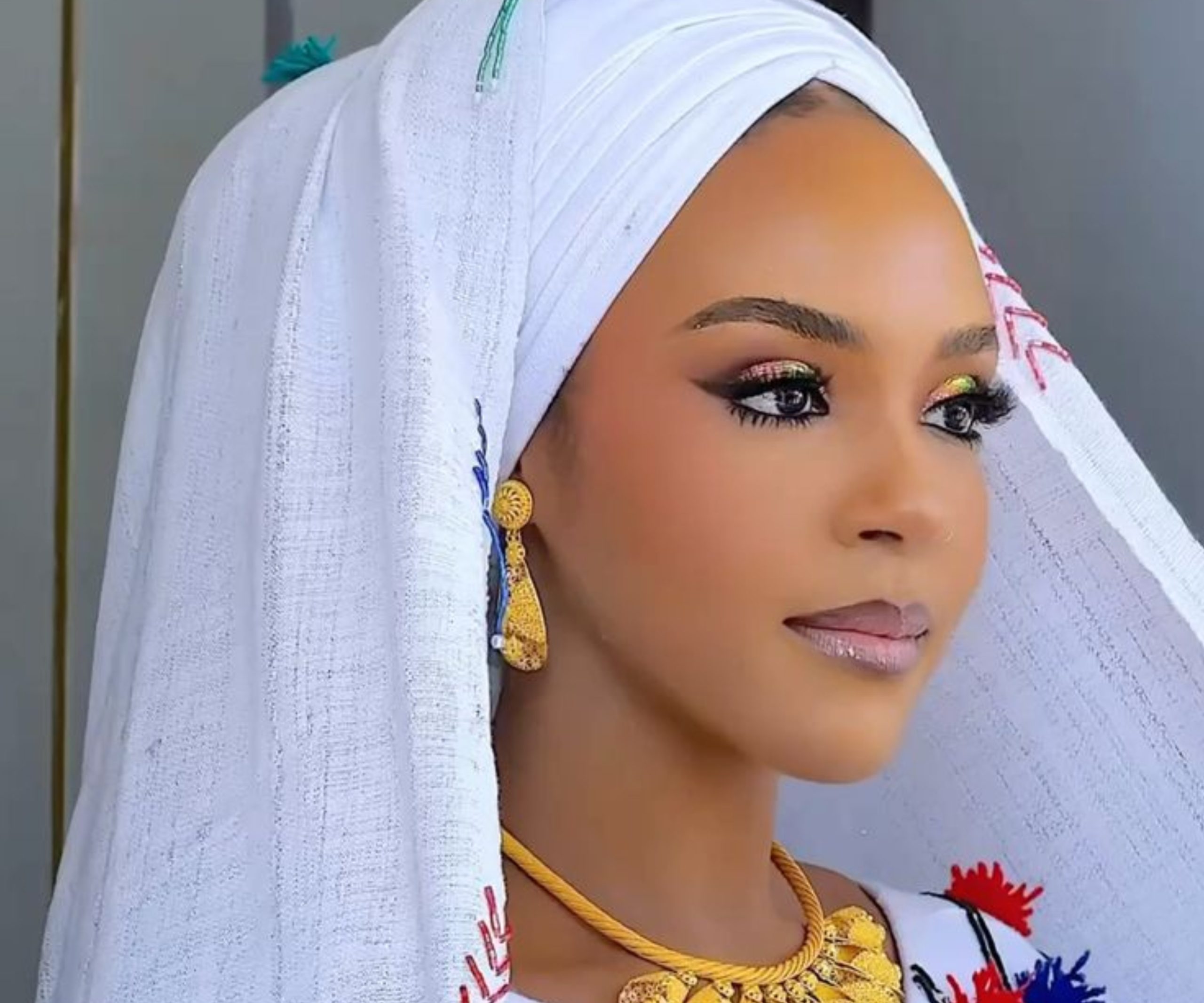
It was a beautiful afternoon on my way from Kaduna. I stopped at Sabon Gari Market of Zaria city, where tradition meets trade and every stall tells a story of northern resilience, to visit my friend Kamararradden, a young Hausa traditional fashion designer and CEO of Zazzau Smart Clothing. I found Kamararradden seated in a local Hausa mat (Tabarmar kaba) inside his shop alongside his staff, with spools of colourful thread stacked beside rolls of brocade and cotton, as they work on different types of royal Hausa Agba (tsamiya). To Kamaradden, fashion is not just a business; it is a legacy that tells a story of his ancestors. He said, “Every design I make connects me to my father and my grandfather. This is not just work; it’s heritage.”
With my notebook and my voice recorder, feeling the weight of those words, I smile at his face. As a cultural writer from the North, I’ve always believed that our clothes tell stories our tongues sometimes forget. The texture of Zane cloth, the boldness of Ankara, and the majesty of the Babban Riga are living records of who we are. In a world racing toward modernity, Northern Nigeria’s fashion industry has quietly become a guardian of memory, stitching together the past and the future with deliberate grace.
Northern Nigerian fashion is more than style—it’s a living record of Nigeria’s history and culture. Explore how traditional clothing, fabrics, and designs preserve heritage while shaping modern African fashion.
The Fabric That Speaks
Roots of Royalty: The Birth of Northern Elegance
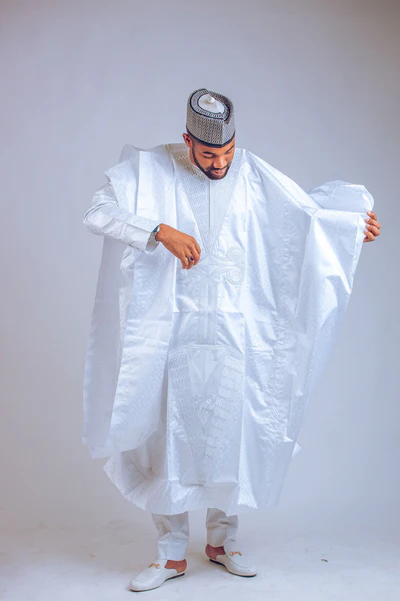
Fashion in Northern Nigeria didn’t begin as a matter of vanity; it started as a matter of identity. The flowing Babban Riga and embroidered kaftan emerged from centuries of trade and craftsmanship. As early as the 14th century, Hausa merchants imported delicate fabrics from North Africa, while local artisans added their signature embroidery patterns known as zare.
In Northern Nigeria, every man wears a Babbar Riga with pride; it’s not just a piece of cloth. I remember my uncle told me, “When I wore the Babban Riga, it wasn’t for fashion; it was for dignity. You dressed according to your status and your respect for others.” His hands traced invisible patterns in the air as he spoke, as if recalling the rhythm of a loom long gone silent.
These garments became symbols of royalty, spirituality, and power, particularly among emirs, scholars, and merchants. Each thread carried meaning, and each pattern carried pride.
Women of the Loom: Guardians of Hidden Heritage
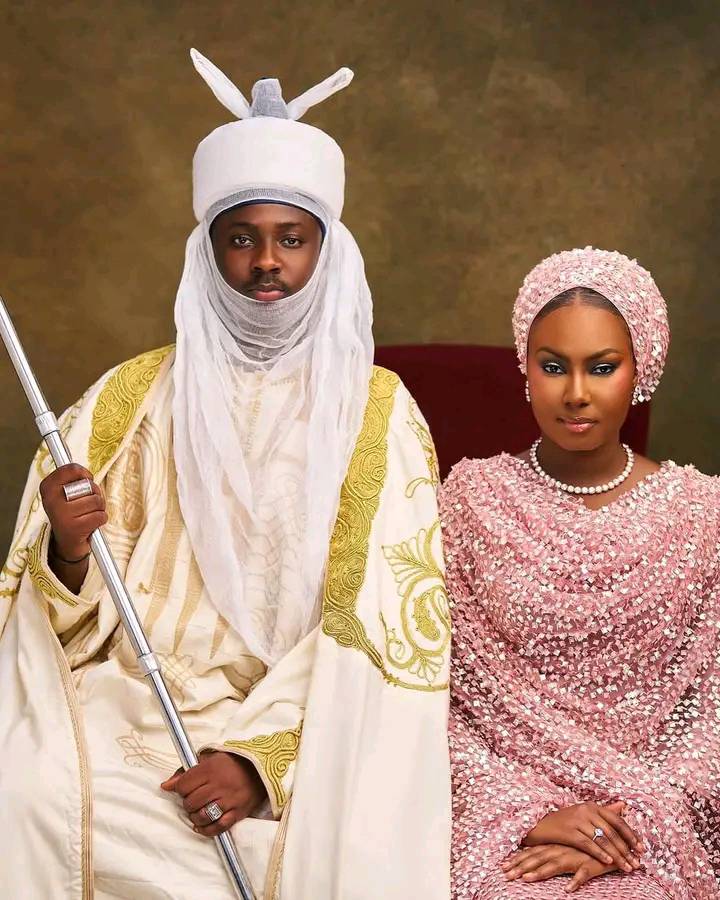
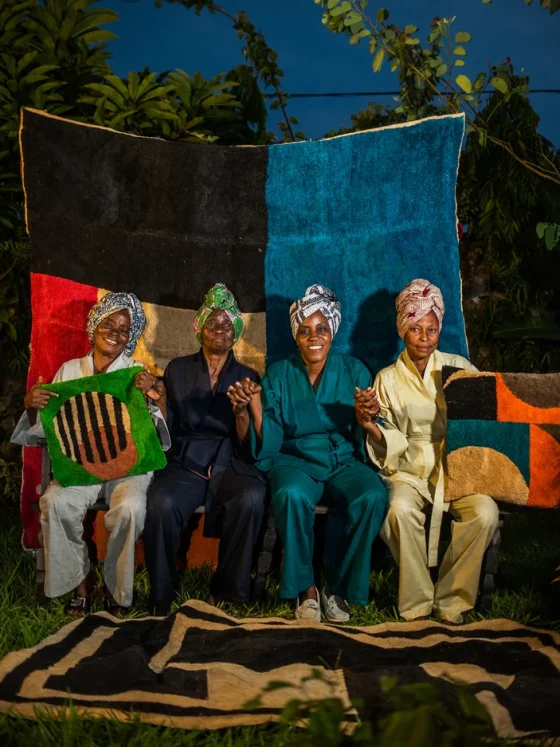
Behind every masterpiece lies a woman’s hand. At every ceremony in the North, whether in Kano, Maiduguri, or Yola, women beautifully dressed in their native clothes can be seen, their fingers dancing on a traditional loom with astonishing precision.
Women are the silent curators of Northern tradition. From indigo dye pits in Kano to beaded jewellery workshops in Katsina, women have shaped the region’s fashion legacy. They blend patience, creativity, and inherited wisdom to produce zane, aso-oke, and ankara that narrate untold stories of community and craftsmanship.
Their work often goes unnoticed in the global fashion scene, but in the heart of the North, they remain the custodians of continuity.
Modern Threads: Reclaiming Tradition through Innovation
A quiet revolution is taking place. Across Kaduna, Abuja, and Kano, a new generation of designers is redefining Northern style. Brands like Zazzu Smart and Wambal Clothing merge traditional embroidery with contemporary silhouettes, turning what was once ceremonial attire into global fashion statements.
I spoke with Kano-based designer Yusuf Haruna during a historic Kano Festival. “I’m not here to replace tradition,” he said. “I’m here to remix it.” His collection featured Babban Rigas tailored with minimalist cuts, paired with sneakers and bold headwear.
Social media has become their runway. On Instagram and TikTok, models in Zanna caps and Ankara turbans are capturing the attention of audiences far beyond the region. It’s a digital renaissance, a blend of heritage and innovation that ensures Northern fashion remains both timeless and relevant.
Symbols of Status: When Fashion Meets Faith and Culture
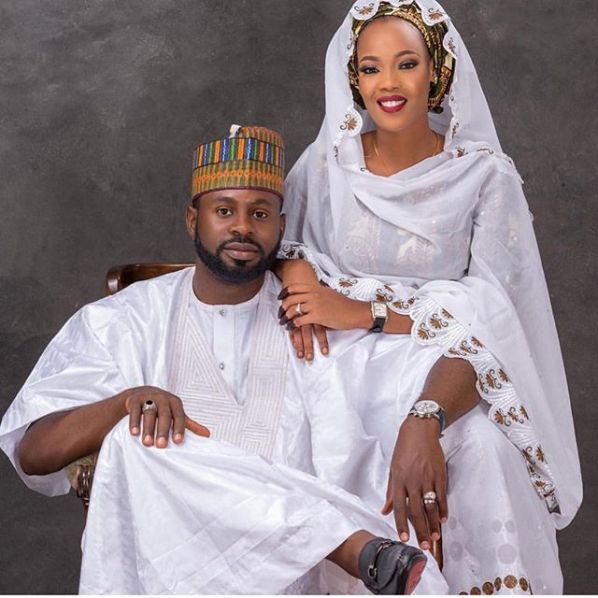
In Northern Nigeria, fashion isn’t just about aesthetics; it’s about meaning. The colours, fabrics, and cuts often reflect social, religious, and cultural beliefs. During Eid celebrations or Durbar festivals, fashion becomes a declaration of joy, faith, and a sense of belonging.
During one Eid al-Adha in Jigawa, men would usually come out, parading in immaculate white kaftans, their attire symbolised purity and unity. Women dazzled in layered lace wrappers with matching gele headwraps, embodying grace and respect.
Each celebration transforms streets into catwalks of culture, a living museum of pride passed down through generations.
ALSO READ:
- Kano Dye Pits: Nigeria’s 500-Year-Old Indigo Craft Still Alive Today
- Northern Nigerian Textiles & Utensils: How Culture Meets the Dining Table
- From Calabash to Leather: Traditional Crafts of Northern Nigeria
How to Experience Northern Fashion Yourself
If you’re planning to explore the fashion culture of Northern Nigeria, here’s a quick guide to immerse yourself:
Where to Go
- Kano Fage Market: A centuries-old hub for fabric trading and indigo dyeing.
- Kofar Mata: The Kofar dye fits where fashion meets history and creativity.
- Zaria’s Tailor Streets: Known for premium Babban Riga embroidery.
- Bida, Niger State, is famous for handwoven zanne cloth and Nupe jewellery.
- Adamawa: A home for Fulani where nomadic beauty meets
- Maiduguri Monday Market: A home of Arabian henna where culture meets religion through beauty.
What to Buy
- Hausa caps: Zanna bukar in Maiduguri, Dara from Kano and Rawani in Zaria
- Buy a gyale for women to give a memorial visit from the north
- Atampa and Lace Wrappers: Vibrant Styles for Women.
- Locally tailored Kaftans or Babban Rigas: Tsaiya, kwado da linzami and falmaran are symbols of Hausa royalty
Etiquette Tips
- Always greet artisans with respect (“Sannu” or “Ina kwana?”).
- Ask permission before taking photos of people or their stalls.
- Bargain politely: it’s part of the tradition and fun.
When to Visit
- Eid Celebrations: Experience colourful attire and cultural unity.
- Durbar Festival: Witness the royal pageantry of Northern pride.
- Ghani Festival: To witness a festival where religion and culture collide
- Dry Season (November–March): The best time for markets and outdoor events.
FAQs
1. What makes Northern Nigerian fashion distinct?
It’s a reflection of modesty, pride, and craftsmanship, where every garment symbolises cultural depth, blending Islamic influence with ancient Hausa aesthetics.
2. Are these traditional outfits still popular among the youth?
Yes. Young people are reinventing traditional attire through modern tailoring, vibrant colour combinations, and social media influence.
3. Where can I find authentic handmade clothing?
Visit local markets like Kurmi (Kano) or Bida Weavers’ Guild. Avoid mass-produced imitations; handmade pieces have unique stitching patterns and fabric textures.
4. What role does religion play in Northern fashion?
Islamic values influence modest designs, long sleeves, flowing garments, and head coverings that combine spirituality with elegance.
5. How is technology impacting traditional fashion?
Designers now use digital platforms to promote and sell their work, allowing Northern styles to reach global audiences while preserving traditional artistry.
Finally
As the last light faded over the Dutse emirs’ palace, I wore a Babbar riga that I had bought from my friend in Zaria. Its deep hue reminded me of twilight, a symbol of endurance and quiet beauty.
Northern fashion isn’t just about garments; it’s about identity preserved in colour, stitching, and silhouette. Each robe, scarf, and cap carries whispers of ancestors who refused to let their artistry die. From the looms of Bida to the studios of Kaduna, the region’s fashion continues to be a testament to resilience, a gentle yet unwavering declaration that it is essential to wear history rather than forget it.