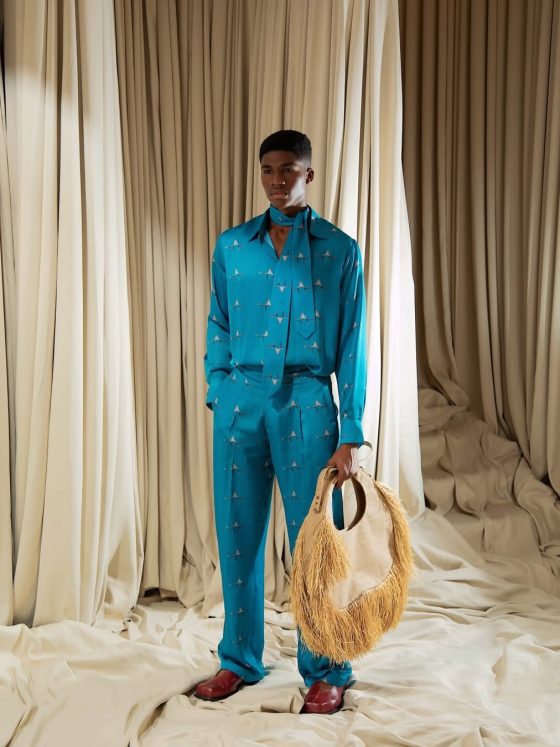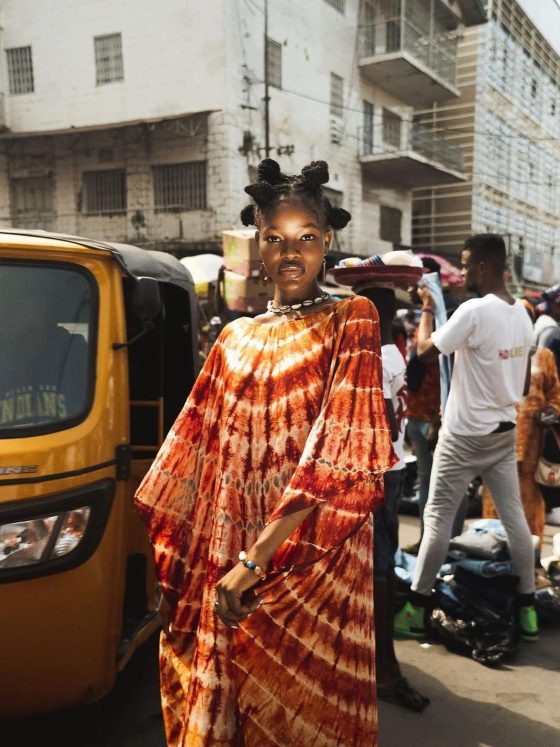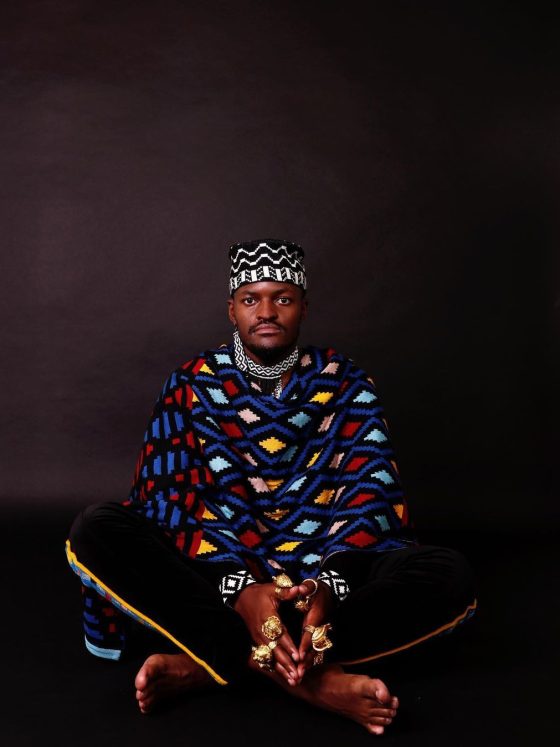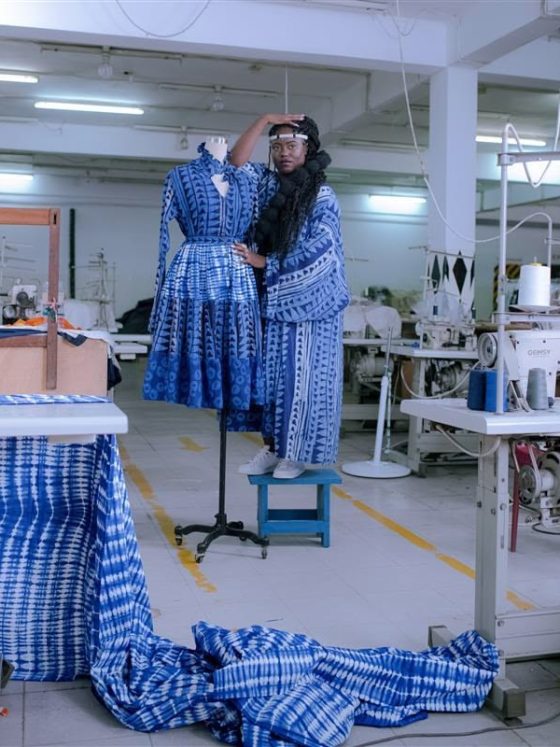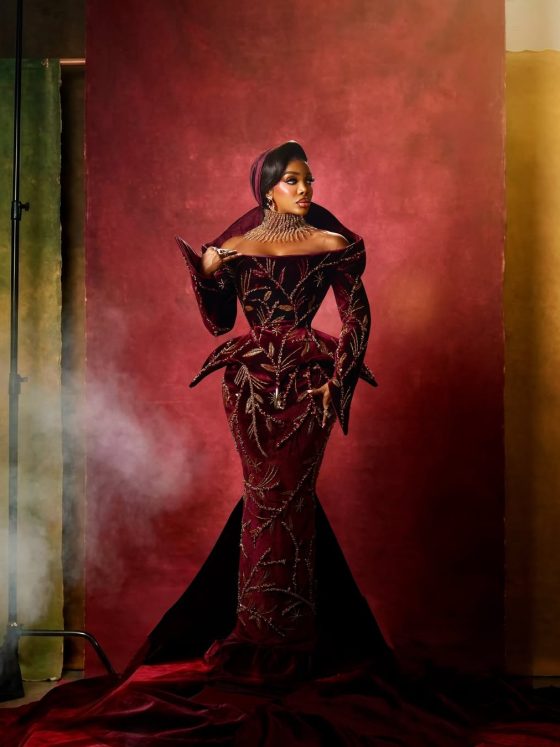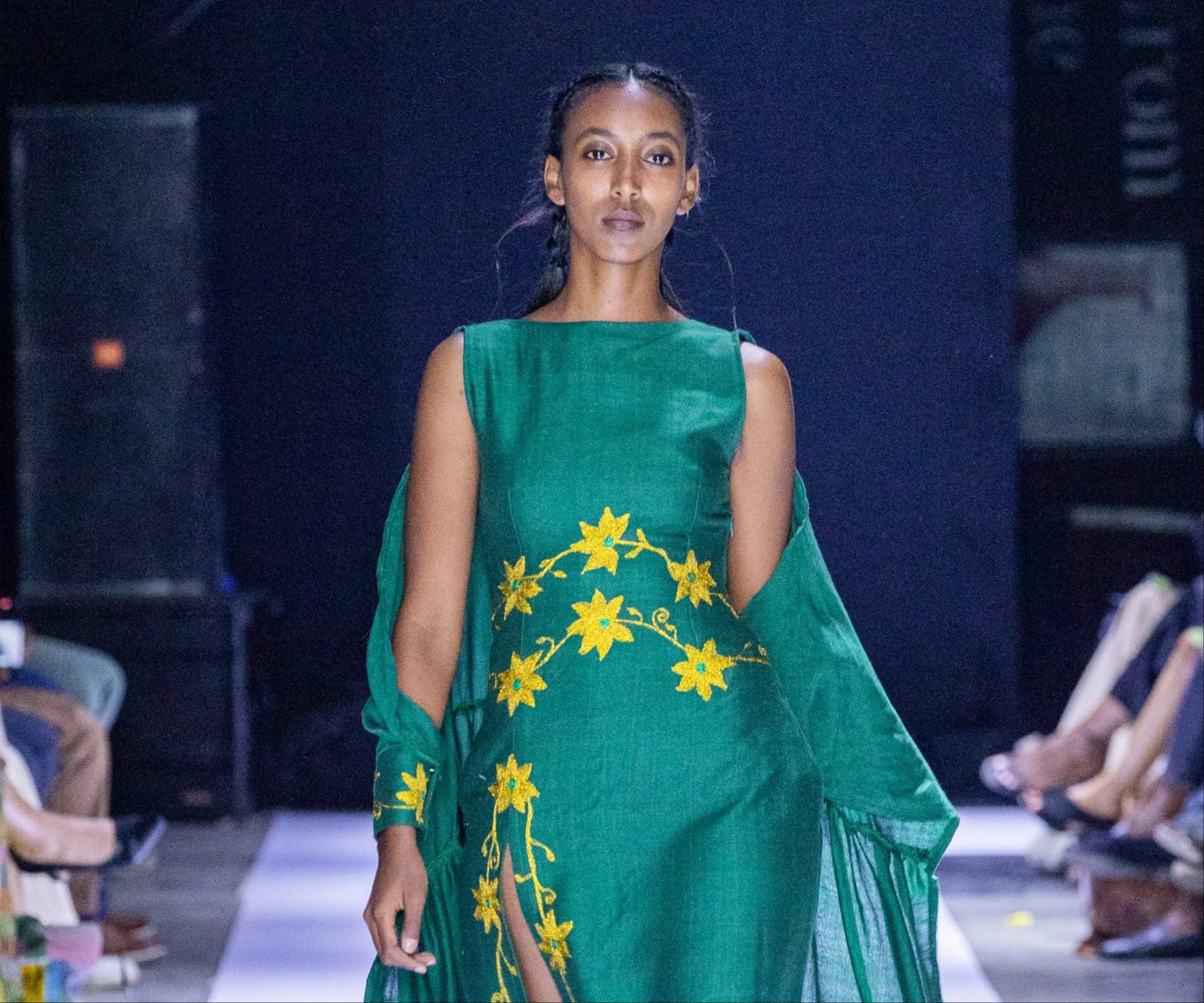
Fashion in Ethiopia has always carried intelligence before it carried spectacle. Clothes were never ornamental. It was functional, symbolic, and intensely social. Bezawit Tibebu understands this lineage not as history to preserve, but as knowledge to apply.
From her base in Addis Ababa, Tibebu has built a design practice that treats Ethiopian textiles as living material rather than cultural artefact. Her label, Tibebu Collection, approaches fashion with restraint and clarity, allowing hand-woven cottons to enter a contemporary language without exaggeration or loss of integrity.
This is not about revival. It is about continuity shaped by control.
Bezawit Tibebu modernises Ethiopian textiles through refined silhouettes, pastel hand-woven cotton, and couture-informed restraints rooted in Addis Ababa.
Fabric as the Starting Point
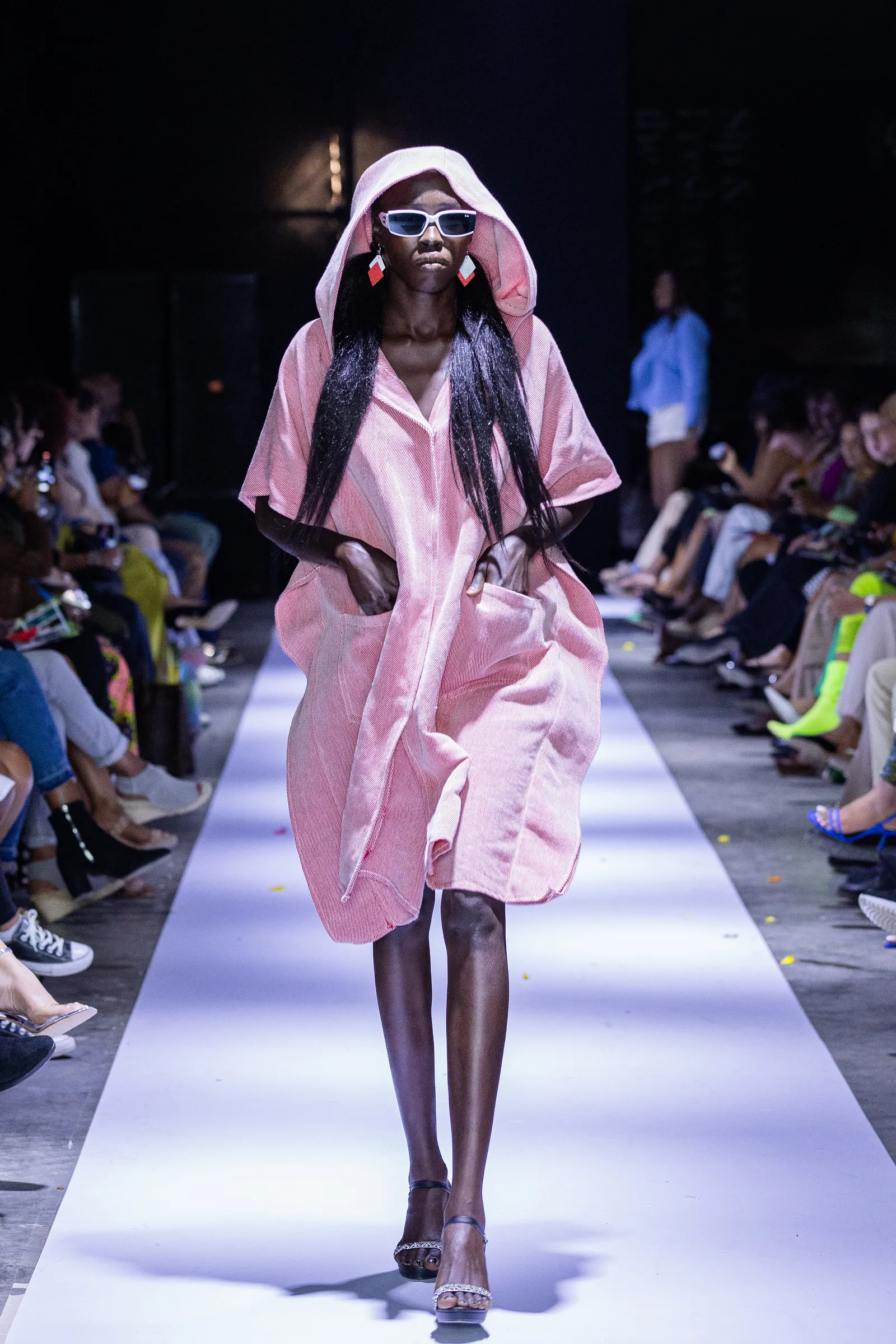
At the centre of Tibebu’s work is Ethiopian cotton, which is woven by hand and valued for its breathability, structure, and longevity. These textiles arrive with their own rules. They dictate weight, movement, and form long before design decisions are made.
Rather than imposing trend-driven silhouettes on the fabric, Tibebu lets the material lead. The weave informs the cut. The softness determines how a garment moves. The weight decides where a hem should fall.
This approach removes excess from the design process. Nothing feels forced. Each garment feels inevitable.
A Palette That Refuses Noise
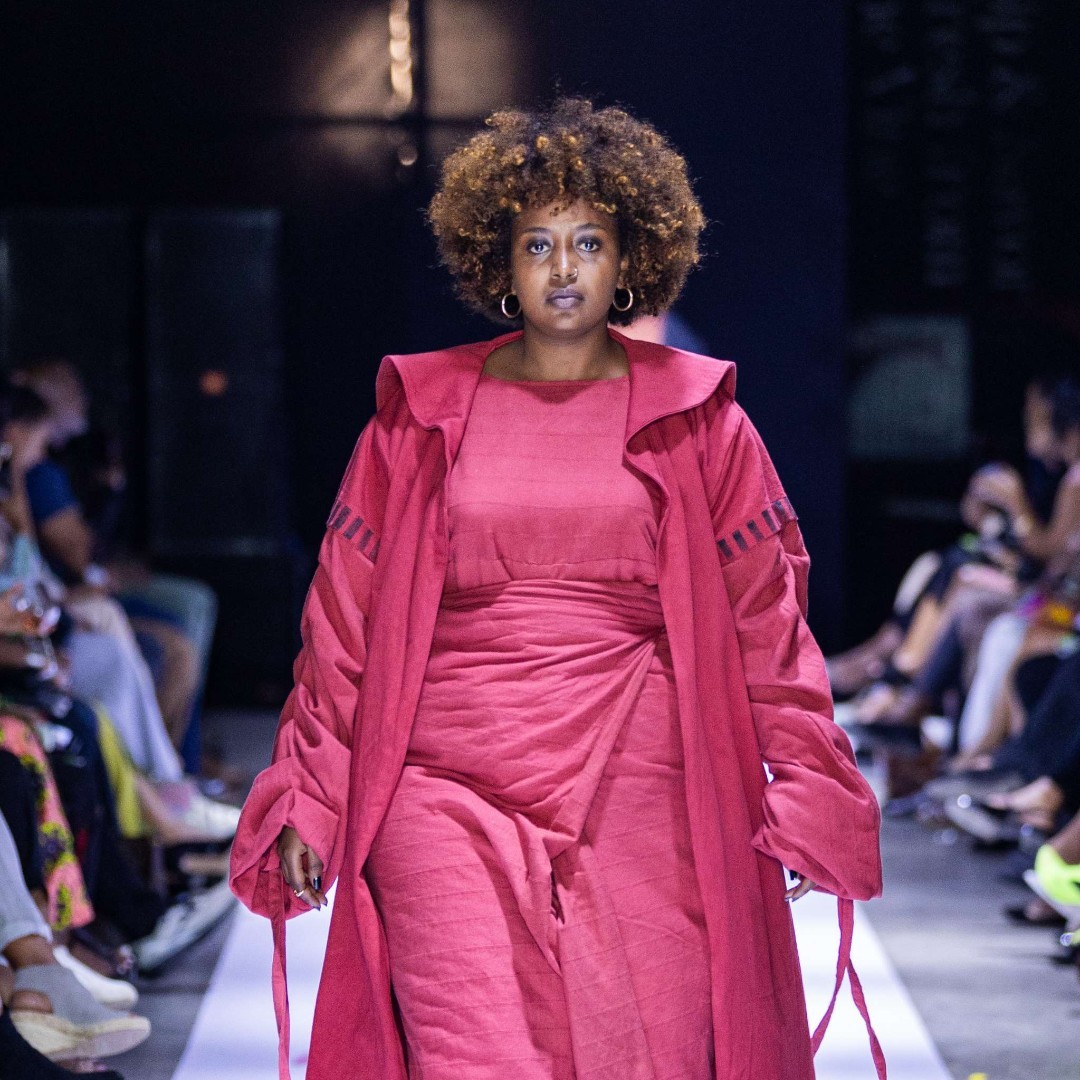
The colour of the Tibebu Collection is intentionally restrained. Pastel tones such as ivory, blush, pale lavender, and muted sand replace the boldness often expected from traditional textiles. This quiet palette shifts attention from surface decoration to construction and texture.
The effect is subtle but powerful. The garments feel calm, almost meditative, allowing the wearer to notice details slowly. Fabric is more expressive through touch than through visual intensity.
This chromatic discipline aligns her work with a broader global shift toward softness and understatement, while remaining rooted in Ethiopian material culture.
Couture Thinking Without Excess
Tibebu’s silhouettes draw from couture, but they avoid theatrics. Dresses are sculpted rather than embellished. Bodices are structured with precision. Asymmetry appears only where it strengthens balance.
A single piece might combine a recognisable Ethiopian pattern with a modern cut and an unexpected hemline. The result is neither costume nor experiment. It feels resolved.
Her garments do not ask for attention. They reward observation.
Femininity as Control
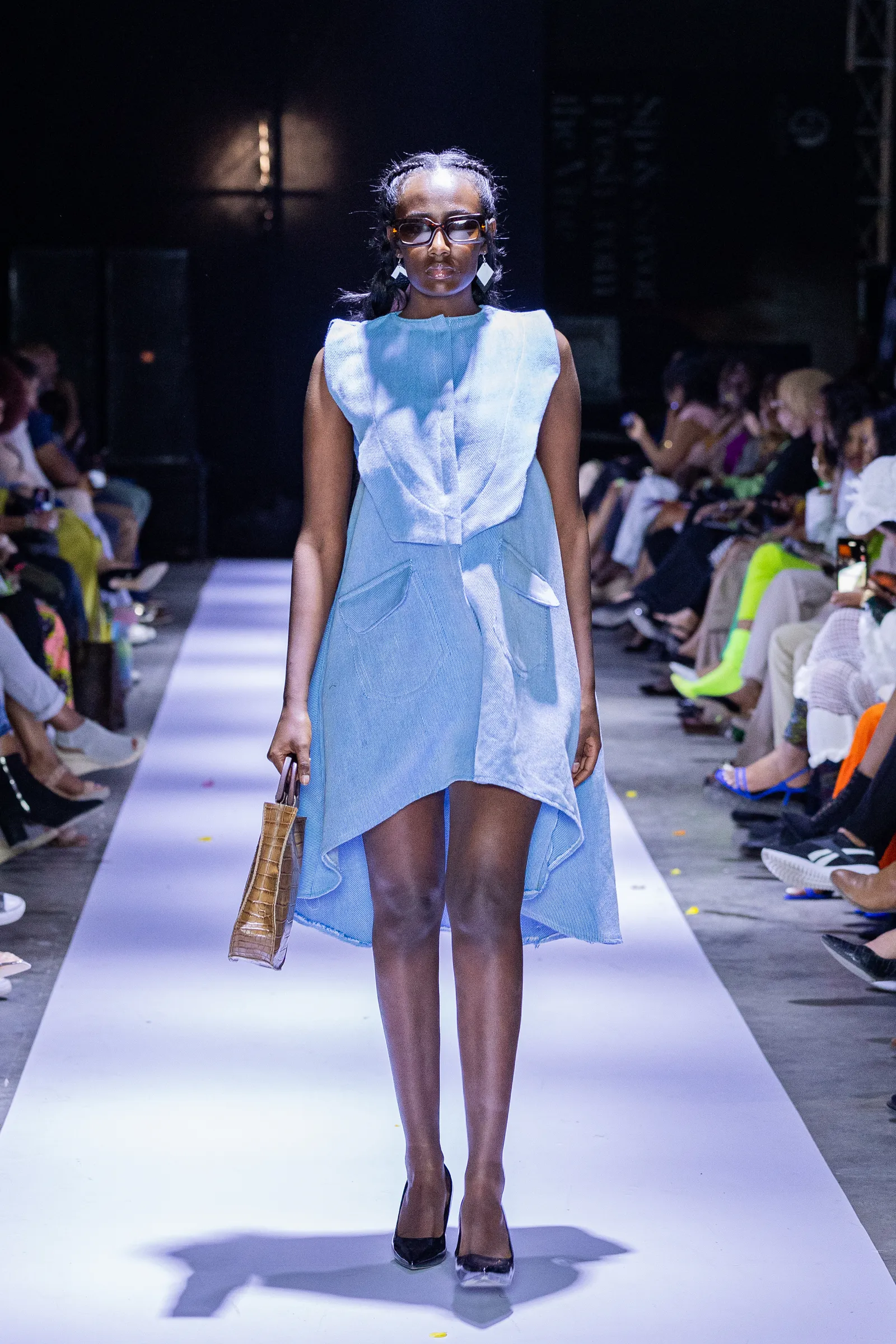
There is a consistent sense of femininity in Tibebu’s designs, but it is never fragile. Softness is paired with structure. Fluid skirts are anchored by disciplined tailoring. Cinched waists coexist with strong shoulders.
This balance reframes femininity as authority rather than decoration. The wearer is not dressed to perform beauty but to inhabit presence.
The clothes support the body. They do not compete with it.
Addis Ababa as Infrastructure
Addis Ababa is not merely a backdrop for Tibebu’s work. It is an active participant. The city’s weaving traditions, cotton availability, and tailoring culture create an ecosystem that keeps design close to the process.
This proximity matters. It enables precision. It prevents abstraction. Decisions are made with material in hand rather than imagined from a distance.
As a result, Tibebu’s garments feel grounded. They are informed by place without being limited by it.
Modernisation Without Erasure
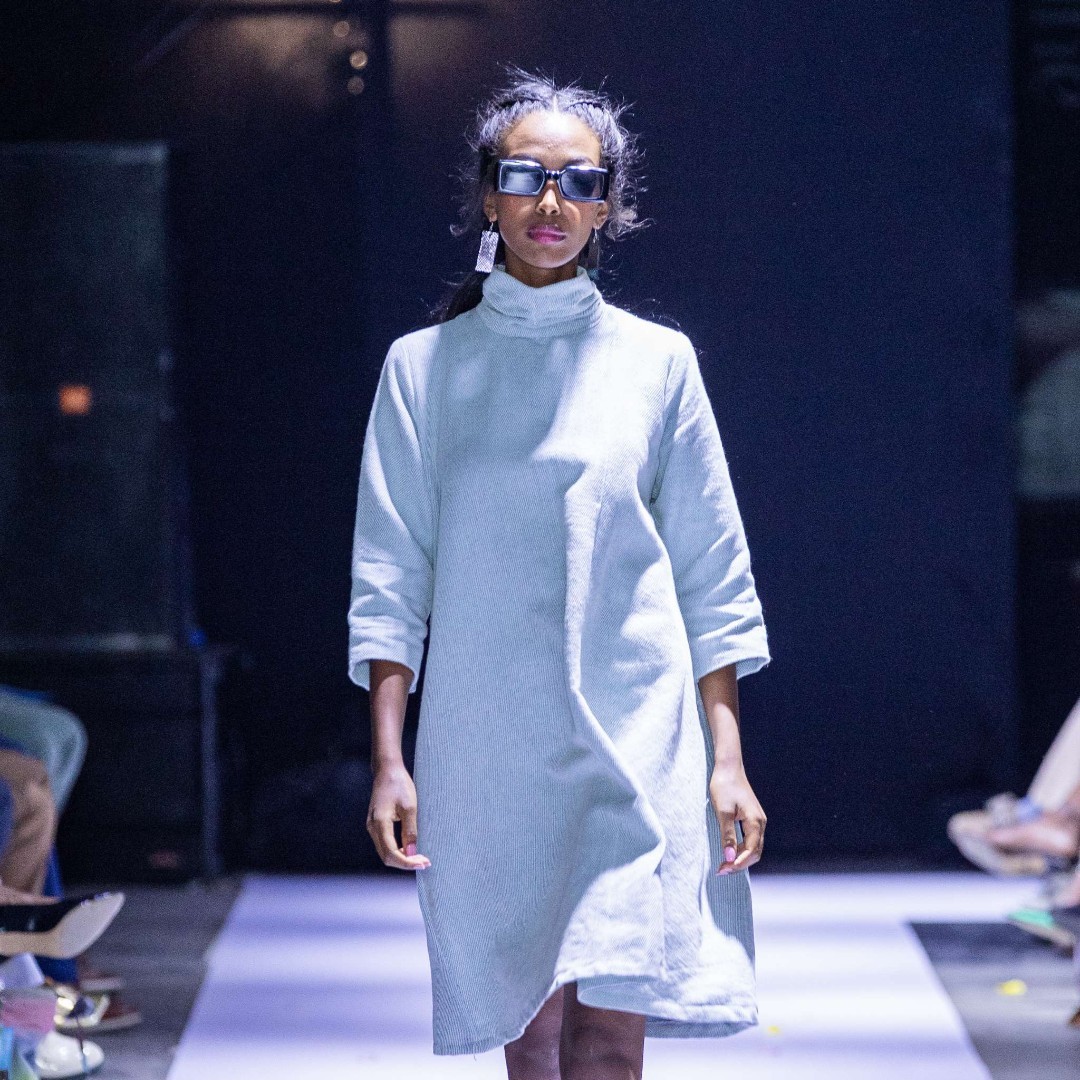
One of the most distinctive aspects of the Tibebu Collection is its refusal to dramatise modernity. Traditional techniques are not stripped down to appear contemporary, nor are they amplified to signal heritage.
They simply coexist.
The garments do not explain their cultural references. They assume them. Ethiopian textile craft is allowed to function naturally within a global fashion framework.
This confidence is what gives the work its quiet power.
Global Relevance Through Clarity
Tibebu’s designs resonate beyond Ethiopia because they are legible. Editors and buyers appreciate the discipline behind the work. The pieces feel timeless without appearing nostalgic. They photograph beautifully, but they are designed for wear.
This balance between visual elegance and practical wearability allows the brand to move across markets without compromise.
The garments do not need translation. The garments are self-sufficient.
A Different Model of African Fashion Leadership
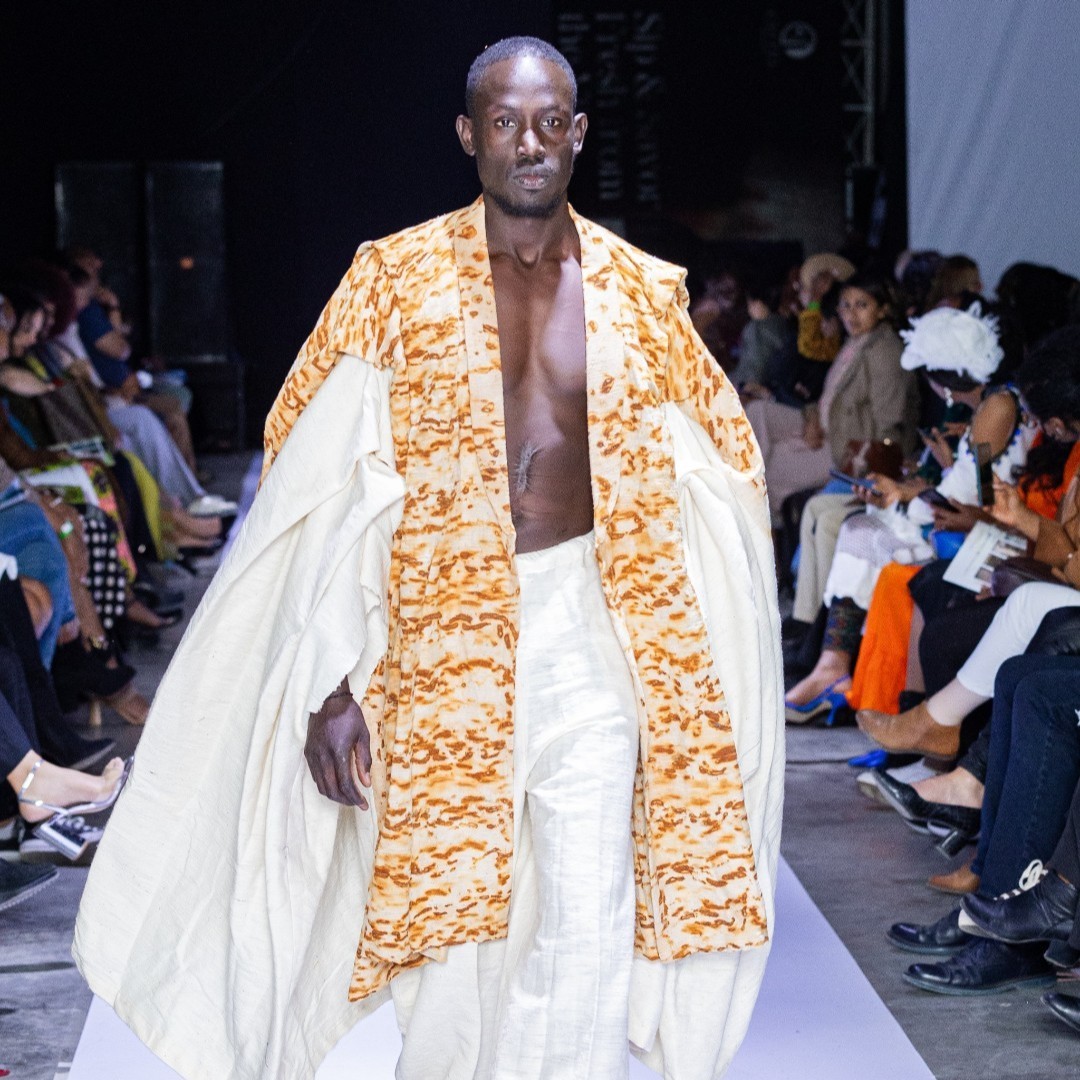
In a fashion landscape often dominated by urgency and spectacle, Bezawit Tibebu offers another model. One rooted in refinement, patience, and trust in material intelligence.
It needs clarity.
By allowing Ethiopian textiles to operate with dignity and modern relevance, Tibebu positions her work not as a response to global fashion but as a contributor to it.
Continuity as Innovation
Innovation in the Tibebu Collection does not come through disruption. It comes from editing. Editing is the process of knowing what to leave untouched. Understanding when to intervene and when to step back is crucial.
This discipline gives the work longevity. It allows the garments to exist outside trend cycles and seasonal pressure.
They feel as relevant now as they will in years to come.
READ ALSO:
- Taibo Bacar: Designing Elegance for Men and Women on a Global Stage
- Awa Meité: The Malian Designer Defining Quiet Authority in African Fashion
- Vanhu Vamwe and the New Language of African Luxury
Why This Work Matters
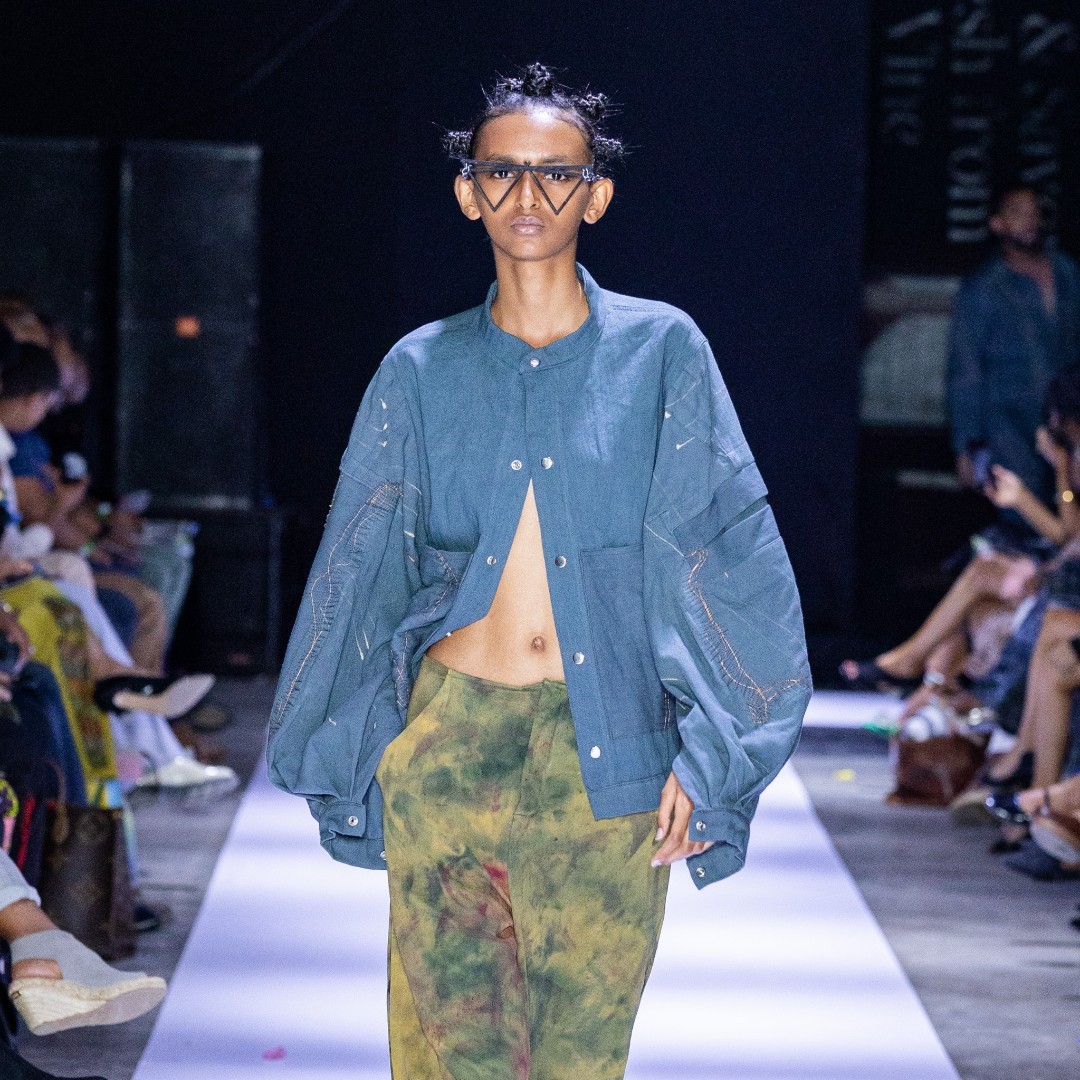
Bezawit Tibebu is not redefining Ethiopian fashion. She is refining how it is seen.
Her work demonstrates that tradition does not need reinvention to remain relevant. It requires thoughtful application. In her hands, Ethiopian textiles become contemporary without losing their integrity.
The outcome is fashion as continuity.
Fashion as intelligence.
Fashion is a quiet authority.
Celebrate innovative design rooted in culture — browse African Fashion Designers on OmirenStyles.
Frequently Asked Questions
- Who is Bezawit Tibebu?
Bezawit Tibebu is an Ethiopian fashion designer and founder of Tibebu Collection, based in Addis Ababa.
- What is the Tibebu Collection known for?
The brand is known for modern silhouettes made from hand-woven Ethiopian cottons, blending traditional textile techniques with contemporary design.
- How does Tibebu modernise Ethiopian textiles?
She uses restrained colour palettes, couture-informed constructions, and edited silhouettes that allow the fabric to lead the design.
- Is the Tibebu Collection couture or ready-to-wear?
The brand sits between couture thinking and wearable fashion, focusing on structure, craftsmanship, and longevity.
- Why is the Tibebu Collection globally relevant?
Its clarity of design, material intelligence, and quiet elegance allow Ethiopian textile craft to operate confidently within global fashion spaces.