Menu
  • African Style
    • Designers & Brands
    • Street Fashion in Africa
    • Traditional to Modern Styles
    • Cultural Inspirations
  • Fashion
    • Trends
    • African Designers
    • Afro-Latin American
    • Caribbean Designers
    • Street Style
    • Sustainable Fashion
    • Diaspora Connects
  • Beauty
    • Skincare
    • Makeup
    • Hair & Hairstyle
    • Fragrance
    • Beauty Secrets
  • Lifestyle
    • Culture & Arts
    • Travel & Destination
    • Celebrity Style
    • Luxury Living
    • Home & Decor
  • News
    • Cover Stories
    • Designer Spotlight
    • Fashion Weeks
    • Style Icons
    • Rising Stars
    • Opinion & Commentary
  • Women
    • Women’s Style
    • Health & Wellness
    • Workwear & Professional
    • Evening Glam
    • Streetwear for Women
    • Accessories & Bags
  • Shopping
    • Fashion finds
    • Beauty Picks
    • Gift Guides
    • Shop the Look
  • Events
    • Fashion Week Coverage
    • Red Carpet & Galas
    • Weddings
    • Industry Events
    • Omiren Styles Special Features
  • Men
    • Men’s Style
    • Grooming Traditions
    • Menswear Designers
    • Traditional & Heritage
    • The Modern African Man
  • Diaspora
    • Designers
    • Culture
  • Industry
    • Insights
    • Investment
    • Partnerships
    • Retail
    • Strategy
Subscribe
OMIREN STYLES OMIREN STYLES

Fashion · Culture · Identity

OMIREN STYLES OMIREN STYLES OMIREN STYLES OMIREN STYLES
  • Fashion
    • Africa
    • Caribbean
    • Latin America
    • Trends
    • Street Style
    • Sustainable Fashion
    • Diaspora Connects
  • Culture
    • Heritage & Identity
    • Textiles
    • Ceremony & Ritual
    • Art & Music
    • Cultural Inspirations
  • Designers
    • African Designers
    • Caribbean Designers
    • Afro-Latin American
    • Emerging Talent
    • Interviews
  • Beauty
    • Skincare
    • Makeup
    • Hair & Hairstyle
    • Fragrance
    • Beauty Traditions
  • Women
    • Women’s Style
    • Evening Glam
    • Workwear & Professional
    • Streetwear for Women
    • Accessories & Bags
    • Health & Wellness
  • Men
    • Men’s Style
    • Grooming Traditions
    • Traditional & Heritage
    • The Modern African Man
    • Menswear Designers
  • Diaspora
    • Diaspora Voices
    • UK Scene
    • US Scene
    • Caribbean Diaspora
    • Afro-Latino Identity
  • Industry
    • Strategy
    • Investment
    • Retail
    • Insights
    • Partnerships
  • News
    • Cover Stories
    • Fashion Weeks
    • Opinion & Commentary
    • Style Icons
    • Rising Stars
  • Makeup

The Art of Seen: Makeup, Identity, and Authentic Power

  • Heritage Oni
  • January 22, 2026
Makeup as Cultural Language
Total
0
Shares
0
0
0

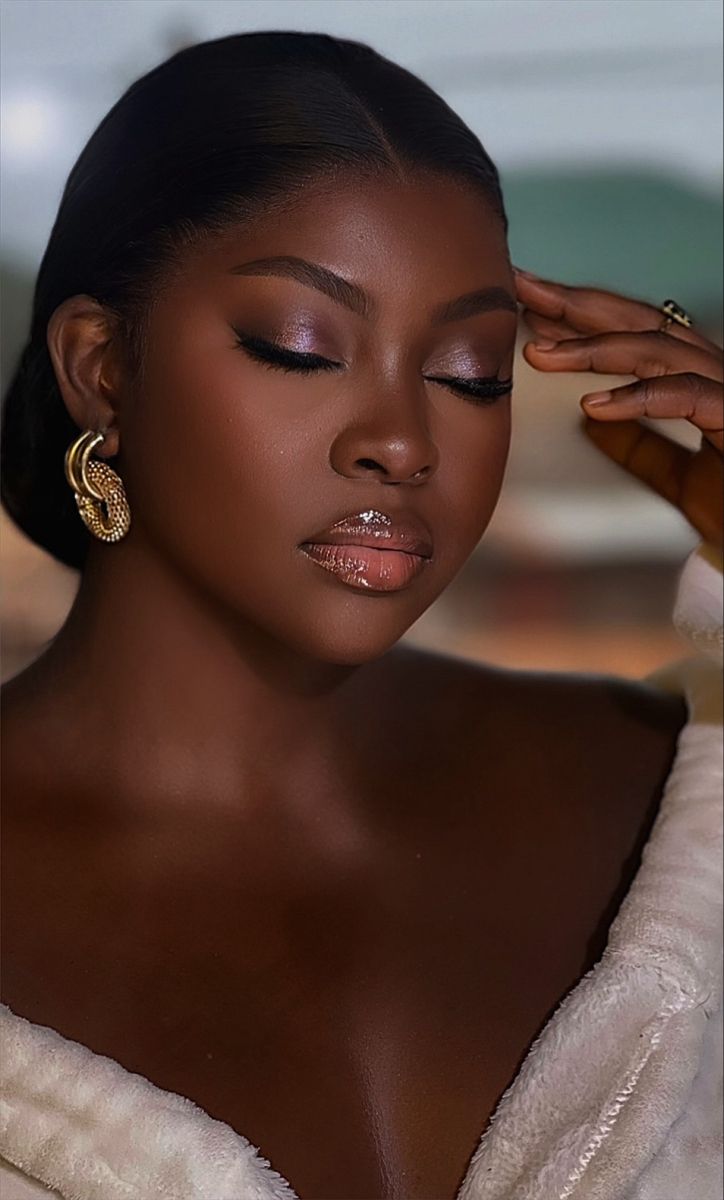
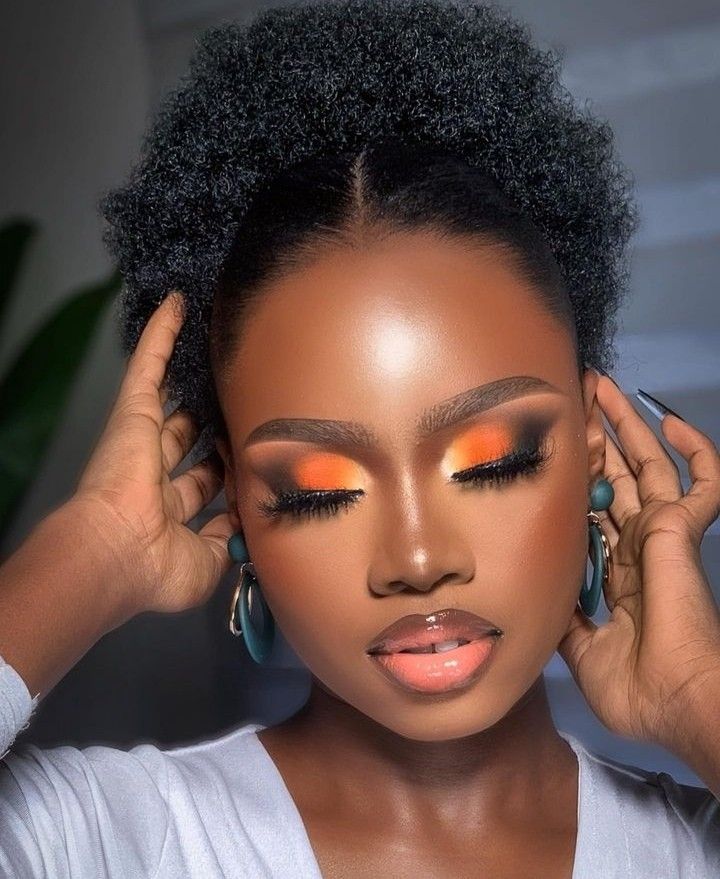
Makeup has never been silent. Long before social media tutorials and luxury counters, it spoke through pigment, ritual, and intention. Today, the conversation around makeup is often reduced to surface transformation, framed as correction or concealment. But this reading misses its deeper function. Makeup is not a mask. It is a language.

Across cities, cultures, and generations, makeup operates as a form of authorship. It allows individuals to decide how they enter the world, how they are read, and what they refuse to erase. To understand makeup as expression rather than disguise is to see it as cultural craftsmanship, shaped by history, power, creativity, and context. This perspective matters because how we interpret beauty practices reflects how we value identity itself.

From ancient ritual to modern self-authorship, makeup reflects identity, culture, power and belonging across societies, from heritage to the global stage

Makeup as Cultural Language
Sustainability and Ethical Luxury


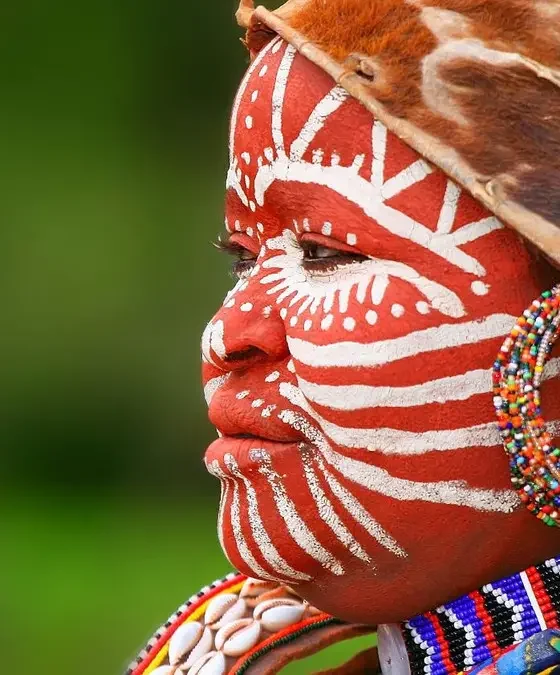
Makeup functions much like dress, posture, or speech. It communicates a sense of belonging, intention, and worldview. In many African societies, pigments and markings were historically tied to rites of passage, spirituality, and social roles. These practices were not about hiding the self but affirming it within a community.

This cultural logic persists today, even as tools and aesthetics evolve. Whether minimal or dramatic, makeup choices signal how individuals negotiate visibility. A bare face can be as intentional as a bold one. Both are expressions of agency. In this sense, makeup becomes a personal dialect shaped by upbringing, geography, and aspiration.

From Ritual to Modern Identity

Historically, makeup was embedded in daily and ceremonial life. Kohl in North Africa served spiritual and protective purposes. Plant-based dyes across the continent marked celebration and status. These traditions framed beauty as communal and symbolic.

Modern makeup carries this lineage forward, though often unconsciously. The global beauty industry may package products as trends, but users adapt them into personal rituals. Morning routines become moments of grounding. Memorable looks mark transitions, weddings, performances, protests, and professional milestones. Makeup records life as it is lived.

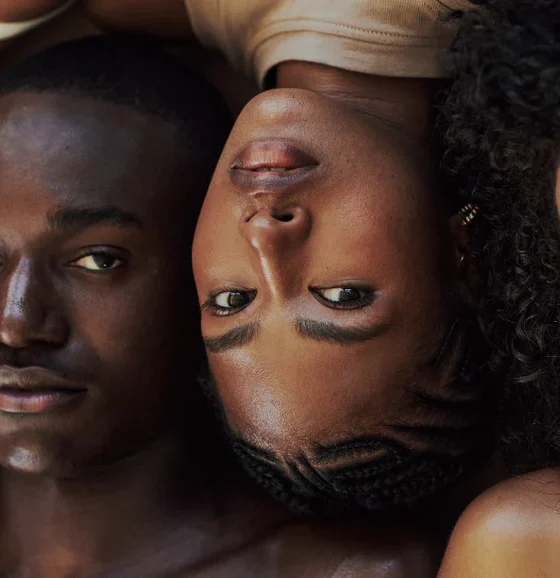
For many in the African diaspora, this continuity is especially potent. Makeup becomes a bridge between inherited memory and contemporary expression, blending ancestral references with global aesthetics.

Power, Work, and Visibility
Power, Work, and Visibility

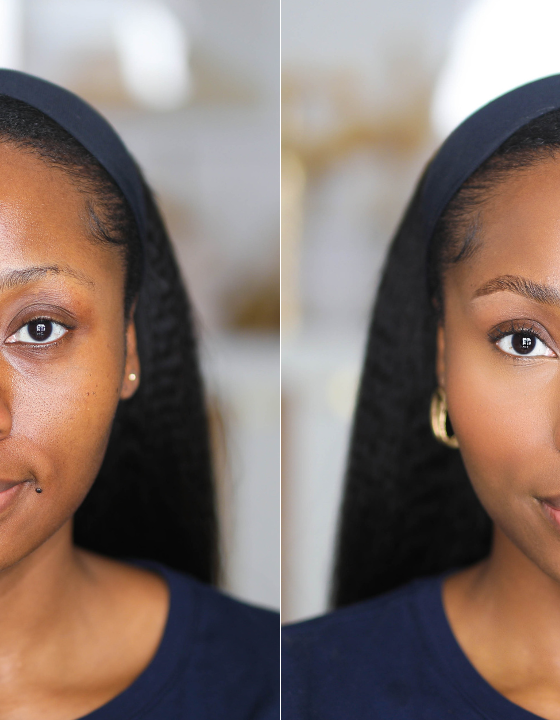
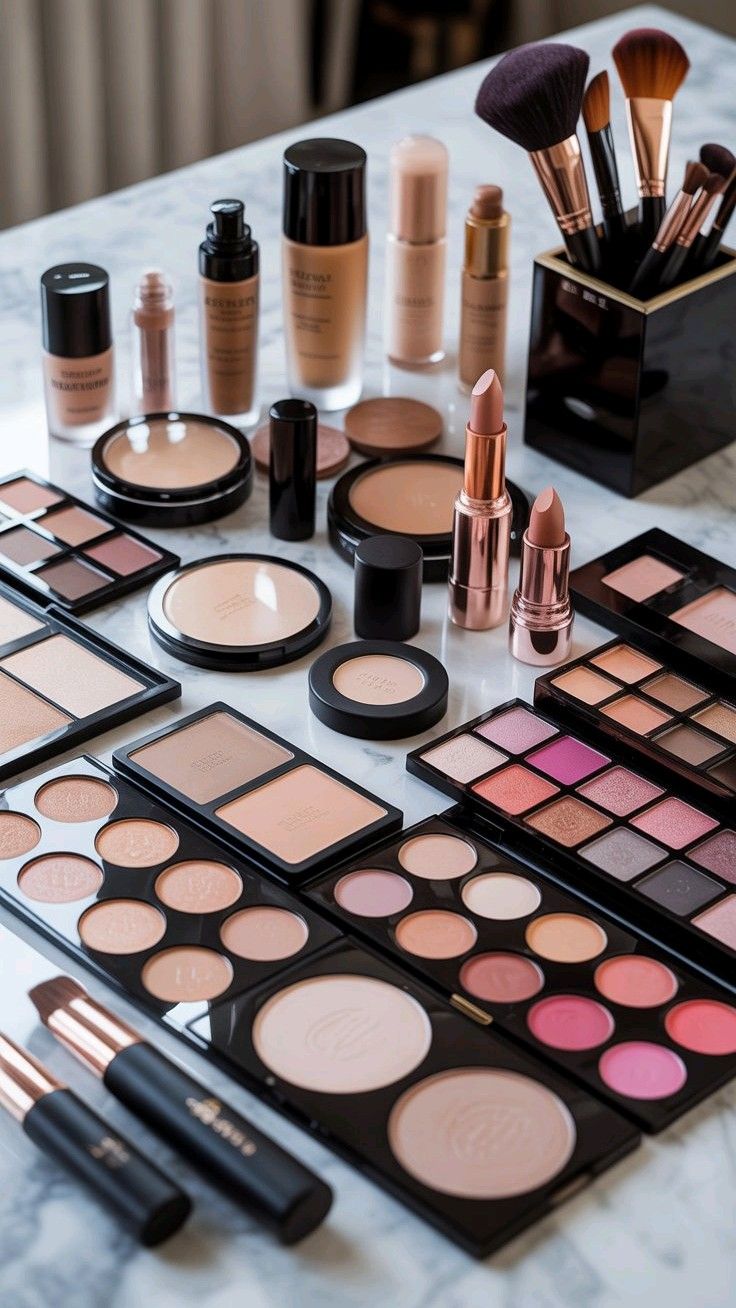
In professional spaces, makeup often sits at the intersection of expectation and autonomy. For some, it is a strategy for navigating perception in environments shaped by bias. For others, it is a quiet refusal to conform.

This dynamic reveals an important truth. Makeup does not create power, but it can mediate how power is encountered. In global fashion capitals and emerging creative cities alike, appearance still shapes access. Understanding makeup as expression acknowledges the intelligence behind these choices rather than dismissing them as vanity.

Wellness, Care, and Emotional Intelligence

Beyond public performance, makeup plays a private role. The act of applying it can be meditative, offering structure and calm. For creatives, it becomes an extension of artistic impulse. For others, it is care, a way of tending to oneself in a demanding world.

This reframes makeup within lifestyle innovation. It is not separate from wellness but part of it, intersecting with mental health, routine, and self-respect. When treated with intention, it supports balance rather than insecurity.

Read Also:

  • African Festivals Redefined as Global Luxury Experiences
  • The Modern Power of Afro-Caribbean Ancestral Healing – OMIREN …
  • How African Street Style Shapes Fashion Itself | OMIREN STYLES

Sustainability and Ethical Luxury

The Art of Seen: Makeup, Identity, and Authentic Power


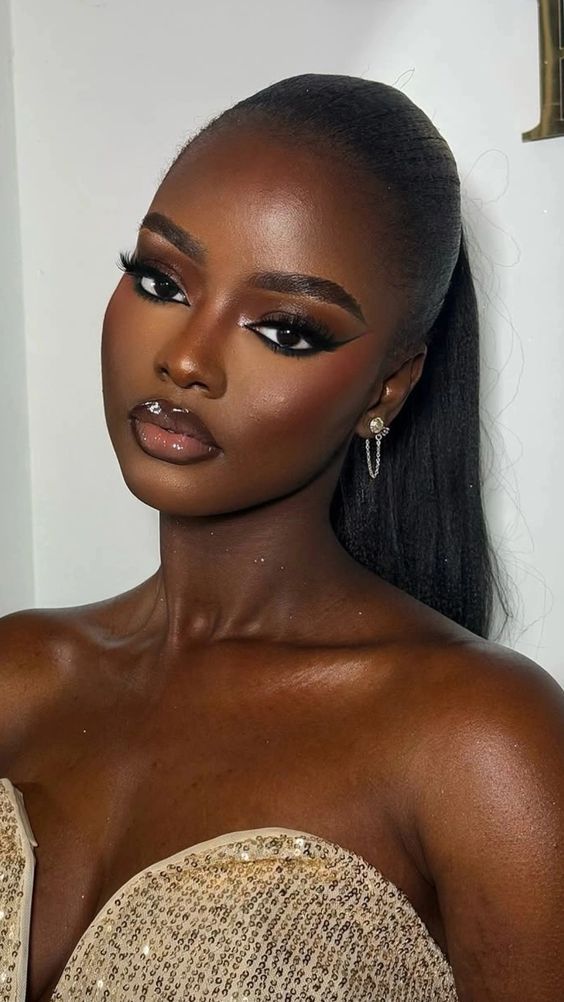
As beauty culture matures, questions of sourcing, labour, and environmental impact have moved to the foreground. Consumers increasingly seek products that align with values, not just aesthetics. This shift mirrors a broader movement toward ethical luxury — where quality, responsibility, and longevity define value.

Within African and diaspora-led brands, this trend often connects to indigenous ingredients, local production, and storytelling rooted in place. Makeup here becomes a cultural artefact, carrying the ethics of its origin into global circulation.

Global Influence, African Perspective

Makeup today moves fluidly across borders. Techniques from Lagos influence the runways in London. Diaspora creatives remix global trends with local memory. This exchange challenges the idea of a single beauty centre.

Positioned globally yet grounded in African perspectives, makeup becomes evidence of cultural dialogue rather than imitation. It reflects confidence in one’s narrative while remaining open to influence. This balance is where modern luxury and cultural relevance meet.

Conclusion

Makeup is not about becoming someone else. It is about clarifying who you are. When viewed as an expression, it reveals histories, power structures, and personal truths. It shows how people claim space, honour heritage, and imagine themselves forward.

To treat makeup as a cultural record rather than a disguise is to read it with respect. It deserves the same critical attention we give fashion, art, and design — because it carries the same weight of meaning.

Find your perfect look — explore the Makeup collection on OmirenStyles.

FAQs

  • Is makeup always a form of self-expression?

Yes. Even minimal or absent makeup can be an intentional statement shaped by context and choice.

  • How does makeup relate to African cultural history?

Across African societies, pigments and adornment were tied to ritual identity and community, forming the foundation of modern expression.

  • Can makeup be empowering and restrictive at the same time?

It can. Empowerment comes from choice. Restriction arises when norms remove that choice.

  • Why is sustainability important in makeup today?

Beauty practices have a significant impact on health, labour, and the environment. Ethical production reflects cultural responsibility.

  • How does the diaspora influence global makeup culture?

Diaspora creatives blend heritage with contemporary aesthetics, shaping trends while preserving cultural memory.

Post Views: 243
Total
0
Shares
Share 0
Tweet 0
Pin it 0
Related Topics
  • Beauty and Identity
  • Cultural Beauty Practices
  • Self Expression Culture
Avatar photo
Heritage Oni

theheritageoni@gmail.com

You May Also Like
Colour Theory for Melanin-Rich Skin: Why Standard Beauty Rules Don’t Always Translate
View Post
  • Makeup

Colour Theory for Melanin-Rich Skin: Why Standard Beauty Rules Don’t Always Translate

  • Philip Sifon
  • May 1, 2026
The Cultural History and Impact of African Body Paint Traditions in Runway Fashion
View Post
  • Makeup

The Cultural History and Impact of African Body Paint Traditions in Runway Fashion

  • Philip Sifon
  • April 30, 2026
Monochromatic Makeup Inspired by African Textile Colour Stories: A Guide to Tonal Beauty Done Right
View Post
  • Makeup

Monochromatic Makeup Inspired by African Textile Colour Stories: A Guide to Tonal Beauty Done Right

  • Philip Sifon
  • April 30, 2026
African Makeup Artists Rewriting the Global Beauty Conversation One Editorial Look at a Time
View Post
  • Makeup

African Makeup Artists Rewriting the Global Beauty Conversation One Editorial Look at a Time

  • Philip Sifon
  • April 29, 2026
View Post
  • Makeup

Setting Powder and Spray: How to Make Makeup Last in African Heat and Humidity

  • Philip Sifon
  • April 28, 2026
Foundation Matching for Deep Skin Tones: Why the Shade Range Problem Still Persists
View Post
  • Makeup

Foundation Matching for Deep Skin Tones: Why the Shade Range Problem Still Persists

  • Philip Sifon
  • April 24, 2026
Blush That Shows on Deep Skin: The Formulas, Shades, and Application Techniques That Work.
View Post
  • Makeup

Blush That Shows on Deep Skin: The Formulas, Shades, and Application Techniques That Work

  • Philip Sifon
  • April 23, 2026
Contouring and Highlighting on Dark Skin Without the Ashy Result That Every Tutorial Gets Wron
View Post
  • Makeup

Contouring and Highlighting on Dark Skin Without the Ashy Result That Every Tutorial Gets Wrong

  • Philip Sifon
  • April 22, 2026

Leave a Reply Cancel reply

Your email address will not be published. Required fields are marked *

The Omiren Argument

African fashion and culture are not emerging. They are foundational. We document, interpret, and argue for the full cultural weight of African and diaspora dress. With precision. Without apology.

Omiren Styles Fashion · Culture · Identity

All 54 African Nations
Caribbean · Afro-Latin America
The Global Diaspora

Platform

  • About Omiren Styles
  • Our Vision
  • Our Mission
  • Editorial Pillars
  • Editorial Policy
  • The Omiren Collective
  • Campus Style Initiative
  • Sustainable Style
  • Social Impact & Advocacy
  • Investor Relations

Contribute

  • Write for Omiren Styles
  • Submit Creative Work
  • Join the Omiren Collective
  • Campus Initiative
Contact
contact@omirenstyles.com
Our Reach

Africa — All 54 Nations
Caribbean
Afro-Latin America
Global Diaspora

African fashion intelligence, in your inbox.

Editorial features, designer profiles, cultural commentary. No noise.

© 2026 Omiren Styles — Rex Clarke Global Ventures Limited. All rights reserved.
  • Privacy Policy
  • Editorial Policy
  • Terms of Use
  • Accessibility
Africa · Caribbean · Diaspora
The Omiren Argument

African fashion and culture are not emerging. They are foundational. We document, interpret, and argue for the full cultural weight of African and diaspora dress. With precision. Without apology.

Omiren Styles Fashion · Culture · Identity
  • About Omiren Styles
  • Our Vision
  • Our Mission
  • Editorial Pillars
  • Editorial Policy
  • The Omiren Collective
  • Campus Style Initiative
  • Sustainable Style
  • Social Impact & Advocacy
  • Investor Relations
  • Write for Omiren Styles
  • Submit Creative Work
  • Join the Omiren Collective
  • Campus Initiative
Contact contact@omirenstyles.com

All 54 African Nations · Caribbean
Afro-Latin America · Global Diaspora

African fashion intelligence, in your inbox.

Editorial features, designer profiles, cultural commentary. No noise.

© 2026 Omiren Styles
Rex Clarke Global Ventures Limited.
All rights reserved.

  • Privacy Policy
  • Editorial Policy
  • Terms of Use
  • Accessibility
Africa · Caribbean · Diaspora

Input your search keywords and press Enter.