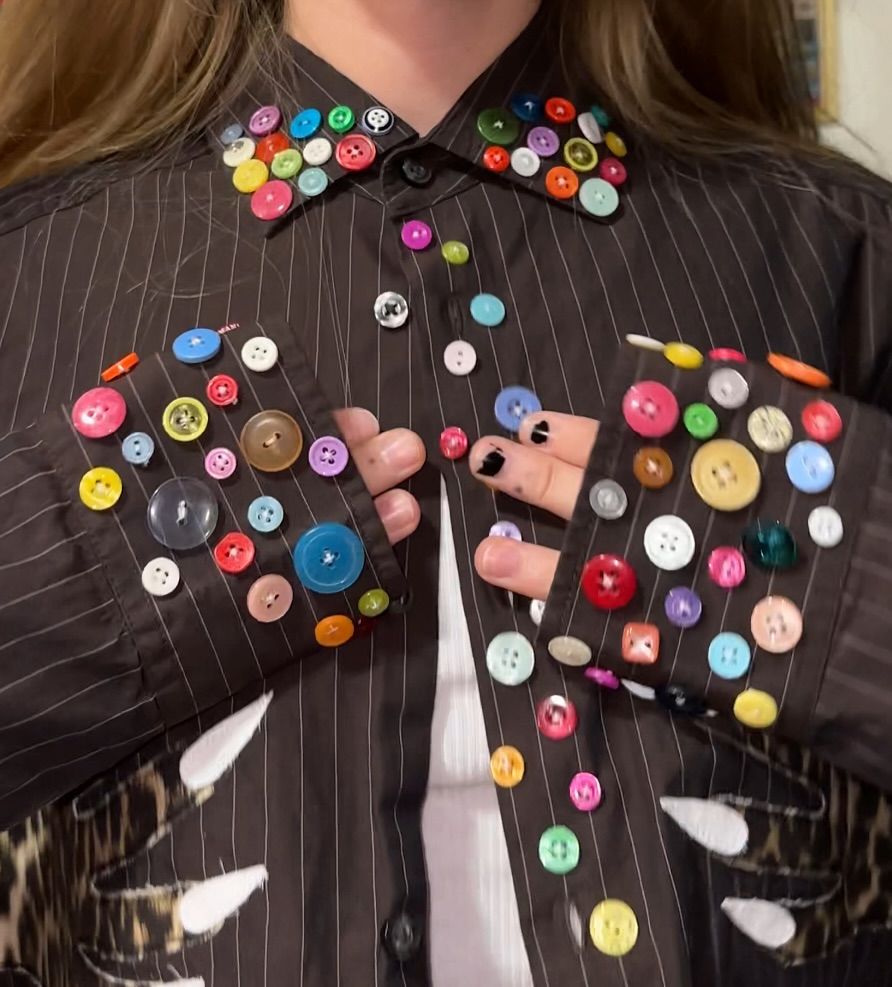
You have probably buttoned a shirt today without thinking about it. That quiet click, done in seconds, feels routine. But the button is one of the most disruptive inventions in fashion history.
Before it, clothing draped. After it, clothing obeyed.
The button did more than hold fabric together. It changed how bodies were presented, who had access to style, and how identity could be controlled or expressed. It introduced discipline into dressing, turning clothing into something structured, deliberate, and often political.
Across continents, the meaning of fastening has never been neutral. In some cultures, it signalled power. In others, restraint. In many African contexts, where dress has always carried social and cultural weight, the button became something else entirely — not just a tool, but a decision.
From ornament to control, the button-shaped fashion, class, and identity across cultures, revealing how small design choices carry deep meaning.
From Decoration to Control
The earliest buttons were never meant to fasten anything. Archaeological evidence shows they existed as decorative objects, worn to signal beauty, wealth, or belonging. Their purpose was visual, not functional.
This origin matters because it aligns with a broader truth about dress across cultures. Adornment has always been a language, and in many African societies, beads, cowries, and metal fastenings carried layered meanings tied to identity, spirituality, and social position. The idea that a small object could communicate status was already deeply understood.
What changed the button’s trajectory was the invention of the buttonhole in medieval Europe. Suddenly, clothing could close tightly. Garments began to follow the body rather than float around it.
This was not just a design improvement. It was a shift in how the body itself was treated. Clothing became a tool of control, shaping posture, movement, and even perception. The button made fashion more intentional but also more restrictive.
Why Fit Became Power
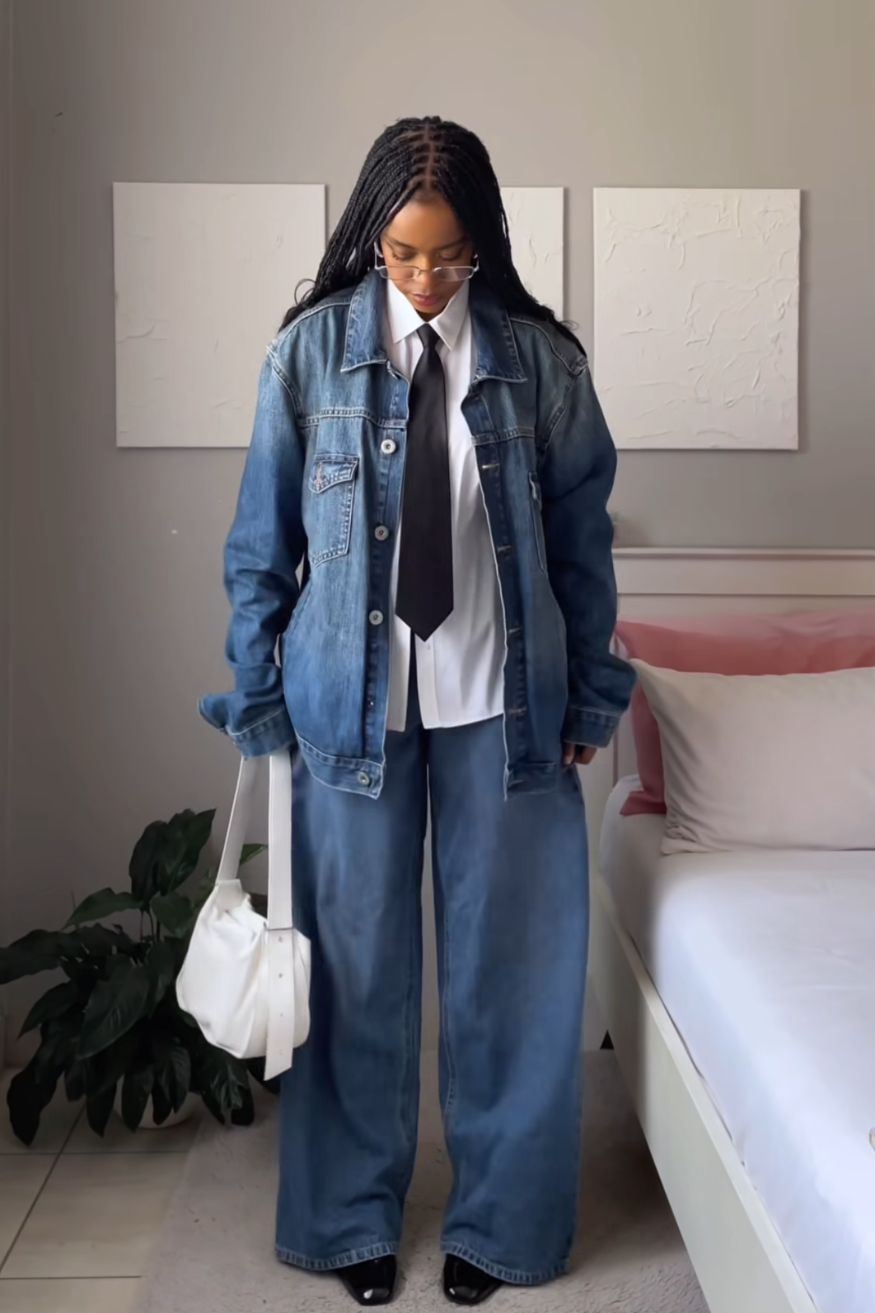
Once buttons allowed garments to be tailored closely, fashion moved toward precision. Sleeves narrowed, waists tightened, and silhouettes became sharper. The body was no longer simply covered. It was engineered.
This shift reflected bigger social changes. A fitted garment requires time, skill, and resources. It separates those who can afford customisation from those who cannot.
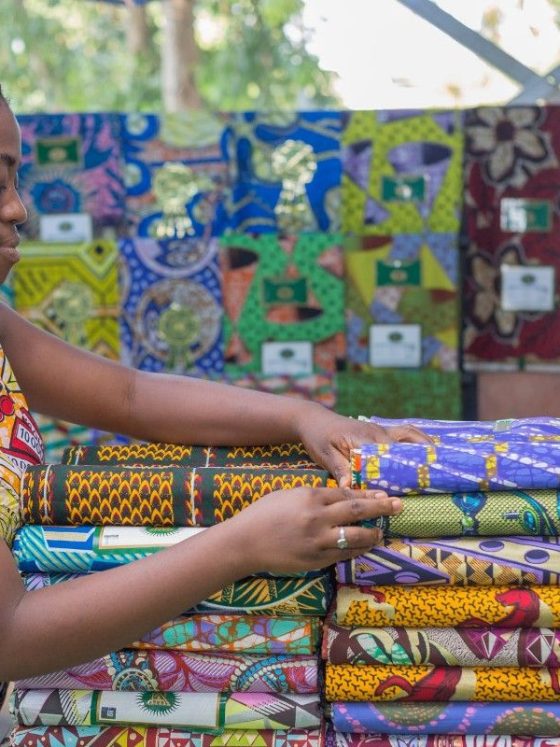
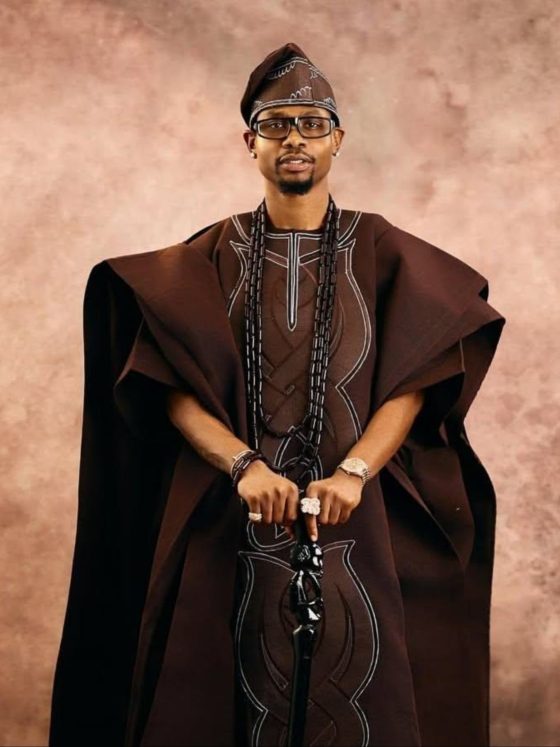
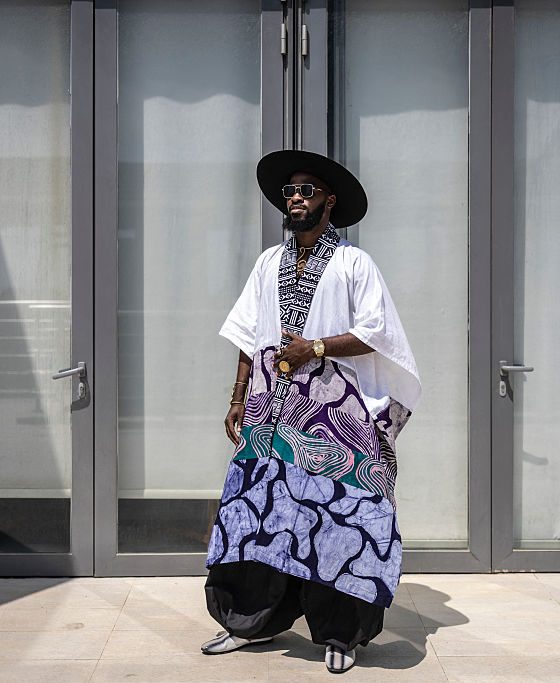
In contrast, many African dress traditions historically prioritised adaptability. Wrapped textiles and flowing garments allowed for ease of movement, climate responsiveness, and inclusivity across body types. The difference is not accidental. It reflects different relationships to the body.
Where fitted clothing emphasises control and display, looser forms emphasise comfort, dignity, and continuity.
The button sits at the centre of this divide. It represents a moment when fashion chose structure over fluidity.
Buttons as a Language of Class
At one point in history, buttons were so valuable that laws restricted who could wear them. The number, material, and placement of buttons became visible markers of class.
This is where fashion becomes openly political.
A garment covered in buttons was not just stylish. It was a statement of access. Gold or ivory buttons signalled wealth in a way that could not be ignored.
Across African societies, similar systems of visual communication existed, but they operated differently. Status was often expressed through materials such as coral, gold, or intricate textiles, but these were tied to lineage and cultural roles rather than mere accumulation.
The difference lies in intention. European fashion often used detail to enforce separation. Many African systems used it to reinforce a sense of belonging.
Colonial Encounters and Hybrid Dressing
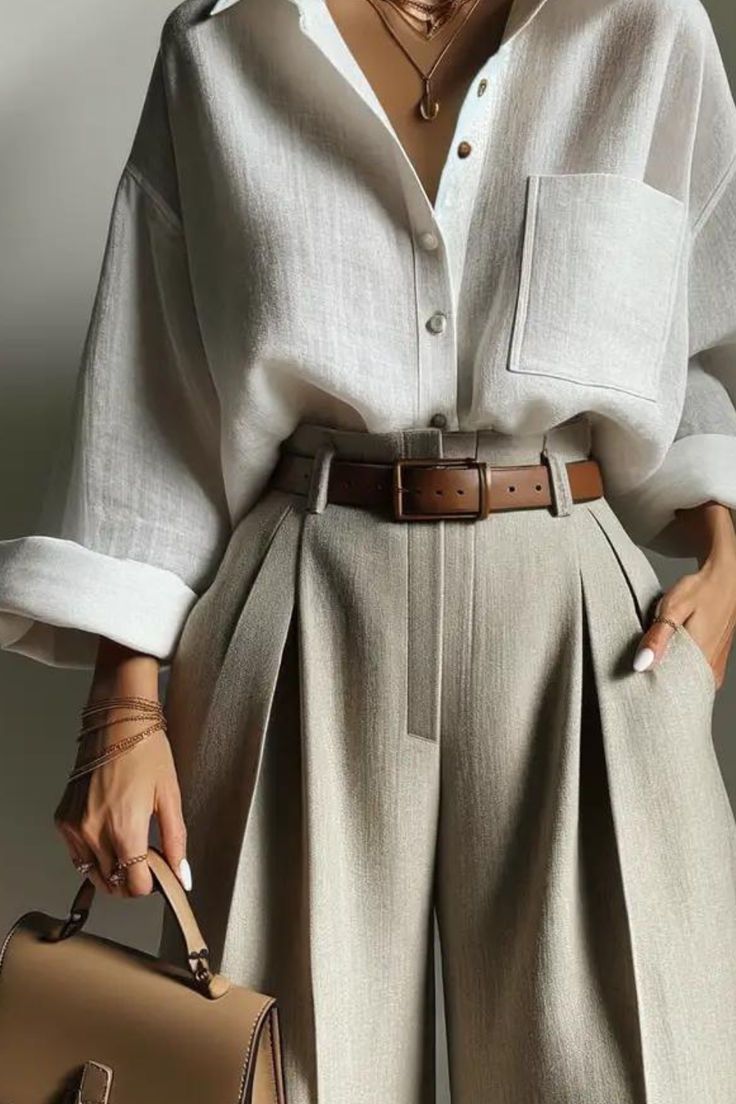
The spread of buttoned garments across Africa cannot be separated from colonial history. Missionary schools, military uniforms, and administrative dress codes introduced new ways of wearing clothes.
Buttons became part of that system. They signalled modernity, discipline, and alignment with Western structures.
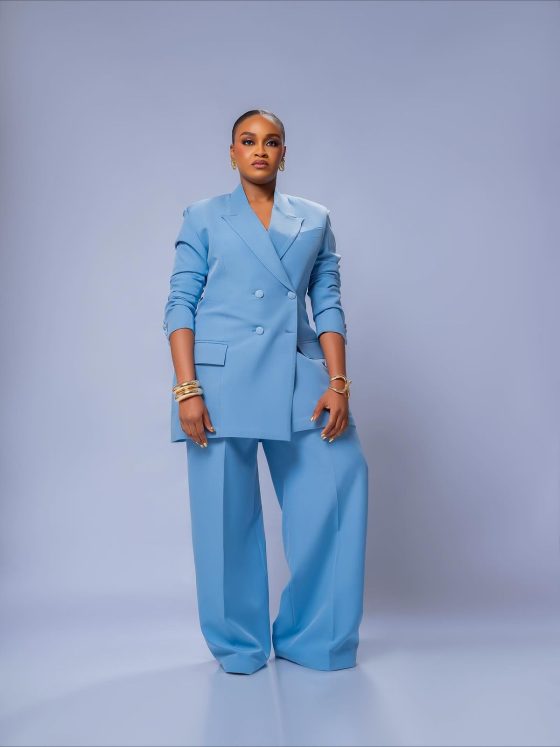
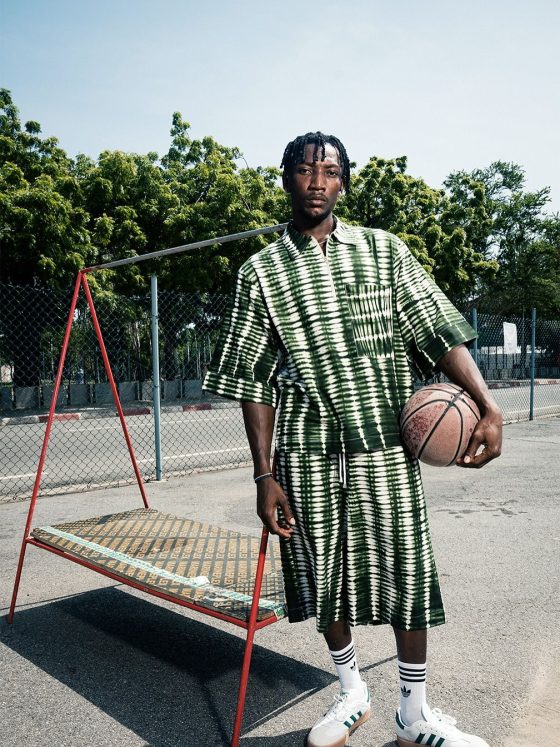
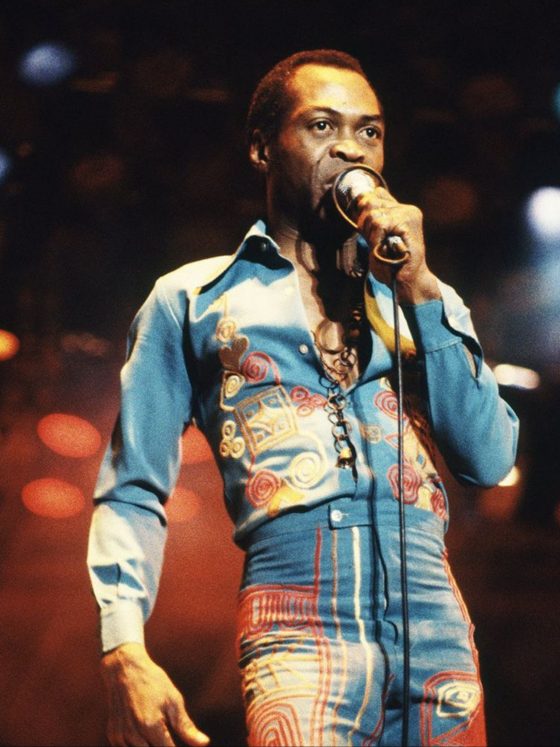
But fashion is never one-directional. African communities adapted these elements, blending them with existing styles. The result was a hybrid dressing, garments that carried both local identity and external influence.
This blending is still visible today in workwear, formal attire, and even everyday clothing. The button, in this context, becomes a record of encounter. It tells a story of contact, negotiation, and adaptation.
Redefining Luxury Through Restraint
In many contemporary fashion systems, luxury is often equated with excess — more detail, more embellishment, more visibility.
But that idea does not hold across cultures.
Take garments like the Gomesi. The use of buttons is minimal, precise, and purposeful. They exist where they are needed, not where they can simply be displayed.
This approach reframes luxury. It shifts the focus from accumulation to intention.
Luxury, in this sense, is not about how much is added, but how well each element serves the whole. It respects the wearer, the occasion, and the cultural context.
READ ALSO:
- Handmade Craft in Fashion: Why It Feels Radical Again
- What the Global Fashion Industry Still Gets Wrong About Non-Western Styles
- The Politics of Luxury Fashion: Who Gets to Wear What and Who Decides
Gender, Autonomy, and the Politics of Dressing
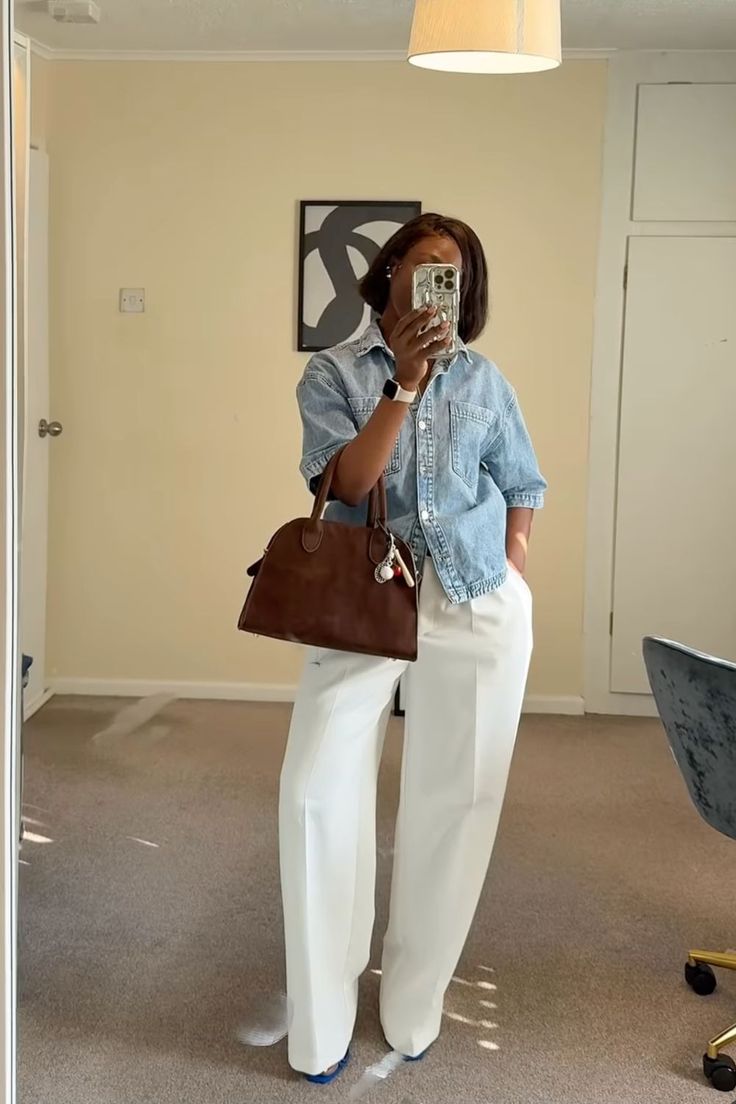
Even the direction a shirt’s buttons carry history. Women’s garments often button on the opposite side from men’s, a design rooted in a time when others dressed wealthy women.
This detail reveals how clothing can encode power dynamics. It reflects assumptions about independence, labour, and gender roles.
Today, designers are questioning these conventions. In African fashion spaces in particular, there is a growing movement toward clothing that prioritises agency. Closures are being reimagined. Traditional rules are being challenged.
The button, once a symbol of structure and control, is being reconsidered as part of a broader conversation about freedom.
Conclusion
The button is not just a fastening device. It is a cultural artefact that has shaped how we see the body, express status, and navigate identity.
It introduced precision into fashion but also hierarchy. It travelled through colonial systems but became part of local adaptation. It enforced norms but now offers opportunities to challenge them.
What makes the button powerful is not its size, but its influence. It sits quietly on our clothes, yet carries centuries of meaning.
And once you see that, you stop buttoning your shirt on autopilot. You start to understand that every small detail in fashion is part of a much larger story.
FAQs
1. Why is the button important in fashion history
It changed clothing from loose and adjustable to fitted and structured, shaping how garments interact with the body.
2. Were buttons always used for fastening
No. They began as decorative objects before becoming functional with the invention of buttonholes.
3. How did buttons relate to social class
They were once luxury items, with materials and quantity used to signal wealth and status.
4. What role did buttons play in African fashion
They were integrated into dress through cultural adaptation, often used intentionally rather than in excess.
5. Why do buttons still matter today
They continue to reflect identity, design choices, and evolving conversations around culture, gender, and power.