

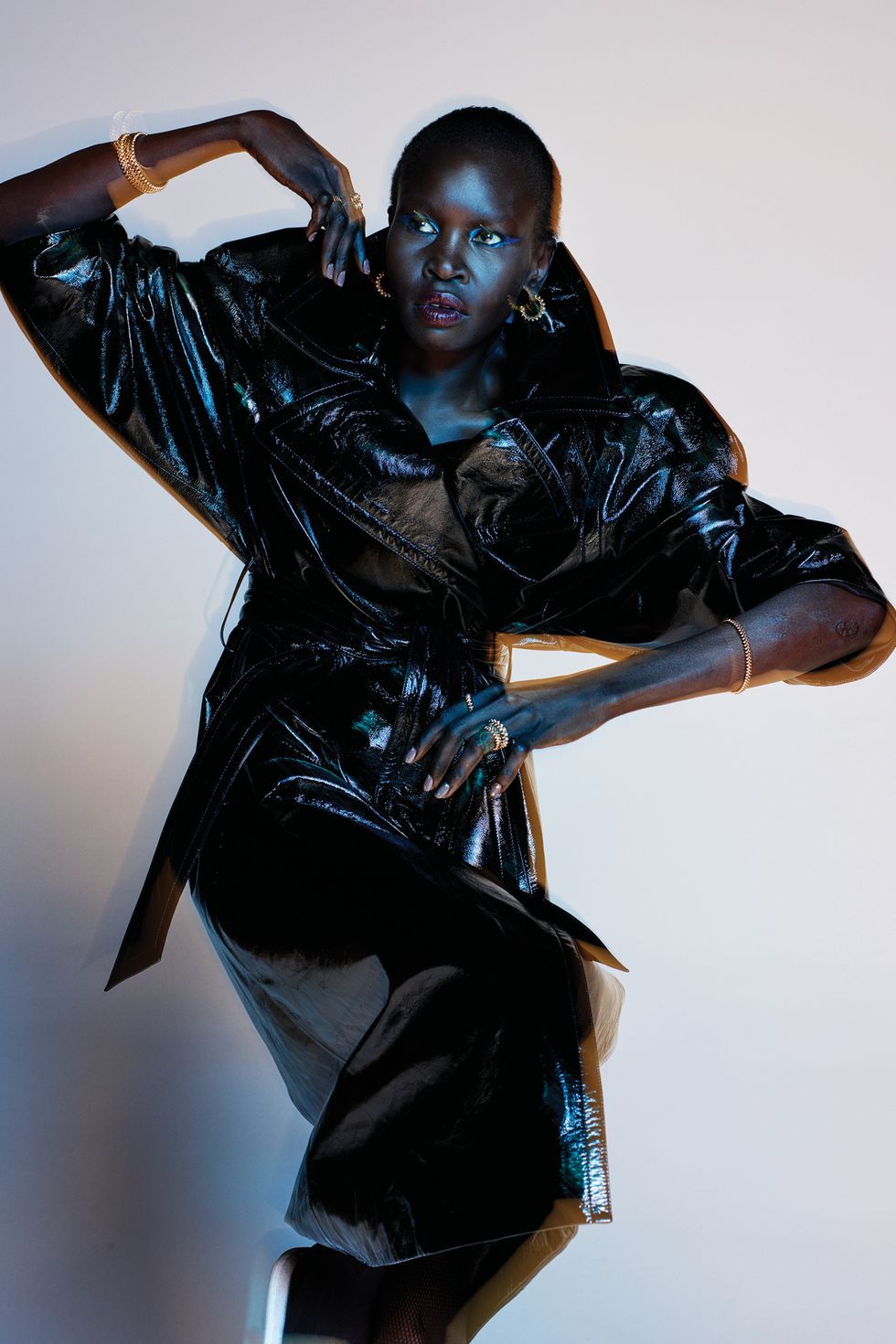
The African fashion market is worth 31 billion dollars. Within that market, one of the most consequential shifts of the past three decades has happened not in a design studio or on a factory floor, but in a casting room. Alek Wek’s arrival in international fashion in 1995 did not simply add a new name to the industry’s roster. It forced a question the industry had been successfully avoiding: whose definition of beauty was luxury fashion actually serving?
Wek did not just become a successful model. She changed the terms on which East African beauty could be seen in luxury fashion. Her breakthrough arrived at a moment when dark-skinned African models were still rare across the major fashion capitals. Her sustained career across Paris, Milan, London, and New York helped push the industry beyond the narrow beauty standards that had long defined who was cast, who was photographed, and who was considered commercially viable at the highest tier of luxury fashion.
What followed was not a straight line of progress. It was a slow, commercially motivated, and still incomplete broadening of what fashion was willing to recognise. Today, East African models from South Sudan, Ethiopia, Kenya, Somalia, Uganda, Eritrea, and Tanzania, as well as from diaspora communities across Europe, North America, and Australia, are far more visible across runway, editorial, and campaign work than they were in the mid-1990s. The shift is real. But visibility and authority are not the same thing.
How casting for East African models evolved since Alek Wek, the industry forces that shifted representation, the models who followed, and the gaps that persist. (155 chars)
Alek Wek Redrew the Frame
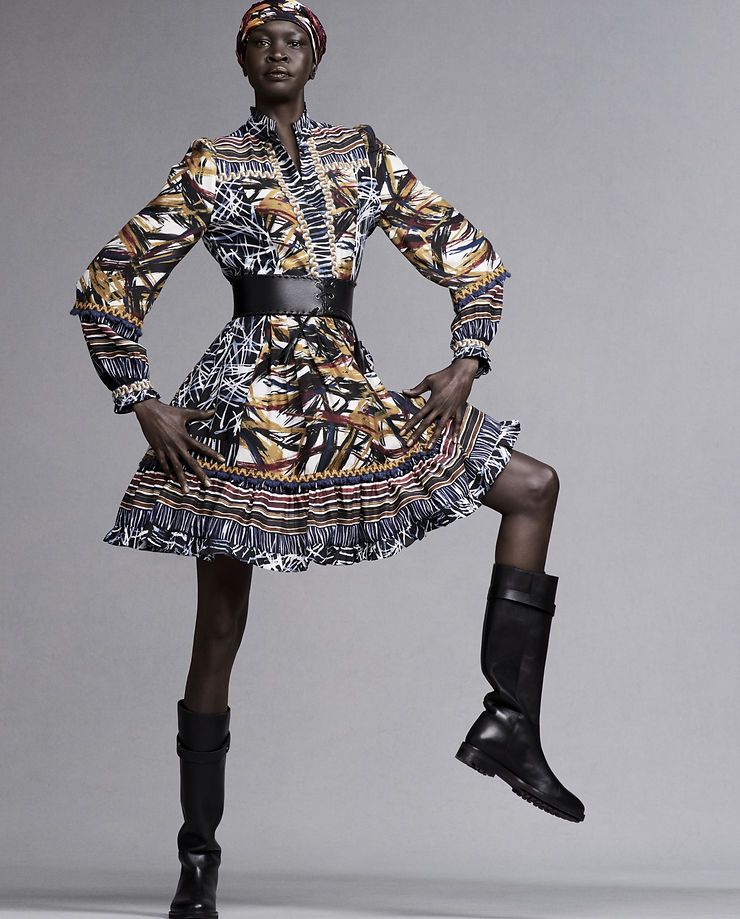
Wek’s significance lies in the fact that she was not cast as a novelty that disappeared after one season. She built a serious career, appearing in major magazines, working with celebrated photographers, and walking for houses including Chanel and Alexander McQueen. In 2004, she made history as the first Black model to close a Chanel Haute Couture show as the bride, a role traditionally reserved for one of the designer’s most prized models.
That milestone mattered because it happened at the highest tier of luxury fashion. The Chanel bridal finale is not a side detail; it is a prestige casting slot. By placing Wek there, the industry signalled, however belatedly, that a darker-skinned East African woman could represent the most codified idea of couture elegance. The signal was not a policy change. But in a system that communicates primarily through imagery, it carried weight.
The broader casting landscape did change in the years that followed, though not because one model alone transformed the system. The industry moved because consumer expectation shifted, because scouting widened its geography, and because the commercial argument for diversity eventually became harder to ignore than the argument against it.
The Runway Numbers: What the Diversity Reports Show
Runway diversity data offers the most documented view of how casting shifted. Fashion Spot diversity reporting shows that in Spring 2015, non-white models accounted for approximately 17% of runway castings across New York, London, Milan, and Paris. By Fall 2019, examining 221 shows and more than 7,300 model appearances, that figure had risen to 38.8%. The runway became less uniformly white than it was in the early 1990s.
Those numbers do not measure East African representation specifically. They measure the broadening of the cast overall. But that widening opened space for African models of all backgrounds, including East Africans and East African diaspora talent who would previously have found the doors of major agencies and houses harder to move.
The Fall 2022 diversity report reinforces the same picture while flagging an important qualification: representation has not been uniform across seasons, houses, or categories. The fashion industry does not progress in one direction. It moves, reverses, plateaus, and responds to pressure. The runway numbers reflect demand, not transformation.
East African models gained runway visibility after Alek Wek. Fashion learned to book East African beauty without fully learning to centre it.
The Generation That Followed
The most visible evidence of change is the rise of East African models who became global names in their own right. Adut Akech, a South Sudanese-Australian model who closed major shows and won the British Fashion Council’s Model of the Year award, became one of the most recognised names of her generation. Anok Yai, also South Sudanese-American, made history in 2018 as the first Black model to open a Prada show in more than two decades. Aamito Lagum from Uganda, Halima Aden from Somalia-Kenya, and Malaika Firth from Kenya all built careers that moved between runway, editorial, and campaign work at the international level.
What makes this generation important is not simply that they booked high-profile shows and campaigns. It is that their careers made the category itself more legible. Fashion no longer had to treat East African beauty as a one-time discovery requiring internal justification. It had a roster of talent with track records, and that changed the rhythm and confidence of casting decisions. The question shifted from whether an East African model could succeed at this level to which East African model was right for this brief.
Why Casting Changed: Three Forces
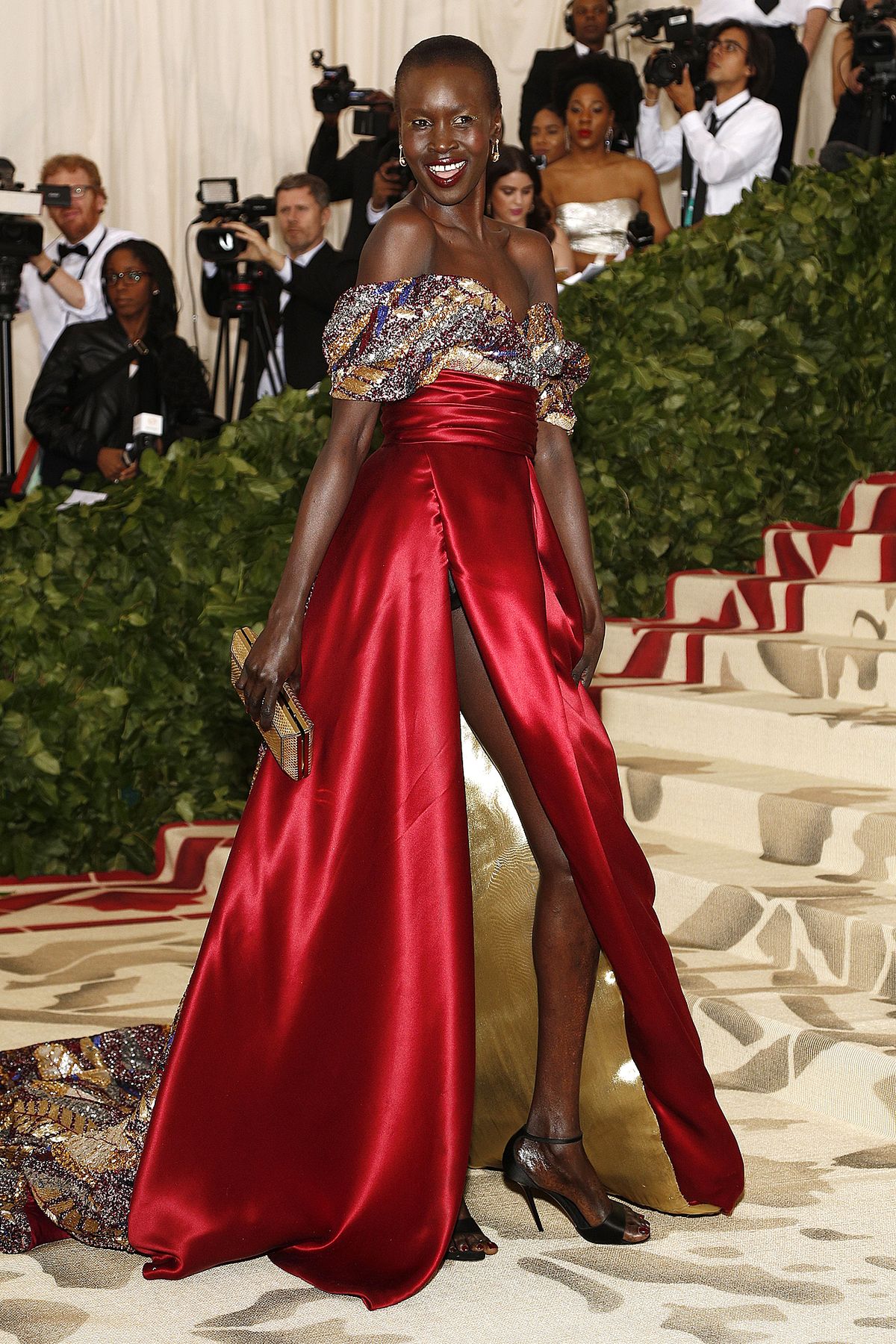
Several forces pushed the industry in this direction simultaneously. Consumer pressure was the most commercially significant. Brands began facing expectations from audiences who wanted campaigns and runways to reflect the world as it exists, not an edited version of it. Representation moved from a moral position that brands could acknowledge and defer to a commercial pressure that had consequences for brand perception, particularly among younger consumers.
Scouting became more global. Agencies expanded talent searches across East Africa and within diaspora communities in Europe, North America, and Australia, widening the talent pipeline beyond the historic fashion capitals. A model who would previously have needed to travel to London or Paris to be discovered could now be found and followed before she ever reached a runway booking.
Africa’s own fashion infrastructure grew. African fashion weeks, regional designers, and international collaborations created additional platforms for models to gain experience, build editorial credits, and reach international attention before entering the global market. What Lagos, Accra, and Nairobi have built as fashion weeks and creative platforms has been part of the pipeline that feeds the international runway, not a separate conversation from it.
The Limits: What Visibility Does Not Solve
Greater runway presence has not resolved the structural problems that many East African models describe when speaking about their industry experience. Business of Fashion reporting on modelling industry conditions and broader industry testimony consistently raise the same concerns: makeup teams unfamiliar with darker skin tones, hair teams lacking experience with textured hair, and casting practices that reach for representation without building the systems that make it sustainable.
This is the distinction that matters. Having East African models in a show is not the same as building an industry that understands them. Real inclusion depends on who works behind the scenes as much as on who walks the runway. The casting decision happens at one point in the production chain. The experience backstage, the terms of the contract, and the likelihood of the booking being repeated all happen at others. Diversity at the visible end of the system without corresponding change in its operational infrastructure produces what the industry itself calls tokenism.
The Fall 2022 diversity data reflects this: the numbers show improvement over 2015, but not consistency. Seasons vary. Individual houses vary. The diversity report has to be run every season because the results of the previous season are not guaranteed to hold.
East Africa Is Not One Look
One of the most important and still incomplete changes since Alek Wek’s breakthrough is the industry’s growing recognition that East Africa is diverse rather than singular. South Sudanese, Ethiopian, Kenyan, Somali, Ugandan, Eritrean, and Tanzanian models do not represent one aesthetic, one set of features, or one cultural background. They bring different physical characteristics, different cultural histories, and different contexts to the industry. Casting that treats them as interchangeable representatives of a single East African beauty type is doing something categorically different from casting that engages with their actual specificity.
Earlier casting practices often reduced African representation to a symbolic gesture: a single model serving as evidence of diversity for an entire season or collection. The stronger cases of East African representation in contemporary fashion are less about symbolism and more about range. The region is no longer being cast as a single aesthetic event. At its best, it is being treated as a source of enduring fashion talent with genuine diversity within it. Reuters reporting on African fashion talent documents how this shift has registered across the international fashion trade.
What the Next Stage Looks Like
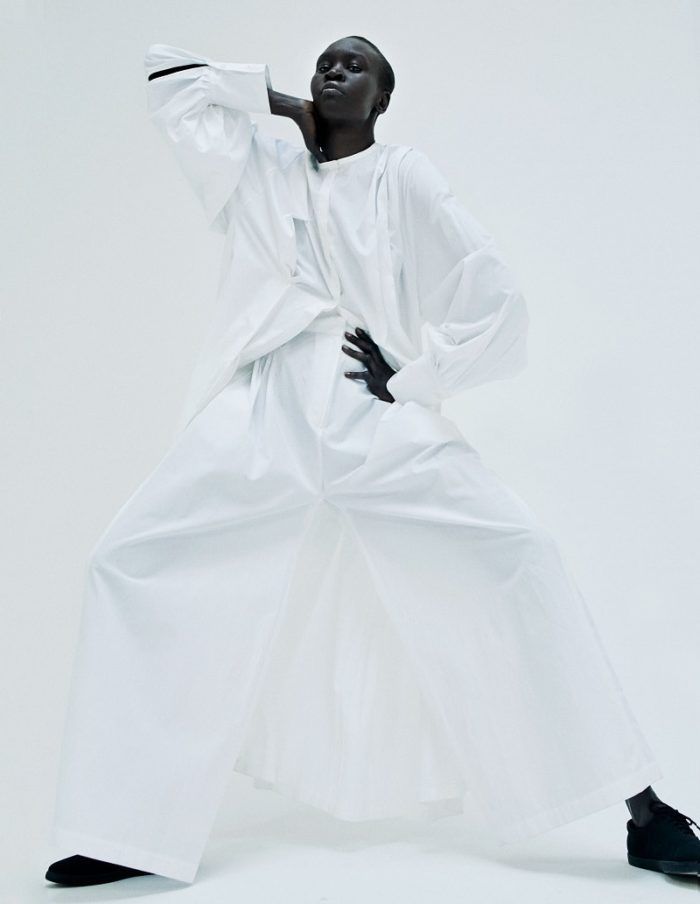
The next stage of progress is less about visibility counts and more about the quality and durability of representation. The questions the industry now needs to answer are whether East African models are getting long-term contracts rather than seasonal bookings, whether agencies are building leadership from within their talent rosters, and whether the photographers, stylists, makeup artists, and casting directors who determine how models are seen and treated are becoming more diverse too.
The future of casting is not only about who is seen. It is about who gets to decide what beauty looks like, who gets booked across multiple seasons rather than once, and who gets treated as the industry’s norm rather than its exception. Wek demonstrated that an East African model could build a sustained career at the highest level of luxury fashion. The generation that followed demonstrated that this was not a one-off. The industry’s next obligation is to build the systems that make that demonstration permanent rather than continuing to require each generation to prove the same point from scratch.
Omiren Record
| Benchmark model | Alek Wek |
| Breakthrough year | 1995 |
| Key turning point | First Black model to close Chanel Haute Couture as the bride, 2004 |
| Region | East Africa and East African diaspora |
| Industry shift | Increased visibility across runway, editorial, and luxury campaigns |
| Key drivers | Diversity pressure, expanded global scouting, digital discovery, African fashion infrastructure |
| Ongoing challenges | Tokenism, backstage inclusion, inconsistent representation, leadership gaps |
| African market context | African fashion market valued at 31 billion dollars |
ALSO READ:
- African Craft Economy: How Designers Are Rebuilding What Governments Abandoned
- African Fashion Investments: What Investors Miss About Designer Valuations
- Botswana Men’s Beadwork Accessories and What They Signal
- How Ivorian Handloom Cooperatives Compete With Wax Print Imports
The Omiren Argument
The African fashion market is worth $ 31 billion. Within that market, casting decisions function as a form of editorial authority: they determine whose beauty is declared commercially viable, whose features are treated as the industry’s norm, and whose presence is positioned as the exception that proves a rule rather than evidence that the rule should change. Alek Wek’s breakthrough in 1995 was not the beginning of East African participation in international fashion. It was the point at which the industry could no longer maintain the fiction that East African beauty was incompatible with luxury fashion’s idea of itself. The generation of models that followed built on that breach. Adut Akech, Anok Yai, Aamito Lagum, Halima Aden, and Malaika Firth made East African presence on international runways a recurring fact rather than a periodic surprise. The runway diversity data confirms this: from 17% non-white castings in Spring 2015 to 38.8% by Fall 2019. But the Omiren argument here is specific. Visibility and authority are not the same thing. The industry learned to book East African beauty. It has not yet learned to centre it. That gap, between the model in the campaign and the decision-maker who placed her there, between the runway booking and the repeated multi-season contract, between the face on the cover and the backstage team that was unprepared for it, is where the real argument about inclusion is still being made.
Frequently Asked Questions
How did Alek Wek change fashion industry casting for East African models?
Alek Wek helped broaden global beauty standards after her 1995 breakthrough by becoming one of the first dark-skinned African models to build a sustained career at the highest levels of luxury fashion. Her appearances with Chanel, Alexander McQueen, and other major houses, and her 2004 role closing the Chanel Haute Couture show as the bride, challenged assumptions about what luxury fashion considered commercially viable and paved the way for greater representation in the decades that followed.
Which East African models have become internationally recognised since Alek Wek?
Several East African and East African diaspora models have built significant international careers since Alek Wek, including Adut Akech from South Sudan, Anok Yai from South Sudan, Aamito Lagum from Uganda, Halima Aden, of Somali descent, and Malaika Firth from Kenya. These models have walked for major luxury houses, appeared in international magazine editorials and advertising campaigns, and won industry awards including the British Fashion Council’s Model of the Year.
How has fashion casting data changed since the 1990s?
Fashion Spot diversity reporting shows that non-white representation on major international runways rose from approximately 17% in Spring 2015 to 38.8% by Fall 2019, based on analysis of 221 shows and more than 7,300 model appearances. The figures do not measure East African representation specifically, but document the broader diversification of runway casting that created more consistent opportunities for African models, including those from East African countries and diaspora communities.
What challenges do East African models still face in the fashion industry?
Despite increased visibility, many East African models continue to experience challenges including makeup teams unfamiliar with darker skin tones, hairstylists lacking experience with textured hair, tokenistic casting that places one model as a symbolic gesture rather than building sustained representation, inconsistent bookings across seasons, and limited diversity among photographers, casting directors, and creative teams who shape how models are presented.
Why are East African models being cast more frequently in international fashion?
Three main forces drove the shift: consumer demand for representation, which made diversity a commercial consideration for brands, not only a moral one; expanded scouting networks that searched East Africa and diaspora communities more actively; and the growth of African fashion platforms in Lagos, Accra, Nairobi, and other cities, which gave models more routes into international visibility. Social media accelerated all three by enabling models to build international followings before being signed to agencies.
What does meaningful inclusion for East African models look like in practice?
Meaningful inclusion requires change beyond runway casting: long-term contracts rather than seasonal one-offs; backstage teams with genuine experience across skin tones and hair textures; greater diversity among photographers, stylists, and casting directors; and East African models being treated as recurring presences rather than periodic symbolic appointments. Visibility at the front end of the fashion system without corresponding change in its operational infrastructure produces tokenism rather than structural change.
Is East Africa represented as diverse within international fashion casting?
Increasingly, though not consistently. South Sudanese, Ethiopian, Kenyan, Somali, Ugandan, Eritrean, and Tanzanian models bring different features, cultural backgrounds, and histories to the industry. The strongest contemporary casting practices engage with that range rather than treating East African models as interchangeable representatives of a single aesthetic. Earlier practices often reduced African representation to a symbolic gesture tied to one model per season. The progress since Alek Wek has made that approach harder to maintain but not impossible to find.
Explore More
Read the full Fashion > Industry section for Omiren Styles’ documentation of African fashion representation, runway casting intelligence, and the structural arguments that determine which models sustain industry careers and which are booked once and forgotten.
