Christmas dressing in Africa has never been casual. Long before global fashion calendars paid attention, the season carried social weight. What you wore on Christmas Day was read closely. It signalled family status, religious seriousness, taste, and even future ambition. Clothes were not just festive. They were communicative.
But that visual language has changed. Today, Christmas style across African cities reflects something more complex. It balances tradition with individuality. Ceremony with comfort. Visibility with restraint. Looking at Lagos, Accra, Nairobi and Johannesburg, festive fashion has evolved into a quiet contest for identity rather than a loud display.
This evolution was shaped by changing class structures, diaspora influence, celebrity style decisions, and a growing appreciation for craftsmanship over excess. Understanding modern Christmas fashion means understanding these layers.
This article provides a comprehensive analysis of the evolution of Christmas style, highlighting the role of celebrity influence, fabric intelligence, and modern luxury, with Omiren at its core.
The Early Era: When Christmas Dressing Was Social Proof
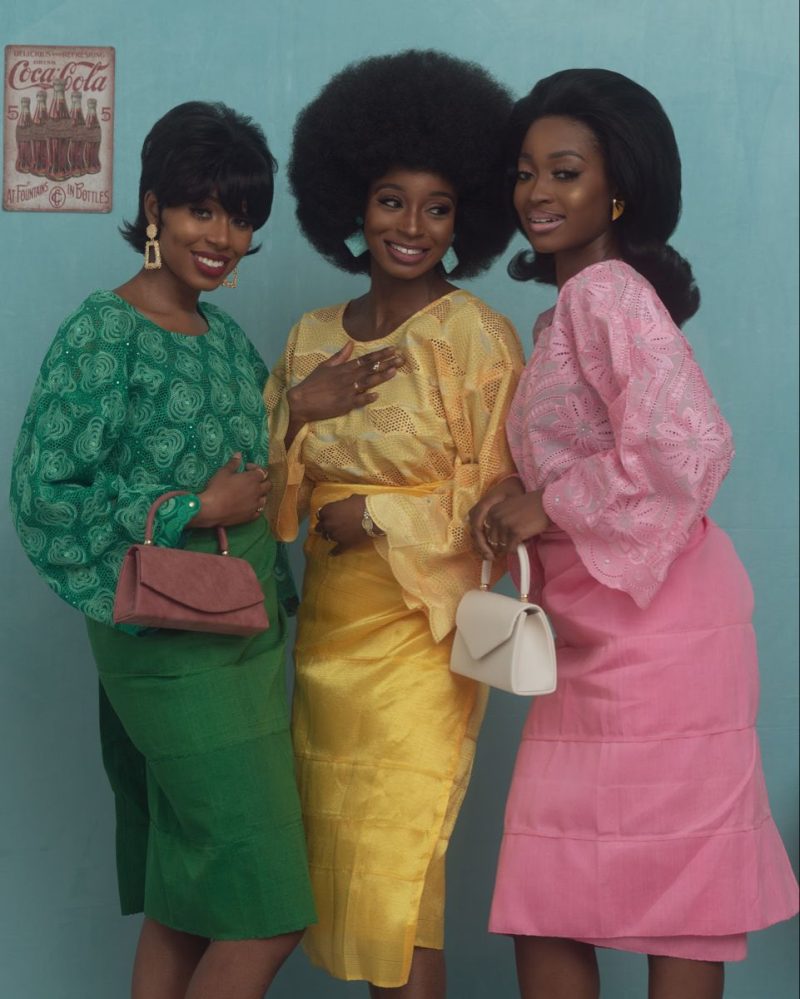
In the 1990s and early 2000s, Christmas fashion in many African homes followed a clear formula. Women wore tailored lace. For men, there was a preference for heavy brocade or well-pressed senator styles. Colours leaned towards gold, wine, emeralds, and white. Outfits were often sewn specifically for Christmas church service and extended family visits.
The goal was not creativity. It was confirmation. Dressing well meant proving progress. New fabric signals economic movement. Imported lace or high-grade damask showed reach. Clothes were often photographed formally because Christmas was one of the few moments the entire family presented itself publicly.
This era prioritised visibility. The louder the fabric, the clearer the message.
The Turning Point: Celebrity Influence and the Softening of Festive Codes
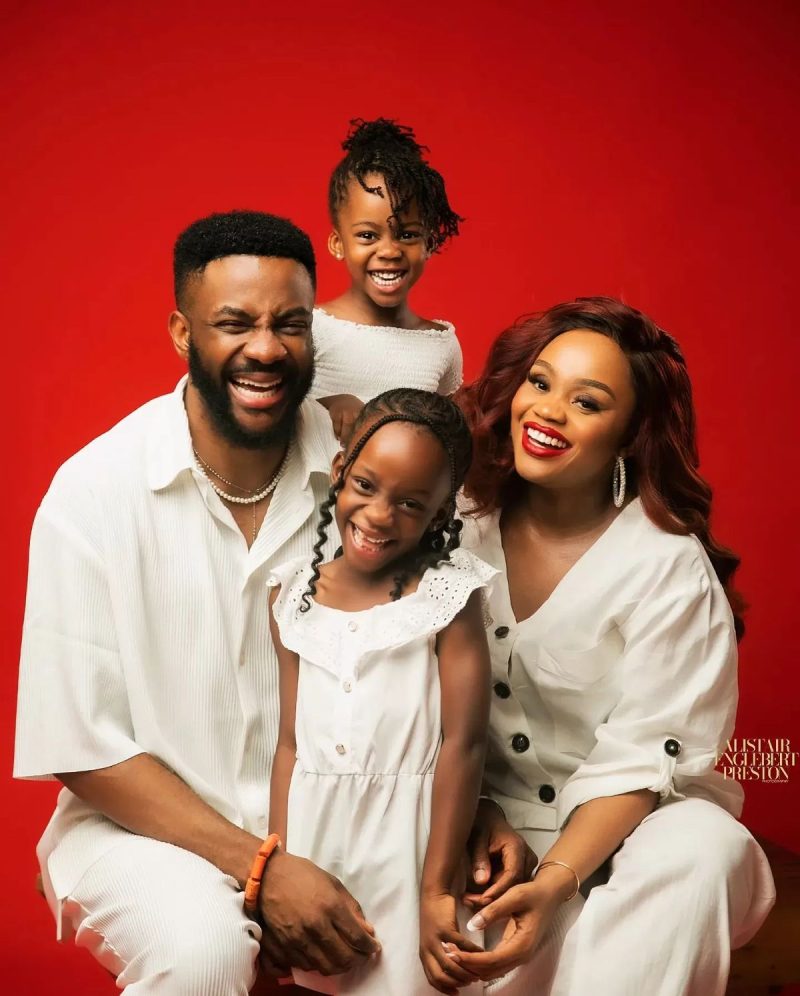
The shift began when African celebrities started dressing against expectations during Christmas. Musicians, actors, and style figures quietly dismantled the idea that festive dressing had to look ceremonial.
Figures like Genevieve Nnaji began appearing in understated silhouettes during holiday appearances. Neutral tones. Minimal embellishment. Clean tailoring. The message changed. Elegance no longer needs excess.
Male celebrities also redirected the narrative. Ebuka Obi-Uchendu’s Christmas looks over the years introduced structured minimalism into festive dressing. Instead of heavy traditional fabrics, he leaned into refined tailoring, textured neutrals, and thoughtful layering. The focus moved from fabric cost to construction quality.
This shift influenced how everyday people approached Christmas style. The question became less, “How loud is your outfit?” and more “How intentional is it?”
READ MORE:
- The Next Generation of Fashion Innovators: What Will Shape 2026
- Afrofuturism in Fashion: How Creativity and Luxury Are Being Rewritten
Fabric Intelligence: Why Christmas Style Became More Subtle

Another major evolution came through fabric understanding. As fashion literacy increased, people began paying attention to how fabrics behave rather than how they shout.
Christmas now falls in periods of intense heat in many African regions. Heavy synthetics became impractical. Designers and wearers started favouring breathable materials with structures. Hand-woven textiles. Light wool blends. These textiles feature a blend of light and heavy cotton. Linen treated for form.
This is where modern African luxury separates itself. Brands that understand festive dressing today design for movement, comfort, and longevity. A Christmas outfit should survive church service, family lunch, and evening gatherings without losing form.
The evolution moved festive style from visual overload to material intelligence.
Modern Christmas Dressing: Power Without Performance
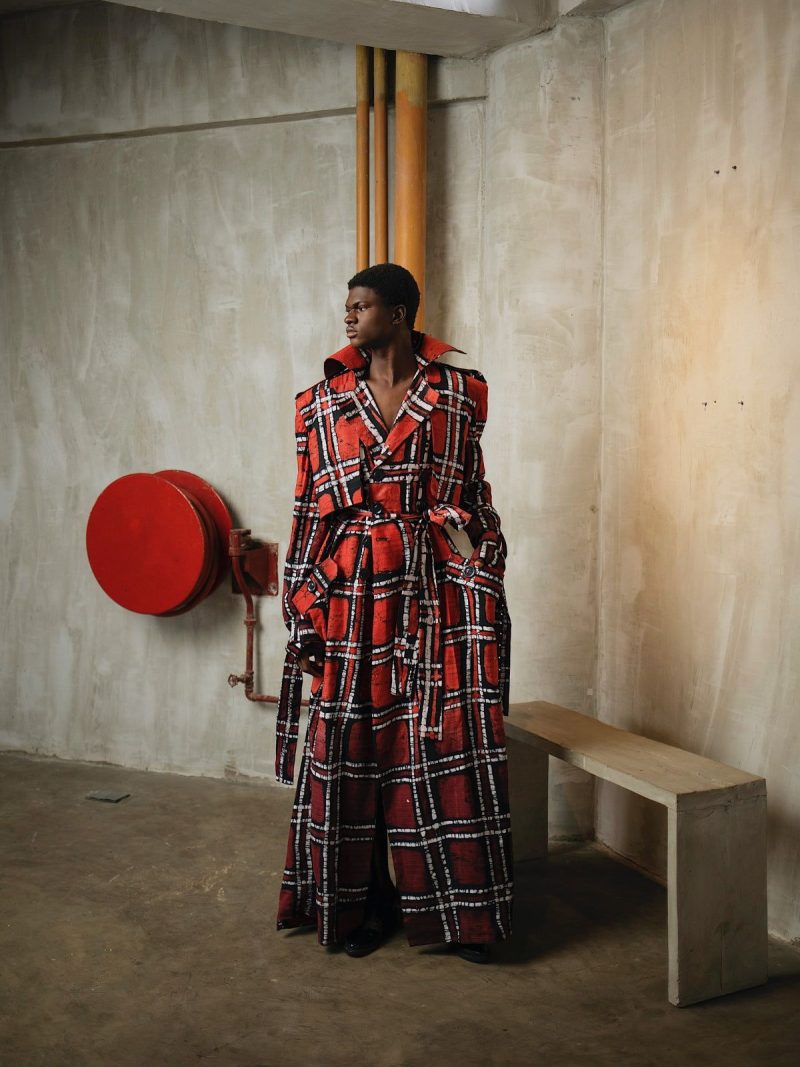
Today’s Christmas fashion across African style capitals reflects control. People dress to feel grounded, not to compete. A well-cut kaftan in a muted tone now communicates more authority than a heavily embellished look.
Celebrities reinforce this shift. Tems, for example, often opts for sculptural simplicity during festive periods. Her style favours clean lines and emotional weight over decorative noise. The effect is modern, African, and globally fluent.
What matters now is how a garment sits on the body. How it moves. How it photographs without screaming. Christmas dressing has become an exercise in restraint.
Conclusion
Christmas style in Africa has evolved from social display to personal power. What was once about proving has become about choosing. The loudness has faded. The meaning has deepened.
Today, festive fashion is no longer a uniform. It is a statement of self-awareness. Brands that understand this evolution do not chase trends. They refine language. Omiren stands firmly in this space, offering clothing that speaks softly but carries weight.
FAQs
- What do people wear for Christmas today?
Modern Christmas dressing focuses on refined tailoring, breathable fabrics, and subtle elegance. Many people now choose structured kaftans, minimalist dresses, and neutral-toned outfits that balance tradition with comfort and personal style.
- How has Christmas fashion changed over the years?
Christmas fashion has shifted from heavily embellished, ceremonial outfits to more intentional and understated looks. The focus has moved toward craftsmanship, fabric quality, and silhouettes that reflect confidence rather than excess.
- Which fabrics are best for Christmas outfits?
Lightweight wool blends, high-quality cotton, treated linen, and hand-woven textiles are ideal for Christmas. These fabrics offer structure while remaining breathable, making them suitable for long festive days in warm climates.
- How do celebrities influence Christmas fashion trends?
Celebrities influence Christmas fashion by embracing minimalism and thoughtful styling. Their preference for clean silhouettes and muted tones has encouraged a shift toward elegance, restraint, and modern luxury in festive dressing.
- What defines modern luxury Christmas fashion brands?
Modern luxury Christmas fashion is defined by intentional design, strong construction, and timeless appeal. Brands focus on pieces that feel appropriate for the season while remaining relevant beyond the holidays.