Fashion forecasting usually leans on spectacle. Colours, silhouettes, and runway moods are packaged as signals for what lies ahead. Yet many of those predictions expire before they reach the wardrobe. What makes 2026 different is not the speed of change but its direction. The next phase of fashion innovation is already in motion, driven less by visual novelty and more by structural clarity.
Across the industry, a new generation of designers is emerging with a shared understanding: relevance will not come from louder aesthetics but from deeper systems. By 2026, innovation in fashion will be measured by how well designers build, sustain, and adapt their work within real economic, cultural, and technological conditions.
Designers will shape fashion innovation in 2026 by building more intelligent systems and redefining craft, technology, and independent luxury.
Rethinking What Innovation Means
For a significant portion of the past ten years, people mistakenly associated fashion innovation with disruption. Newness alone was treated as value. That logic is losing ground. Today’s innovators are not trying to outpace the industry; they are trying to stabilise it.
Innovation now sits in the way designers approach sourcing, production timelines, client relationships, and ownership. A collection is no longer the core unit of creativity. The system behind it is. This shift changes who rises to prominence. Designers who understand logistics, labour, and longevity are gaining influence, along with those with strong visual identities.
By 2026, innovation will be less about what a garment looks like and more about how intelligently it exists in the world.
Designers Who Build Systems, Not Just Collections
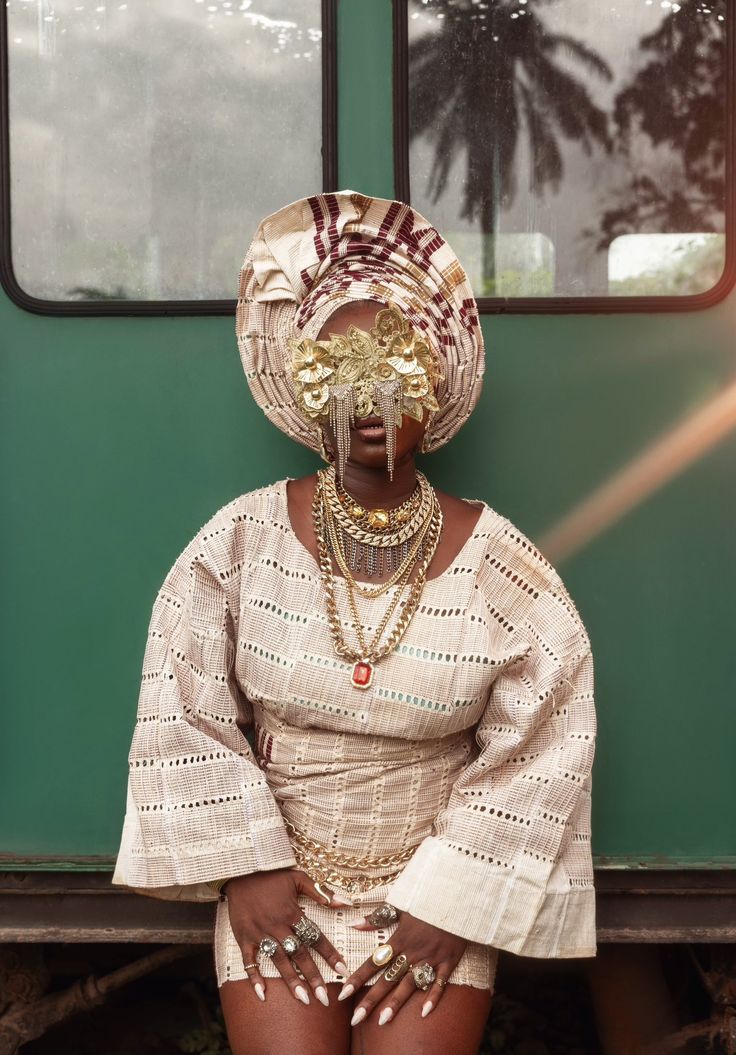
One defining trait of the next generation is an interest in control. This is not about dominance, but about understanding. Many emerging designers are deeply involved in how their garments are made, where materials come from, and how production scales.
This approach often results in smaller releases, longer development cycles, and closer relationships with makers. It also creates resilience. Designers who understand their full process are better equipped to respond to supply chain disruptions, economic shifts, and changing client needs.
Rather than chasing seasonal visibility, these innovators are building fashion practices that can sustain themselves quietly and consistently.
Technology as Infrastructure
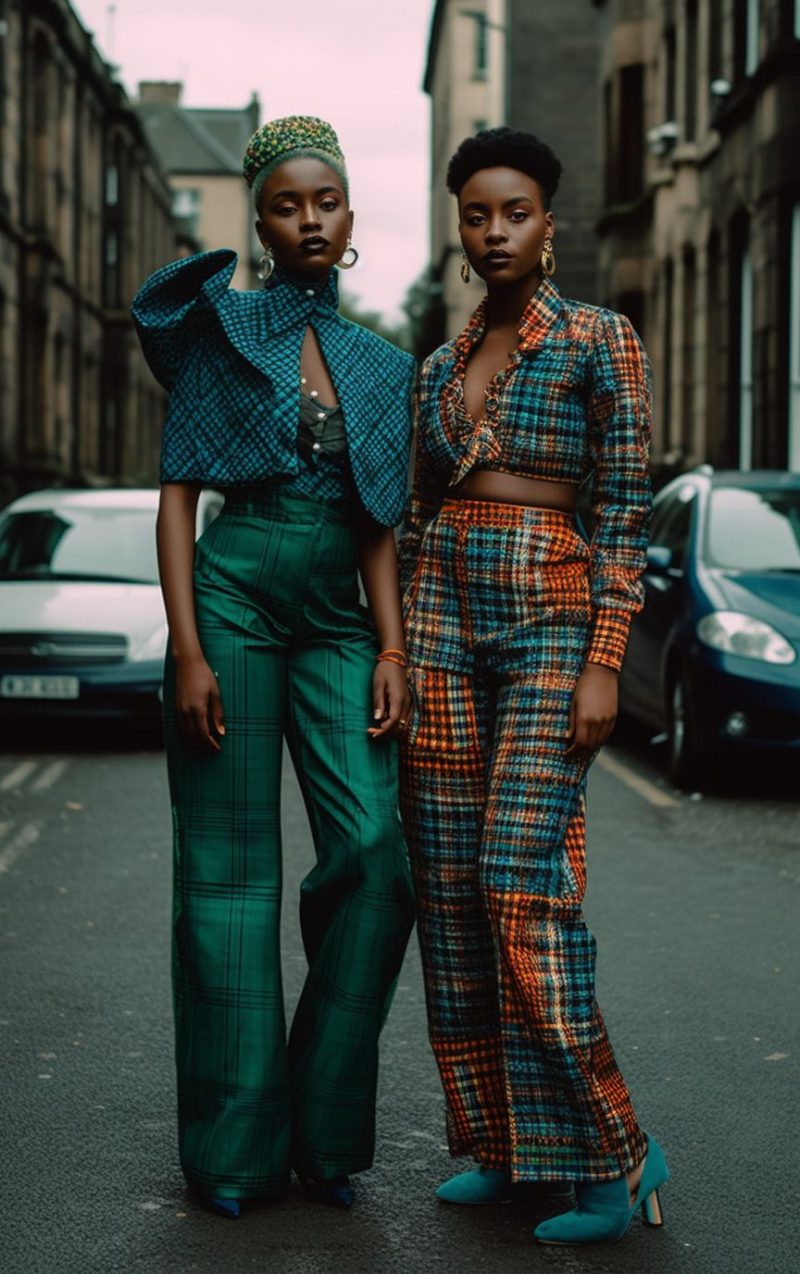
Technology will play a central role in shaping fashion by 2026, but not in the way the industry once imagined. Wearable tech and futuristic styling are no longer markers of progress. Instead, innovation is taking place in the background.
Digital pattern development, data-informed sizing, and production planning tools are allowing designers to reduce waste and improve fit. Some are using technology to shorten the distance between design and delivery. Others use it to archive patterns, protect intellectual property, or manage made-to-order systems.
The most effective use of technology is subtle. It enhances the garment’s design without overshadowing its intended message. By 2026, this quiet integration will define technical sophistication in fashion.
Craft as Strategy, Not Sentiment
Craft is often discussed in emotional terms, framed as heritage or preservation. The next generation treats it differently. For them, craft is a form of knowledge capital.
Skilled labour, specialised techniques, and construction intelligence are becoming competitive advantages. Designers are investing in training, documentation, and process ownership. This allows craft to evolve rather than fossilise.
By positioning craft as something that can grow, adapt, and scale thoughtfully, these innovators are redefining its role in modern fashion. Craft is no longer a contrast to innovation. It is one of its strongest engines.
New Business Models Favouring Independence
Wholesale dependency is losing its appeal. Many future designers are experimenting with models that prioritise autonomy. Direct relationships with clients, limited runs, appointment-based fittings, and made-to-order systems are becoming more common.
These models reduce overproduction and allow designers to respond directly to demand. They also shift the definition of success. Growth is measured in stability and consistency rather than rapid expansion.
By 2026, these business approaches will not be niche alternatives. They will be recognised as intelligent responses in an industry that has long rewarded excess.
READ MORE:
- Why Afro-Minimalism Is the New Global Luxury Aesthetic
- African Fashion Visionaries Redefine the Hollywood Red Carpet
Cultural Intelligence Over Cultural Signalling
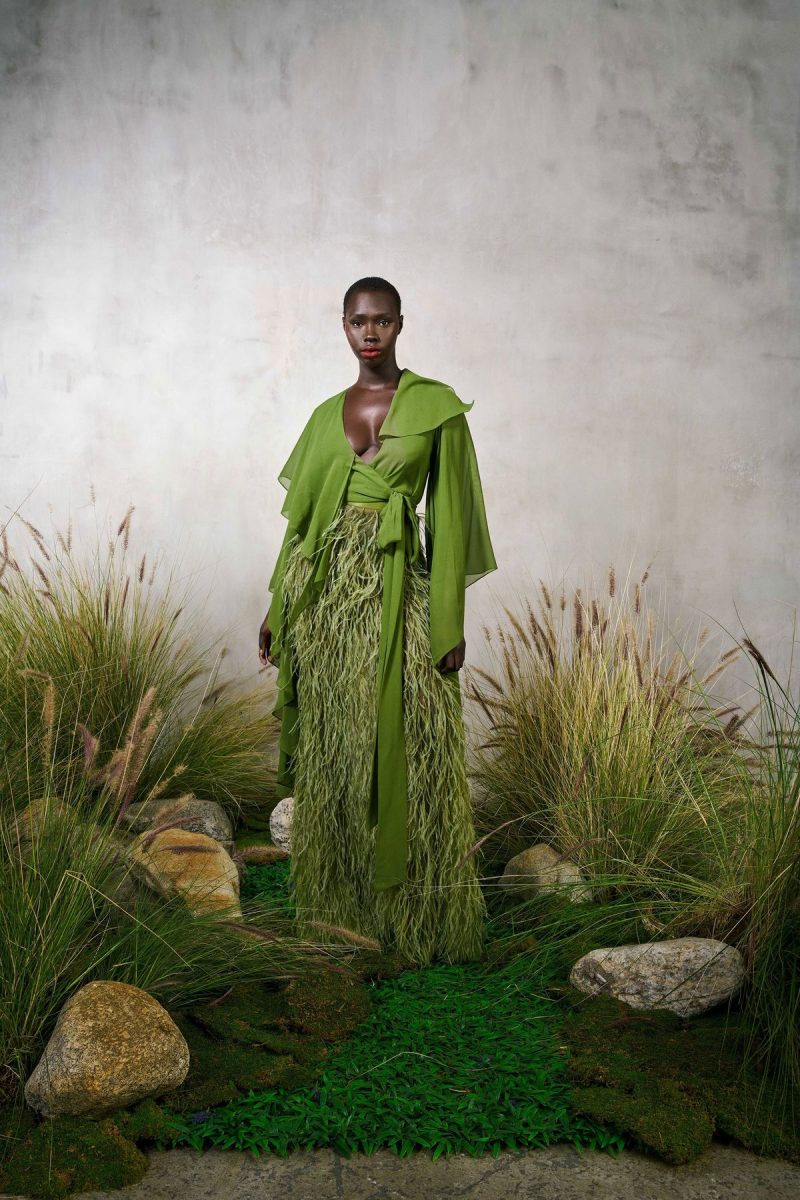
One of the most noticeable changes in emerging fashion innovation is restraint. Designers are moving away from overt cultural signals and toward embedded intelligence. Place, history, and lived context appear through structure, fabric choice, and function rather than explanation.
This approach does not erase identity. It respects the reader and the wearer enough to let meaning unfold without instruction. It also allows work to travel across markets without being flattened into a stereotype.
In a global fashion environment, this subtlety is a strength. It invites engagement rather than demanding recognition.
Rethinking Fit, Gender, and the Body

Standardisation has long limited fashion’s imagination. The next generation is actively challenging this. Innovation is happening through adaptive sizing, flexible silhouettes, and design systems that respond to movement, climate, and lifestyle.
Gender frameworks are also shifting. Rather than creating separate categories, many designers are questioning the need for rigid divisions at all. This results in garments that prioritise use and comfort without sacrificing elegance or intent.
By 2026, consumers will increasingly expect fashion to meet them where they are. Designers who understand this are already shaping new norms.
Global Attention Without Creative Dilution
As visibility grows, so does risk. Global attention often pressures designers to simplify their work for broader appeal. The innovators shaping 2026 are navigating this tension carefully.
They are learning how to engage international markets without abandoning the systems that make their work distinct. This involves selective partnerships, controlled distribution, and thoughtful storytelling.
Innovation, in this context, is not about reaching everyone. It is about reaching the right audiences without losing coherence.
What This Generation Signals
The next generation of fashion innovators is not defined by age or geography. It is defined by approach. These designers understand that fashion’s future depends on depth, not speed, on listening, not broadcasting. They focus on building systems that can accommodate imagination without collapsing under its weight.
By 2026, the industry will increasingly reward those who design with awareness of context, consequence, and continuity. Innovation will no longer announce itself. It will reveal itself through work that lasts.
FAQs
1. What defines a fashion innovator today?
Innovation now lies in systems, not spectacle. Designers are recognised for how they build, sustain, and adapt their practice.
2. Why are fashion predictions shifting away from trends?
Trends change quickly. Structural shifts in production, business models, and design thinking have a longer impact.
3. How important is technology to future fashion innovation?
Technology matters most when it supports efficiency, fit, and sustainability rather than acting as a visual statement.
4. Are independent designers better positioned for 2026?
Designers with flexible, controlled systems often adapt more easily to market and supply changes.
5. What should consumers pay attention to going forward?
Consumers should focus on factors such as process, transparency, and intention. These factors increasingly define quality and relevance in fashion.