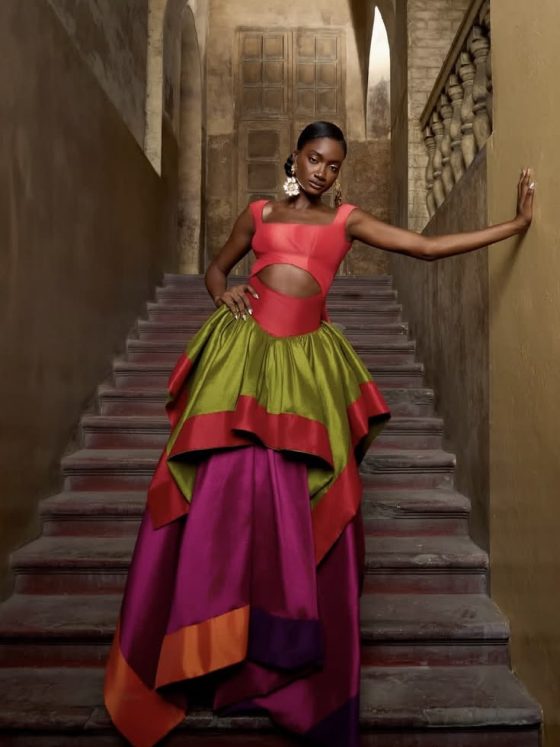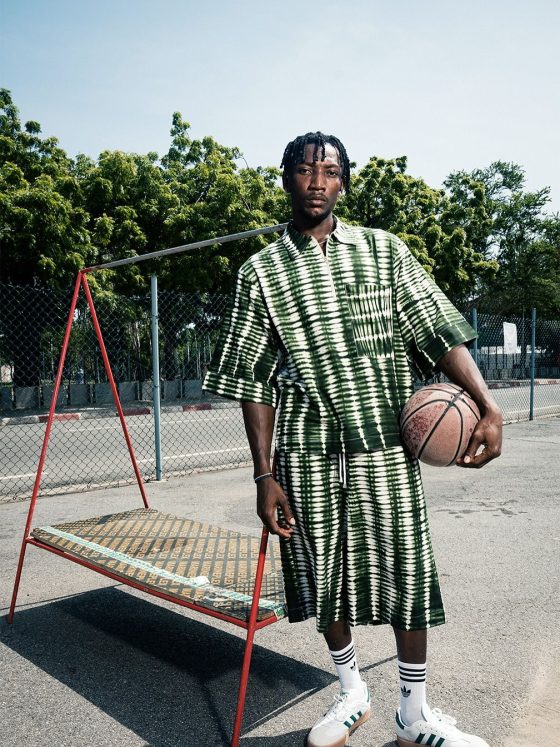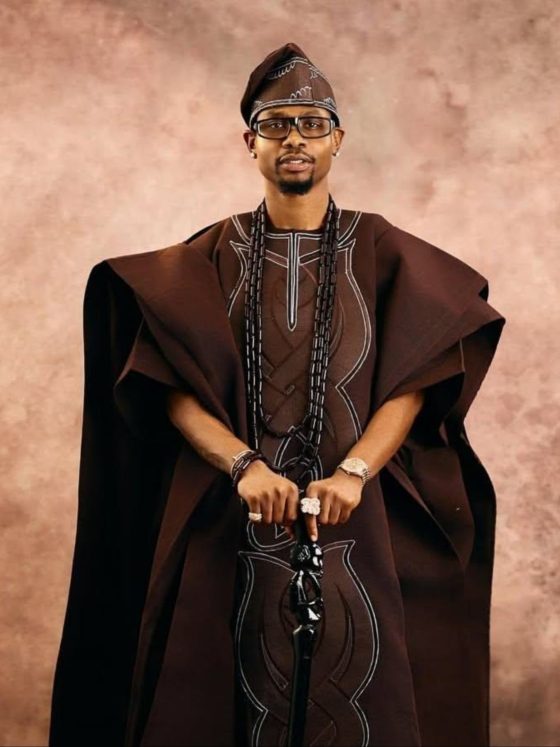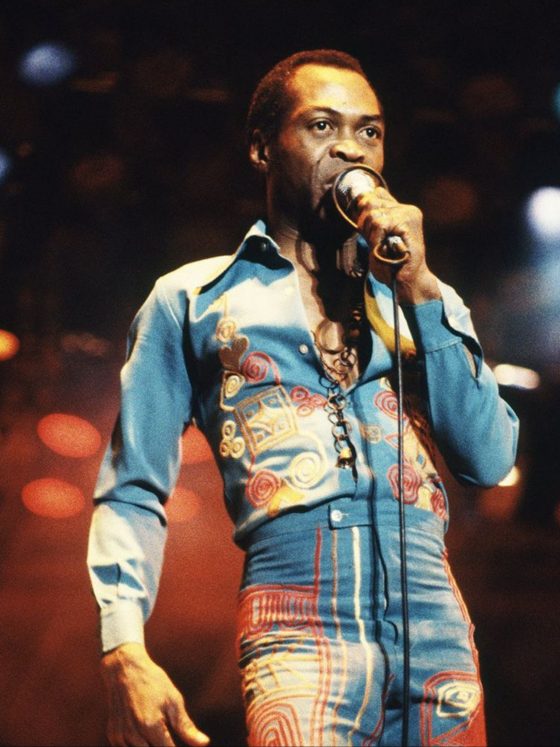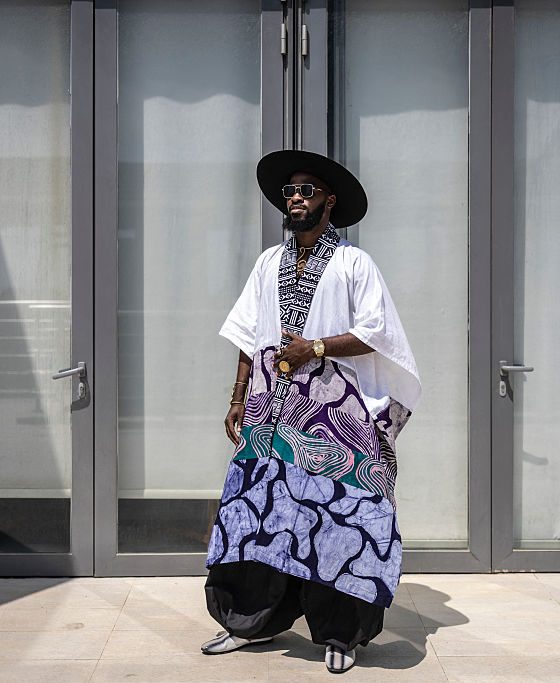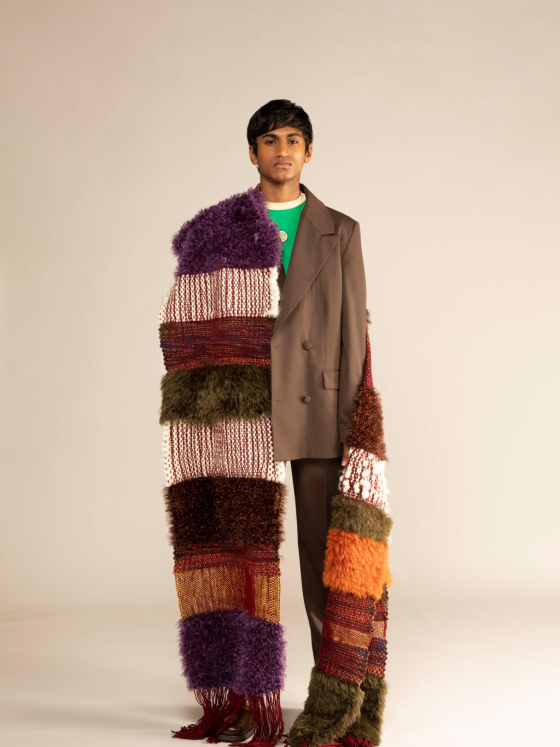
The Ankara economy tells the story of a fabric that transcends style. In Lagos markets, wedding halls, and diaspora closets thousands of kilometres away, Ankara moves faster than most goods claiming to be “global.”
But its rise is not just about vibrant prints or pattern recognition. It is a story of culture, identity, and enterprise transforming a simple cloth into a continent’s most recognized export.
Understanding the Ankara economy means looking beyond aesthetics to see how creativity, survival, and cultural pride turned a wax print into a symbol of African influence worldwide. In this article, we will dive into how this fabric built an economy, shaped culture, and became Africa’s most exported fashion statement.
The Ankara economy shows how wax print became one of Africa’s most visible fashion exports through trade, diaspora demand, and creative entrepreneurship.
Traders Turned a Foreign Cloth Into African Wax Print
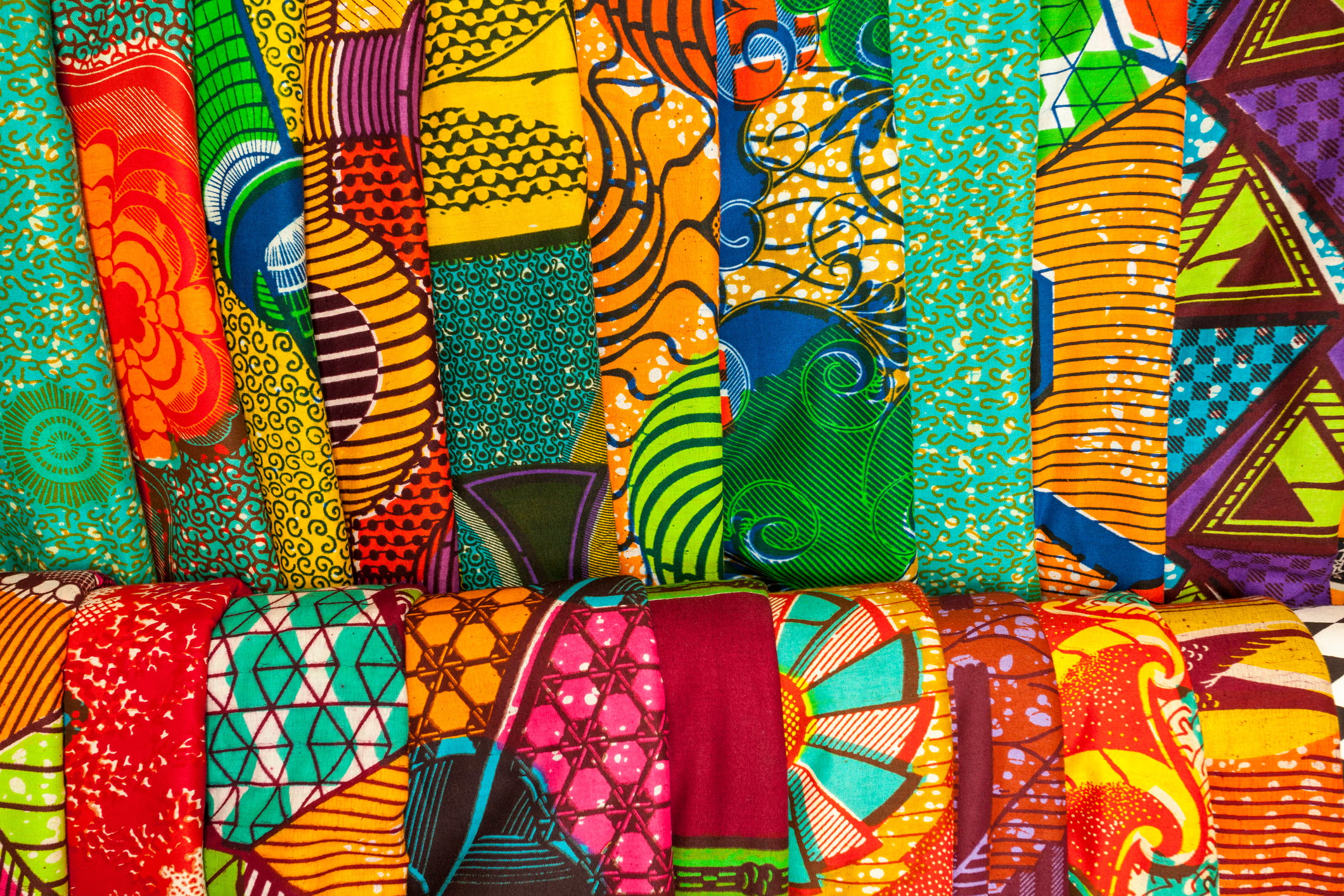
Before Ankara became Africa’s most exported fashion statement, it started in Indonesia as batik, hand-dyed with intricate patterns. Dutch textile companies mechanized the process in the 19th century to sell “wax” cloth locally.
The plan failed in Asia, but West Africa embraced it with unmatched creativity. Traders in Ghana and Nigeria recolored, renamed, and reinterpreted designs to reflect local cultures. Patterns became storytelling devices, embedding social codes, symbols of status, and cultural references.
By the early 20th century, market women were transporting bolts of cloth across borders, and families used the fabric as informal savings. Leaders wore Ankara to signal independence, weaving politics into daily life.
This transformation shows why the Ankara economy is more than commerce. The fabric was claimed, adapted, and monetized, creating a foundation for an export culture that continues to thrive today.
Markets Built the Backbone of the Economy
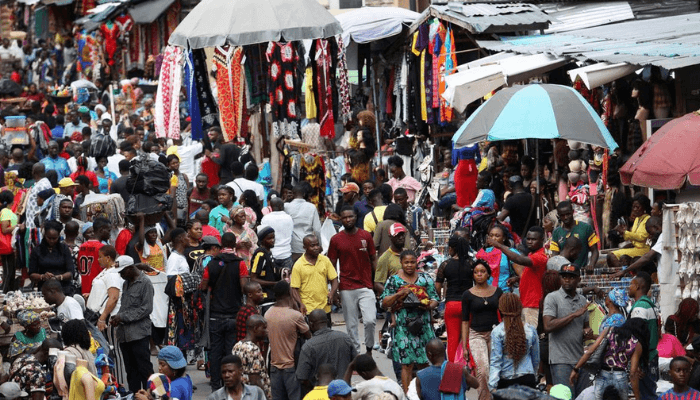
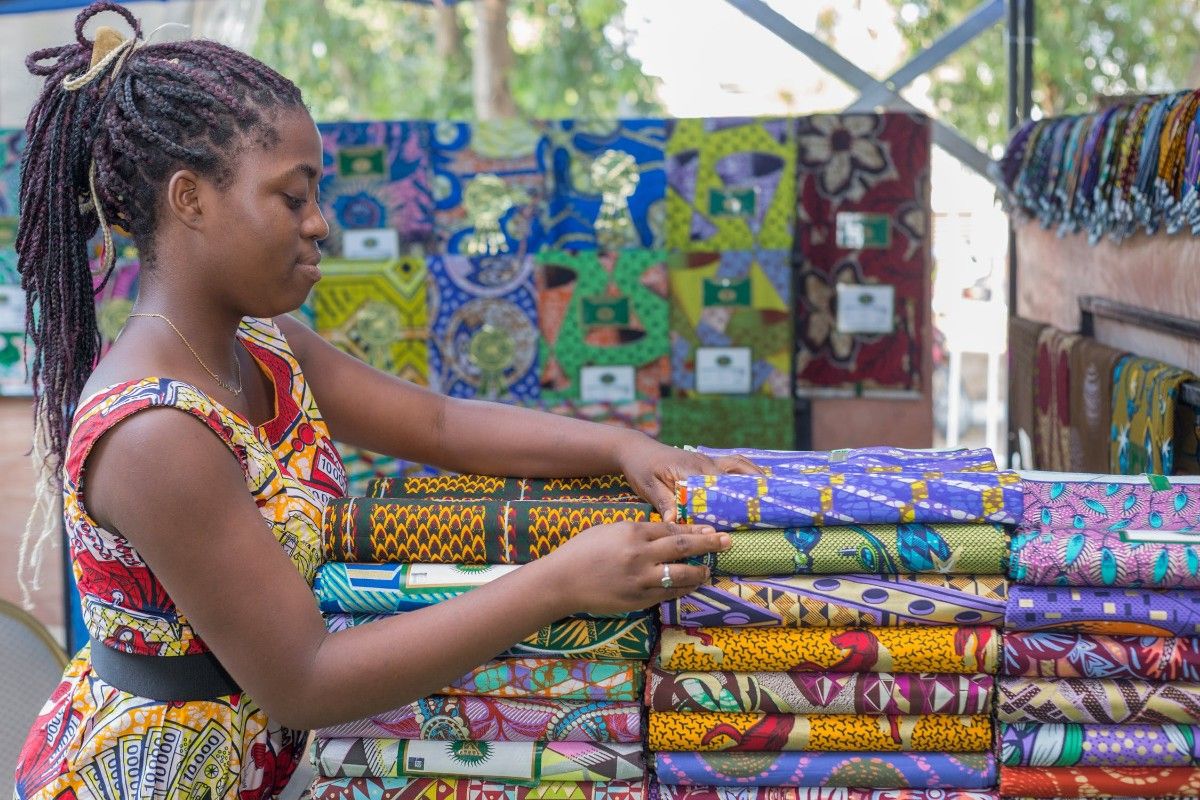
The Ankara economy did not start in factories or boardrooms. It began in bustling streets, open-air markets, and the hands of small traders.
Women carried bolts from town to town, stitching together networks that spanned West Africa. Families bought prints for weddings, funerals, and festivals. Traders connected Lagos to London, Accra to Toronto, creating the first global supply chains for African wax print.
Migration amplified this impact when diaspora communities demanded authentic prints in new markets. Social media and e-commerce transformed local stalls into global businesses, giving micro-entrepreneurs international reach.
Each sale reinforced the Ankara economy, proving its resilience. It thrives where formal systems fail, feeding livelihoods and cultural pride across continents.
Diaspora Demand Made Ankara a Global Export
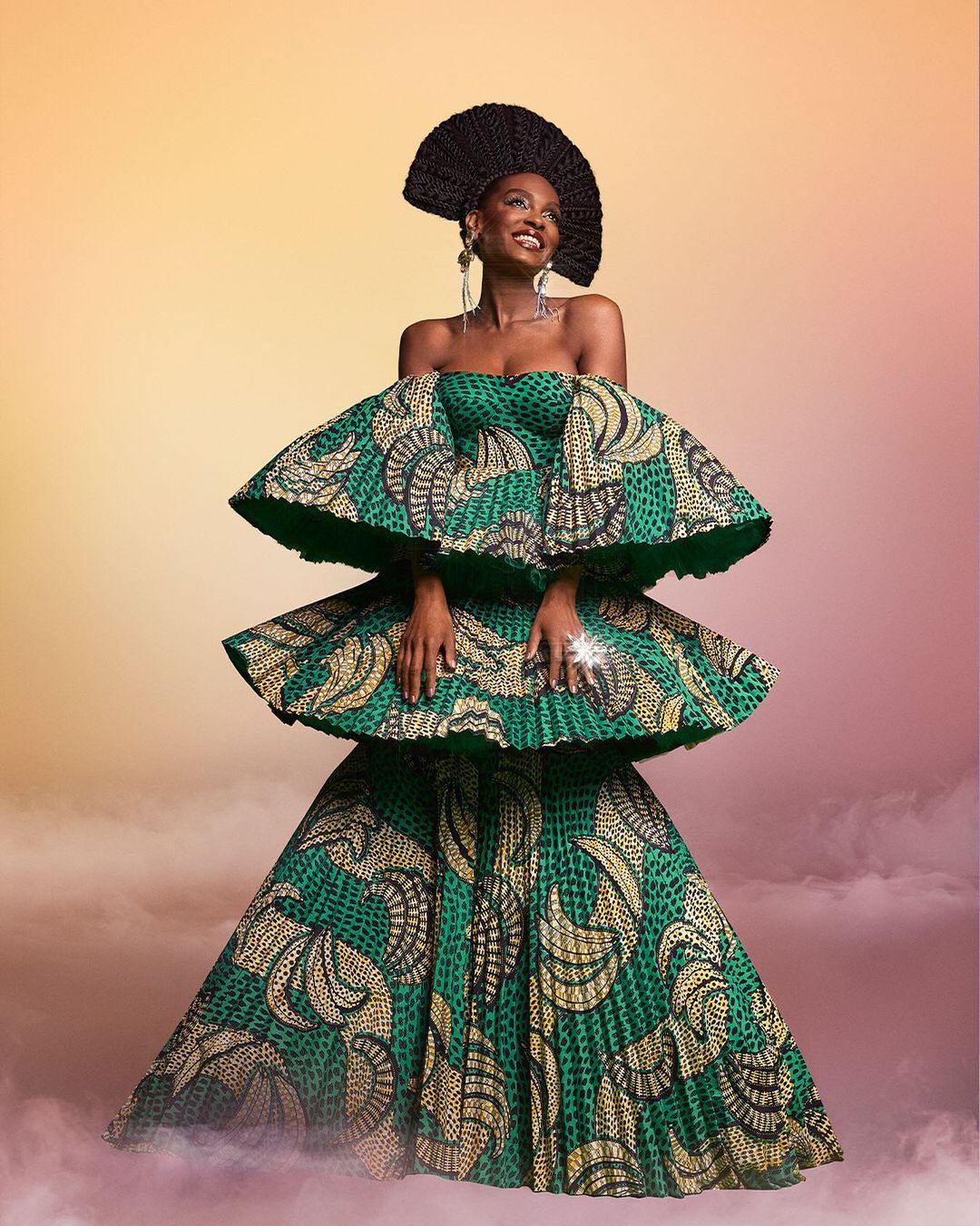
Many African fabrics are culturally important, but few traveled as far or became as recognisable as Ankara.
So why did this one fabric travel so far, so consistently, and so recognisably? Here’s how the Ankara economy expanded because several forces worked together at the same time:
1. It Functions Across Multiple Dress Categories
One reason Ankara scales so easily is because it is not limited to one social function. It works for weddings, church, birthdays, workwear adaptations, streetwear, maternity shoots, bridal parties, and high-fashion reinterpretation.
That flexibility gives it unusual commercial strength. A fabric that can move between formal and casual use will always have more market life than one restricted to ceremony alone.
2. Diaspora Demand Created Repeat International Circulation
Diaspora communities did not treat Ankara as occasional nostalgia. They made it part of regular consumption.
Families abroad bought it for milestone events, cultural celebrations, photo shoots, and even gifting. That meant the fabric was not just exported once.
It was repeatedly re-entering international markets through lived cultural demand.
This is one of the clearest reasons the Ankara economy became durable beyond the continent.
3. Pop Culture Made It Globally Legible
Music videos, Nollywood, Afrobeats fashion, celebrity styling, and digital culture all helped Ankara become visually recognisable to wider audiences.
Once fabric enters image culture repeatedly, it gains symbolic power beyond its original consumer base. People may not know the history of wax print, but they know what it looks like. That recognisability matters commercially.
4. It Adapted Well to Contemporary Styling
Younger consumers helped push Ankara beyond “traditional wear” into something more fluid. It began appearing in co-ords, corsets, bomber jackets, mini dresses, wide-leg trousers, shirts, bucket hats, and hybrid tailoring.
That styling evolution kept the fabric from becoming static. A fabric survives globally when it can keep changing without losing its identity. Ankara has done that unusually well.
5. Small Businesses Made Access Easier
Online boutiques, personal shoppers, independent tailors, and social commerce platforms made Ankara easier to buy, customise, and ship. This widened the customer base and lowered the barrier to entry for entrepreneurs.
One key truth about the Ankara economy is that it isn’t just big brands driving it. Thousands of smaller operators, often informal, keep the fabric moving and the economy alive.
ALSO READ:
- The Whispering Fabric: Proverbial Grace from the Swahili Coast
- African Textile Museums: Preserving Memory in an Age of Fast Fashion
- The Rise of Global Cultural Awareness
- What the World Lost When Hand-Weaving Gave Way to Mass Production
Modern Production Shapes the Next Phase
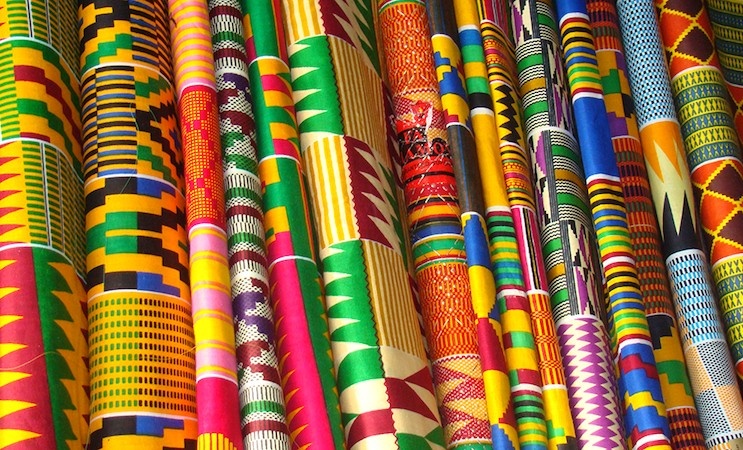
The Ankara economy is moving into a new chapter. It’s no longer just about markets or how the fabric looks on people. Now, it’s shaping how we think about local manufacturing, creative ownership, and Africa’s place in the global fashion industry.
What started a a story of trade and culture is slowly becoming a story about industrial opportunity.
1. Modern Production Shapes the Next Phase
Momentum in the Ankara economy is shifting. The fabric is no longer defined only by market circulation or cultural visibility.
It is starting to influence conversations around manufacturing growth, creative ownership, and long-term industrial opportunity across Africa. What began as a trade success is gradually opening doors to deeper economic transformation.
2. New Models and Local Experimentation
Across the continent, designers and entrepreneurs are testing new approaches. Small-scale textile production, sustainable fabric initiatives, and digital fashion exports are changing how African wax print participates in global trade.
Some brands are investing in local manufacturing despite higher costs. Others are using online platforms to export directly to diaspora markets. These strategies strengthen Ankara’s export potential while keeping African creativity at the centre of production.
3. Turning Visibility Into Industrial Strength
Cultural demand gave Ankara global reach. Informal networks gave it resilience. The next phase will depend on whether policy support, investment, and innovation can convert influence into lasting industrial power.
What is certain is this: the Ankara economy is moving beyond symbolism. Its next chapter is about building systems that support local production, scale, and long-term value. The fabric that already commands international admiration may soon shape Africa’s industrial future as decisively as it shapes style.
Conclusion
Ankara became powerful because people kept giving it purpose. They wore it into ceremonies, stitched it into memory and sold it across borders. They also adapted it for new generations and carried it into global cities.
That is what made it more than fabric. The Ankara economy did not rise because the textile industry was perfectly built around it. It rose because culture moved faster than infrastructure. Also because ordinary people turned cloth into commerce long before formal systems caught up.
That is also what makes its future so important.
Frequently Asked Questions
1. Which Country Produces The Most Ankara Fabric Today?
Despite being associated with Africa, much of the mass-produced Ankara fabric comes from the Netherlands, China, and Turkey. Local African factories, like those in Nigeria and Ghana, produce high-quality wax prints but at smaller scales due to infrastructure and cost challenges.
2. How Does Ankara Reach Diaspora Markets Abroad?
Ankara reaches global markets through a combination of informal trade, wholesale networks, and digital platforms. Market traders export small shipments to diaspora communities, while designers and e-commerce stores provide direct-to-consumer options worldwide.
3. What Impact Does Ankara Trading Have On African Economies?
Ankara trade sustains thousands of informal businesses, supports tailors, market traders, and small-scale manufacturers, and contributes to cross-border commerce. While formal industrial profits often leave Africa, the cultural and economic impact remains significant.
4. Why Is Ankara More Popular Than Other African Fabrics Internationally?
Its bold patterns, versatile designs, and cultural symbolism make Ankara easily recognisable. Combined with diaspora demand, social media visibility, and fashion collaborations, it outperforms other African textiles in international markets.