How can we truly authenticate a piece of ancestral gold or a hand-woven tapestry when its journey across continents is digital rather than documented?
This question, rooted in the preservation of legacy, has guided my exploration of the value of African luxury. For too long, heritage-driven craftsmanship from the continent has remained vulnerable to opaque global systems, rendering authenticity uncertain. African fashion technology start-ups are now driving a digital transformation that systematically engineers trust. By deploying Blockchain, Augmented Reality (AR), and Artificial Intelligence (AI), these innovators are ensuring provenance and enhancing retail experiences. This emerging investment thesis proposes a system in which every textile is supported by verifiable digital records, positioning African design at the forefront of sustainable and ethical luxury.
To see how much things are changing, we need to look at three key technological layers—from digital provenance to personalised retail, which are helping Africa become a leader in the future of luxury.
African fashion tech startups use blockchain, AR, and AI to ensure authenticity and change the luxury supply chain. See how these advances are shaping global retail.
The Authenticity Layer: Blockchain and IP Protection

Global counterfeiting often threatens even the finest African heritage craftsmanship, which is the essence of luxury. I realised how serious this problem was when I held a replica Adire cloth that looked real but felt empty. It was clear the issue was theft masquerading as respect, and because of this, African fashion tech now focuses more on digital integrity than just looks.
Startups are now using blockchain technology to protect African fashion. By tagging both raw materials and finished garments with digital records, they give each product a permanent and verifiable ‘birth certificate’. With a simple QR code, consumers can trace the cotton to the farm, check who dyed the cloth, and confirm if the piece is a limited edition.
This focuses on authenticity and protecting intellectual property to build trust in the marketplace. For example, more brands are using non-fungible tokens (NFTs) for unique, high-value pieces. Such technology helps prove digital ownership and makes sure royalties go back to the original artisans, making each piece a real investment. NFTs and blockchain are changing how people see ownership and authenticity in African art and fashion. Industry reports now highlight Africa as a leader in blockchain adoption for ethical fashion supply chains, underscoring its potential to build trust across the industry. Now, the cloth is a secure asset, protected by technology, and the artisan is recognised and rewarded for their work.
The New Retail Experience: Virtual Try-Ons and Hyper-Personalisation
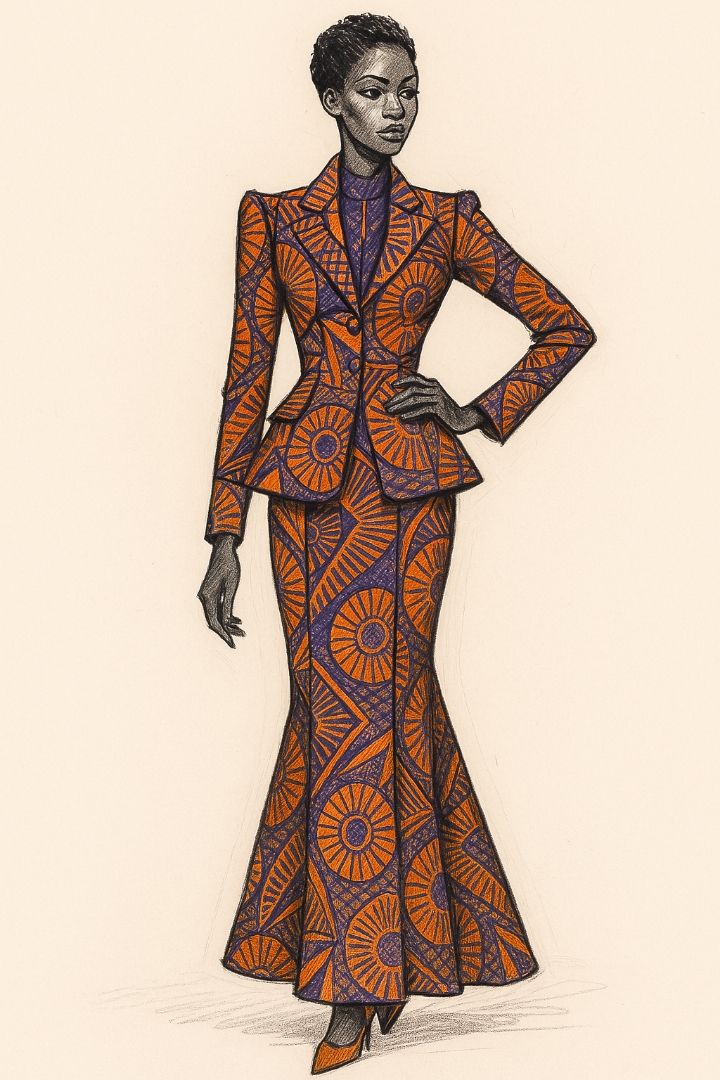
Physical distance has long been the main obstacle to global investment in African luxury. I understand why a high-net-worth client in Dubai or London might hesitate. How can they be sure about the fit, drape, and colour of a custom piece from an Accra studio without seeing it in person? This uncertainty is precisely what African fashion tech startups are addressing, enabling anyone, anywhere, to experience a personalised fitting room.
Advanced Artificial Intelligence (AI) tools and Augmented Reality (AR) are enabling the creation of virtual try-on experiences. These technologies do more than just place a digital image on a user. They use machine learning to study a shopper’s body shape, skin tone, and measurements, then build a detailed 3D avatar that shows how clothes will actually fit and drape. This helps reduce uncertainty, increase customer confidence, and cut down on expensive returns, which is essential for sustainable and ethical luxury. AI also enables these platforms to provide real-time, personalised style advice, suggesting accessories or matching pieces based on a user’s features or shopping history. This personal touch is turning online shopping into a more engaging and reassuring experience, showing that digital services can now match the best in-store luxury shopping.
Supply Chain Optimisation: Data, Efficiency, and Scale

The last big challenge for African fashion is learning how to scale up. For years, the global market has seen African manufacturing as beautiful but fragmented, unable to handle the volume, speed, or complexity that major international buyers require. I found that the real sign of a fashion-tech revolution is the steady, behind-the-scenes changes happening on the factory floor.
A new wave of startups is using advanced data analytics and custom Enterprise Resource Planning (ERP) software made for Africa’s unique textile industry. Here, AI quietly shapes how things work behind the scenes.
- Predictive analytics can forecast consumer demand with high accuracy, helping prevent overproduction. This is important for making luxury fashion more sustainable and ethical. The World Bank says that policies should help small firms use new technology to boost productivity and quality, which is vital for Africa to join global value chains. The World Bank also points out that adopting technology and ongoing learning are key to growing value-added manufacturing in Sub-Saharan Africa.
- ERP systems unify fragmented data sources, such as raw material orders, factory schedules, and logistics, into a single real-time dashboard. Top analysts, such as McKinsey & Company, say greater efficiency and compliance are essential for East African apparel hubs to attract international buyers and compete globally. McKinsey’s research shows that using technology to improve efficiency and compliance is necessary for African sourcing hubs to win over international apparel buyers by reducing waste and automating compliance. These systems guarantee the timely and efficient delivery that major global retailers require. African fashion is using data to speak the language of global efficiency, securing its place as a reliable source of modern luxury fashion.
ALSO READ:
The Investment Thesis: Why Tech Secures Africa’s Luxury Future

The most unmistakable evidence of this digital revolution is the investment thesis itself. For years, the African fashion sector, though rich in creativity, struggled to attract as much capital as fintech or logistics because it lacked scalable and digitally verifiable systems. The technological foundations discussed earlier, blockchain for trust, AR for access, and AI for efficiency, have now changed this situation.
Today, two key standards shape the luxury fashion market: digital transparency and rapid scalability. African fashion tech startups are well-positioned to meet these needs, making them highly appealing to global investors. Expert investment firms such as Birimian Ventures have emerged to foster the growth of African luxury and heritage brands, demonstrating the financial potential of this sector. The first investment company in Africa, Birimian Holdings, focuses on connecting these brands with international investors.
In addition, global venture capital is now looking for technology in fashion, seeing platforms that improve production, distribution, or customer experience as the best way to invest at scale. Venture capitalists often prefer fashion startups that use advanced technology, such as AI or supply chain improvements, over traditional physical stores.
By professionalising the entire value chain and using technology to improve every part, African designers are turning cultural knowledge into a valuable asset. This indicates that the digital security behind their products is the best guarantee of future returns.
Learn more about the technological platforms and innovations that are driving the revolution in African fashion’s supply chain at Omiren Styles.
Conclusion
The meaning of authentic luxury is changing, and Africa is leading the way. African fashion tech startups have tackled the industry’s biggest challenges by using blockchain to guarantee authenticity, augmented reality to bridge distances, and AI to boost efficiency worldwide. This shift has turned African artistry from a niche interest into a strong investment opportunity. By leveraging technology across the value chain, African designers are turning cultural knowledge into a reliable asset, demonstrating that digital security is key to future value. Now, the world looks to Africa not only for inspiration but also as a model for the future of the global luxury supply chain.
FAQs
- How does blockchain specifically solve the problem of counterfeiting in African fashion?
A: Blockchain creates an immutable, decentralised digital ledger for every garment. It acts as a permanent “birth certificate” or digital passport, recording every step from raw material sourcing to final sale. This guarantees authenticity and IP protection, making it virtually impossible for counterfeiters to replicate the verifiable digital history.
- What is the role of Augmented Reality (AR) in making African luxury accessible globally?
A: AR solves the challenge of physical distance. It enables consumers worldwide to use their devices for virtual try-ons and 3D fit analysis. This hyper-personalised experience eliminates guesswork regarding size, drapery, and colour, dramatically boosting consumer confidence and securing remote purchases of bespoke items.
- Why is venture capital now interested in African fashion tech startups?
A: Venture capital favours businesses with scalability and digital integrity. By leveraging technologies such as AI and advanced ERP systems, African fashion tech startups have demonstrated their ability to improve production, ensure ethical sourcing, and reduce risk, transforming culturally rich businesses into fast-growing, safe investment options.
- How do these technologies support sustainable fashion?
A: Technology ensures sustainable & ethical luxury, primarily through efficiency. AI and predictive analytics help designers forecast demand precisely, drastically reducing overproduction and textile waste. Blockchain supports such purchases by ensuring supply chain transparency and verifying the ethical sourcing of eco-friendly materials.
- Which tech layer provides the most significant advantage to small African artisan cooperatives?
A: Blockchain is the most transformative for small artisan groups. By linking their heritage-driven craftsmanship directly to a digital record, they secure their intellectual property, ensure they receive proper royalties (via smart contracts), and provide verifiable provenance that commands a higher price in the global luxury market.