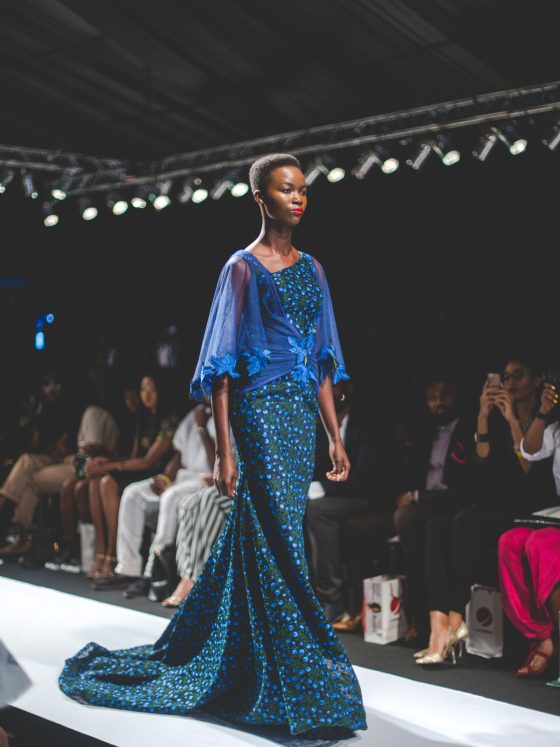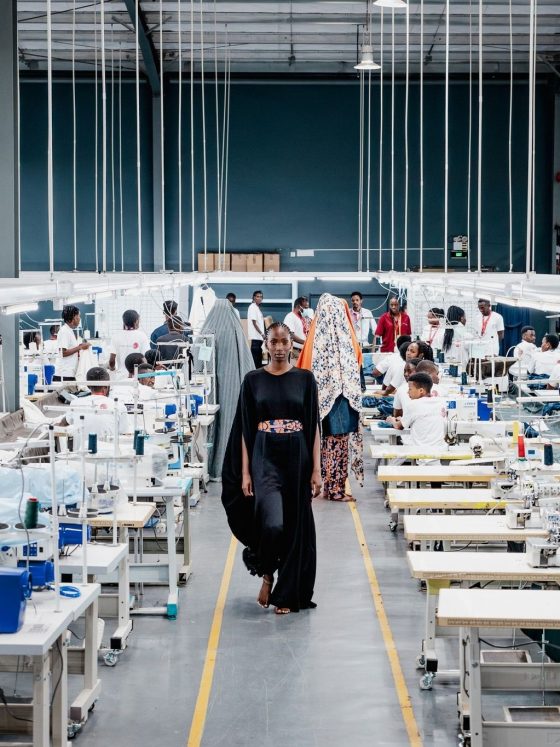
The pop-up sold out. The trunk show generated serious interest. The trade fair debut produced a handful of buyer conversations. The debut stockist placed a first order.
These are good things. They are also the beginning of a different problem that most African fashion brands are not yet equipped to solve: what happens after the initial moment of commercial contact, when the excitement of first discovery has passed, and the question is whether the customer, the buyer or the stockist comes back.
Footfall is not revenue. It is evidence of interest. Interest converts into revenue when a follow-up system maintains the relationship from the initial contact to the next purchase. A pop-up that attracts 300 customers and collects zero email addresses has created 300 single transactions and 300 missed relationships. A trade fair that generates twenty buyer conversations and produces no follow-up mechanism has created twenty conversations that will be forgotten within a fortnight.
The commercial infrastructure that converts initial market interest into sustainable fashion commerce is the infrastructure that most African fashion brands have not yet built: the customer data that enables personalised follow-up; the reorder systems that turn a buyer into a commercial partner; the post-purchase communication that builds the loyalty that sustains a business through seasons when the trend coverage has moved on to something else.
McKinsey’s 2026 State of Fashion report named customer retention as the number one strategic theme for the fashion industry this year. For African fashion brands still building their initial international market presence, customer retention might seem like a future problem. It is not. It is the problem that determines whether the visibility generates a business or a moment.
Footfall is not revenue,and first orders are not repeat orders. African fashion brands that have achieved visibility now face the harder commercial challenge: building the customer data, reorder systems and follow-up infrastructure that turns initial market interest into sustainable commerce.
The Numbers That Frame the Argument
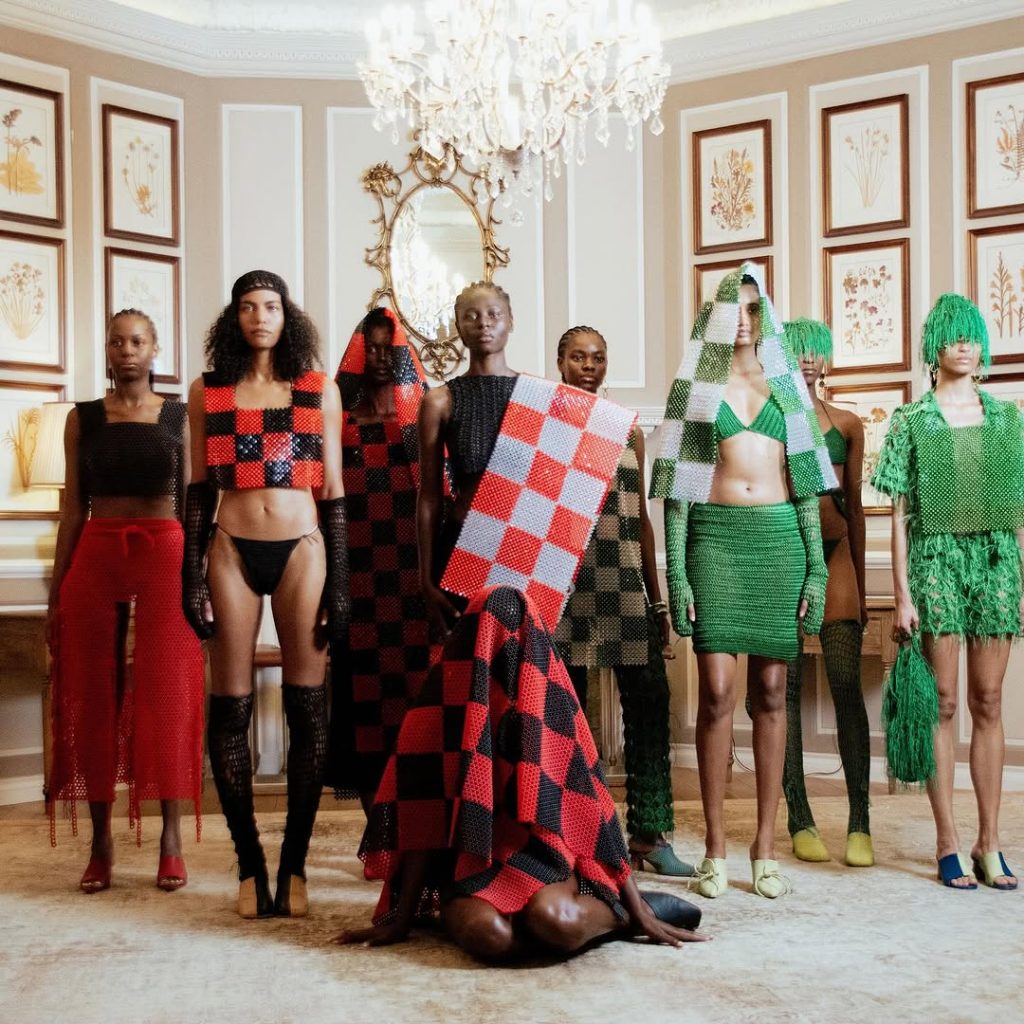
The 2026 e-commerce retention benchmarks document the commercial mathematics that frame this argument precisely. E-commerce retention averages 30-31% across all industries. Luxury fashion retains just 9.9% of customers within a standard measurement window. A 5% improvement in retention boosts profits by 25 to 95%. Returning customers spend 67% more than first-time buyers. Once a customer buys twice, they are 95% more likely to buy again.
Those figures are not African fashion-specific, but they describe the commercial environment in which every fashion brand operates, including African fashion brands selling internationally. The relationship between first purchase and repeat purchase is the relationship between attention and commerce, between a moment of cultural interest and a sustained customer relationship. The window in which a brand can build that relationship is the period immediately following the first purchase. Most brands let it close without using it.
Luxury fashion customer retention: 9.9%
Ecommerce average retention: 30–31%
Profit impact of 5% retention improvement: 25–95% increase
Returning customer spending premium: 67% more than first-time buyers
Likelihood of third purchase after second: 95%
Cost of acquiring a new customer vs retaining an existing one: 5–7x more expensive to acquire
As the Fashion Business Coach documented in April 2026, McKinsey’s 2026 State of Fashion report identified customer retention as the industry’s number-one strategic theme. Customer retention is the single most powerful growth strategy most fashion brands are overlooking. The question that reveals the problem is not about social media, press features or advertising reach. It is: what is happening with the people who have already bought from you? In almost every case with fashion founders, there is a pause at that question. A little moment of ‘oh, I haven’t really thought about that.’
Why African Fashion Brands Face a Specific Version of This Problem

The customer retention challenge is not unique to African fashion brands. It is an industry-wide challenge that McKinsey has identified as the defining commercial priority of 2026. African fashion brands face a specific version of it because their path to international customer relationships typically goes through events, platforms, and moments of visibility that are structurally disconnected from the follow-up infrastructure needed to convert those moments into relationships.
A Nigerian designer who shows at London Fashion Week generates press coverage, buyer conversations and social media engagement. None of those outcomes come with a customer email address or permission to follow up. The press coverage reaches people who may not know the brand’s name exists. The buyer conversations result in business cards and a promised follow-up from the buyer’s side. Social media engagement generates followers whose relationship to the brand is mediated by an algorithm that controls how often the brand reaches them, and may not prioritise the brand’s content the next time it would be relevant.
A Ghanaian brand that achieves a profile in an international fashion publication reaches an audience whose size the brand cannot know, whose contact details the brand does not have, and whose interest the brand has no mechanism to follow up. The publication owns the audience. The brand contributed the content that built it.
The structural disconnection between visibility and customer relationship is not specific to African fashion. But it is more consequential for African fashion brands because the cost of generating each visibility moment is proportionally higher relative to the brand’s size, the logistics of serving international customers adds cost to every transaction, and the cultural authority that generates the initial interest is not self-regenerating without the community relationship that this series has documented as the foundation of sustainable African fashion commerce.
As Omiren Styles has established, in its analysis of why African fashion does not need another marketplace but needs production intelligence, the production intelligence problem is the gap between visibility and commercial delivery. The customer data problem is the gap between commercial delivery and commercial sustainability. Both are infrastructure gaps rather than talent gaps, and both require deliberate investment in systems rather than hoping that the next visibility moment generates the commercial momentum that the previous ones did not.
What Customer Data Actually Means for a Fashion Brand
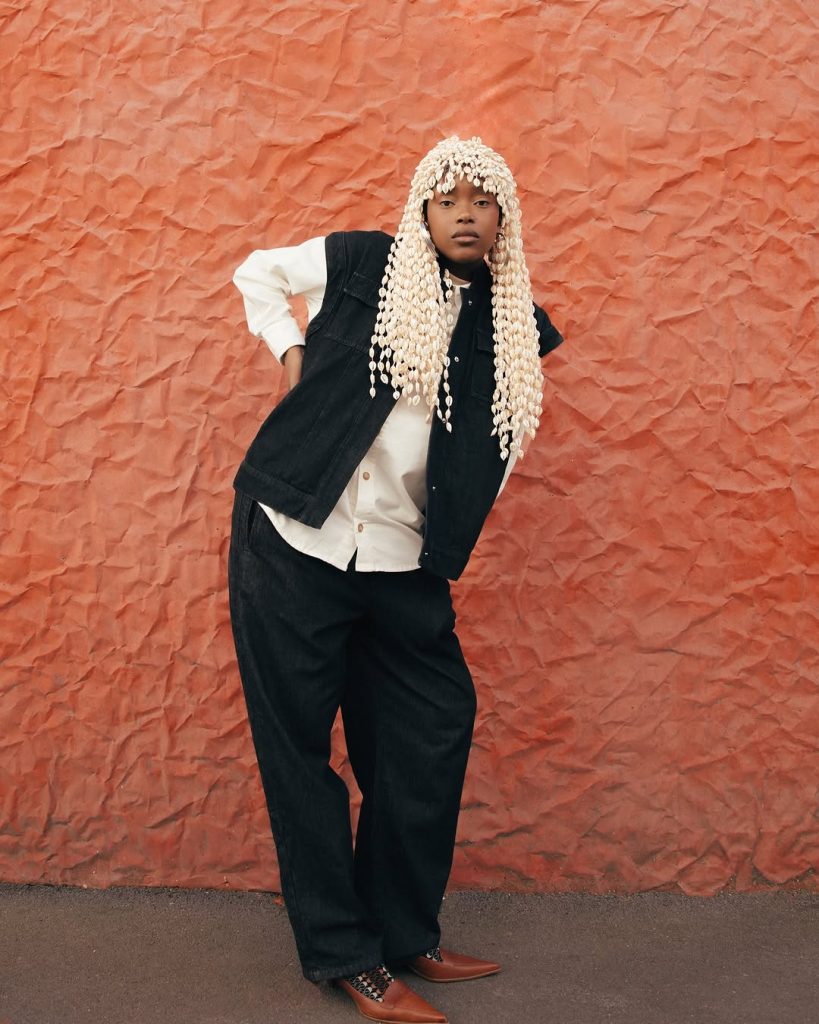
Customer data is not a technology topic. It is a commercial relationship topic.
The most commercially valuable thing a fashion brand can know about its customers is not their demographic profile or their social media behaviour. It is: how many times have they bought, how recently they bought, what they bought, and what would prompt them to buy again? These four questions are the commercial intelligence that determines the lifetime value of a customer relationship and the difference between a customer base and a list of single transactions.
Email Addresses and Purchase History
An email address attached to a purchase history is the single most commercially valuable data asset a fashion brand can hold. It allows the brand to contact a known customer at no variable cost, with a personalised message about a specific product, at a time of the brand’s choosing rather than at the mercy of an algorithm’s content distribution decisions.
According to Shopify’s 2026 analysis of average customer retention rates, Bluecore’s 2025 Customer Growth Benchmarks Report shows that repeat buyers both order and spend significantly more than new customers across all retail categories. Once someone buys twice, they are 95% more likely to buy again. The moment of a second purchase is therefore a threshold moment: the brand that identifies customers who have bought twice and communicates with them at that point is investing in the cohort most likely to generate the third, fourth, and fifth purchases.
For an African fashion brand operating across different geographies and time zones, email is a commercial equaliser: it costs the same to send a follow-up email to a customer in Lagos as to a customer in London as to a customer in Toronto. The logistics of serving those customers differ significantly, as this series has documented. The cost of maintaining the relationship with each of them is effectively the same.
Post-Purchase Sequences
The highest-value window for customer engagement is the period immediately following a first purchase. The customer has just made a decision that required trust, attention and commercial intent. They are at the peak of their engagement with the brand. What most brands do in this window: nothing, or a standard order confirmation email that contains no relationship content.
A post-purchase sequence that arrives in the three to ten days after a first purchase and contains: a specific note about the garment the customer bought and why it was made; information about the cultural tradition the design draws on; the story of the maker or community involved in the production; an invitation to follow the brand on the platform that matters most for the brand’s content; and a first-time customer offer that creates a reason to return within a defined window – that sequence converts a transaction into the beginning of a relationship.
It also produces the first-party data that allows the brand to serve the customer better in future. What did they buy? Did they open the follow-up? Did they click on the cultural story or the product story? Did they take the offer? Each of these signals tells the brand something about what this specific customer values, which allows the next communication to be more precisely relevant.
Reorder Systems for Wholesale Buyers
The wholesale buyer relationship has its own data and follow-up challenges, distinct from the direct-to-consumer problem but equally consequential.
A first wholesale order is not a commercial relationship. It is a trial. The buyer has placed one order based on initial interest and is waiting to see whether the product performs for their customer before committing to a reorder. The reorder decision is based on: sell-through rate, customer response, product quality upon receipt compared to the sample, delivery timing reliability, communication quality during the ordering process, and whether the brand has a follow-up mechanism that makes reordering easy.
The brand that disappears after the first order and resurfaces only when it wants to pitch the next collection has given the buyer no reason to reorder that the buyer’s own sell-through data does not already provide. The brand that follows up proactively to ask how the first order performed, shares context about the next collection before it is ready to order, provides support materials that help the buyer communicate the cultural story to their customer, and makes the reorder process operationally straightforward is building a commercial partner relationship rather than managing a series of one-off transactions.
What Follow-Up Infrastructure Looks Like in Practice

The follow-up infrastructure that converts initial market interest into sustainable commerce does not require large investment in technology. It requires consistent investment in process.
At the most basic level, follow-up infrastructure consists of: a way to collect customer contact details at every point of sale or commercial contact (the pop-up, the trunk show, the trade fair); a way to segment those contacts by purchase history and engagement level; a consistent outbound communication schedule that maintains brand presence without overwhelming the recipient; and a reorder process for wholesale buyers that is documented, consistently executed and easy to initiate from the buyer’s side.
As the 2026 fashion marketing benchmarks confirm, the repeat purchase rate in fashion is approximately 24%, meaning roughly one in four customers return for a second purchase. Pushing that rate above 25% has a significant compounding effect on customer lifetime value. The brands winning in 2026 treat retention as a structured, measurable system rather than an afterthought. They track retention metrics. They test retention strategies. They invest in the tools and processes that move those metrics.
For an African fashion brand whose first-time buyers are often diaspora consumers with a specific cultural connection to the brand’s work, the post-purchase relationship opportunity is particularly strong. That customer is not buying a generic fashion item. They are buying something whose cultural significance they understand or are actively exploring. The follow-up content that deepens their understanding of the cultural source, the maker and the tradition is not marketing in the generic sense. It is the continuation of the relationship that began with the purchase.
The Cultural Story as Retention Asset

African fashion brands have a retention asset that most other fashion brands do not: the cultural story behind the garment is genuinely interesting, genuinely specific, and genuinely inexhaustible across multiple follow-up communications.
A brand whose collection draws on kente weaving traditions in Ghana has enough content for years of post-purchase communication without ever repeating itself: the specific colour vocabulary and what each colour communicates; the difference between Ashanti kente and Ewe kente; the specific weavers whose work goes into the collection; the GI registration that now protects the name; the occasions on which the cloth is worn and what it communicates; the designers internationally who have engaged with kente responsibly; the counterpoint of unacknowledged appropriation. Each of these is a specific, interesting, true thing that the brand is uniquely positioned to communicate because it is something the brand knows from the inside.
That content serves both cultural authority and commercial retention: it reminds the customer why the brand is different from every other brand in their wardrobe, it deepens their engagement with the cultural source that attracted them in the first place, and it positions the brand as the authoritative voice on that cultural tradition, which is the position a brand wants to hold when the customer is considering their next purchase.
As Omiren Styles has established in its analysis of how African fashion travels through family, culture, and commerce, the commercial channel depends on the cultural channel for the authority that makes the product worth buying in the first place. The follow-up communication that maintains the connection between the product in the customer’s wardrobe and the cultural tradition it represents is not a marketing exercise. It is the commercial expression of the same relationship that the family channel and the cultural practice channel have always maintained: the connection between the garment and its meaning, sustained past the moment of purchase.
What Shopify-Hosted African Fashion Brands Often Miss

As the 2026 fashion retail customer retention data confirms, Shopify-hosted fashion stores report an average customer retention rate of 26%, reflecting broader small-to-mid-sized brand behaviour. These stores often rely on ad-driven traffic without fully developed CRM strategies. With a modest retention base, there is substantial opportunity to grow lifetime value through first-party data. Post-purchase surveys and email sequences can significantly increase engagement. The stat signals potential growth via better use of the technology the brand is already paying for.
For African fashion brands operating on Shopify or equivalent platforms, the gap between what the platform makes possible and what most brands actually use is the gap between a transactional tool and a relationship tool. Every Shopify store can collect email addresses at checkout, segment customers by purchase history, send automated post-purchase sequences, offer loyalty incentives to repeat buyers, and track engagement metrics that indicate which customers are in the high-value repeat-purchase cohort.
Most brands use Shopify as a checkout mechanism and nothing else. The customer relationship infrastructure is there. It is not being used.
The Omiren Argument
African fashion brands that have achieved visibility now face the harder commercial challenge: converting that visibility into a customer base rather than a series of first transactions.
The visibility was earned through creative work, cultural authority, community relationships and the specific design intelligence that makes the brand worth knowing. The customer base requires a different kind of investment: a systematic process of collecting contact details, following up consistently, telling the cultural story across multiple touchpoints, making reordering easy for wholesale buyers, and tracking metrics that tell the brand whether its customer relationships are deepening or stagnating.
None of this is more expensive than the visibility investment. An email sequence costs a fraction of a trade fair appearance. A reorder follow-up system costs less than the production investment in the next collection. Post-purchase communication that builds cultural authority and repeat-purchase intention costs less than the marketing that generated the first purchase. The return on the retention investment is mathematically more reliable than the return on the acquisition investment: a 5% improvement in retention yields profit increases of 25 to 95%, and customers already in the database cost nothing to reach.
As Omiren Styles has argued throughout this series, the Global South made fashion and never got credit. Customer data is where the commercial credit begins to accumulate: the record of who has bought, what they bought, when they bought, and whether the brand was present enough in the relationship to make them want to buy again. The brand that builds that record builds a commercial asset that no visibility moment can substitute for, and no competitor can replicate. The footfall was the beginning. The follow-up is the business.
ALSO READ
- African Fashion Does Not Need Another Marketplace. It Needs Production Intelligence.
- How African Fashion Brands Can Expand Without Flattening Their Design Language
- How African Fashion Travels Through Family, Culture and Commerce
- The Cost of Selling African Fashion Abroad: Shipping, Duties and Returns
- The Global South Made Fashion. It Just Never Got Credit.
Frequently Asked Questions
Why do African fashion brands struggle with customer retention?
The path to international customer relationships for most African fashion brands runs through events, platforms and moments of visibility – pop-ups, trunk shows, trade fairs, press features – that are structurally disconnected from follow-up infrastructure. A pop-up that attracts 300 customers and collects zero email addresses has created 300 single transactions and no relationships. A trade fair that generates twenty buyer conversations but provides no follow-up mechanism will result in twenty conversations that are forgotten within weeks. Visibility generates attention. The follow-up infrastructure converts attention into relationships. Most brands invest heavily in the former and minimally in the latter.
What is the customer retention rate in the fashion industry?
According to 2026 ecommerce retention benchmarks, luxury fashion retains approximately 9.9% of customers within a standard measurement window, with broader fashion ecommerce sitting closer to 24–28%. The ecommerce average across all categories is 30 to 31%. A 5% improvement in retention boosts profits by 25 to 95%, and returning customers spend 67% more than first-time buyers. Once a customer has bought twice, they are 95% more likely to buy again – making the second purchase the most commercially significant threshold in a customer relationship.
What is the most effective follow-up strategy for a fashion brand after a first purchase?
A post-purchase sequence in the three to ten days following a first purchase is the highest-value retention intervention available. It should include a specific note about the garment purchased and why it was made; information about the cultural tradition the design draws on; the story of the maker or community involved; an invitation to engage further with the brand’s content; and a reason to return within a defined window. For African fashion brands specifically, the cultural story is a genuine retention asset: specific knowledge of the textile tradition, the community, the technique, and the occasion context is genuinely interesting, genuinely specific, and capable of sustaining customer engagement across multiple follow-up communications without repetition.
How should African fashion brands manage relationships with wholesale buyers for reorders?
A first wholesale order is a trial, not a relationship. The reorder decision is based on sell-through rate, delivery timing reliability, product quality on receipt compared to the sample, and whether the brand makes the reorder conversation easy. A brand that disappears after the first order and reappears only to pitch the next collection gives the buyer no reason to reorder beyond the sell-through data alone. A brand that proactively follows up to ask how the first order performed, shares context about the next collection before it is ready to order, and provides support materials that help the buyer communicate the cultural story to their own customers is building a commercial partnership. The reorder rate is determined by the quality of the relationship between orders, not just by the quality of the product in each order.
What customer data should African fashion brands collect and maintain?
The minimum viable customer data set for a fashion brand is: email address, purchase date, purchase items, purchase value, and any subsequent purchase or engagement activity. From this foundation, the brand can calculate the metrics that determine commercial health: repeat purchase rate, average order value, customer lifetime value, and the engagement rate on follow-up communications. Most Shopify and equivalent platforms collect this data automatically and make it available for segmentation and personalised follow-up. The gap for most small brands is not data collection capability but the systematic use of the data the platform has already collected. Post-purchase surveys add qualitative depth: why the customer bought, how they discovered the brand, what they were looking for, and what would bring them back.
EXPLORE MORE
Read the full Industry and Distribution, Retail and Value Capture sections at Omiren Styles for ongoing analysis of African fashion commercial infrastructure, customer retention strategy and the data systems that convert visibility into sustainable commerce. Discover travel and heritage intelligence across Africa, the Caribbean and Latin America at Rex Clarke Adventures.