

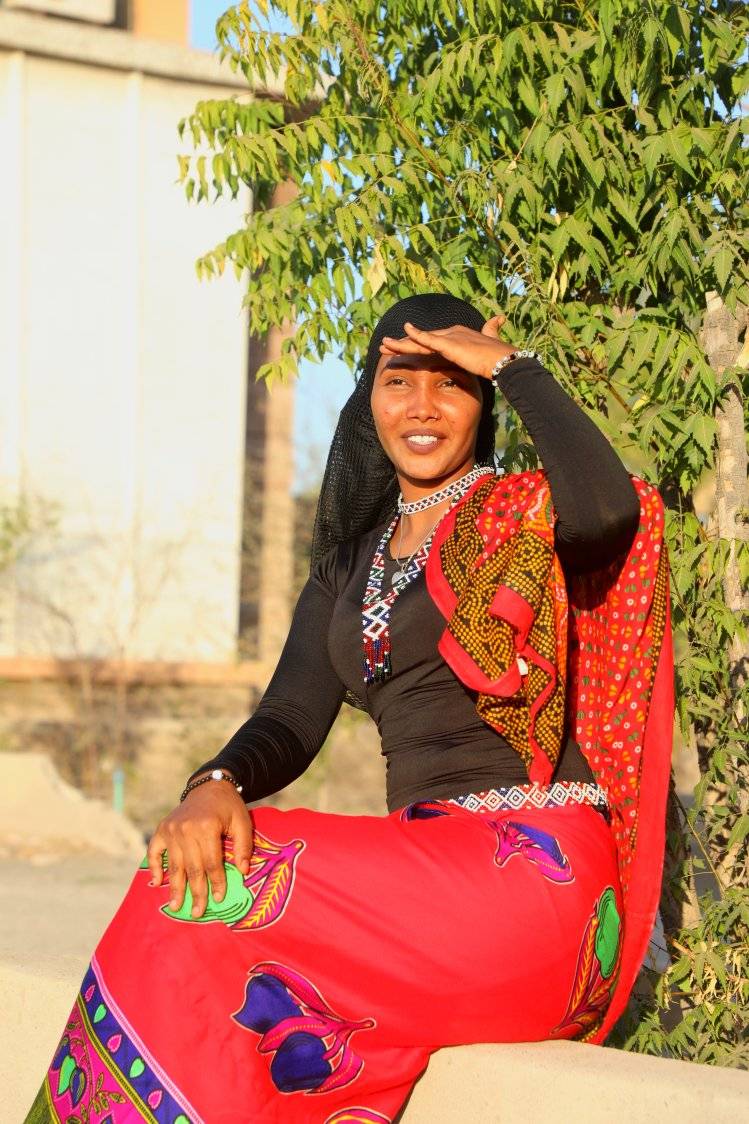
In the blistering expanse of the Horn of Africa lies the Danakil Depression, a geological scar where three tectonic plates are slowly tearing the continent apart. The Danakil Depression is a landscape of primordial heat and tectonic activity spanning Ethiopia, Eritrea, and Djibouti. This is a world of acid-yellow sulphur springs, obsidian fields, and a heat so profound it seems to vibrate against the horizon. Yet, for the Afar people, historically known as the Adal and famously dubbed the Danakil by outsiders, this furnace is home. To survive here is a feat of biological engineering; to thrive here with such stunning aesthetic pride is a triumph of the human spirit. For the Afar, clothing is not merely a covering; it is a portable achievement of a lineage that once commanded the medieval Adal Sultanate, a visual ledger of tribal wealth, and a masterclass in nomadic adaptation.
How the Afar people of the Danakil Depression built one of Africa’s most commanding dress traditions — through trade, silver, and nomadic logic.
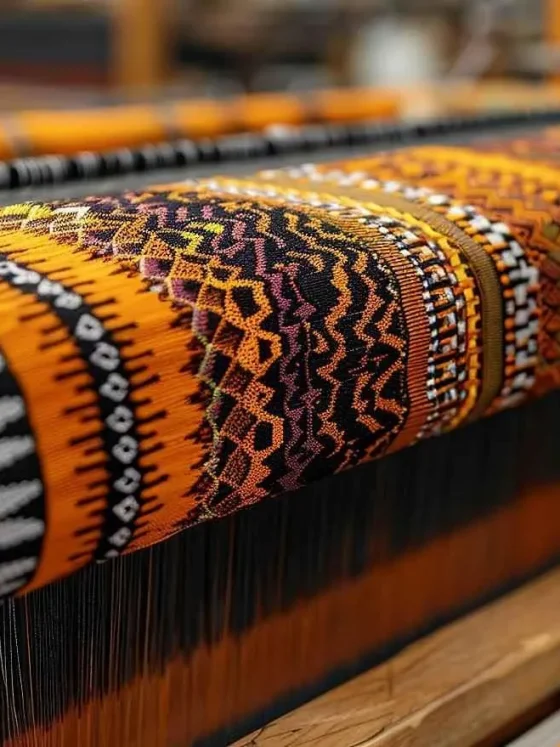
The Nomad’s Mandate: Why the Afar Do Not Weave
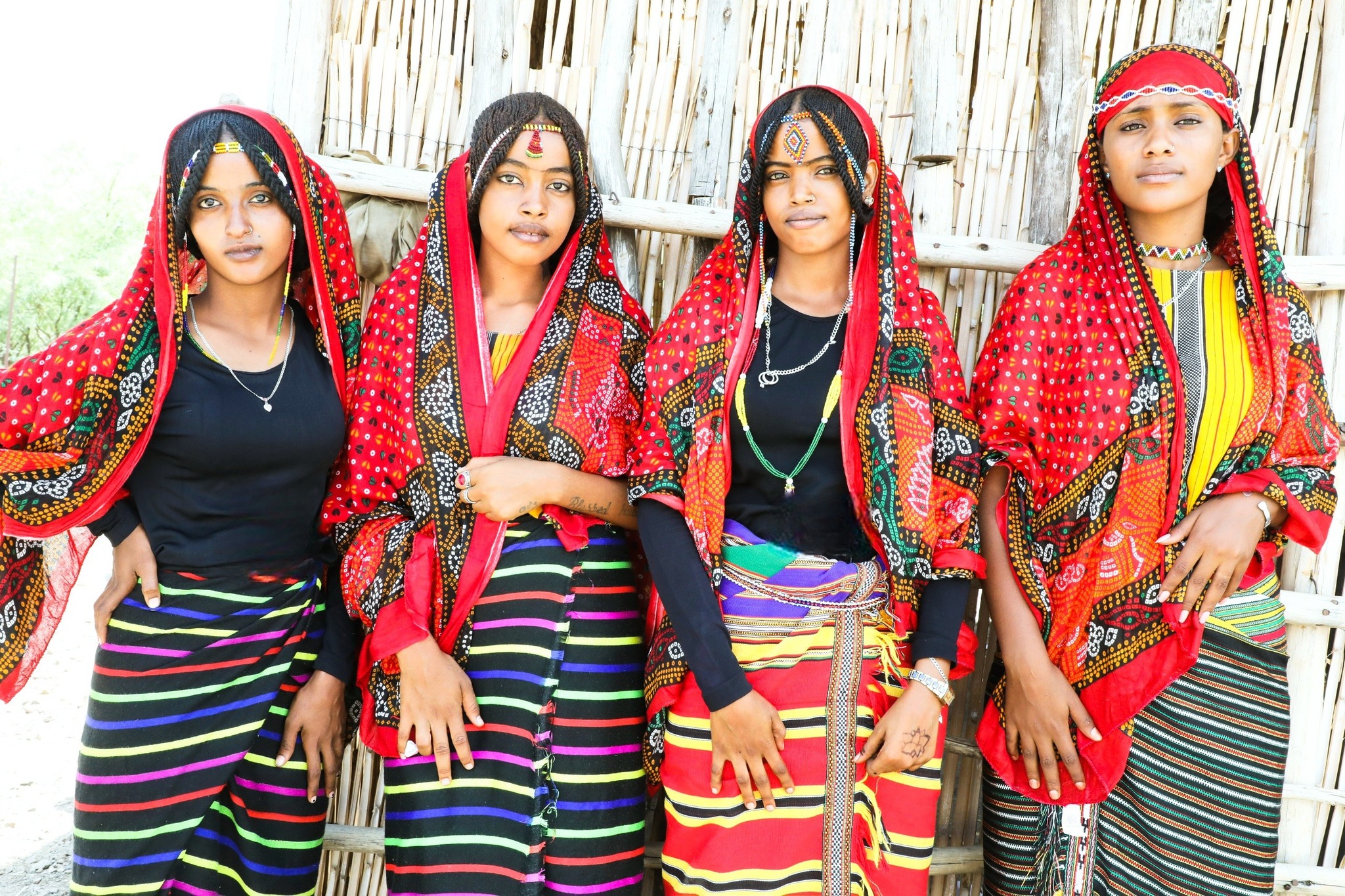
To the uninitiated, the vibrant fabric draped over an Afar woman might suggest a local textile industry. However, reality is rooted in the ruthless logic of the nomad. As pastoralists who follow the seasonal rains with their herds of camels and goats, the Afar are defined by movement. A loom is a stationary beast; its heavy timber frames and the months of stillness required for weaving are incompatible with the roving life of a desert herder.
Consequently, the Afar never adopted the loom. Instead, they became the ultimate curators of the Red Sea trade route. For millennia, they have controlled the production of “white gold”, salt blocks hacked from the blinding crust of the desert floor. This salt was the currency that allowed them to barter for the finest textiles passing through the coastal ports of Djibouti and Assab. They did not produce the fabric; they mastered the art of acquiring it. They took the merchants’ linens and muslins and adapted them into unstitched, fluid wraps that let the desert breeze circulate against the skin. This is a necessity in a region where temperatures regularly reach 50 degrees Celsius.
The Sanafil and the Wrap
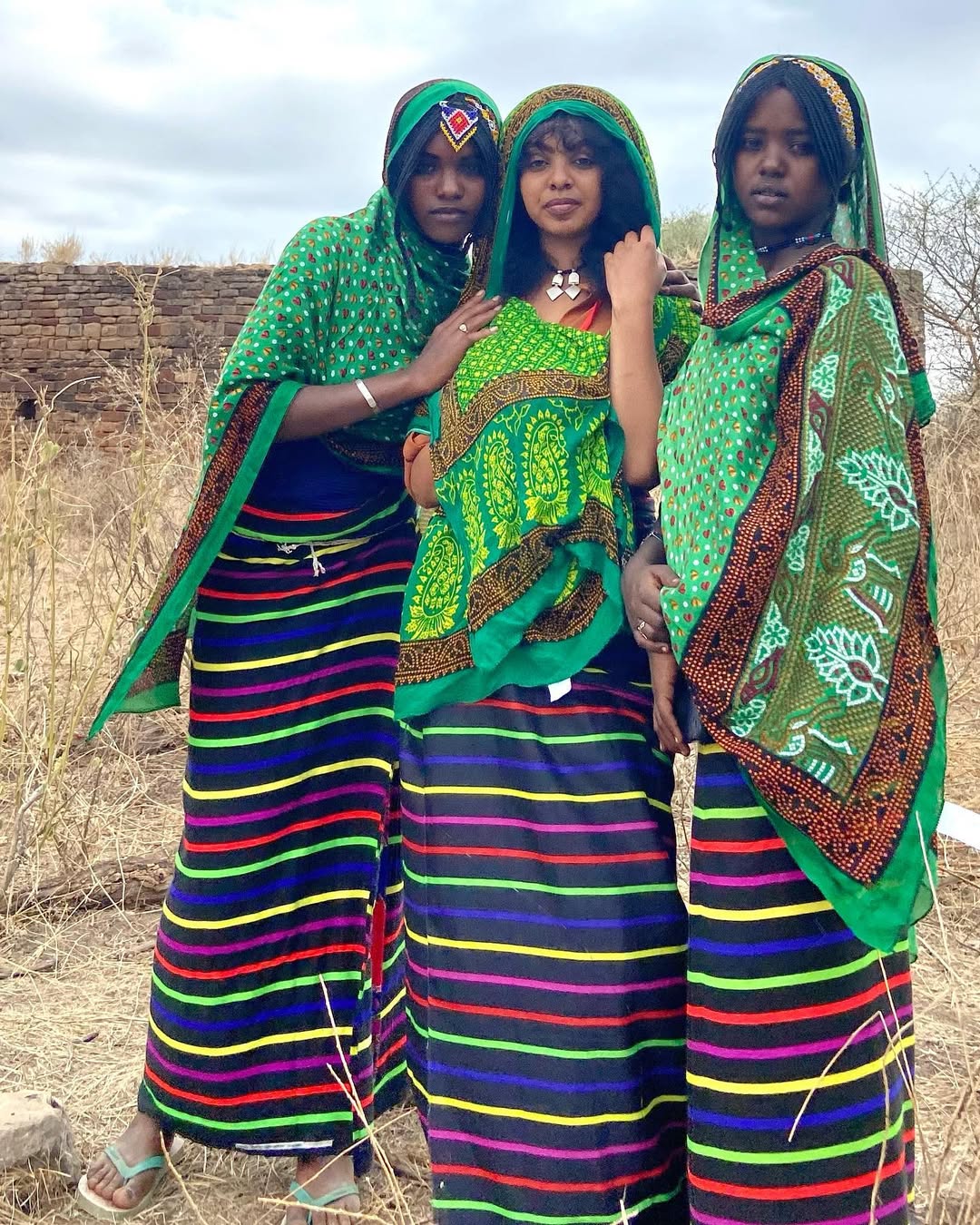
The core of the Afar wardrobe is the sanafil, a waist wrap that replaced ancient garments made from softened animal hides.
For men, the sanafil is typically a plain white cotton wrap, tied at the waist and falling to the mid-calf. It is a utilitarian garment, designed for maximum stride across rocky, volcanic terrain.
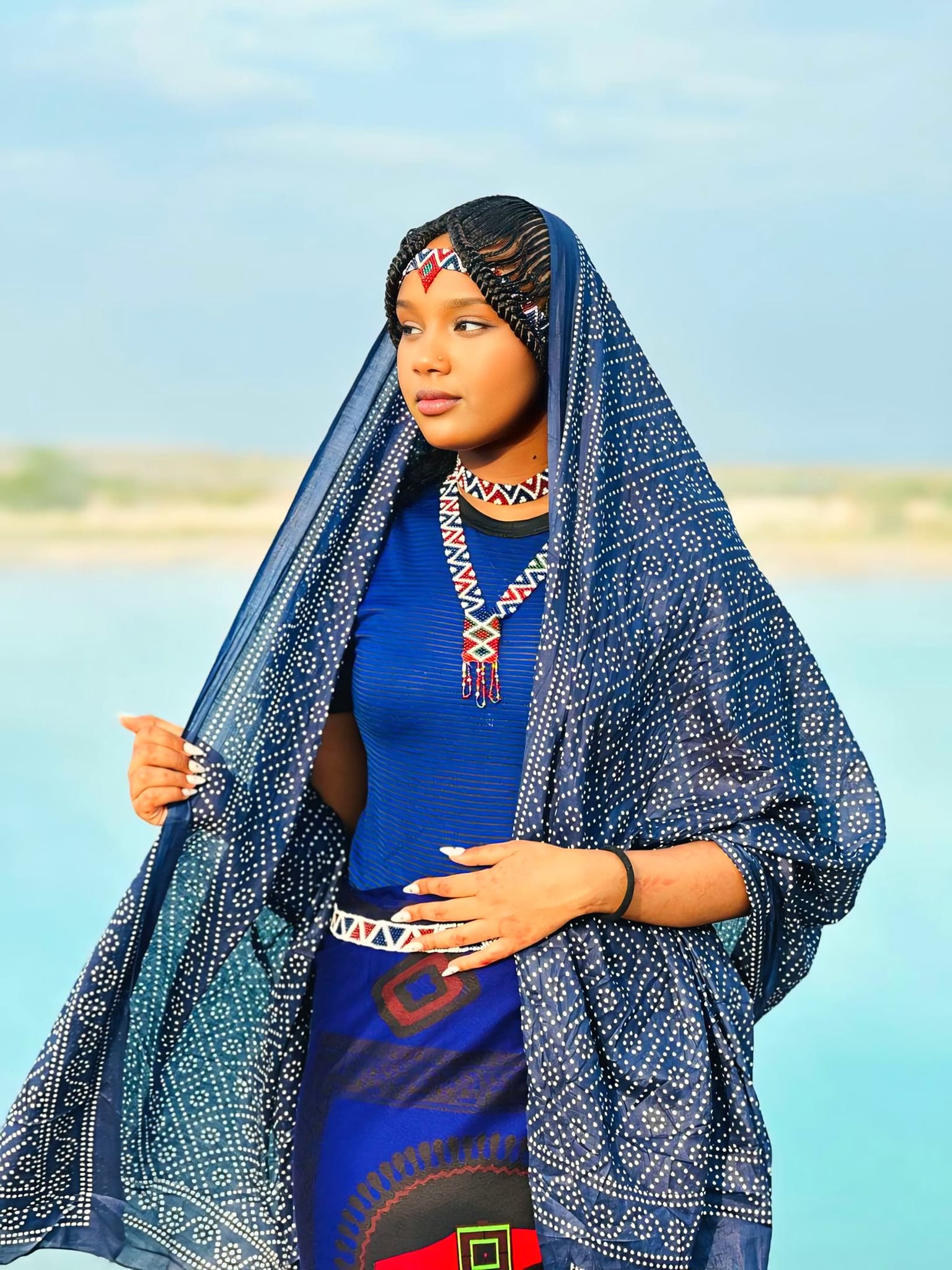
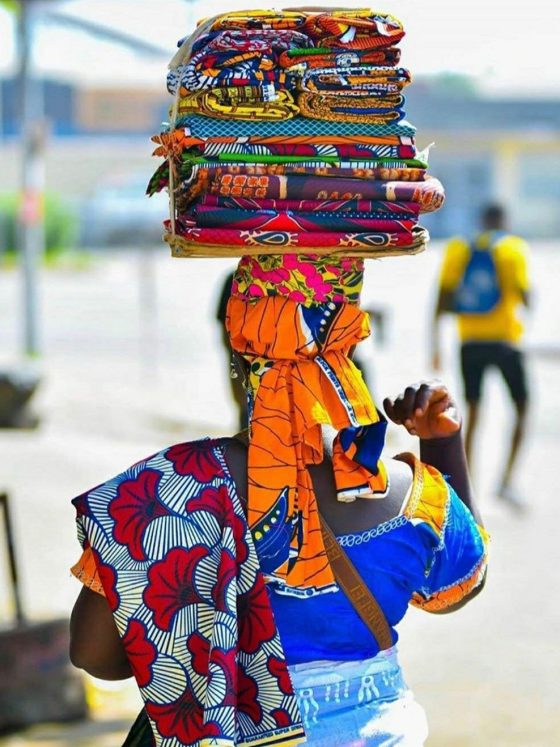
Women’s wraps are far more elaborate. They select pieces with bold, saturated prints such as electric indigos, fiery saffron, and deep ochres. These patterns frequently feature large-scale floral motifs or intricate geometric lattices that, while sourced from outside trade, have become a signature of the Afar aesthetic.
Modernity and the spread of Islam have introduced a dark, elegant headscarf. This garment is essential for survival, acting as a filter against the relentless UV rays and the stinging sand of the Afar Plain.
Functional Nudity in the Furnace
One of the most striking aspects of historical Afar cultures is their relationship with the human form. Until the mid-20th century, the concept of modesty was dictated by the sun rather than the stitch. In the extreme heat of the Danakil, covering the torso was a physiological burden.
Historical accounts from the Royal Geographical Society and the diaries of explorers such as Wilfred Thesiger document a society in which both men and women traditionally remained bare-chested. This was not a lack of culture but a mastery of it. In the Afar view, a person was never considered “naked” if they were properly adorned. A man was “clothed” if he had his hair styled and his dagger strapped to his waist; a woman was “clothed” if she wore her heavy silver collars and facial markings. While urbanisation has led to more covered styles, the bare-chested era remains a testament to a time when the Adal lived in total harmony with the harsh thermal demands of their environment.
ALSO READ
- Itsekiri Women’s Traditional Dress: Cloth, Coral and the Grammar of Status
- Urhobo Women’s Traditional Dress: Delta Power and the Politics of Adornment
- Efik Traditional Dress: The Aesthetics of Aristocracy in Cross River
Portable Wealth
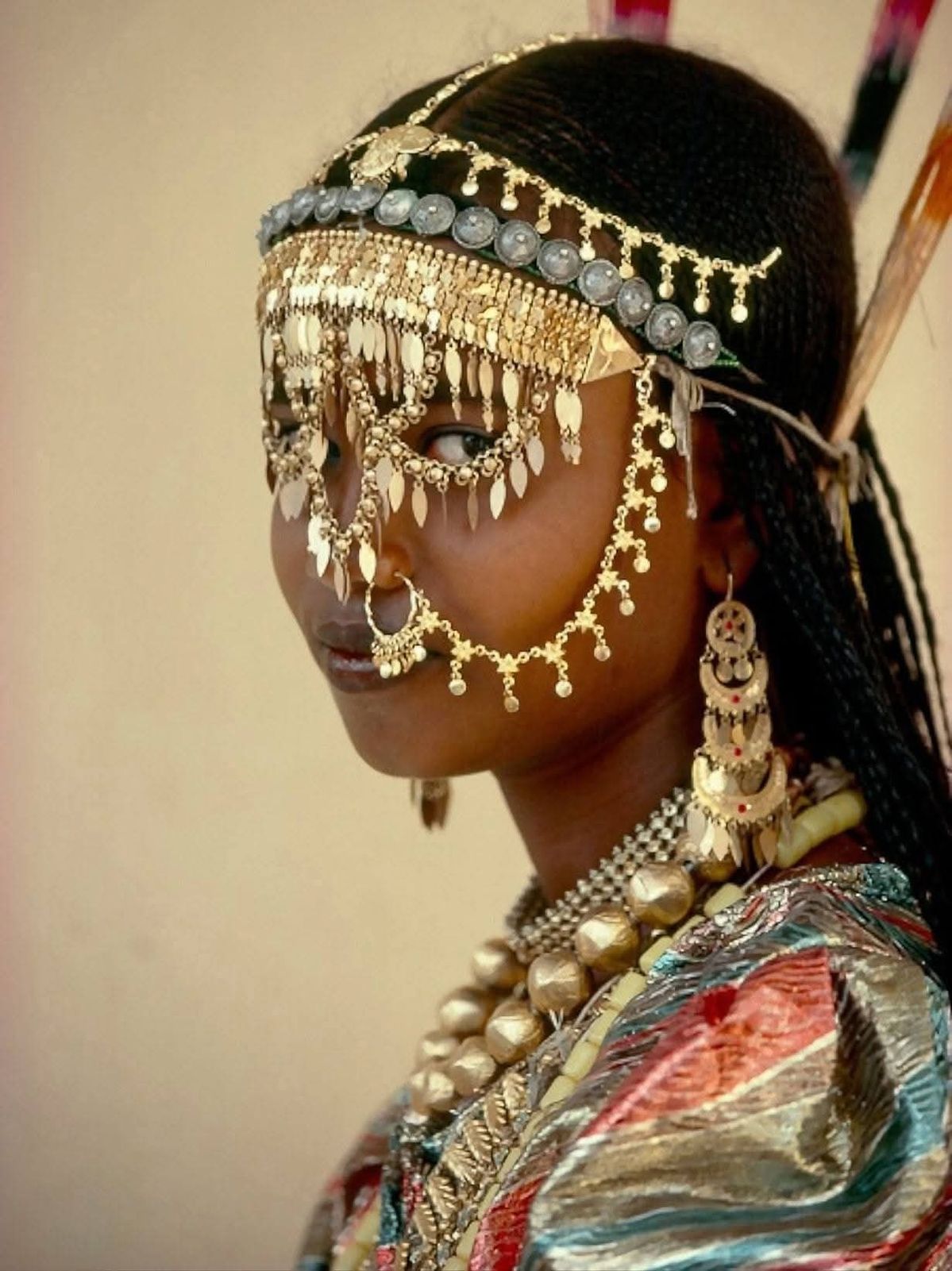
For a nomadic woman, jewellery is her most significant possession. Because she must be ready to move her entire home on the back of a camel, her wealth must be liquid and wearable.
The Afar traditionally prefer silver, associating its ‘cool’ properties with the moon, a spiritual antithesis to the desert sun. Women wear massive, hand-hammered silver collars known as malah and tiered breastplates.
Due to their history as trade gatekeepers, prestigious Gold-toned Adornments are highly prized. These include intricate forehead chains and gold nose rings, which serve as a vital part of a bride’s dowry.
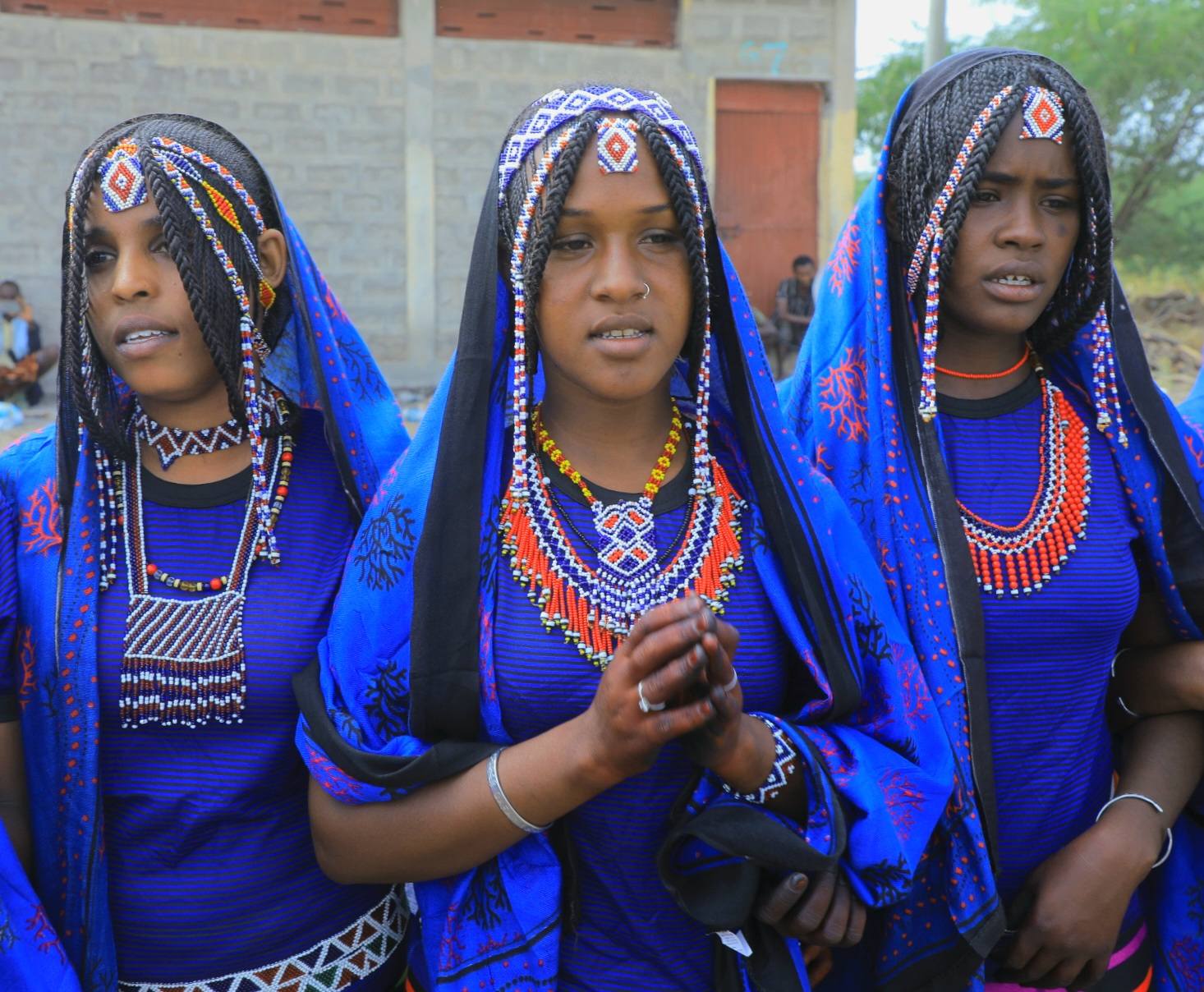
Large, heavy silver or gold earrings are a hallmark of the Adal woman. These are often so substantial that they require leather straps or chains connected to the hair to manage their weight, creating a stunning frame for the face.
Beyond the metal, intricate beadwork is integrated into leatherwork. Women wear fringed leather chest-pieces decorated with thousands of tiny glass beads and cowrie shells, which historically served as a display of the family’s purchasing power.
The Architecture of the Hair: Butter and Steel
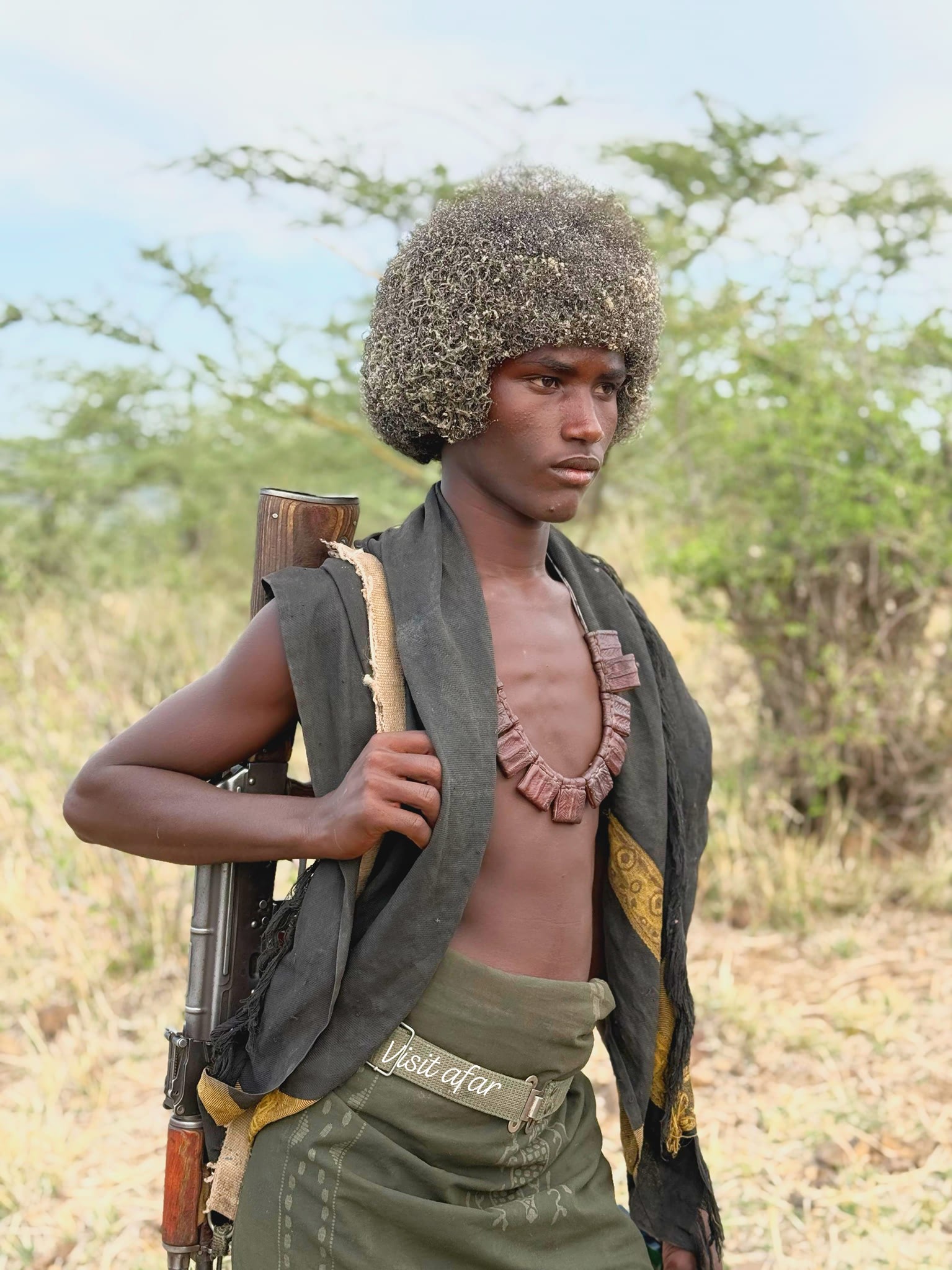
Grooming in the Danakil is an intensive art form that serves as a biological shield against the sun. Afar hairstyles are iconic and require hours of meticulous labour.
The Warrior’s “Asdago”: Men are famous for the asdago, a thick, perfectly rounded afro maintained with sheep’s butter. This “buttered” look, which can appear ashy or white, acts as a natural sunblock and prevents hair from breaking in the salt-heavy air.
The Dayta: Younger men may adopt the dayta style, featuring elaborate curls created by winding hair around small sticks. When a man’s hair is properly “buttered” and styled, he is considered fully dressed, even if his torso is bare.
Women’s Braiding: Women typically wear their hair in hundreds of fine micro-braids that frame the face. These are often weighted at the ends with silver coins or metal beads to keep the hair from whipping into the eyes during sandstorms.
The Jile
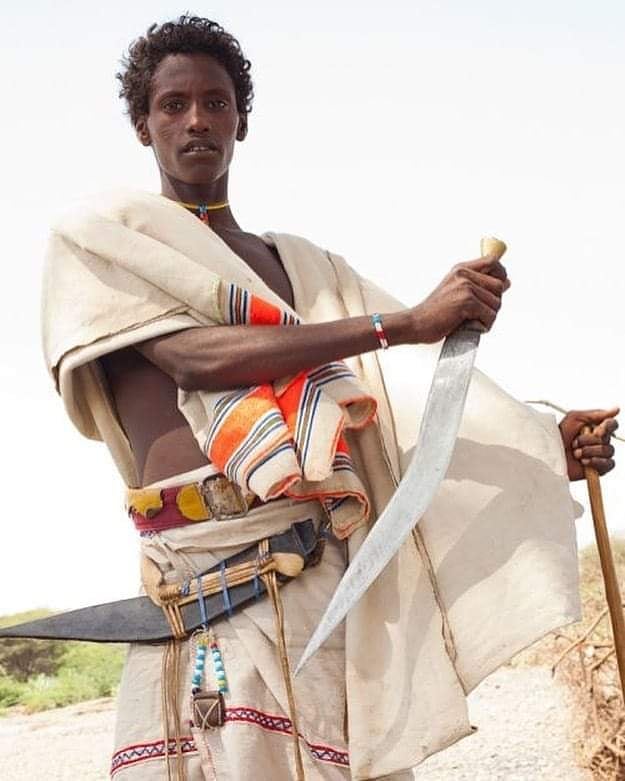
No Danakil man is truly “clothed” without his jile, a signature curved, double-edged dagger. Strapped to the waist on a thick leather belt, the jile is the ultimate symbol of manhood and the “Adal” warrior spirit. The hilt is often a masterpiece of craftsmanship, decorated with silver wire and brass studs that mirror the intricate silverwork of the women. It is both a formidable weapon and a daily tool, essential for life in the bush.
Footwear for the Fire
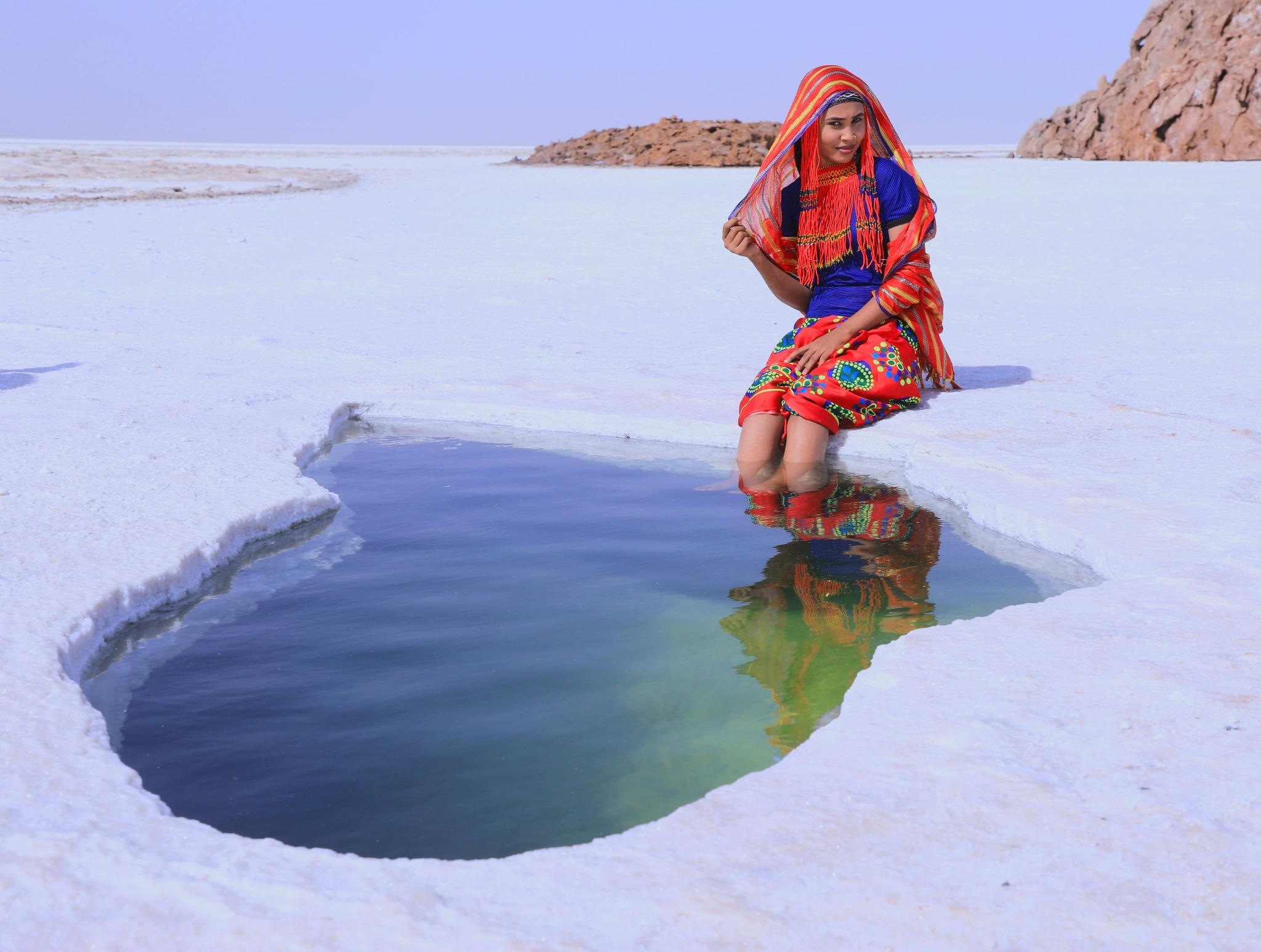
Given that the Afar walk over volcanic rock and burning salt flats, footwear is a feat of engineering. Traditionally, they wear heavy-duty sandals fashioned from thick layers of cowhide stitched together with leather thongs. These sandals have a wide footprint to prevent sinking into the sand and are destined to withstand the razor-sharp obsidian rocks of the Danakil.
The story of the Afar is one of a people who refuse to be weighed down. By eschewing the loom in favour of trade and using their own bodies as canvases for silver, butter, and steel, they have maintained a distinct and formidable identity that remains as sharp and enduring as a blade in the afternoon sun.
THE OMIREN ARGUMENT
The Afar Never Needed a Loom to Build a Fashion Culture
The inherited assumption is that a textile tradition requires textile production, that dress cultures are built from the inside out by weavers and dyers working within the community. By that logic, the Afar, who do not weave, should have no dress culture worth examining. Western ethnographic accounts have long framed their clothing as “minimal”, their adornment as “primitive survival wear”, and their bare-chested historical norm as evidence of cultural underdevelopment.
Strip that assumption, and the evidence points in the opposite direction. The Afar built one of the most deliberately composed dress identities in the Horn of Africa precisely because they controlled the Red Sea trade routes and the salt economy that financed everything passing through. They did not weave; they selected. The sanafil wrap, the buttered asdago, the hand-hammered silver malah, the weighted micro-braids, and the jile strapped at the waist: none of these emerged by accident. Each element was chosen, refined, and loaded with specific social meaning across generations of nomadic life in one of the earth’s most hostile environments.
The deeper truth the Afar expose is that fashion authority is not about who makes the clothes. It is about who decides what the cloth means. The Adal Sultanate did not dress its people in imported linens because it considered them too sophisticated. It dressed them in imported linens because it had the economic power to acquire the finest fabrics in the region and the cultural intelligence to transform them into something entirely its own. In that act of transformation, trade goods becoming tribal identity, lies the full weight of the Afar argument: that curation, when practised with this level of precision and purpose, is its own form of production.
FAQs
1. What is the traditional dress of the Afar people?
The foundation of Afar dress is the sanafil, an unstitched cotton wrap worn at the waist. Men wear plain white versions falling to the mid-calf; women select boldly printed wraps in indigo, saffron, and ochre, often paired with a dark headscarf that doubles as sun and sand protection. Because the Afar are nomadic pastoralists who do not weave, all fabric was historically acquired through the Red Sea trade routes, which their salt economy controlled.
2. What jewellery do Afar women traditionally wear?
Afar women wear silver as a statement of both wealth and cosmological identity, since silver is associated with the moon, a spiritual counterpoint to the desert sun. Key pieces include the malah, a hand-hammered silver collar, and tiered breastplates worn across the chest. Gold-toned forehead chains and nose rings form part of a bride’s dowry. Beadwork-fringed leather chest pieces decorated with cowrie shells document family purchasing power, functioning as a wearable balance sheet across generations.
3. Why do Afar men style their hair with butter?
The asdago, a thick, rounded afro maintained with sheep’s butter, serves a practical biological function in the extreme climate of the Danakil Depression, where temperatures regularly exceed 50 degrees Celsius. The butter acts as a natural sunblock and prevents hair breakage in the salt-heavy desert air. A man with his hair properly styled and his jile dagger at his waist is considered fully dressed in Afar culture, regardless of whether his torso is covered.
4. What is the jile, and why does it matter to Afar identity?
The jile is a curved, double-edged dagger worn at the waist on a thick leather belt by Afar men. It is the primary symbol of manhood and the warrior tradition of the Adal, with a hilt frequently decorated in silver wire and brass studs. No Afar man is considered dressed without it. The jile functions simultaneously as a weapon, a daily bush tool, and a piece of portable craft. Its silverwork deliberately mirrors the jewellery traditions of Afar women, binding the culture’s aesthetic together at the waist.


8 comments
https://shorturl.fm/76T08
Nice post. I learn something totally new and challenging on sites I stumbleupon on a daily basis. It’s always exciting to read through content from other writers and use something from other sites.
new online casino slots bad
I’m gone to convey my little brother, that he should also pay a visit this webpage on regular basis to obtain updated from most recent information.
在线购买无处方安定片 xxx Pornhub
Thank you for some other magnificent post. The place else could anyone get that kind of info in such an ideal method of writing? I’ve a presentation next week, and I’m on the look for such info.
在线购买他达拉非片用于肛交XXX色情
What stands out here is how naturally the discussion flows from one point to another, because the post stays enjoyable and clear without feeling forced for readers to follow closely.
fastest withdrawal online casino canada
It is always a pleasant surprise to find an article that delivers exactly what it promises. Your neutral breakdown of the facts is both valuable and incredibly helpful, providing a highly solid foundation of knowledge for anyone who wants to dive deeper into this subject.
casino en ligne
Thank you for compiling all these details into such an accessible format. The methodical layout and perfectly objective perspective make this an outstanding piece of writing that genuinely helps readers understand the broader context of the topic.
casino en ligne retrait instantane France
I just wanted to drop a quick note to express my gratitude for this excellent piece of writing. The clean formatting and balanced perspective you maintained throughout the entire text make it an absolutely fantastic starting point for anyone looking to learn more right now.
конь ебет ебак