Baobab oil tends to enter the global skincare market as a so-called super ingredient, a nutrient-dense oil produced in the famous African baobab tree. However, like most African botanicals, its introduction into the world of beauty has come at the cost of discovery rather than sustained use. It is new in the industry. It is not.
Baobab oil has been an effective restorative medicine throughout generations in African societies, where it is known to moisturise, heal, and protect the skin in dry environments. It is not by chance that it is composed. It contains vitamins A, D, and E, as well as essential fatty acids, and helps make skin more elastic, supports the skin barrier, and helps heal. Today’s multifunctional skincare has long been established in its natural profile.
It is not oil, but its positioning is different today. With the current movement in the skincare sector toward using plants and being transparent about ingredients, baobab oil has found itself in a market that is, finally, what it has always been. However, with the rise in demand, the risk of repetition increases – of African ingredients being assimilated into global systems without the ability to maintain control over their narrative or value.
Baobab oil is not a trend presented in this article. It looks at how a new breed of African botanical skincare companies is ensuring that, this time, the ingredient will not be stripped of its history.
Baobab oil is leading a new wave of African botanical skincare brands redefining the global beauty market. Discover its benefits and the brands shaping this shift.
Baobab Oil Is Not a Trend: It Is a Functional Skincare System
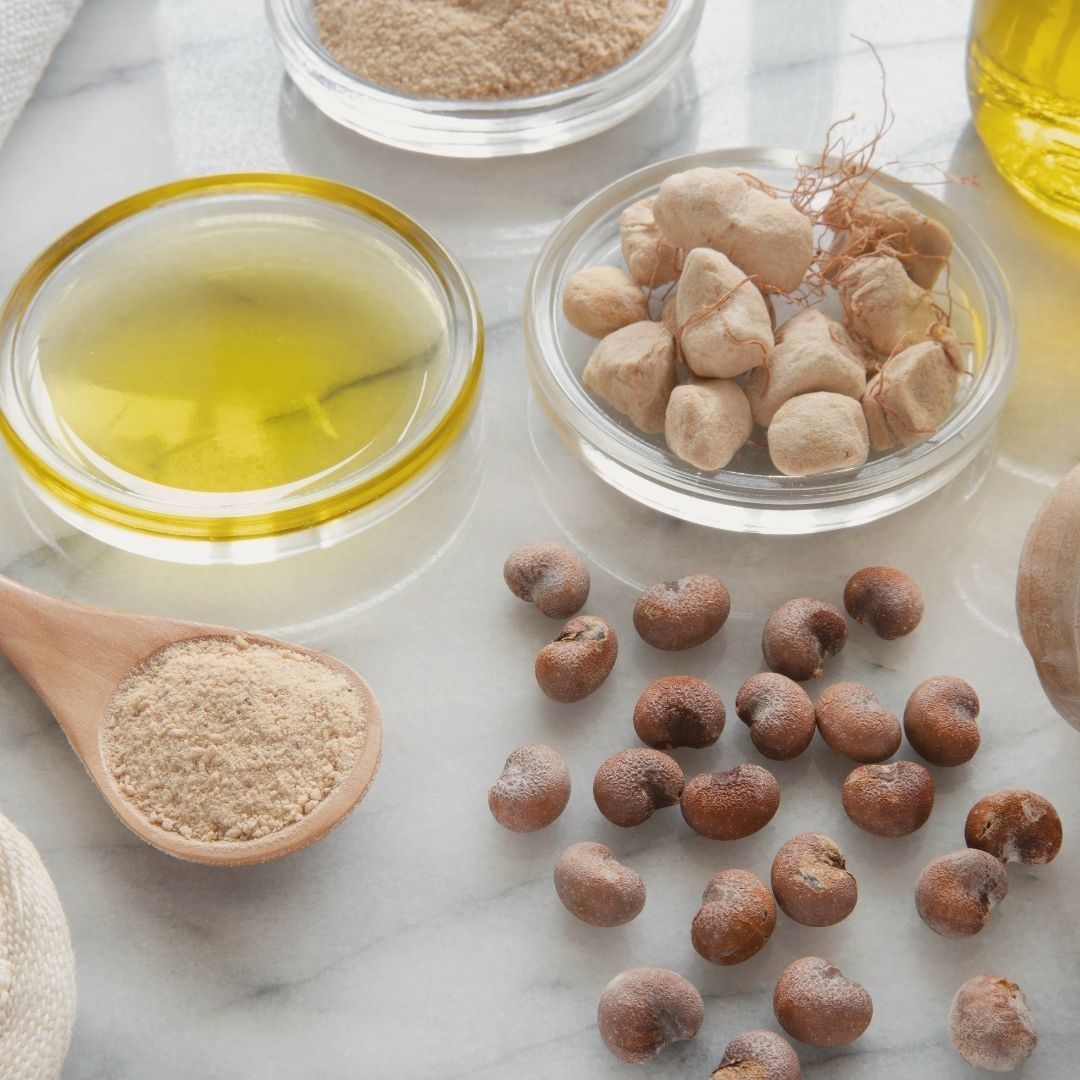
Baobab oil can be categorised as a natural oil, although this description does not reflect the complexity of this product. It does not merely moisturise, it repairs. Its fatty acid content enables it to penetrate deep into the skin, replenishing the elasticity and long-term barrier effects. This makes it especially effective for dry, delicate, and melanin-rich skin types that demand both moisture and strength.
Baobab oil is a system, unlike synthetic formulations, which separate individual functions. It hydrates, repairs, protects and strengthens at the same time. That is why it has stood the test of time and does not require reformulation. It fuses with the skin rather than the skin fusing with it.
African brands are not finding these advantages; they are safeguarding and translating them. Brands such as Skin Gourmet preserve raw, cold-pressed baobab oil, which retains the full nutrient profile, whereas Arami Essentials uses baobab oil in everyday practices without diluting its functionality. These brands are not diluting the ingredient to make it internationally friendly; they are preserving it.
Epara Skincare, positioned higher, incorporates baobab oil into innovative formulations tailored for melanin-rich skin, demonstrating that African botanicals are not confined to natural skincare but are instead integrated into high-performance systems.
The Global Market Wants Baobab Oil: But Not Always Its Origin
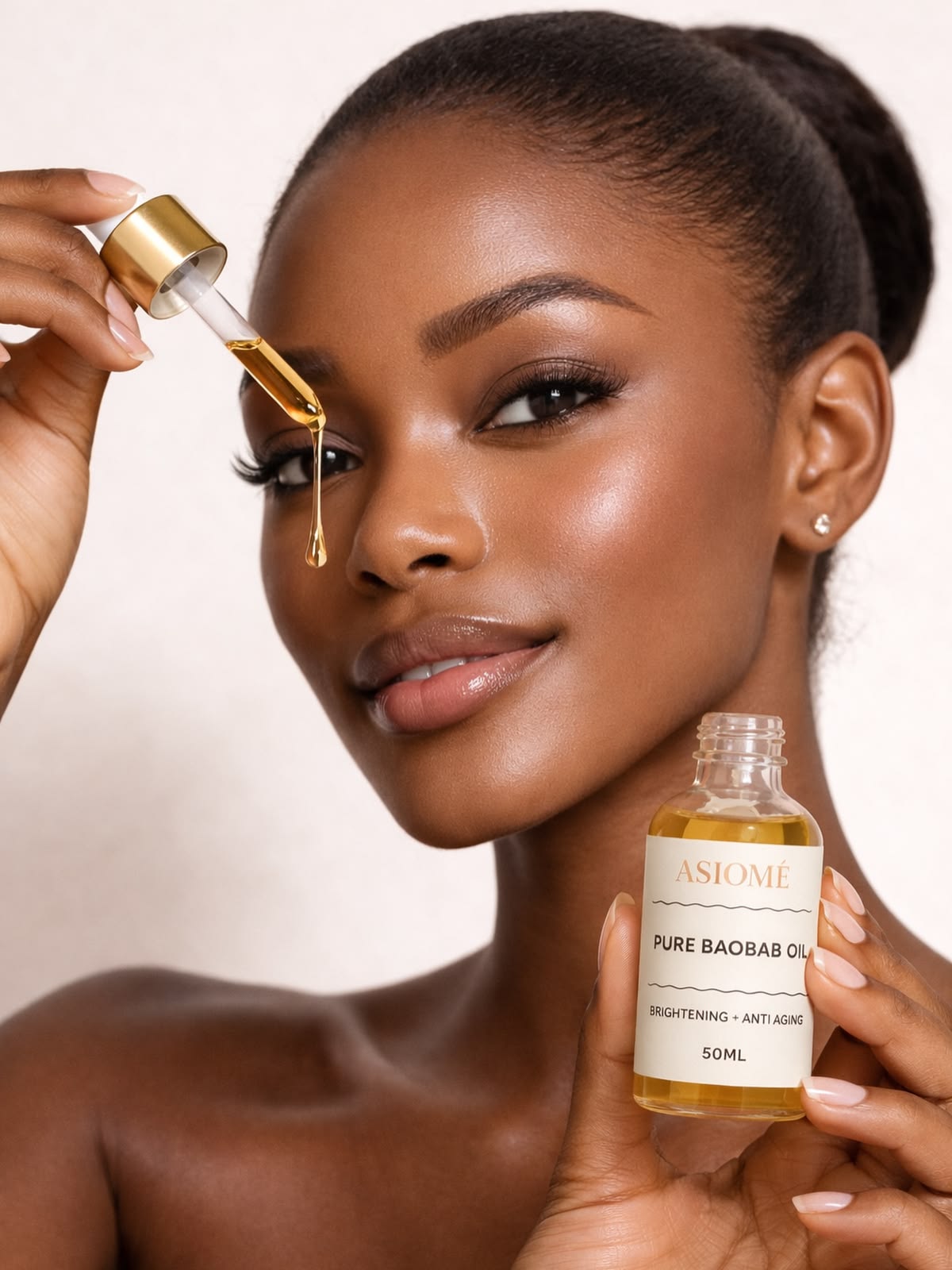
With the rising popularity of plant-based skincare, baobab oil has now entered the global supply chain. It is currently used in serums, creams, and oils sold by foreign brands, often as a high-end ingredient. But this growth is not new; the ingredient goes far beyond the tale.
Baobab oil skincare is expanding, yet a large portion of its value remains outside Africa. The exportation of raw oil is refined and repackaged in global systems, where branding takes priority over origin. The system behind the ingredient is not visible, only the ingredient.
The distinction between inclusion and control is herein evident. Inclusion involves incorporating African ingredients into global products. It is controlled to ensure that African brands determine how those ingredients are used and interpreted.
Other brands, such as 54 Thrones, are rebranding African botanicals for global luxury markets while retaining narrative rights. In the same way, Hanahana Beauty is based on the principles of direct sourcing and investing in the community, so the economic impact of baobab oil stays in its source.
Whether baobab oil is being recognised is not a problem. Whether that recognition is structurally consistent with its source is the question.
ALSO READ:
- Why African Skincare Has Always Been Ahead of the West & Why the World Is Only Now Catching Up
- Beauty’s New Epicentre: Why the World Is Turning to Africa’s Ancient Botanicals
The Next Generation of African Brands Is Redefining the Market
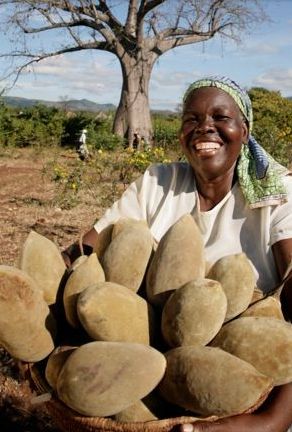
The only difference between this moment and the popularity of baobab oil is the placement of African brands in the market. A new generation is coming up, not to engage in skincare all over the world, but to create it.
These brands are not trend-building. They are developing circum-systems that integrate traditional knowledge and modern formulation science so that they can control the sources of what they produce, the production itself and the narration. This transforms African skincare from being an ingredient provider to an instrument of industry focus.
Brands such as Liha Beauty blend botanicals with modern aesthetics, while whileffia still relies on supply chains. Collectively, they signify different strategies toward the same objective, preserving value at the African level while diversifying internationally.
The Omiren Argument
Baobab oil is not defining the future of skincare because it is novel; it is defining the future of skincare because the industry has reached the point where it needs to look beyond formulations to find answers. Tforgence of African botanical ingredients is not a sign of innovation in the global system but of its constraints.
It is not the ingredient that is critical, but who controls it. The past migration of African ingredients into world markets consisted of goods being absorbed without ownership, and systems taking on value without giving it back. What is being resisted now is that trend, spearheaded by African brands that know that ingredients are not what make an industry but what control it.
The Omiren posture is straightforward: the next stage of the global skincare industry will not be characterised by the popularity of African ingredients but by African brands’ ability to control them. When they do, the industry changes. Otherwise, the cycle repeats itself. In this instance, baobab oil is at the centre of such a decision.
For deeper, argument-led insights on African beauty, skincare ingredients, and the brands redefining the global market, visit Omiren Styles, a platform built not on trends, but on perspectives that challenge how the industry assigns value, defines innovation, and understands African botanical skincare.
Omiren does not document the industry. It interrogates it.
Frequently Asked Questions (FAQs):
- What are the skincare benefits of baobab oil?
Baobab oil skincare benefits include deep hydration, improved skin elasticity, and barrier repair. It is rich in vitamins A, D, and E, as well as essential fatty acids, making it effective for dry, sensitive, and ageing skin. - Is baobab oil good for hyperpigmentation?
Yes, baobab oil can help with hyperpigmentation by promoting skin regeneration and reducing inflammation. While it is not a direct lightening agent, it helps create the conditions needed for a more even skin tone over time. - Why are African botanical skincare brands gaining global attention?
African botanical skincare brands are gaining attention for combining traditional knowledge with effective natural ingredients such as baobab oil. As consumers shift toward plant-based skincare, these brands offer systems that already align with that demand. - How is baobab oil different from other skincare oils?
Baobab oil stands out for its lightweight texture and high nutrient density. Unlike many oils that only moisturise, it also repairs, strengthens, and protects the skin barrier. - Are African skincare brands leading the future of natural beauty?
African skincare brands are increasingly shaping the natural beauty market by retaining control over sourcing, formulation, and storytelling, making them key players in the future of global skincare.