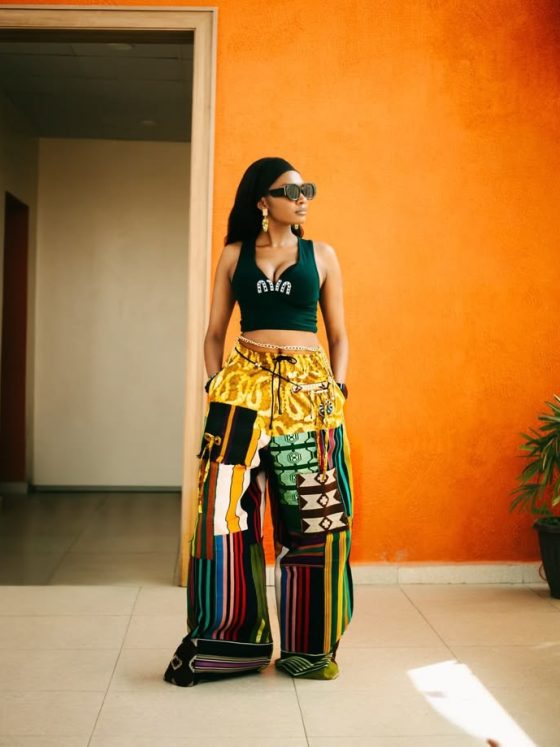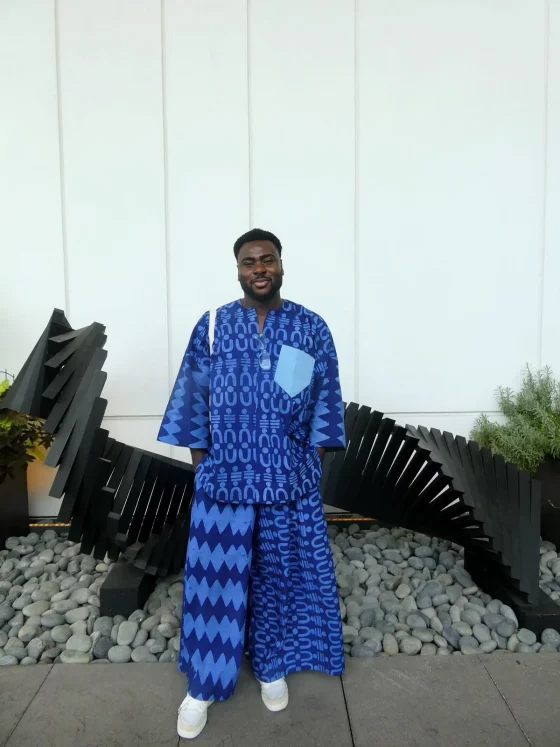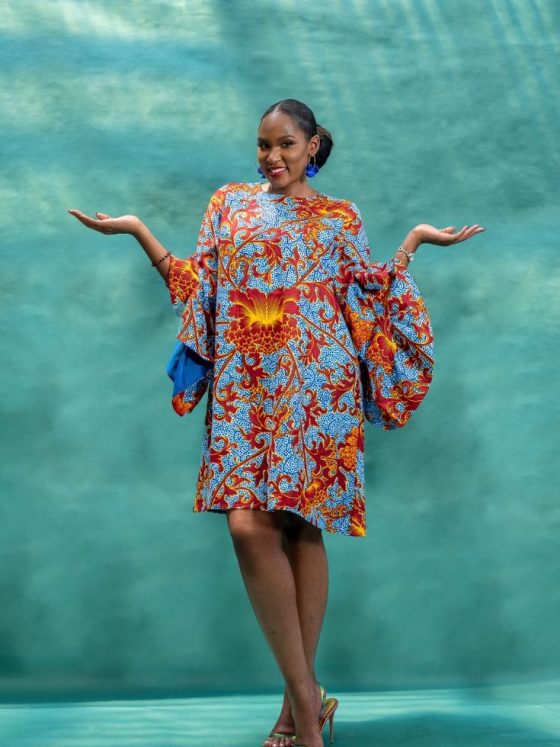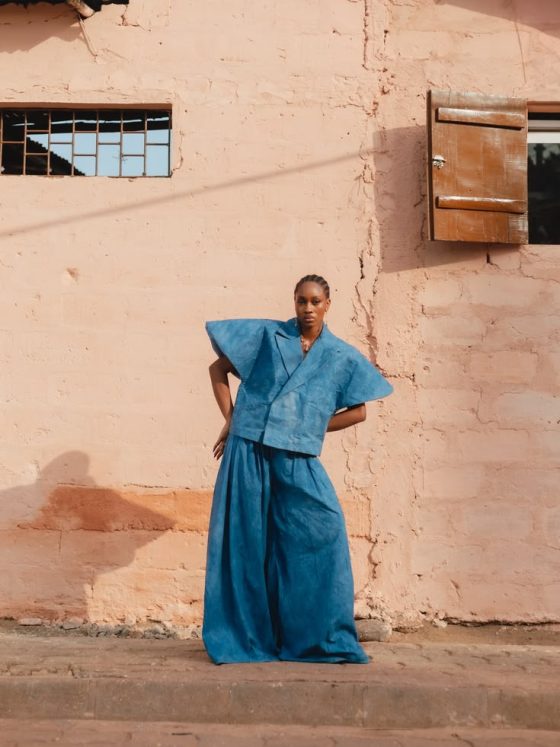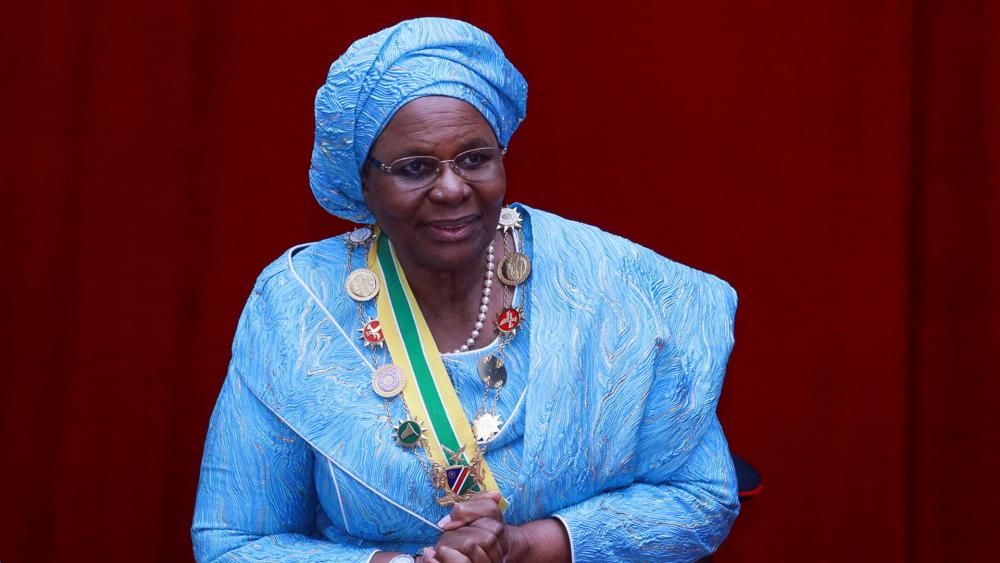
Before policies are debated or positions are understood, there is already a sense of what a political leader should look like.
This isn’t written in law, but it is present in how institutions, media, and public spaces frame authority. Within this environment, clothing becomes part of that early recognition.
It is one of the visible elements used to place individuals within expected ideas of professionalism and leadership. This is where African women in politics and their fashion choices become significant.
Their clothing isn’t just about formality; it is read within institutions that already have expectations, and within societies where dress also communicates identity, culture, and status.
What this reveals is not only how leaders are seen, but how the process of recognition itself is shaped in political life.
African women in politics and the fashion choices they make often say more than speeches. Read this piece to know how clothing shapes power and perception.
Why Fashion Choices Matter for African Women in Politics
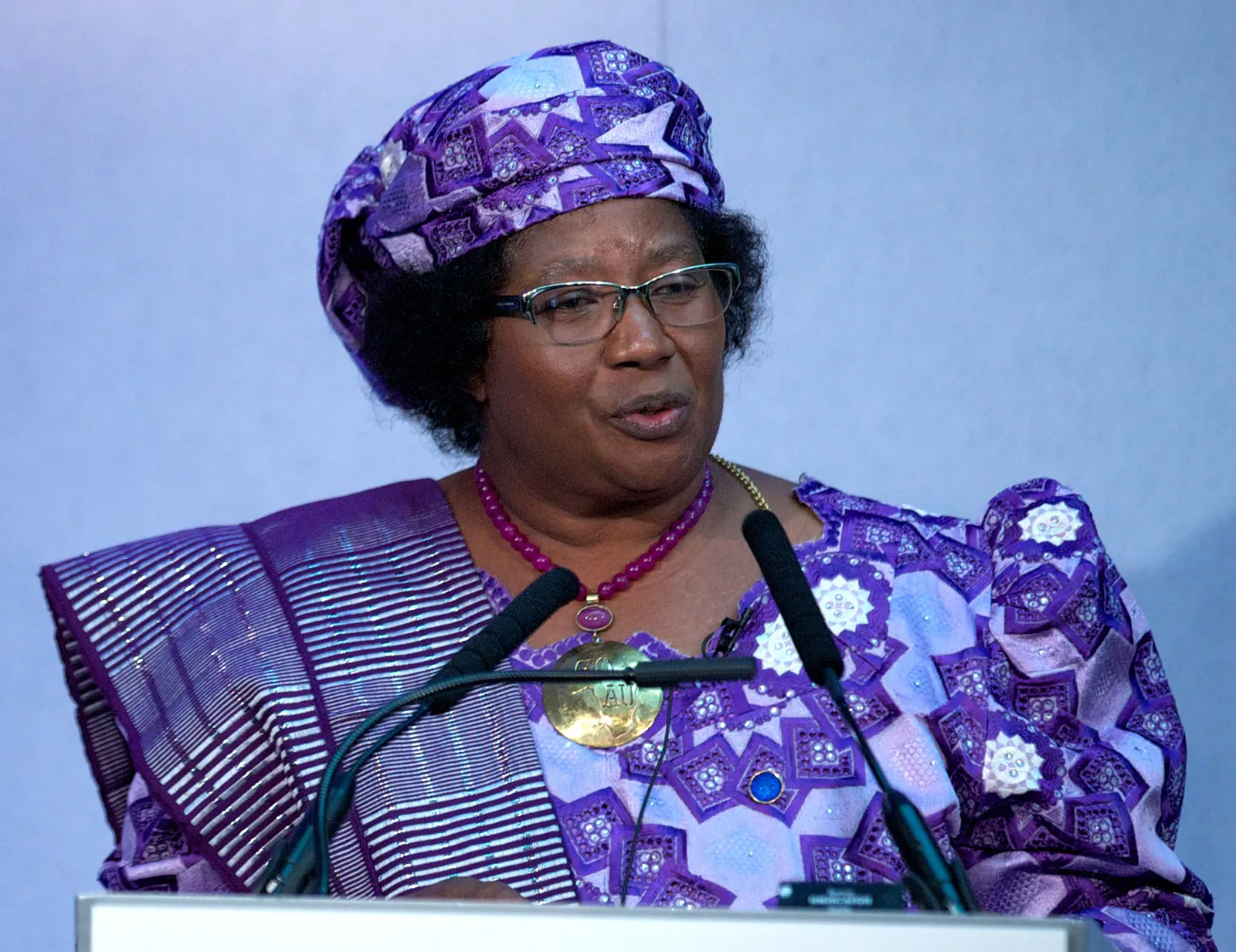
Fashion choices matter for African women in politics because clothing is one of the most immediate ways public presence is read and interpreted in political spaces.
For African women in politics, the visibility of their fashion choices carries additional weight. Their clothing often sits at the intersection of political expectation and cultural expression.
In formal political environments, there are established standards of professionalism, but these standards weren’t built from a single cultural perspective.
At the same time, many African societies already assign meaning to dress through fabric, colour, and style. This means that what women wear in politics can carry both institutional meaning and cultural significance simultaneously.
However, these meanings do not always align, and that is where interpretation becomes complex.
Regional Diversity in Style and Symbolism
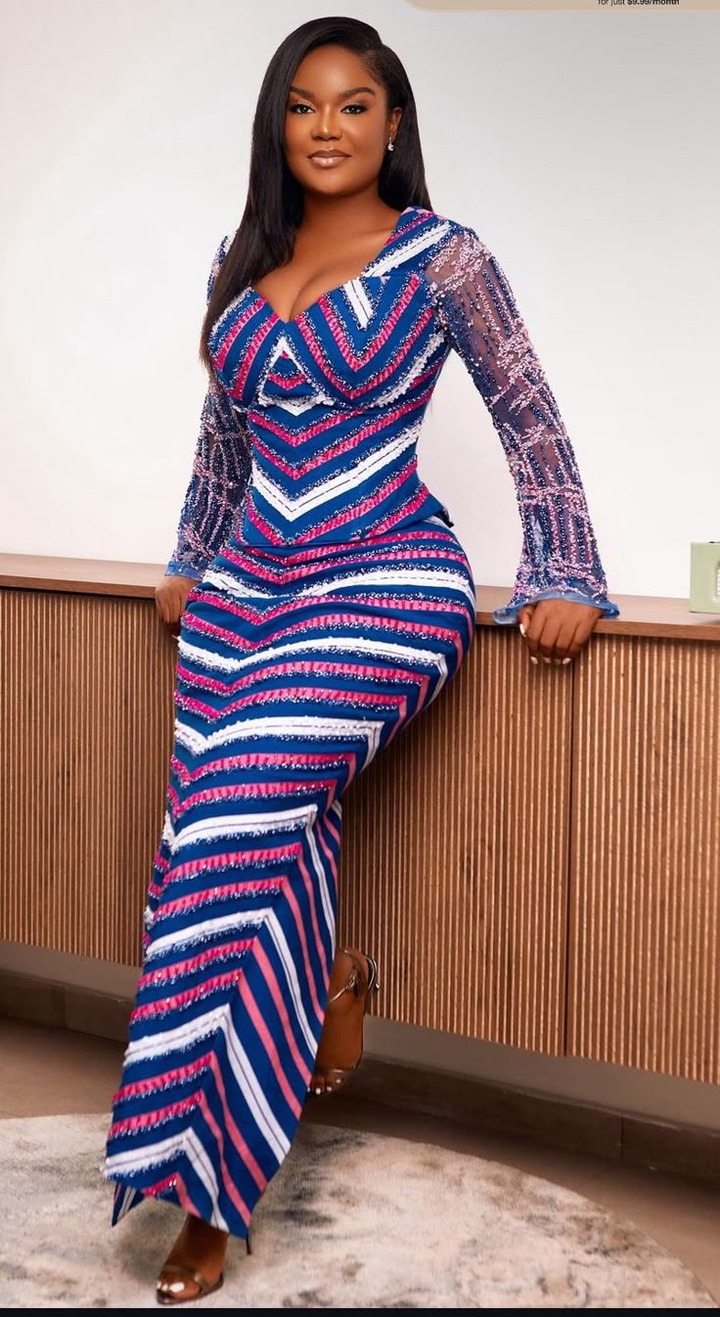
Across Africa, political fashion doesn’t follow a single visual system. It reflects diverse cultural traditions and a sense of belonging within formal spaces.
Below are some examples of how women in politics express this through regional styles:
West Africa
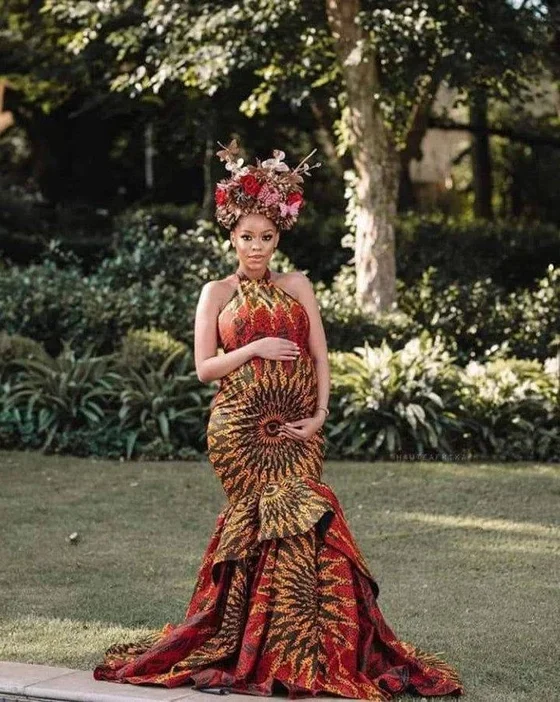
In West Africa, kaba and slit styles, Ankara fabrics, and adapted forms of senator-style tailoring are commonly seen in political and formal settings.
In these spaces, bold prints and structured designs are often associated with confidence, visibility, and cultural presence in public life.
Southern Africa
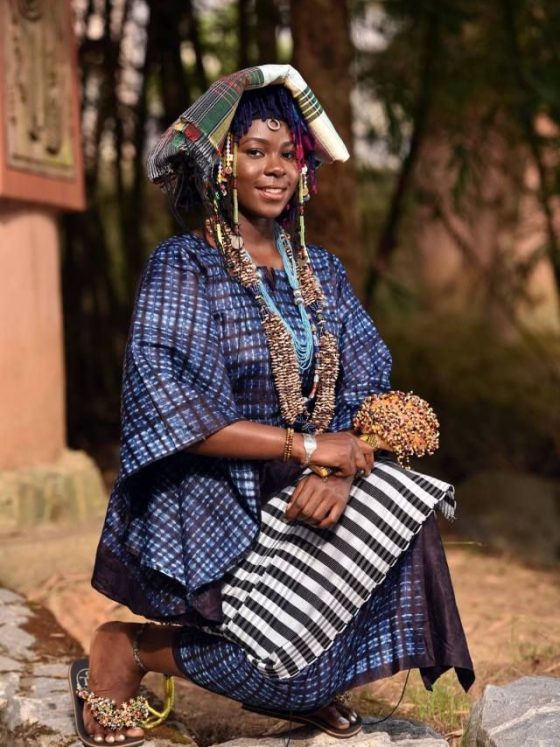
In Southern Africa, shweshwe fabric, beadwork, and modern tailored hybrids are widely used. These styles often combine heritage with contemporary design, which links cultural tradition with modern political dress.
East and Central Africa
In East and Central Africa, draped garments like the umushanana, gomesi, and kitenge are often worn in formal or ceremonial contexts. They are commonly associated with elegance, restraint, and cultural continuity in public appearance.
Omiren Argument
The standard political uniform in most of the world’s legislatures, presidential palaces, and international forums was designed without African women in it. The dark suit, the neutral palette, and the Western-cut silhouette that signals seriousness in institutional spaces: these were not arrived at neutrally. They emerged from a specific cultural tradition that then became the global default, so that any departure from it reads as a statement, whether or not one was intended. This is the environment African women in politics enter when they dress. A woman in full Ankara in a parliament that has historically read authority through European tailoring is not simply making a fashion choice. She is navigating a system built before she arrived, and that continues to interpret her clothing through frameworks she did not design and was never consulted on.
What makes African women in politics distinctive is that they bring dress systems into institutional spaces that already carry their own complete logic. Kaba and slit, shweshwe, umushanana, gomesi, Kente-woven cloth: these are not decorative alternatives to formal wear. They are formal wear within the cultural systems that produced them. The problem is not that these garments lack authority. The problem is that the institutions which decide what authority looks like were built to recognise a different visual vocabulary. When Ellen Johnson Sirleaf walked into a room as President of Liberia, her clothing was read simultaneously as presidential, as African, and as female, three readings that do not operate independently. Each one filters how the others land. African women in politics do not simply choose what to wear. They choose which reading to invite and which system of meaning to trust with their public presence.
Also Read:
- Why Some Clothes Are Kept Forever: The Emotional Value of Clothing
- The Uniform as Symbol: Why Powerful Women Are Returning to Signature Dressing
- Wearing Heritage: The Geography of Thread for the Modern Global Woman
- Women’s Fashion Across Generations: From Matriarchs to Modern Style
The Strategic Messages Behind the Choices
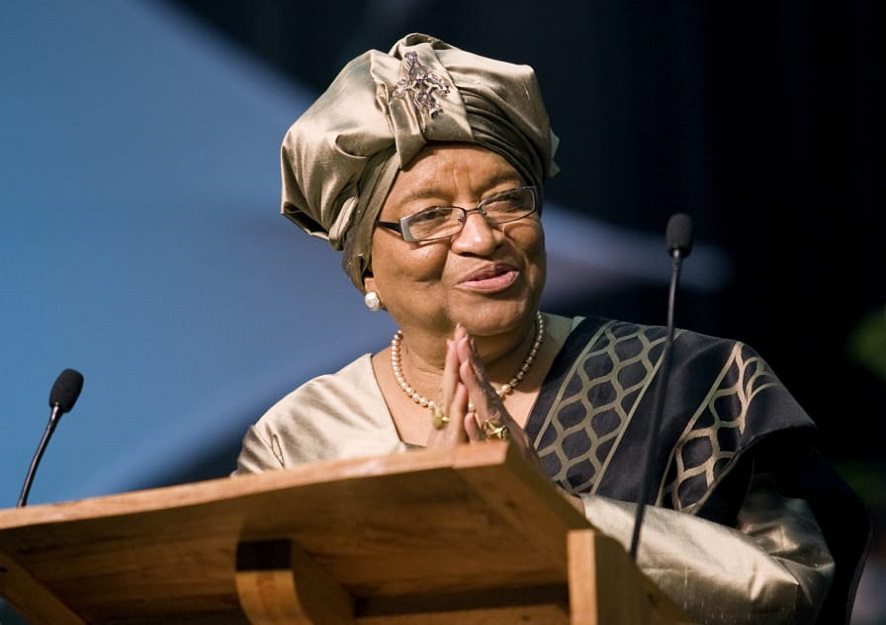
The fashion choices made by African women in politics are rarely just a matter of personal style. They exist within political expectations, public interpretation, and cultural meaning simultaneously.
Some of these choices carry different meanings:
Cultural Assertion
Choosing African textiles in formal political spaces can serve as a quiet challenge to the idea that authority must conform to Western dress norms.
It places local fabric traditions into spaces that have historically favoured uniform, Western-style tailoring.
In doing so, it affirms that African cultural identity isn’t separate from governance or professionalism but can exist within it without needing to be adjusted or reduced.
Economic Signal
Clothing choices can also have a wider impact beyond appearance. When African women in politics wear locally produced garments, it increases their visibility.
This helps designers, tailors, and textile producers, who often operate in small or developing industries, be seen.
While these choices aren’t policy, they still influence how local creative economies are seen and valued over time.
Identity Control
In political environments, public interpretation often happens quickly and without full context. Fashion is one of the few visible tools by which individuals can shape how they are perceived.
For African women in politics, clothing can help manage competing readings of authority.
It can also help manage identity and professionalism, especially in spaces where assumptions already exist before engagement begins.
Audience Awareness
Fashion choices are often adjusted depending on the setting and audience.
Domestic political spaces may allow for more culturally expressive dress, while international forums can encourage more globally familiar or neutral styling.
However, this isn’t only about preference. But about reading the expectations of different audiences and responding in ways that maintain credibility across contexts.
Dressing for Power in African Political Life
Ultimately, African women in politics and their fashion choices show that clothing is part of how political authority is made visible and understood in public life.
Across different contexts, these choices sit within established expectations about leadership, but they are also shaped by cultural meanings that give them additional layers of reading.
This reveals that political dress is not separate from power. It exists within it, as one of the ways presence is presented and recognised.
In that sense, fashion becomes part of the language of politics itself, where meaning is carried not only through speech but also through what is seen.
Frequently Asked Questions
1. Who Was the First Black Woman in Politics?
In modern representative politics, one of the earliest widely recognised Black women in formal politics is Shirley Chisholm.
She became the first Black woman elected to the U.S. Congress in 1968 and took office in 1969. She is often described as the first Black woman in U.S. national politics at the congressional level and a foundational figure for Black women in modern politics.
2. Who Is the Most Influential Woman in Africa?
The most influential woman in Africa is often considered Ellen Johnson Sirleaf, the former president of Liberia and the first elected female head of state in Africa, widely recognised for her leadership and global impact.
3. What Are the 7 Types of Fashion Styles?
The seven commonly recognised fashion styles are classic, casual, bohemian, streetwear, sporty (athleisure), vintage, and chic, each representing different approaches to clothing and personal expression.
4. Who Are Some Famous Black Female Politicians?
Some famous Black female politicians include Shirley Chisholm, Kamala Harris, Carol Moseley Braun, Stacey Abrams, Ellen Johnson Sirleaf, Ngozi Okonjo-Iweala, and Diane Abbott, all of whom have made significant political and leadership contributions globally.