The worldwide fashion map underwent a structural and mechanical rearrangement in 2026. Yoruba ceremonial aesthetics are now seen as a high-end, authoritative language for the contemporary leader, surpassing the superficial trend of the past.
This is a visionary reset of the silhouette, not merely a way to wear history. Dressing is a spiritual ritual of alignment for the Omiren woman, a powerful intention to connect her earthy power with the plant refuge of her ancestry.
A regal, autonomous authority defines the Yoruba profile. She knows that the indigo-dyed mystery of Adire or the weight of an Aso Oke jacket serves as a structural shield. She makes sure that her private haven and public persona seamlessly merge by fusing the accuracy of the old loom with the minimalist luxury of 2026. She is “Dressed for the Gods”, not as a costume but as an elegant, all-encompassing declaration of her own permanent seat at the table.
Discover how Yoruba ceremonial aesthetics are re-engineering the 2026 global fashion map. From the architectural gravity of Aso Oke 2.0 to the soulful, indigo-dyed mystery of Adire, explore how the Omiren woman utilises heritage as a high-end, mechanical tool for independent authority and visionary style.
The Architectural Gravity of Aso Oke as Design Infrastructure
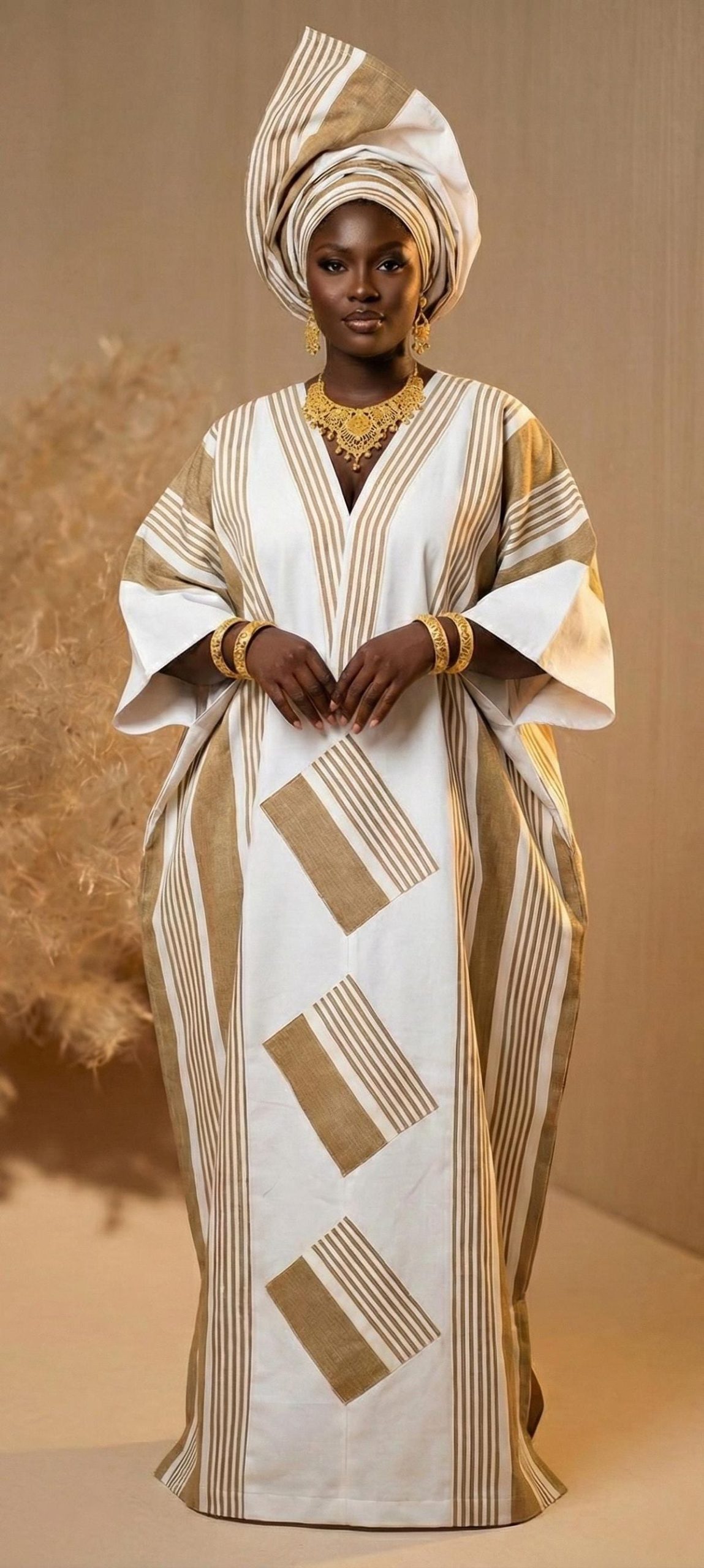
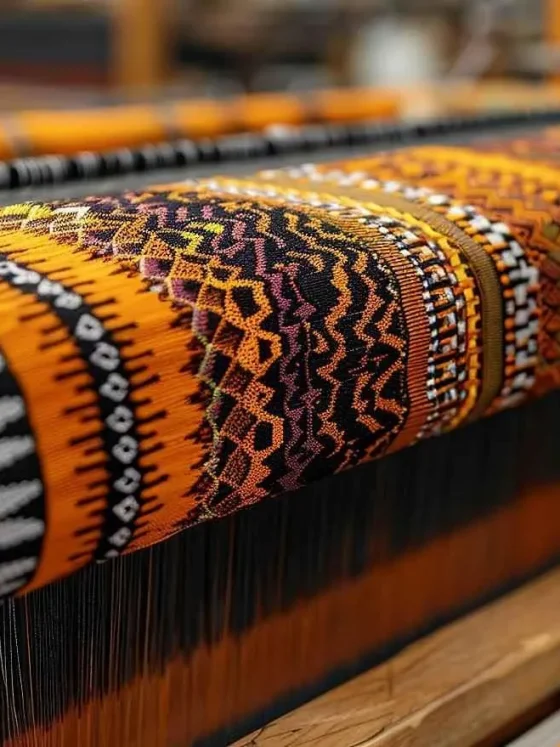
Aso Oke’s structural strength and mechanical weight form the initial pillar of this map. This hand-loomed fabric was transformed from a merely ceremonial top cloth into a fundamental design infrastructure for the worldwide woman in 2026.
For post-museum fashion, designers such as Teniade Adekunle and Adeju Thompson of Lagos Space Programme are using Aso Oke as a high-end, structural material to create house classics that offer a visionary, contemporary silhouette while retaining the regal, stiff weight of the original weave.
Wearing Aso Oke is a mechanical act of historical engineering for the curated minimalist. She chooses the solidity of a hand-loomed fabric that maintains its shape precisely over the brittleness of fast-fashion textiles.
She uses the rich crimson of Alaari and the uncommon Sanyan (silk from wild moths) to create an elite, sharp shield. She transfers the handcrafted spirit of Iseyin weavers into the upscale boardrooms of 2026, demonstrating that her heritage is a powerful, high-tech foundation for her worldwide authority. This is an authoritative declaration of her independence.
By incorporating the loom’s heavenly mechanics into her professional map, the Omiren woman ensures that her private haven and public persona seamlessly merge. This is an inclusive, radiant architecture that honours the mathematical intricacy of Yoruba weaving while projecting a heartfelt, forward-thinking vitality onto the world; it is not a costume.
The Indigo Code: Adire as a Functional Map
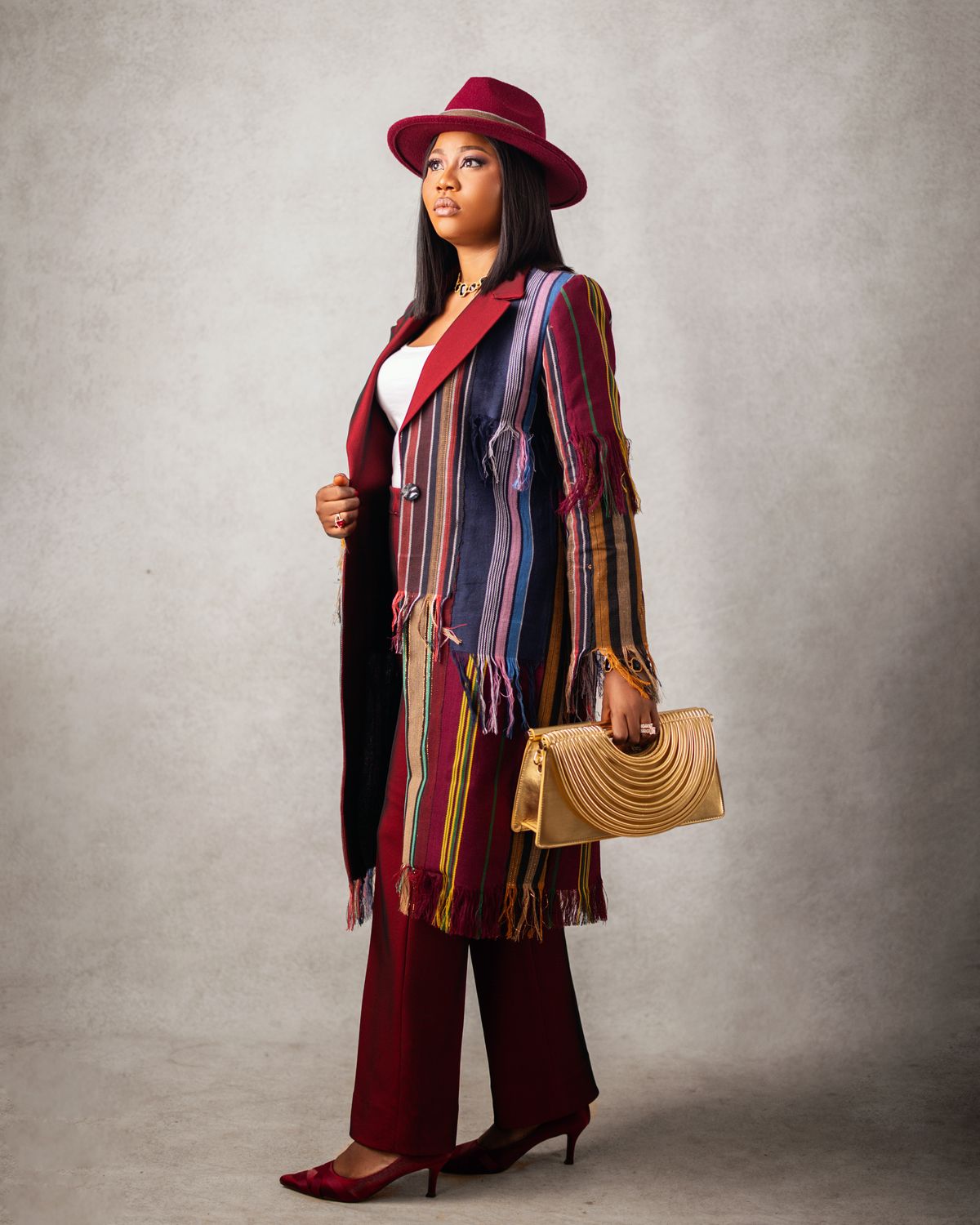
The indigo mystery of Adire is the second pillar of this imaginative map. The Yoruba’s hand-dyed resist techniques, which have historically been a botanical sanctuary of intricate symbols, were redesigned in 2026 to become a global luxury standard for Omiren women.
Leading this trend are labels like Orange Culture and NKWO, which use Adire Eleko (starch-resist) and Adire Oniko (tie-resist) to produce high-end, abstract designs that serve as a soulful code. Every motif serves as a mechanical prayer for protection, prosperity, and spiritual alignment, transforming fashion into an all-encompassing, nonverbal language.
The indigo silhouette is more than simply a colour scheme for the curated minimalist; it’s a wholesome, contemplative self-presentation ritual. She rejects the chemical instability of mass-market dyes in favour of sustainable Adire, which uses plant-based indigo and zero-waste construction.
She accessorises a flowing, hand-dyed silk wrap dress with simple gold pieces, letting the glowing, organic designs speak for her with subdued authority. This is a visionary shield, a piece of clothing that both shields her private haven and conveys a strong, imaginative intention to the world.
By donning these indigo maps, the Omiren woman demonstrates her ties to Abeokuta’s historic dyers. She is aware that the mechanical accuracy of the hand-painted Eléko symbols is a sophisticated kind of narrative. Her silhouette in 2026 is a dazzling dialogue between her modern aspirations and her ancestral land, demonstrating that her identity is as enduring and profound as the indigo vat itself.
ALSO READ:
The Regal Silhouette: Iborun and the Power of the Wrap
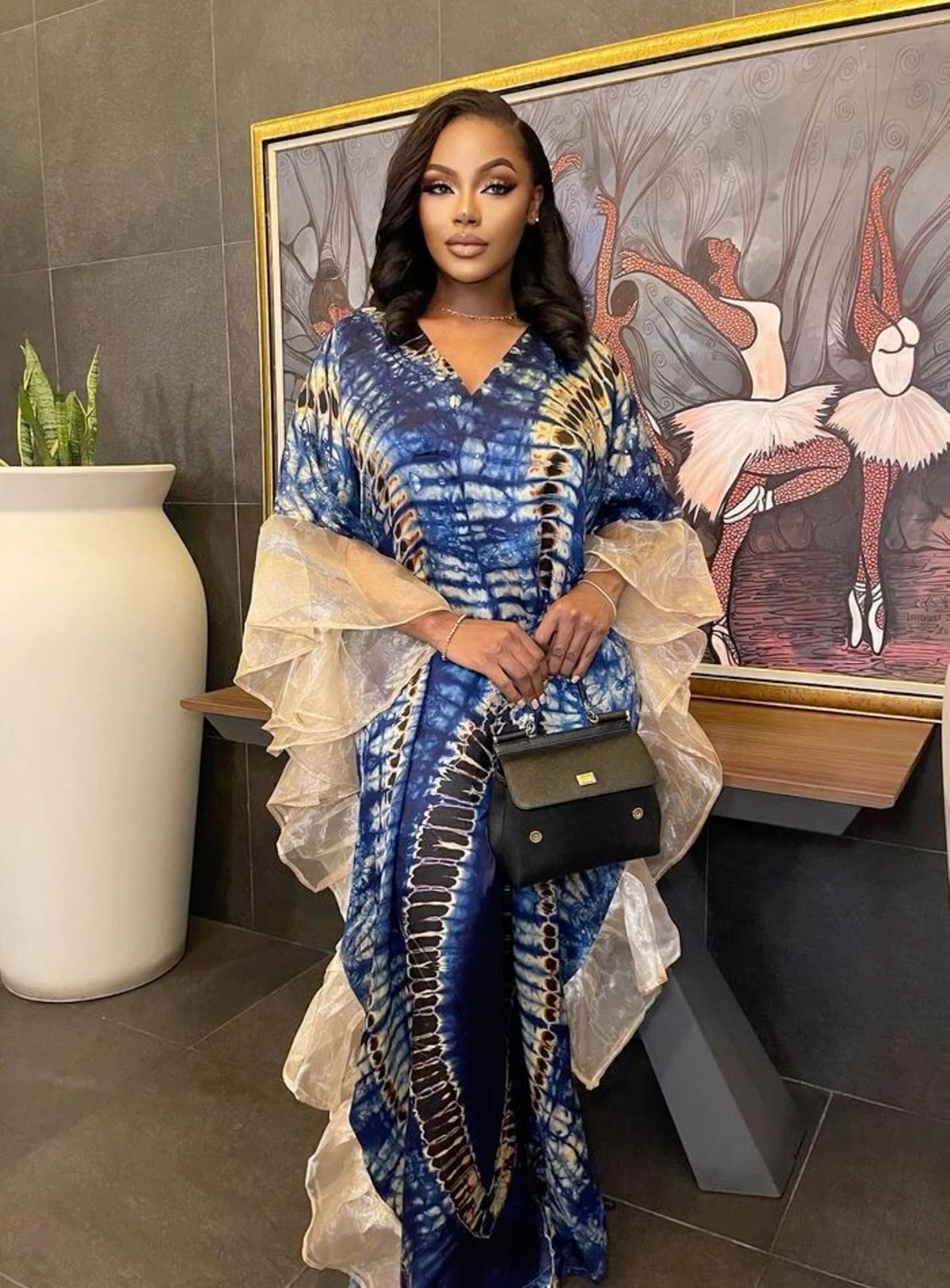
The Regal Silhouette of the Iborun (the ceremonial shoulder wrap) is the map’s last pillar. By 2026, the wrap’s mechanical purpose has evolved from a conventional adornment to a key instrument for Dynamic Authority. To create an inclusive, elite style that commands respect in any context, modern designers are reimagining the Iborun as a power cape or a structural shoulder Shield, fusing its ancestral weight with modern tailoring.
The contemporary wrap is a celebration of fluid sovereignty for the unisex progressive and the curated minimalist. It is a mechanical reset of the power suit, substituting a component that provides both organic mobility and structural protection for the stiff Western blazer.
She moves the Iborun from a formal drape to a practical, belted layer that protects her inner sanctuary and exudes a strong, independent energy, using it to navigate her upscale professional world with perfect accuracy.
The Omiren woman asserts that her style is a dazzling, enduring glow, as deep as the old Yoruba soil and as crisp as the 2026 skyline, by embracing the Iborun. She is aware that enveloping herself in these intricately woven fabrics entails embracing a legacy of leadership. Her silhouette makes a visionary statement in 2026: she ensures her presence is felt long before she speaks by bringing the grace of the ancestors to the centre of contemporary innovation.
Conclusion
The examination of these Yoruba-style pillars demonstrates that, for Omiren women, fashion in 2026 is a mechanical and soulful return home rather than a show for the outside world. We have seen how the regal silhouette of the Iborun wrap serves as a visionary shield of power, how the Indigo Code of Adire maps an internal sanctuary of symbols, and how the architectural ravity of Aso Oke offers a structural foundation for urban leadership.
This is a powerful, autonomous movement that transforms traditional tools into a sophisticated, modern language of power. In the end, Dressed for the Gods offers a roadmap for a life in which innovation and tradition seamlessly blend. The women who embrace these silhouettes demonstrate that genuine style is a positive, inclusive conversation between the high-tech skyline of the future and the botanical soil of the past.
The Omiren woman’s clothing is her silent revolution, a dazzling, enduring glow that guarantees her voice is heard because she had the soulful bravery to wear her past as a high-end, structural reality rather than because she followed a trend.
Your style is your silent revolution. To discover the high-end, sustainable stories, artisanal Yoruba craftsmanship, and soulful global connections that anchor the Omiren woman’s radiant map, explore the full Omiren Global Editorial Archive.
Frequently Asked Questions (FAQs):
- How can I incorporate Aso Oke into a modern professional wardrobe?
In 2026, the mechanical shift of Aso Oke from ceremonial wear to “Design Infrastructure” makes this seamless. The Omiren woman gravitates toward Aso Oke blazers or tailored waistcoats. These pieces provide a structural, high-end gravity that replaces the standard Western suit. Pair a neutral, hand-loomed Sanyan vest with minimalist silk trousers for an authoritative, inclusive look that commands the boardroom with artisanal soul.
- Is Adire suitable for high-end, formal occasions? Absolutely.
The Indigo mystery of Adire Eleko (starch-resist) has been re-engineered as a global luxury standard. For a visionary formal silhouette, choose Adire silk wrap dresses or floor-length fluid gowns. The complex, hand-painted motifs act as a soulful code, ensuring your presence is both radiant and grounded in a healthy, botanical sanctuary of tradition.
- What is the functional purpose of the Iborun in 2026?
Beyond its regal history, the modern Iborun (shoulder wrap) functions as a Structural Shield. It offers a mechanical reset of the power layer, enabling dynamic movement and fluid sovereignty. In 2026, it is often worn as a power cape over minimalist slips or as a belt over structured coats to secure the wearer’s internal sanctuary while projecting a forceful, independent energy.
- How do I care for these artisanal, hand-loomed textiles?
Maintaining the integrity of these pieces is a soulful ritual of preservation. Because Adire uses plant-based indigo and Aso Oke features wild silk (Sanyan), they require a healthy, chemical-free approach. We recommend professional eco-cleaning or gentle hand-washing with pH-neutral soaps to protect the radiant depth of the indigo and the mechanical strength of the weave.
- How does this aesthetic reflect the Omiren woman’s values?
The Dressed for the Gods profile is an inclusive, visionary map of Sustainable Authority. By choosing hand-loomed and hand-dyed textiles, the Omiren woman supports a zero-waste, artisanal economy in Iseyin and Abeokuta. Her wardrobe is a silent revolution, a forceful intent to bridge her modern leadership with the enduring, botanical soul of her Yoruba heritage.