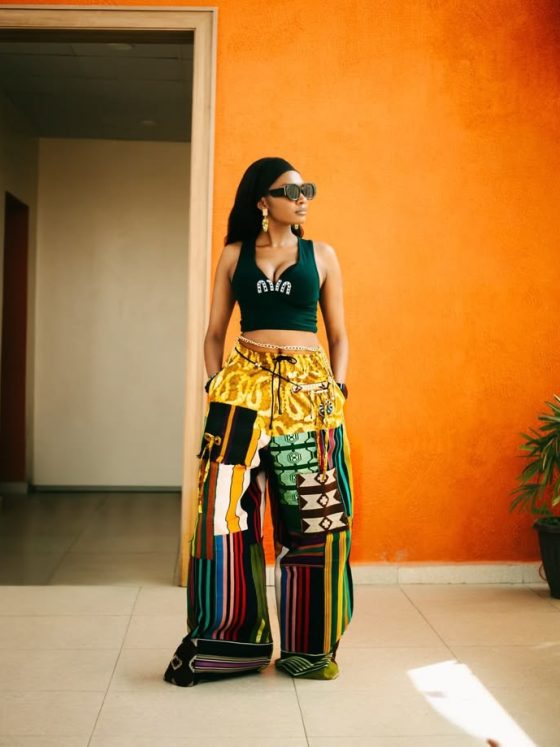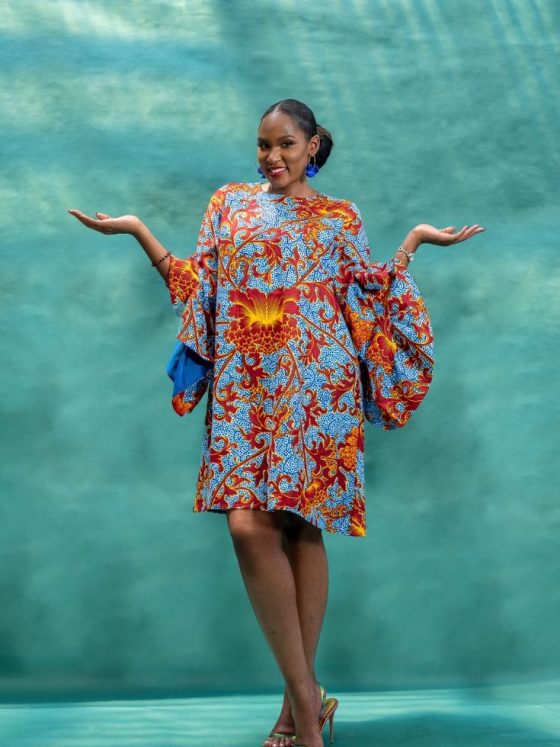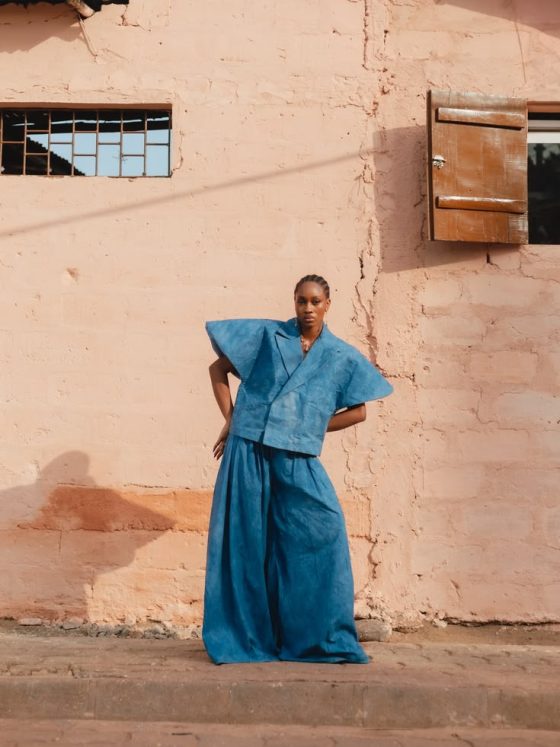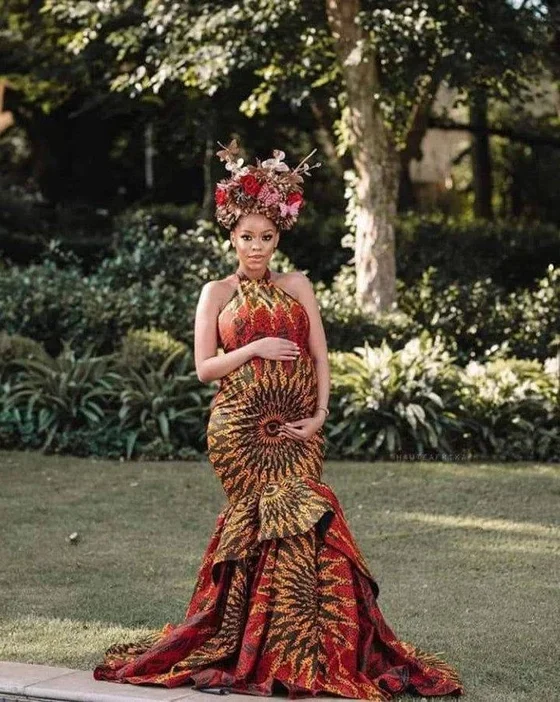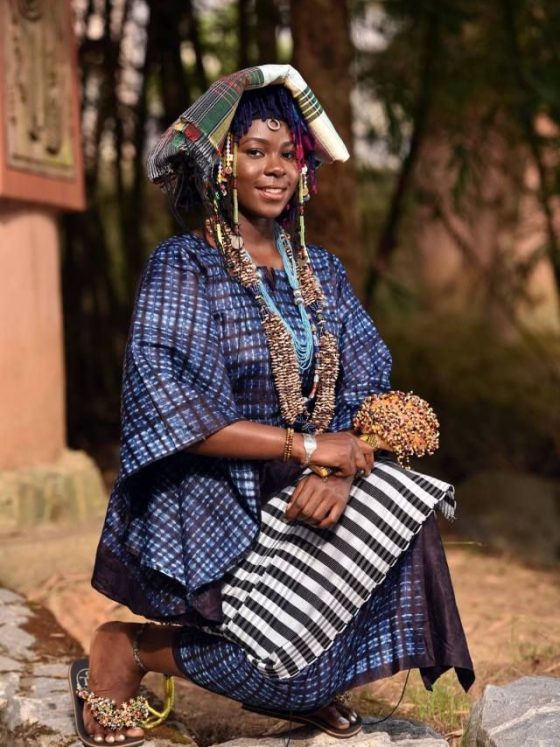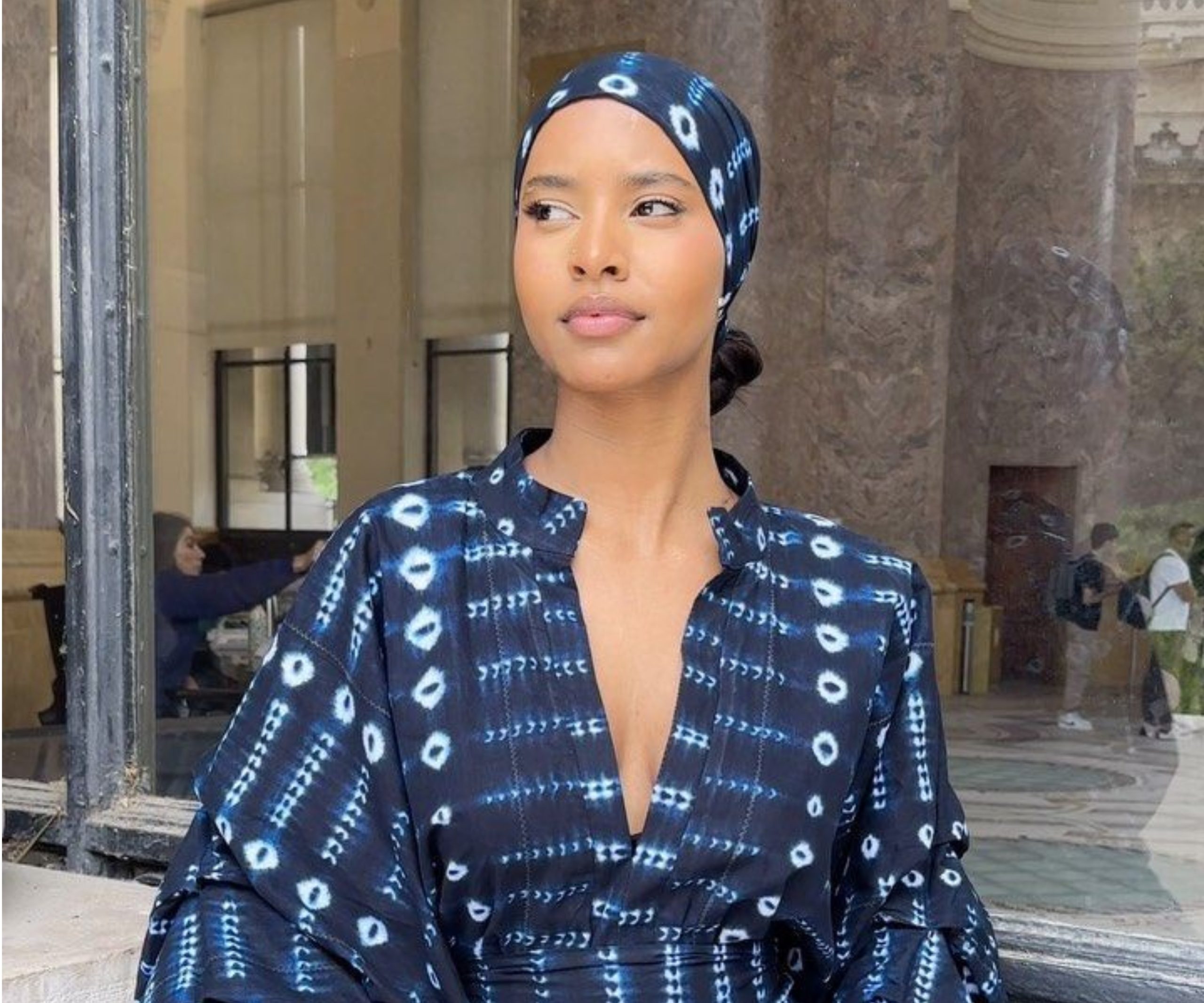
She is adorned with the history of a thousand hands, depicted in the finest earthly textures.
A garment in the Women’s Style area of a global existence is never just an ensemble; rather, it is a dialogue between tradition and the future. This is The Global Woman and the Geography of the Thread. She avoids the mass-produced, synthetic quick-fashion market in favour of the exquisite Zapotec weaving of Mexico or the soulful, healthful weight of Kuba cloth from the Democratic Republic of the Congo. She is looking for the lively, welcoming geometry of Caribbean Madras and the soft landing of Alpaca yarn from the Andes.
This is a fashionable, powerful way to live in the world, not a costume. She respects the cost of genuine craftsmanship by dressing in expensive, eco-friendly clothing from designers like Carla Fernández (Mexico), Escvdo (Peru), and AAKS (Ghana). Her outfit provides a beautiful and healthy framework for her own personal journey, breathing with the stories of the loom.
Each thread is a conscious decision that moves the emphasis from what is new to what is permanent.
Being a global woman means understanding that the most inclusive luxury is one that gives back to the people who created it. Her attire is a heartfelt example of the intellectual weight of international artistry, whether she is wearing a hand-embroidered Huipil or West African Batik.
Wearing the very geography of human connection is a fashionable, ecological, and healthful way to travel the world.
Journey through the high-end soul of global craft. ‘The Geography of the Thread and the Global Woman’ explores the sustainable luxury of Kuba cloth, Alpaca, and Zapotec weaving, featuring inclusive designers who turn ancient heritage into a trendy, soulful wardrobe for the modern visionary.
The Architecture of the Kuba and the Batik
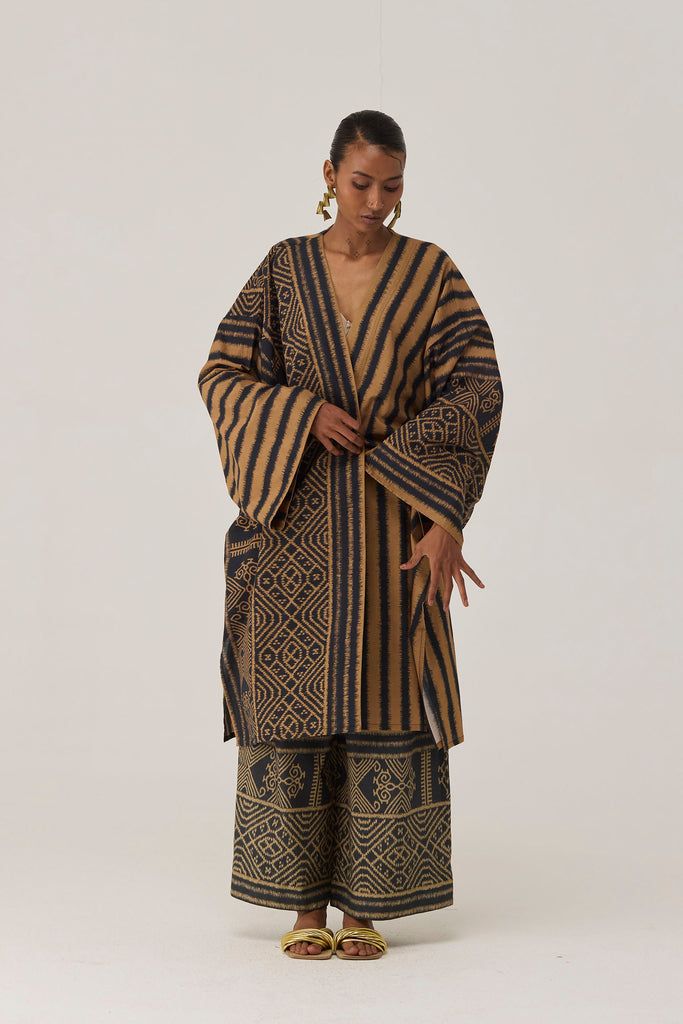
She is wearing a structural history that must be sensed, not merely a pattern.
Texture is the ultimate high-end storyteller in the women’s style part of global life. This is the foundation of The Geography of the Thread and the Global Woman. We start with the DRC’s structural piles of Kuba cloth, which is more akin to building than textiles and is cut with raffia.
No machine-made print can match the intellectual weight of its geometric, rhythmic patterns. Not only are inclusive designers like AAKS and the artisanal hands behind Studio 189 producing fashion, but they are also offering a soulful, healthy substitute for the target market of disposable trends.
West African Batik’s flowing, soulful soft landing stands in stark contrast to this structural strength. The cost of true Batik, in contrast to mass-produced prints, is time; each wax-resist layer is applied by hand to generate a fashionable, organic grace.
The Omiren woman views the soft, inclusive drape of a Batik silk wrap as a masterwork of global contrast when combined with a high-end, rigid Kuba accessory.
This is a wholesome, authoritative method of bridging the gap between the modern metropolis and its legacy. She makes sure that her presence is seen as a vivid, passionate story that breathes with the life of the loom by selecting these upscale, eco-friendly pieces.
The Caribbean Madras and the Mexican Huipil: A Study in Colour
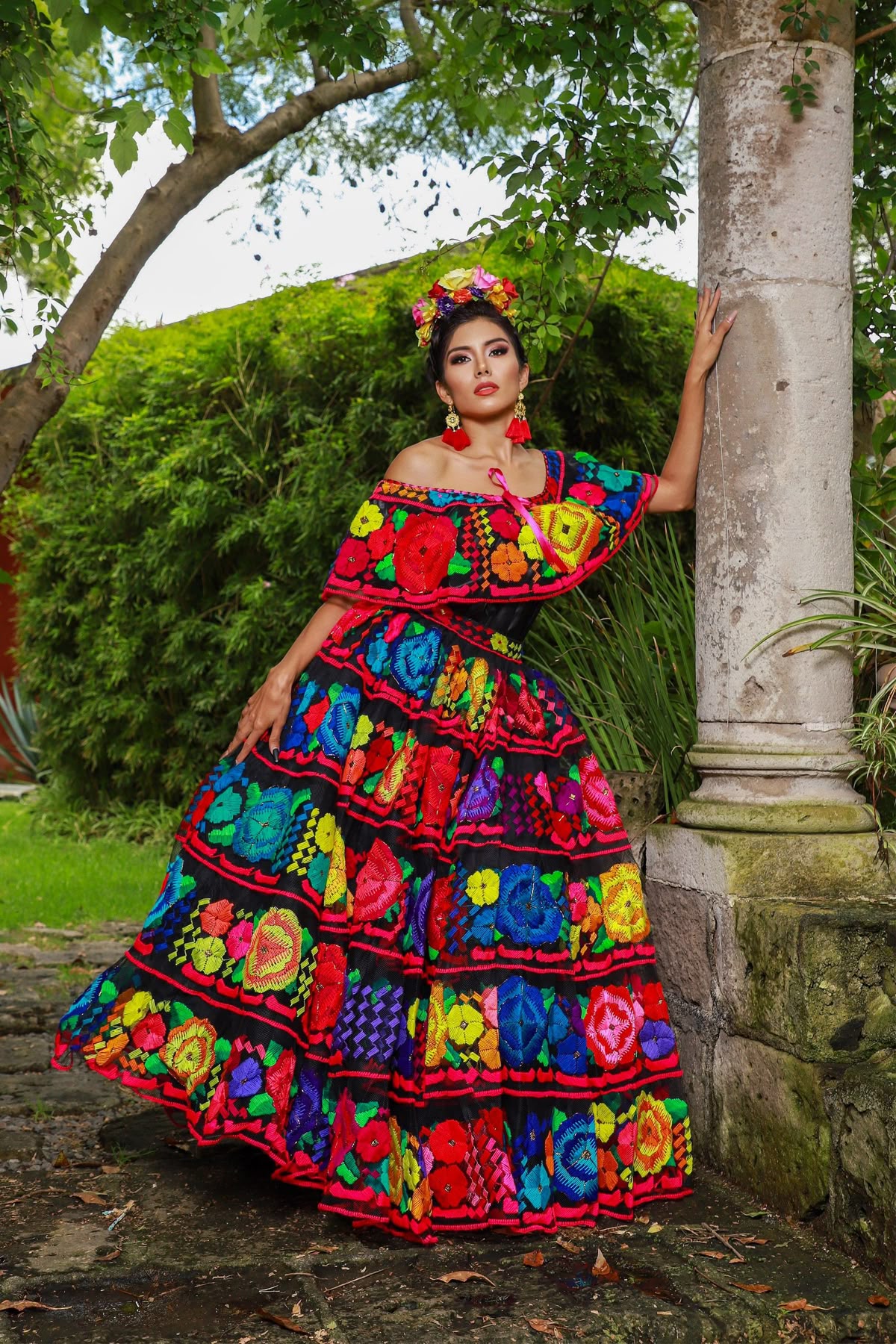
The sun’s spectrum is woven into the upscale geometry of her heritage, and she wears it.
Colour is always a narrative in the women’s style portion of a global life. This is the geography of the thread and the global woman’s lively heartbeat. We transition from the loom’s structural earth tones to the elaborate, hand-embroidered Mexican Huipil and the joyous, inclusive brilliance of Caribbean Madras.
These are more than just patterns; they are upscale representations of joy, resiliency, and identity. A woman is wearing more than simply a shirt when she selects a modern, ecological Huipil from a designer like Carla Fernández; she is donning a healthy, soulful map of Indigenous geometry and Zapotec history. In any situation, she feels both authoritative and friendly thanks to the soft landing of these silks and cottons.
With its multicultural origins extending from India to the West Indies, the beauty of Caribbean Madras provides a functional fluency for the woman on the go. It is a luxurious, eco-friendly fabric that retains a sleek, fashionable silhouette while absorbing heat.
These inclusive prints are frequently used by designers like Stella Jean and the craftspeople behind Aigbe to build a heartfelt link between the essence of the Caribbean and international luxury. She defies the disposable fashion target market by choosing these expensive, artisan-made items. Rather, she invests in a vibrant, healthy wardrobe that conveys a sense of inclusive grace and global connectivity.
The act of donning the Madras or the Huipil is considered to have intellectual weight. It is necessary to comprehend that each Zapotec weaving thread and each Madras weave check has a unique cultural coordinate.
Global women view this as the pinnacle of sovereign identity. She can wear a Madras wrap dress for a healthy, soulful afternoon by the sea or a voluminous, hand-embroidered Mexican tunic with upscale, eco-friendly pants for a soft landing at an innovative summit.
These materials communicate rather than just sit on the body. They demonstrate that the most potent colours are those that have been used for generations by providing a fashionable, inclusive means of navigating the globe with a sense of place.
ALSO READ:
The Alpaca and the Aguayo: Sustainable Luxury from the High Andes
The warmth of the mountains warms you from the soul up; true luxury doesn’t shout.
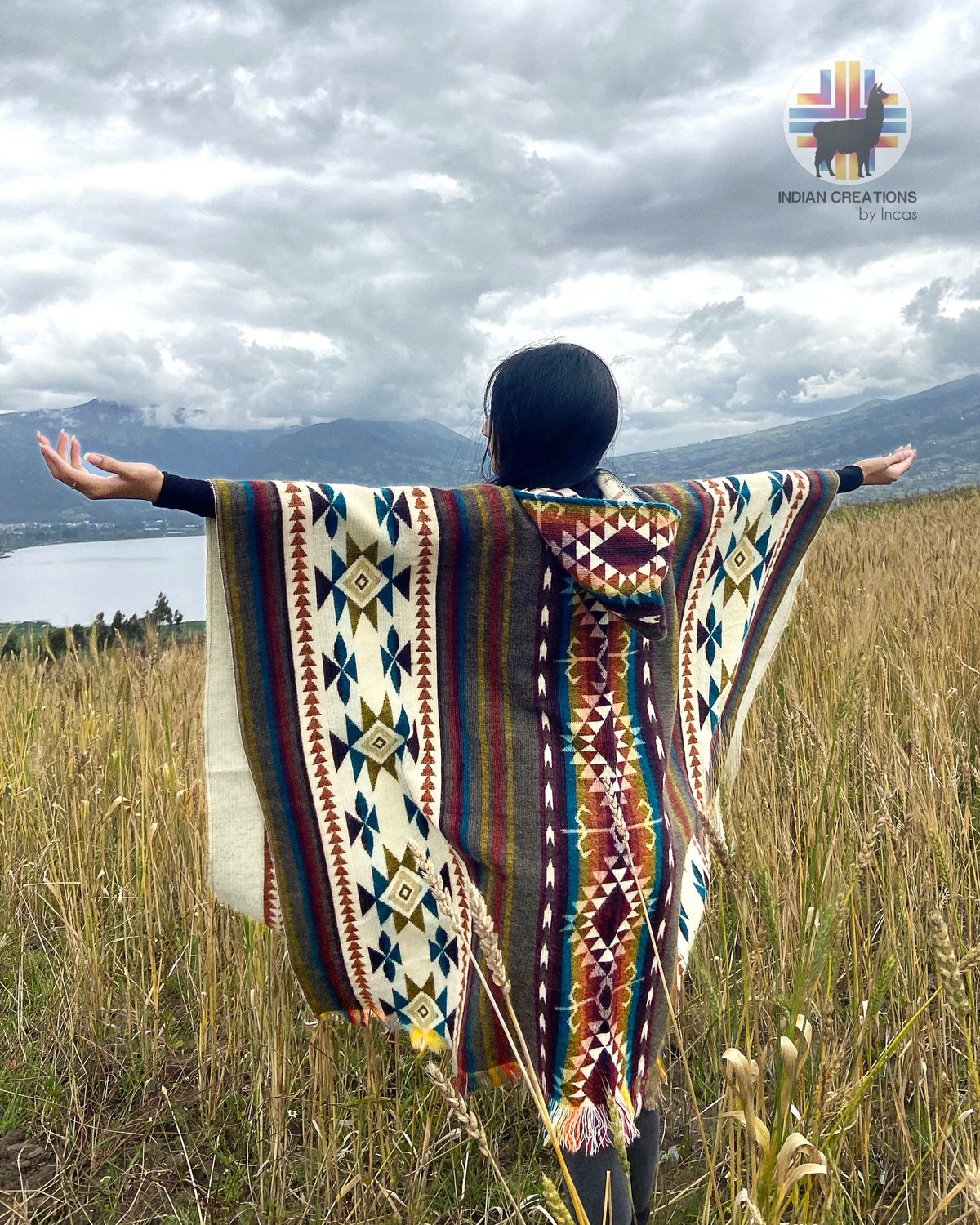
Alpaca fibre’s soft landing in the high Andes provides a luxurious, eco-friendly warmth that no synthetic can match. For the Omiren woman, this is the pinnacle of functional fluency. A design that is both contemporary and deeply entrenched is produced by combining the bright, inclusive stripes of Aguayo fabric, a traditional rectangular cloth used in the Andes, with the simple, architectural draping of Alpaca.
To ensure that each garment is both soulful for the user and healthy for the local population, designers such as Escvdo collaborate closely with Peruvian craftspeople.
Every hand-loomed thread bears the intellectual weight of the mountain. Alpaca knitwear is a sustainable, hypoallergenic, and healthful alternative to mass-produced knitwear for the target market.
It offers a luxurious finish suitable for all conditions, serving as a shield in the winter and a breathable layer in the summer. When combined with the geometric narrative of Zapotec or Aguayo weaving, the result is a fashionable, powerful, timeless ensemble.
It’s a meaningful way to stay warm while keeping your conscience pure and your spirit light, demonstrating that the luxury that has been refined over thousands of years is the most sustainable.
Conclusion
She maps her position in a worldwide sisterhood of craft, not merely gets dressed.
The geography of the thread and the global woman concludes with a beginning rather than a final stitch. It is the understanding that upscale, eco-friendly design serves as a living link between the women who wear it and the hands that weave it.
The Omiren woman rejects the disposable and anonymous target market by selecting the spiritual warmth of Alpaca, the lively resistance of the Mexican huipil, and the structural history of Kuba cloth.
Instead, she chooses a healthy, inclusive outfit that embodies the intellectual weight of Andean peaks and Zapotec forefathers.
In the end, the most assertive thing a woman can do is to wear the globe’s heritage. It conveys her preference for the soft landing of natural, sustainable textiles and for craftsmanship over fads.
She glides with a lyrical ease that is both universal and intensely personal, whether she is wearing her hand-dyed Batik or her Caribbean Madras. A healthy, enduring manifestation of a sovereign identity that respects the geography of the human soul, she has discovered a style that is both inclusive and exclusive.
Your identity is a global tapestry. To align your wardrobe with your soulful intent and your healthy, sustainable values, explore the complete Omiren Women’s Style Archive.
Frequently Asked Questions (FAQs):
- How do I distinguish between target market prints and authentic high-end textiles?
The secret lies in the fabric’s intellectual weight. Authentic Kuba cloth from the DRC has a structural, raffia-cut pile you can feel, while true West African Batik has a soulful crackle from the hand-waxed process. Unlike mass-produced prints, these high-end, sustainable materials have a soft landing on the skin and a depth that only a healthy, inclusive human touch can provide.
- Is Alpaca wool a more sustainable choice than cashmere for a trendy wardrobe?
Absolutely. Alpaca is a healthy, inclusive fibre from the high Andes that is naturally more sustainable; the animals have a lighter footprint on the earth, and the fibre is processed without harsh chemicals. It offers a high-end, silky drape that provides soulful warmth without the target market’s “environmental cost”, making it a trendy, authoritative staple for all aspects of your life.
- Can I wear a Mexican huipil or Zapotec weaving in a formal, high-end setting?
Yes, and it is a powerful statement of sovereign identity. When you choose an inclusive, hand-embroidered huipil from a designer like Carla Fernández, you are wearing a piece of architectural art. Pair it with high-end, sustainable silk trousers for a soft landing that is both trendy and authoritative, a soulful way to honour global heritage in a modern space.
- How does Caribbean Madras handle different climates like the “Lagos heat” and the “London rain”?
Caribbean Madras is a master of functional fluency. Its inclusive, high-end cotton weave is designed to breathe, making it perfect for a healthy, soulful existence in humid climates. When layered with sustainable Alpaca or heavy silks, it becomes a trendy, vibrant anchor for colder weather, proving that global style is as adaptable as the woman who wears it.