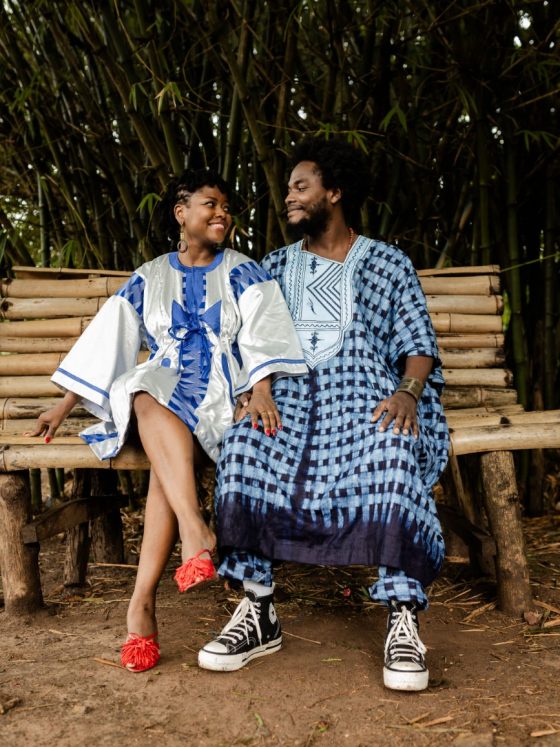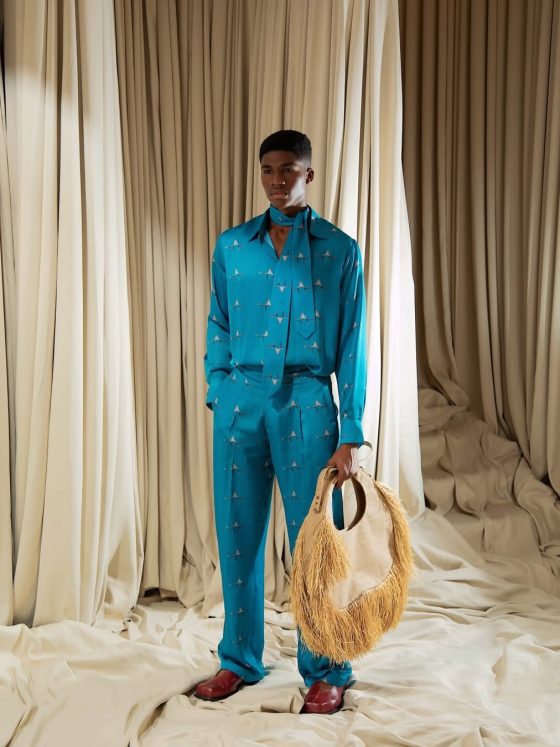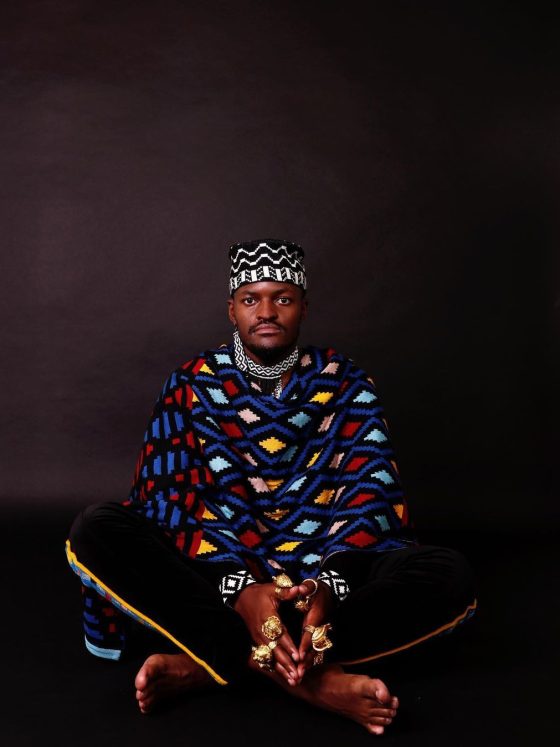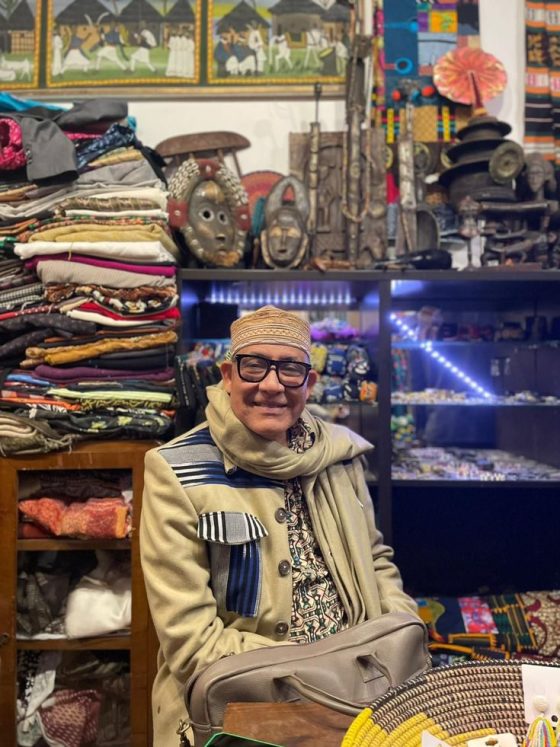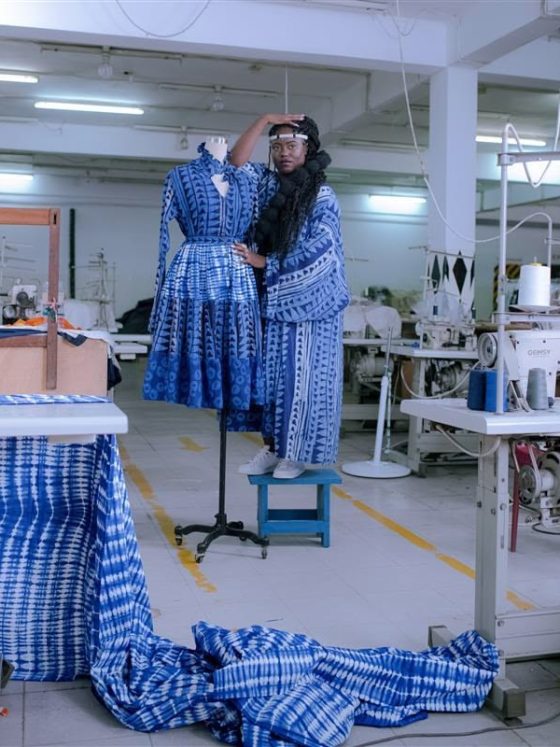
In Kigali’s Kimironko Market, fabric is not arranged for spectacle. It is stacked, folded, negotiated, and carried. Kitenge, bold, geometric, and saturated, moves quickly through hands that understand both its familiarity and its flexibility. It is everyday clothes. It is celebratory cloth. Historically, it is not considered a luxury.
Matthew Rugamba sees it differently.
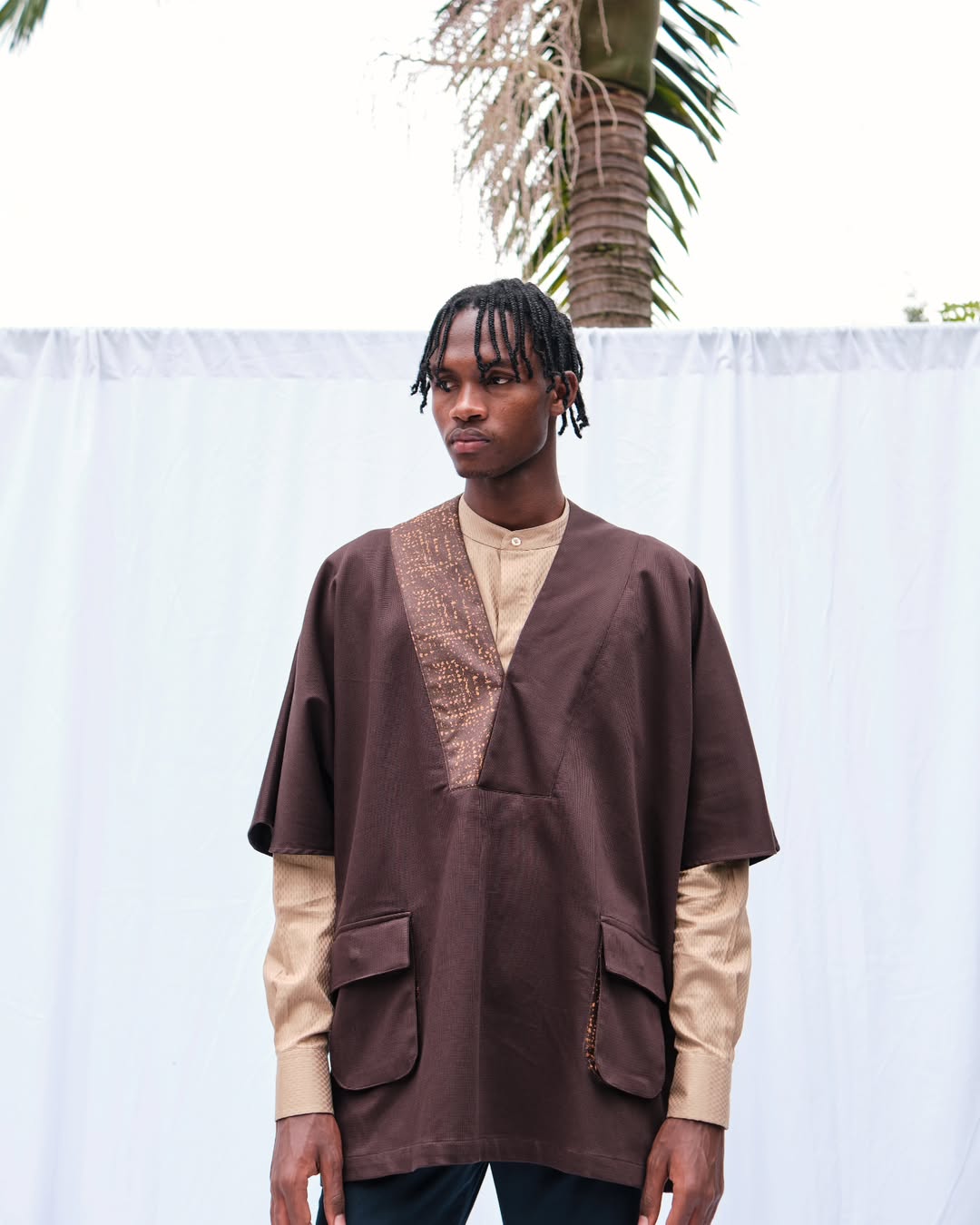
As founder of House of Tayo, Rugamba has built a menswear accessories label that places Rwandan textiles inside one of fashion’s most codified arenas: tailored detail. Ties. Pocket squares. Hats. Controlled gestures within a structured wardrobe.
This is not about turning African prints into a novelty. It is about inserting Rwandan material intelligence into the grammar of global menswear.
And in tailoring, grammar matters.
House of Tayo’s Matthew Rugamba redefines African luxury with refined menswear accessories crafted from Rwandan kitenge fabric.
Precision Over Noise
Luxury fashion often begins with garments. Rugamba began with accents.
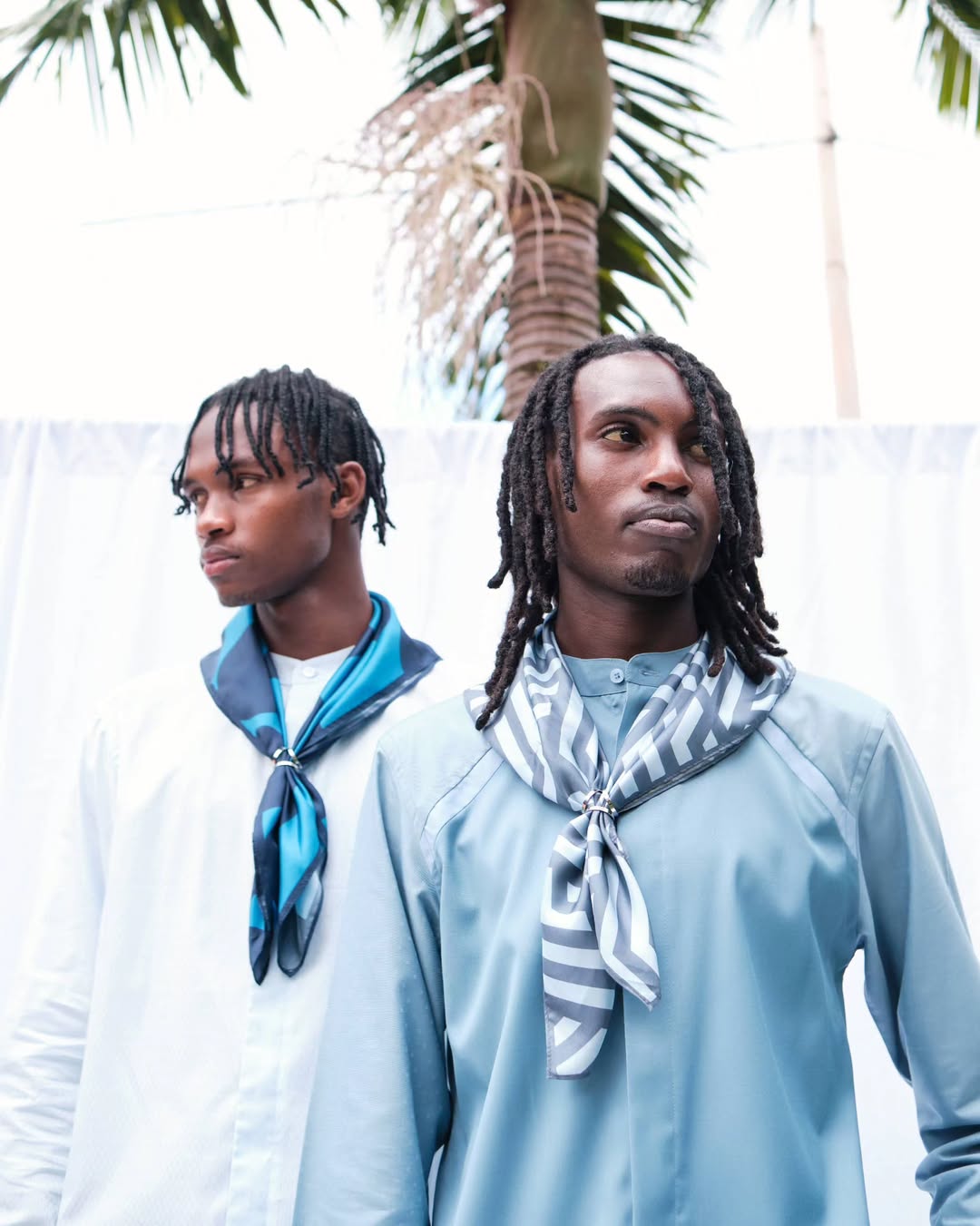
It was a strategic decision. Menswear accessories carry disproportionate symbolic weight. A tie can shift the tone of a suit. A pocket square signals aesthetic fluency. A hat can recalibrate an entire silhouette.
Accessories are also exportable, scalable, and precise. They enable disciplined pattern placement and manageable production without the infrastructure demands of full collections.
House of Tayo operates as a small atelier, not a mass-production machine. Limited runs ensure quality control. Each piece is deliberate. Pattern alignment is intentional. Fabric selection is curated rather than decorative.
By starting small, Rugamba built an entry into global menswear without overextension.
Kitenge as Structure, Not Statement
Kitenge fabric circulates widely across East Africa. It is accessible, versatile, and visually assertive. In many contexts, it is treated as celebratory rather than formal.
House of Tayo reframes it.
Rather than allowing the pattern to dominate, Rugamba edits scale and placement. In a tie, the repetition of a motif becomes architectural. In a pocket square, a single printed segment carries the garment. Colour becomes balanced rather than explosive.
The discipline matters. Luxury in menswear is often defined by restraint. By applying control to Kitenge’s energy, Rugamba shifts its register.
The fabric is no longer loud. It is composed.
Kigali and the Quiet Repositioning of Rwandan Design
Rwanda’s creative sector has grown steadily over the last decade, driven by youth entrepreneurship and international interest in Kigali’s design culture. Yet the city’s fashion movement is not driven by spectacle. It is methodical.
The House of Tayo reflects that temperament. The brand does not rely on theatrical runway moments. It builds through consistency, small releases, measured collaborations, and a clear aesthetic identity.
This approach aligns with Rwanda’s broader post-conflict economic rebuilding: structured, strategic, and forward-facing. Rugamba’s work is part of that ecosystem, even when it does not state it explicitly.
Luxury here is not excess. It is my intention.
Pop Culture Without Parody
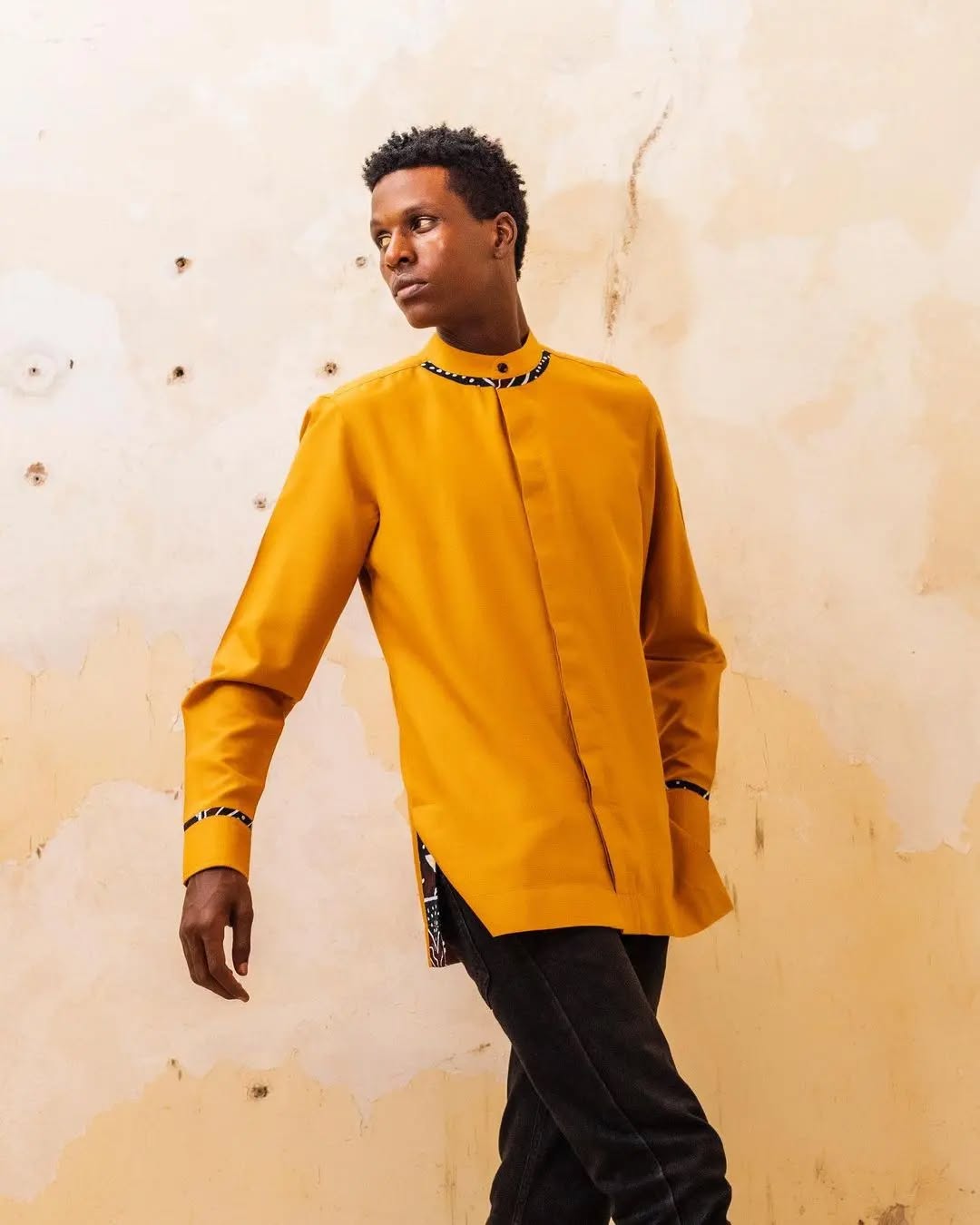
House of Tayo describes its work as blending pop culture and heritage. The balance is careful.
Heritage appears in textile choice and narrative grounding. Pop culture appears in silhouette adaptability, pieces designed to work within contemporary wardrobes rather than outside them.
A tie can sit comfortably beneath a European-cut suit. A hat can pair with streetwear. A pocket square can punctuate minimalist tailoring.
The pieces are not costumes. They are fluent.
This fluency allows Rwandan fabric to circulate internationally without translation notes.
The Politics of Detail
Menswear is historically conservative. Its codes are tightly guarded. Tailoring culture, particularly in Europe, carries centuries of accumulated authority.
Introducing African textiles into that space is deliberate, not dramatic.
By focusing on detail rather than full garments, Rugamba enters the conversation without confrontation. The intervention is precise. The statement is quiet.
Globally, subtlety often travels further than spectacle.
From Market to Atelier
The journey of a House of Tayo piece begins with sourcing. Rugamba moves through Kigali’s fabric markets selecting kitenge not for obvious vibrancy, but for structural potential — density, weave stability, colour balance.
Back in the atelier, cloth is cut and shaped with attention to proportion. Pattern placement is measured to avoid distortion. The finish is clean.
The process respects both origin and outcome. The fabric remains recognisably Rwandan, yet its treatment aligns with international standards of craftsmanship.
This dual respect enables the brand to operate across borders.
Diaspora and Global Circulation
House of Tayo’s appeal extends beyond Rwanda. The African diaspora, particularly professionals navigating global corporate spaces, has become a natural audience.
Accessories offer a way to signal identity within environments governed by uniformity. A kitenge tie beneath a navy suit does not disrupt formality. It reframes it.
This subtle assertion of heritage resonates with consumers who move between geographies.
The brand’s participation in international showcases and fashion platforms further positions it within global luxury conversations, not as an outsider, but as a contributor.
A Different Model of African Luxury
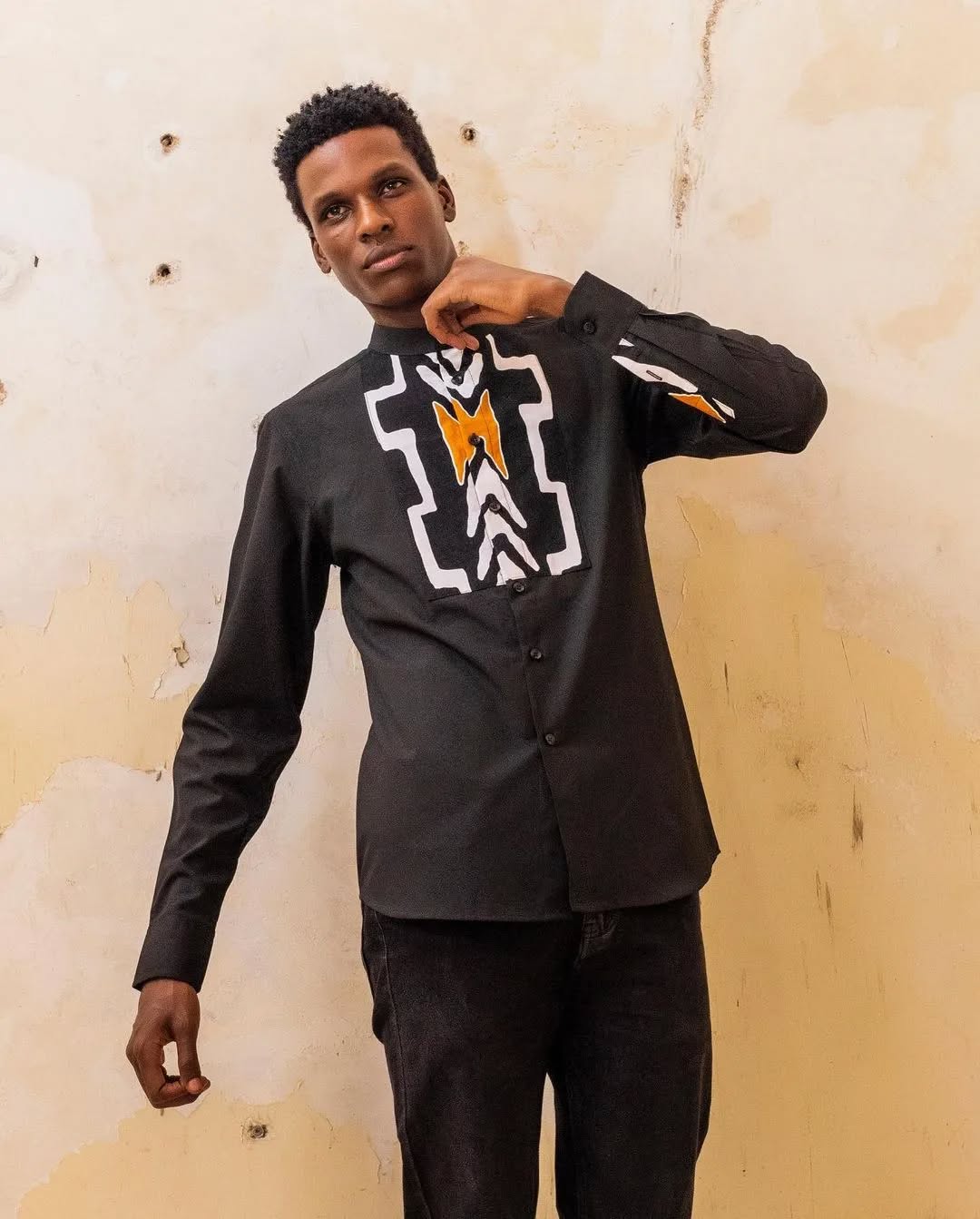
African luxury has often been framed as either ornate couture or raw craft. The House of Tayo occupies a third space.
It is refined, but not detached, and it is heritage-rooted but not ceremonial. It is contemporary without mimicry.
The scale remains intentional. Growth appears measured rather than accelerated. This restraint protects brand clarity.
By focusing on accessories, Rugamba demonstrates that African fashion does not need to replicate European fashion systems wholesale to gain relevance. It can enter strategically.
READ ALSO:
- Vanhu Vamwe and the New Language of African Luxury
- Lisa Folawiyo’s Vision of Contemporary African Luxury
- The Rise of African Luxury Designers Redefining Global Runway Culture
The Future of the Small Atelier
The broader implication of House of Tayo’s model is significant for emerging African brands.
It suggests that:
- Entry into global fashion does not require a full ready-to-wear infrastructure
- Precision can outperform scale
- Heritage textiles can operate within conservative fashion codes
- Small ateliers can achieve international fluency
The brand’s success lies not in volume, but in coherence.
Menswear often prides itself on subtlety. House of Tayo understands that subtlety is not weakness. It is leverage.
Rewriting the Accent
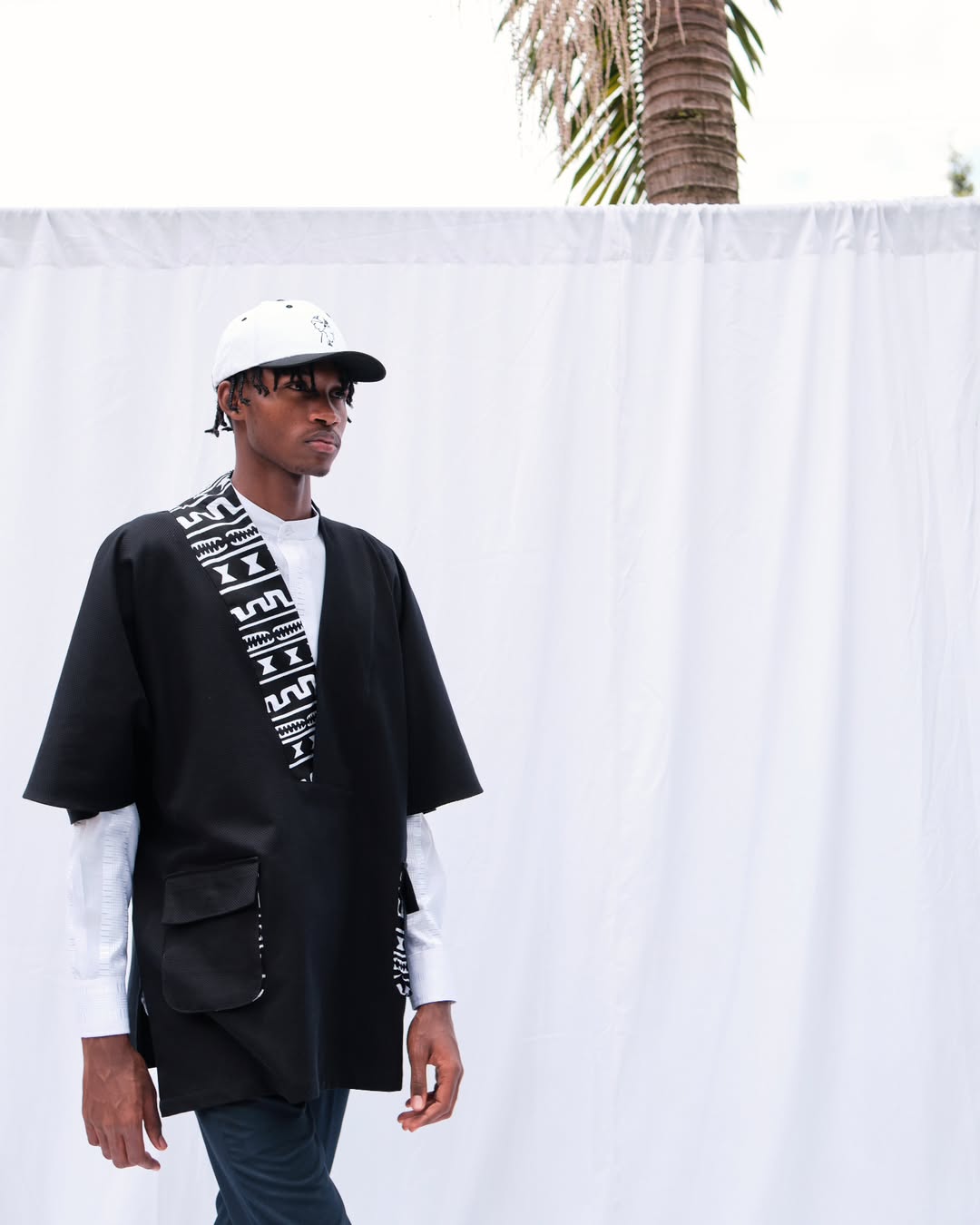
Fashion history is filled with statements made through grand silhouettes. The House of Tayo works differently. It rewrites the accent, not the sentence.
A tie shifts tone. A pocket square alters context. A hat rebalances proportion.
In Kigali, Matthew Rugamba is proving that global fashion conversations can be entered through the smallest openings—and once inside, they do not need to ask for permission.
Celebrate innovative design rooted in culture — browse African Fashion Designers on OmirenStyles.
Frequently Asked Questions
- Who is Matthew Rugamba?
Matthew Rugamba is a Rwandan creative and founder of House of Tayo, a Kigali-based luxury menswear accessories brand known for using kitenge fabric.
- What is House of Tayo known for?
House of Tayo creates refined ties, pocket squares, and hats that incorporate Rwandan kitenge textiles into contemporary menswear.
- What is kitenge fabric?
Kitenge is a vibrant printed cotton fabric widely worn across East Africa, traditionally used for garments and ceremonial attire.
- How does House of Tayo redefine African luxury?
By applying disciplined tailoring and controlled pattern placement to kitenge, the brand elevates everyday accessories into globally competitive luxury pieces.
- Is House of Tayo an international brand?
While rooted in Kigali, House of Tayo appeals to a global audience, particularly within the African diaspora and international menswear markets.