Menu
  • CULTURE
    • Style & Identity
    • Ceremony & Ritual
    • Art & Music
    • Cultural Inspirations
    • Black Culture
    • Heritage Stories
  • DIASPORA
    • Diaspora Voices
    • Diaspora Connects
    • UK Scene
    • US Scene
    • Caribbean Diaspora
    • Afro-Latino Identity
    • Migration & Identity
  • FASHION
    • Trends
    • Street Style
    • Runway
    • Sustainable Fashion
    • Tailoring
    • Luxury Fashion
    • Designers & Brands
  • BEAUTY
    • Skincare
    • Makeup
    • Hair & Hairstyle
    • Fragrance
    • Beauty Traditions
    • Natural Beauty
  • Style
    • Women’s Style
    • Evening Glam
    • Workwear & Professional
    • Streetwear for Women
    • Accessories & Bags
    • Bridal
    • Men’s Style
    • Grooming Traditions
    • Traditional & Heritage
    • The Modern African Man
    • Menswear Designers
  • INDUSTRY
    • Editorial Intelligence
    • Market Trends
    • Brand Strategy
    • Retail & Commerce
    • Partnerships
    • Reports
    • Omiren Style Index
    • Insights
    • Founders Profile
  • NEWS
    • Cover Stories
    • Fashion Weeks
    • Opinion & Commentary
    • Style Icons
    • Rising Stars
    • Press Release
Omiren Magazine Partner With Us Advertise Style Index
Subscribe
OMIREN STYLES OMIREN STYLES

Fashion · Culture · Identity

OMIREN STYLES OMIREN STYLES OMIREN STYLES OMIREN STYLES
  • CULTURE
    • Style & Identity
    • Ceremony & Ritual
    • Art & Music
    • Cultural Inspirations
    • Black Culture
    • Heritage Stories
  • DIASPORA
    • Diaspora Voices
    • Diaspora Connects
    • UK Scene
    • US Scene
    • Caribbean Diaspora
    • Afro-Latino Identity
    • Migration & Identity
  • FASHION
    • Trends
    • Street Style
    • Runway
    • Sustainable Fashion
    • Tailoring
    • Luxury Fashion
    • Designers & Brands
  • BEAUTY
    • Skincare
    • Makeup
    • Hair & Hairstyle
    • Fragrance
    • Beauty Traditions
    • Natural Beauty
  • Style
    • Women’s Style
    • Evening Glam
    • Workwear & Professional
    • Streetwear for Women
    • Accessories & Bags
    • Bridal
    • Men’s Style
    • Grooming Traditions
    • Traditional & Heritage
    • The Modern African Man
    • Menswear Designers
  • INDUSTRY
    • Editorial Intelligence
    • Market Trends
    • Brand Strategy
    • Retail & Commerce
    • Partnerships
    • Reports
    • Omiren Style Index
    • Insights
    • Founders Profile
  • NEWS
    • Cover Stories
    • Fashion Weeks
    • Opinion & Commentary
    • Style Icons
    • Rising Stars
    • Press Release
Uncategorized

Fashion Cycles and Identity: Why We Keep Returning to Past Styles

  • Heritage Oni
  • January 30, 2026
The Creative Reinterpretation of the Past
Total
0
Shares
0
0
0

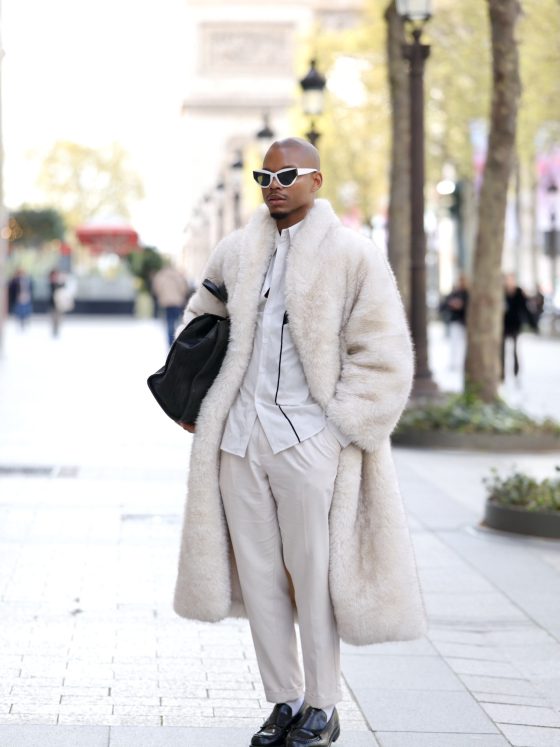
Some pieces of clothing feel familiar before we even know why. A wide-leg pant, a cropped jacket or a graphic tee from decades past can feel both new and deeply personal. That blend of familiarity and novelty is the heartbeat of fashion cycles. The rhythms through which styles return, fade and return. But fashion isn’t just a parade of visuals. It is a cultural language that tells stories about who we are, where we come from and how we make sense of the world around us. In this piece, we explore why we keep returning to past styles, who these shifts serve and what they reveal about identity in a global and interconnected culture.

From nostalgia to identity formation, fashion cycles show why we revive old styles and what this reveals about culture, history and personal meaning.

Fashion Cycles Through a Cultural Lens
Fashion Cycles Through a Cultural Lens

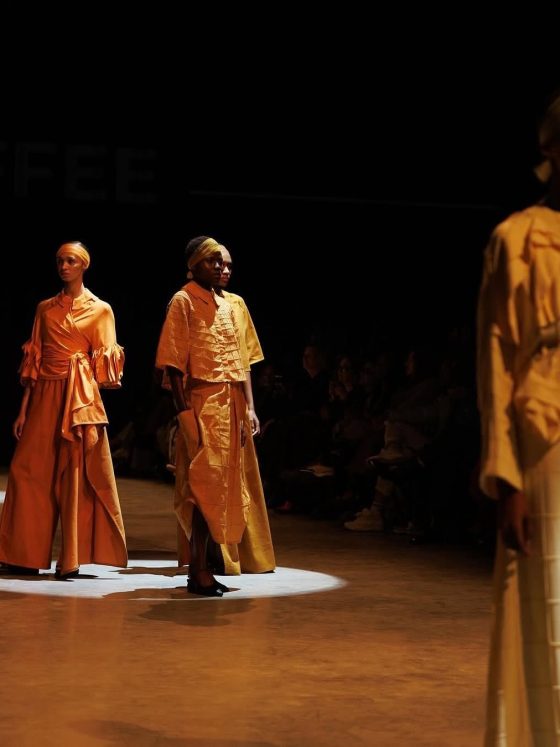
Fashion cycles are not accidental or purely commercial. They are deeply woven into how societies remember, reinterpret and renegotiate the past. When a look from the 1970s, 1990s or early 2000s re-emerges, it carries with it a cultural memory, a set of meanings, associations and social signals waiting to be read. Much like music sampling or cinematic remakes, fashion reuse is a form of conversation with history.

Styles don’t simply recur because designers rediscover them. They return because people attach meaning to them. A silhouette may signify freedom, rebellion, optimism, or comfort, depending on lived experience. For example, when wide-leg pants returned in the 2010s, they were not merely a style; they signalled a cultural rethinking of freedom and comfort after decades of more fitted looks.

Nostalgia as Social Glue

Why does nostalgia matter so much in fashion? Nostalgia isn’t simply longing. It is a psychological tie to a time when life felt stable, hopeful or significant. When people wear vintage or neo-vintage pieces, they are doing more than recreating a look; they are reclaiming a feeling. In periods of social change, economic uncertainty, or cultural fragmentation, fashion becomes a material anchor, connecting individuals and communities to memories that provide a sense of grounding.

This pattern is global. From Lagos to London to Los Angeles, people adopt past aesthetics in ways that link personal histories with broader cultural narratives. It is not just about evoking the past. It is about reframing it to speak to the present.

Identity and the Narrative Power of Clothing
Identity and the Narrative Power of Clothing

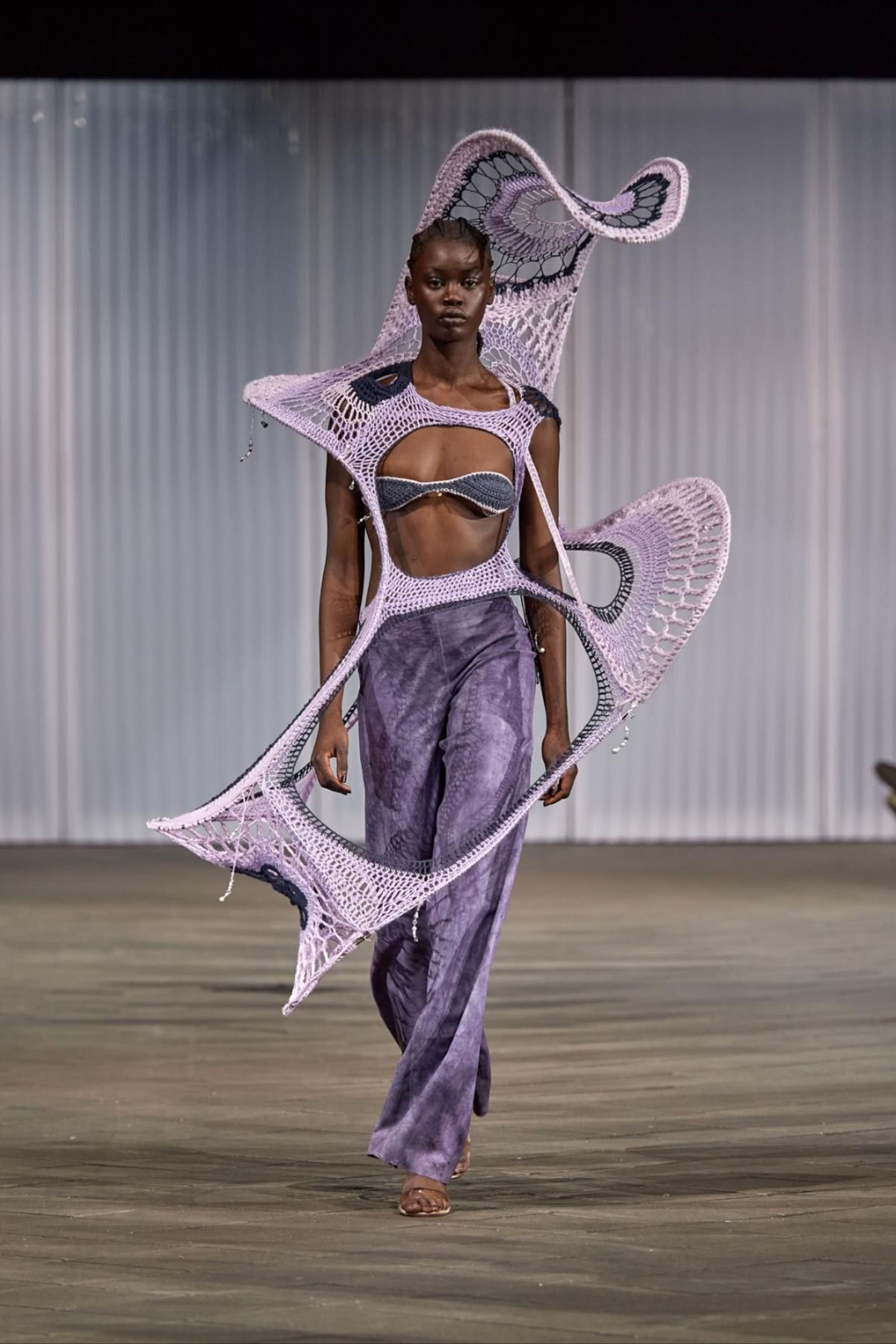
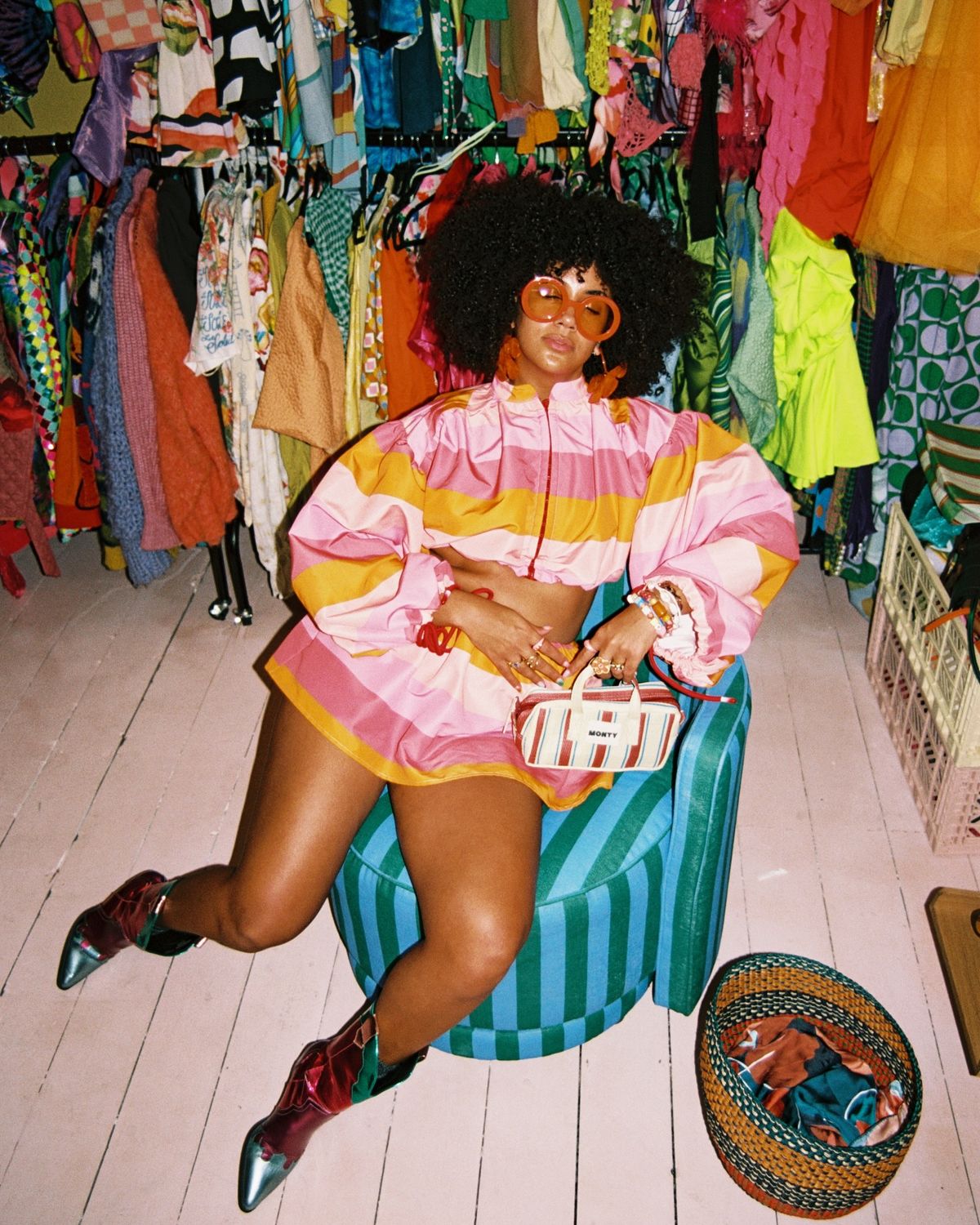
Fashion is one of the most visible means through which we express identity. But identity is not static; it evolves. The pieces we choose are fragments of stories we tell about ourselves. Returning to older styles allows people to position themselves on a timeline; they are saying something about where they fit within cultural history.

Consider this: a young person in Nairobi styling a 1990s bomber jacket, or a Lagos creative pairing early-2000s denim with contemporary accessories. They are not only resurrecting trends. They are actively placing themselves within a cultural narrative. They are signalling influences, values and affinities that extend beyond surface aesthetics to more profound questions of belonging and expression.

Fashion thus becomes a cultural record, a lived archive of social moods and identities. When trends resurface, they are not just product cycles; they are dialogues between generations.

Read Also:

  • 5 Micro-Trends From 2016 That Are Perfect for 2026 Street Style
  • Viral Nostalgia in 2026: Why 2016 Aesthetics Have Come to Define …
  • Awa Meité: The Malian Designer Defining Quiet Authority in African …

The Creative Reinterpretation of the Past
The Creative Reinterpretation of the Past

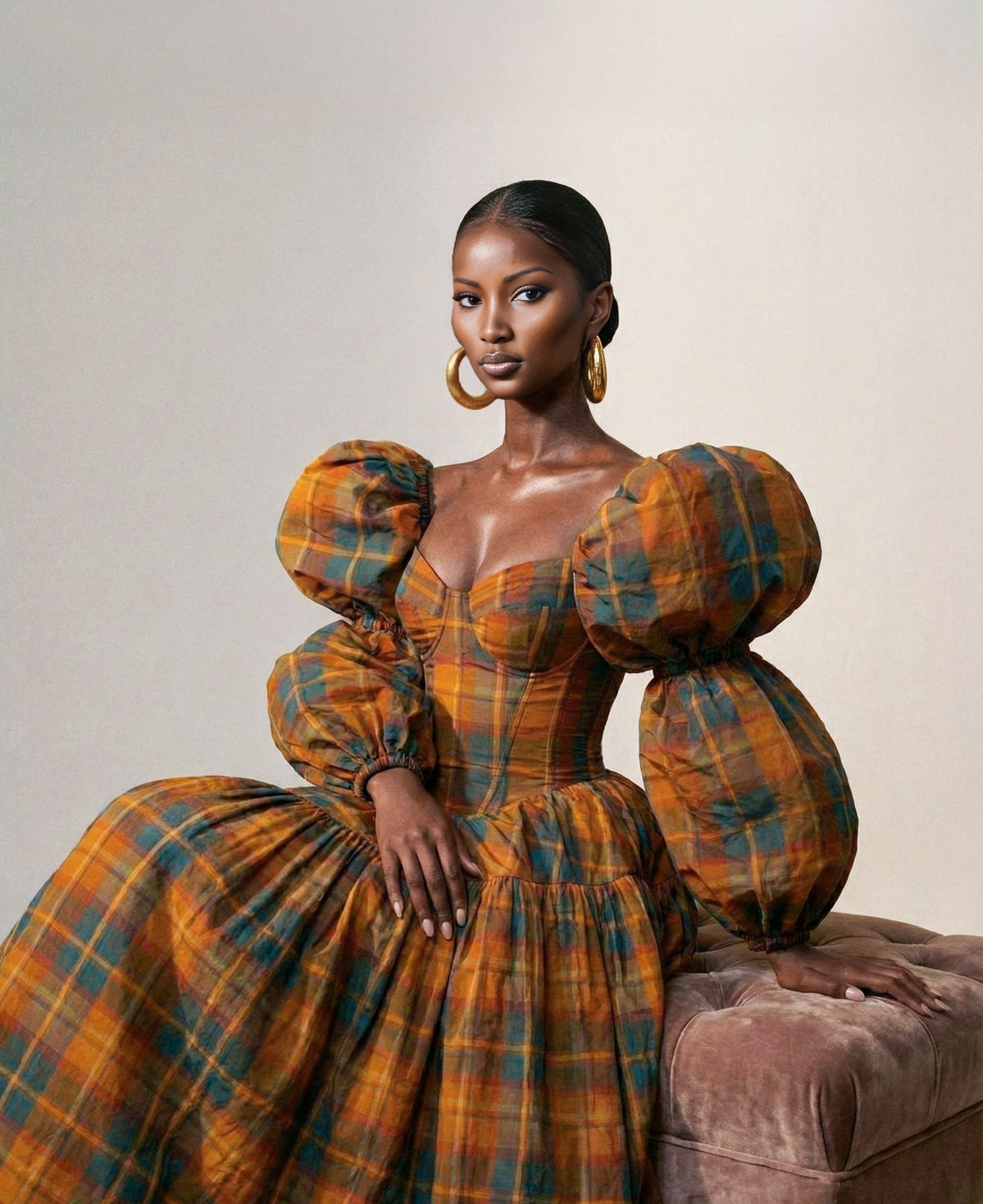
Fashion cycles are also fueled by creative reinterpretation. Each revival is not a carbon copy of what came before. Instead, it is a remix. Designers and wearers adapt old styles to new contexts, infusing them with contemporary concerns, sustainability, inclusivity, fluidity of gender expression and hybridity of cultural references.

This creative layer is essential. It rejects treating history as a static museum display and instead regards it as living material. In this way, fashion becomes an act of cultural authorship; people tell stories not only through words or art but also through what they wear and how they interpret historical forms. Clothing becomes a text as rich and nuanced as any novel or film.

The Industry, Media and Accelerated Visibility

In a globally connected media ecosystem, fashion cycles move faster than ever. Digital platforms archive decades of imagery and styles, making them visible to a global audience. An influencer in Accra can spark renewed interest in 1980s silhouettes just as a designer in Paris reimagines the same forms for a runway.

But this accelerated visibility does not diminish the cultural depth of fashion cycles. Instead, it amplifies the conversations. It allows styles to be read differently across contexts, each reinterpretation adding meaning rather than erasing it.

Conclusion

Fashion cycles are not random or superficial. They are cultural rhythms shaped by memory, identity and meaning. When we return to past styles, we are not simply repeating what came before. We are engaging in a dialogue with history about who we are, where we stand and how our identities connect across time and place.

In recognising this, fashion becomes more than clothing. It becomes a human story, a visual chronicle of lived experience that links emotions, social change, personal narratives and collective memory. Every revived hem, silhouette and texture is an invitation into that conversation.

Refresh your wardrobe inspiration — browse Fashion on OmirenStyles.

5 FAQs

  1. What exactly are fashion cycles?

Fashion cycles describe the patterns through which styles emerge, gain popularity, decline, and eventually return, often in reinterpreted form. They reflect social meaning as much as aesthetic preference.

  1. Why do fashion trends from the past feel relevant today?

Past trends return because they carry cultural meanings and emotional associations. They provide familiarity, connection, and a means of expressing identity in changing times.

  1. Are fashion cycles driven mainly by designers?

Designers are one part of the cycle, but wearers, communities and digital culture also shape fashion revivals. People reinterpret and remap styles to fit contemporary contexts.

  1. How do fashion cycles relate to identity?

Clothing is a form of symbolic communication. Returning to past styles allows individuals to place themselves within cultural histories and narratives that reflect personal and collective identities.

  1. Can fashion cycles influence social norms?

Yes. Fashion can both reflect and shape social values, from ideas about gender and beauty to shifting concepts of sustainability and inclusivity. They are part of a broader cultural dialogue about who we are and where we are going.

Post Views: 1,256
Total
0
Shares
Share 0
Tweet 0
Pin it 0
Related Topics
  • African Fashion
  • Fashion Cycle Culture
  • Identity and Fashion
  • Style Revival Trends
Avatar photo
Heritage Oni

theheritageoni@gmail.com

You May Also Like
Stylist Spotlight: Phupho Gumede K and the Work Behind the Image
View Post
  • Stylists

Stylist Spotlight: Phupho Gumede K and the Work Behind the Image

  • Rex Clarke
  • October 9, 2026
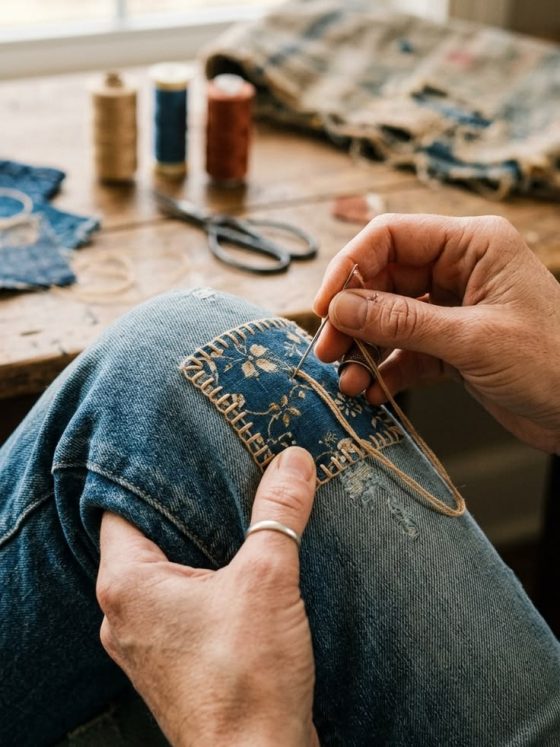
Repair, Alter, Remake: Patch and Stitch’s Approach to Existing Clothes
View Post
  • Sustainable Fashion

Repair, Alter, Remake: Patch and Stitch’s Approach to Existing Clothes

  • Peace Vera
  • October 9, 2026
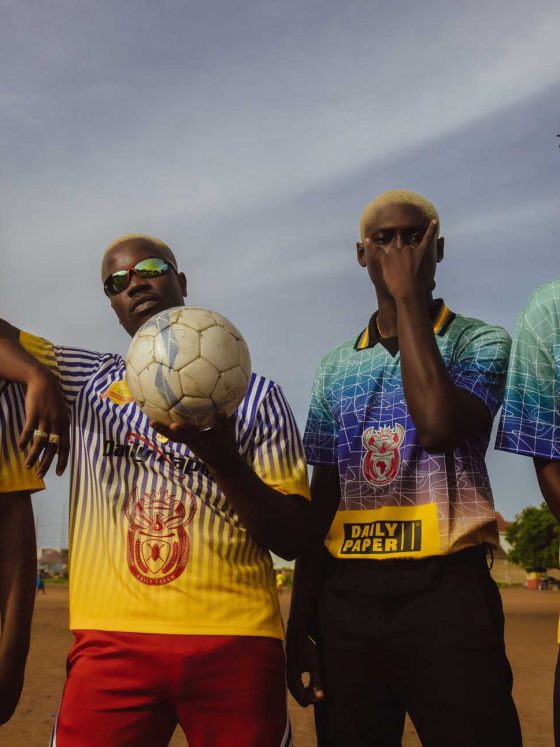
Ghana’s Musicians, Daily Paper’s Jerseys: How a Campaign Builds a Collective Image
View Post
Uncategorized

Ghana’s Musicians, Daily Paper’s Jerseys: How a Campaign Builds a Collective Image

  • Adams Moses
  • October 9, 2026
Leroy Mokgatle at the Centre of Wales Bonner’s Practice
View Post
  • African Designers

Leroy Mokgatle at the Centre of Wales Bonner’s Practice

  • Tobi Arowosegbe
  • October 9, 2026
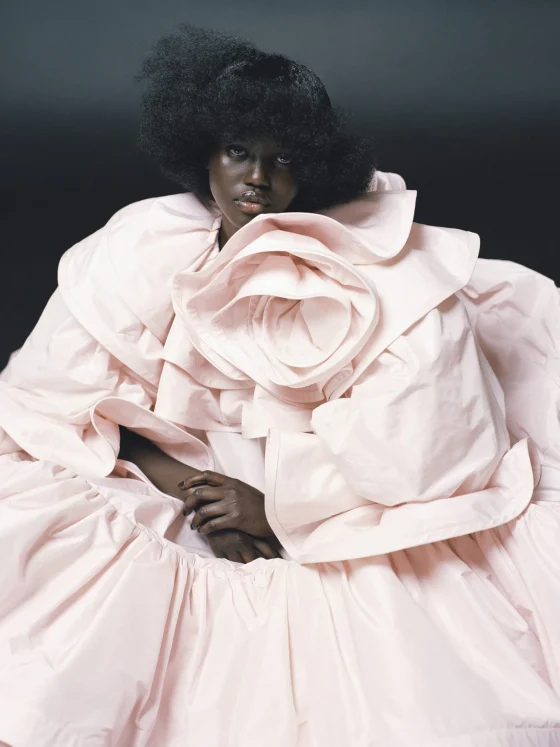
Campbell Addy’s Feeling Seen: Recognition Is Only the Beginning
View Post
  • Photographers

Campbell Addy’s Feeling Seen: Recognition Is Only the Beginning

  • Rex Clarke
  • October 9, 2026
The Back of the Look: What a Front-Facing Runway Photograph Leaves Out
View Post
  • Runway

The Back of the Look: What a Front-Facing Runway Photograph Leaves Out

  • Adams Moses
  • October 9, 2026
The Difference Between a Beauty Claim and What Its Evidence Shows
View Post
  • BEAUTY

The Difference Between a Beauty Claim and What Its Evidence Shows

  • Peace Vera
  • October 8, 2026
Beyond the Ingredients: What Zoe Adjonyoh’s Recipe Headnote Records
View Post
  • CULTURE

Beyond the Ingredients: What Zoe Adjonyoh’s Recipe Headnote Records

  • Rex Clarke
  • October 8, 2026

Leave a Reply Cancel reply

Your email address will not be published. Required fields are marked *

The Omiren Argument

African fashion and culture are not emerging. They are foundational. We document, interpret, and argue for the full cultural weight of African and diaspora dress. With precision. Without apology.

Omiren Styles Fashion · Culture · Identity

All 54 African Nations
Caribbean · Afro-Latin America
The Global Diaspora

Platform

  • About Omiren Styles
  • Our Vision
  • Our Mission
  • Editorial Pillars
  • Editorial Policy
  • The Omiren Collective
  • Campus Style Initiative
  • Sustainable Style
  • Social Impact & Advocacy
  • Investor Relations

Contribute

  • Write for Omiren Styles
  • Submit Creative Work
  • Join the Omiren Collective
  • Campus Initiative
Contact
contact@omirenstyles.com
Our Reach

Africa — All 54 Nations
Caribbean
Afro-Latin America
Global Diaspora

African fashion intelligence, in your inbox.

Editorial features, designer profiles, cultural commentary. No noise.

© 2026 Omiren Styles — Rex Clarke Global Ventures Limited. All rights reserved.
  • Privacy Policy
  • Editorial Policy
  • Terms of Use
  • Accessibility
Africa · Caribbean · Diaspora
The Omiren Argument

African fashion and culture are not emerging. They are foundational. We document, interpret, and argue for the full cultural weight of African and diaspora dress. With precision. Without apology.

Omiren Styles Fashion · Culture · Identity
  • About Omiren Styles
  • Our Vision
  • Our Mission
  • Editorial Pillars
  • Editorial Policy
  • The Omiren Collective
  • Campus Style Initiative
  • Sustainable Style
  • Social Impact & Advocacy
  • Investor Relations
  • Write for Omiren Styles
  • Submit Creative Work
  • Join the Omiren Collective
  • Campus Initiative
Contact contact@omirenstyles.com

All 54 African Nations · Caribbean
Afro-Latin America · Global Diaspora

African fashion intelligence, in your inbox.

Editorial features, designer profiles, cultural commentary. No noise.

© 2026 Omiren Styles
Rex Clarke Global Ventures Limited.
All rights reserved.

  • Privacy Policy
  • Editorial Policy
  • Terms of Use
  • Accessibility
Africa · Caribbean · Diaspora

Input your search keywords and press Enter.

Newsletter Subscribe

The Omiren Style Index

The reference directory for African, Caribbean and Afro-Latin fashion. New entries, taxonomy updates and intelligence signals — once a month. No noise.

.newsletter-form{
max-width:500px;
margin:auto;
text-align:center;
padding:30px;
}

.newsletter-form h3{
margin-bottom:10px;
font-size:28px;
}

.newsletter-form p{
margin-bottom:20px;
color:#666;
}

.newsletter-form input{
width:100%;
padding:14px 18px;
border:1px solid #ddd;
margin-bottom:15px;
border-radius:4px;
}

.newsletter-form button{
width:100%;
padding:14px;
background:#000;
color:#fff;
border:none;
cursor:pointer;
text-transform:uppercase;
letter-spacing:1px;
}