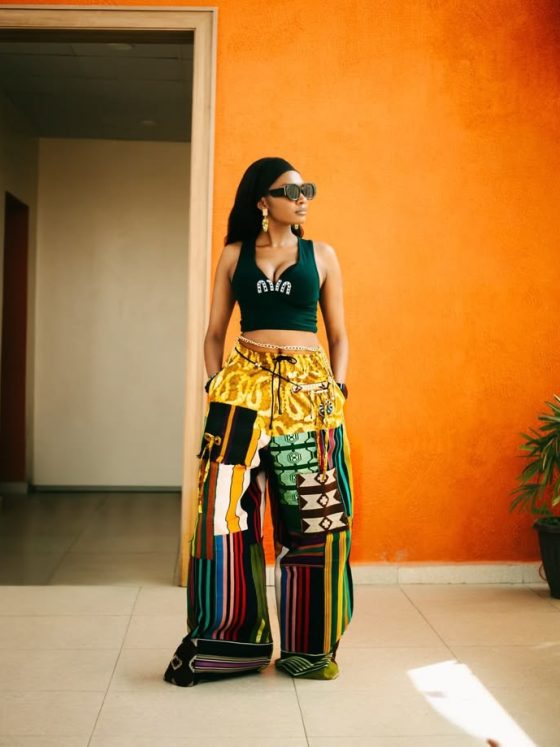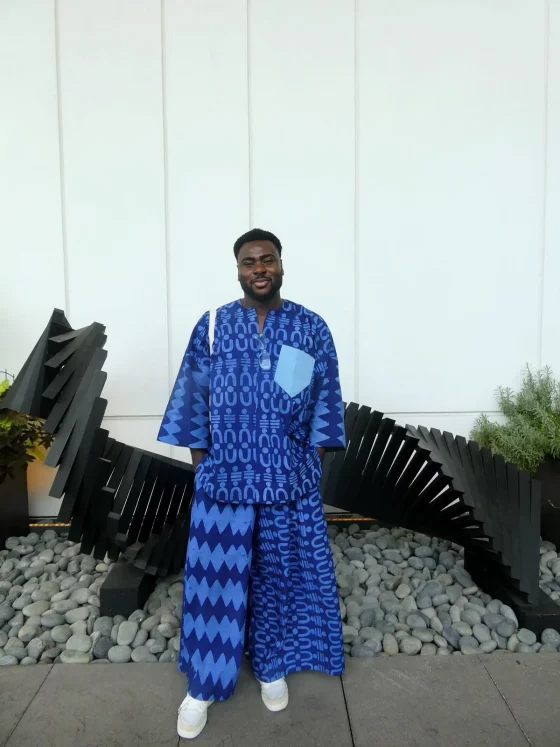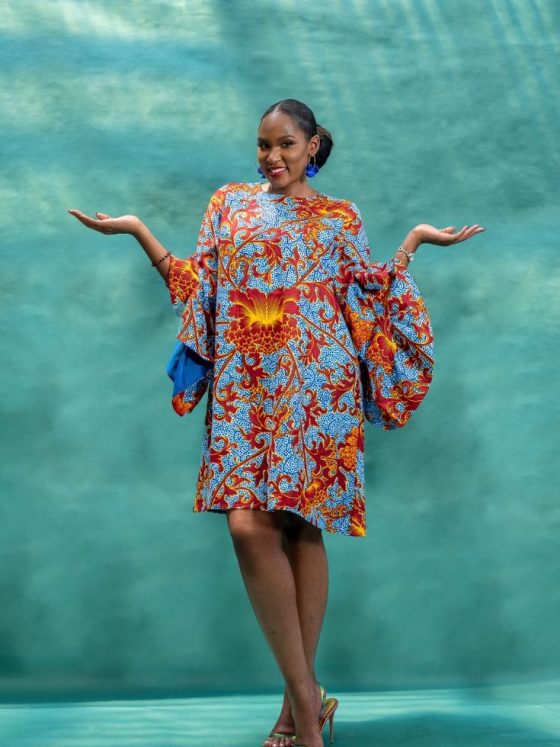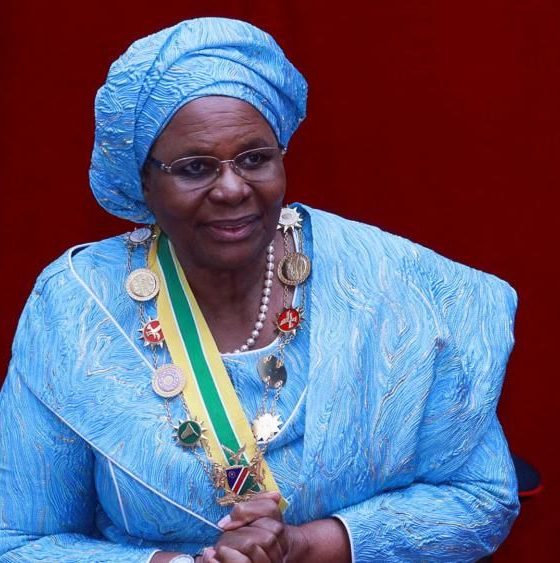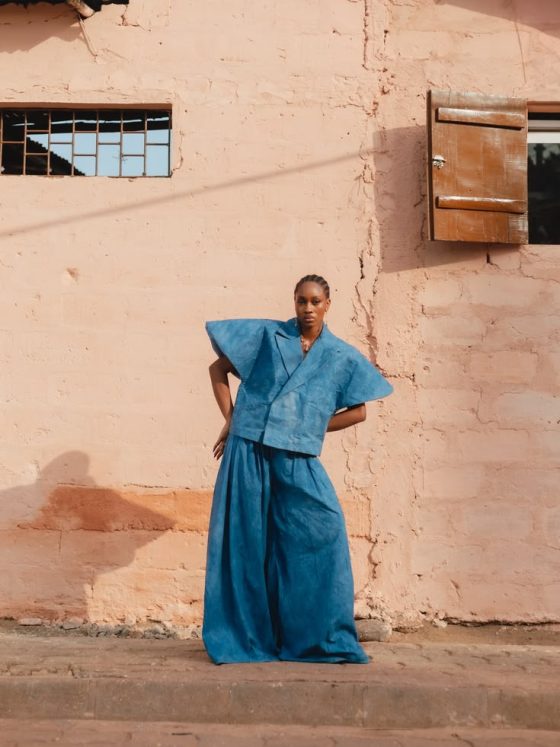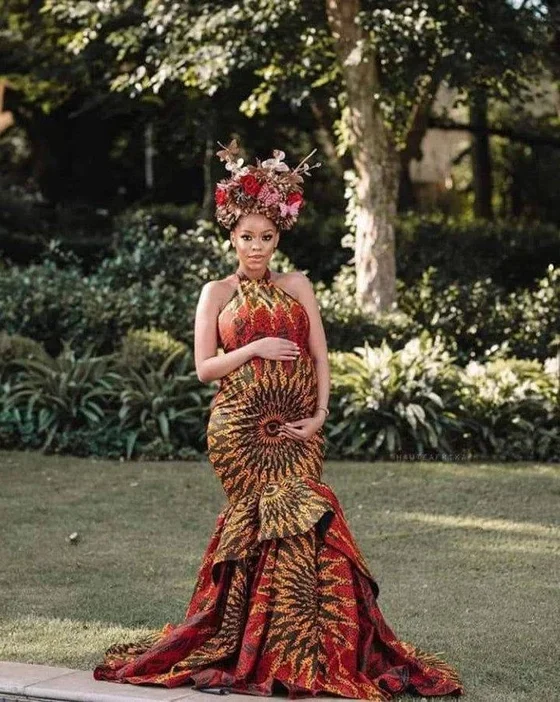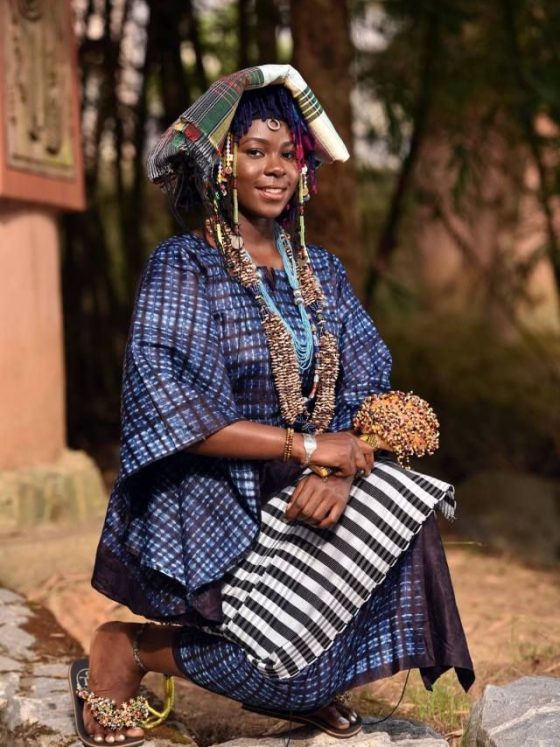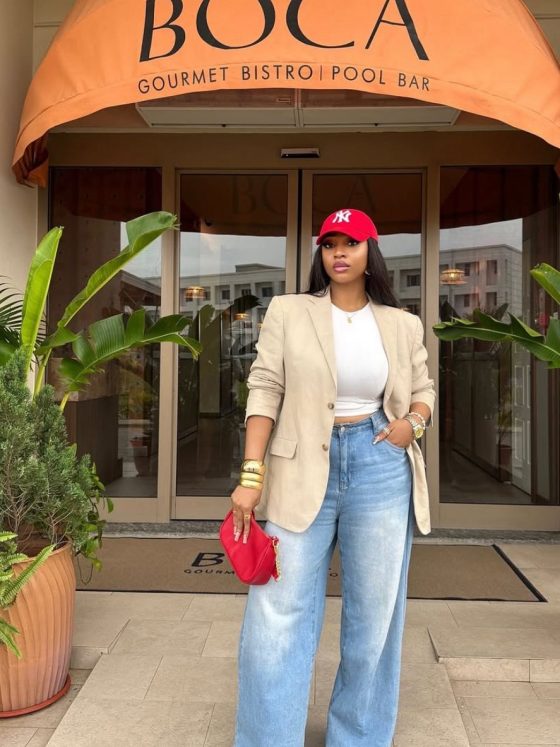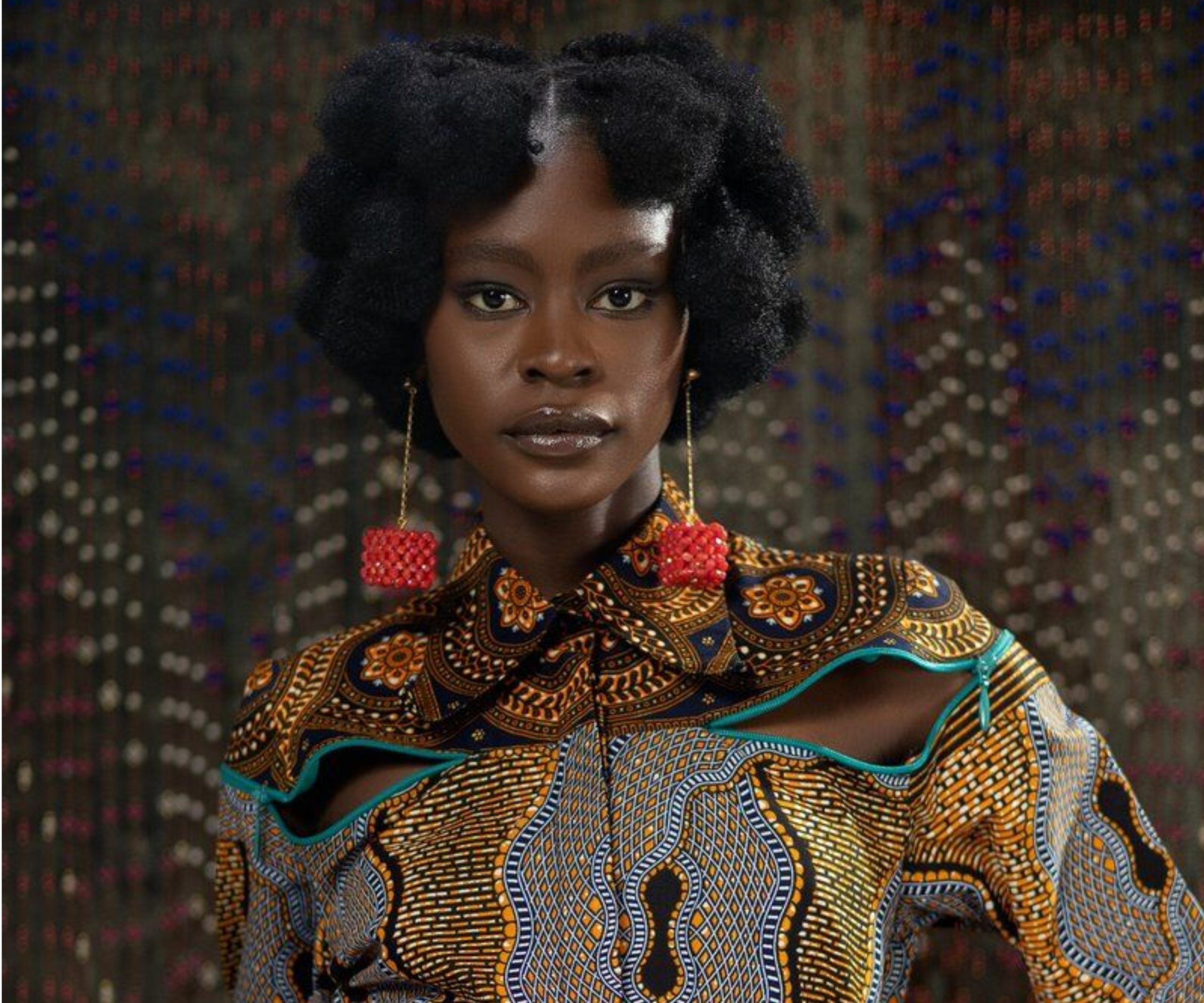
How are African women transforming traditional heritage fashion into a modern statement of elegance? African women are redefining what it means to appear strong in the workplace. The days when being professional meant dressing in Western suits and grey tones are long gone. As she enters boardrooms wearing Adire silk shirts, Ankara-tailored jackets, and Aso Oke skirts, the modern woman embodies a balance between tradition and aspiration.
The meaning of power dressing has evolved. Owning one’s tale is more important than merely claiming authority. The power of Yoruba weavers, the elegance of Ghanaian kente, and the inventiveness of Nigerian designers reinventing classic fabrics for contemporary women are just a few examples of the stories that each fabric pattern conveys. These are emblems of identity worn with purpose; they are more than just clothes.
Every stitch serves as a reminder that African women can be respected while maintaining their traditional identity. They are demonstrating that force and grace are complementary aspects of the same Ankara print.
African women are transforming modern power dressing by blending traditional fabrics, bold cultural expressions, and contemporary fashion trends.
The Evolution of African Workwear and the Confidence Revolution
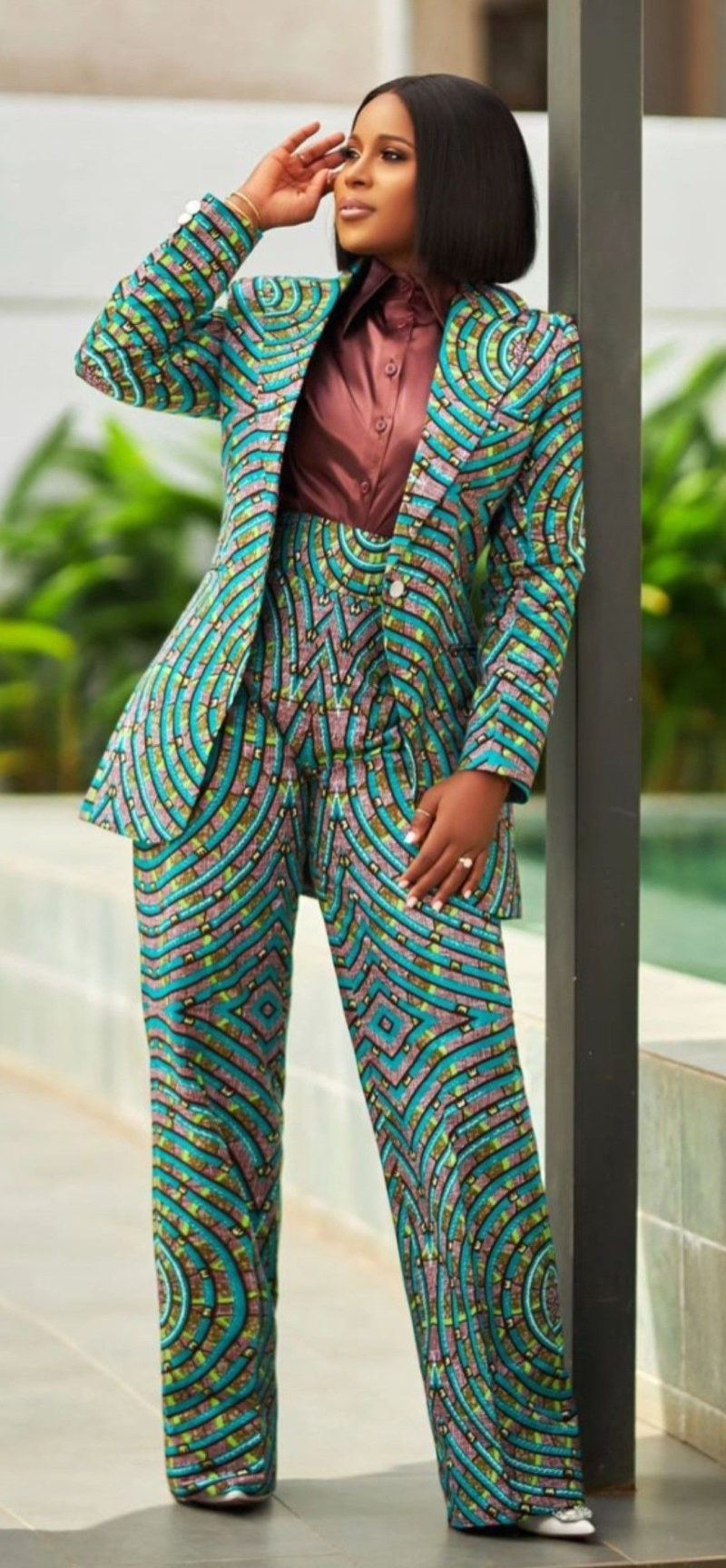
African workwear has evolved into a movement of self-expression and confidence that extends beyond its practicality. To appear “corporate,” professional women in Africa were advised decades ago to minimise their use of colour, texture, and assertiveness. However, that code is being rewritten by a new generation of women. They are transforming Monday mornings into declarations of pride and purpose by substituting creativity for compliance.
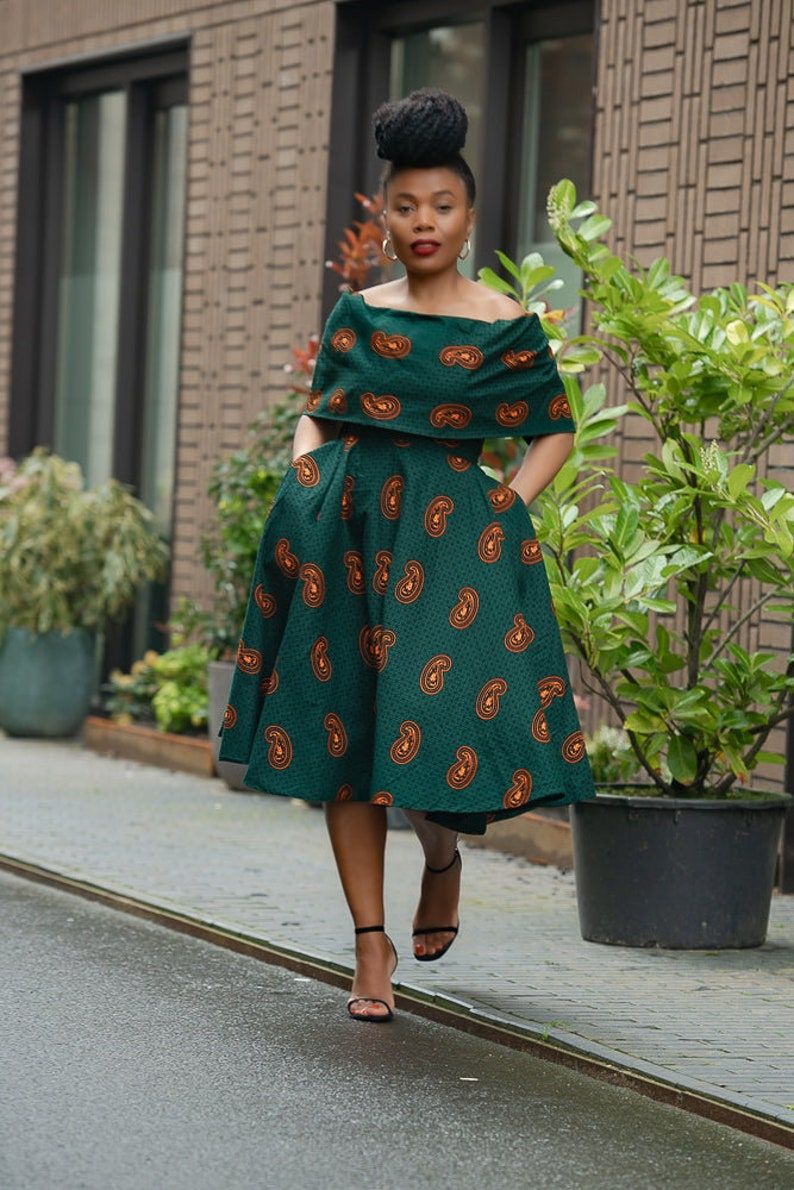
The contemporary African woman enters meetings with the intention of inspiring others rather than being inspired by them. She combines the flowing elegance of traditional designs with the refinement of a well-tailored suit. Consider Rich Mnisi’s simple shapes adorned with South African beadwork or Zainab Ashadu‘s elegant leather handbags, combined with Lisa Folawiyo‘s beaded Ankara coats. This combination demonstrates to the world that individuality can coexist with professionalism.
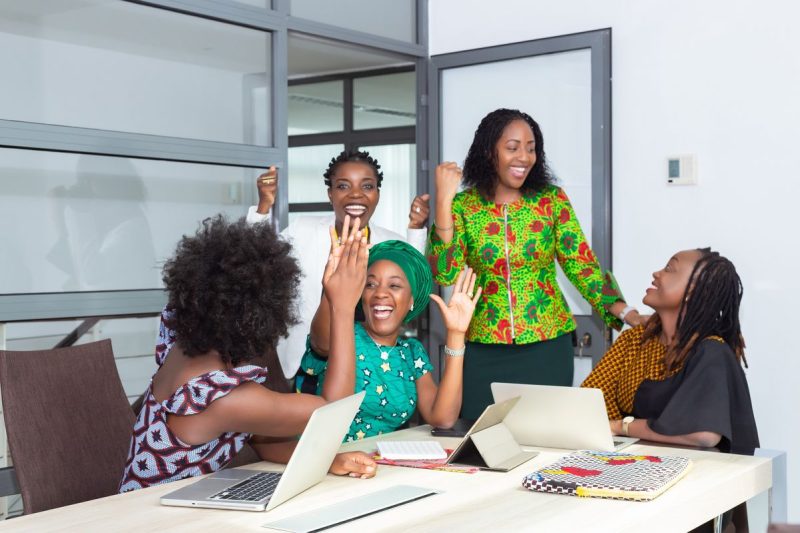
This change is fuelled by a revolution in confidence more than merely fashion. African women are dressed with purpose to express their aspirations, sense of self-worth, and cultural identity. “I belong here, not because I fit in, but because I bring something new,” each ensemble declares. Numerous women have been motivated to embrace their roots as their ultimate source of strength by this quiet proclamation.
The Cultural Identity Behind the Style
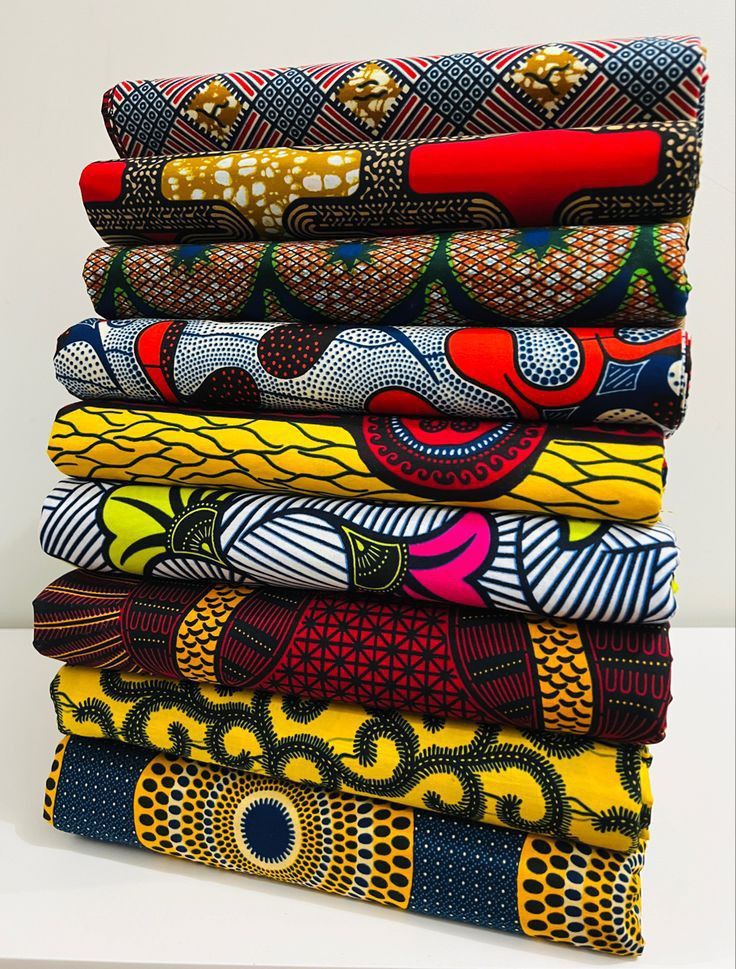
African women’s power dressing is a silent proclamation of identity, resiliency, and ancestry that goes beyond statement jewellery or eye-catching designs. The cultural memory of the continent instils a tale in every silhouette, every cloth, and every pattern. When a lady enters a boardroom wearing an Adire kimono or an Ankara jacket, she is not only being stylish but also paying tribute to generations of artistic talent that previously influenced Africa’s social and political structure.
African narratives are being reclaimed from the shadows of colonial influence through the use of fashion as a means of expression throughout the continent. To symbolise modern empowerment, designers are revisiting traditional methods, such as Kente fabric manufacturing in Ghana and Akwete weaving in Nigeria, and combining them with contemporary tailoring. This combination affirms that professionalism and tradition can coexist while celebrating cultural pride.
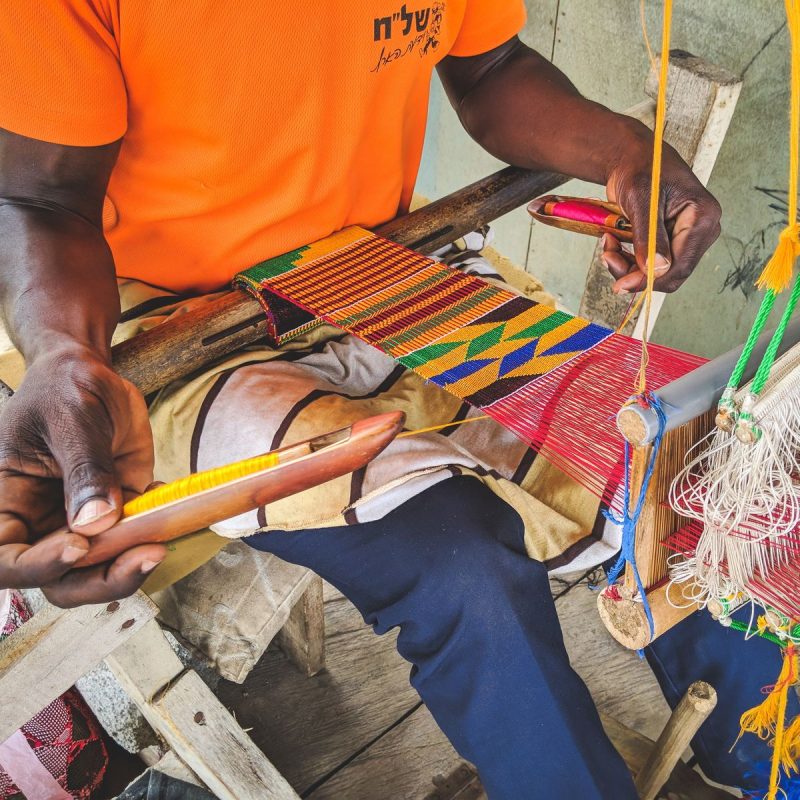
African women are redefining elegance more than ever. It’s now about using fashion as a means of self-expression rather than adhering to Western standards of beauty or traditional dress norms. African-owned fashion labels have strengthened this movement by amplifying the voice of strong, imaginative, and proudly heritage-rooted African femininity.
ALSO READ:
The Designers and Brands Shaping the New Era
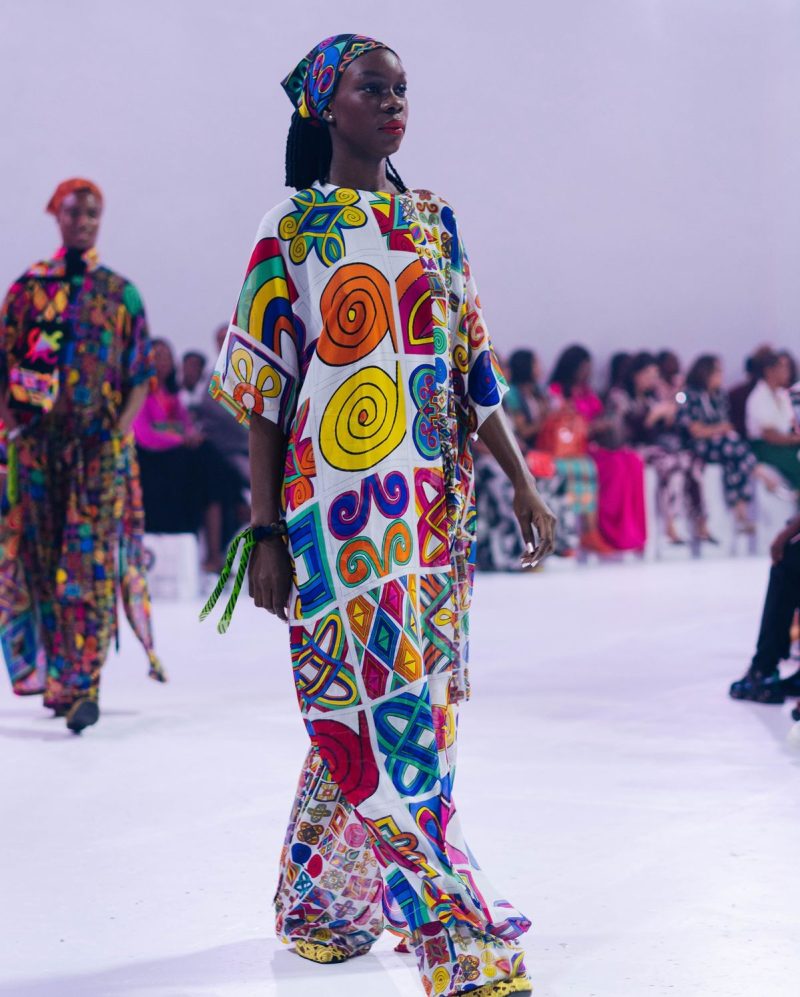
A visionary woman transforming culture into couture is the driving force behind each statement piece that redefines African power dressing. Designers are fusing history and modernity throughout the continent and diaspora, transforming traditional craftsmanship into apparel suitable for the global market. African fashion is a worldwide force, as evidenced by the names Lisa Folawiyo, Christie Brown, and Imane Ayissi, who have come to represent innovation.
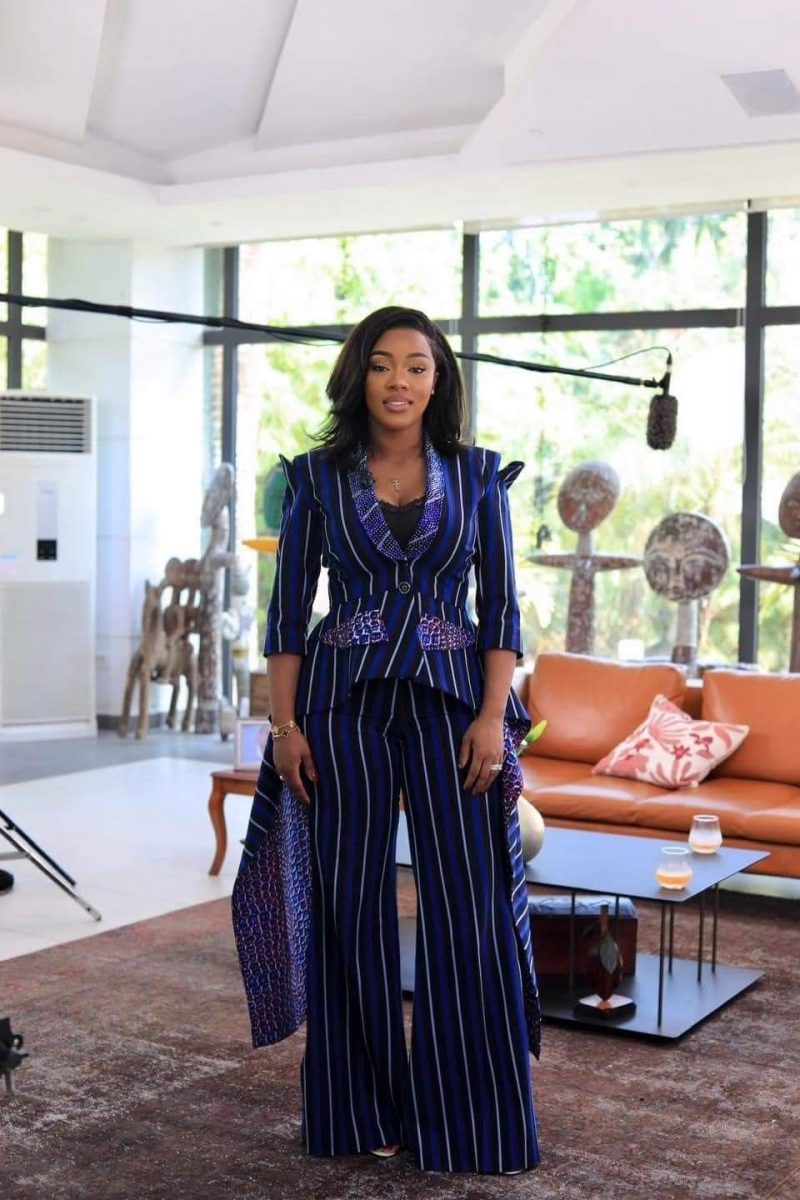
Through their collections, these designers are telling real tales. Ayissi’s haute couture designs showcase African craftsmanship on the world’s runways, from Paris to Milan. Christie Brown’s classic silhouettes blend Ghanaian patterns with modern luxury, while Lisa Folawiyo’s distinctive decorations on Ankara cloth reflect a modern femininity. The idea that an African woman may be sophisticated, strong, and culturally anchored all at once is embodied in every work.
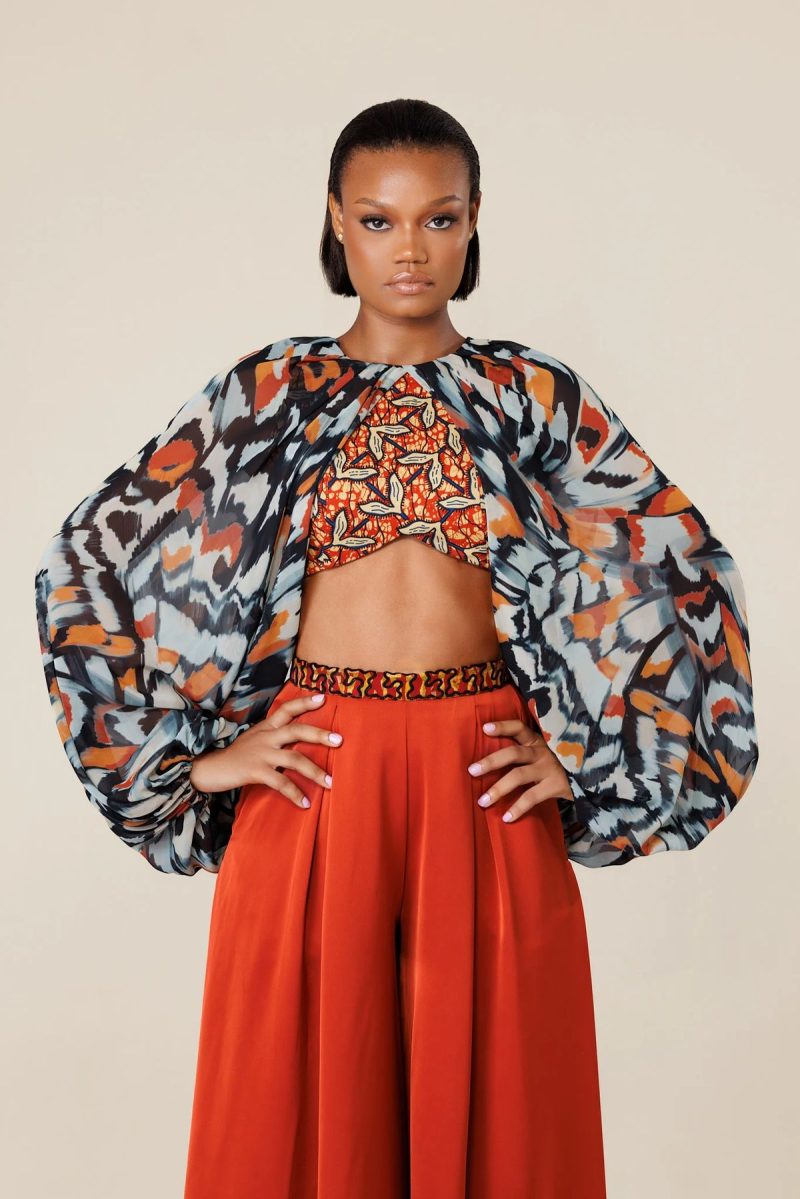
Beyond high design, up-and-coming companies in South Africa, Kenya, and Nigeria are transforming daily clothing, from simple Aso-Oke blazers to fitted Adire jackets. These works directly address the contemporary African lady who must strike a balance between cultural awareness and business discussions. African designers are reclaiming the narrative through fashion weeks, e-commerce, and social media: Africa is a global fashion force, not just an inspiration for it.
The Future of African Power Dressing
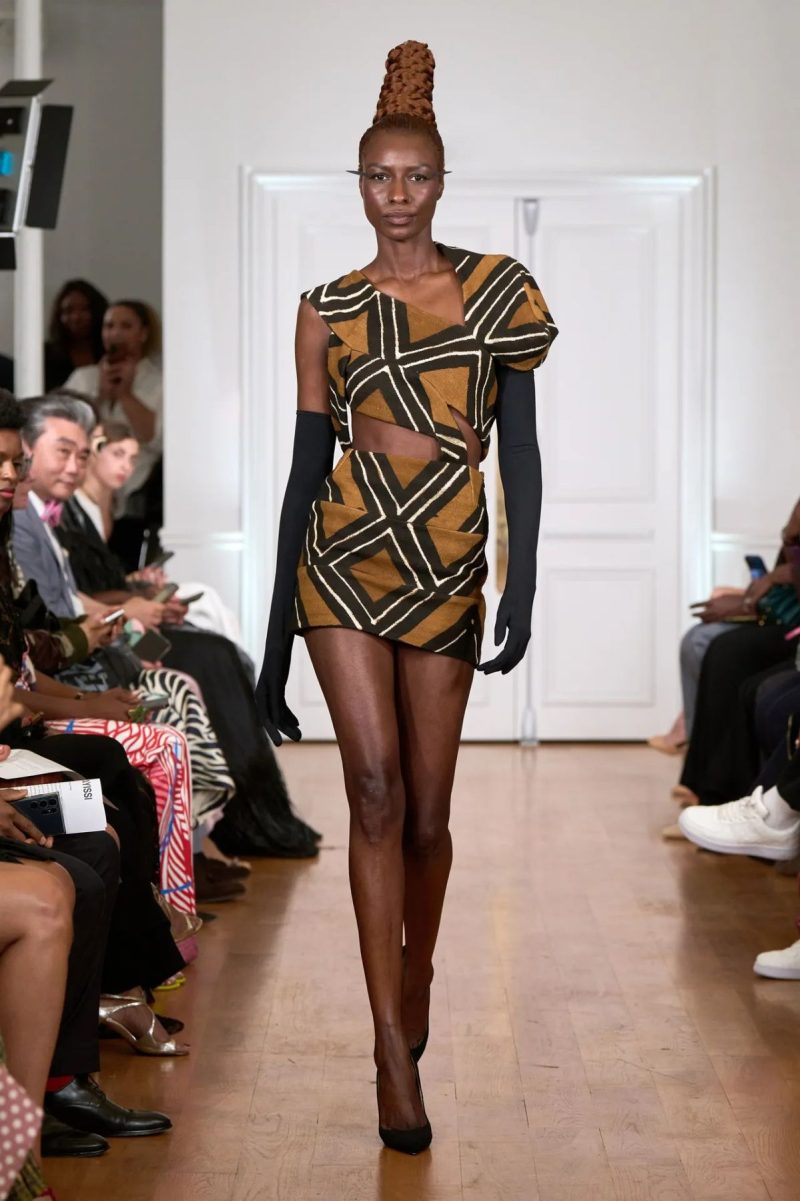
More than just a fashion trend, the popularity of power dresses with African influences signifies a cultural awakening. African women today are redefining elegance and influence by fusing traditional identities with contemporary aspirations. This combination exemplifies a shift in global fashion narratives, where sophistication is increasingly linked to authenticity, inclusivity, and heritage.
In boardrooms, the media, and politics, more women are embracing traditional textiles like Aso-Oke, Ankara, and Adire, challenging outdated notions of beauty and professionalism. The African style has evolved into a sign of self-assurance, demonstrating that femininity and strength are allies rather than antagonists. What was formerly referred to as “ethnic wear” is now a declaration of global strength and identity, encouraging a new generation to display their heritage proudly.
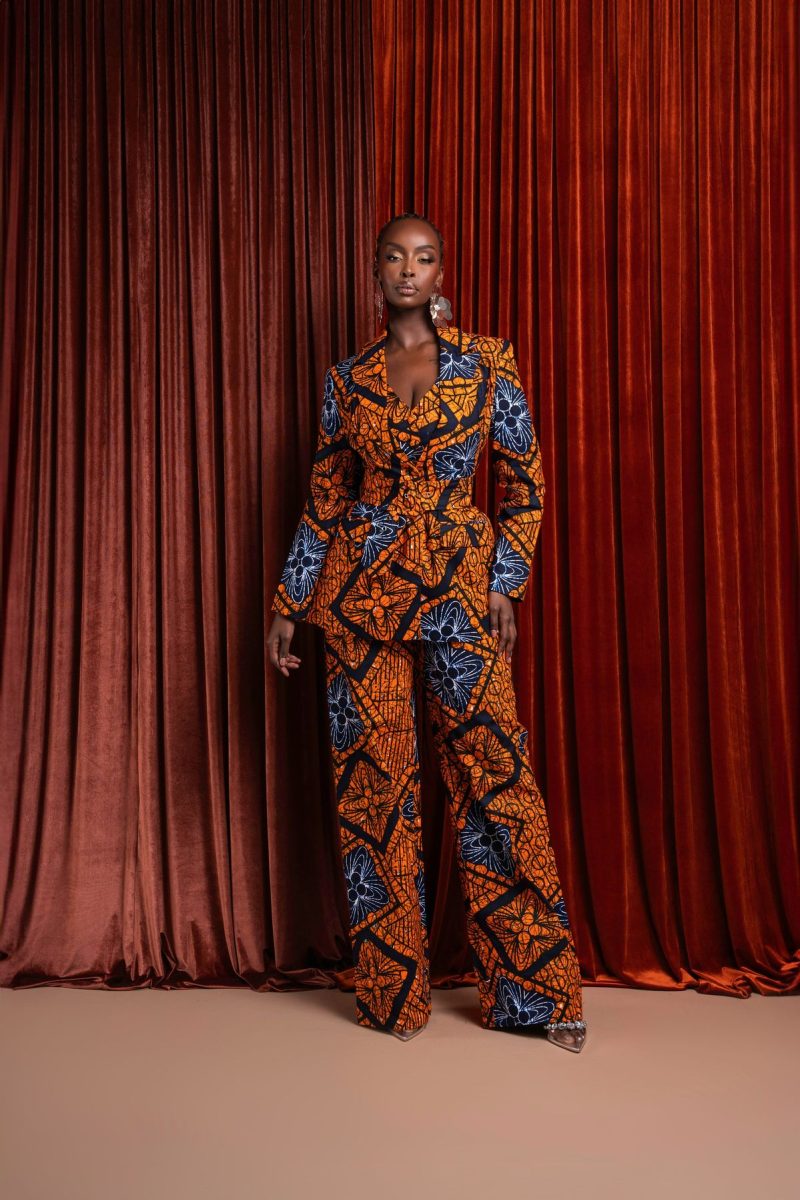
Innovation, sustainability, and internet influence will drive future developments in African power dressing. While honouring history, young designers are experimenting with eco-friendly textiles, virtual fashion presentations, and technologically integrated creations. The message is clear: African women are setting the standard rather than adhering to international fashion trends.
Explore the journey of African-inspired fashion on Omiren Styles.
FAQs:
1. What does African power dressing mean?
African power dressing blends cultural heritage with modern professionalism. It’s about expressing confidence and identity through traditional fabrics like Ankara or Aso-Oke, styled in contemporary ways.
2. Why is power dressing important for African women?
It empowers women to command respect, express individuality, and redefine beauty standards rooted in African identity rather than Western ideals.
3. How are designers contributing to this fashion movement?
African designers are fusing bold prints, tailoring, and sustainable materials to create sophisticated outfits that tell stories of resilience, creativity, and pride.
4. Can traditional African fabrics be worn in professional settings?
Absolutely. African women are now rocking tailored Ankara suits, Adire blouses, and Aso-Oke skirts in boardrooms, proving that culture and professionalism can coexist beautifully.
5. What are some modern brands redefining African power dressing?
Brands like Lisa Folawiyo, Iamisigo, and Orange Culture are championing this movement with pieces that strike a balance between tradition, innovation, and global appeal.