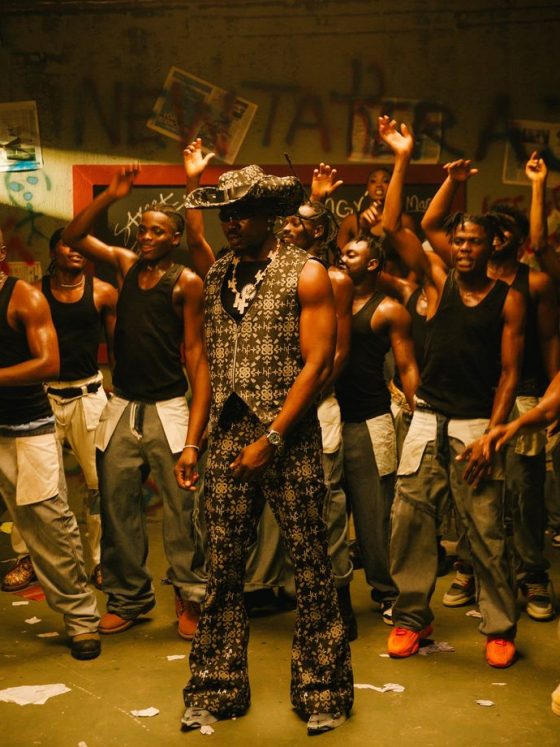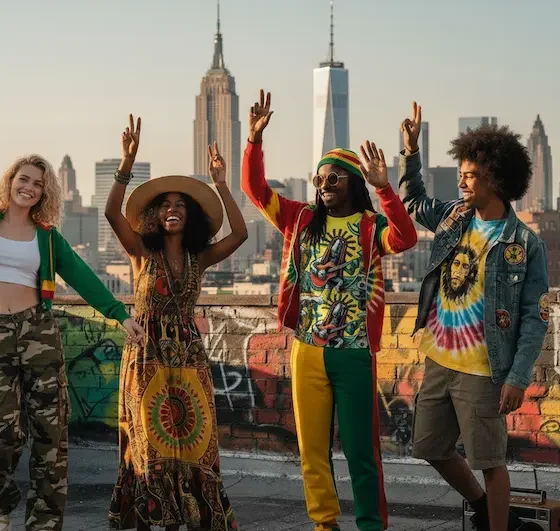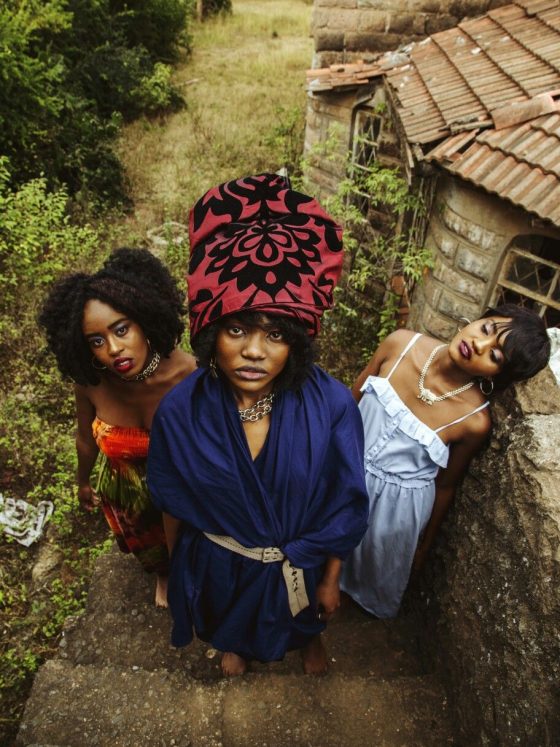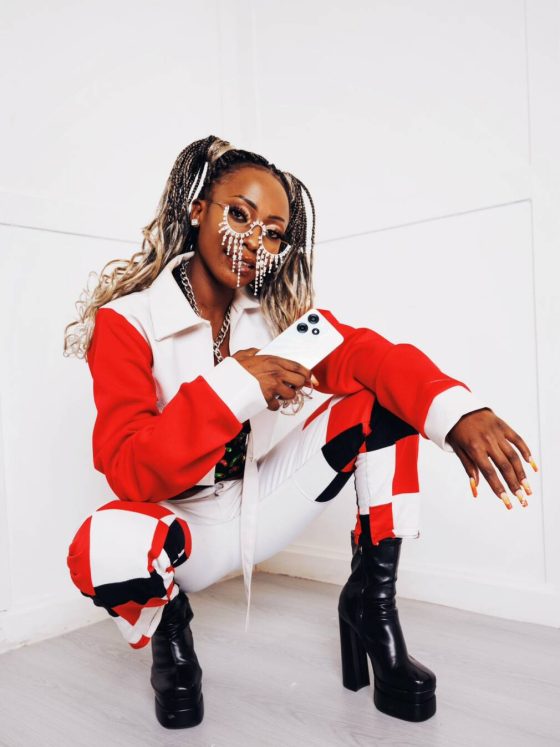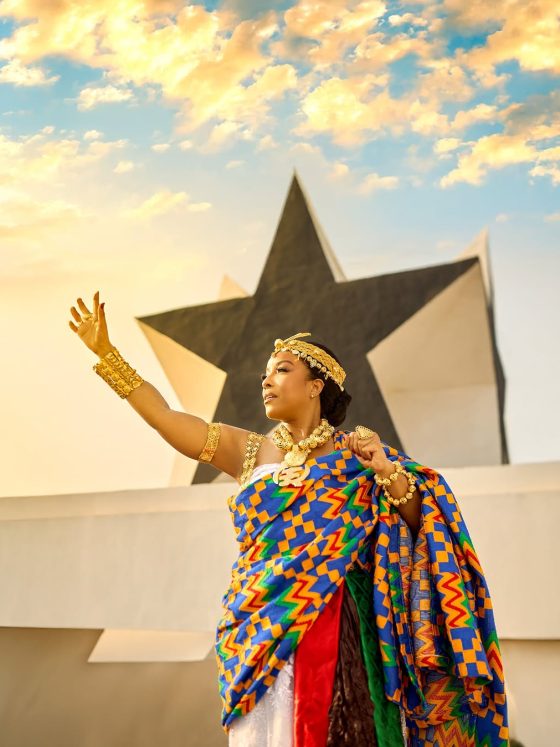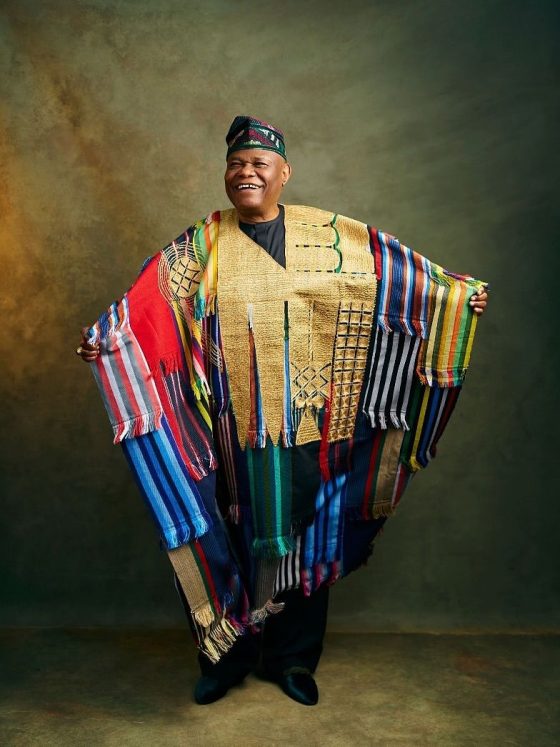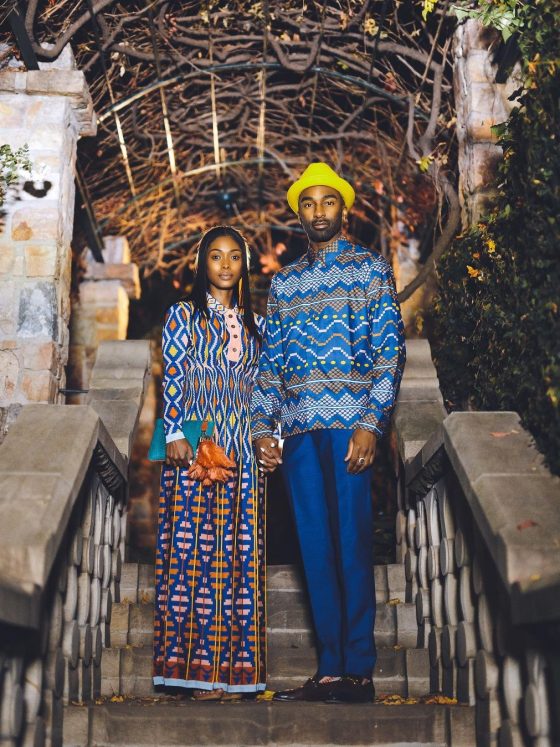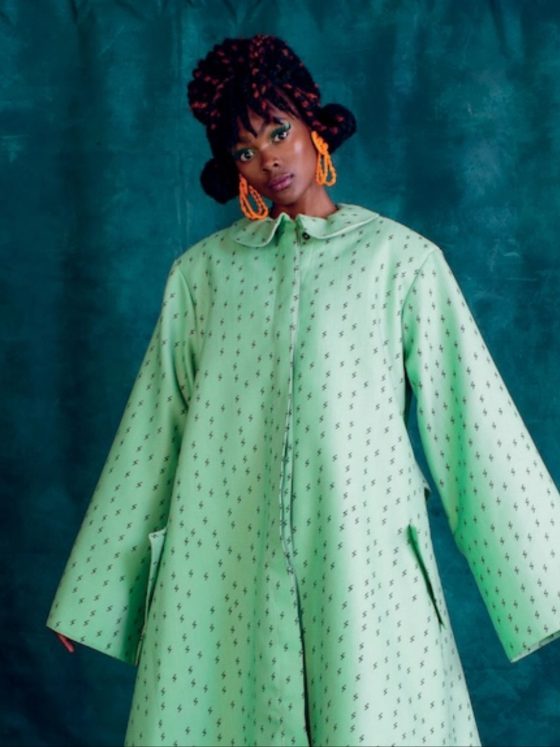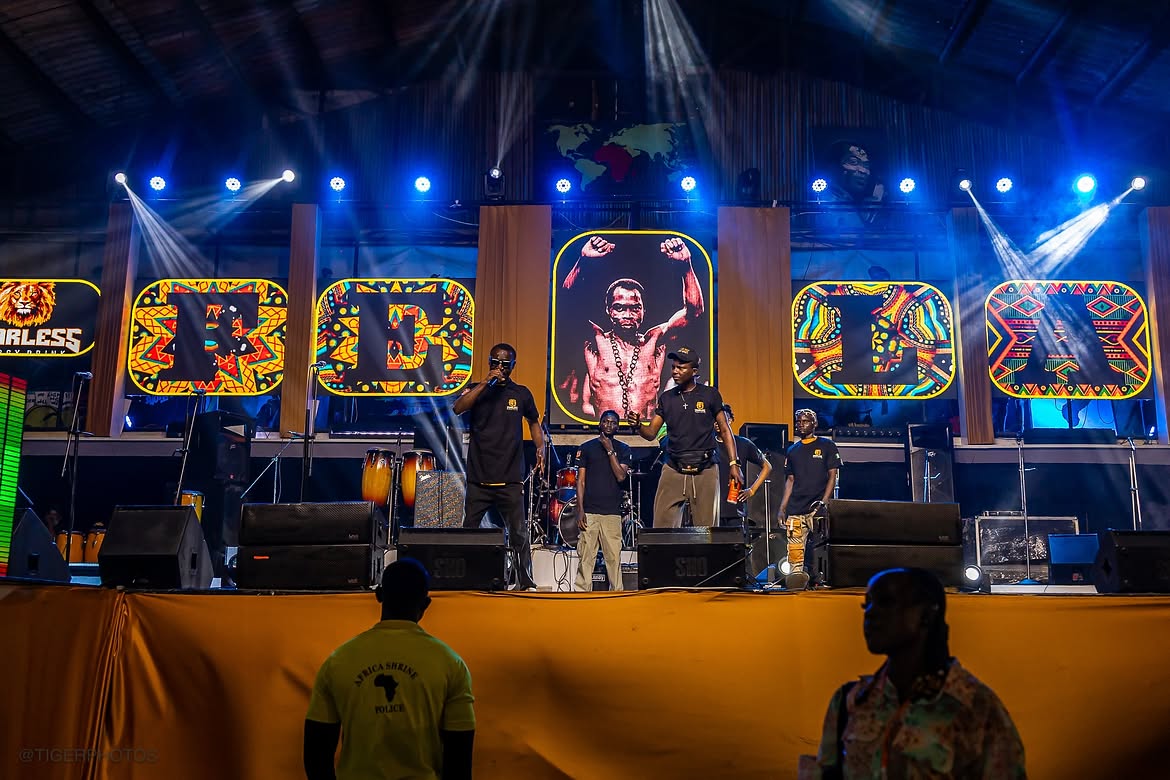
The programme gives fashion a named platform alongside music, art, dance and debate. Its significance lies in treating Fela’s visual identity as something to interpret — not simply an image to reproduce.
Felabration‘s 2026 programme placed fashion before the main concert week. Dress Fela was scheduled for 10 October, ahead of the festival’s 12 to 18 October dates at the New Afrika Shrine in Lagos. Yeni Kuti outlined that sequence in a September interview reported by Voice of Nigeria. The main festival ran for a full week, with the fashion component sitting ahead of it as a deliberate opening act for the cultural programme that followed.
“I’m glad that we are doing it and we are promoting our culture.” — Yeni Kuti, founder of Felabration, speaking to Voice of Nigeria ahead of the 2026 festival
That placement makes Felabration a current cultural subject. It establishes a useful distinction: the fashion event belongs to a wider programme rather than being an incidental collection of outfits photographed around a concert. There is a limit to the available record, and it is worth naming it early. The sources used for this article establish the announced programme and its cultural context, but do not provide a verified account of the completed fashion presentations. This is an analysis of fashion’s place within Felabration — not a review of designers’ collections or a report from the venue. The question it addresses remains substantive: what changes when a celebration of a musician gives dress its own platform?
Explore fashion’s place in Felabration 2026, from the announced Dress Fela programme to questions of style, identity and interpreting a musical legacy.
Fashion Is Named, Not Merely Noticed
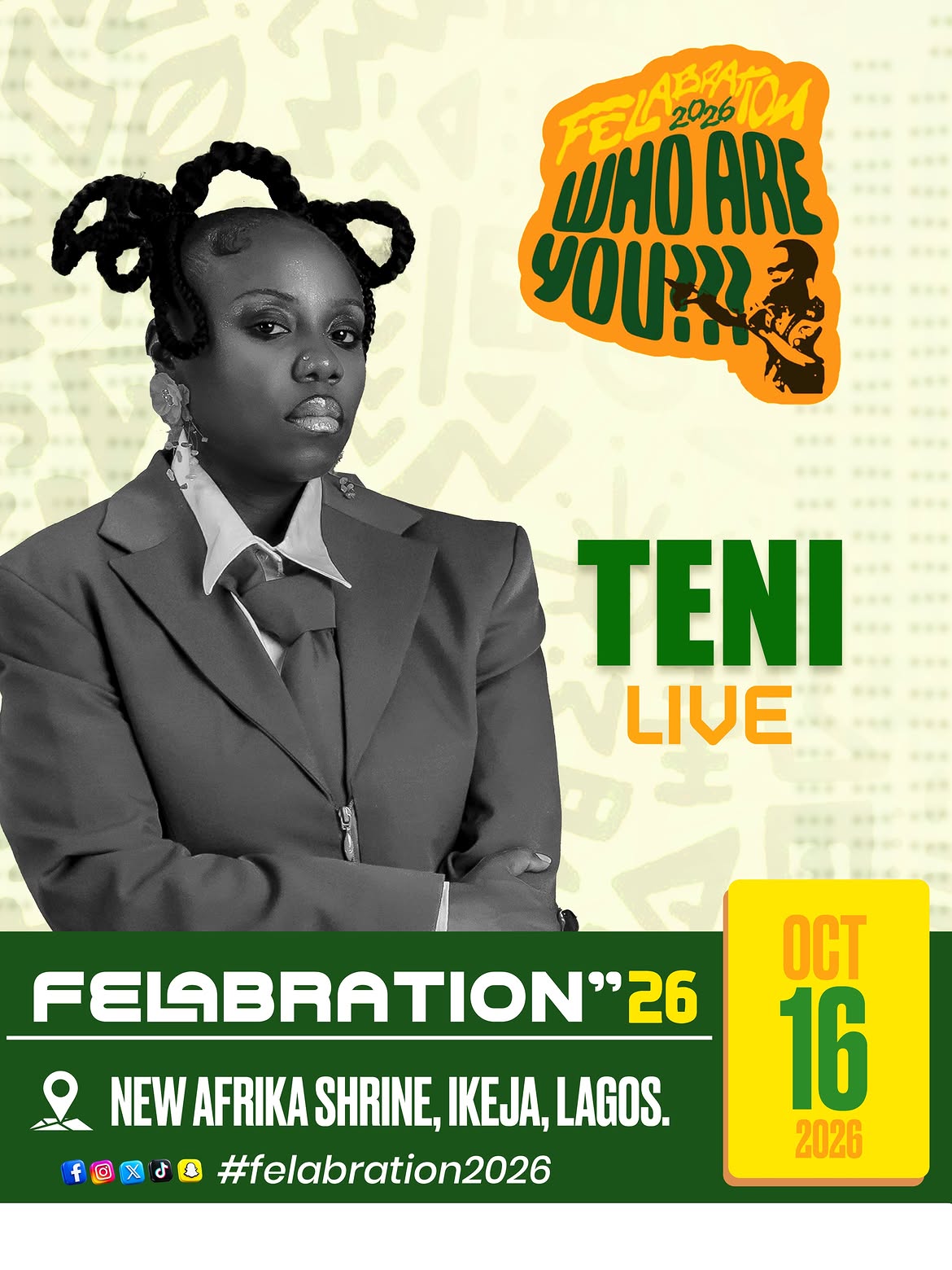
A festival can contain fashion without formally programming it. Performers wear clothes; audiences choose what to wear; photographs circulate afterwards. Dress Fela represents something more deliberate. Felabration identifies a Dress Fela competition within its institutional structure, and the 2026 programme named the fashion show alongside art, dance and school debates as distinct parts of the official schedule.
That distinction changes the editorial starting point. Fashion is not something a writer needs to discover at the edges of the music — it is an activity the programme explicitly recognises. A named platform gives clothing a specific role in the celebration and prompts the question of what participants are being invited to do with an already recognisable cultural figure. The name “Dress Fela” itself suggests a relationship with an existing image. The more interesting question is whether that relationship produces repetition, interpretation or some combination of the two. A costume can reproduce a reference; a design can rearrange it. Judging the difference requires looking at the work itself.
An Image Connected to Performance
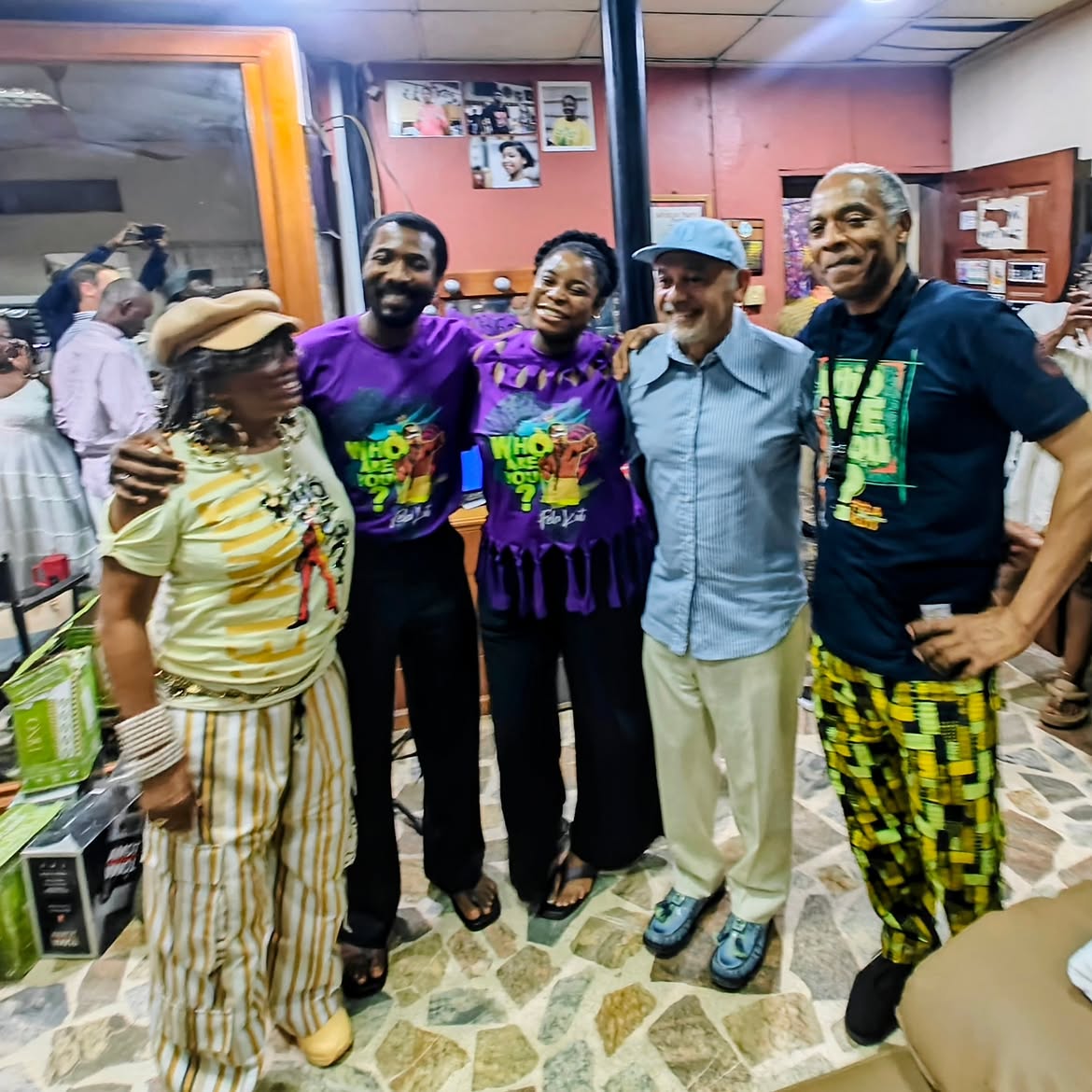
Descriptions of Fela Kuti‘s visual identity tend to cluster around the same elements: bold prints, loose-fitting trousers, beads and a stage presence that made the clothing inseparable from the performance. Those elements are most usefully understood as connected to his music and convictions, not as a detached wardrobe. That framing matters because it keeps dress connected to a performing body.
A printed garment does not exist in precisely the same way on a hanger, in a posed photograph and during a live performance. Proportion, movement and the relationship between clothing and gesture shape how an audience encounters it. For fashion writing, that distinction is consequential. “Fela-inspired” should be the beginning of an explanation, not its conclusion. Which part of the reference has been taken forward — a silhouette, a surface pattern, an accessory, a way of presenting the body? Those questions make the work more specific and prevent a recognisable name from doing all the critical work on its own.
Reference and Reproduction
A cultural reference can operate at several levels. It may be immediately recognisable through a familiar combination of elements. It may be transformed enough that the connection requires explanation. Or it may appear mainly in the designer’s account of the work rather than visibly in the garment itself. None of those approaches is automatically more accomplished than the others — the question is what the design does with its reference.
A literal quotation can be thoughtful. An abstract interpretation can be thin. Familiar imagery does not guarantee substance, just as visual distance from a source does not automatically demonstrate originality. A serious account of Dress Fela should apply that standard: neither dismissing resemblance as mere imitation nor praising every departure as innovation. It should also distinguish the designer’s explanation from the critic’s reading. If a practitioner identifies a particular reference, that testimony matters. If a writer sees a connection independently, present it as an observation rather than as the maker’s intention.
A Festival Built Across Several Forms
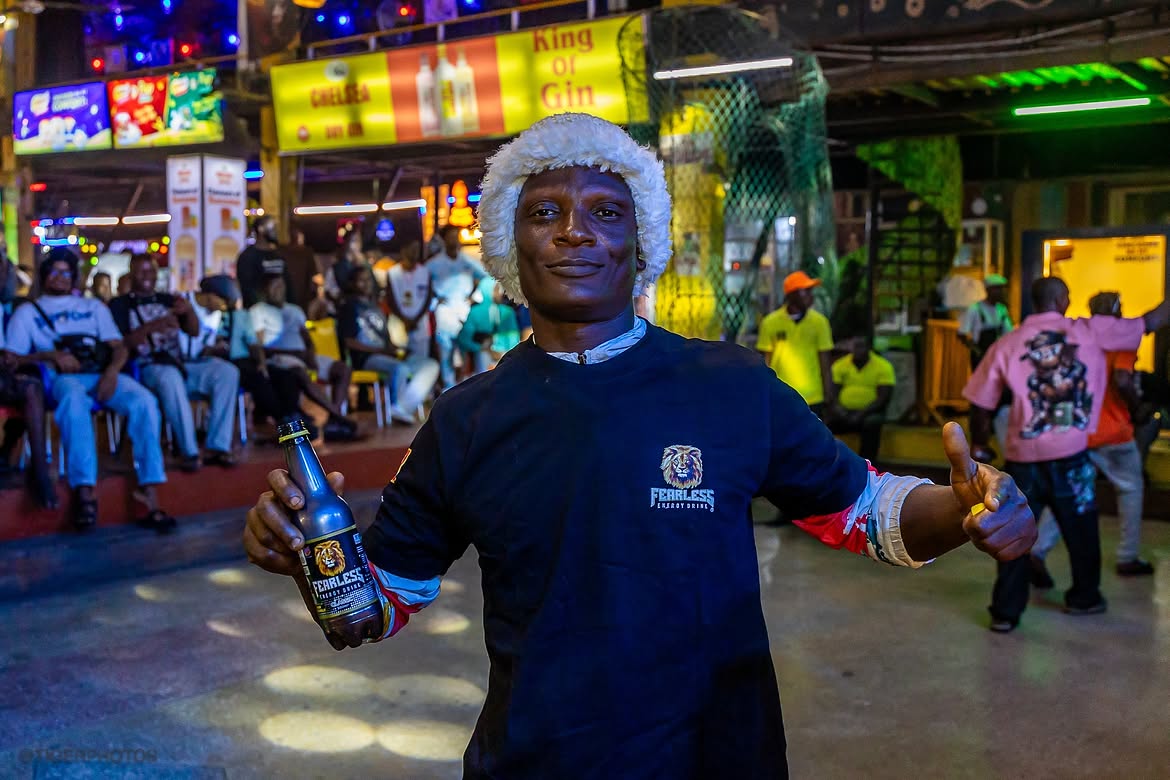
Felabration’s official account identifies Yeni Kuti as its founder and dates the initiative to 1998. The organisation describes a celebration spanning music, debate, dance, and art, and its team structure assigns responsibility for the Dress Fela competition within that framework. The 2026 schedule spreads activities across those forms: an art competition, a dance competition, school debates, and the fashion show, all ahead of the main festival week at the New Afrika Shrine.
That structure matters because each form makes different things visible. Music does not need to explain a garment’s construction. A fashion presentation cannot stand in for a debate. Clothing can make a reference legible through shape and material. A discussion can test an argument in words. A performance can bring sound, movement and presence together. The programme’s significance is not that these forms become interchangeable, but that they are all recognised within one celebration without being asked to perform identical functions.
Cultural Identity Needs Specifics
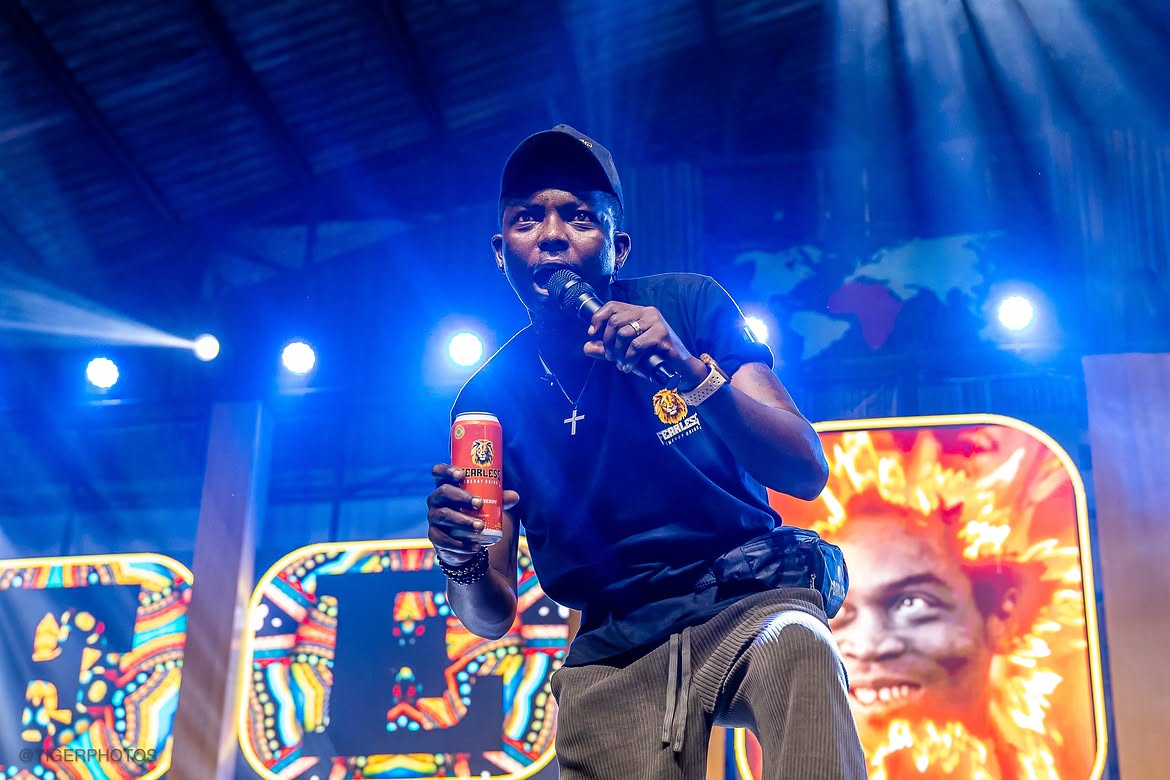
Ahead of the festival, Yeni Kuti described Felabration as a platform for promoting Nigerian culture. That is an attributed statement of purpose from the festival’s founder, and it should be taken as exactly that — not as proof that every participant shares a single understanding of what culture means or how it should be expressed in dress.
For fashion writing, broad language about identity becomes useful only when it leads to specifics. Who made the work? Which references were selected? How were they transformed? What did the maker say about those choices? Without that detail, phrases like “African confidence” or “cultural expression” can become interchangeable praise, affirmative in tone but explaining little about a particular garment. The stronger approach lets identity emerge through documented decisions rather than placing it over the work as a ready-made frame.
Specificity also leaves room for genuine disagreement. Different practitioners may interpret the same figure differently, and those differences can be as revealing as the similarities. A cultural platform does not need to produce a single visual answer to be meaningful. The more productive question is whether each piece of work is accountable to the reference it claims — and whether the critical language around it is precise enough to say so.
What the Programme Establishes
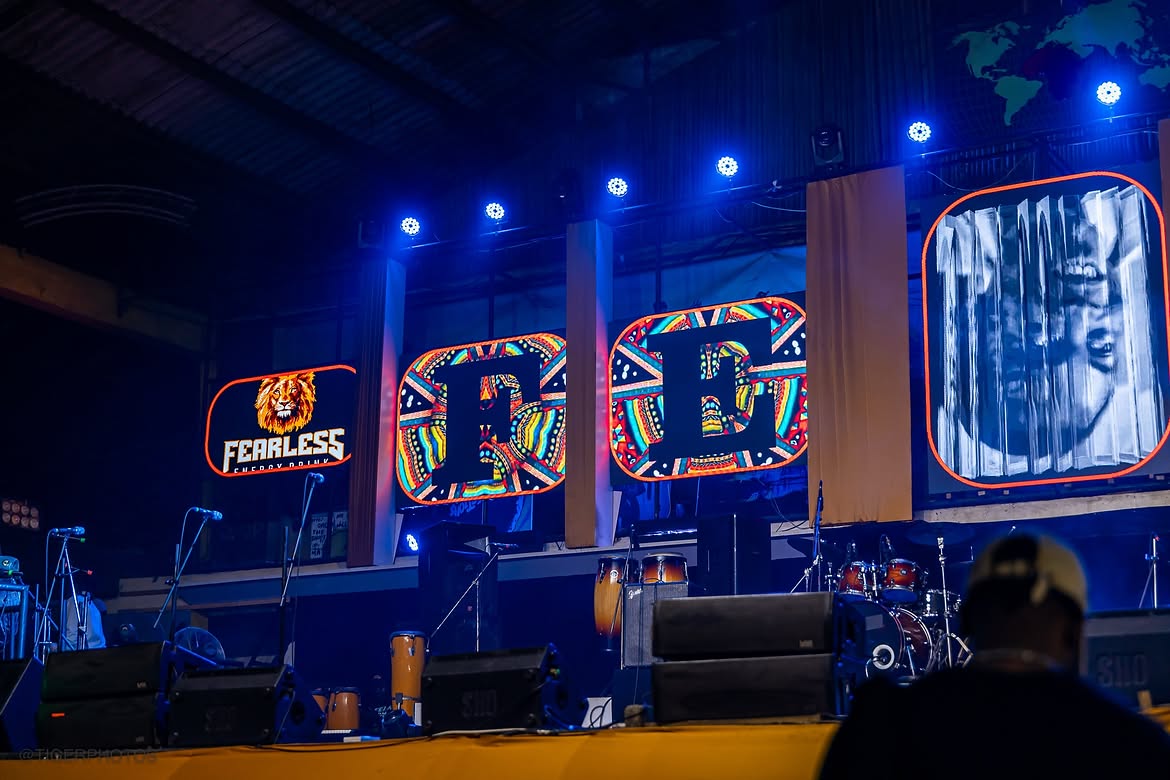
The available reporting supports a bounded picture. The programme announced a celebration for 12 to 18 October 2026 at the New Afrika Shrine in Lagos. Dress Fela was scheduled for 10 October, ahead of that main week. The programme explicitly included fashion alongside other cultural activities. Those facts support an article about the place assigned to fashion. They do not establish a competition’s results, the quality of a presentation, or the experiences of individual attendees.
A completed-event review needs identified designers, attributable photographs, and enough information to examine the work closely. A programme analysis can explain a cultural decision; a collection review must show that it has engaged with the collection. Fashion’s place at Felabration matters because the programme treats dress as something that can be actively worked on within a cultural celebration. The next critical task is to look closely at what designers make of that opportunity — and to resist assuming the answer before the work has been seen.
Also Read:
- Fela Kuti’s Stage as Political Manifesto: How the Father of Afrobeats Used Fashion as Revolutionary Argument
- The Lagos Fashion Week Effect: What a Decade of Runway Has Actually Done for Nigerian Designer Revenue
Frequently Asked Questions
What are Felabration’s 2026 dates?
The main festival was announced for 12 to 18 October 2026 at the New Afrika Shrine in Lagos. Dress Fela, the fashion component, was scheduled for 10 October, ahead of the main week.
What is Dress Fela?
Dress Fela is a fashion competition and show forming part of the official Felabration programme. The organiser identifies it within its institutional structure alongside art, dance, and debate as a distinct cultural activity within the festival.
Is this article a review of the 2026 Dress Fela presentations?
No. This article analyses fashion’s documented place in the Felabration 2026 programme. It does not assess unverified collections, name competition winners, or reconstruct audience reactions. Reviewing the completed event would require identified designers, attributable imagery, and additional verified reporting.
Who founded Felabration?
Yeni Kuti, Fela’s daughter, founded Felabration in 1998 as a week-long celebration of his life, music and cultural legacy. The festival is held annually at the New Afrika Shrine in Lagos.