A collection reference becomes useful when it starts shaping decisions; for Vinicius Santana of Atelie Mao de Mae, memories of Salvador’s Feira de Sao Joaquim entered a published account of collection development alongside a specific sourcing choice: basketry from Barraca do Nau. That connection gives you a starting point for understanding how the practice actually works, because it moves from a place that matters personally to a material decision made in preparation for a collection. Most fashion writing stops at the place. This article follows what Santana says happened next.
“It is a place we have a great deal of affectionate memory for; I grew up around this fair. A diverse place, rich in flavours, smells, culture and colour.” Vinicius Santana, CAPRICHO, October 2023
That description, from Santana’s October 2023 CAPRICHO interview, establishes the Feira de Sao Joaquim as a place of personal and sensory significance before it becomes a design reference. His account does not supply a weekly studio diary. Instead, it connects a place, materials and design intentions. Other sources identify creative collaborators and document the subsequent opening of a physical space in Salvador. This article follows those documented relationships rather than inventing a routine the sources do not confirm.
Explore Atelie Mao de Mae’s creative practice through Vinicius Santana’s published account of collection research, sourcing, collaboration and its Salvador base.
A Practice Built Through Several Contributors
The official biography on the Atelie Mao de Mae website names Vinicius Santana, Patrick Fortuna and Luciene Brito as its co-creators. Its account describes the work as collective, handmade and connected to knowledge passed between generations. That wording establishes the brand’s own presentation of its practice, and it should not be reduced to the story of one founder working alone. The brand is what all three people have made together, and the attribution should reflect that.
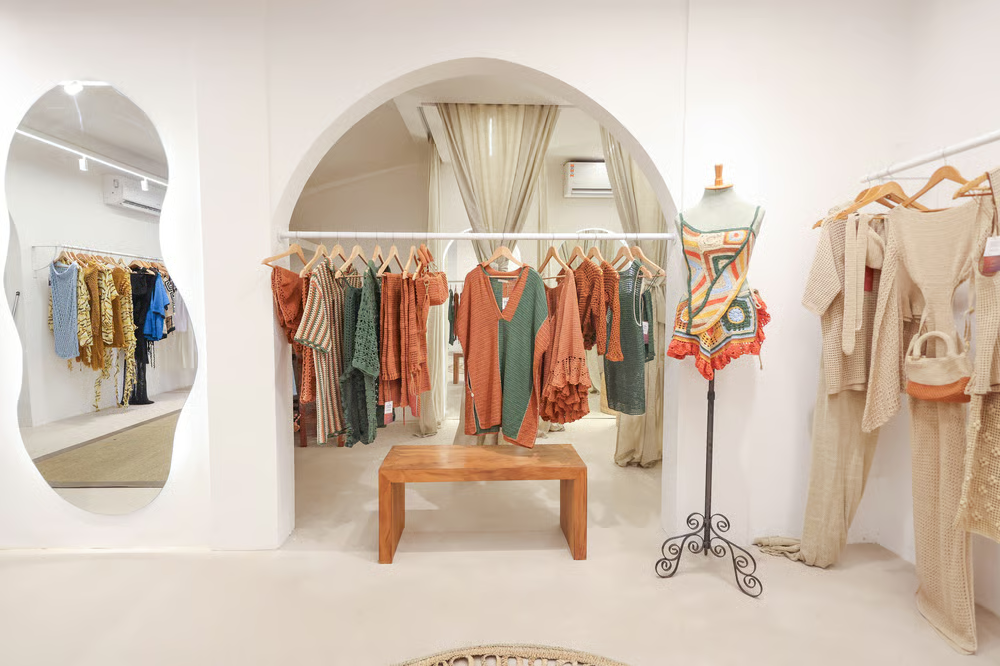
The official page places the atelier in Salvador, Bahia. A January 2024 Harper’s Bazaar Brasil report documents the opening of its first physical space in the city’s Barra neighbourhood. Together, those sources establish more than Santana’s birthplace: they connect the business to a working and public-facing base in Salvador. The opening report is historical, and visitors should confirm the current address before travelling. Neither source establishes that every item is produced within that physical space.
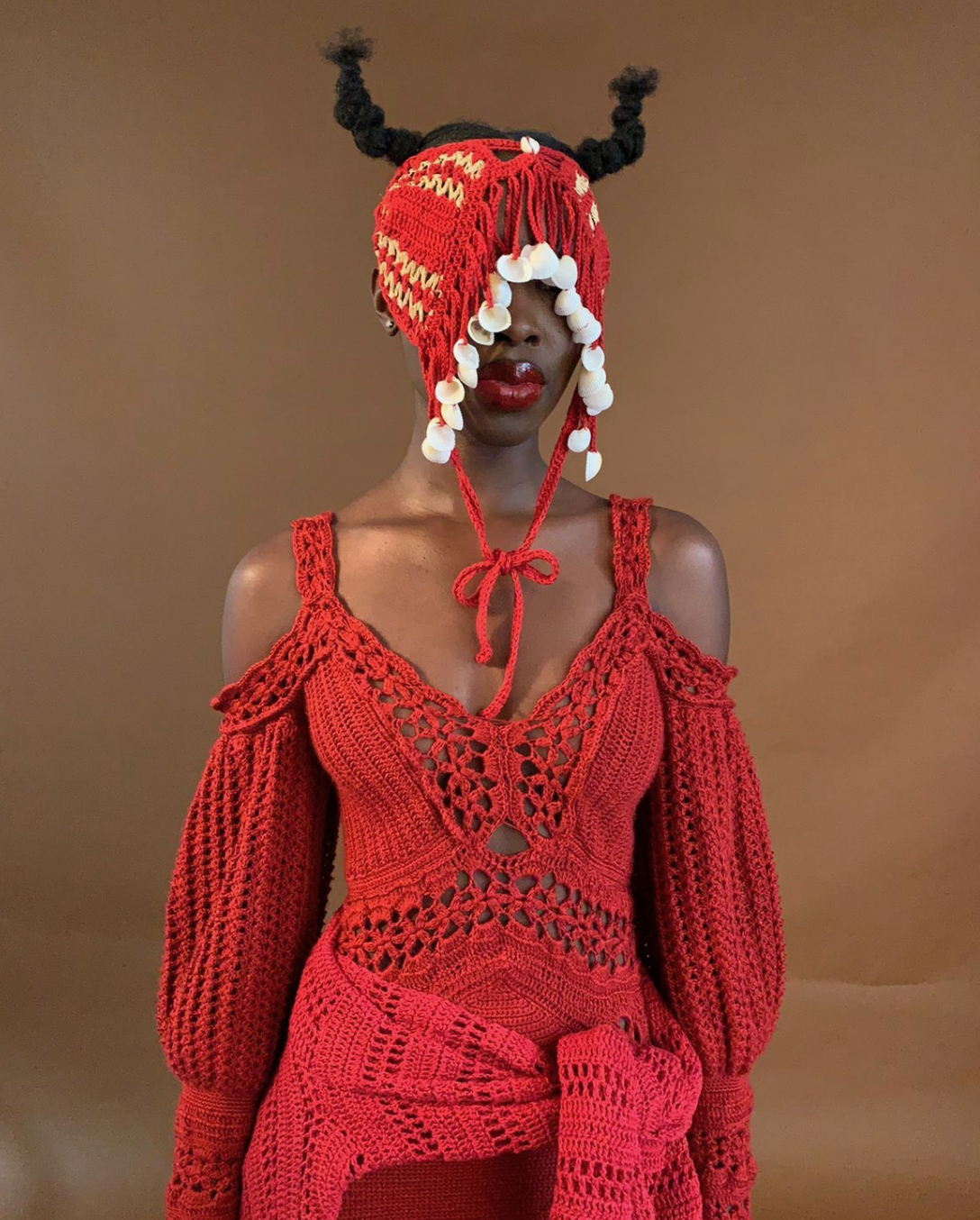
The biography also describes crochet as central to the practice and connects the work to intergenerational knowledge. That framing places the craft within a longer tradition of making rather than presenting it as a purely contemporary design choice. This framing is central to how the brand positions its work, and it helps explain why collective making is described as a matter of identity rather than simply a production method.
Creative Direction Is a Shared Responsibility
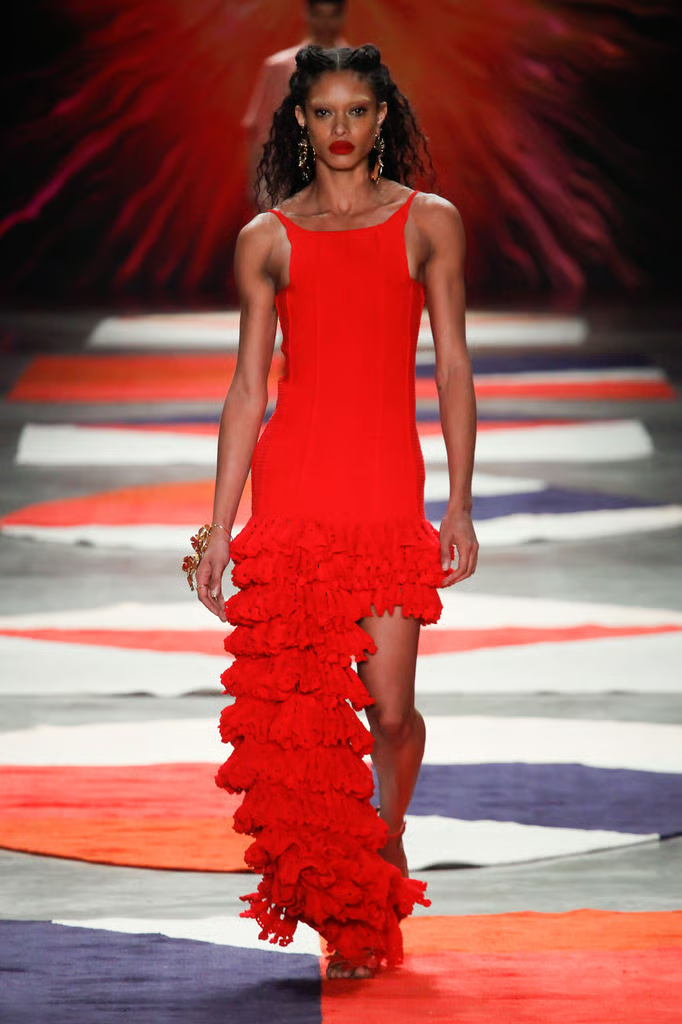
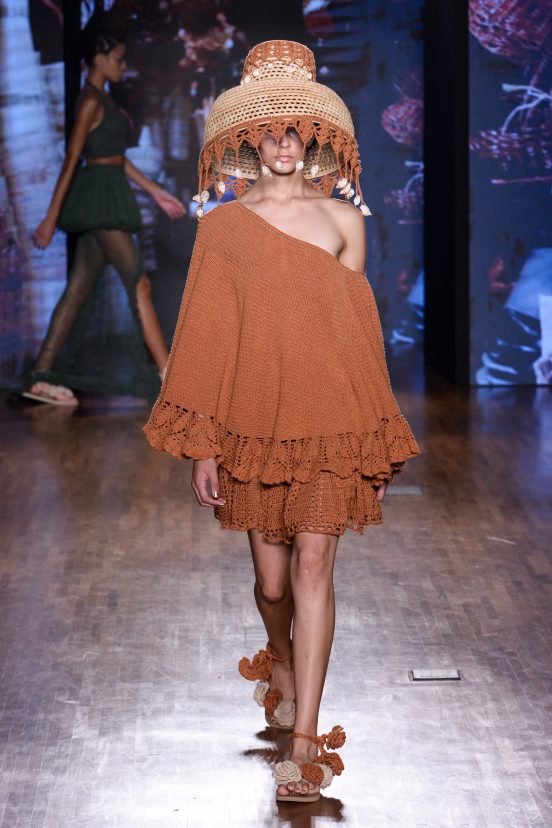
The São Paulo Fashion Week record for Atelie Mao de Mae credits Santana and Fortuna jointly with creative direction. That is a specific attribution for a specific presentation, not evidence that either person personally carries out every task involved in making or staging a collection. It is worth being precise, because attributing everything to one name when the source names two is a quiet, common inaccuracy in fashion writing.
The same record separately credits Bill Macintyre for show direction, Marcio Banfi for styling, Angel Moraes for beauty and Marcelo Soubhia and Fotosite for photography. These names establish contributions to that particular presentation. They should not be read as permanent employees or as the same personnel involved in every subsequent collection; the record concerns one event. Together, the credits show a clear division between creative direction and presentation work, involving several named contributors rather than one.
The useful takeaway from those combined credits is that a collection’s public appearance is a shared outcome. An interview with one creative director explains inspiration and sourcing decisions; the runway record names the people who translated those decisions into a presented show. Both accounts are necessary, and neither replaces the other.
Where a Collection Reference Begins
In the CAPRICHO interview, Santana introduces the proposed Agua de Meninos collection through the Feira de Sao Joaquim. He describes growing up around the fair and remembers its diversity of flavours, smells, culture and colour. The statement identifies personal memory and sensory experience as part of his design process. It does not establish that every partner shares identical memories or that all the brand’s collections begin with the same kind of reference. The fair matters to him the way specific places matter to specific people, and he says so.
That specificity is what makes the account worth following. Salvador is not introduced as a vague cultural backdrop. A practitioner names a particular place and explains his relationship to it. The article can then follow the decisions he describes next, rather than making general claims about Bahian identity and attaching them to garments without evidence.
From Reference to a Sourcing Decision
Santana’s account moves from memory to a proposed material decision. He describes plans to bring customised tops incorporating basketry purchased from Barraca do Nau, which he identifies as one of the major distribution centres for straw work and handmade craft at the Feira de Sao Joaquim. He names both the material and the specific place where it was sourced.
That makes the reference operational rather than decorative. The fair is not simply a mood board subject or a sentence of contextual colour; the account links it to a specific material intended for a specific garment type. This is a documented connection between research, sourcing and a design proposal. It remains an announced plan rather than independent confirmation of every finished look in the collection. Still, it explains the working relationship between place and material more precisely than a general claim about inspiration would allow.
The source does not explain the complete construction method or identify who carried out each step between purchasing the basketry and completing the garment. Those details should remain open rather than be filled in by assumption. The evidence establishes the named sourcing relationship and Santana’s stated intention, which is enough to discuss the workflow concretely without inventing the steps the interview does not supply.
Handmade Work and the Question of Organisation
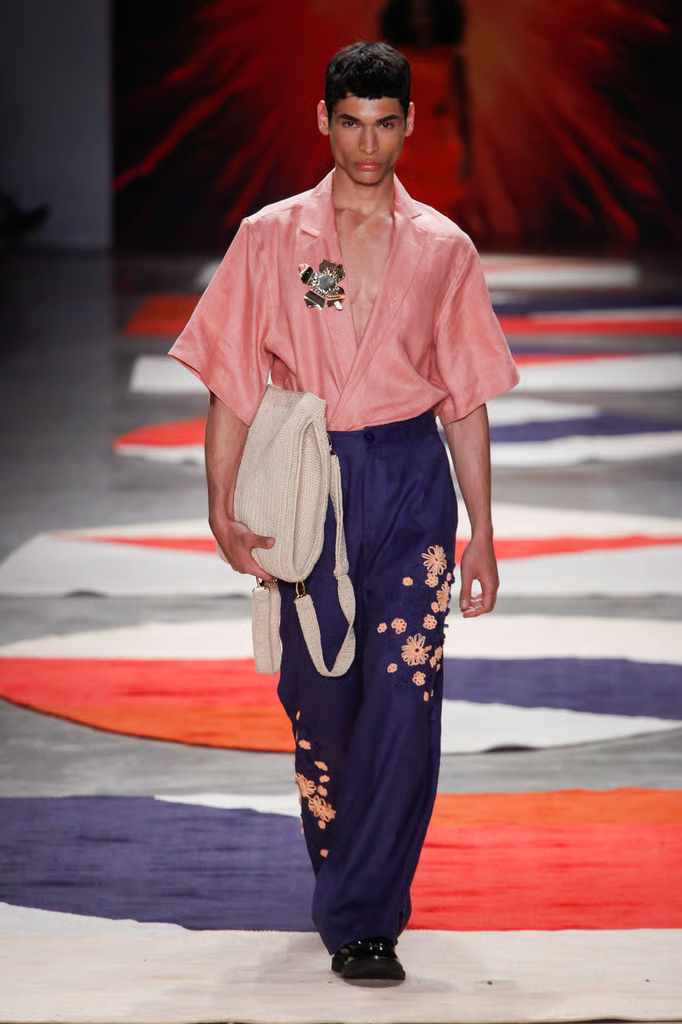
The official biography places crochet and collective making at the centre of the brand’s identity. The CAPRICHO interview also records Santana discussing the women who contribute to the work. These sources link creative direction to making that extends beyond the two people credited as creative directors. However, they do not provide a current roster of contributors or an allocation of tasks between them.
A historical statement about contributors should not become a 2026 staffing figure. Nor does the description of handmade production establish wages, working hours, output volumes or employment arrangements. Those details require separate documentation. The sources do establish that collective craft is a stated and prominent part of the practice and that creative authorship should not erase that documented contribution by treating the brand as if one or two named designers alone created it.
The biography describes a collective practice. The runway record names presentation roles. These are two different kinds of information about the brand, and they work alongside each other rather than compete. Neither should become an undocumented staffing chart, but together they give a more complete picture of how creative and making responsibilities are distributed than either source does on its own.
Separating the Atelier from the Home
The 2023 CAPRICHO interview records Santana’s intention to separate the atelier from the home and create a dedicated space for receiving people, holding meetings and eventually accommodating training. That is an organisational decision, not simply a retail announcement. It concerns where professional interaction can happen and how the business might develop activities beyond making garments.
Harper’s Bazaar later reported the physical opening in January 2024 in Salvador’s Barra neighbourhood. The chronology is a documented progression from a stated intention to an actual premise. It does not confirm that every proposed activity was implemented once the space opened; in particular, opening a location does not substitute for evidence that planned courses or training programmes subsequently took place. Those developments would require their own documentation.
The distinction matters for the way the article handles the sources. The article can describe a separate location as a reported development, while attributing its intended uses to Santana’s earlier interview. That lets the article connect plans and reported developments without pretending to have observed how the space is actually used for production, meetings, or training in 2026.
What the Working Relationships Reveal
The sequence that emerges from the sources concerns the collection proposal more than any invented working week. A practitioner names a meaningful place, identifies a sourcing decision and describes an intended garment use. Alongside that sequence, the runway credits show shared creative direction and specialised presentation work by several named contributors. The premises history provides a separate documented example of organisational planning that follows through to a physical outcome.
These relationships are more informative than a fictional day-by-day account of life in the studio. They explain specific decisions without assigning activities to particular weekdays, claiming fixed output figures or describing routines that were never observed. The evidence is uneven across sources, but sufficient to distinguish creative reference, material sourcing, collaborative responsibilities, and the development of a physical base. That is a more honest and more useful account of the practice than one that fills its gaps with assumptions.
The cultural perspective embedded in the brand’s work should remain equally specific. The biography calls the brand proudly Bahian and describes intergenerational knowledge; Santana supplies his own memories of a Salvador market. Those accounts matter without requiring the article to infer an undocumented personal identity or to present one practitioner as representative of all fashion work in the city. Specificity is more respectful to the people involved and more accurate for the reader.
Omiren Argument
Atelie Mao de Mae matters to Omiren’s coverage of Afro-Brazilian creative culture and fashion for reasons beyond the brand’s aesthetic. The account of how a collection reference becomes a sourcing decision and how a plan for a separate workspace becomes a documented opening gives Omiren’s readers a specific model of how creative practice develops in a city central to African-diasporic culture in Brazil but not always covered in detail by international fashion media.
The question of collective credit is also relevant to how Omiren approaches attribution across its coverage of Caribbean and diaspora designers. When a brand names three co-creators and describes its work as collective, collapsing that into a single-founder narrative misattributes the work. The sources for Atelie Mao de Mae clearly describe the practice as shared, and retaining that clarity is part of covering the brand accurately rather than conveniently.
For Omiren’s readers interested in how Brazilian fashion practice relates to the broader question of how credit works in global fashion, this case demonstrates that the working relationships behind a collection, between co-creators, named presentation contributors and the makers whose craft is central to the brand’s identity, are all part of the story. Following those relationships carefully produces a more complete and more honest account than a profile built around one name and one interview alone.
Also Read:
- Renato Carneiro and Katuka Africanidades: When Fashion Becomes an Act of Civilisational Memory
- Lab Fantasma and the Afro-Brazilian Streetwear Movement That Fashion Forgot to Cover
- Global South Fashion: Why Credit Matters
FAQs
Does This Describe a Typical Working Week?
No. The consulted sources document particular creative processes, responsibilities and organisational developments. They do not establish a recurring schedule or an observed week inside the studio. The article follows working relationships rather than assigning tasks to weekdays. Current hours, staffing and production arrangements require separate confirmation from the brand directly.
Is Santana the Only Founder or Designer?
No. The official biography names Vinicius Santana, Patrick Fortuna and Luciene Brito as co-creators. The SPFW record credits Santana and Fortuna jointly with creative direction for the presentation examined here. Those attributions should remain distinct. They do not establish that one person designed, sourced, constructed, styled and photographed every element of a collection.
Has the Physical Space in Salvador Opened?
Yes, according to a January 2024 Harper’s Bazaar Brasil report documenting the opening of the first physical space in Salvador’s Barra neighbourhood. That is a historical report; visitors should confirm current details with the brand directly. The article does not confirm which of the activities planned in the 2023 interview have since been implemented in that space.