Before a commissioned gown becomes a finished garment, somebody has to sit down and explain what she wants it to do. At House of Clay, the Jamaican bridal atelier founded by creative director Keisha Allen, that conversation isn’t a preamble to the real work. It is the beginning of the real work. The studio’s published process opens with a virtual consultation before moving into design. That sequence matters because it makes listening a visible, structured part of what a client is paying for, not a courtesy that happens before the serious decisions begin.
“Designing your dress isn’t just about fabric and fit; it’s about understanding you, your vision, and what makes you feel extraordinary.” ― Keisha Allen, House of Clay.
That statement, from the House of Clay, sets the terms before a client books anything. It tells a prospective bride what the studio considers its actual task: not only fitting a body but also understanding the person inside it. This article examines how that stated intention maps onto the published consultation process, drawing on the homepage, the brand page and Allen’s September 1, 2026 Jamaica Observer interview. What the evidence supports is a process reading, not a guarantee about any individual appointment.
Explore House of Clay’s published bridal consultation process through verified quotations from Keisha Allen, studio design and individual fit.
The First Conversation Opens the Relationship

The homepage makes the entry point explicit. The first stage is labelled “Virtual Consultation” and marked “START HERE!” Clients are invited to book a 15-minute chat before anything else happens. A studio design stage follows, then production and fit. That sequence is worth reading carefully, because it places contact before design and design before construction. Nothing in the published outline suggests that the opening conversation produces a completed design brief. It opens the relationship.
A 15-minute format might seem brief for something the studio describes as foundational, but that is precisely why it matters. The virtual consultation is not trying to do everything. It establishes whether this is the right relationship for this client, introduces the designer to the person making the request, and gives both parties a shared starting point before the studio visit. Detailed design belongs to the next stage, when the atelier and the client sit together and begin developing the actual garment.
Listening as Professional Design Work
Allen’s Jamaica Observer interview is more specific about what the consultation requires from her side of it. “Designing simply takes deep compassion,” she says, “listening intently to what the bride desires, understanding her fears, and being mindful of her insecurities.” That statement connects the design process to information that measurements and style preferences cannot capture on their own. A bride’s desires and concerns coexist, and Allen identifies both as relevant to what she eventually builds.
This is the designer’s own account of the attention she considers necessary before developing a gown, not an independent assessment of every exchange she has had. It establishes the professional framework she brings to those exchanges. For a prospective client reading about the studio before making contact, it tells her something important: that what she brings to the consultation is more than measurements. Her vision and her hesitations are both part of the brief.
From Conversation to Studio Design

The homepage’s second stage is headed “YOUR VISION” and invites the client to design her dress in the studio. Its position in the sequence matters. Design is presented as a separate activity from the initial consultation, not a decision the atelier has already made and presents to the customer for approval. The client’s participation in the design stage is built into the published structure, which reflects a commissioning model rather than a retail one.
The accessible page does not reconstruct the exact order in which the client agrees on silhouette, fabric choice, and decorative preferences during the studio visit. That level of detail would require observing an appointment, which Omiren did not do. The published process establishes this transition: a broad aspiration, gathered during the opening conversation, moves into a design session where it becomes a specific garment proposal. The studio is where interpretation becomes direction.
Allen’s testimony from the Jamaica Observer explains why that transition demands attention. Listening is not a soft warm-up before the technical work. It is the technical work’s starting condition. A designer who enters the studio without understanding the client’s desires and concerns works from an incomplete brief, no matter how skillfully she can handle fabric or construct a bodice. House of Clay’s published sequence builds understanding in before construction begins.
The Body as a Starting Point
One of the clearest statements on the House of Clay brand page is also one of the most direct: “Our duty is to ensure that your dress fits your body beautifully and not the other way around.” That sentence locates responsibility in the garment rather than the client. The customer’s body is not something to manage or adjust to fit a standard pattern. It is the starting point the design must address.
Allen takes the same position in the Jamaica Observer, though she frames it in engineering terms: “Our philosophy is that a woman should never have to force herself to fit into a gown; rather, the gown must be engineered to honour and fit her unique structure and architecture.” The word “engineered” is worth noting. It positions fit as a deliberate, technical outcome rather than a happy accident of standard sizing. It also signals that the brief gathered during consultation directly shapes the construction decisions that follow.
For a bride entering the process, this means her body’s shape is part of the design conversation, not a logistical detail handled at the fitting stage. The consultation gathers that information alongside preferences for silhouette, fabric, and occasion so the studio design stage can work with the full picture.
How the Brand Talks About Size
The brand page also describes Allen’s “Evolve Size Guide”, developed from similarities in the dimensions of women she has dressed. It uses names rather than conventional numbers or letters, with “Stunning” given as one example. Bust, waist and hip measurements still determine the relevant category; the vocabulary changes, not the need for dimensions. That naming decision is deliberate, and it aligns with the studio’s broader approach to describing bodies and dressing.
The guide is noted here as context for how House of Clay presents its service, not as evidence of a specific consultation outcome. When the size guide is introduced during an appointment, and how individual clients respond to it, falls outside what the published material establishes. The finding is a deliberate naming system that reflects the studio’s stated values.
Where Allen’s Consultation Perspective Began
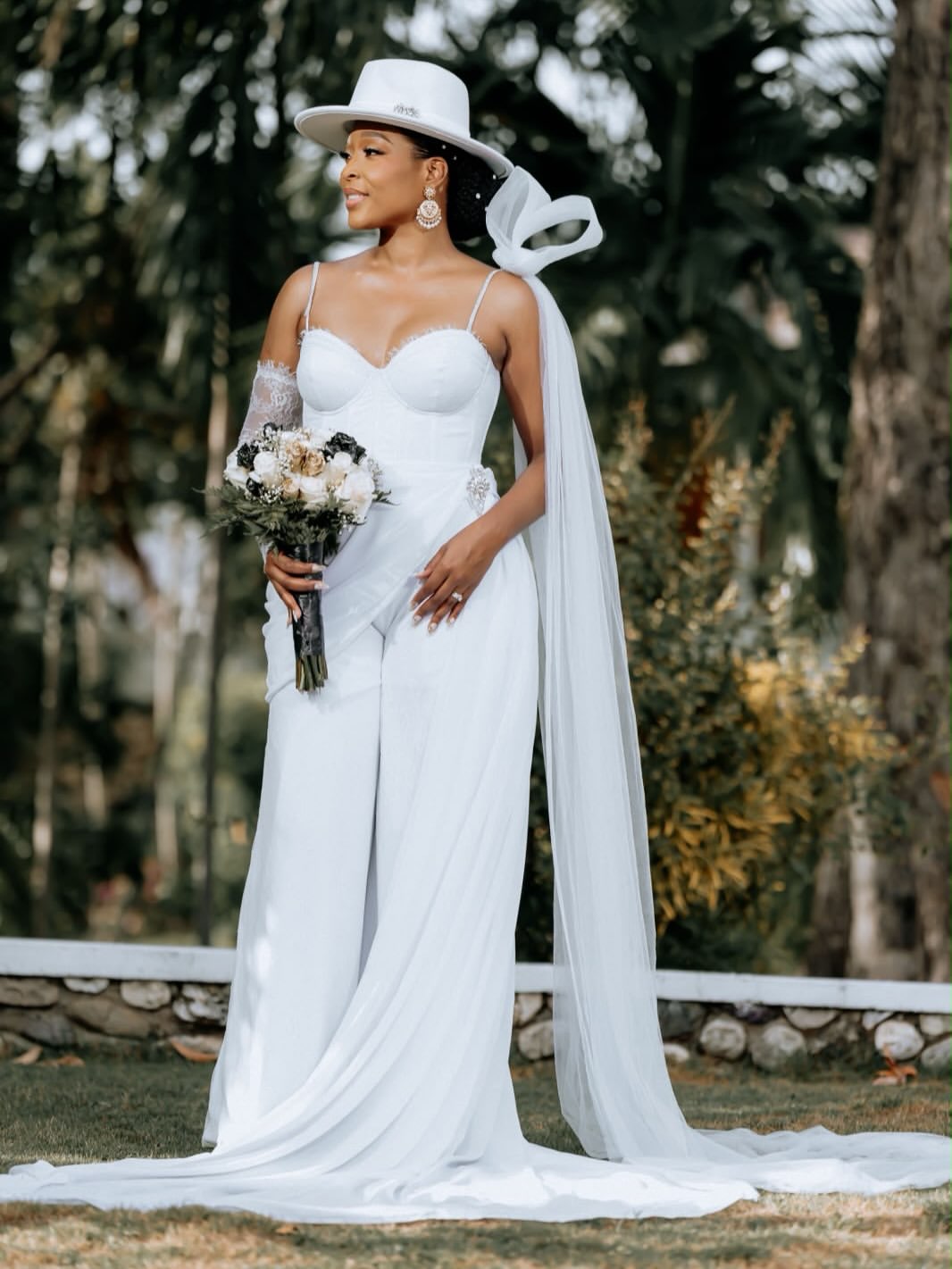
The Jamaica Observer interview gives a career context for how Allen arrived at this approach. She studied garment production and fashion design at Garmex HEART Academy between 2005 and 2007, and her first job after that was at a Jamaican bridal boutique. She describes that experience as pivotal.
“I fell in love with the transformational power of a wedding gown,” she says, “that exact moment when a woman saw herself in the right dress and her entire demeanour changed.” That recollection explains why she chose wedding gowns. It speaks to her own experience and what it led her to, not a promise about the outcome of any future commission. But it does place the emotional dimension of bridal dressing at the centre of why she does this work, which connects back to why the consultation begins with understanding rather than measuring.
That background also gives weight to the studio’s published process. The sequence of virtual consultation, studio design, production and fit is not a generic commissioning template. It reflects how a designer who began her career watching brides respond to finding the right gown has structured a service around that specific experience.
Setting Expectations Before the Relationship Begins
One of House of Clay’s most useful pages is also one of its most straightforward. The homepage states plainly: “If you need a dress immediately, House of Clay may not be the best option.” That sentence does real work. It distinguishes the studio’s commissioned approach from an immediate purchase, and it gives a prospective client the information she needs to decide whether to proceed before the relationship begins.
The same page goes on to say that a customer who prefers a quick purchase without expert guidance may find another route more suitable. These are honest statements about the kind of service House of Clay offers, and they reflect the same logic that structures the consultation itself: understanding what the client actually needs is the first step, even when the answer is that this particular studio is not the right fit for this particular request.
For Omiren’s Caribbean fashion coverage, this detail matters, too. A commissioning atelier that is transparent about its limitations and timelines is describing a particular kind of fashion business, one that is not competing for every customer and is not trying to be. That specificity helps define the bridal consultation model as distinct from retail bridal.
What This Case Makes Visible
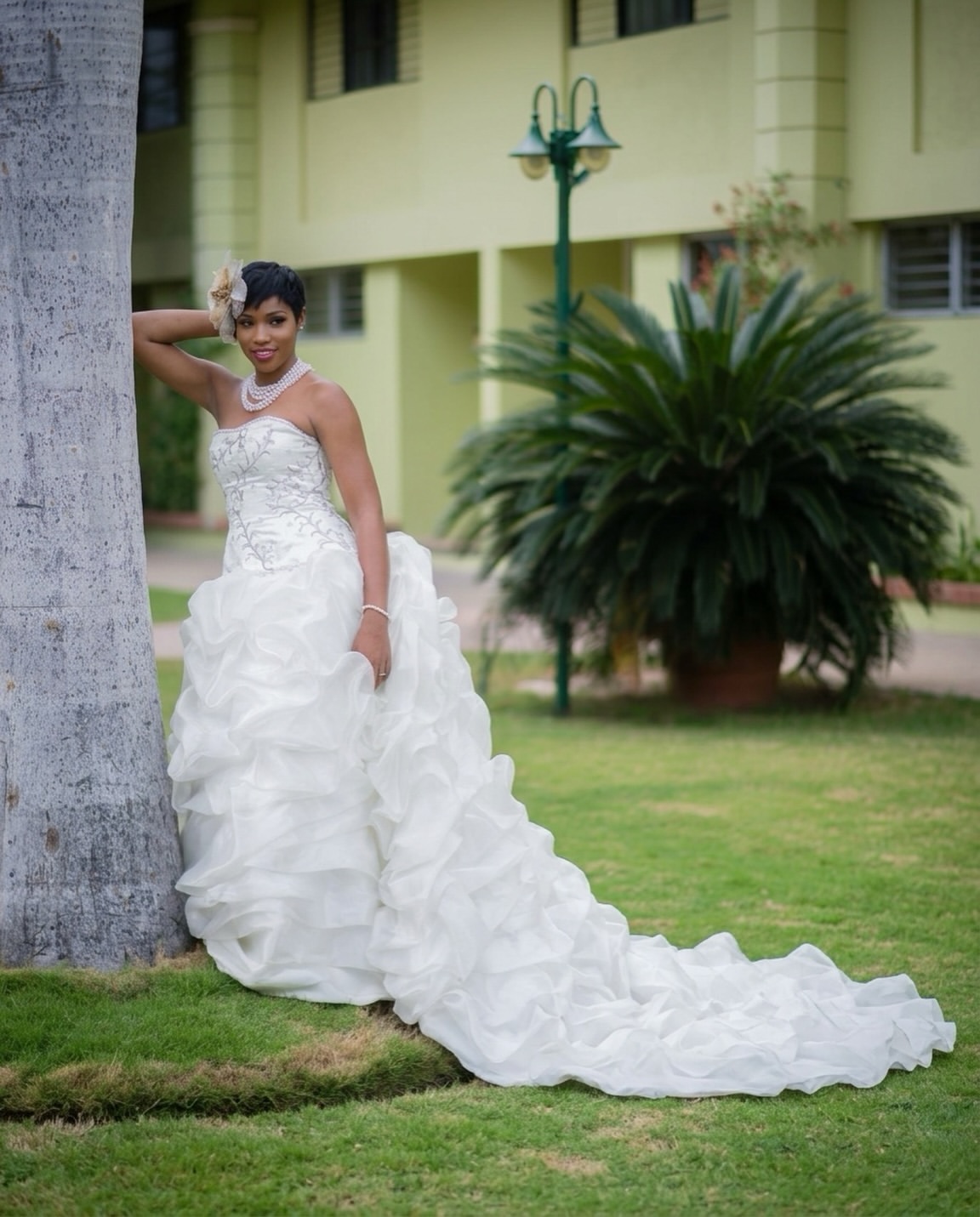
House of Clay’s published account places understanding the client alongside understanding the garment. The virtual opening, the studio design stage and the stated approach to individual bodies form a coherent service proposition. Allen’s own testimony supplies its human emphasis: listening is part of how she explains designing, not a courtesy arranged around the technical work.
That is the useful finding from the published material, rather than a claim that Omiren has observed an appointment in progress. A published service model can reveal how an atelier wants its process understood and what it considers the work to involve. Establishing how that model operates in every individual appointment would require participant testimony, with permission. The published evidence supports a process reading: this is how House of Clay has structured its bridal consultation, this is the designer’s explanation of why, and this is what a prospective client encounters when she first visits the studio’s website.
Omiren Argument
What House of Clay makes visible is something the wider bridal industry often overlooks: the consultation is a skilled activity, not a sales conversation. Allen’s published account treats listening as a professional discipline, and the studio’s process sequence gives that discipline a structural home before construction begins. That distinction matters for how we evaluate bridal services. A gown’s quality depends partly on the brief’s quality, which depends on the quality of the conversation that produced it.
For Omiren’s coverage of Jamaican fashion, House of Clay shows how a Caribbean bridal atelier can build a coherent service identity around what happens before a needle touches fabric. The studio’s address is 16 Chelsea Avenue, Kingston. Its process is published. Its creative director has explained her approach in her own words. The next step for a prospective client is a 15-minute virtual conversation that opens the relationship.
For Omiren’s readers interested in the broader landscape of Caribbean bridal and occasionwear, this case study shows that a bridal consultation model is a design decision in itself. House of Clay has made specific choices about how its service begins, and those choices reflect the same values the designer brings to the garments it produces.
Also Read:
- Jamaican Designers Building a Fashion Identity on Their Own Terms
- A Cooler-Weather Wardrobe for Caribbean-Diaspora Occasion Wear
- Caribbean Diaspora Designers on the Runway
FAQs
Does the Published Process Begin Virtually?
Yes. The House of Clay homepage starts with a 15-minute virtual chat, followed by a studio design stage. Production and fit appear later in the published process outline. The page does not establish that every client follows an identical route or that a final design is agreed during the opening conversation.
Does This Describe All Jamaican Bridal Appointments?
No. This article examines one studio’s published bridal consultation model. House of Clay also advertises occasionwear, but the published material does not establish identical consultation arrangements across all its services. Other Jamaican ateliers operate their own processes. This case provides a specific, documented example, not a national commissioning standard.
Where Can a Prospective Client Contact House of Clay?
The studio’s official website is houseofclayjamaica.com, where you can book a bridal consultation. The studio address listed is 16 Chelsea Avenue, Kingston, Jamaica. Press enquiries and interview requests can be directed through the contact details on the official site.