In April 2017, Grace Wales Bonner and photographer Harley Weir travelled to South Africa to research and shoot a campaign for Wales Bonner’s Autumn/Winter 2017 collection, titled Spirituals II. The trip produced the campaign photographs. It also produced something else: a film. The film was called Practice. It centred on Leroy Mokgatle, a 17-year-old ballet dancer from Pretoria. It followed him across Johannesburg and Cape Town, dressed in Wales Bonner’s AW17 collection, moving through environments that became his unconventional stage.
Practice is eleven minutes long. It was shot on Kodak 16mm film stock, with supporting imagery made on a Kodak Ektra smartphone. The score was produced by Devonté Hynes – Dev Hynes, also known as Blood Orange – from field recordings Hynes gathered alongside the visual material. The film premiered at London’s Institute of Contemporary Arts in June 2017, before touring internationally. Directed by Harley Weir and Grace Wales Bonner, with styling by Tom Guinness, it was Wales Bonner’s third film collaboration with Weir.
In 2017, Grace Wales Bonner and Harley Weir made Practice, an 11-minute film built around South African ballet dancer Leroy Mokgatle. Dev Hynes scored it, and it premiered at the ICA London. This article reads what the film does and why the choice of subject was central to the AW17 collection.
What the Film Is About
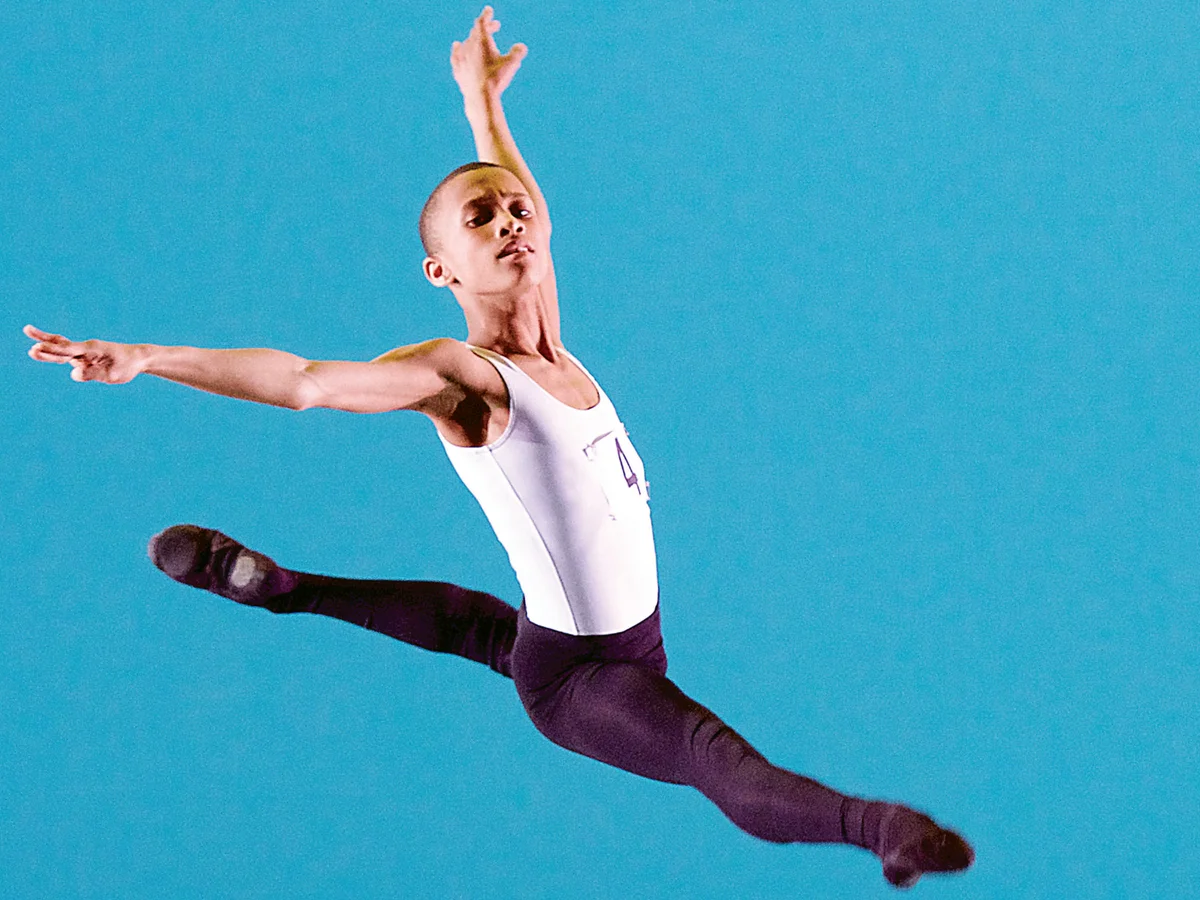
Wales Bonner’s own description of Practice, from the brand’s archive, is precise: the film explores a broad spectrum of dance via its protagonist Leroy Mokgatle. Dazed’s coverage builds on that: the film collages dance scenes from Johannesburg to Cape Town, where fantasy and reality intertwine as the people we meet along the way explore the extremes of discipline.
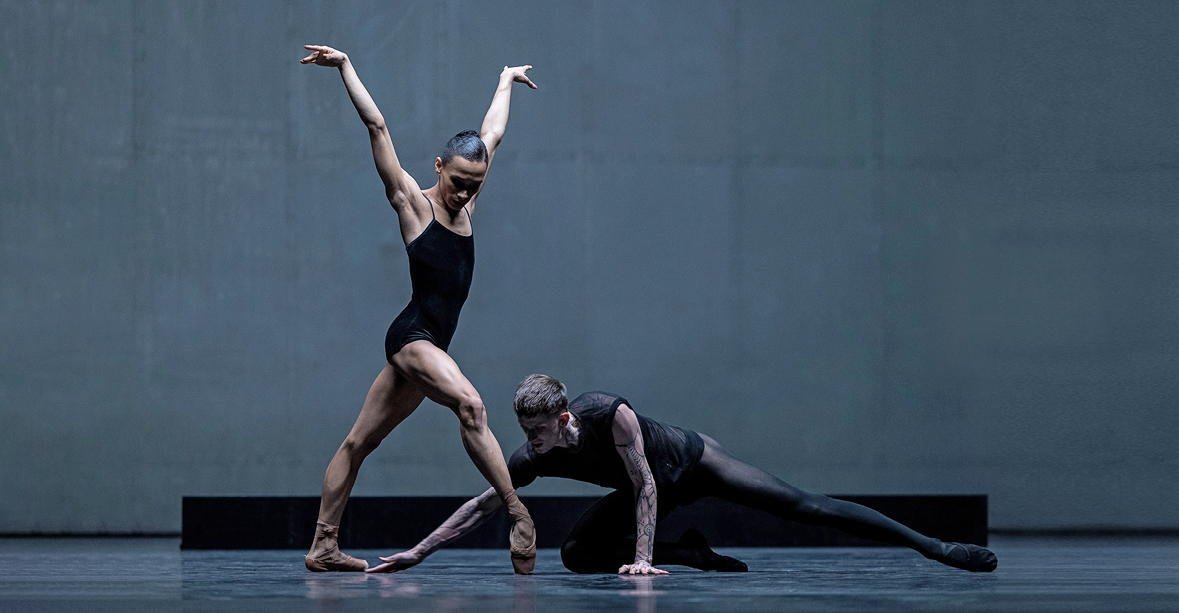
That phrase, the extremes of discipline, is one of the most useful entry points into what Practice is doing. Ballet is one of the most technically demanding and institutionally structured forms of dance. It requires years of training before a body can do what the form demands, and the training itself is a discipline that shapes the body over time. At seventeen, Mokgatle is already a trained ballet dancer from South Africa who won the Prix de Lausanne scholarship in 2016, the year before, from the Dutch National Ballet Academy. He is not an untrained dancer who happens to move well. His body has been shaped by years of very specific practice.
The film takes that body and places it in environments where ballet is not the expected form: up escalators, around shop fronts, in a dimly lit nightclub, and across the suburban and urban landscape of two South African cities. The discipline the body carries is not abandoned in those environments. It is made visible against them. A trained ballet dancer moving through Johannesburg produces an image neither a conventional ballet performance nor a conventional fashion campaign would. The film’s argument is in the juxtaposition.
Why Mokgatle and Why South Africa
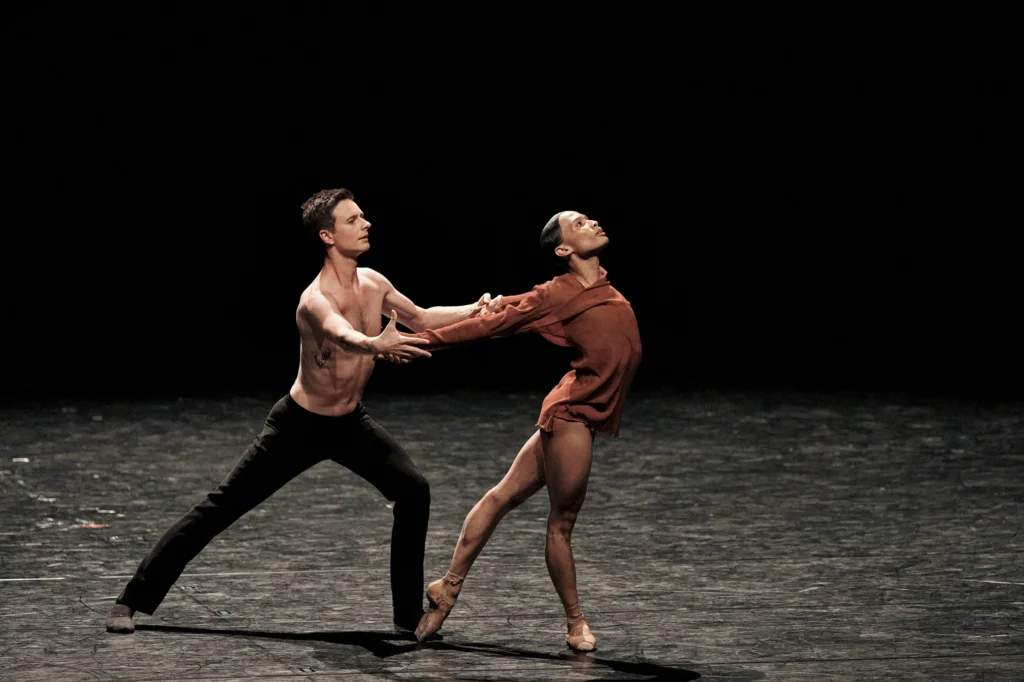
Wales Bonner’s Spirituals II collection was one of her most explicitly research-driven up to that point. The research trip to South Africa was integral to the collection’s development, not a campaign addition after the collection was designed. Wales Bonner and Weir spent time between Johannesburg and Cape Town working with local musicians and dancers, documenting the trip through photographs and videos. They incorporated what they encountered into the collection’s material.
Choosing a South African ballet dancer from Pretoria as the film’s protagonist aligns with how Wales Bonner’s practice works: the research produces the work, and the work documents the research. Mokgatle is not a model hired to wear the collection in a South African setting. He is someone Wales Bonner and Weir encountered, or whose work they already knew through the ballet circuit, and whose practice is part of the intellectual and cultural territory the collection explored.
The practice’s combination of elements – a Black South African ballet dancer trained in a European tradition, wearing a British menswear designer’s collection, filmed across cities that carry their own specific histories of racial geography, scored by a Black British-American musician working from field recordings – is not a coincidence of casting and location. Each element connects to the others, and this kind of layered intentionality characterises Wales Bonner’s practice.
The Score and What It Contributes
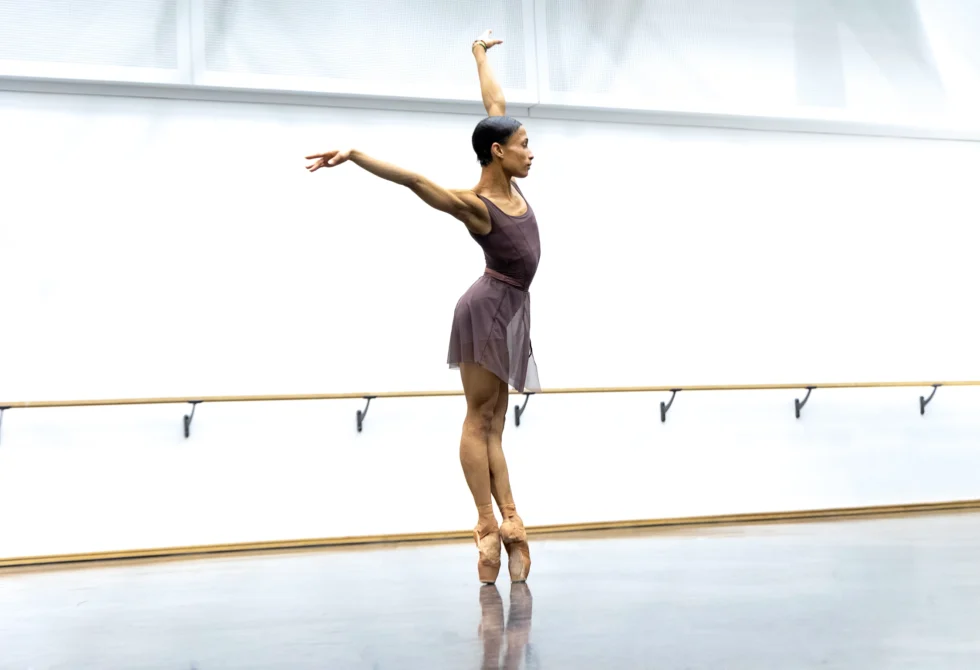
Dev Hynes produced the score for Practice from field recordings gathered during the South Africa trip. The SSENSE editorial documents Hynes describing his approach to the collaboration: he thinks about atmosphere first, develops a tone or mood, and uses the recorded audio as a template from which to build. His description of the relationship between dance and music in his own practice is relevant to the film: ‘When I dance, it’s really for my mind, on an instant level. It eases and relaxes me and invigorates me. Music does the same, but it’s a slow burn.’
That observation – dance as immediate and physical, music as slow and cumulative – describes the relationship between image and sound in Practice itself. The film’s images operate in the immediate register: Mokgatle’s body in movement, in space, in light. The score operates in the slow register: textures, field recordings, soft arrangements, and beat structures that move between abstract and rhythmic. The two run together without either subordinating the other. Hynes described the film’s score as ranging from ‘abstract blips of noise to soft delicate arrangements that spotlight Hynes’ voice to upbeat and club-ready pounding beats’.
‘Film feels like a rich medium through which to expand my world, opening up new possibilities for collaboration, research and communication. I have been so motivated and inspired by the team and the dancers I met along the way. The film is a testament to them.’ – Grace Wales Bonner, FashionNetwork UK, 2017
That statement is the clearest account of what practice is for within Wales Bonner’s practice. It is not primarily a marketing asset for the AW17 collection, though it functions as one. It documents a research process, the collaborators involved, and the dancers encountered along the way. The film is a testament to them. That formulation makes the dancers, Mokgatle specifically and the others encountered across the research trip, the film’s reason for being rather than its content.
What Fashion Film Does That Photographs Cannot
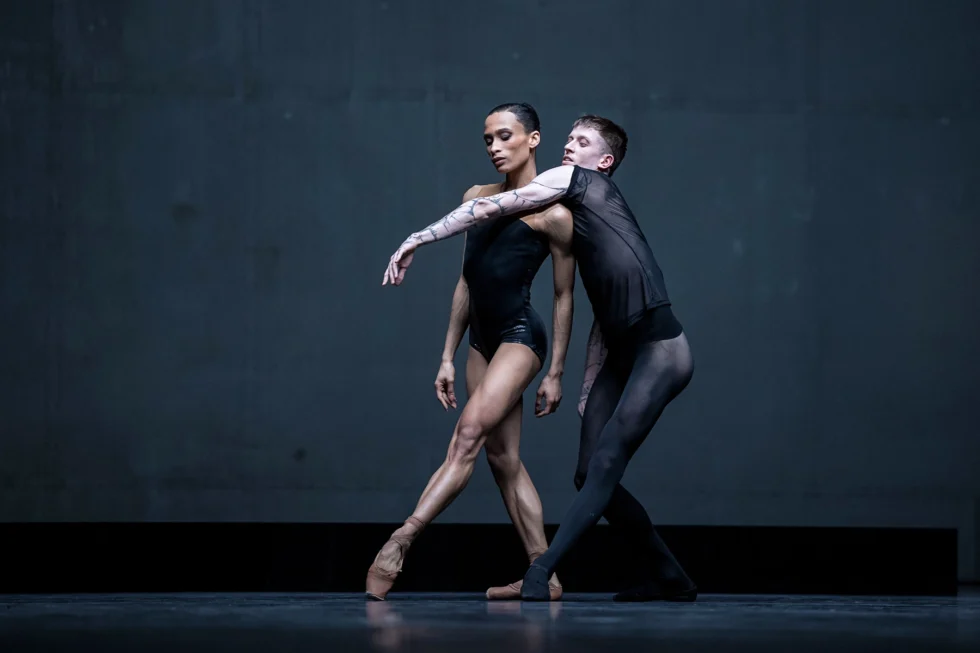
The fourth article in the Kenneth Ize series built in this session examined the limitation of the front-facing photograph. A photograph captures one angle, one moment, one frame. What a dancer does in time – the sequence of movements, the dynamic relationship between trained body and environment, the way discipline becomes visible in motion rather than in stillness – cannot be captured in a photograph. Practice is eleven minutes because the film’s argument requires that duration. A campaign photograph of Mokgatle wearing Wales Bonner’s AW17 collection would show the garment on a trained ballet dancer’s body. The film shows the trained body in the garment in time and space.
This is the specific thing that Wales Bonner’s film practice adds to the brand’s visual record. Harley Weir’s photographs from the South Africa trip documented the collection as worn. The film documents the dancer whose training gives the garments their movement. Both are part of the Spirituals II record. They are not the same kind of record.
For a brand whose practice is characterised by research into Black culture, music, dance and diaspora experience, film offers something that fashion photography’s conventions make difficult to access: duration, movement, the accumulation of scenes across different environments, the relationship between a body trained in one tradition and spaces that carry other traditions. Practice’s collage structure – scenes from Johannesburg, scenes from Cape Town, Mokgatle moving through suburban and urban space, footage of other dancers and musicians encountered on the trip – is a form that the brand’s practice logically requires.
Leroy Mokgatle Now
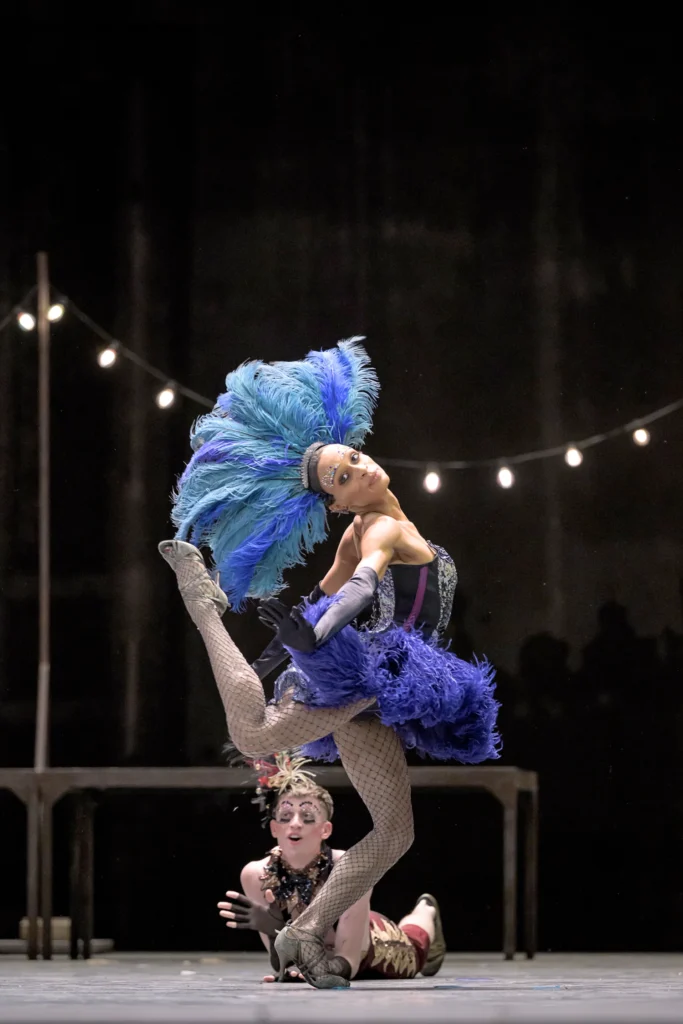
Leroy Mokgatle won the Prix de Lausanne scholarship in 2016, the year before the Practice film was made, from the Dutch National Ballet Academy. She went on to train and dance with Béjart Ballet Lausanne and Ballett Zürich before joining the Berlin State Ballet, where she is currently a demi-soloist. Deutsche Welle profiled her in August 2026, noting her career trajectory from South Africa through the Prix de Lausanne to the Berlin State Ballet and describing her as a trailblazer.
That trajectory, from Pretoria, through a Prix de Lausanne scholarship, through major European ballet companies, to a solo position at one of Europe’s principal ballet institutions, was already taking shape when Wales Bonner and Weir chose her as the protagonist of Practice in 2017. The film did not create Mokgatle’s career. But it placed her at the centre of a specific cultural and creative moment in Wales Bonner’s practice, producing a document of who she was at seventeen that exists alongside the continuing record of who she has become.
The question of what a document preserves is one the session’s editorial work has returned to repeatedly. Practice preserves a specific collaboration: a South African ballet dancer at seventeen, in two South African cities, in a British designer’s AW17 collection, scored by a musician who produced the sound from what the cities sounded like. That collaboration cannot be repeated. The film is its record.
The argument about credit – about who is named, whose contribution is acknowledged, whose image and body carry the creative argument – applies here as elsewhere. Wales Bonner’s statement that the film is a testament to the dancers acknowledges that the film’s creative argument rests on Mokgatle’s trained body and presence. The garments are Wales Bonner’s. The movement belongs to the dancer. The document is the collaboration.
ALSO READ
- The Back of the Look: What a Front-Facing Runway Photograph Leaves Out
- What a Museum Record Can – and Cannot – Tell Us About Dress
- The Global South Made Fashion. It Just Never Got Credit.
Frequently Asked Questions
Who is Leroy Mokgatle?
Leroy Mokgatle is a South African ballet dancer born in 1999 in Pretoria. She won the Prix de Lausanne scholarship in 2016 from the Dutch National Ballet Academy. She subsequently danced with Béjart Ballet Lausanne and Ballett Zürich and is currently a demi-soloist at the Berlin State Ballet in Germany. Deutsche Welle profiled her in August 2026. She was the protagonist of Wales Bonner’s 2017 film Practice, filmed when she was seventeen.
What is Wales Bonner’s film Practice?
Practice is an eleven-minute experimental fashion film directed by Grace Wales Bonner and Harley Weir, scored by Devonté Hynes (Dev Hynes / Blood Orange), and built around South African ballet dancer Leroy Mokgatle. Shot on Kodak 16mm film stock, the film collages dance scenes across Johannesburg and Cape Town. Produced as an extension of Wales Bonner’s AW17 collection Spirituals II, it premiered at the ICA London in June 2017 before touring internationally.
What collection was Practice made for?
Practice was made as an extension of Wales Bonner’s Autumn/Winter 2017 collection, titled Spirituals II. Grace Wales Bonner and Harley Weir travelled to South Africa in April 2017 to research and shoot the campaign for the collection and began work on Practice during the same trip. The film and the campaign photographs were both produced from the South Africa research period.
Who directed and scored Practice?
Grace Wales Bonner and Harley Weir directed Practice. It was their third film collaboration. Devonté Hynes produced the score under his Blood Orange alias, using field recordings gathered during the South Africa trip. Tom Guinness styled the film, shot on Kodak 16mm stock, with supporting imagery shot on a Kodak Ektra smartphone.
Where did Practice premiere?
Practice premiered at the Institute of Contemporary Arts (ICA) in London in June 2017, before touring internationally. The South Africa research trip that produced the film took place in April 2017.
What is the Prix de Lausanne?
The Prix de Lausanne is an international dance competition for young ballet dancers held annually in Lausanne, Switzerland. Prize winners receive scholarships to study at partner schools and companies. Leroy Mokgatle won the Prix de Lausanne in 2016 from the Dutch National Ballet Academy, the year before she appeared as the protagonist of Wales Bonner’s Practice film.