
1. Purpose and Scope
This methodology document governs all Omiren Index entries within the Production and Manufacturing category. It defines what the Index records, what it does not record, the evidence standards required for inclusion, the verification process applied to specific field types and the review and correction obligations that apply to entries in this category.
The Production and Manufacturing category of the Omiren Index covers the following entry types:
Production facilities: ateliers, workshops, factories, industrial parks, manufacturing zones, and shared production infrastructure, at any scale, from single-artisan workshops to large manufacturing sites.
Supply chain actors: fabric mills, fabric converters, wholesalers, jobbers, sourcing agents, logistics operators, customs brokers, and other intermediaries whose roles in the fashion supply chain between raw materials and finished products are commercially significant.
Production practices: specific manufacturing techniques, production methods, craft practices and production systems whose documentation is editorially significant within the fashion territories Omiren covers.
Manufacturing systems: integrated production models, industrial park frameworks, export processing zones, circular production systems and manufacturing infrastructure investment programmes that shape the conditions of fashion production in the territories Omiren covers.
This methodology document should be read alongside the Omiren Style Index editorial philosophy, which establishes the six Index categories and the five entry requirements that govern all Index records. The production and manufacturing methodology applies those requirements to the specific evidence and verification conditions of production entries.
This is the Omiren Index production and manufacturing methodology: what the Index records when it covers a production facility, a supply chain actor or a manufacturing system, and the editorial standard against which those records are verified and updated.
2. Why Production and Manufacturing Requires Specific Methodology

Fashion documentation systems have historically been built around the designer as the primary unit of coverage. The Omiren Index is built on the premise that the fashion system is more than its most visible participants, and that the production and manufacturing infrastructure through which design is realised is as documentable and as significant as the design itself.
As Omiren Styles has established in its analysis of what the documentation gap in fashion supply chains fails to record, the fashion supply chain produces documentation at every commercial stage but consistently fails to document the knowledge, the skill, the cultural practice, and the specific human labour that make the product what it is. The Omiren Index Production and Manufacturing methodology is designed to fill that gap at the editorial level by creating the reference records that commercial supply chain documentation omits.
Production and manufacturing entries require specific methodology for three reasons. First, the evidence required to verify a production entry differs from that required to verify a designer brand, which includes facility-level data, certification documentation, workforce records, and supply chain mapping that is often not publicly available and requires primary research to obtain. Second, production entries are more likely than designer or brand entries to change in ways that affect the record’s accuracy: a factory’s certification status, capacity, ownership and production model can change substantially within a single season. Third, production entries are the category where the Index’s accountability argument is most directly tested: an Index that claims to document the fashion system but covers only the designers and brands at its visible end has not documented the system.
3. Entry Standards for Production Facilities
A production facility entry in the Omiren Index must meet the following standards before publication and on each subsequent review.
3.1 Identification
Facility name: The legal or trading name of the production facility, confirmed from a primary source.
Facility type: Atelier, workshop, factory, industrial park unit, home production operation or other. The classification must reflect the facility’s actual scale and operational model, not the marketing language it uses.
Location: Country, city and specific district or address where verifiable from public records. For facilities where the specific address creates security or privacy concerns for individual artisans, city and district is sufficient.
Operating status: Active, inactive, closed, under development or unknown. With date of last confirmed active status.
Ownership and governance: Individual owner, cooperative, company, government-owned or other. The ownership structure must be documented from a verified source, not inferred from brand communications.
3.2 Production Scope
Product categories: The specific garment, accessory or textile categories the facility produces, confirmed from a primary source or documented production history.
Production scale: The facility’s approximate production capacity in units per month or per season, where verifiable. Self-reported figures should be identified as such; independently verified figures should cite the verification source.
Minimum order quantities: The facility’s standard minimum order requirements, as confirmed by the facility’s own communications or documented buyer relationships. Minimum order quantities that are only available to established buyers should be noted as such.
Production methods: The specific techniques used in production, including any traditional, handmade, mechanised or hybrid methods. For facilities whose production method is part of their editorial significance, the technique should be described with sufficient specificity to be meaningful to a technical reader.
Workforce: The approximate number of people employed in production, with their employment status where known (direct employee, subcontractor, piece-rate worker, apprentice). Where workforce data is not independently verifiable, this should be noted.
3.3 Compliance and Certification
Compliance and certification data is among the most time-sensitive information in a production facility record. The following fields apply.
Social compliance certification: Whether the facility holds SA8000, WRAP, SEDEX, Fair Trade, Better Work or equivalent social compliance certification. For each certification: the certifying body, the certification standard and edition (e.g. SA8000:2026), the scope of the certification (which activities and workers are covered), the validity period and the date of the most recent audit. Certification must be independently verified through the relevant certification body’s public database and cannot be accepted based on facility self-reporting alone.
Environmental certification: Whether the facility holds GOTS, OEKO-TEX, ISO 14001, GRS or equivalent environmental or material certification. For each certification: scope, certifying body, validity and last audit date. Same verification requirement as social compliance.
Audit history: The most recent third-party audit findings, where publicly available. Including any non-conformities identified and their resolution status.
Certification gaps: Where a facility’s certification does not cover subcontracted activities, specific production lines, or specific workforce categories, this must be noted explicitly rather than implying full-facility coverage.
As Omiren Styles has established in its practical framework for what makes a fashion manufacturer verified, verification means different things in different contexts, and the specific scope, certifying body, validity date, and audit history of any certification are the evidence fields that determine whether a certification claim carries evidentiary weight. The Index records these fields specifically, rather than only recording that a facility is certified.
3.4 Supply Chain Position
Upstream suppliers: The facility’s primary material suppliers, where documented. Including fabric mills, converter relationships and sourcing agents used. Where the upstream supply chain includes intermediaries whose margin structure affects the facility’s material cost position, this should be noted.
Downstream buyers: Confirmed brand relationships, wholesale buyers or retail relationships, where publicly documented or independently verifiable. Brand relationships that are only available through brand marketing materials should be reported.
Subcontracting: Whether the facility subcontracts any production activities, if so, which activities, and whether the subcontracted facilities are covered by the facility’s compliance certifications.
3.5 Editorial Significance
Significance statement: A documented editorial argument for why this facility is included in the Index. The significance may relate to scale, innovation, cultural practice, historical role in the fashion economy, social model, environmental practice, institutional significance or documented impact on the designers or communities it serves.
Related Index entries: Links to other Index entries that this facility is commercially, institutionally or geographically connected to: the designers it produces for, the supply chain actors it sources from, the institutions that certify or support it, the place whose fashion ecosystem it is part of.
4. Entry Standards for Supply Chain Actors
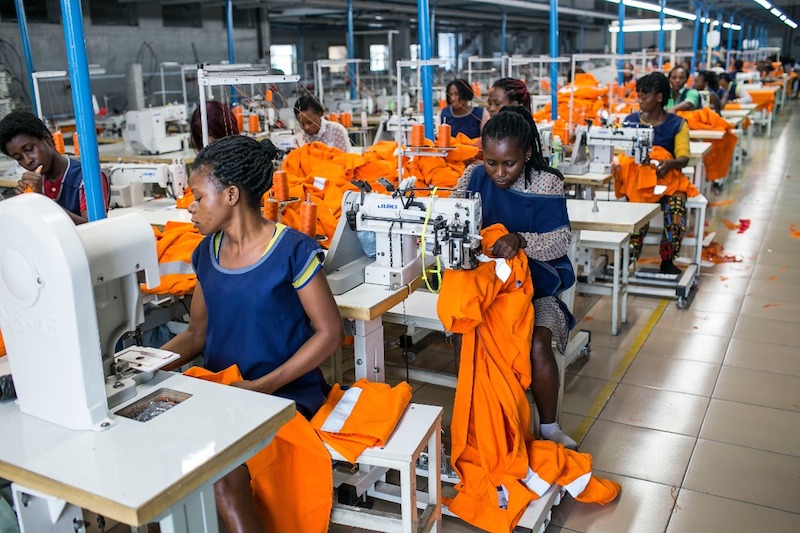
Supply chain actor entries cover intermediaries, logistics operators, and supporting actors whose roles in the fashion supply chain are commercially significant but who are not production facilities in the primary manufacturing sense.
As Omiren Styles has documented in its analysis of the fabric middleman and the fashion system, the converter, the wholesaler, and the jobber are among the most commercially significant and least documented actors in the fashion supply chain. Index entries for these actors must meet the following standards.
4.1 Actor Identification
Actor name: Legal or trading name, confirmed from a primary source.
Actor type: Mill, converter, wholesaler, jobber, sourcing agent, logistics operator, customs broker or other. The classification must reflect the actor’s actual role in the supply chain, not their marketing self-description.
Geographic scope: The countries or regions in which the actor operates, confirmed from documented trading relationships or operational records.
Market segment: The specific fashion categories the actor serves: woven textiles, knits, trims, technical fabrics, deadstock, performance materials or other.
4.2 Commercial Significance
Volume and scale: The actor’s approximate commercial scale, where documentable: tonnes of fabric distributed, number of designer accounts served, value of annual transactions. Where these figures are not publicly available, the actor’s relative scale within the markets they serve should be documented from industry sources.
Access conditions: The minimum order requirements, registration requirements, payment terms and relationship requirements that determine who can access this actor’s products or services. This is the field that most directly documents the actor’s structural position in the supply chain access hierarchy.
Pricing strurgin structure applied at this point in the supply chain, where documented. This field documents the commercial value added by the actor and the cost that value adds to the designer who accesses the supply chain through this actor.
Information opacity: The degree to which the actor’s pricing, sourcing relationships and availability are transparent to the designers who source through them. This field documents the information asymmetry that is part of the commercial value the intermediary provides.
4.3 Editorial Significance
Significance statement: A documented argument for why this supply chain actor is included in the Index, including its role in the specific fashion markets Omiren covers and its significance to the designers, production facilities or brands whose records the Index contains.
Impact on designer access: A documented assessment of whether this actor’s access conditions support or constrain small designers in the territories Omiren covers in accessing quality materials at competitive prices.
5. Entry Standards for Production Practices
Production practice entries cover specific manufacturing techniques, craft traditions and production methods whose documentation is editorially significant within the fashion territories Omiren covers.
5.1 Practice Identification
Practice name: The name used by the community that developed and maintains the practice, in the language of that community, with translation and transliteration where relevant.
Practice type: Weaving, dyeing, embroidery, construction, finishing, repair or other. With sufficient specificity to distinguish the practice from related techniques.
Geographic and community origin: The specific community, region, country and cultural context in which the practice was developed, documented from primary or scholarly sources. Generic regional attribution is not sufficient.
Current practitioners: The communities, individuals or institutions that currently maintain and practise this technique, where documented. Include the geographic location and approximate scale of current practice.
Transmission: How the practice is transmitted: through apprenticeship, formal training, community practice, institutional programme, or other means. The transmission method is part of the practice’s sustainability record.
5.2 Cultural Significance
Cultural context: The ceremonial, social, identity or economic context in which the practice operates, documented from community sources or specialist scholarship. Generic heritage language is not sufficient.
Documentation record: Existing documentation of the practice, scholarly publications, museum collections, institutional archives, community records, or other sources. The documentation record is part of the verification source for the Index entry.
Commercial context: Whether the practice is currently used in commercial fashion production, and if so, by whom, on what terms and with what attribution and compensation arrangements.
5.3 Index Relationship to Cultural Credit
As Omiren Styles has established in its analysis of why cultural credit still rarely becomes licensing revenue, naming the source of an aesthetic tradition is not the same as compensating the communities that produced it. An Omiren Index production practice entry that names a technique and its community of origin is providing the documentation layer that makes compensation and licensing conversations possible. The Index entry is not itself a licensing arrangement. It is the record that makes the licensing question askable.
Production practice entries must therefore include, where known: whether any brand or designer currently using the practice has a documented consent, licensing or compensation arrangement with the practitioner community; whether any such arrangement has been publicly disclosed; and whether the practitioner community’s own commercial interests in the technique are protected by trademark, geographical indication or other IP mechanism.
6. Entry Standards for Manufacturing Systems
Manufacturing system entries cover integrated production models, industrial park frameworks, export processing zones, circular production systems and manufacturing infrastructure investment programmes.
6.1 System Identification
System name: The official or commonly used name of the manufacturing system, programme, or zone, as confirmed in the operating institution’s own documentation.
Operating institution: The government body, development institution, private operator or hybrid entity responsible for the system.
Geographic scope: The specific location, territory or region in which the system operates.
Establishment date: The date the system was established or launched, confirmed from primary sources.
6.2 System Scope and Design
Production categories: The specific garment, textile or fashion production categories the system covers or supports.
Infrastructure provided: The specific infrastructure the system makes available to participating producers: power, water, logistics, customs facilitation, quality control, training, financing or other. The specificity of the infrastructure record is important: generic claims about infrastructure provision should be distinguished from documented specific infrastructure elements.
Access conditions: The requirements for producer participation in the system: minimum scale, investment thresholds, compliance requirements, including registration process. This field documents who the system is designed to serve.
Incentive structure: Tax incentives, preferential trade access, export facilitation, financing terms or other commercial incentives associated with participation in the system.
6.3 Outcomes and Measurement
As Omiren Styles has established in its analysis of African fashion manufacturing and the gap between market stall and export order, the manufacturing infrastructure investment that produces is investment in the specific components that block scale, and measuring whether that investment has worked requires specific commercial outcome data rather than event metrics. Manufacturing system entries in the Index must include outcome data where available.
Employment outcomes: The number of direct and indirect jobs created or supported by the system, with dates of measurement, source of data and methodology.
Export outcomes: The value and export sources, orders facilitated through the system, with dates, source, and methodology.
Designer or brand outcomes: The commercial outcomes for the brands and designers who participate in the system, including export relationships established, revenue generated, and scale achieved. Where this data is not publicly available, the absence should be noted as a measurement gap.
Sustainability outcomes: Environmental performance data for the system, where available and independently verified.
Measurement gaps: Where the system does not publish or collect data for specific outcome categories, this must be noted in the fordex entry rather than omitted. The measurement gap is editorially significant in itself.
7. Evidence Standards and Source Hierarchy
All Omiren Index Production and Manufacturing entries are governed by the following evidence hierarchy. Sources are listed in descending order of evidential weight.
Primary sources: official facility records, company filings, government registers, certification body databases (SAAS for SA8000, GOTS database, WRAP database, OEKO-TEX database), institutional documentation from development banks, trade bodies and government agencies, direct documentary evidence provided by the facility or actor with permission to publish.
Secondary verified sources: credible independent journalism with named sources and documented verification; scholarly publications with peer-review records; museum or institutional archive documentation; trade publication reporting with documented primary source access.
Self-reported sources: facility or actor access to primary sources and communications about supplier relationships, marketing materials, and website content. Self-reported sources must be identified as such in the entry record and must not be used as the sole source for certification, scale, workforce or commercial outcome claims.
Sources not accepted: anonymous online claims, undated web content, promotional materials that cannot be attributed to a named institutional source, social media posts without corroborating documentation.
Where a field cannot be populated to the primary source standard, the entry may note the self-reported figure alongside its self-reported status, and must include the date of the information and a note that independent verification is pending or unavailable.
8. Verification Requirements for Certification Claims
As Omiren Styles has established in its practical framework for fashion manufacturer verification, certification claims must be verified against the relevant certification body’s public database rather than accepted solely from facility self-reporting. This applies to all Index entries in the Production and Manufacturing category.
For each certification type, the following verification steps are required before an Index entry records a certification as confirmed:
SA8000: verify the certifying body against the SAAS accredited body list; confirm the validity dates and the current edition (SA8000:2026); confirm the scope of coverage; note any non-conformities from the most recent audit where publicly available.
GOTS: verify through the GOTS public database using the facility’s name and certificate number; confirm the scope covers the product categories and activities documented in the entry.
WRAP: verify through the WRAP public database of certified facilities; confirm the tier level (Platinum, Gold or Silver) and validity.
OEKO-TEX: verify through the OEKO-TEX certificate check system; confirm the standard (OEKO-TEX Standard 100, OEKO-TEX LEATHER Standard, OEKO-TEX STeP) and the scope.
Certifications that cannot be independently verified through the relevant certification body’s public database must be recorded as self-reported, with a note that independent verification was not possible at the time of entry publication.
9. The Maker Record Standard
The maker record is the most operationally novel element of the Omiren Index Production and Manufacturing methodology. It reflects the core argument of the Index philosophy: that the people whose skilled labour makes fashion production possible deserve to be named in the documentation of what they produced.
As Omiren Styles has documented in its analysis of the people behind Carnival and the hidden fashion supply chain of mas, the wire benders, seamstresses, and feather workers who produce Carnival costumes are absent from the photographs that Carnival generates. The Omiren Index is designed to correct that absence at the editorial level.
Where an Index entry documents a production facility or a production practice, the entry should include, where obtainable:
Named practitioners: the names and roles of specific individuals whose skilled labour is editorially significant to the entry, with their consent to be named in the record. The entry should not name individuals who have not consented to publication.
Skill description: a specific description of the skill or knowledge the practitioner holds, using the terminology the practitioner community uses rather than generic craft language.
Compensation acknowledgement: where known and consented to publication, whether the practitioner is paid directly by a brand or buyer, through a cooperative, through piece-rate arrangements or through other models. This field does not require disclosure of specific payment amounts unless the practitioner has consented to that disclosure.
Transmission record: whether the practitioner is also a trainer, mentor or teacher within the practice, and how the knowledge they hold is being sustained and transmitted to the next generation of practitioners.
10. Review, Update and Correction Standards

Production and Manufacturing Index entries are among the highest-maintenance entries in the Omiren Index because the conditions they document change frequently: certification status can change at audit, workforce size can change with orders, minimum order quantities can change with production capacity and supply chain relationships can change with commercial conditions.
The following review standards apply to all Production and Manufacturing entries:
Scheduled review: every twelve months from publication date, or earlier if a material change in the entry’s subject is reported or detected. For certification fields, review is required whenever a certification’s validity period expires, or a new audit is due.
Trigger review: when a significant development affecting the entry’s subject is reported in credible independent media; when a named subject contacts Omiren to report a change or request a correction; when a buyer, researcher or reader provides documented evidence of an inaccuracy.
Correction standard: corrections are made transparently, with the date of the correction noted and, where editorially appropriate, a brief description of what was changed and why. The original entry is not deleted. When a substantial correction changes an entry’s editorial significance, the significance statement should be reviewed and updated.
Contested entries: When the subject of an entry disputes its accuracy, the dispute is investigated using the evidence hierarchy in Section 7. If the evidence supports the subject’s claim, the entry is corrected. If the evidence does not support the claim, the entry is maintained and the dispute noted. Where the evidence is insufficient to resolve the dispute, the contested status is noted in the entry.
11. What This Methodology Does Not Cover
This methodology governs Production and Manufacturing Index entries. It does not govern the following, which are covered by separate methodology documents or by the general Index editorial standard:
Designer profiles: covered by the Omiren Index Designers and Brands methodology.
Cultural heritage documentation beyond its production significance: covered by the Omiren Index Heritage and Materials methodology.
Institutional profiles for organisations whose primary role is policy, investment, or advocacy rather than production are covered by the Omiren Index Institutions and Systems methodology.
Fashion week and event coverage: covered by the Omiren Index Fashion Events methodology.
12. Relationship to the Broader Series
This methodology document is grounded in the research and argument developed across the Omiren Styles editorial series. The following series articles provide the analytical foundation for specific methodology requirements:
Supply chain documentation gap: The maker record standard (Section 9) and the measurement gap documentation requirement (Section 6.3) are grounded in the argument that the fashion supply chain fails to record the knowledge, skill and human labour behind the product.
Fabric intermediary structure: The supply chain actor entry standards (Section 4) are grounded in the analysis of the fabric middleman and the access conditions that determine which designers can afford which materials.
Manufacturing-scale infrastructure: The manufacturing system requirements (Section 6.3) are grounded in an analysis of what it takes to scale fashion manufacturing in America and the specific infrastructure gaps that block scaling.
Verification standards: The certification verification requirements (Section 8) are grounded in the practical framework that defines what makes a fashion manufacturer verified, as well as the specific database-based verification steps required for each certification type.
Cultural knowledge documentation: The production practice cultural context requirements (Section 5.2) and the Index relationship to cultural credit (Section 5.3) are grounded in the analysis of cultural credit, licensing and the documentation gap.
Production intelligence: The editorial significance requirement for all entry types (Sections 3.5, 4.3, 5.3) is grounded in the argument that production intelligence is the specific knowledge that converts creative output into commercially deliverable fashion product.
RELATED INDEX DOCUMENTS
- The Omiren Style Index Must Map the Fashion System, Not Only the Designer
- The Documentation Gap: What Fashion Supply Chains Still Fail to Record
- What Makes a Fashion Manufacturer Verified? A Practical Framework for Emerging Brands
- The Fabric Middleman Is Part of the Fashion System
- From Market Stall to Export Order: What It Takes to Scale Fashion Manufacturing in Africa
EXPLORE MORE
Read the full Omiren Index at Omiren Styles for the editorial reference architecture that maps the fashion system, documents its practitioners and supply chains, and builds the record that makes cultural accountability possible. Discover travel and heritage intelligence across Africa, the Caribbean and Latin America at Rex Clarke Adventures.