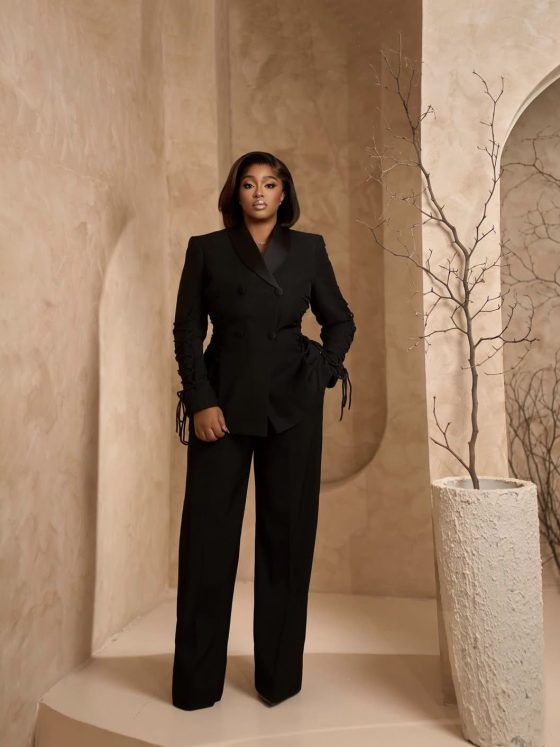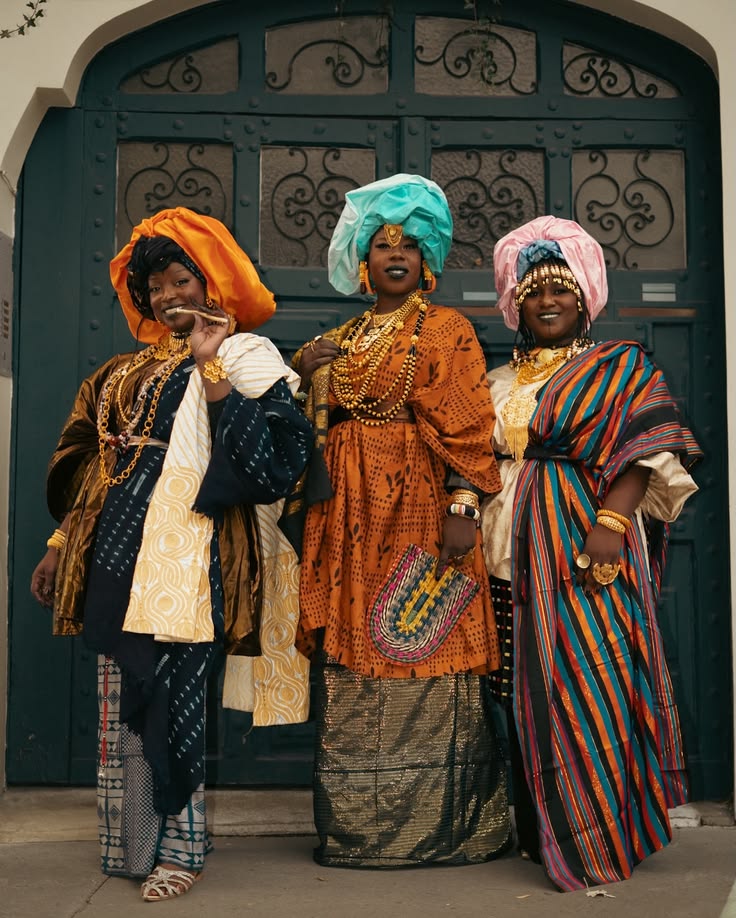
“Smart professional attire required.” The phrase appears in job advertisements, employee handbooks and event invitations across the world. It does not define what it means.
It does not need to. The definition is assumed. A suit, or something that functions like a suit — tailored, structured, sober, derived from the European menswear tradition that spread as the administrative uniform of colonialism, is what professional means in the institutional vocabulary of most workplaces. That assumption has been so thoroughly embedded into hiring processes, performance reviews, client-facing standards and conference culture that it presents itself as neutral. It is not neutral. Specific people, in specific institutions, with specific cultural assumptions made it a choice, and it has been maintained long after those institutions lost their claim to universal authority.
Across African cities and diaspora communities in 2026, that assumption is being challenged at every level: in boardrooms where a Lagos executive arrives in a precisely tailored grand boubou; in Nairobi offices where a senior manager wears a tailored shuka-print blazer; in London law firms where a Nigerian solicitor returns from Diwali celebrations in an agbada and walks into Monday morning court prep without changing; in Johannesburg schools where Heritage Day places traditional dress in formally institutional settings and the institution has to accommodate it.
“Professional” is not a quality that garments possess. Institutions confer it. Institutions whose cultural composition excluded the communities now asking why their dress is not included in the designation chose the garments designated professional. That exclusion was not accidental. Correcting it is not merely aesthetic. It is political.
Omiren Styles has established, in its analysis of the diaspora fashion paradox, that the grey suit is not exotic because colonial dress codes normalised it into invisibility, making European professional dress the condition of educational and economic participation across the colonised world. Kente, Ankara and Adire are exotic in London and Paris boardrooms not because of any quality they possess, but because the institutions that occupy those boardrooms spent two centuries requiring African people to take them off. The exotic designation is the contemporary residue of that requirement, still operating in workplace dress codes, school uniform policies and the commercial structures of an industry that absorbs African aesthetics without compensating their originators.
The workplace dress code that treats the suit as a neutral standard was not built around African bodies or cultures. Across African and diaspora cities, professionals are rebuilding what “professional” means on their own cultural terms.
What Colonial Dress Policy Actually Did
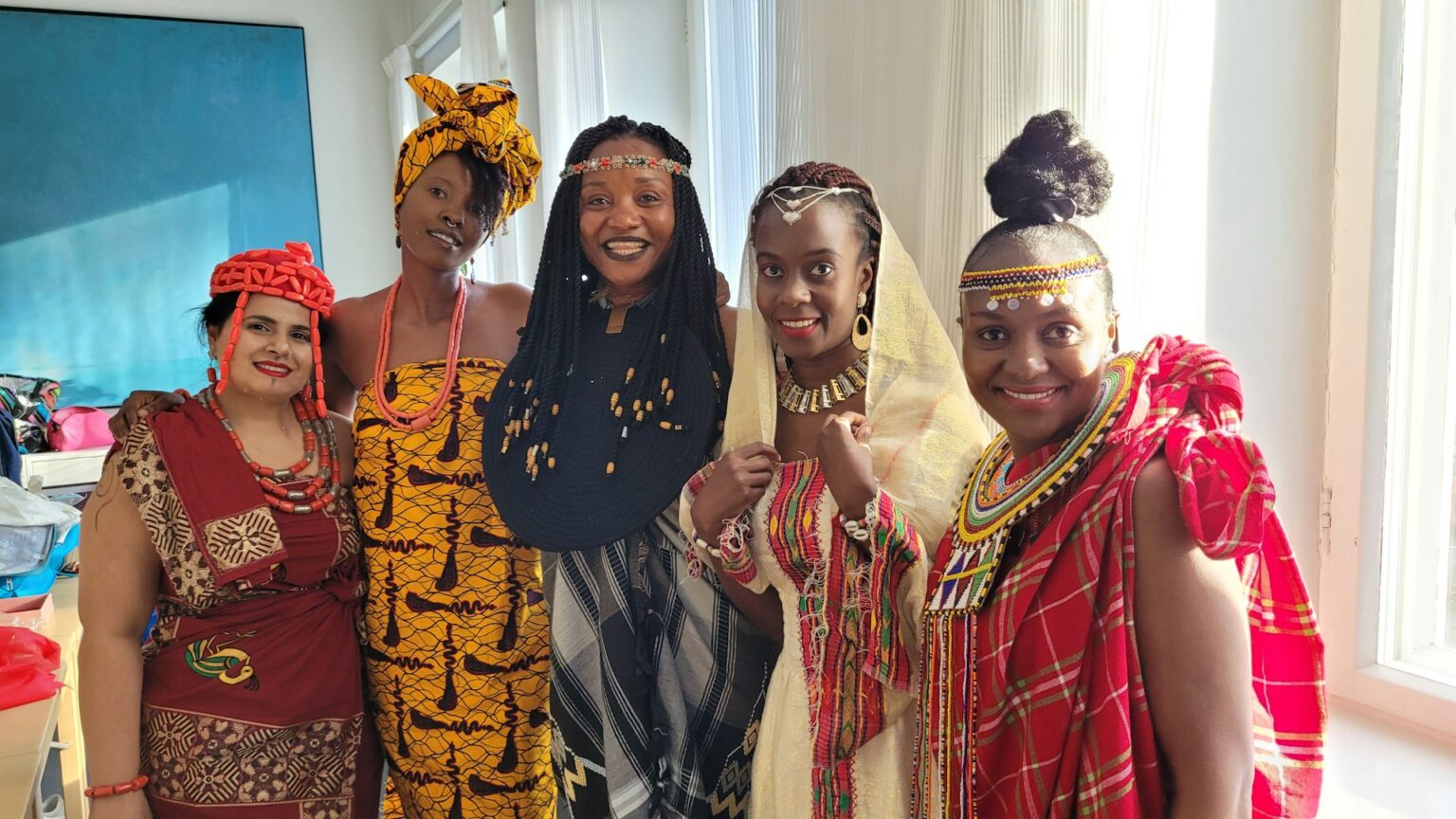
The professional dress code did not emerge from a neutral consensus about what clothing signals competence. It emerged from a specific political programme.
Colonial administrations across Africa required African employees, students and public figures to wear European dress as a precondition for participation in the institutions they controlled. Mission schools enforced European clothing as a condition of education. Government offices enforced it as a condition of employment. Courts enforced it as a condition of appearance. The message was explicit: African dress was not compatible with the roles these institutions defined as important, and the price of access was replacing one’s own visual vocabulary with European forms.
The professional dress code that emerged from this history did not end when colonialism formally ended. The post-colonial professional class inherited it, trained in colonial institutions, embedded in corporate structures that took over from colonial commercial entities, and maintained in regional offices of multinational companies headquartered in Europe and North America. By the time the explicit requirement had been abandoned, the implicit standard was so deeply embedded that it required no enforcement. The professional who arrived in traditional attire was not told to leave and change. They were simply read as less professional, less serious, less suited to the role.
That reading persists. In most cases, its mechanism is not conscious prejudice. It is an inherited aesthetic standard that has gone unexamined. The hiring manager who feels that a candidate in an agbada is somehow less suitable for a senior position than one in a suit is not necessarily making a deliberate discriminatory assessment. They are applying an inherited category that they have not subjected to the question it requires: who decided that this is what professional looks like, and on what authority?
African Cities Rebuilding the Standard
The most significant challenge to the inherited professional dress standard is not coming from policy reform or legal activism, though both matter. It comes from African professionals choosing, in daily practice, to dress in their own cultural vocabulary at the highest levels of their professions.
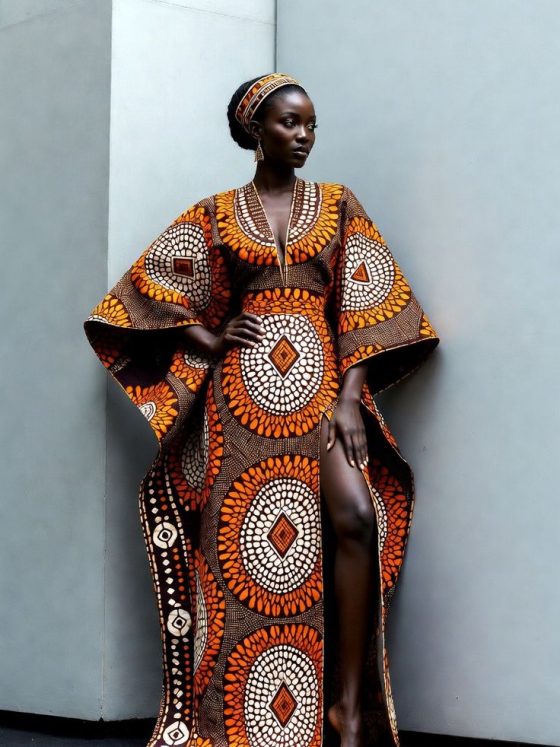
In Lagos, the agbada’s boardroom presence is established and growing. Senior executives, founding partners, and public figures appear at formal professional occasions in grand boubous whose tailoring precision, fabric quality, and embroidery vocabulary communicate exactly the authority the occasion requires. The garment is not worn as a cultural statement against a professional norm. It is worn as the professional norm, on the terms of a Yoruba prestige logic that has been communicating authority for centuries.
Omiren Styles has established, in its analysis of the agbada, boubou and grand boubou as power symbols across West Africa, that the agbada and the boubou have always used volume to communicate status and occasion. The garment’s authority is not borrowed from the suit. It derives from a West African prestige logic that predates the suit by centuries and communicates to a Yoruba or Wolof audience with a precision the suit’s vocabulary cannot replicate in that context.
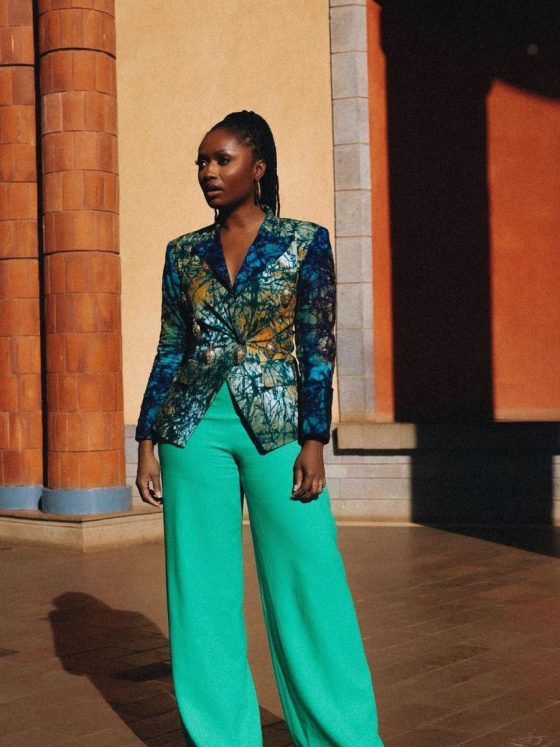
In Accra, the kente-panel suit has become the most precise expression of a professional self-presentation that operates in both registers simultaneously. The garment uses the suit’s structure — collar, lapel, trouser — and replaces its fabric with kente panels that communicate Ghanaian cultural authority in every thread. The client or colleague who reads a kente-panel suit as professionally inappropriate is reading a garment that is simultaneously more formally Ghanaian and as structurally Western as any blue wool suit. Their reading reveals not a standard but a preference.
In Nairobi, the blending of East African textile traditions with tailored forms has produced a professional dress vocabulary specific to the city’s own fashion culture. A blazer cut in shuka-inspired cotton, a tailored dress in a kikoi-print fabric, a structured jacket with beadwork detail: these are not decorations on a Western professional template. They are a Nairobi professional identity, assembled from the specific cultural materials of East African dress tradition and worn in the city’s most formally professional contexts by the city’s most formally credentialled practitioners.
In Johannesburg, Heritage Day on the 24th of September has produced the most institutionally visible expression of this challenge. South African schools, government offices and corporate workplaces invite staff and students to arrive in traditional dress, and the result is a demonstration of the diversity and sophistication of Southern African dress traditions in the most formally institutional settings available.
Omiren Styles has documented, in its analysis of Ndebele traditional styles, that Ndebele women across Mpumalanga, Gauteng and the broader diaspora dress in full traditional attire on Heritage Day in public spaces, workplaces and schools. The geometric beadwork, the nguba, the isigolwani and the ijogolo are worn together in formally institutional settings. The occasion is simultaneously a celebration and a continuation of the same impulse that drove the women of the Ndzundza community to paint their homes and bead their garments after 1883. The audience has changed. The argument has not.
Diaspora Cities and the Negotiation
In London, Toronto, New York and Paris, the negotiation that African and diaspora professionals make every morning is more complex than in African cities, because the institutional default is more deeply entrenched and the community of practice that reads traditional dress as professional is not the majority of colleagues.
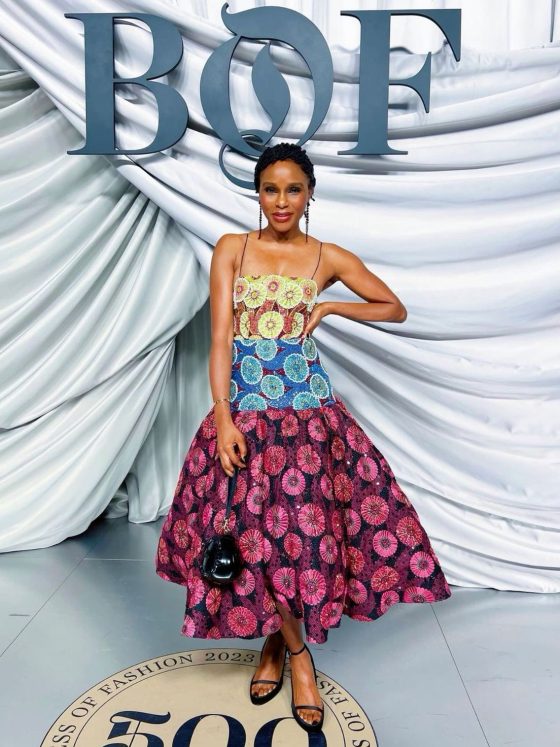
Omiren Styles has established, in its analysis of clothing as cultural identity across the diaspora, that in cities such as London, Atlanta and Toronto, second-generation Africans navigate layered identities through dress. A head wrap paired with contemporary tailoring is not a contradiction. It is a negotiation. The global popularity of Ankara prints in streetwear and high fashion further complicates ownership. When heritage textiles move across borders, questions of credit, authorship and economic participation follow.
Negotiations in diaspora cities operate differently from city to city and sector to sector. In creative industries — advertising, fashion, media, design — traditional and heritage-influenced dress has achieved near-normal status, particularly in cities with large African and Caribbean communities. A creative director in a West London agency who arrives in a printed agbada-inspired jacket is not making a statement that requires commentary. In a City of London law firm, the same garment may be read differently by partners whose professional formation was in institutions with more conservative dress norms.
The hair dimension of the professional dress argument is where the legal stakes have been highest. The policy that prohibits or discourages natural Black hair textures in professional settings under the language of a “neat” or “professional” appearance does not describe a universal standard of presentational neatness. It describes specific hair textures that do not require artificial processing to conform to European professional norms.
Omiren Styles has documented, in its analysis of cornrows and the African diaspora braiding tradition, that a CROWN research study found that Black women are 1.5 times more likely to be sent home from their workplace because of their hair, and that more than one third of Black women under thirty-four believe they have been denied a job interview because of their hair. The policy that produces these outcomes is not a neutral professional standard. It is a racial exclusion mechanism operating through the language of presentation.
The Workwear Industry’s Response and Its Limits
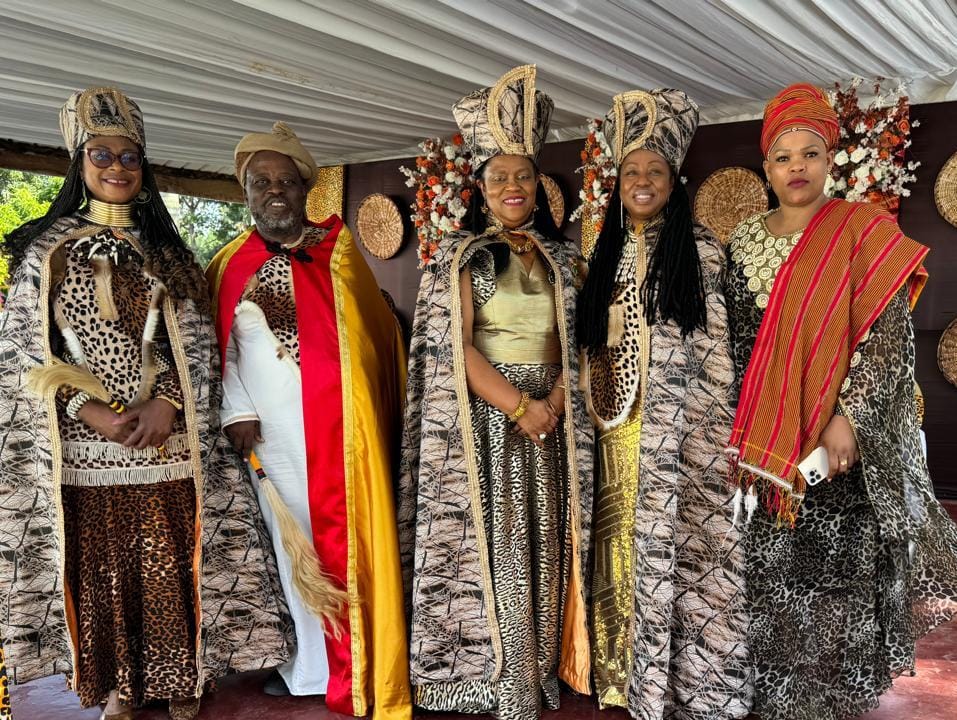
The fashion industry has responded to the growing professional confidence of African and diaspora professionals with a specific commercial offer: African-inspired workwear that integrates cultural references into the structure of conventional professional dress.
Omiren Styles has documented, in its analysis of African workwear essentials for modern women, that cultural minimalism values intentionality: a monochrome midi dress with a handwoven Aso-oke belt, a structured blazer with Adire piping, or a crisp white shirt with soft Ankara-trimmed slacks. These approaches allow women to honour their heritage while presenting a boardroom-ready image.
The commercial logic of this offer is real, and the products it produces serve genuine needs. A woman who wants to wear her cultural identity in a workplace that retains a conservative dress policy has more options in 2026 than she had a decade ago. The structured blazer with Adire piping is a practical resolution to a situation that professional necessity creates.
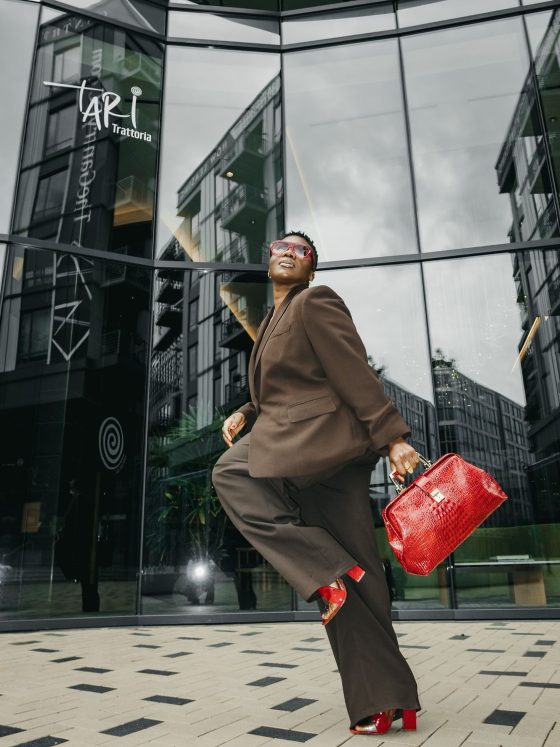
But the commercial offer has a structural limit: it asks African and diaspora professionals to integrate their cultural identity into a professional form someone else defined, rather than redefine what professional means on their own cultural terms. The Aso-oke belt on a monochrome midi dress is a negotiation in which the midi dress sets the terms, and the Aso-oke is allowed in as an accessory. The grand boubou that arrives in the boardroom as the primary garment is a different kind of statement. It doesn’t ask for permission to be present. It is asserting that the standard should accommodate it.
The distinction matters commercially and politically. The Aso-oke belt generates revenue for the accessories market. The grand boubou generates revenue for the Yoruba tailoring economy. The first integrates African craft into a European dress form. The second refuses the integration and insists on the primacy of its own form. Both are legitimate choices, and both are happening simultaneously in the African and diaspora professional wardrobe of 2026. What they represent differently is who is setting the terms.
What Workplace Policy Needs to Do
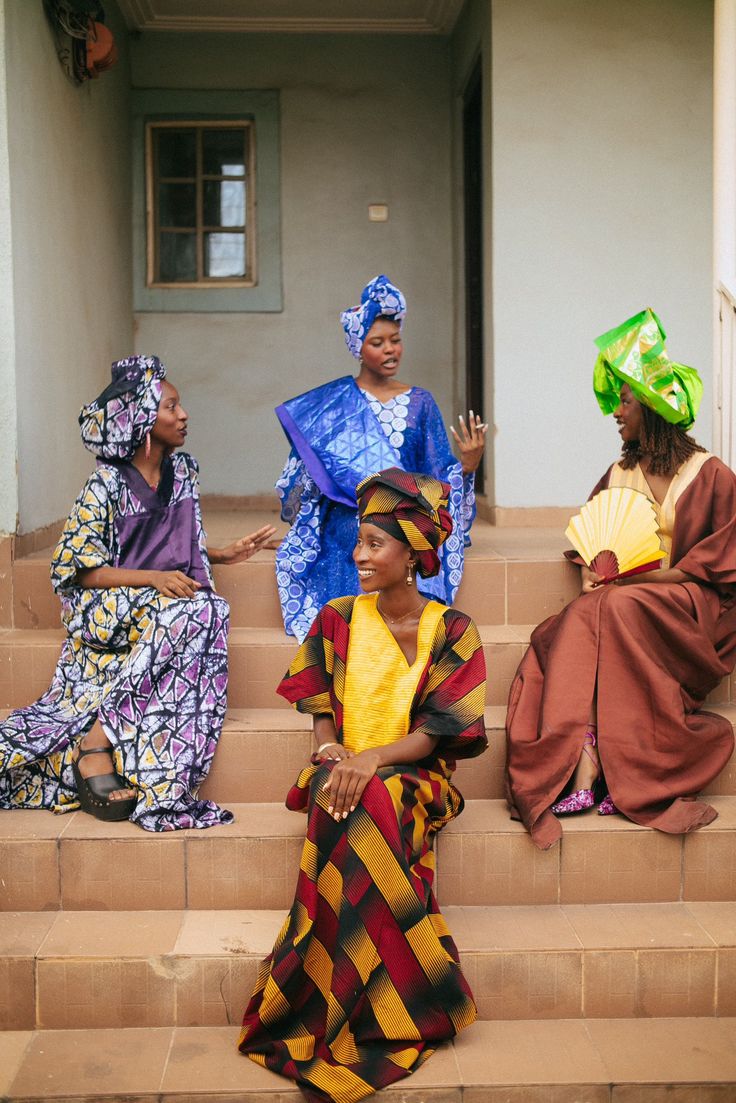
A workplace dress policy that is genuinely culturally neutral does not describe specific garments. It describes purposes.
A culturally neutral professional dress standard specifies that attire should be deliberate, appropriate to the occasion and respectful of the professional context. It does not prescribe the cultural vocabulary through which those qualities are expressed. It recognises the formal authority of the grand boubou, the kente-panel suit, the tailored shuka-print blazer, the Adire dress, and natural Black hair in its unprocessed state, including braids. These are forms of professional self-presentation that meet the criteria of deliberate, appropriate, and respectful without requiring translation into a European dress vocabulary.
Very few major employers in Europe or North America currently have dress policies at this level of genuine neutrality. Most policies define professional dress in terms that implicitly or explicitly privilege European dress forms, and require African and diaspora professionals to either conform or make a specific cultural statement by not conforming. The right starting point for policy reform is recognising that the existing policy already makes a specific cultural statement—in favour of European dress forms—and that this statement requires justification rather than being the default from which all departures require justification.
In African cities where traditional dress has entered the most formal professional contexts, the policy question takes on a different character. The challenge is not to include African dress in a European-derived standard. It is to recognise that African professional spaces have the authority to define their own standards and that those standards may place traditional dress at the centre rather than at the margins of professional presentation. A Lagos law firm that expects its senior partners to appear at formal occasions in well-tailored traditional Yoruba dress is not making a culturally sensitive exception to a professional standard. It is applying its own professional standard.
As Omiren Styles has argued, in its analysis of professional dress codes and legibility in African diaspora menswear, what looks unprofessional to a system built around a European suit is often just African. The failure of legibility belongs to the system, not to the wearer.
The Fulani Professional and the Diaspora Commissioning
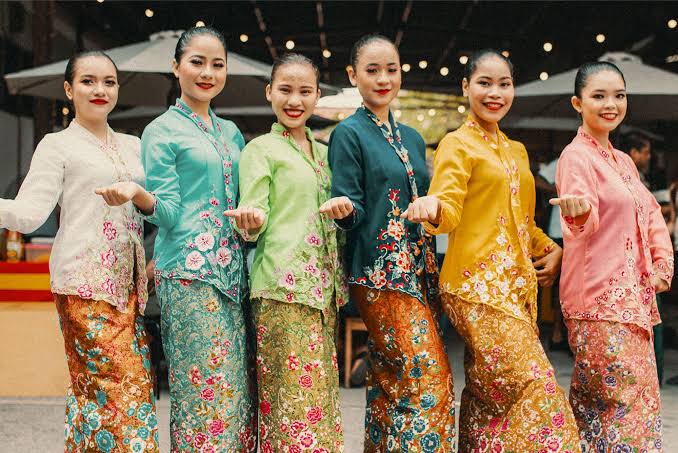
Among diaspora communities, commissioning traditional dress for professional occasions is often a politically conscious act.
Omiren Styles has documented, in its analysis of Fulani women’s dress traditions across the diaspora, that among diaspora Fulani communities in London, New York and Toronto, commissioning a Leppi gown for a wedding or naming ceremony is a deliberate act of cultural reaffirmation: a choice to be dressed in something that no other community produces, no other history owns and no mass-market fabric can replicate. The handwoven geometry of Leppi cloth carries the signature of the weaver’s hands and the cultural memory of a pastoral people for whom ornament is never accidental.
When that same deliberateness enters the professional wardrobe, it carries the same weight. A diaspora professional who arrives at a conference in traditional dress is not making an aesthetic choice in the casual sense. They are claiming which authority structure their professional identity belongs to. They are saying: I define my professional presentation through my own cultural inheritance, not through the inherited defaults of the institution I am joining. That claim is political in the precise sense of the word: it is a claim about who has the authority to define what is normal.
The Omiren Argument
Professional dress codes are not neutral. They were never neutral. Institutions built them, whose cultural composition excluded the communities now asking why their dress is not accommodated, and their successors have maintained them through inertia.
The correction happening in Lagos boardrooms, Nairobi offices, London diaspora professional spaces, and Johannesburg schools on Heritage Day is not a cultural trend. It is a political process: African and diaspora professionals asserting the authority to define what professional appearance means in their own cultural terms, without seeking permission from the inherited standard that excluded them.
That assertion is also an economic process. The Yoruba tailor who cuts the agbada for a Lagos senior partner, the Ghanaian weaver whose kente panels go into a suit that appears in an Accra boardroom, the Ndebele beadwork practitioner whose work is worn in a Johannesburg school on Heritage Day: each of these practitioners benefits economically from the professional recognition of the dress they make. The political argument for cultural inclusion in professional dress is inseparable from the economic argument for the communities whose dress traditions are at stake.
The $31 billion African fashion market includes the tailoring economies, textile producers, and craft communities whose work enters professional spaces every day when African professionals choose to dress on their own cultural terms. As Omiren Styles has established throughout this series, the standard is not to make African dress legible to institutions that were not built for it. The standard is to ask whether those institutions have the cultural authority to define what professional means for people whose dress traditions predate, exceed and operate independently of the European standard those institutions inherited. Who decides what looks professional? Not the dress code. The practitioner. The community. The tradition. The tailor who cut the garment and the professional who chose to wear it.
ALSO READ
- Does Wearing Your Culture Make You Exotic? The Diaspora Fashion Paradox
- Menswear, Legibility and Work: How Dress Codes Decide Who Looks “Professional”
- When Dressing Becomes Declaration: Clothing as Cultural Identity
- African Workwear Essentials Every Modern Woman Needs in 2026
- Agbada, Boubou, Grand Boubou: One Silhouette, Four Countries, Four Arguments About Power
- Cornrows Were a Map: The African Intelligence Behind Diaspora Braiding
Frequently Asked Questions
Why is the professional dress code not a neutral standard?
Omiren Styles has established, in its analysis of the diaspora fashion paradox, that colonial dress codes made European professional dress the condition of educational and economic participation across the colonised world. The suit became the default professional garment not because it was the most appropriate dress for the purpose, but because the institutions that defined professional legitimacy required it, and those institutions were colonial. A standard established through compulsion is not neutral: it reflects the cultural preferences of those who held institutional power, not a universal agreement about what professional presentation looks like. African and diaspora communities are not deviating from a neutral standard when they dress professionally in their own cultural vocabulary. They are challenging a standard that was built to exclude them.
Is traditional African dress appropriate for professional workplaces?
Traditional African dress is professionally appropriate wherever the institution defines professional dress in culturally neutral terms. In Lagos, Accra, Nairobi, Dakar and Johannesburg, traditional and heritage-influenced dress regularly appears at the highest levels of professional practice in law, finance, government and business. In diaspora cities, the situation varies by sector and institution. Creative industries have broadly normalised African and diaspora professional dress. Conservative sectors in Europe and North America retain inherited European dress norms that implicitly exclude African traditional dress. The appropriate response to institutional resistance is not automatic compliance but the question: on what authority does this institution define professional appearance, and does that authority extend to communities whose dress traditions it was not designed to accommodate?
What are employers’ legal obligations regarding traditional dress in the workplace?
In the United Kingdom, the Equality Act 2010 prohibits direct and indirect discrimination on the grounds of race, religion and belief in employment contexts. A workplace dress code that disproportionately disadvantages employees from specific racial or cultural backgrounds without objective justification may constitute indirect discrimination. In the United States, Title VII of the Civil Rights Act prohibits discrimination based on national origin, which courts have extended to include cultural expression, including dress. The CROWN Act, where enacted, specifically prohibits discrimination based on natural hair textures and styles associated with race. Employers who want to maintain dress standards should define them by purpose rather than cultural form, and ensure any restriction on specific garments or styles is proportionate and genuinely justified by the role’s operational needs.
How are African professionals in diaspora cities navigating traditional dress at work?
As Omiren Styles has documented in its analysis of clothing as cultural identity across diaspora communities, diaspora professionals navigate layered identities through dress. A head wrap paired with contemporary tailoring is not a contradiction but a negotiation. Strategies vary: some professionals integrate cultural references into European dress forms, wearing Aso-oke accessories with structured Western garments or kente panels within a suit construction. Others bring traditional dress to the workspace without modification, particularly at senior levels where their professional credentials precede their appearance. Others distinguish between client-facing and internal contexts. All three approaches reflect a daily calculation whose cognitive and emotional cost falls disproportionately on the professionals making it, not on the institutions that require it.
What would a culturally neutral workplace dress policy look like?
A culturally neutral professional dress policy defines professional dress by purpose rather than cultural form. It specifies that attire should be deliberate, appropriate to the occasion, and respectful of the professional context, without prescribing which cultural dress system it should belong to. It recognises the formal authority of the agbada, the grand boubou, the kente-panel suit, the Adire dress, natural Black hair in its unprocessed state, braids and locs as forms of professional self-presentation that meet the criterion without requiring translation into a European dress vocabulary. It does not treat the suit as the default from which all departures require justification. It treats all deliberate, occasion-appropriate dress as meeting the standard unless there is a specific, proportionate operational justification for excluding a particular form.
EXPLORE MORE
Read the full Style and Opinion sections at Omiren Styles for ongoing analysis of professional dress, cultural authority and the political decisions embedded in workplace dress policies across African and diaspora cities. Discover travel and heritage intelligence across Africa at Rex Clarke Adventures.