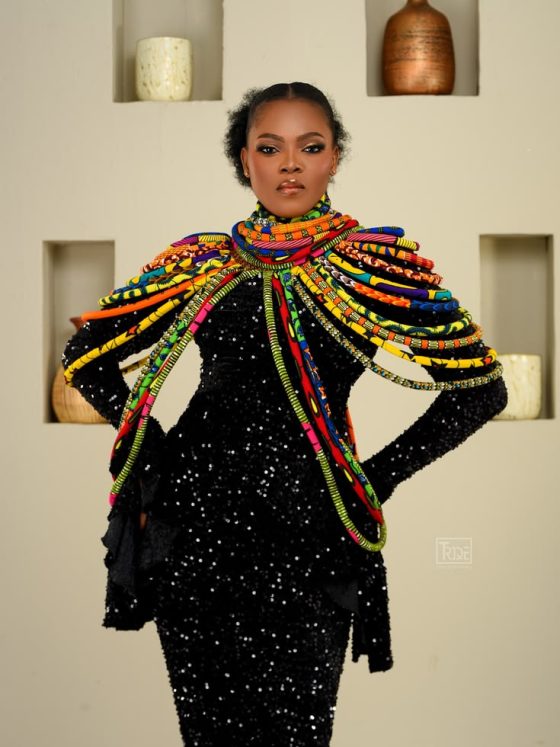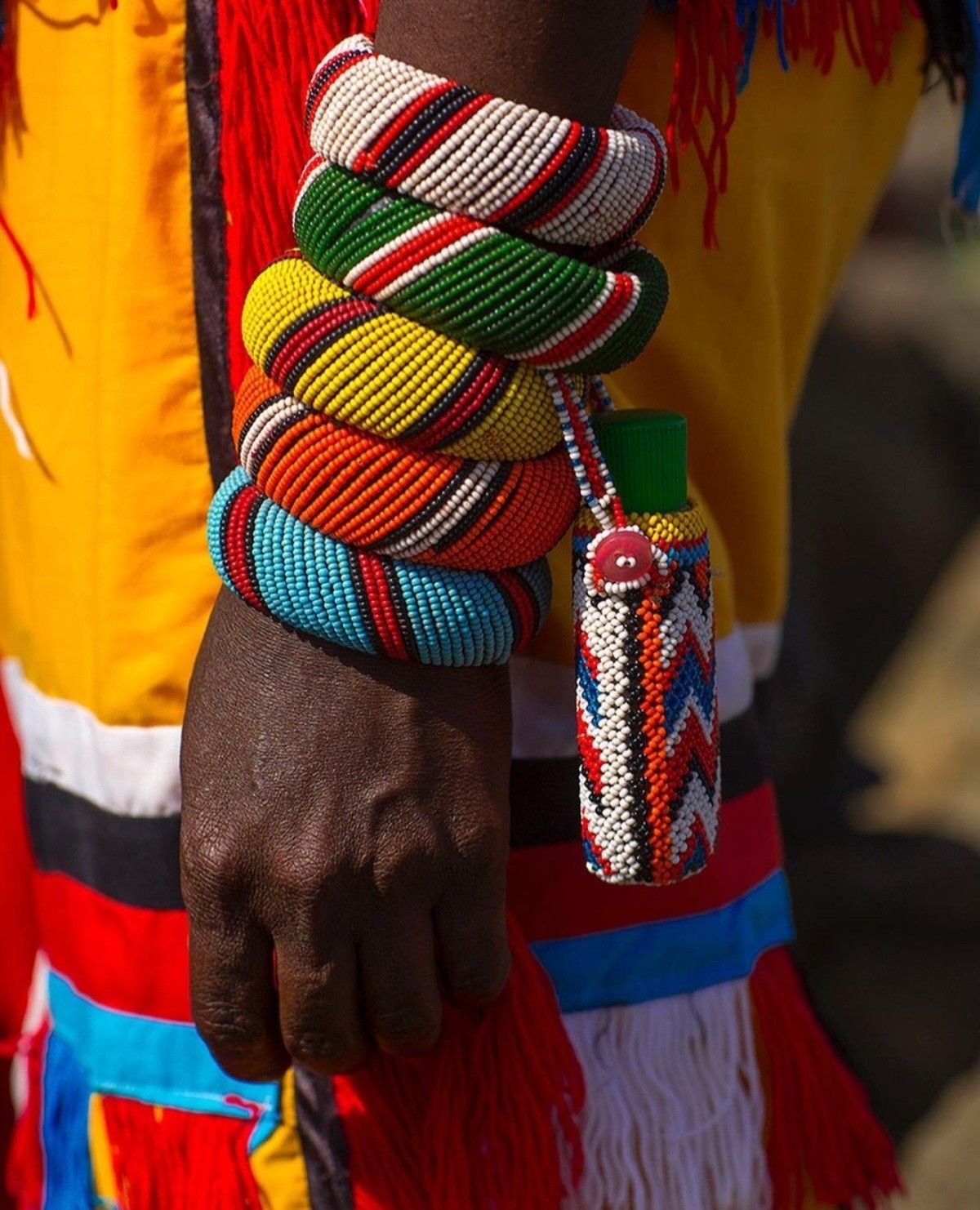
A design-led beadwork jewellery label based in Gaborone is one of the more commercially serious propositions in contemporary African accessories. The business case is specific: Botswana has an active craft ecosystem, a capital city that connects local retail, tourism, and contemporary design, and a beadwork tradition whose material language- seed beads, cowrie shells, wire, glass beads, shells, and locally resonant symbolic forms- carries the kind of cultural weight that premium jewellery buyers in 2026 actively seek. The label that understands this is not building a craft project. It is building a design system. The difference determines everything.
This piece is not a profile of a specific named label. It is an analysis of the brand model: what a Gaborone-based beadwork jewellery label needs to be, what Botswana’s craft context provides, why the city is the right base, how scale is achieved without cultural compromise, and why this kind of label matters now. The commercial logic is strong enough to treat seriously. As Omiren Styles has argued in its analysis of African jewellery brands and global market access, the strongest signal of international market readiness for an African accessories brand is not cultural authenticity alone. It is cultural authenticity combined with production consistency, pricing architecture, and a visual identity that can travel online. Gaborone beadwork can meet all four conditions.
Discover how a Gaborone beadwork jewellery label turns Botswana’s craft heritage into contemporary pieces shaped by identity, precision, and modern style.
Move One: What the Label Is
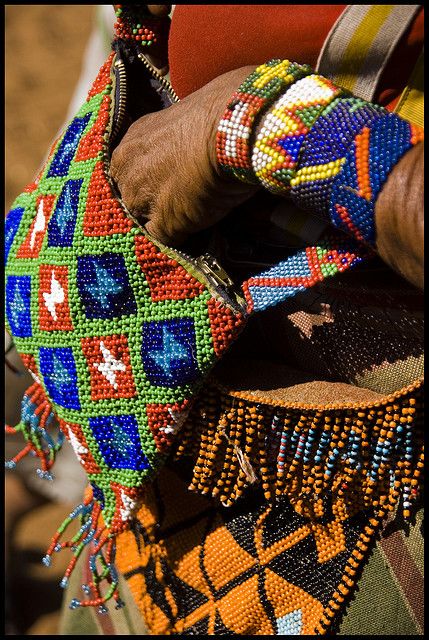
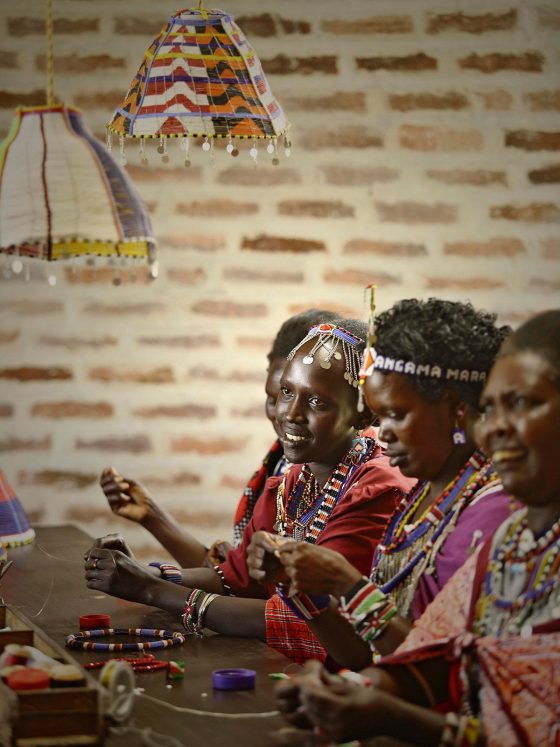
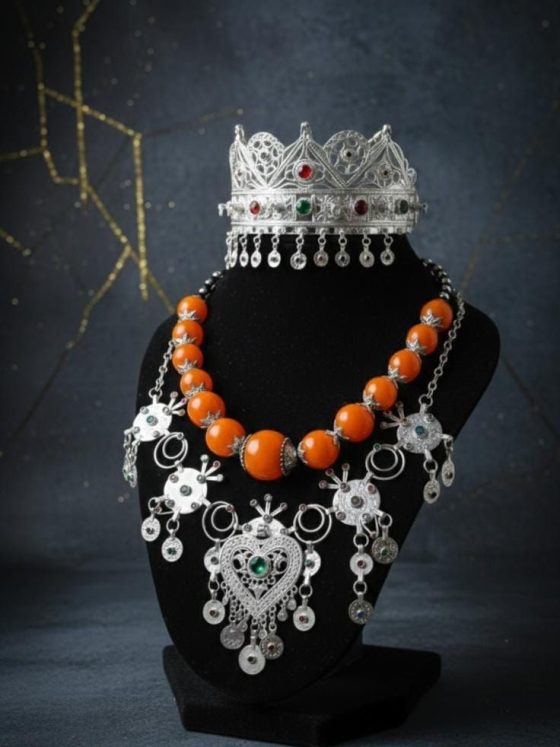
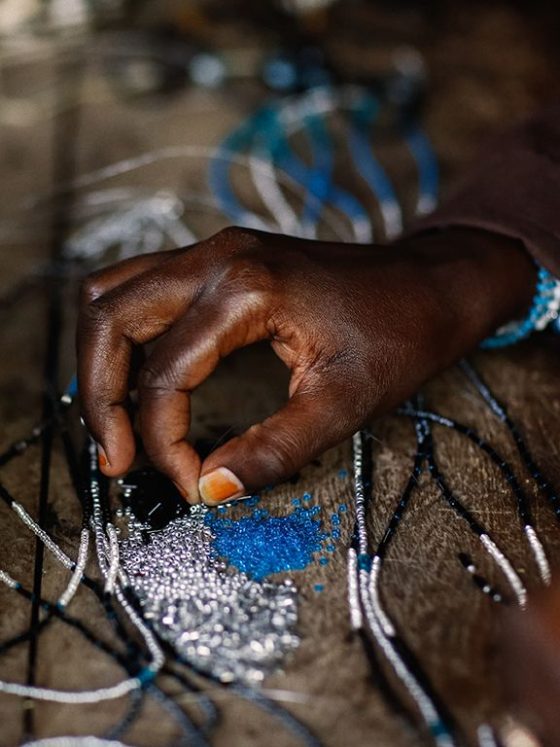
A serious Gaborone beadwork jewellery label is a design-led accessories business that uses Botswana’s beadwork material language as its primary creative resource. The material vocabulary is specific and worth naming rather than describing generically. Seed beads in the colour systems associated with Tswana adornment culture. Cowrie shells whose use in Southern African jewellery is documented across multiple communities and whose market legibility to international buyers is well-established. Wire-work construction techniques that give structural integrity to pieces designed for daily wear. Glass beads whose colour and scale choices carry specific cultural resonances. Shells and locally sourced materials that give the pieces provenance.
The distinction between “beadwork” as a category and “design-led beadwork” as a brand position is the commercial argument the label needs to make clearly. As the VISI documentation of threading the past into the present in South African craft jewellery documents, the contemporary craft jewellery market rewards labels that treat traditional techniques as design resources rather than as cultural artefacts to be preserved unchanged. Adele Dejak, the Nairobi-based jewellery designer whose work draws on East African material culture, is the most fully documented regional precedent: her label treats beads, brass, and cultural motifs as a design vocabulary for contemporary statement pieces that sell to international buyers precisely because they are rooted in a specific tradition rather than in a generic “African accessories” category. A Gaborone label working in the same register occupies a position that no Nairobi or Lagos label can replicate: it is Botswana-specific, Tswana-informed, and Gaborone-based. That specificity is the asset.
Move Two: What Beadwork Means in Botswana
Botswana’s craft ecosystem includes beadwork as a documented, living tradition rather than as a preserved historical practice. As Botswana Tourism’s documentation of the country’s arts and crafts confirms, beaded jewellery is among the indigenous forms that remain visible in local retail and cultural life. The craft is community-embedded: knowledge of construction techniques, colour systems, and symbolic uses of bead combinations is transmitted within family and community networks rather than through formal design education.
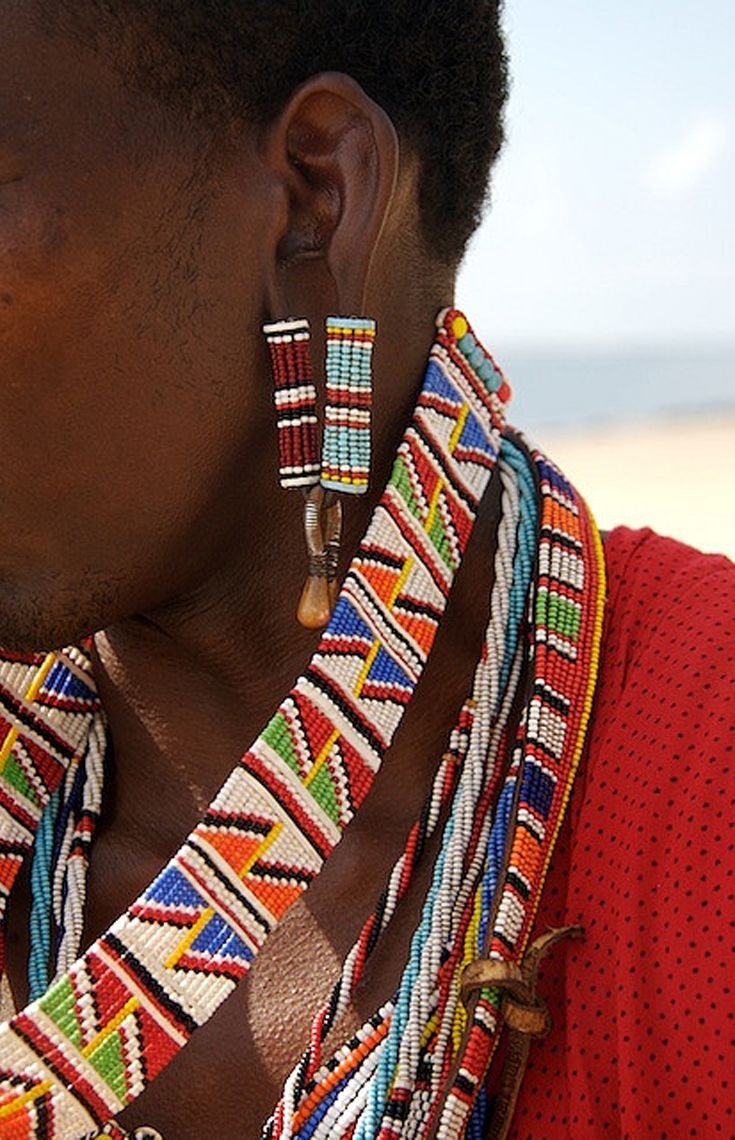
The cultural weight of beadwork in Southern African communities is documented across multiple traditions that surround Botswana. As Omiren Styles has documented in its analysis of Maasai beadwork’s meaning and symbolism, and in its analysis of Ndebele traditional styles and beadwork as identity and life record, beadwork in the Southern and East African context encodes age, marital status, community belonging, and ceremonial participation. The Tswana beadwork tradition shares this communicative logic: jewellery is not decorative in the narrow sense. It carries information that is understood within the community that made it.
This communicative weight is precisely what makes Botswana beadwork a strong foundation for a premium contemporary jewellery label rather than a souvenir craft category. The label that can translate the specific material language of Tswana beadwork, its colour systems, its construction techniques, its symbolic references, into contemporary pieces whose design logic is legible to international buyers without requiring those buyers to understand the full cultural context, is doing the same work that Lisa Folawiyo did with Ankara or that Adele Dejak does with East African beading: treating a specific cultural material tradition as a design resource rather than as a generic ethnic aesthetic. As Omiren Styles has documented in its analysis of black luxury fashion brands, the labels that build international traction are those whose design decisions emerge from genuine material knowledge rather than surface-level cultural references.
Move Three: Why Gaborone Is the Right Base
Gaborone gives a beadwork jewellery label a specific commercial advantage that no vague “Botswana-based” positioning replicates. The capital connects the three distribution routes that an accessories brand needs simultaneously at this stage. First, local retail: Gaborone’s retail infrastructure, its markets, its craft shops, and its urban consumer base provide the first market and the first proof of concept. Second, tourism: Botswana’s tourism sector, which concentrates significantly in and through Gaborone as the country’s primary entry point, generates consistent traffic from the international buyers, journalists, and travellers whose first encounter with a label often determines whether it travels beyond its home base. Third, digital retail: a Gaborone address signals both urban credibility and African authenticity to the e-commerce buyer in London, New York, or Johannesburg who is looking for a contemporary African jewellery brand with specific cultural provenance.
As Love From Botswana’s documentation of the Gaborone craft and design retail ecosystem confirms, the city supports handmade product businesses with a combination of local market infrastructure and growing international visibility. A label based in Gaborone is inside that ecosystem rather than outside it, which means that the retail, the community, the craft knowledge networks, and the photographic and visual production infrastructure that a contemporary jewellery brand requires are all accessible without the capital burden of building them from scratch. That makes Gaborone not only a culturally credible but a commercially practical base.
Move Four: How the Label Scales Without Losing Cultural Integrity
The scaling question for a Gaborone beadwork jewellery label is the same question documented across every African craft brand Omiren Styles has analysed: how to grow production volume and market reach without compromising the craft quality and cultural specificity that create the commercial differentiation in the first place. As Omiren Styles has documented in its analysis of Zambian chitenge menswear’s production economy, the most durable African craft brands are those that treat the two-tier production economy, neighbourhood artisan for everyday scale, designer-artisan for premium output, as a feature rather than a limitation.
The scaling path for a beadwork jewellery label runs through product category development rather than through production volume alone. A label might begin with earrings and statement necklaces, the most accessible entry points for a new customer, and develop a signature that buyers begin to associate with the brand. From the signature, the label can expand into coordinated sets, bridal accessories, limited seasonal collections, and premium statement pieces that occupy a higher price tier without abandoning the material language that made the signature recognisable. Each category extension should deepen the relationship between the brand’s design vocabulary and the Tswana beadwork tradition it draws from, not dilute it. The consistent visual language is the competitive moat. It is what prevents the label from being replicated by a manufacturer in China or India who can source the same beads at lower cost.
The commercial argument for this approach is documented in the premium accessories market’s current trajectory. As Omiren Styles has documented in its analysis of African jewellery brands’ global market access conditions, the structural conditions for international wholesale access require consistent production quality, appropriate pricing architecture, and the cultural narrative specificity that gives a named stockist something to sell beyond the physical object. A Gaborone beadwork label that builds all three is positioned for the kind of international placement that translates cultural recognition into commercial revenue.
Move Five: Why This Brand Matters Now
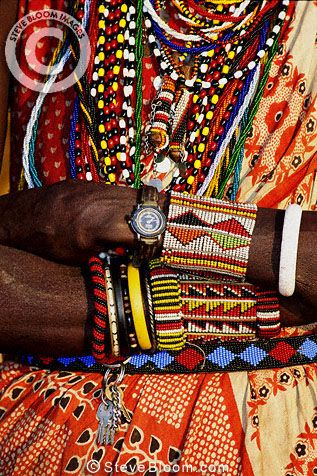
The 2026 moment for a Gaborone beadwork jewellery label is better than any previous moment for two documented reasons. First, the premium accessories market’s appetite for African craft jewellery with documented cultural provenance is at its highest recorded point. As Omiren Styles has documented in its analysis of African fashion’s global market position, African design traditions have always been producing the quality and specificity that international buyers seek. What has changed is the infrastructure for discovery: social media, e-commerce, and a new generation of African creative economy platforms have made it possible for a label in Gaborone to reach the same buyer in London or New York that previously required a presence at a major trade fair or in a major retail catalogue.
Second, Botswana’s creative economy is underrepresented in the global conversation about African fashion and accessories. A design-led Gaborone beadwork label is not entering a saturated market. It is entering a market where the first well-positioned Botswana accessories brand will have the advantage of being the first: the first label that serious buyers associate with Botswana jewellery design, the first reference point that journalists reach for when writing about Southern African accessories, the first brand that diaspora Batswana in the UK and US use to express cultural connection through contemporary design. First-mover advantage in a specific cultural-geographic niche is a documented commercial asset, as Omiren Styles has argued in its analysis of African designers in America. The Gaborone beadwork jewellery label that builds with the consistency and specificity described in this analysis will not simply be a small craft business. It will be the reference brand for a category that does not yet have one.
Beadwork is not a small craft story. In Botswana, it is a design system. The label that treats it that way builds something that lasts.
ALSO READ
- African Jewellery Brands That Go Global Do Not Get Lucky. They Get These Four Things First.
- Zulu Love Letter Beadwork: The Language Fashion Has Been Selling Without Reading
- BaTonga Beadwork Zimbabwe: The Dress Tradition That Survived a Dam
Frequently Asked Questions
What is a Gaborone beadwork jewellery label?
A design-led jewellery brand based in Gaborone, Botswana, that uses the country’s beadwork material language as its primary creative resource. The material vocabulary includes seed beads, cowrie shells, wire-work construction, glass beads, and locally resonant symbolic forms drawn from Tswana adornment culture. As Botswana Tourism’s documentation of the country’s arts and crafts confirms, beaded jewellery is among the indigenous forms that remain visible in Botswana’s local retail and cultural life. A serious label treats this tradition as a design system rather than as craft production, building a consistent visual language that can travel into premium retail.
Why is beadwork important in Botswana?
Beadwork in Botswana and the surrounding Southern African region is not decorative in the narrow sense. As Omiren Styles has documented in its analysis of Maasai beadwork’s meaning and symbolism, beadwork across Southern and East African communities encodes identity, social status, community belonging, and ceremonial participation through material choices. Colour systems, bead combinations, and construction techniques carry information that is understood within the communities that produced them. A jewellery label that draws on this tradition is working with material that carries cultural authority, which is precisely what distinguishes craft-rooted contemporary accessories from generic decorative jewellery.
Can beadwork jewellery be premium?
Yes, as documented by multiple regional precedents. Adele Dejak in Nairobi has built an internationally recognised luxury accessories label from East African beading and material traditions. Lisa Folawiyo in Lagos built a luxury fashion house from Ankara fabric elevated through beadwork and hand embellishment. As Omiren Styles has documented in its analysis of African jewellery brands and global market access, the structural conditions for premium positioning, consistent production quality, appropriate pricing architecture, and cultural narrative specificity are achievable for a Botswana beadwork label. The material carries cultural authority. The commercial question is whether the label builds the design consistency and visual identity that allow that authority to be priced accordingly.
Why is Gaborone a good base for a jewellery label?
Gaborone connects three distribution routes simultaneously: local retail through the city’s market and craft shop infrastructure, tourism through Botswana’s international visitor traffic which concentrates in and through the capital, and digital retail through the credibility that a Gaborone address confers on an e-commerce brand selling to buyers in London, New York, or Johannesburg. As Love From Botswana’s documentation of the Gaborone creative economy confirms, the city supports handmade product businesses with a combination of local market infrastructure and growing international visibility. A label in Gaborone is inside that ecosystem, not building it from outside.
Why does this matter now for African fashion?
Botswana is underrepresented in the global conversation about African fashion and accessories, which means the first well-positioned Gaborone beadwork label has first-mover advantage in a specific cultural-geographic niche that does not yet have a dominant reference brand. The premium accessories market’s appetite for African craft jewellery with documented cultural provenance is at its highest recorded point. Social media and e-commerce infrastructure now allow a label in Gaborone to reach international buyers without the trade fair and major retail catalogue presence that previously determined international market access. As Omiren Styles has argued, African design traditions have always been producing the quality and specificity that international buyers seek. The infrastructure to connect them has never been more accessible.