Menu
  • DIASPORA
    • Diaspora Voices
    • UK Scene
    • US Scene
    • Caribbean Diaspora
    • Afro-Latino Identity
    • Migration & Identity
  • CULTURE
    • Style & Identity
    • Black Culture
    • Heritage Stories
    • Ceremony & Ritual
    • Art & Music
    • Cultural Inspirations
  • FASHION
    • Trends
    • Street Style
    • Runway
    • Sustainable Fashion
    • Tailoring
    • Luxury Fashion
  • INDUSTRY
    • Editorial Intelligence
    • Market Trends
    • Brand Strategy
    • Retail & Commerce
    • Partnerships
    • Reports
      • Omiren Style Index
    • Insights
  • BEAUTY
    • Skincare
    • Makeup
    • Hair & Hairstyle
    • Fragrance
    • Beauty Traditions
    • Natural Beauty
  • MEN
    • Men’s Style
    • Grooming Traditions
    • Traditional & Heritage
    • The Modern African Man
    • Menswear Designers
  • WOMEN
    • Women’s Style
    • Evening Glam
    • Workwear & Professional
    • Streetwear for Women
    • Accessories & Bags
    • Bridal
  • NEWS
    • Cover Stories
    • Fashion Weeks
    • Opinion & Commentary
    • Style Icons
    • Rising Stars
  • DIRECTORY
    • Designers
    • Brands
    • Boutiques
    • Stylists
    • Models
    • Photographers
    • Creative Teams
    • Events
    • Production
    • Materials & Suppliers
Subscribe
OMIREN STYLES OMIREN STYLES

Fashion Β· Culture Β· Identity

OMIREN STYLES OMIREN STYLES OMIREN STYLES OMIREN STYLES
  • DIASPORA
    • Diaspora Voices
    • UK Scene
    • US Scene
    • Caribbean Diaspora
    • Afro-Latino Identity
    • Migration & Identity
  • CULTURE
    • Style & Identity
    • Black Culture
    • Heritage Stories
    • Ceremony & Ritual
    • Art & Music
    • Cultural Inspirations
  • FASHION
    • Trends
    • Street Style
    • Runway
    • Sustainable Fashion
    • Tailoring
    • Luxury Fashion
  • INDUSTRY
    • Editorial Intelligence
    • Market Trends
    • Brand Strategy
    • Retail & Commerce
    • Partnerships
    • Reports
      • Omiren Style Index
    • Insights
  • BEAUTY
    • Skincare
    • Makeup
    • Hair & Hairstyle
    • Fragrance
    • Beauty Traditions
    • Natural Beauty
  • MEN
    • Men’s Style
    • Grooming Traditions
    • Traditional & Heritage
    • The Modern African Man
    • Menswear Designers
  • WOMEN
    • Women’s Style
    • Evening Glam
    • Workwear & Professional
    • Streetwear for Women
    • Accessories & Bags
    • Bridal
  • NEWS
    • Cover Stories
    • Fashion Weeks
    • Opinion & Commentary
    • Style Icons
    • Rising Stars
  • DIRECTORY
    • Designers
    • Brands
    • Boutiques
    • Stylists
    • Models
    • Photographers
    • Creative Teams
    • Events
    • Production
    • Materials & Suppliers
  • Caribbean

Designers from Trinidad and Tobago Shaping Afro-Caribbean Fashion Globally

  • Fathia Olasupo
  • May 22, 2026
Designers from Trinidad and Tobago Shaping Afro-Caribbean Fashion Globally
Total
0
Shares
0
0
0

When designers from Trinidad and Tobago present collections internationally, they often face a familiar expectation before audiences even see the clothes. Caribbean fashion is still frequently treated as seasonal, costume-driven, or tied exclusively to Carnival aesthetics. Designers from Trinidad and Tobago have spent decades pushing against that limitation, building work grounded in tailoring, textile experimentation, conceptual design, and Afro-Caribbean visual culture that extends far beyond festival imagery.

Their work moves through fashion weeks, independent studios, costume design, luxury production, and diaspora markets across North America, Europe, and the Caribbean. Some designers maintain strong ties to Carnival production, while others deliberately distance themselves from it. Together, they have expanded the understanding of Afro-Caribbean fashion from Trinidad and Tobago internationally.

Designers from Trinidad and Tobago are shaping Afro-Caribbean fashion through tailoring, textile innovation, and global diaspora networks.

Heather Jones and the Architecture of Caribbean Fashion

Heather Jones and the Architecture of Caribbean Fashion

Few figures have shaped contemporary Trinidadian fashion infrastructure as significantly as Heather Jones. Through decades of design work and the founding of Caribbean Fashion Week Trinidad and Tobago, Jones helped create platforms where regional designers could present collections within Caribbean-controlled fashion spaces rather than waiting for validation abroad.

Her own work focused heavily on textile manipulation, hand-painted fabrics, and Caribbean material references interpreted through structured contemporary design. Rather than treating Caribbean aesthetics as resort wear, Jones approached fashion as a serious design discipline rooted in local creative knowledge.

This infrastructural role matters because designers from Trinidad and Tobago have often had to build the systems that support their own visibility rather than enter fully developed fashion industries.

Robert Young and Menswear as Cultural Precision

Robert Young has built a strong reputation through menswear that combines Caribbean tailoring traditions with contemporary construction and textile development. His label, The Cloth, places fabric itself at the centre of design thinking.

Young’s work frequently explores identity through material rather than overt symbolism. Indigenous Caribbean references, African diasporic influences, and historical textile traditions appear through silhouette, construction, and surface treatment instead of costume language.

This approach reflects a broader shift among Afro-Caribbean designers who refuse the assumption that Caribbean fashion must always communicate identity through direct visual stereotypes. Precision tailoring and fabric research become forms of cultural authorship in themselves.

Carnival Designers and the Expansion of Fashion Practice
Carnival Designers and the Expansion of Fashion Practice

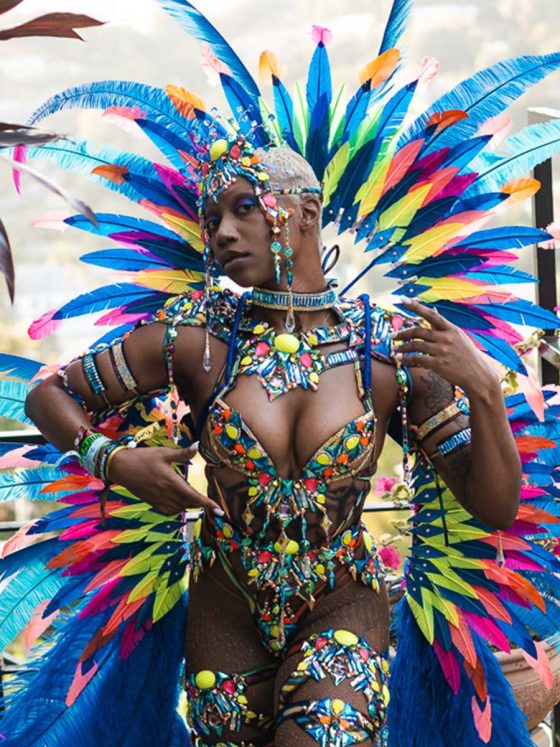
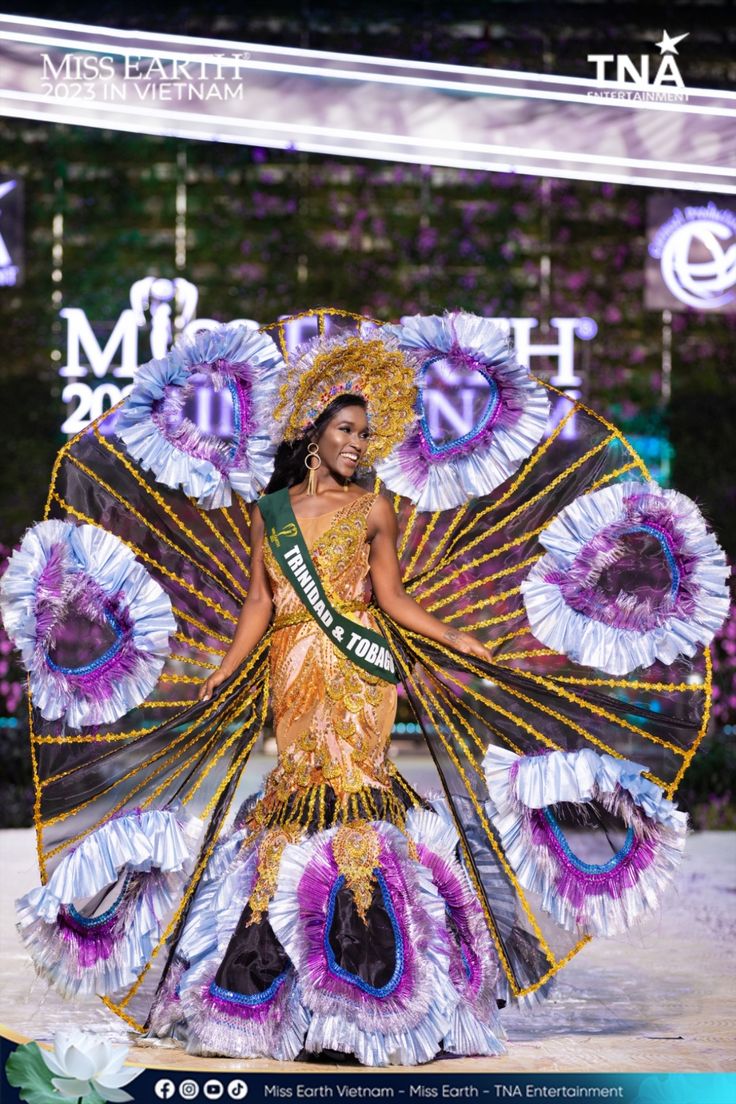
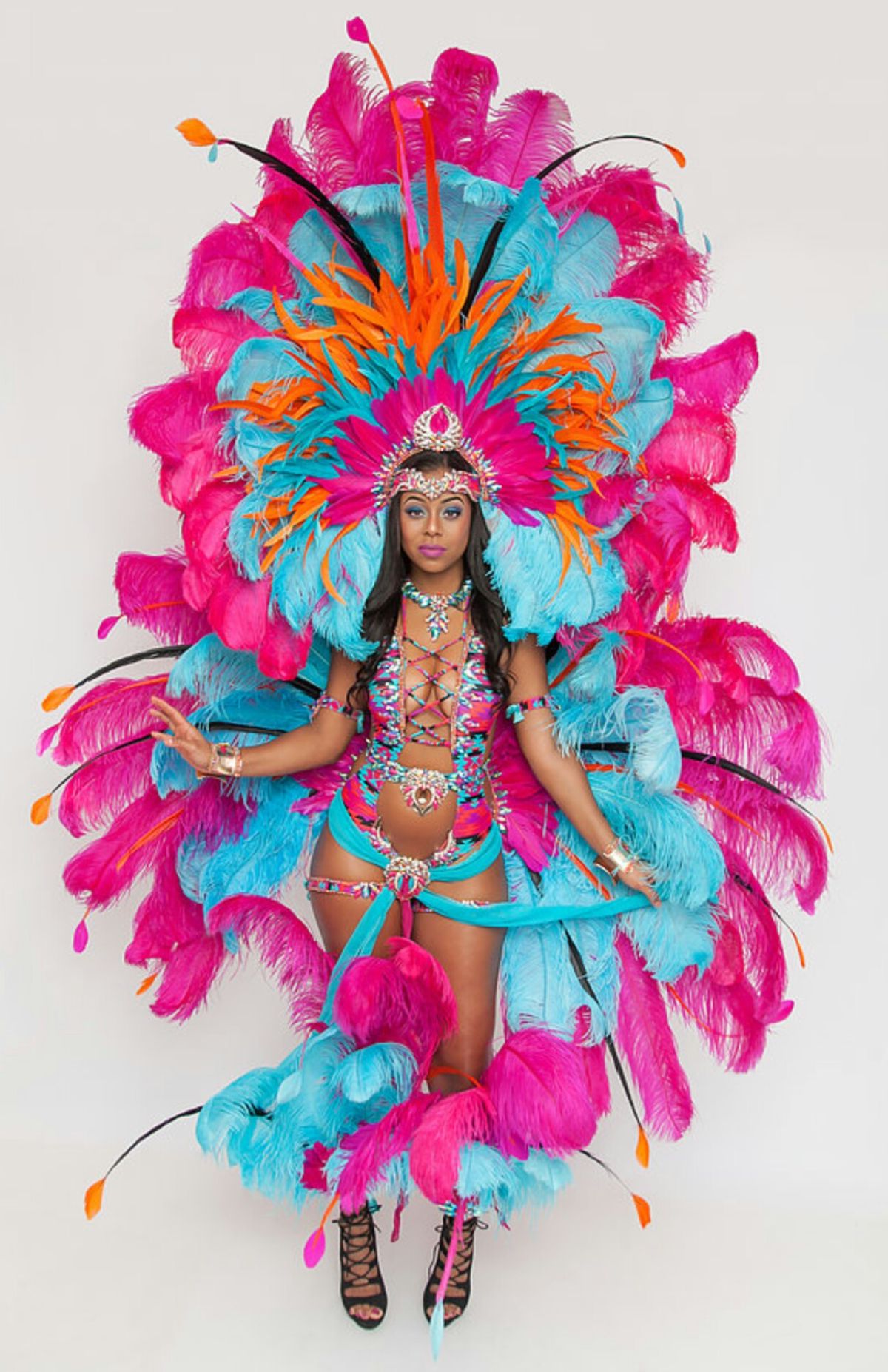
Designers working within Carnival production have also shaped international understandings of Afro-Caribbean fashion. Costume designers in Trinidad and Tobago operate at a scale requiring advanced knowledge of structure, engineering, movement, and visual composition.

Although Carnival design is often separated from mainstream fashion discourse, the technical demands are substantial. Large-scale costume construction involves wire work, textile layering, body architecture, embellishment systems, and collaborative production management.

Many designers move fluidly between Carnival production and commercial fashion. This overlap has helped expand the definition of fashion practice within Trinidad and Tobago itself, where performance design and garment construction frequently intersect.

ALSO READ:

  • Afro-Cuban Designers Influencing Fashion Culture Within and Beyond the Island
  • Santo Domingo Streetwear: Bachata Culture, Afrocentric Identity, and Youth Dress

Diaspora Fashion and Cross-Border Influence
Diaspora Fashion and Cross-Border Influence

Designers from Trinidad and Tobago increasingly operate through diaspora networks connecting the Caribbean to cities such as New York, Toronto, and London. Fashion circulates through cultural festivals, online retail, Caribbean communities abroad, and collaborative artistic spaces.

Diaspora audiences remain important because they sustain demand for Afro-Caribbean fashion beyond seasonal tourism economies. Designers can produce work that speaks directly to Caribbean identity without reducing it to destination branding.

At the same time, operating internationally creates pressure to simplify Caribbean aesthetics for easier market recognition. Some designers resist this through minimalist construction and conceptual design language. Others engage Caribbean symbolism directly while maintaining control over how those references are framed.

The Omiren Argument

Fashion from Trinidad and Tobago is often interpreted internationally through Carnival imagery, which reduces the country’s design culture to spectacle and festival aesthetics alone. This framing overlooks the broader design practices at work in tailoring, textile experimentation, menswear, and conceptual Caribbean fashion production.

In reality, designers from Trinidad and Tobago are shaping Afro-Caribbean fashion through infrastructure building, material innovation, and cross-border creative networks that extend well beyond Carnival. Their significance lies not only in representing Caribbean identity internationally but in expanding what Caribbean fashion is structurally allowed to become within global fashion discourse.

FAQs

  1. Who are notable fashion designers from Trinidad and Tobago?

Heather Jones and Robert Young are among the country’s most recognised designers working in Caribbean fashion and textile development.

  1. Is Trinidadian fashion only connected to Carnival?

No. Designers also work in menswear, luxury fashion, textile experimentation, and conceptual contemporary design.

  1. How important is Carnival to fashion design in Trinidad?

Carnival remains structurally important because it supports large-scale costume production, technical craftsmanship, and creative labour networks.

  1. Do designers from Trinidad and Tobago work internationally?

Yes. Many designers operate through diaspora markets and international collaborations across North America and Europe.

  1. What makes Afro-Caribbean fashion from Trinidad distinctive?

Its combination of textile innovation, performance design, tailoring traditions, and Afro-diasporic cultural influence shapes a distinct fashion language.

Post Views: 14
Total
0
Shares
Share 0
Tweet 0
Pin it 0
Related Topics
  • African Diaspora Fashion
  • Afro Caribbean fashion
  • Caribbean fashion designers
  • Cultural Identity in Fashion
Fathia Olasupo

olasupofathia49@gmail.com

You May Also Like
Afro-Cuban Designers Influencing Fashion Culture Within and Beyond the Island
View Post
  • Caribbean

Afro-Cuban Designers Influencing Fashion Culture Within and Beyond the Island

  • Fathia Olasupo
  • May 21, 2026
View Post
  • Caribbean

Carnival Fashion vs Everyday Caribbean Style: The Gap the Media Has Never Closed

  • Ayomidoyin Olufemi
  • May 15, 2026
View Post
  • Caribbean

Havana Streetwear: Vintage Economy, Son Culture, and Afrocentric Self-Expression

  • Fathia Olasupo
  • May 15, 2026
View Post
  • Caribbean

The Guayabera Is Not Resort Wear: Cuba’s Dress Shirt and What It Has Always Been Saying

  • Ayomidoyin Olufemi
  • May 14, 2026
View Post
  • Caribbean

Vodou Dress and Symbolism: What Haitian Spiritual Clothing Carries and Communicates

  • Fathia Olasupo
  • May 14, 2026
Mas, Cloth, and Meaning: The Textile and Costume Traditions Behind Trinidad’s Carnival
View Post
  • Caribbean

Mas, Cloth, and Meaning: The Textile and Costume Traditions Behind Trinidad’s Carnival

  • Fathia Olasupo
  • May 13, 2026
Haitian Fashion Designers and the Couture System the Western Industry Has Never Named
View Post
  • Caribbean

Haitian Fashion Designers and the Couture System the Western Industry Has Never Named

  • Ayomidoyin Olufemi
  • May 12, 2026
Edvin Thompson of Theophilio: How Jamaican Dancehall Built a New York Fashion Week Collection
View Post
  • Caribbean

Edvin Thompson of Theophilio: How Jamaican Dancehall Built a New York Fashion Week Collection

  • Ayomidoyin Olufemi
  • May 7, 2026

Leave a Reply Cancel reply

Your email address will not be published. Required fields are marked *

The Omiren Argument

African fashion and culture are not emerging. They are foundational. We document, interpret, and argue for the full cultural weight of African and diaspora dress. With precision. Without apology.

Omiren Styles Fashion · Culture · Identity

All 54 African Nations
Caribbean · Afro-Latin America
The Global Diaspora

Platform

  • About Omiren Styles
  • Our Vision
  • Our Mission
  • Editorial Pillars
  • Editorial Policy
  • The Omiren Collective
  • Campus Style Initiative
  • Sustainable Style
  • Social Impact & Advocacy
  • Investor Relations

Contribute

  • Write for Omiren Styles
  • Submit Creative Work
  • Join the Omiren Collective
  • Campus Initiative
Contact
contact@omirenstyles.com
Our Reach

Africa — All 54 Nations
Caribbean
Afro-Latin America
Global Diaspora

African fashion intelligence, in your inbox.

Editorial features, designer profiles, cultural commentary. No noise.

© 2026 Omiren Styles — Rex Clarke Global Ventures Limited. All rights reserved.
  • Privacy Policy
  • Editorial Policy
  • Terms of Use
  • Accessibility
Africa · Caribbean · Diaspora
The Omiren Argument

African fashion and culture are not emerging. They are foundational. We document, interpret, and argue for the full cultural weight of African and diaspora dress. With precision. Without apology.

Omiren Styles Fashion · Culture · Identity
  • About Omiren Styles
  • Our Vision
  • Our Mission
  • Editorial Pillars
  • Editorial Policy
  • The Omiren Collective
  • Campus Style Initiative
  • Sustainable Style
  • Social Impact & Advocacy
  • Investor Relations
  • Write for Omiren Styles
  • Submit Creative Work
  • Join the Omiren Collective
  • Campus Initiative
Contact contact@omirenstyles.com

All 54 African Nations · Caribbean
Afro-Latin America · Global Diaspora

African fashion intelligence, in your inbox.

Editorial features, designer profiles, cultural commentary. No noise.

© 2026 Omiren Styles
Rex Clarke Global Ventures Limited.
All rights reserved.

  • Privacy Policy
  • Editorial Policy
  • Terms of Use
  • Accessibility
Africa · Caribbean · Diaspora

Input your search keywords and press Enter.