Menu
  • CULTURE
    • Style & Identity
    • Ceremony & Ritual
    • Art & Music
    • Cultural Inspirations
    • Black Culture
    • Heritage Stories
  • DIASPORA
    • Diaspora Voices
    • Diaspora Connects
    • UK Scene
    • US Scene
    • Caribbean Diaspora
    • Afro-Latino Identity
    • Migration & Identity
  • FASHION
    • Trends
    • Street Style
    • Runway
    • Sustainable Fashion
    • Tailoring
    • Luxury Fashion
    • Designers & Brands
  • BEAUTY
    • Skincare
    • Makeup
    • Hair & Hairstyle
    • Fragrance
    • Beauty Traditions
    • Natural Beauty
  • Style
    • Women’s Style
    • Evening Glam
    • Workwear & Professional
    • Streetwear for Women
    • Accessories & Bags
    • Bridal
    • Men’s Style
    • Grooming Traditions
    • Traditional & Heritage
    • The Modern African Man
    • Menswear Designers
  • INDUSTRY
    • Editorial Intelligence
    • Market Trends
    • Brand Strategy
    • Retail & Commerce
    • Partnerships
    • Reports
    • Omiren Style Index
    • Insights
  • NEWS
    • Cover Stories
    • Fashion Weeks
    • Opinion & Commentary
    • Style Icons
    • Rising Stars
Omiren Magazine Partner With Us Advertise Style Index
Subscribe
OMIREN STYLES OMIREN STYLES

Fashion · Culture · Identity

OMIREN STYLES OMIREN STYLES OMIREN STYLES OMIREN STYLES
  • CULTURE
    • Style & Identity
    • Ceremony & Ritual
    • Art & Music
    • Cultural Inspirations
    • Black Culture
    • Heritage Stories
  • DIASPORA
    • Diaspora Voices
    • Diaspora Connects
    • UK Scene
    • US Scene
    • Caribbean Diaspora
    • Afro-Latino Identity
    • Migration & Identity
  • FASHION
    • Trends
    • Street Style
    • Runway
    • Sustainable Fashion
    • Tailoring
    • Luxury Fashion
    • Designers & Brands
  • BEAUTY
    • Skincare
    • Makeup
    • Hair & Hairstyle
    • Fragrance
    • Beauty Traditions
    • Natural Beauty
  • Style
    • Women’s Style
    • Evening Glam
    • Workwear & Professional
    • Streetwear for Women
    • Accessories & Bags
    • Bridal
    • Men’s Style
    • Grooming Traditions
    • Traditional & Heritage
    • The Modern African Man
    • Menswear Designers
  • INDUSTRY
    • Editorial Intelligence
    • Market Trends
    • Brand Strategy
    • Retail & Commerce
    • Partnerships
    • Reports
    • Omiren Style Index
    • Insights
  • NEWS
    • Cover Stories
    • Fashion Weeks
    • Opinion & Commentary
    • Style Icons
    • Rising Stars
Uncategorized

80s Exuberance & Power Dressing: Why Structure Is Leading 2026 Fashion

  • Fathia Olasupo
  • January 13, 2026
80s Exuberance & Power Dressing: Why Structure Is Leading 2026 Fashion
Total
0
Shares
0
0
0

The 2026 Golden Globes confirmed a notable aesthetic shift toward structured silhouettes, architectural tailoring, and visible surface detail. They are resurfacing across eveningwear and ready-to-wear. Large shoulders, extended lapels, and ornate embellishments are replacing the softened proportions and minimalism that dominated post-pandemic wardrobes.

Rather than nostalgia, the shift represents a change in how clothing performs socially. Garments are designed to project confidence, define presence, and create shape, rather than dissolve into the body. This creates a new direction for brands, retailers, and consumers who are recalibrating their wardrobes around sharper outlines and stronger visual forms.

Structured tailoring and 80s-inspired silhouettes return in 2026, as power dressing reshapes red carpets, wardrobes, and consumer styling choices.

Why the 80s Reference Matters in 2026
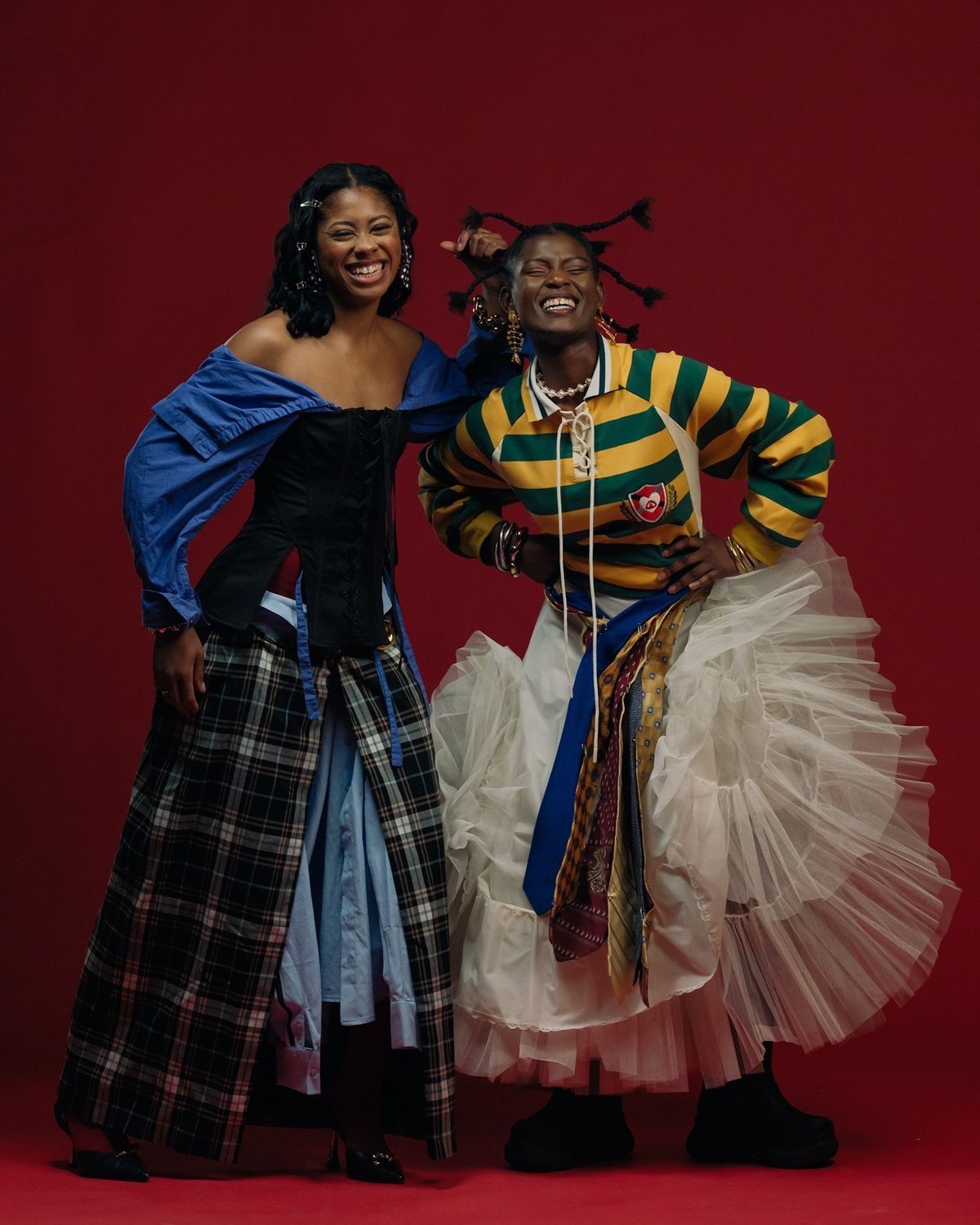
Why the 80s Reference Matters in 2026

Power dressing originally emerged as a practical negotiation tool; tailoring gave women a sense of structural presence in corporate spaces built around male-coded uniforms.

In 2026, the revival is not tied to workplace politics, but to visibility. Cultural signals indicate that consumers want pieces that register: clothing engineered to hold shape, create lines, and announce a deliberate style decision.

The rise of shoulder architecture, wide lapels, and a belted waist emphasises a desire for clarity and silhouette rather than draped ambiguity.

Core Elements Driving the Shift

The trend is represented through specific design choices, several of which dominated the Golden Globes and early-year runway shows:

  • Structured Jackets – engineered shoulders and complex construction
  • Oversized Lapels – broad fronts that frame the upper body
  • Defined Waistlines – belts and internal panels creating shape
  • Decorative Jackets – band-inspired detailing with braiding, buttons, and textural trims
  • Mixed-Glam Pairings – simple tops paired with high-impact skirts or trousers

These items generate presence without relying on print or colour, shifting emphasis toward cut and finish.

Drivers Behind the Return of Structure
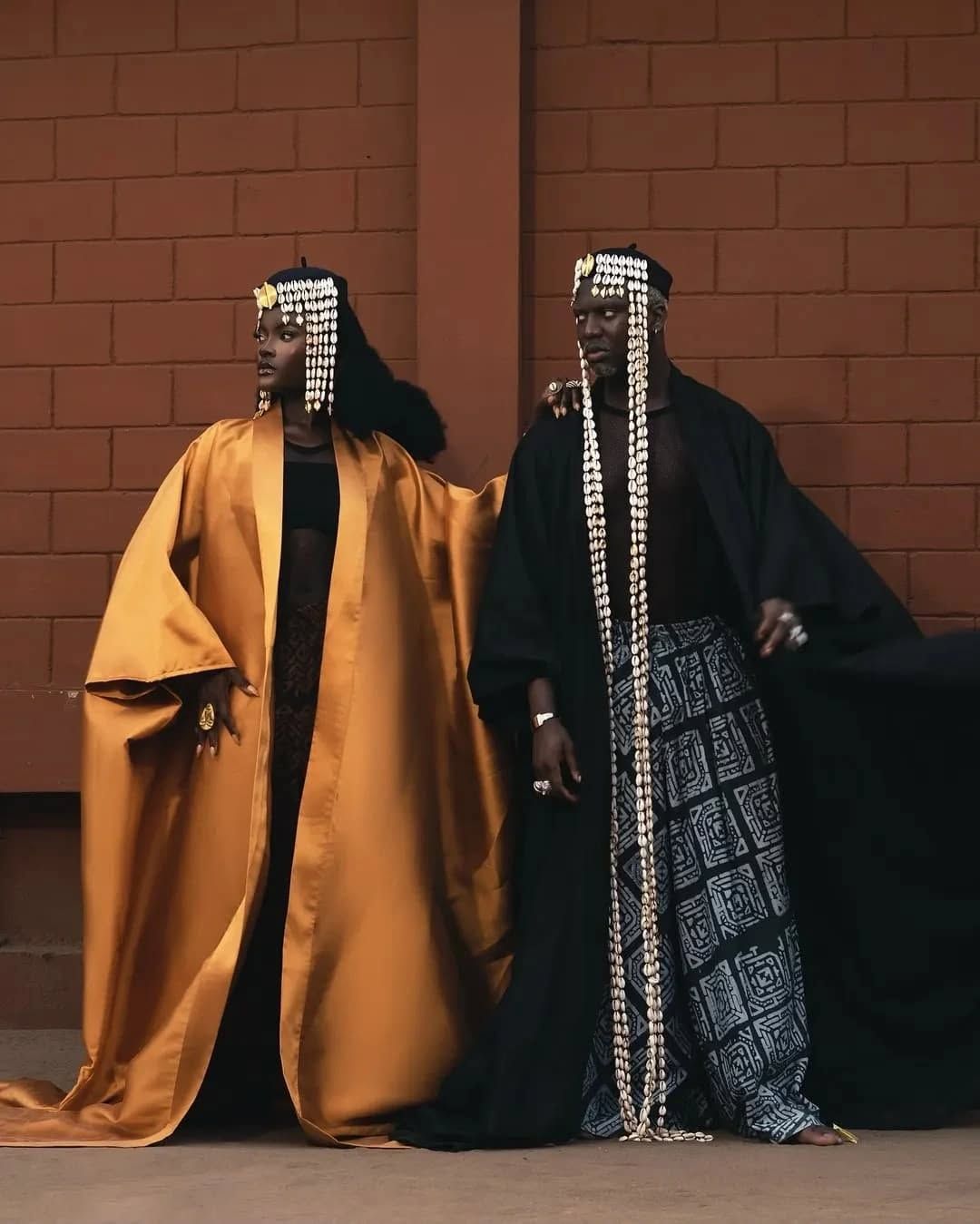
Drivers Behind the Return of Structure

Three industry forces sit underneath the aesthetic:

1. Consumer Fatigue With Weightless Minimalism

Several seasons of soft tailoring and relaxed silhouettes pushed the pendulum toward ease. Structured dressing now represents a counterpoint to precision instead of looseness.

2. Red Carpet and Digital Visibility

Clothing that photographs with edge and density performs better across platforms. Defined lines create standout images and drive styling virality.

3. Retail and Wardrobe Longevity

Tailored pieces justify investment and repeat wear. A structured blazer anchor looks across seasons more reliably than trend-driven separates.

RECOMMENDED:

  • Inside the Hidden Commercial Systems Behind Successful Fashion Houses
  • What Growth Means for a Fashion Brand: Profit, Scale, or Presence?

Extending the Conversation: Where African Fashion Fits

1. African Red Carpet Interpretations

African stylists working on regional and global carpets have adopted structured silhouettes as part of their visual vocabulary.

Sharp-shouldered gowns, fitted bodices, and architectural jackets are increasingly visible in coverage of Lagos Fashion Week, the Johannesburg Film Awards, and pan-African music events.

This reflects the same global logic: shape adds authority, and tailoring maintains form under lights and movement.

2. Designers Engaging With Structure

While aesthetic languages across the continent are varied, several designers work with construction methods aligned to power dressing, not as trend mimicry, but through pattern and fabric logic:

  • Tailoring studios in Nigeria and South Africa have expanded made-to-measure women’s suiting businesses as demand for fitted jackets increases.
  • Formalwear houses in Ghana and Côte d’Ivoire continue to blend structured corsetry and panelling into evening garments.

The key point is functional alignment: where designers already prioritise construction, the 2026 shift reinforces their positioning.

3. Consumer Adaptation and Practical Styling

African consumers, especially in urban markets, are translating maximal silhouettes through:

  • Lightweight versions of structured jackets for warm climates
  • Belted shirt dresses as an everyday alternative to full suiting
  • Mixed-texture styling (jersey + sheen fabrics) for event dressing

These adaptations show that the return of structure is not limited to winter climates or Western aesthetics.

How Individuals Will Wear the Trend

How Individuals Will Wear the Trend

Practical guidance that crosses markets:

Start With One Constructed Layer

A blazer with shoulder definition or a clean-cut coat reshapes proportions with minimal change.

Compare Simple and impactful Pieces.

A plain t-shirt with a statement skirt maintains balance.

Prioritise Fit Over Ornament

Tailoring accuracy determines whether the silhouette communicates sharpness or heaviness.

Use Accessories Sparingly

Belts or structured bags can reinforce geometry without overwhelming.

Conclusion

The return of 80s-leaning structure in 2026 reflects more than a reference cycle. It marks a global appetite for silhouettes that create clarity, shape, and presence in public and digital settings.

African designers and consumers are engaging with this shift not through imitation, but through adaptation, tailoring, proportion control, and fabric selection calibrated for real climates and real wardrobes.

Power dressing has evolved from a workplace toolkit to a broader expression of intentional identity. In the coming seasons, clean construction and defined form will shape how clothing performs across both global runways and everyday styling.

FAQs

  1. How can I style the 80s power dressing look without buying a new wardrobe?

Start with one structured layer, such as a defined-shoulder blazer, and combine it with existing basics like denim or a plain tee to update proportions.

  1. What makes 2026 power dressing different from the original 1980s version?

The current movement emphasises clean construction and silhouette clarity rather than bright colours or excessive decoration, making it more adaptable.

  1. Is power dressing wearable in warm African climates or tropical regions?

Yes. Lightweight suiting fabrics, half-lined blazers, and belt-defined shirt dresses offer structure without heavy materials.

  1. Why are oversized lapels and sharp shoulders trending on red carpets in 2026?

Defined shapes register more strongly in photographs and digital media, helping garments hold impact under lighting and motion.

  1. What is the most cost-efficient way to adopt 80s-inspired tailoring in everyday outfits?

Tailoring adjustments, such as refining shoulder seams or adding waist contouring, can transform existing jackets without requiring new purchases.

Post Views: 767
Total
0
Shares
Share 0
Tweet 0
Pin it 0
Related Topics
  • African Fashion
  • Fashion Authority Aesthetics
  • Power Dressing Fashion
  • Structured Tailoring Trends
Fathia Olasupo

olasupofathia49@gmail.com

You May Also Like
Menswear, Legibility, and Work: How Dress Codes Decide Who Looks "Professional"
View Post
  • Opinion

Menswear, Legibility, and Work: How Dress Codes Decide Who Looks “Professional”

  • Tobi Arowosegbe
  • September 10, 2026
Beadwork as Record: Why Zulu Colour Meanings Cannot Be Reduced to a Universal Code
View Post
  • Heritage Stories

Beadwork as Record: Why Zulu Colour Meanings Cannot Be Reduced to a Universal Code

  • Rex Clarke
  • September 10, 2026
The Sustainability Metrics That Cannot See a Tailor
View Post
  • Sustainable Fashion

The Sustainability Metrics That Cannot See a Tailor

  • Peace Vera
  • September 10, 2026
Directory Profile: Photographers Building an Ethical Record of African Street Style
View Post
  • Photographers

Directory Profile: Photographers Building an Ethical Record of African Street Style

  • Adams Moses
  • September 10, 2026
Indigo, Status and Mobility in Tuareg Dress: Reading Ceremony Without Reducing It to Costume
View Post
  • Heritage Stories

Indigo, Status and Mobility in Tuareg Dress: Reading Ceremony Without Reducing It to Costume

  • Tobi Arowosegbe
  • September 9, 2026
After the Textile Explainer: A Dyeing Economy Cannot Grow by Leaving Its Producers Behind
View Post
  • FASHION

After the Textile Explainer: A Dyeing Economy Cannot Grow by Leaving Its Producers Behind

  • Peace Vera
  • September 9, 2026
The UK Tailoring References That Need Better Credit: Researching East African Influence Precisely
View Post
  • FASHION

The UK Tailoring References That Need Better Credit: Researching East African Influence Precisely

  • Adams Moses
  • September 9, 2026
YZA Makes Its TRANOÏ Paris Debut With a Marrakech Fruit-Market Accessories Collection
View Post
  • Omiren Press Room

YZA Makes Its TRANOÏ Paris Debut With a Marrakech Fruit-Market Accessories Collection

  • Rex Clarke
  • September 9, 2026

Leave a Reply Cancel reply

Your email address will not be published. Required fields are marked *

The Omiren Argument

African fashion and culture are not emerging. They are foundational. We document, interpret, and argue for the full cultural weight of African and diaspora dress. With precision. Without apology.

Omiren Styles Fashion · Culture · Identity

All 54 African Nations
Caribbean · Afro-Latin America
The Global Diaspora

Platform

  • About Omiren Styles
  • Our Vision
  • Our Mission
  • Editorial Pillars
  • Editorial Policy
  • The Omiren Collective
  • Campus Style Initiative
  • Sustainable Style
  • Social Impact & Advocacy
  • Investor Relations

Contribute

  • Write for Omiren Styles
  • Submit Creative Work
  • Join the Omiren Collective
  • Campus Initiative
Contact
contact@omirenstyles.com
Our Reach

Africa — All 54 Nations
Caribbean
Afro-Latin America
Global Diaspora

African fashion intelligence, in your inbox.

Editorial features, designer profiles, cultural commentary. No noise.

© 2026 Omiren Styles — Rex Clarke Global Ventures Limited. All rights reserved.
  • Privacy Policy
  • Editorial Policy
  • Terms of Use
  • Accessibility
Africa · Caribbean · Diaspora
The Omiren Argument

African fashion and culture are not emerging. They are foundational. We document, interpret, and argue for the full cultural weight of African and diaspora dress. With precision. Without apology.

Omiren Styles Fashion · Culture · Identity
  • About Omiren Styles
  • Our Vision
  • Our Mission
  • Editorial Pillars
  • Editorial Policy
  • The Omiren Collective
  • Campus Style Initiative
  • Sustainable Style
  • Social Impact & Advocacy
  • Investor Relations
  • Write for Omiren Styles
  • Submit Creative Work
  • Join the Omiren Collective
  • Campus Initiative
Contact contact@omirenstyles.com

All 54 African Nations · Caribbean
Afro-Latin America · Global Diaspora

African fashion intelligence, in your inbox.

Editorial features, designer profiles, cultural commentary. No noise.

© 2026 Omiren Styles
Rex Clarke Global Ventures Limited.
All rights reserved.

  • Privacy Policy
  • Editorial Policy
  • Terms of Use
  • Accessibility
Africa · Caribbean · Diaspora

Input your search keywords and press Enter.

Newsletter Subscribe

The Omiren Style Index

The reference directory for African, Caribbean and Afro-Latin fashion. New entries, taxonomy updates and intelligence signals — once a month. No noise.

.newsletter-form{
max-width:500px;
margin:auto;
text-align:center;
padding:30px;
}

.newsletter-form h3{
margin-bottom:10px;
font-size:28px;
}

.newsletter-form p{
margin-bottom:20px;
color:#666;
}

.newsletter-form input{
width:100%;
padding:14px 18px;
border:1px solid #ddd;
margin-bottom:15px;
border-radius:4px;
}

.newsletter-form button{
width:100%;
padding:14px;
background:#000;
color:#fff;
border:none;
cursor:pointer;
text-transform:uppercase;
letter-spacing:1px;
}