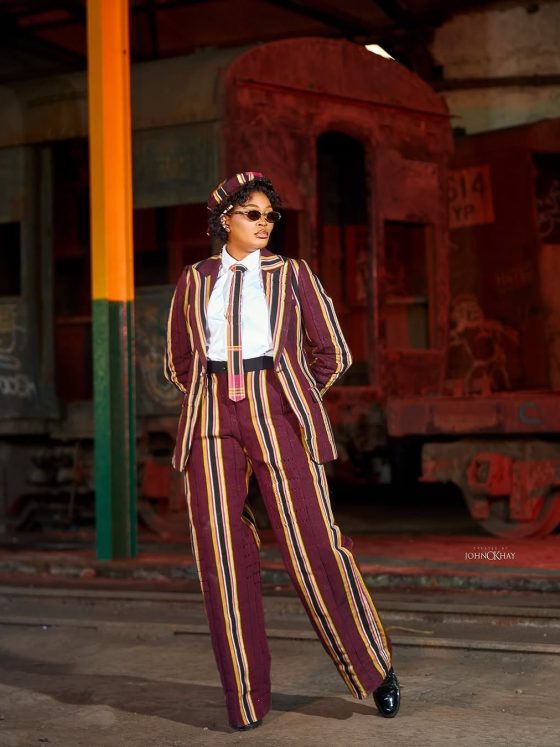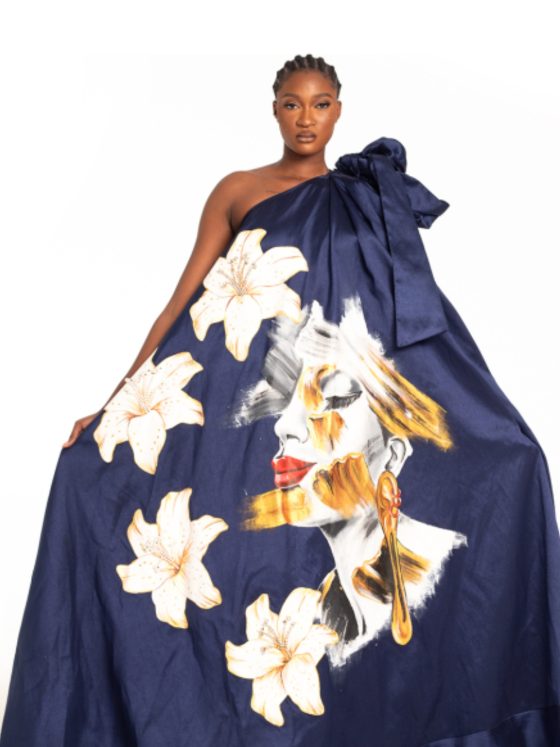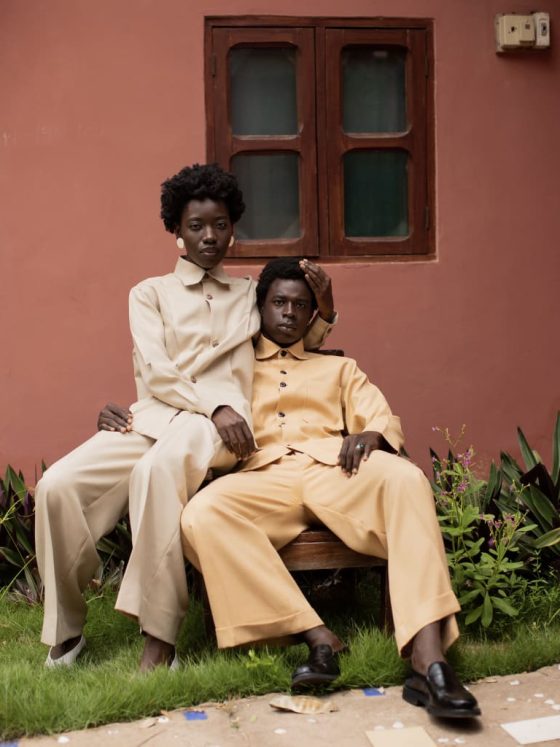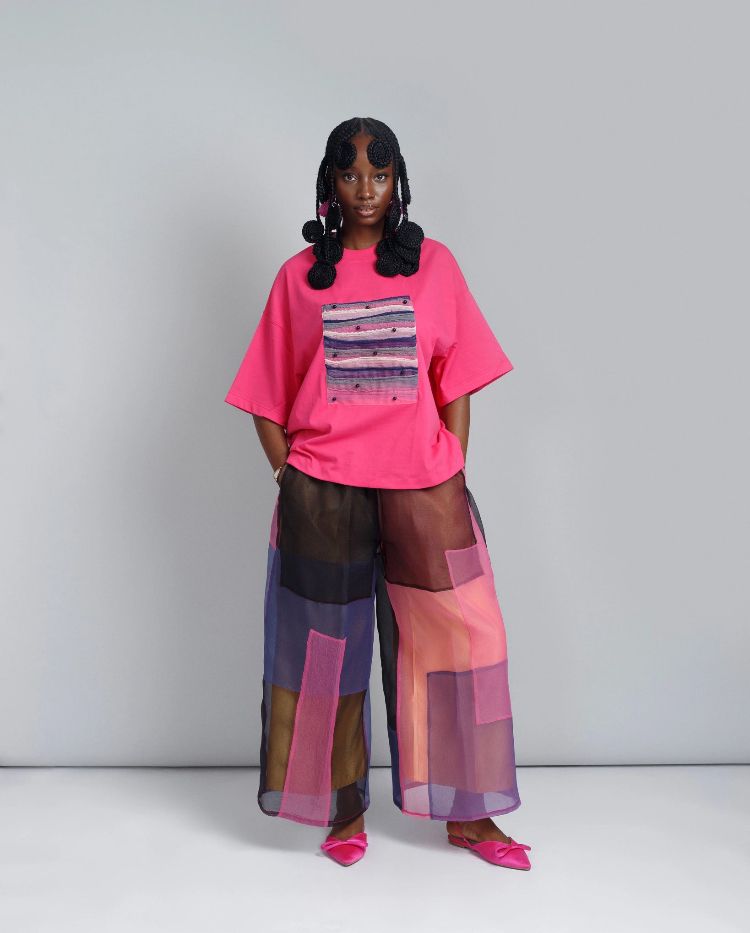
Before we speak, we are seen. Long before introductions, résumés, or social media bios, clothing steps into the room ahead of us. Styling is often dismissed as surface-level, yet across history it has quietly carried deep personal and political meaning. What we wear has always been more than decoration. It is a language. A record. Our background, values, and aspirations for our life journey influence the choices we make.
Styling as self-definition sits at the intersection of identity, culture, and society. It explains why clothing feels personal even when it follows shared codes and why style evolves as people do. This interview is not a conversation about trends. It is about meaning. This discussion focuses on the existence of styling as a tool of self-definition, the individuals it serves, and its continued significance across cultures, classes, and generations.
From personal dress choices to shared cultural codes, this essay explores how styling defines identity, shapes belonging, and records social history worldwide
Styling as a Personal Language
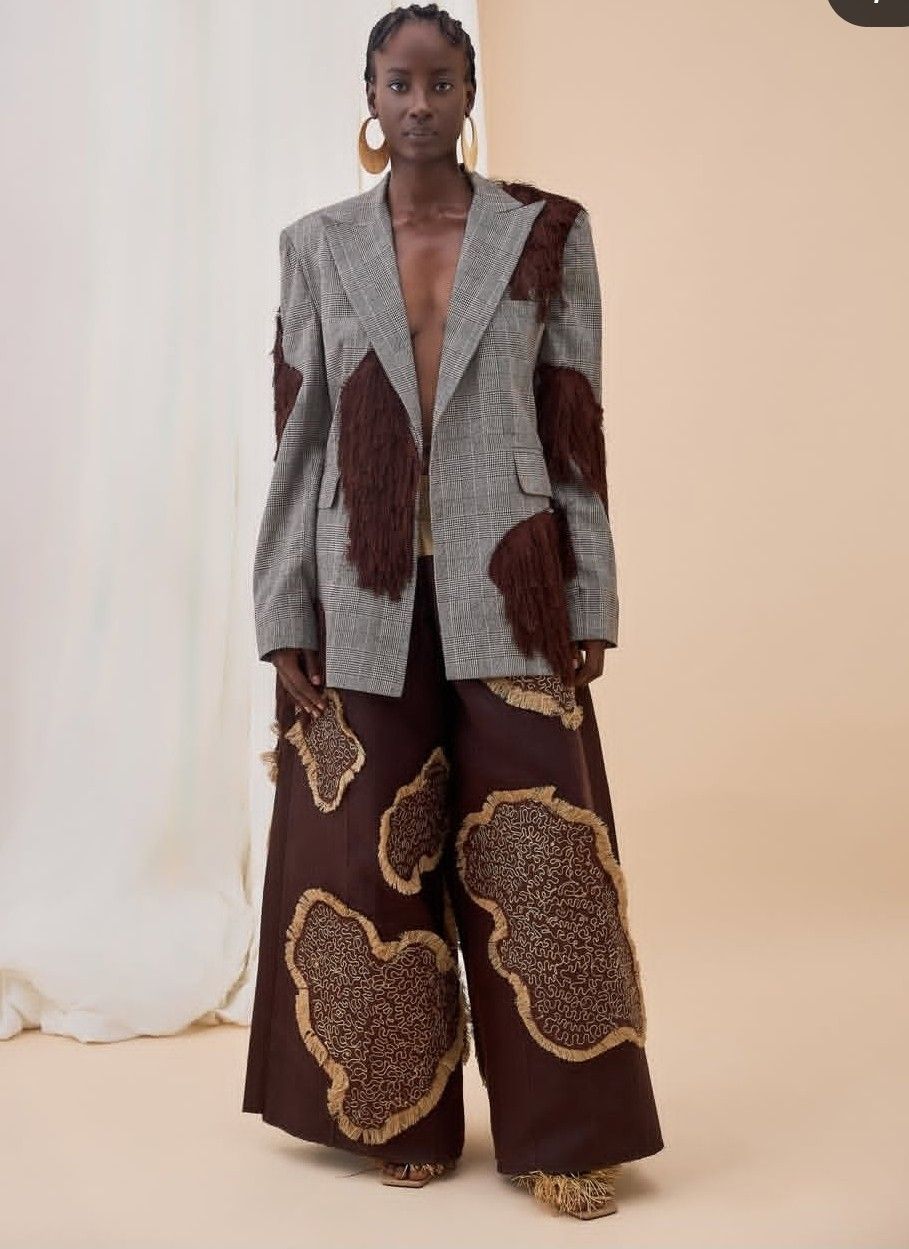
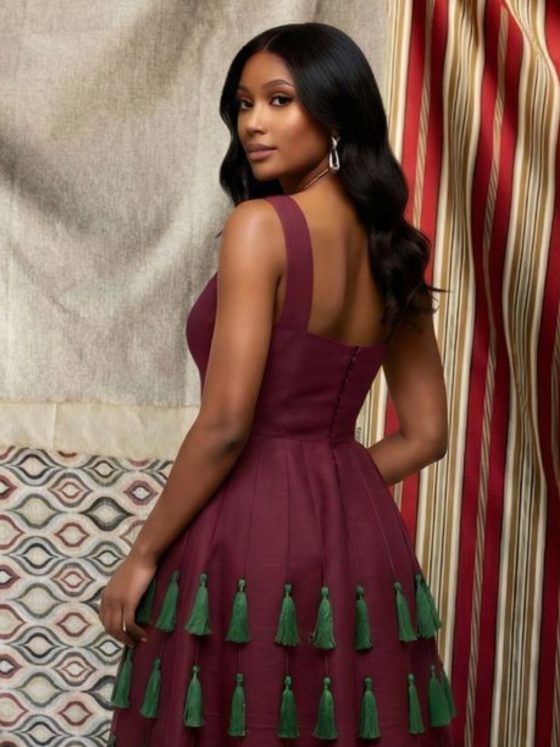
At its core, styling allows individuals to externalise their inner lives. Choices around colour, silhouette, texture, and fit often mirror personality traits, emotional states, or aspirations. A preference for structure may signal a desire for control or clarity. Fluid forms can suggest openness or resistance to rigidity. These choices are usually deliberate.
Psychologically, clothing feeds into self-perception. What we wear not only communicates outwardly; it also shapes how we experience ourselves internally. Dressing in ways that align with one’s self-image strengthens confidence and coherence. In this sense, style becomes a stabilising ritual that helps people feel anchored in who they are, especially during periods of transition or uncertainty.
Identity Is Social Before It Is Individual
While style feels personal, it is never formed in isolation. Societies attach meaning to clothing, and individuals negotiate those meanings daily. Workwear, ceremonial dress, street style, and casual wear all exist within shared systems of recognition. Styling helps people signal belonging or intentional distance from certain groups.
Historically, clothing has marked profession, status, gender roles, and even moral expectations. These codes continue today, though often more subtly. A tailored suit still carries authority. Relaxed silhouettes can signal creative freedom. The tension between fitting in and standing out is part of how styling functions as self-definition. It allows people to say, “This is where I belong,” or “This is where I differ.”
Culture Woven Into Cloth
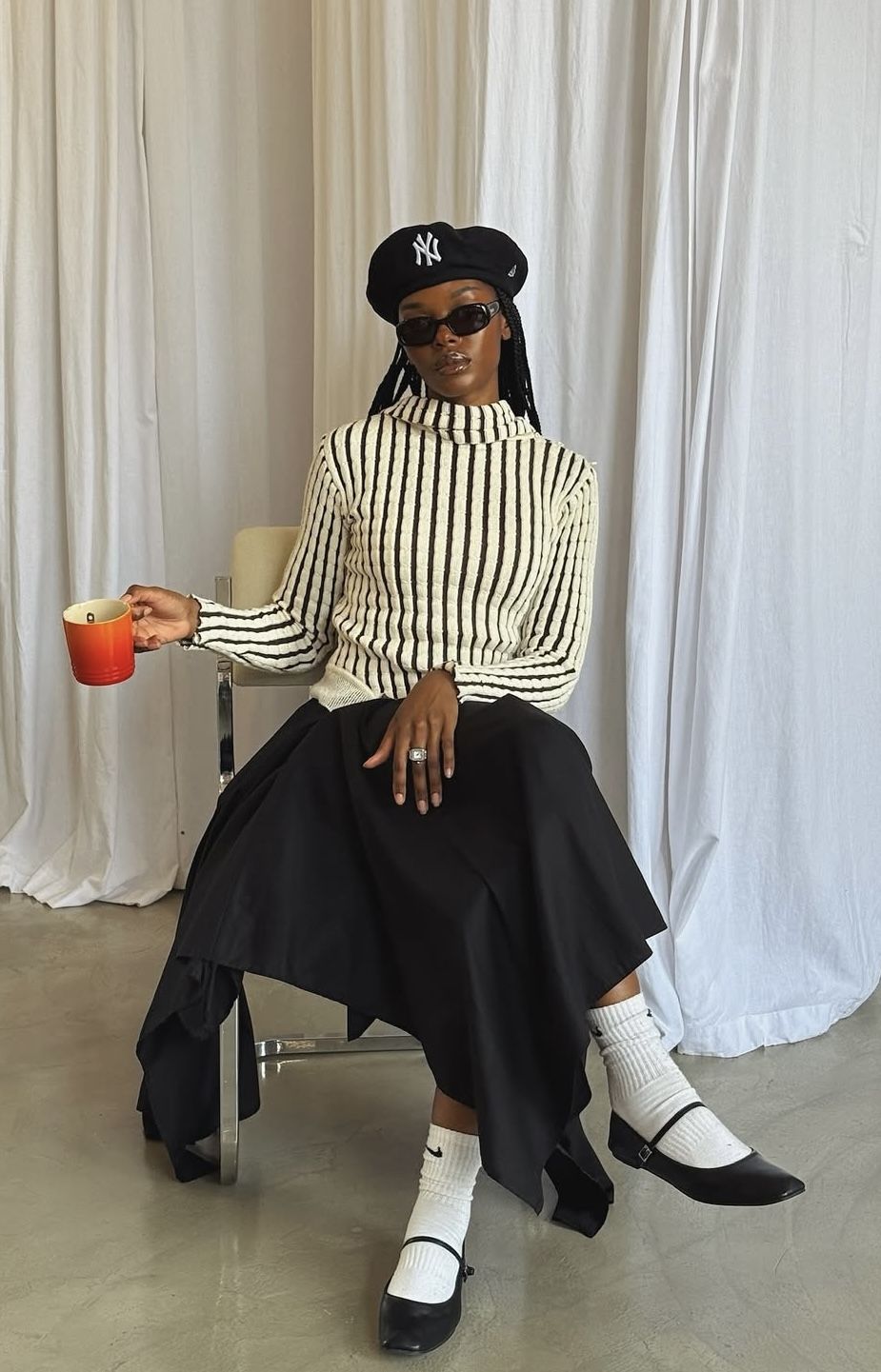
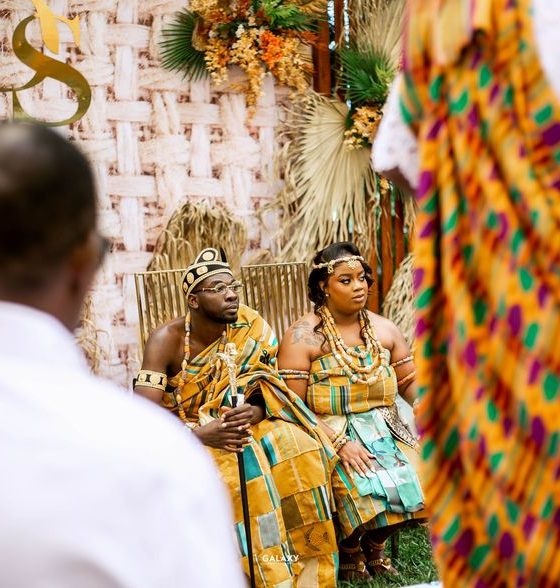
Styling also operates as cultural memory. Dress has preserved history in African, Asian, European, and Indigenous societies where written records were either limited or inaccessible. Fabrics, patterns, and adornment carry stories of migration, resistance, spirituality, and survival.
In the African and Diaspora context, style has often functioned as both protection and protest. From colonial-era dress codes to modern street fashion, styling has been used to reclaim agency and narrate identity on one’s own terms. Importantly, this is not unique to Africa. Similar dynamics appear in punk movements, queer fashion histories, and working-class dress codes globally. Styling becomes a shared human response to power, control, and self-assertion.
Read Also:
Styling Across Life Stages and Roles
Self-definition is not static, and neither is style. People adjust how they dress as they move through different roles, careers, and phases of life. Workwear evolves with professional identity. Wellness culture influences comfort-driven aesthetics. Sustainability concerns shape fabric choices and consumption habits.
These shifts reveal that styling is adaptive. It helps people rehearse new versions of themselves before they fully arrive there. A person dressing for the role they aspire to is not being deceptive. They are participating in a long-standing human practice of symbolic becoming.
The Digital Age and Curated Identity
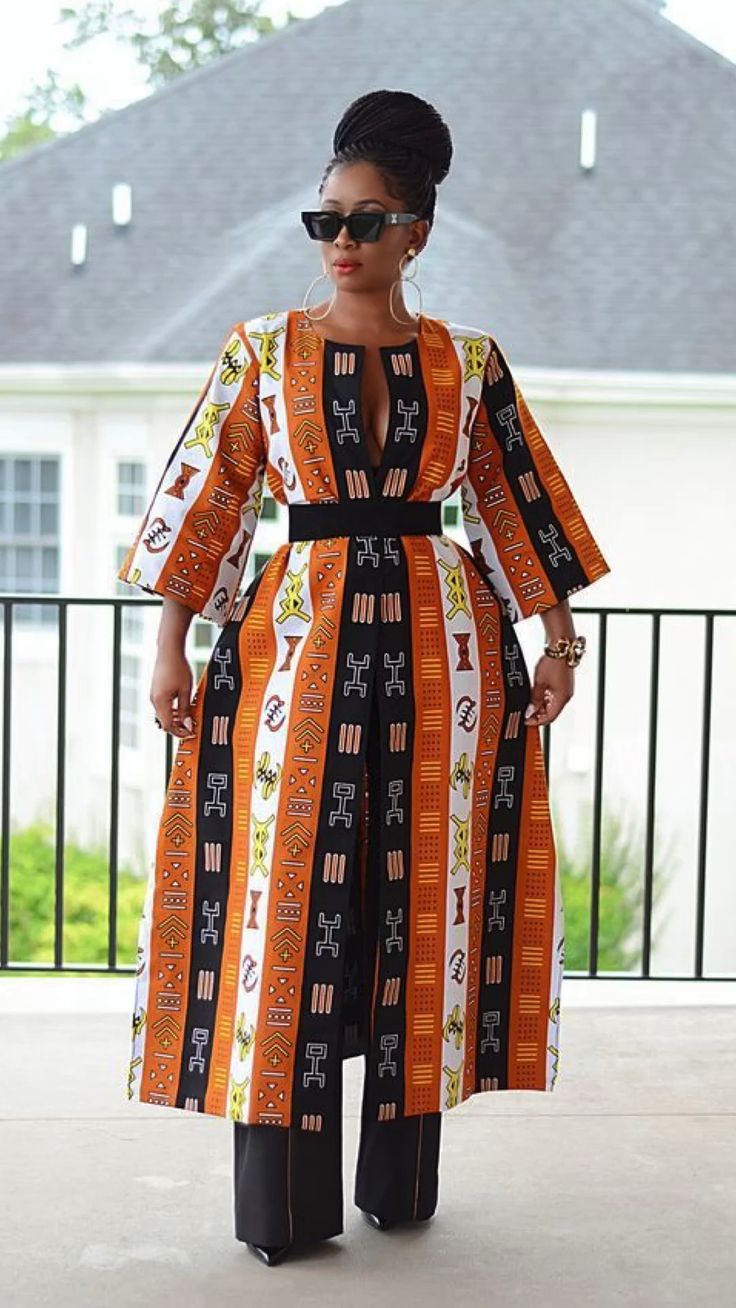
Social media has amplified styling as a visible form of self-definition. Platforms turn everyday dressing into storytelling, allowing individuals to visually and narratively frame their identity. This can create pressure to perform, but it also democratises visibility. More people can define themselves outside traditional gatekeepers of fashion and media.
What matters here is intention. When styling becomes conscious rather than reactive, it regains depth. The most resonant online style narratives are not the most expensive or trend-driven, but the most coherent and honest.
Conclusion
Styling as self-definition matters because it reminds us that identity is lived, not just spoken. Clothing captures the meeting point between the individual and society, between history and the present moment. It records who we are becoming, even when words fail.
When viewed through a cultural lens, styling stops being about consumption and starts becoming about meaning. It serves those seeking a sense of belonging, autonomy, visibility, and continuity. Across continents and generations, people return to style as a quiet but powerful way to say, “This is me,” and just as importantly, “This is why it matters.”
Celebrate bold heritage — explore African Style on OmirenStyles.
FAQs
- Is styling the same as following fashion trends?
No. Trends are collective moments. Styling is how individuals interpret or reject them to express identity.
- Can clothing really influence how someone feels about themselves?
Yes. Research in psychology shows clothing affects confidence, behaviour, and self-perception.
- Why does culture play such a big role in personal style?
This is because history, values, and social norms shape the shared meanings that clothing carries.
- Is styling important outside creative industries?
Absolutely. Styling shapes experiences in work, wellness, leadership, and everyday life.
- How can someone develop a more authentic personal style?
One can develop a more authentic personal style by understanding one’s values, lifestyle, and cultural influences rather than blindly copying trends.