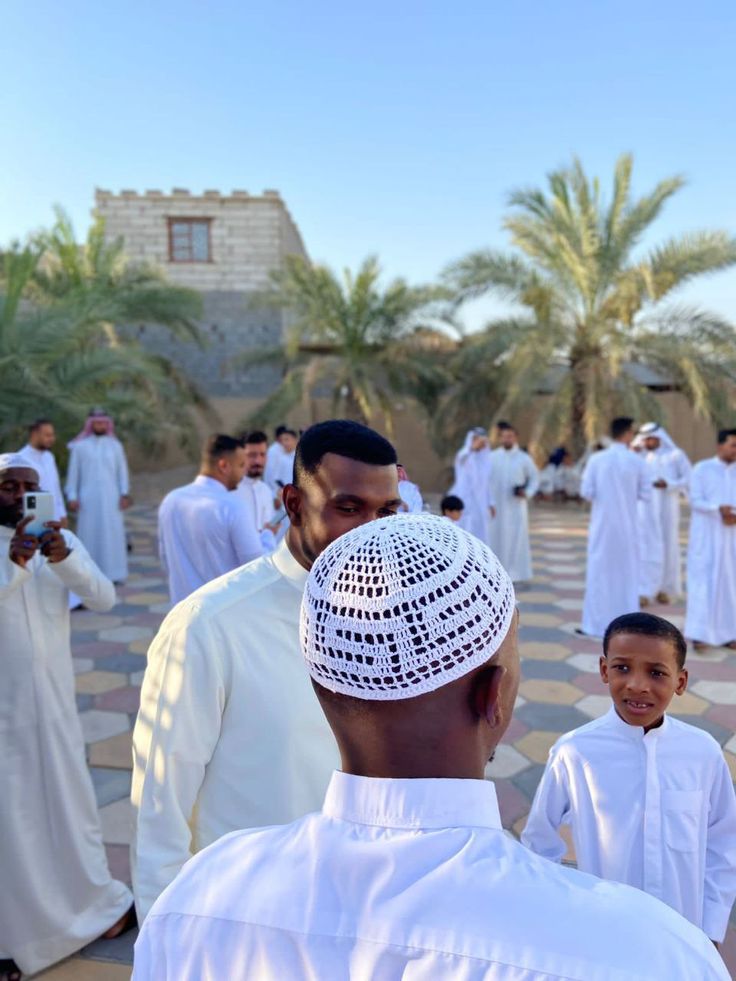
I first felt the story of Arab–Swahili fashion not in a museum, but in the narrow streets of Stone Town, Zanzibar. The air smelt of clove and sea salt. A man passed me wearing a flowing kanzu, its crisp white fabric catching the late-afternoon sun, embroidered lightly at the collar. His sandals slapped softly against coral stone. Somewhere nearby, a call to prayer folded into the hum of scooters and distant waves.
Later, in Mombasa’s Old Town, the experience returned, this time with texture. Carved wooden doors brushed by long robes, women wrapped in kangas layered beneath sheer buibui, silver jewellery glinting with a restraint that spoke of heritage rather than display. I realised then: this was not borrowed fashion. This was an inherited memory.
As a writer who has spent years tracing Middle Eastern and Arabian cultural pathways, I have learnt that clothing often reveals truths that politics cannot. In Zanzibar and Mombasa, fashion became a language, one shaped profoundly by Omani traders who arrived by dhow centuries ago.
In this article, you will discover how trade routes became style routes, how Omani aesthetics merged with Swahili identity, and how garments, colours, and rituals still hold quiet power today.
Along the Swahili Coast, fashion is not stitched in silence. It carries the echo of sails, the weight of spices, and the quiet authority of history. This is the story of how Omani traders didn’t just move goods across the Indian Ocean; they reshaped identity, power, and style in Zanzibar and Mombasa.
Zanzibar: Where Power Dressed Softly
When Oman established political authority in Zanzibar in the 18th and 19th centuries, fashion became a subtle form of diplomacy. Omani elites dressed in restraint, clean lines, muted tones, and delicate embroidery, setting an aesthetic that local elites adopted and transformed.
I stood inside a former Omani merchant’s home, its walls cool and pale. The guide explained how clothing mirrored architecture: modest outside, expressive within, with silk linings, embroidered cuffs, scented oils, and luxury hidden from spectacle.
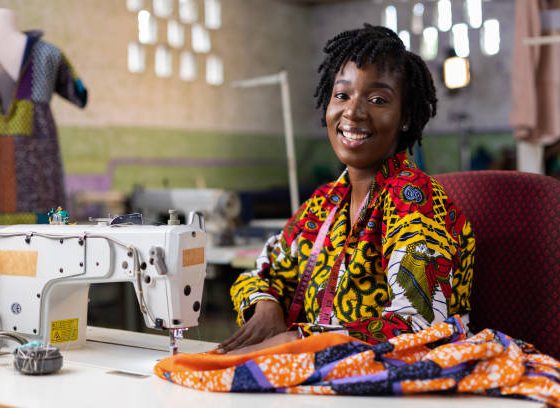
A local tailor shared with me:
“Our fathers learnt that elegance does not shout. It whispers.”
Zanzibar serves as a living archive of Arabian-African trade routes and tourism, with old historical buildings and ancient business architecture that tell a story.
Mombasa: The Swahili Reinterpretation
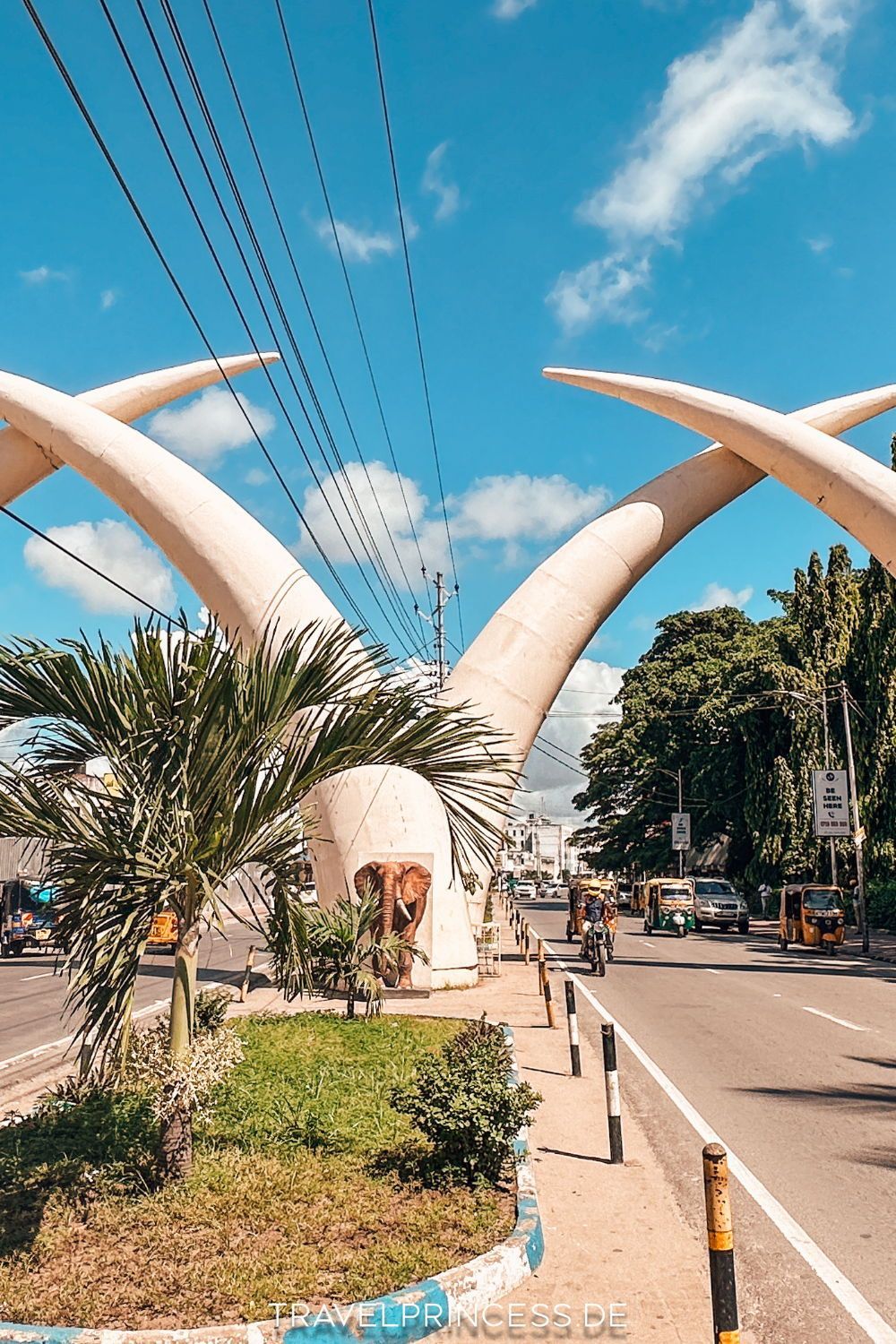
In Mombasa, the influence bent differently. Swahili artisans infused Omani silhouettes with African colour sensibilities. Kangas became layered statements. Head coverings evolved to be less rigid and more expressive.
Here, fashion told stories of marriage, mourning, and migration. A Swahili elder explained that embroidery patterns had once signalled lineage or trade connections. Clothing became a social map of who you traded with, where your ancestors prayed, and how far your family had travelled.
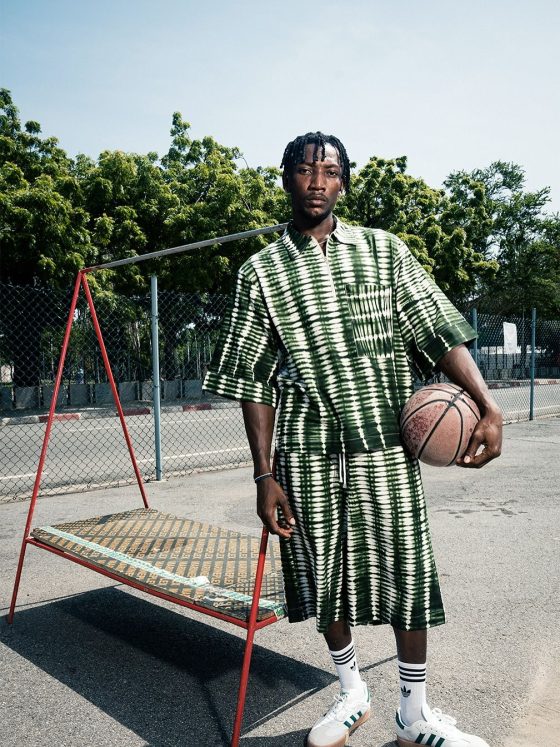
Kangas, traditionally worn as multifunctional cloths, evolved into layered fashion statements. They were wrapped over or beneath Arabian-style garments, combining modest coverage with visual storytelling. Each kanga’s printed proverb, border design, and colour choice communicated social messages, marital, mourning, celebratory, or personal values, turning clothing into a readable cultural text.
Women, Modesty, and Quiet Authority
Often overlooked in trade narratives, women were central to sustaining Arab–Swahili fashion. Omani modesty codes merged with Swahili textile traditions, producing styles that balanced privacy with presence.
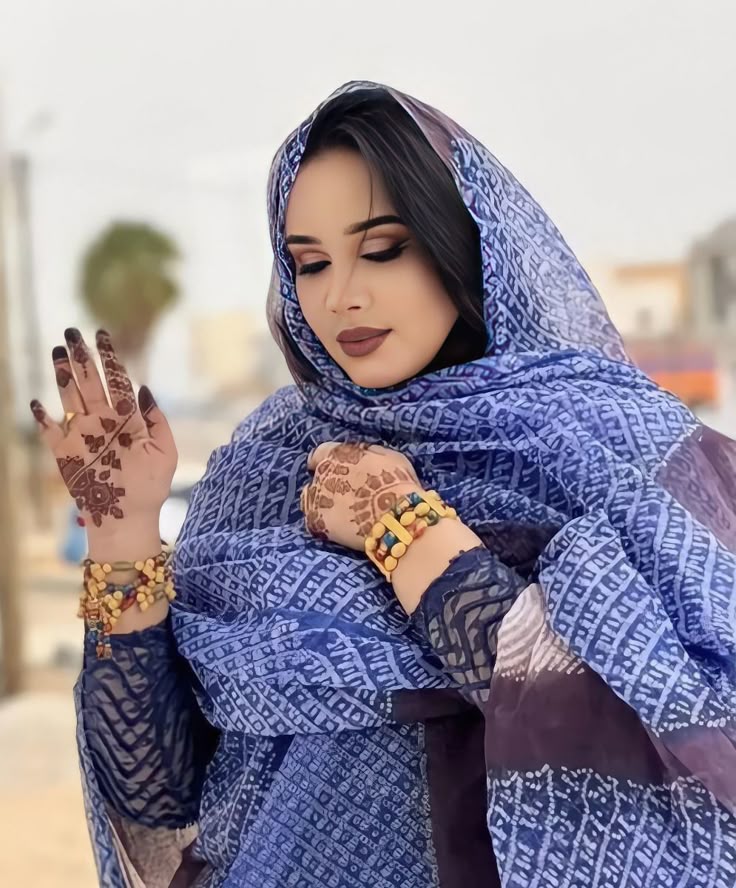
Walking through a Zanzibar wedding, I noticed the harmony: sheer veils layered over bold prints, gold jewellery worn sparingly but deliberately.
I was once invited by my friend to the Usiku wa Henna celebration in Zanzibar, where I reaffirmed the cordial relationship between Arab and Swahili cultures through henna, bamboo, and traditional perfume.
ALSO READ:
- Top 10 African Traditional Clothes with Clear Arabian Fashion Influence
- 5 Reasons Arabian Fashion Blended Naturally with African Clothing
- Why Modesty Became Power: The Cultural Significance of Loose Clothing for Afro-Arab Women
Helpful Insight
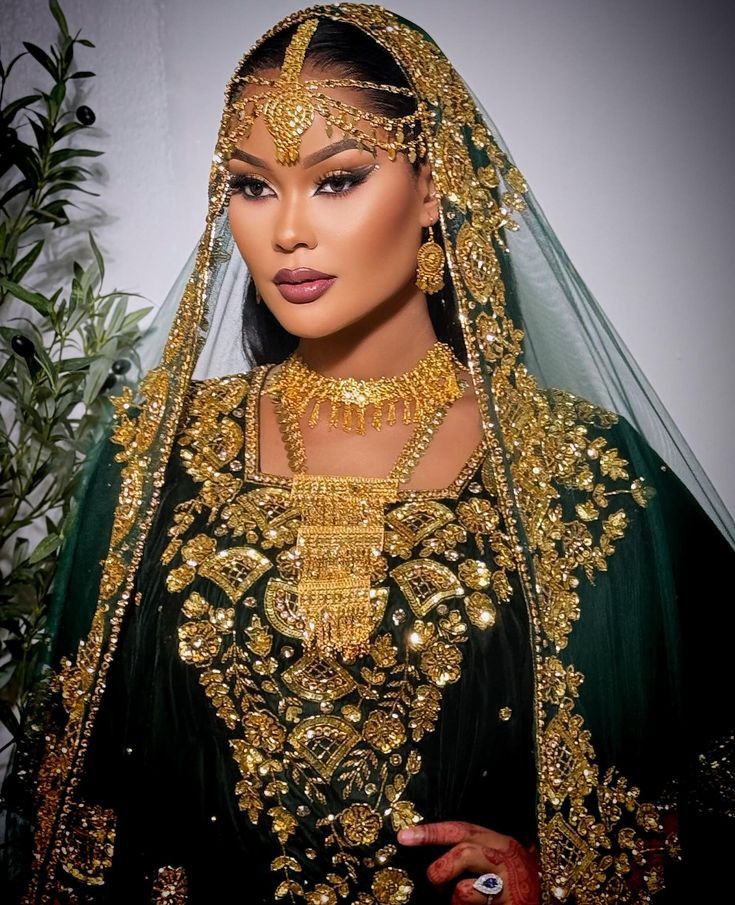
Arab–Swahili fashion is best understood not as “Arab influence” or “African influence”, but as a negotiated identity.
Here’s what many overlook:
- Fabric choice mattered more than cut. Imported Omani cotton signalled a connection with the wider Islamic world. Locally dyed—locallyrooted wearers in African soil.
- Layering was intentional. It allowed adaptation in religious, climatic, and social contexts.
- Scent completed the outfit. Frankincense, sandalwood, and clove oil were part of the dressing, not afterthoughts.
- Footwear and headwear signalled status. Simple sandals or embroidered caps quietly communicated authority.
To truly see Arab–Swahili fashion today, visit early morning markets, not festivals. Watch how fishermen dress for prayer, how shopkeepers fold their sleeves, and how elders knot their scarves. That is where heritage breathes.
As evening returned in Zanzibar, I watched a young boy adjust his father’s robe before prayer. The fabric moved easily, shaped by centuries of wind and exchange. In that moment, it became clear: Omani traders did not dress the Swahili Coast. They conversed with it.
Arab–Swahili fashion is not frozen history. It is living continuity, soft power stitched into everyday life, and dignity carried lightly across generations.
At Omiren Styles, we tell these stories not as trends, but as truths.
If you believe fashion is culture and culture never stands still, explore more stories deeply at omirenstyles.
Because some histories are not written.
They are worn.
Frequently Asked Questions (FAQs)
1. Did Omani traders impose their fashion on the Swahili Coast?
No. What emerged was mutual adaptation. Swahili communities selected what fit their climate, values, and aesthetics, reshaping Omani styles into something distinctly local.
2. Is Arab–Swahili fashion still relevant today?
Absolutely. Modern designers in East Africa continue to reference kanzu cuts, Omani embroidery styles, and modest layering, often without naming them.
3. Can visitors respectfully engage with this fashion heritage?
Yes, by observing before wearing, asking questions, and understanding context. Clothing here carries meaning beyond appearance.
4. Why is Zanzibar more visibly influenced than inland regions?
This is primarily due to the daily interaction that coastal trade sustains. Fashion followed frequency, not force.