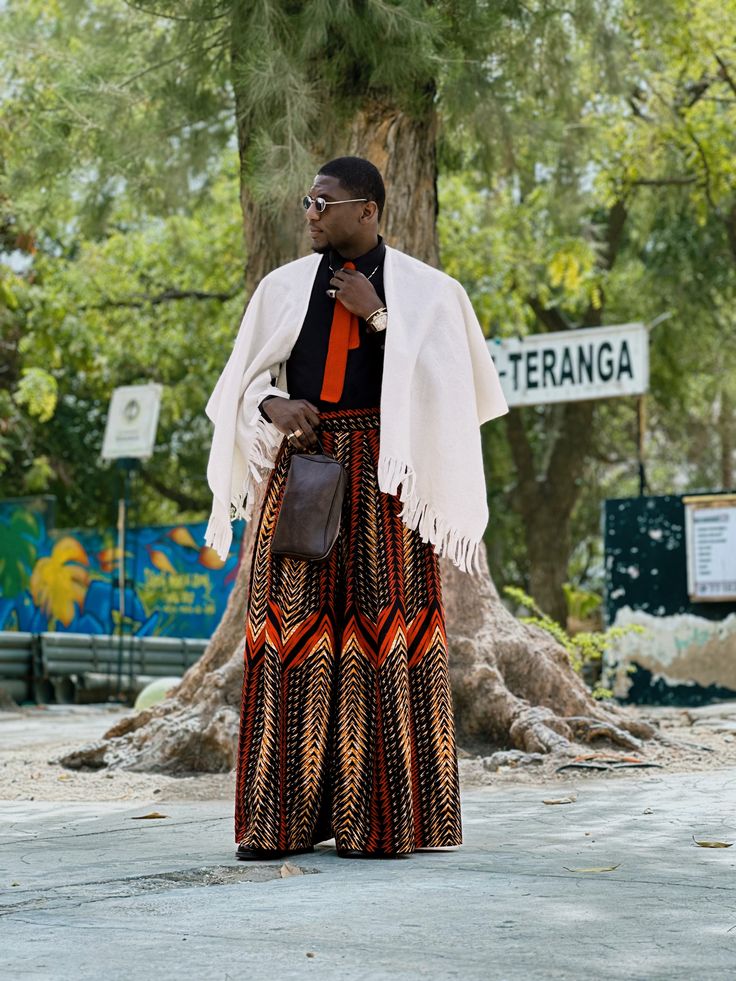
Every city has a grammar. Traffic patterns encode hierarchy. Shopfronts signify who the neighbourhood was built to welcome. The pace at which people move through a space reveals whether they are its or are passing through it on permission. Most people cross cities without reading them. The modern flâneur reads nothing else.
The concept originates with Charles Baudelaire, the 19th-century French poet who described an urban figure immersed in the spectacle of Paris: not a participant in the crowd, not an outsider observing from a distance, but someone moving through it with full attention, decoding the social logic that most people navigate by instinct. Walter Benjamin later extended this into a full critical framework, arguing in his Arcades Project that the Parisian shopping arcade was a dream space in which capitalism staged its mythology and that the flâneur was the figure capable of waking up inside it.
The flâneur was never idle. Every step was a form of reading.
In 2026, the practice will have migrated. The modern flâneur is a photographer on Lagos Island, a cultural critic walking through Accra’s Osu, or a diaspora woman returning to a city she carries in memory, only to find it has rewritten itself. The tools have changed. The method has not: walk, observe, interpret. Ask who shaped this street, who was displaced to build it, whose image fills the billboards, and whose language is on the signs. The city answers if you know how to ask.
The flâneur began in Paris, reading capitalism through arcade windows. In Lagos and Accra, the practice becomes urgent: walking as a form of cultural intelligence, and the street as the most honest record of who a city is becoming.
Observation as Cultural Intelligence: The 19th-Century Foundation
Baudelaire’s flâneur emerged from a specific historical rupture. Baron Haussmann’s reconstruction of Paris between 1853 and 1870 demolished the medieval city and replaced its dense, irregular neighbourhoods with the wide boulevards, uniform façades, and regulated public spaces that still define central Paris today. The rebuilding was explicitly designed to prevent barricade warfare, to move troops efficiently through the city, and to displace the working-class populations of the central arrondissements outward. The spectacle of modern Paris was built on clearance.
Benjamin understood the arcade, that glass-roofed gallery of luxury shops introduced in the early 19th century, as the central symbol of this new city. The arcade promised freedom of movement and shelter from the weather, but its logic was commercial: every direction you turned, you were being sold something. The flâneur walked this space, not to shop but to see the sales. The flâneur recognised the dream the arcade was manufacturing and managed to stay awake within it.
This is why the flâneur is a figure of cultural intelligence rather than leisure. The ability to move through a commercial and social spectacle without being absorbed by it, to observe the mechanisms rather than participate in the fantasy, was itself a form of power. And it was a form of power with an access condition: historically, public urban walking without apparent purpose was available to men of a certain class. Women who walked without a destination were interpreted differently. The labouring poor who filled the same streets were not flâneurs; they were merely scenery.
The modern flâneur inherits this tension. The practice of walking as observation must reckon with its own exclusions before it can be genuinely expanded.
Why the Concept Expands in African Cities
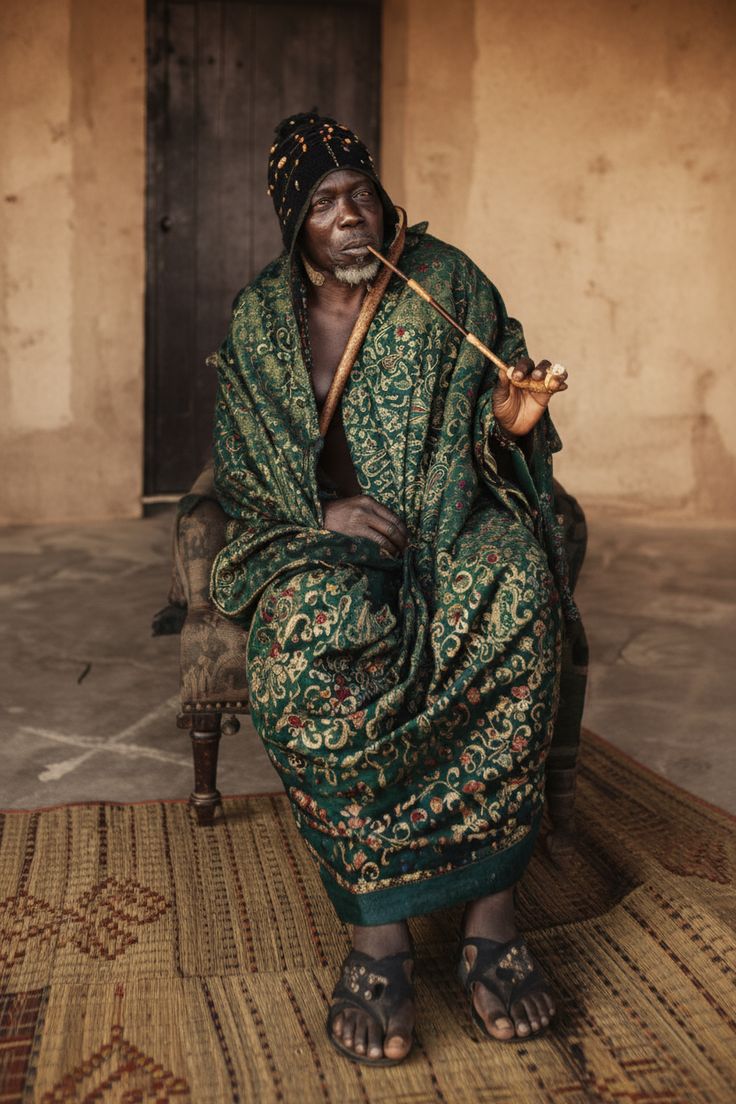
In many African contexts, the idea of strolling purely for leisure feels incomplete. Streets are workplaces, marketplaces, and social networks. Observing them requires attention to survival strategies, creativity, and resilience.
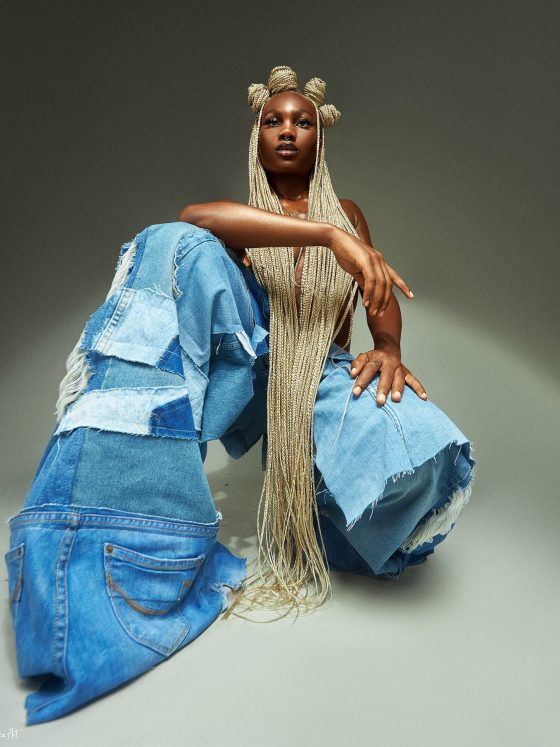
In Lagos, for example, street fashion reflects more than personal taste. It signals economic ingenuity, cultural pride, and social positioning. A carefully styled outfit might convey ambition or a sense of belonging in a fast-paced urban environment. Hair choices can carry political meaning, reflecting debates about professionalism, identity, and colonial legacies.
Here, the flâneur reads not only aesthetics but also systems — transport struggles, informal economies, and community dynamics. Walking becomes a way to understand how people navigate structural challenges while shaping culture.
The Diaspora Walker—Translating Between Worlds
In diaspora neighbourhoods across global cities, the modern flâneur becomes a translator. They notice how migration reshapes public space: grocery stores importing familiar foods, music drifting from open windows, and fashion blending influences from multiple continents.
These observations reveal how identity evolves across borders. The diaspora flâneur sees how communities negotiate belonging while preserving heritage. This perspective adds depth to global conversations about culture, reminding us that cities are archives of movement and memory.
Fashion as a Social Record
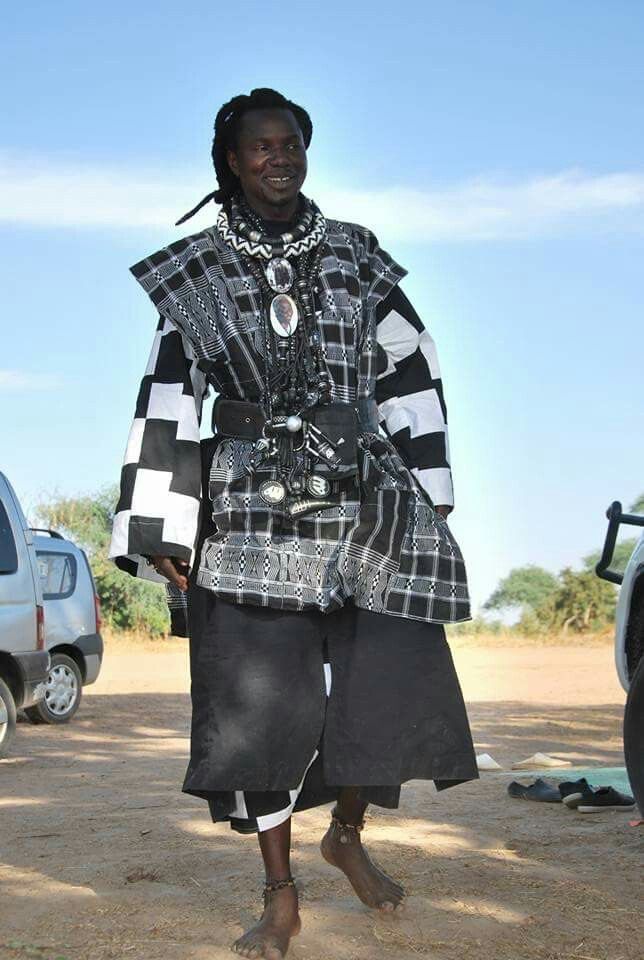
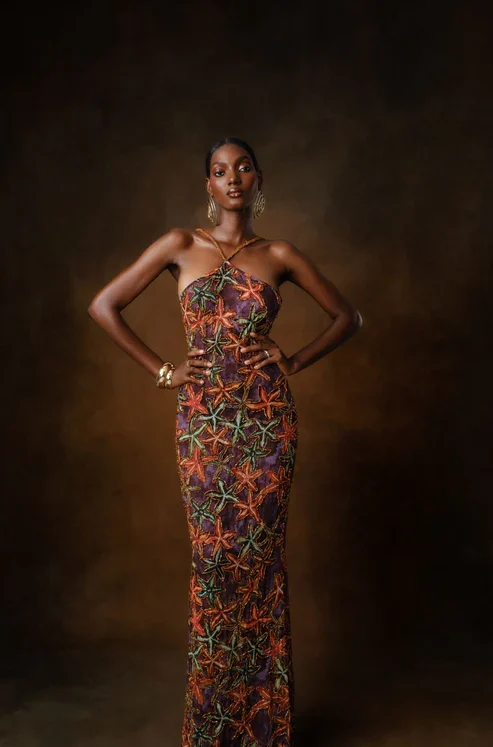
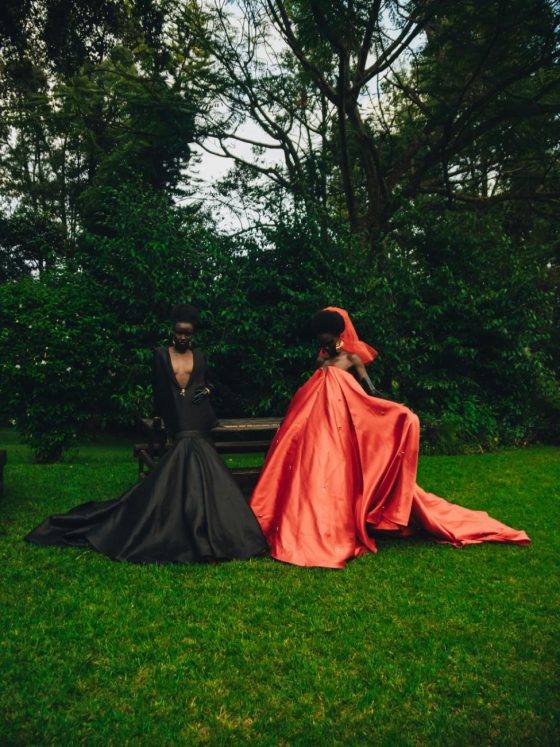
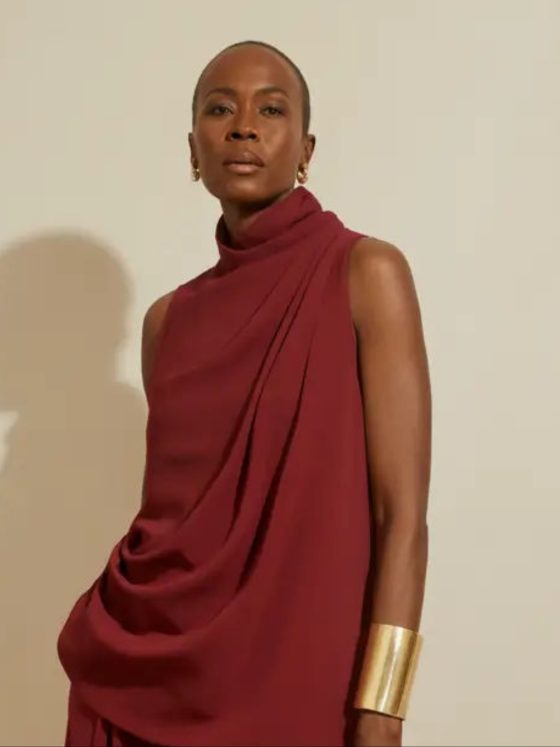
Clothing has always been central to flânerie because style reflects social currents. Rather than treating fashion as a product, the modern flâneur reads it as documentation — evidence of shifting values and aspirations.
Consider workwear trends that blur the lines between formal and casual. They reflect changing ideas about productivity and flexibility. Wellness aesthetics — from athleisure to natural hair movements—reveal a growing focus on mental and physical balance. Luxury, especially when viewed through African perspectives, often emphasises craftsmanship, storytelling, and cultural continuity rather than mere price.
Fashion becomes a language through which people express who they are and who they hope to become.
The Politics of Public Space
Not everyone experiences the city equally. Questions of safety, gender, class, and accessibility shape who can move freely and who must remain cautious. For many women, simply occupying space can be an act of assertion. Observing how people navigate these realities exposes underlying power structures.
The modern flâneur therefore does more than watch — they notice tensions, exclusions, and possibilities. Their insights help explain why certain urban debates emerge, from transport policies to housing discussions.
READ ALSO:
Digital Flânerie — Wandering Beyond the Street
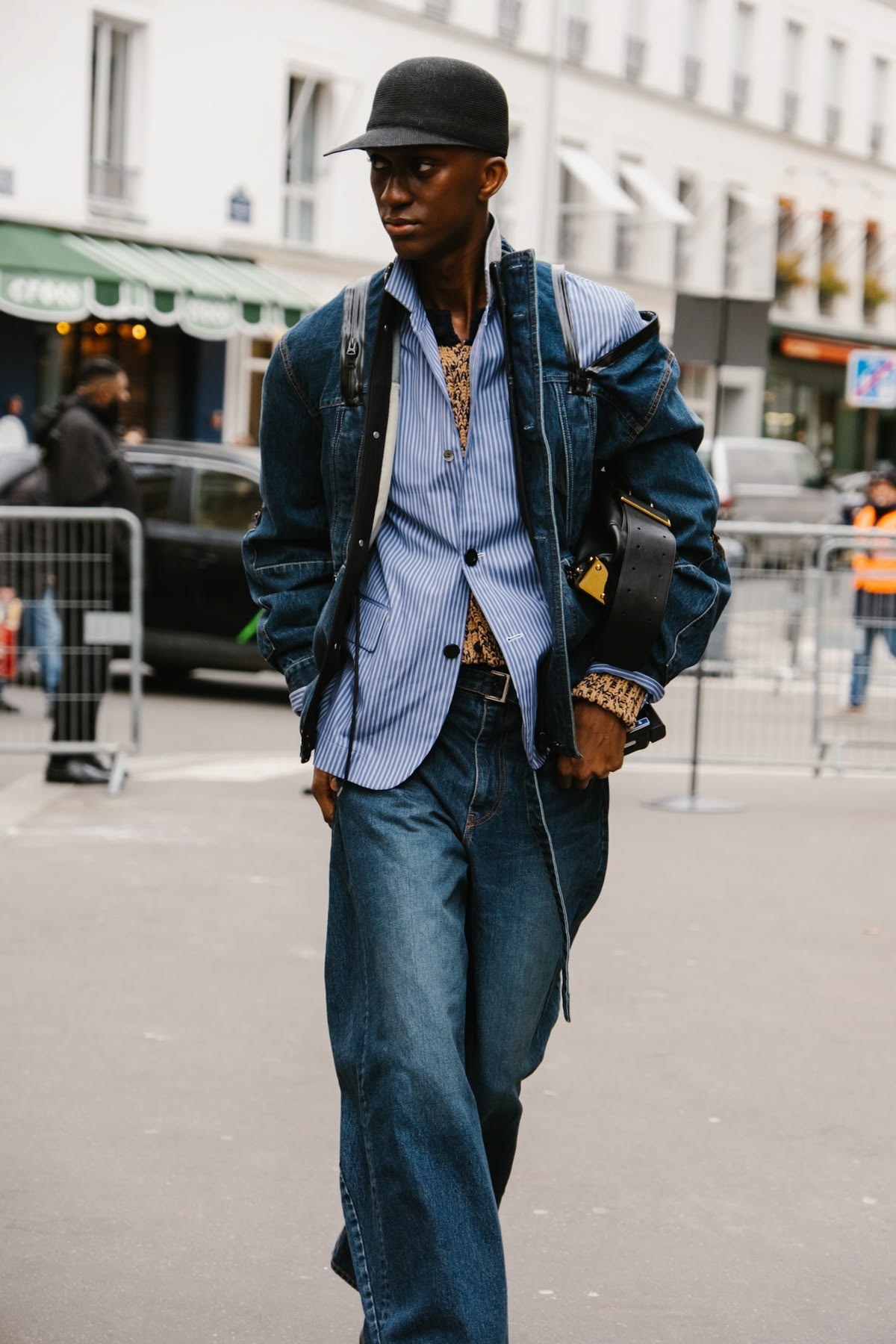
Today’s observer also moves through digital landscapes. Social media feeds function like virtual boulevards where trends emerge and conversations unfold. Scrolling becomes a form of wandering, revealing collective moods and cultural shifts.
Yet digital observation still connects back to physical realities. Online narratives often originate from lived experiences in neighbourhoods, workplaces, and communities. The modern flâneur bridges these worlds, interpreting how online culture reflects offline life.
Why it Matters Now
Understanding the modern flâneur offers a framework for interpreting complexity. In a time of rapid change, careful observation helps people make sense of shifting norms, emerging identities, and evolving urban rhythms.
It reminds us that everyday scenes — a conversation at a bus stop, a hairstyle trend, a street performance — are not trivial. They are clues about how societies adapt and imagine their futures.
Conclusion
The modern flâneur is not defined by geography or status but by attention. By walking, watching, and reflecting, they reveal how cities function as living narratives shaped by history, ambition, and struggle.
Seen through a global lens, this figure shows that culture is not confined to runways or headlines. It lives in ordinary moments — in how people move, dress, gather, and dream. Recognising the flâneur within contemporary life encourages deeper awareness of the forces shaping our environments and reminds us that observation itself can be a form of knowledge.
FAQs
- What is a flâneur in simple terms?
A flâneur is an attentive observer who walks through urban spaces to understand culture, society, and everyday life.
- How is the modern flâneur different from the historical one?
Today’s flâneur navigates both physical streets and digital spaces, interpreting social change across multiple environments.
- Why is the concept relevant to African cities?
Observing streets reveals informal economies, cultural innovation, and how people adapt to rapid urban transformation.
- Can women be flâneurs?
Yes. Many scholars use the term “flâneuse” to describe women who observe and interpret public life, often highlighting issues of safety and visibility.
- How does fashion relate to flânerie?
Style acts as a record of social values and identity, allowing observers to read cultural shifts through clothing and appearance.