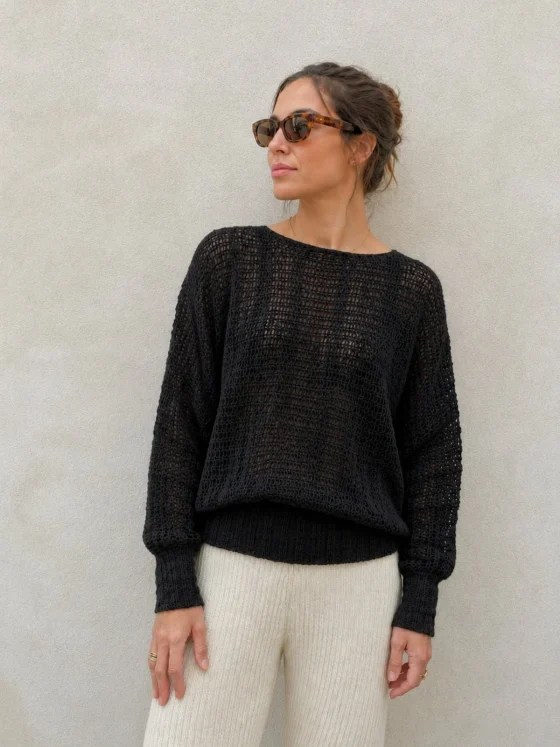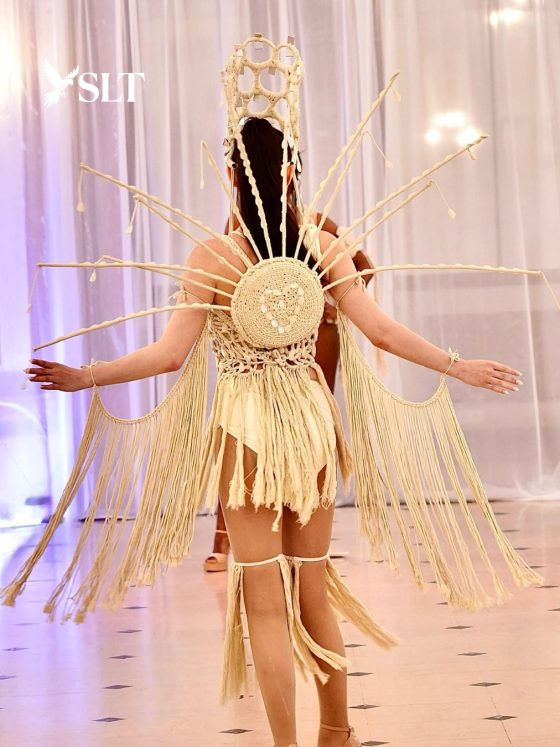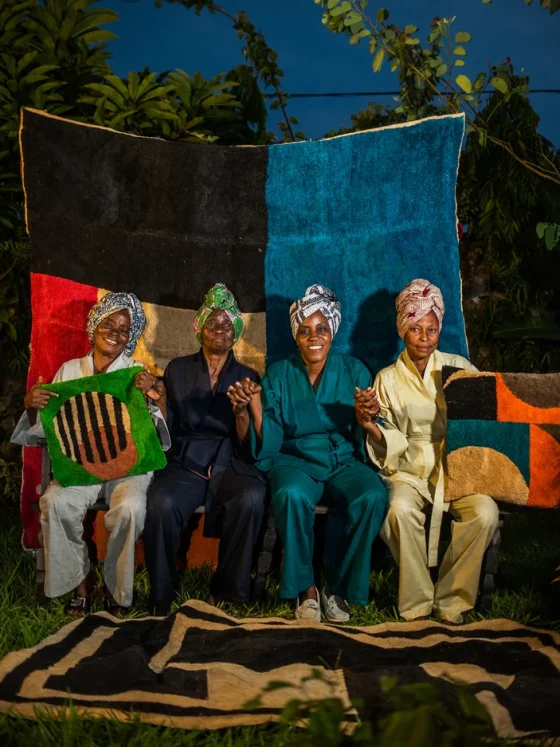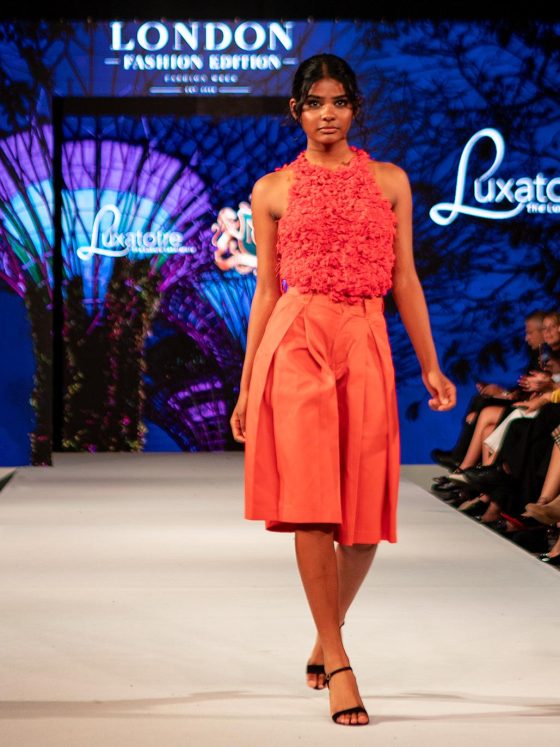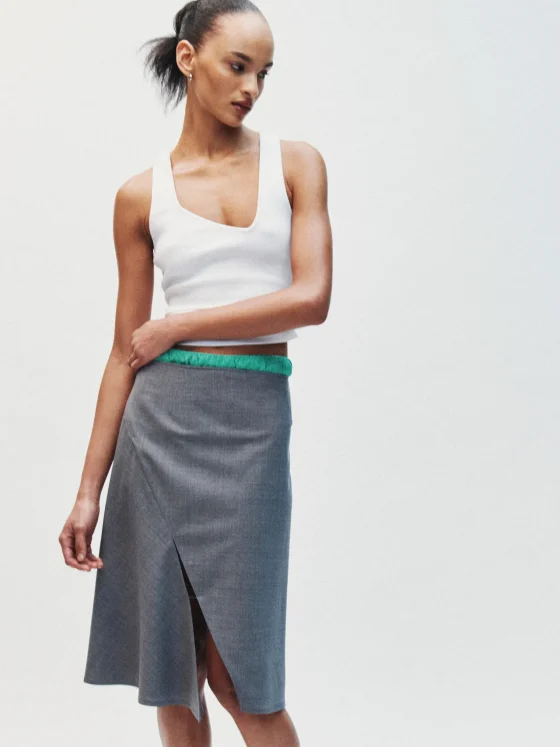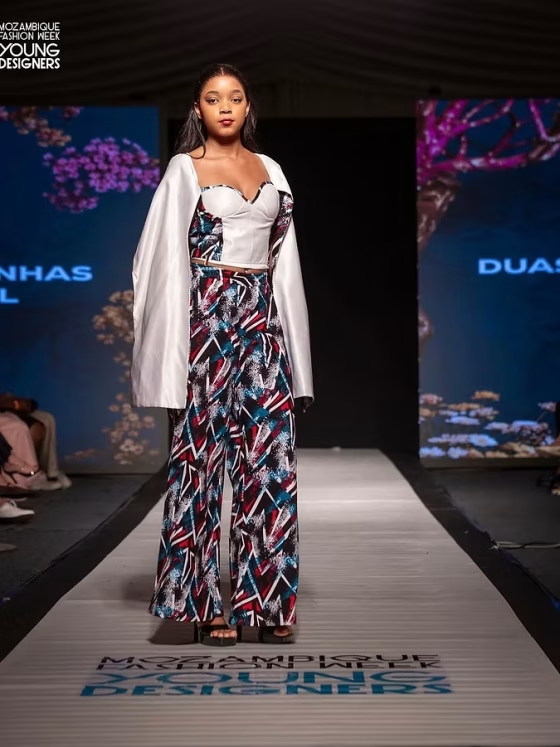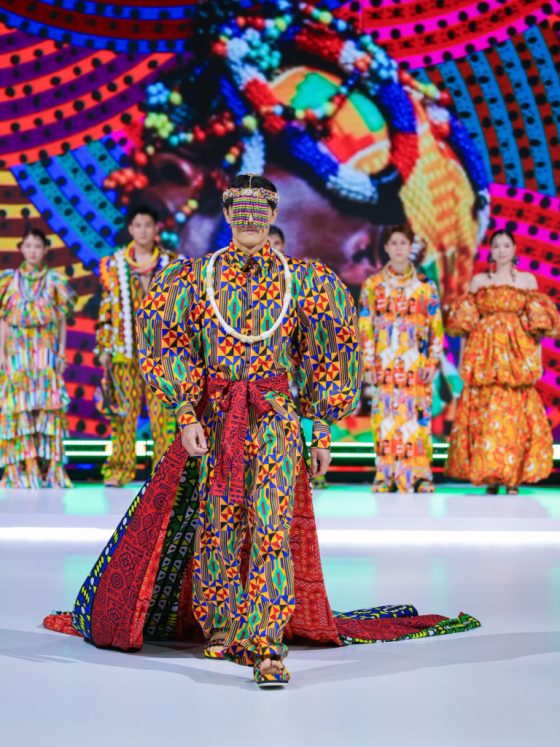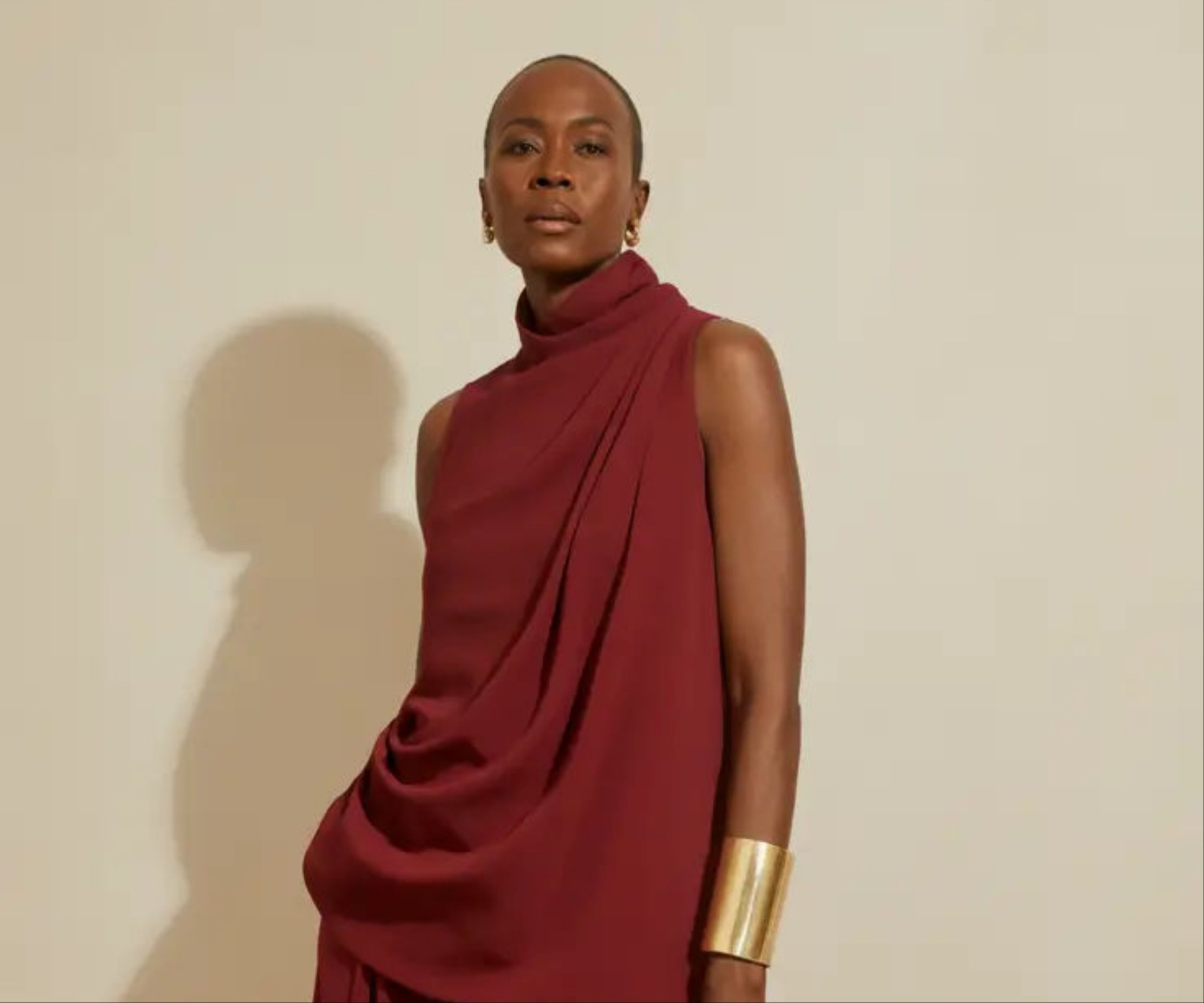
Monochrome dressing has long been treated as fashion’s quiet convenience, the reliable method stylists recommend when elegance feels uncertain. The assumption is that wearing a single colour simplifies dressing. In truth, monochrome does the opposite. It removes fashion’s most forgiving tool and replaces it with scrutiny. Without colour contrast to guide the eye, clothing must justify itself through construction, proportion, and material intelligence. What appears minimal is, in practice, exacting.
The sophistication of monochrome lies in what it refuses to do. It does not entertain through brightness or trend; it asks the wearer to understand silhouette as language. Every seam becomes visible, reasoning. Every fabric choice carries weight. When colour stops performing, design begins speaking louder. Monochrome, therefore, shifts fashion away from styling as decoration and toward dressing as authorship.
This logic is not new, nor is it exclusively Western despite how modern fashion narratives often frame minimalism. Across African fashion histories, visual authority has frequently emerged from controlled repetition rather than contrast garments whose impact comes from scale, textile depth, and presence rather than colour variation. A single hue worn head-to-toe has long signalled intention: ceremonial white asserting spiritual clarity, indigo communicating status, black establishing gravity. The power was never in simplicity, but in coherence.
Seen this way, monochrome is not a trend toward restraint but a discipline of clarity. It asks a wearer and increasingly, a global fashion industry a more demanding question: when colour stops speaking for you, what remains of your style?
Monochrome dressing reveals true sophistication through precision, proportion, and intention rather than colour contrast.
Discipline as Aesthetic Intelligence
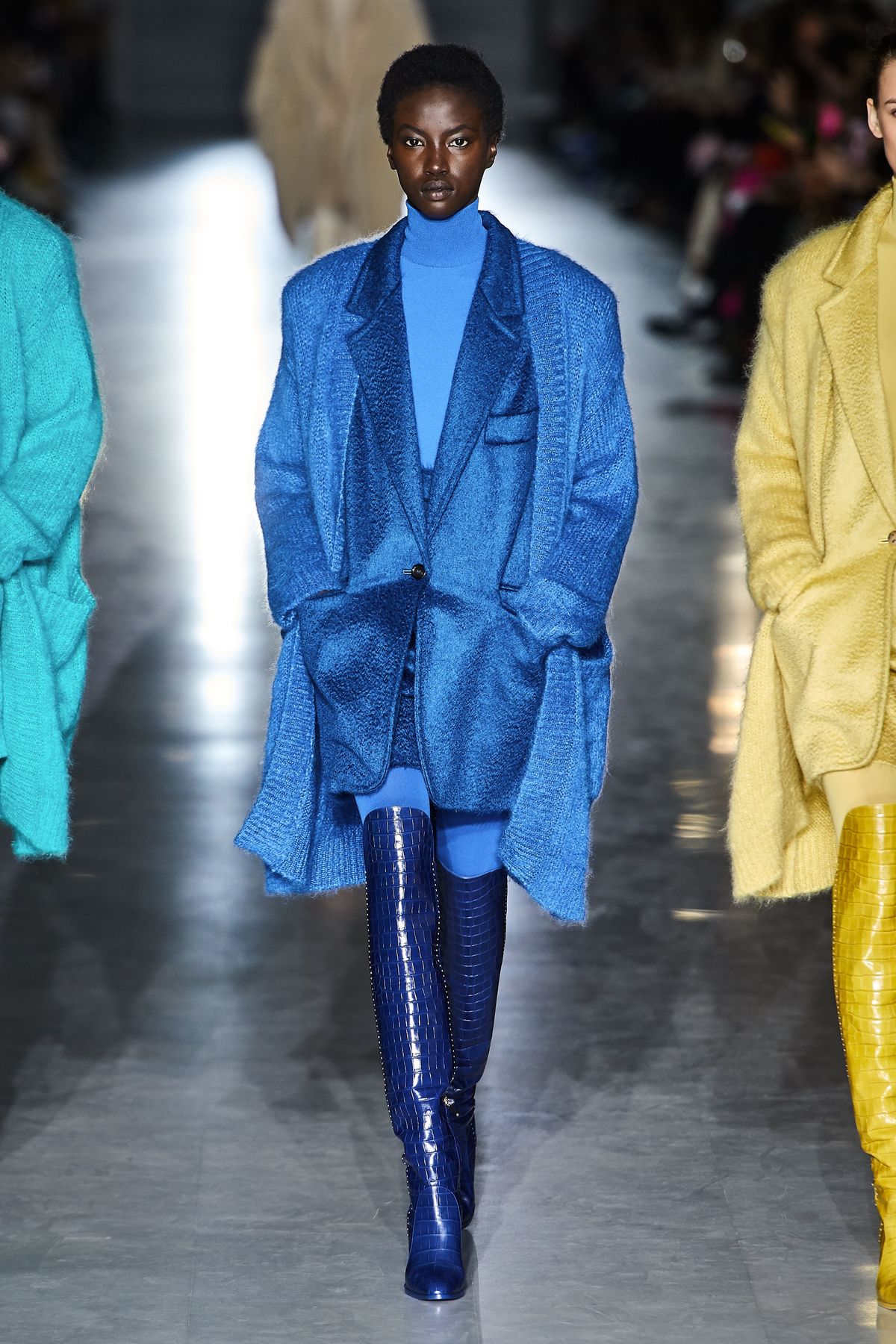
A monochrome look places structure at the forefront. Without competing hues, the eye moves along the silhouette and line. The shoulder matters. The length of trousers matters. The weight of fabric matters. Dressing in a single tone forces clarity.
Across African fashion traditions, tonal dressing is not new. Ceremonial whites, indigo-dyed ensembles, earth-toned wrappers paired with matching head ties, these are not accidents of convenience. They are composed statements. Cohesion has always carried authority.
In contemporary wardrobes, monochrome functions similarly. It signals intention. It communicates that the wearer understands balance.
Texture Over Colour
When colour is restrained, texture carries the narrative. A matte cotton against structured wool. Silk against crepe. Linen against polished leather. The sophistication of monochrome lies in these quiet contrasts.
Designers worldwide have leaned into tonal dressing to foreground construction. At The Row, collections often revolve around disciplined palettes where material quality speaks louder than hue. During his tenure at Bottega Veneta, Daniel Lee similarly emphasised structured neutrals that relied on shape rather than colour theatrics.
Yet Africa has long practised this language. A head-to-toe brown ensemble in Lagos reads differently from a Parisian neutral. It carries climate awareness, textile knowledge, and cultural layering. Monochrome here is not trend alignment. It is continuity.
Authority Without Excess
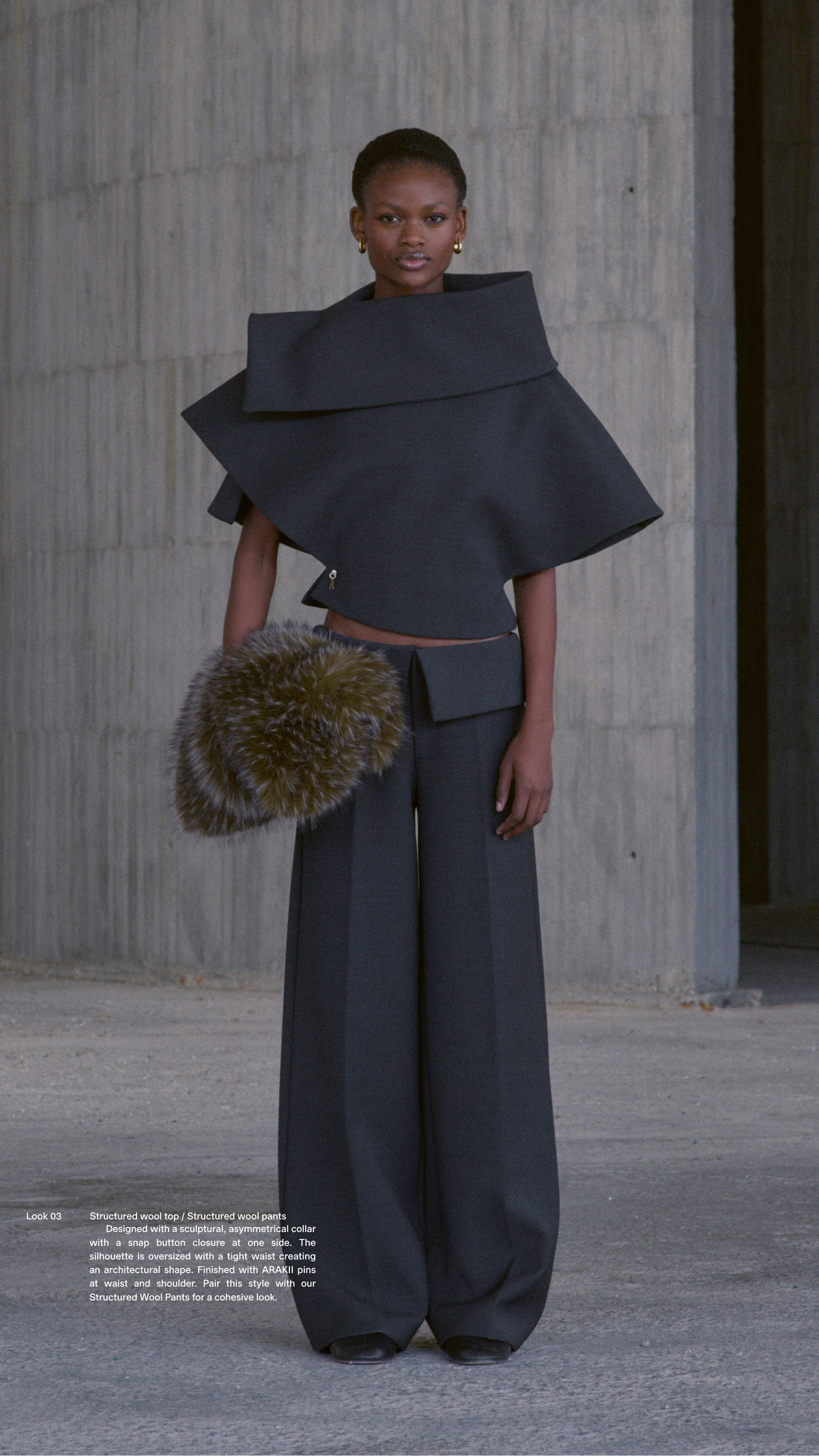
There is a reason all-black dressing persists in professional and creative spaces. It communicates commands. All-white ensembles, when constructed with precision, suggest clarity and composure. Tonal beige signals quiet wealth without spectacle.
Monochrome resists visual noise. In an era saturated with fast fashion and algorithm-driven styling, restraint feels radical. It requires confidence to let the cut and fabric do the work.
For the Omiren woman, whose wardrobe navigates boardrooms and owambe in the same week, monochrome offers adaptability. A structured cream suit can move from a strategy meeting to an evening reception with minor shifts in accessories. The cohesion remains intact.
READ ALSO:
- The Trench Coat Is Being Rewritten, and Africa Is Holding the Pen
- How Texture Is Replacing Colour as the New Statement in 2026 Dressing
Proportion Is Everything
The misconception that monochrome is easy collapses the moment proportion fails. A poorly fitted jacket disrupts the entire composition. An imbalance in hem length becomes obvious. Without colour variation, every structural choice is magnified.
That precision is what elevates the look. Monochrome dressing is architectural. It builds upward from the silhouette rather than outward from the decoration.
Cultural Confidence, Not Imitation
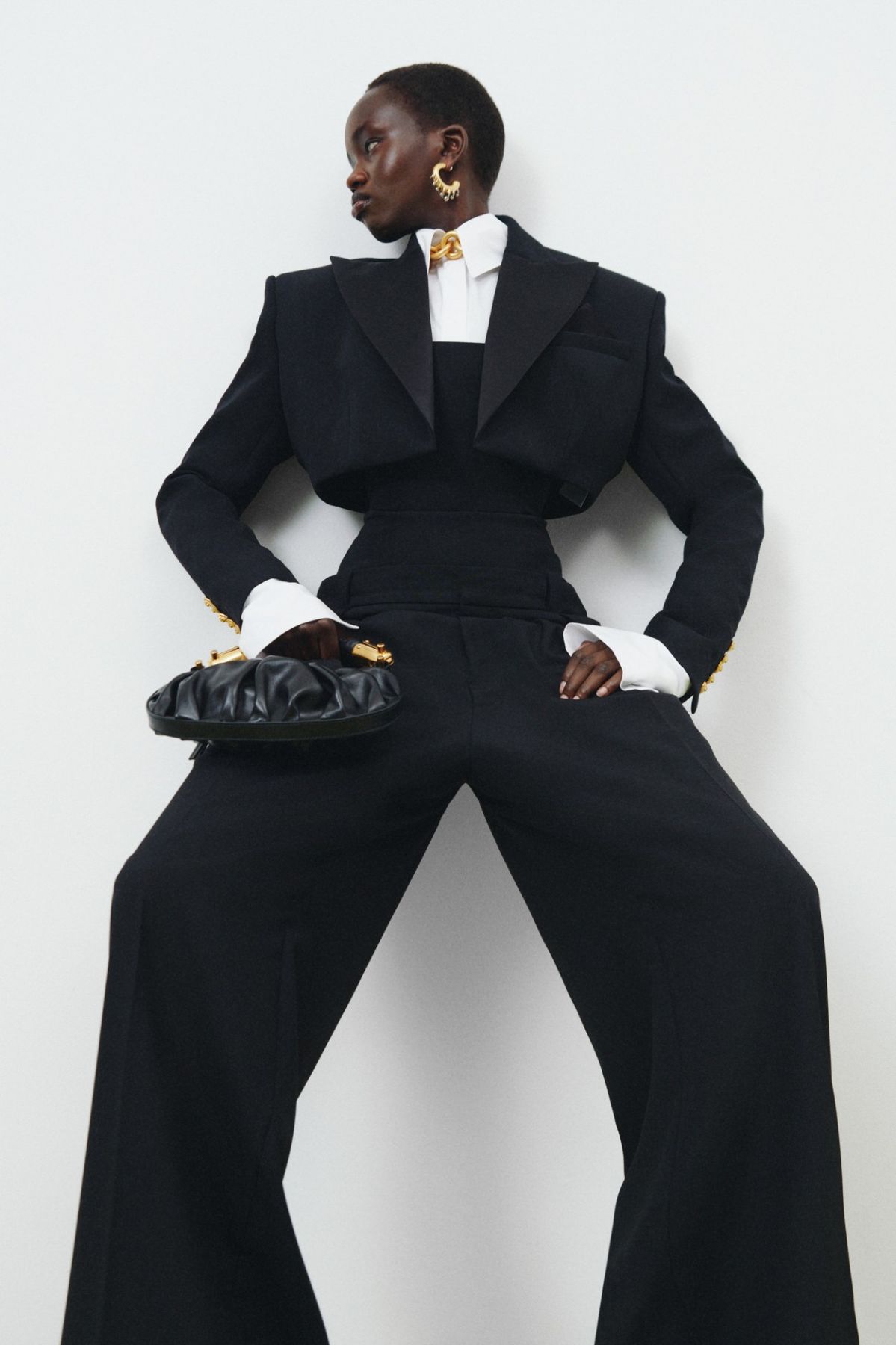
Western fashion media often frame tonal dressing as minimalist chic. Omiren rejects that narrow framing. In many African contexts, dressing in one dominant tone has ceremonial, spiritual, and communal significance. White at celebrations. Deep indigo in heritage textiles. Coordinated aso-ebi that binds a community visually.
Monochrome in 2026 is therefore not a borrowed aesthetic. It is a contemporary expression of an older visual intelligence. The sophistication lies in understanding history and translating it into modern silhouettes.
Conclusion
Monochrome dressing is the most sophisticated style choice you can make because it removes distraction and demands intention. It foregrounds structure, honours texture, and communicates control without theatrics.
It is not minimalism. It is mastery.
In a fashion landscape that often confuses excess with impact, monochrome stands apart. It does not shout. It does not compete. It holds its ground.
And that quiet authority is precisely the point.
FAQs
- Why is monochrome considered sophisticated?
Because it highlights proportion, tailoring, and fabric quality rather than relying on colour contrast for impact.
- Does monochrome dressing only mean black or white?
No. It includes tonal dressing in browns, creams, greys, blues, or any single colour family styled cohesively.
- How can I make a monochrome outfit look intentional?
Focus on varied textures, precise tailoring, and balanced proportions within the same colour family.
- Is monochrome suitable for African climates?
Yes. Lightweight fabrics and breathable textiles allow tonal dressing to remain practical in warm environments.
- Can monochrome work for formal and casual settings?
Absolutely. The same tonal foundation can shift between contexts through footwear, accessories, and layering adjustments.